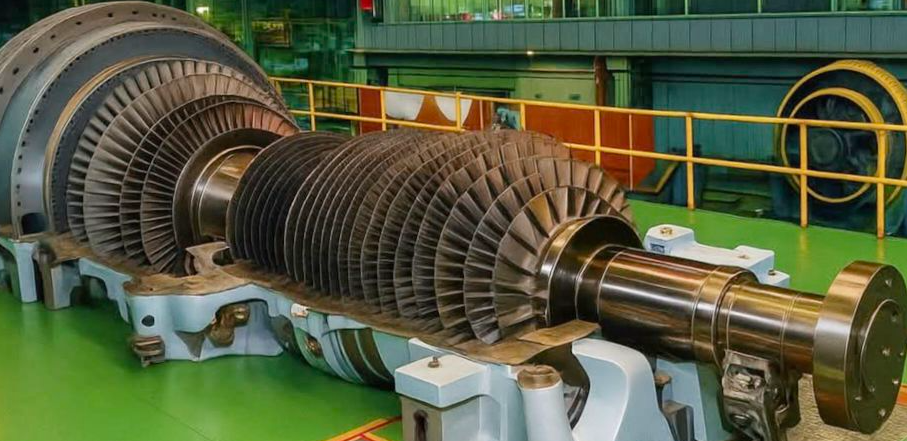
Beschreibung
Key Benefits of Aerospace Casting Components
When buyers come to us for aerospace casting solutions, they usually want three things: lighter parts, tighter tolerances, and lower total cost. Our aerospace investment casting process is built around exactly that.
Superior Strength-to-Weight Ratio
We design and produce precision aerospace castings that deliver high strength with minimum mass.
What this means for you:
- Higher load capacity without adding weight
- Near-net shape aerospace parts that meet demanding structural requirements
- Better performance for aerospace engine castings and structural components
| Benefit | Impact on Your Program |
|---|---|
| High strength-to-weight | More payload, range, or mission flexibility |
| Optimized geometry | Less over-engineering, more efficient designs |
Dimensional Accuracy and Surface Finish
Our lost wax casting aerospace process produces parts with tight tolerances and smooth surfaces.
- Exceptional dimensional accuracy reduces fitting and rework
- High-quality surface finish improves fatigue life and performance
- Ideal for turbine blade investment casting, vanes, and hot-section parts
Reduced Machining and Assembly Cost
By starting with a precision aerospace investment casting, you cut waste across the whole value chain.
- Less stock allowance = shorter machining time
- Fewer setups and tools = lower machining cost
- Tighter tolerances = faster, cleaner assembly
| Cost Driver | How Casting Helps |
|---|---|
| Machining hours | Near-net shapes reduce cutting time |
| Scrap rate | Stable process cuts rework and rejects |
| Assembly labor | Better fit, fewer adjustments |
Consolidation of Multi-Part Assemblies
We often replace bolted or welded assemblies with a single complex geometry aerospace casting.
- Combine multi-part aerospace assemblies into one casting
- Remove welds, fasteners, and alignment issues
- Improve reliability while cutting part count and logistics
Typical wins:
- Weight reduction
- Fewer failure points
- Simplified BOM and sourcing
Lightweight Designs for Fuel Efficiency
Every pound matters. Our aerospace structural castings are engineered to support aggressive weight targets.
- Optimized wall thickness and ribbing for lighter hardware
- Better fuel burn and mission range for aircraft and defense platforms
- Ideal for high-temperature aerospace components where both heat and weight are critical
| Design Goal | Casting Advantage |
|---|---|
| Fuel efficiency | Lightweight, high-strength structures |
| Performance margin | More usable thrust and payload |
| Sustainability goals | Lower fuel use over platform lifecycle |
As an aerospace casting manufacturer and aerospace casting supplier, my focus is simple: deliver precision aerospace cast components that make your aircraft, engines, and defense systems lighter, more reliable, and more cost-effective to build.
Aerospace Casting Materials and Alloys
When we talk aerospace casting, materials make or break the part. I focus on alloys that deliver strength, heat resistance, and consistent performance in flight and space environments.
Nickel- and Cobalt-Based Aerospace Superalloy Castings
For hot-section and engine work, nickel-based alloy aerospace castings and cobalt superalloys are the go-to choice. They handle extreme temperatures, high stress, and thermal cycling in turbine blades, nozzles, and combustor hardware. These aerospace superalloy castings give you:
- High creep and fatigue resistance
- Excellent corrosion and oxidation resistance
- Long life in high-temperature aerospace components
Titanium Aerospace Castings
Titanium aerospace castings and titanium alloy components are ideal when you need high strength and low weight. We use them in structural brackets, landing gear parts, and space hardware where every pound matters. Key advantages:
- Superior strength-to-weight ratio
- Great corrosion resistance
- Compatible with both aircraft and defense aerospace castings
If you’re developing new titanium parts, our investment casting tooling and DFM support help you lock in a robust design early in the program. You can see how we approach tooling for complex geometry aerospace castings in our overview of investment casting tooling capabilities.
Aluminum Alloy Castings for Aircraft
Aluminum alloy castings are still the workhorse for aerospace structural castings and airframe components. We use aerospace-grade aluminum for:
- Housings, brackets, and structural fittings
- Near-net shape aerospace parts to minimize machining
- Lightweight components that support better fuel efficiency
Stainless and Carbon Steel Aerospace Castings
When toughness and durability come first, stainless steel and carbon steel aerospace castings deliver. Typical uses include:
- Landing gear components and actuators
- Fuel system hardware and mounting structures
- Corrosion-resistant parts for demanding environments
Specialty High-Temperature Alloys
For the most extreme aerospace and defense programs, we pour specialty high-temp alloys tailored to:
- Turbine and engine components under continuous high heat
- Space and missile hardware exposed to thermal shock
- Defense aerospace castings that must survive harsh duty cycles
Material Selection Support
Choosing the right alloy is a technical and business decision. As an aerospace casting manufacturer, I help you match material to:
- Engine, turbine, and combustor temperature profiles
- Required life, safety margins, and certification targets
- Cost, lead time, and supply chain stability in the U.S. market
If you’re balancing cost, performance, and schedule on a new program, I’ll walk you through alloy trade-offs and casting options so you get the right aerospace precision cast components from day one.
Aerospace Investment Casting Process
Lost-wax aerospace investment casting workflow
In our aerospace casting company, we rely on a proven lost-wax (aerospace investment casting) process to deliver near-net shape parts with tight tolerances. We start with detailed 3D models, build tooling, then run a repeatable workflow that keeps variation low and quality high for every aerospace precision cast component.
Wax patterns and ceramic shell building
We inject wax into precision tooling to create high-accuracy wax patterns for complex geometry aerospace castings. Those wax patterns are assembled on trees and coated with multiple layers of ceramic to build a strong shell that can handle nickel-based alloy aerospace castings, titanium aerospace castings, and other high-temperature materials. This is the foundation of our precision aerospace casting process.
Pouring, solidification, and cooling control
Once the wax is removed, we preheat the ceramic shells and pour the molten alloy under tightly controlled conditions. We closely manage solidification and cooling profiles to reduce porosity, shrinkage, and internal defects—critical for aerospace engine castings, turbine blade investment casting, and hot-section components that run at extreme temperatures. For deeper insight into heat-resistant alloys, we often reference our work on thermal stability of heat-resistant alloys.
Gate and riser design with casting simulation
We use advanced casting simulation software to optimize gate and riser design before we cut any tooling. This digital step helps us:
- Predict metal flow and solidification
- Eliminate cold shuts, shrinkage, and misruns
- Improve yield and reduce rework
By simulating the process up front, we can deliver more reliable aerospace superalloy castings and reduce development risk for our aerospace and defense customers.
Finishing and surface refinement
After casting, we cut parts off the trees, remove gates and risers, and run grinding and surface refinement to hit aerospace-grade surface finishes. Depending on the requirement, we can support:
- Fine surface finishes for aerospace structural castings
- Tight tolerance features ready for machining
- Prep for coatings, HIP, or other special processes
Prototyping, iteration, and scalable production
As an aerospace casting manufacturer, we support the full lifecycle—from rapid prototypes to full-rate production. Our aerospace foundry services are built for:
- Fast design iterations on new engine or structural parts
- Smooth scale-up from development to long-term programs
- Consistent quality for defense aerospace castings and space applications
When you work with us as your aerospace casting supplier, you get a process built to cut lead time, reduce risk, and keep your program on schedule.
Engineering and Tooling Capabilities for Aerospace Casting
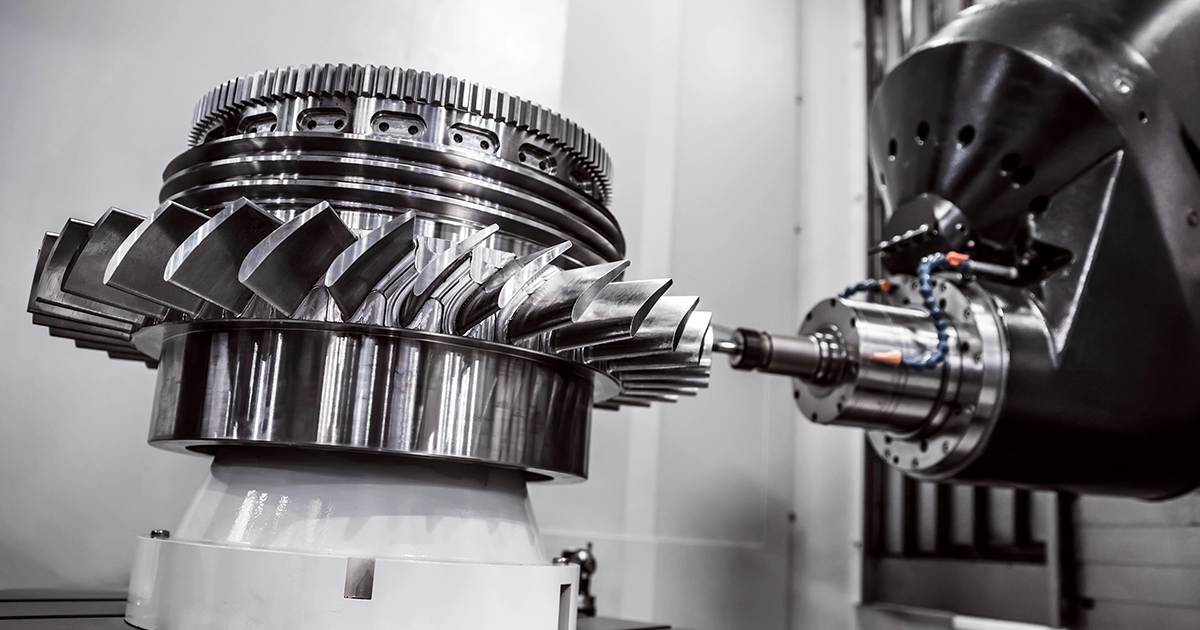
When we take on an aerospace casting program, we start with engineering and tooling that are built around your real-world requirements—not just what looks good on a print.
Custom Tooling for Complex Geometry Aerospace Castings
We design and build custom tooling in-house so we can handle complex geometry aerospace castings—thin walls, intricate internal passages, and tight tolerance features. Our goal is simple: get you repeatable, near-net shape aerospace parts that cut your machining and rework to a minimum.
3D Modeling and Casting Simulation
Our team uses full 3D modeling and casting simulation to dial in:
- Gate and riser locations
- Mold filling behavior
- Solidification and shrink control
By simulating the aerospace investment casting process up front, we reduce defects, shorten development loops, and protect your schedule and budget. For parts running in demanding environments, we apply the same high-temperature knowledge we use in our high-temperature alloy casting projects, as covered in our work on when high-temperature alloy casting is most useful.
DFM Support for Aerospace Engineers
We work side-by-side with your engineering team on design for manufacturability (DFM), focusing on:
- Castability and flow paths
- Wall thickness and transitions
- Tolerance strategy and datum structure
That collaboration lets us turn complex designs into precision aerospace casting solutions that are practical, certifiable, and repeatable.
Rapid Prototyping for New Aerospace Parts
For new platforms and redesigns, we offer rapid prototyping for aerospace precision cast components using:
- Soft tooling or printed patterns
- Fast-iteration simulation and sampling
You get hardware in hand faster for testing, fit checks, and customer demos—without locking into full-production tooling before the design is ready.
Cost and Weight Optimization
We help you optimize cost and weight at the same time by:
- Consolidating multi-piece assemblies into single complex geometry aerospace castings
- Reducing stock allowances for machining
- Choosing alloys and casting strategies that hit both performance and price targets
That’s how we position ourselves as a long-term aerospace casting supplier—not just a foundry, but an engineering partner focused on lifecycle value for U.S. aerospace and defense programs.
Aerospace and Defense Casting Applications
When it comes to aerospace casting, the real value shows up in how parts perform on the aircraft, in engines, and in defense systems. I focus on precision aerospace casting that reliably handles high stress, high temperature, and tight tolerance requirements.
Turbine Blade Investment Casting and Vanes
We use aerospace investment casting to produce turbine blades and vane components with complex internal cooling passages and near-net shape geometry. These nickel-based and cobalt-based aerospace superalloy castings deliver the high-temperature performance and fatigue resistance that jet engines and power turbines demand.
Nozzles, Combustor, and Hot-Section Engine Castings
For nozzles, combustor parts, and other hot-section aerospace engine castings, I design lost wax casting aerospace tooling to manage thin walls, tight features, and thermal cycles. These high-temperature aerospace components are engineered for stable performance under extreme heat and pressure, reducing downtime and maintenance.
Fuel System Castings, Pumps, and Injectors
Fuel system castings, pump housings, and injector components require clean internal passages and repeatable tolerances. My precision aerospace cast components help keep fuel delivery consistent while cutting down on secondary machining and assembly steps.
Airframe and Structural Aerospace Castings
For airframe and aerospace structural castings, I focus on lightweight designs that still meet strength and fatigue requirements. Using aluminum and stainless alloys—similar to those compared in this guide on aluminum alloy die casting options—I can support brackets, fittings, hinges, and other structural hardware with reliable, repeatable quality.
Landing Gear, Actuators, and Precision Brackets
Landing gear components, actuator housings, and precision brackets demand both strength and dimensional accuracy. My aerospace casting company uses complex geometry aerospace castings to replace multi-piece assemblies with single, robust cast parts that stand up to heavy loads and cyclic stress.
Defense and Space Casting Components
For defense aerospace castings and space hardware, I supply near-net shape aerospace parts for missiles, guidance systems, UAVs, rocket engines, and satellite hardware. As an aerospace casting supplier, I build in traceability, consistency, and long-term program support so OEMs and Tier suppliers in the U.S. can depend on stable, secure production capacity.
Certifications and Quality Control in Aerospace Casting
When you’re sourcing aerospace casting, certifications and tight quality control aren’t nice-to-haves—they’re the entry ticket.
AS9100D, ISO 9001, and NADCAP
As an aerospace casting manufacturer, I build everything on a certified quality system:
- AS9100D aerospace foundry certification – Aligns us with major U.S. OEM and defense requirements for aerospace investment casting and precision aerospace casting.
- ISO 9001 – Locks in process discipline, documentation, and continuous improvement.
- NADCAP-approved special processes – Covers critical aerospace casting steps like heat treatment, NDT, and coatings so your audits go smoother.
Non-Destructive Testing (NDT)
Every high-temperature aerospace component and complex geometry aerospace casting runs through NDT as required:
- X-ray inspection for internal shrinkage, porosity, and structural defects
- Ultrasonic testing for thickness, bonding, and hidden flaws
- Dye penetrant inspection for surface cracks on turbine blade investment casting, aerospace engine castings, and structural parts
This level of inspection pairs well with the defect-prevention mindset behind modern lost-wax investment casting processes.
Dimensional Inspection and Validation
To keep aerospace precision cast components within spec, we use:
- CMM dimensional inspection with full reports
- Process validation and capability studies (PPAP, FAI, SPC as needed)
- Tooling and process adjustments driven by data, not guesswork
Full Material Traceability
Every aerospace casting we ship can be traced:
- Heat lot and melt records for all nickel-based alloy aerospace castings, titanium aerospace castings, and stainless or aluminum alloys
- Mill certs, test results, and NDT records tied to each serial or batch
- Complete documentation packages for aerospace and defense programs, ready for customer and regulatory audits
If you’re running long-life U.S. aerospace or defense platforms, this level of quality control and traceability isn’t optional—it’s how you protect your fleet, your schedule, and your certification posture.
Technical Specs & Production for Aerospace Casting
When you work with our aerospace casting company, you’re getting a supplier set up for serious production, not job-shop guesswork.
Aerospace Casting Size & Tolerances
We cover a wide technical window so you can keep more work with one aerospace casting supplier:
| Spec Category | Typical Capability* |
|---|---|
| Casting weight range | Ounces up to several hundred pounds |
| Process | Aerospace investment casting (lost-wax casting) |
| Dimensional tolerances | As tight as ±0.005 in on critical features |
| Repeatability | Controlled with CMM and process capability data |
| Surface finish (as-cast) | ~125–250 µin Ra, finer with secondary finishing |
*Actual tolerances depend on geometry, alloy, and aerospace application.
Surface Finish for Critical Aerospace Components
For high-value aerospace precision cast components, we dial in surface finish based on function:
- Hot-section engine and turbine parts: smooth surfaces for fatigue life and airflow.
- Structural and bracket castings: balanced between performance and cost.
- Near-net shape aerospace parts: minimal machining stock to reduce cycle time.
If you’re comparing alloys for finish and performance, we’ve broken down the best materials for investment casting and their surface behavior in detail in our guide on best materials for investment casting.
Production Volumes: From Prototype to Full-Rate
We support complete aerospace and defense lifecycles:
- Rapid prototypes & engineering builds – prove out designs quickly.
- LRIP (low-rate initial production) – stabilize process and validate tooling.
- Full-rate production – scheduled releases, EDI/forecast support, and long-term agreements.
Secondary Operations for Aerospace Investment Casting
We run a full value stream in-house or with qualified partners, so you don’t have to manage a scattered supply base:
- Heat treatment to meet aerospace mechanical property specs.
- Precision machining for tight-tolerance bores, faces, and interfaces.
- HIP (Hot Isostatic Pressing) to close internal porosity on critical aerospace engine castings.
- Coatings (thermal barrier, wear, corrosion) for high-temperature aerospace components.
For tough alloys and extreme environments, our processes follow the same principles outlined in our overview of high-temperature alloy casting capabilities.
Supply Chain Flexibility for Long-Term Programs
We build our aerospace foundry services around long-term U.S. programs:
- Multi-year agreements aligned to OEM and Tier-1 schedules.
- Safety stock and buffer strategies for defense and spares demand.
- Dual-tooling and risk mitigation for mission-critical aerospace casting programs.
The goal is simple: reliable, repeatable aerospace investment casting performance with the flexibility you need as programs ramp up, peak, and move into sustainment.
Choosing an Aerospace Casting Supplier
When you’re choosing an aerospace casting supplier in the U.S., you’re not just buying parts—you’re picking a long-term manufacturing partner. Here’s what I look at before trusting any aerospace casting manufacturer with critical hardware.
Key Factors When Selecting an Aerospace Casting Manufacturer
A strong aerospace casting company should be able to prove:
- Deep aerospace focus – Proven experience in aerospace investment casting, precision aerospace casting, and complex geometry aerospace castings (turbine blades, structural brackets, engine hardware, etc.).
- Material and process range – Capability in nickel-based alloy aerospace castings, titanium aerospace castings, stainless, aluminum, and high-temperature aerospace components, along with post-processes like heat treat, HIP, coatings, and machining.
- Certifications & quality discipline – An AS9100 aerospace foundry with robust NDT, documentation, and traceability. If they can’t walk you through their quality system in detail, that’s a red flag.
For projects that demand extreme heat and durability, I always confirm they have real experience with high‑temperature alloy casting similar to what’s outlined in this guide on high‑temperature alloy casting for demanding applications.
Experience With OEMs, Tier‑1, and Tier‑2 Suppliers
The right aerospace casting supplier should already be embedded in the ecosystem:
- Direct OEM and Tier‑1/Tier‑2 experience – Familiar with PPAPs, FAI, long qualification cycles, and program management.
- Program longevity – History of supporting long-life aerospace and defense platforms, including spares and aftermarket castings.
- Engine and airframe work – Practical experience with aerospace engine castings, turbine blade investment casting, and aerospace structural castings—not just catalog talk.
On‑Time Delivery and Logistics Support
For U.S. aerospace customers, delivery performance is non‑negotiable:
- Real on‑time delivery metrics – Ask for 12–24 months of OTD data, not just a promise.
- Flexible logistics – Kanban, safety stock, blanket orders, and scheduled releases to keep your lines running.
- Clear lead times – Transparent standard and expedited lead times for near‑net shape aerospace parts and prototypes.
Risk Management and Supply Chain Resilience
A strong aerospace casting manufacturer plans for bad days before they happen:
- Dual tooling or backup processes where possible for critical programs.
- Redundant equipment and power to reduce downtime risk.
- Domestic sourcing strategy for key alloys and consumables.
- Documented risk assessments tied to your program requirements.
For parts that require extra corrosion or environmental resistance, I also verify how their approach lines up with proven practices like those used in advanced surface treatments for cast parts.
Innovation and Continuous Improvement
You want a casting aerospace partner that keeps you competitive:
- Active use of casting simulation and 3D modeling to reduce defects and shorten launch cycles.
- Continuous improvement culture (Kaizen, Lean, Six Sigma) tied to measurable scrap, yield, and cost reductions.
- Design collaboration – Willing to review your models for design for manufacturability and cost/weight optimization, not just quote and ship.
If a potential aerospace casting supplier can’t show strength in these areas, I’d keep looking.
Aerospace Casting Case Studies and Use Cases
Component consolidation to cut weight and cost
With precision aerospace casting, we routinely turn 3–7 piece weldments and fabrications into a single near-net shape aerospace casting. That means:
- Weight down 10–30% by removing extra hardware and weld joints
- Total cost down through fewer part numbers, less inspection, and quicker assembly
- Better reliability because there are fewer joints, leaks, and fatigue points
Redesign for durability and longer life
When customers send us failing or over‑machined parts, we often redesign them as precision aerospace cast components with:
- Local wall thickening only where needed
- Integrated ribs, fillets, and bosses for better fatigue life
- Upgraded alloys like titanium aerospace castings or nickel-based alloy aerospace castings for hot or corrosive zones
This kind of redesign regularly doubles service life for defense aerospace castings and critical brackets.
Boosting turbine and engine performance
For turbine blade investment casting and hot-section aerospace engine castings, our focus is simple: more power, longer life. Using aerospace superalloy castings and tight process control, we help customers:
- Increase turbine inlet temperature with high‑temperature aerospace components
- Improve airflow with smoother internal passages and tighter tolerances
- Maintain dimensional stability across long service intervals
If you’re evaluating titanium vs. steel vs. superalloys, our titanium alloy casting overview is a good place to start.
Cutting lead time with optimized casting
For U.S. aerospace programs under schedule pressure, we use:
- Lost wax casting aerospace workflows with rapid tooling
- 3D printed patterns for short‑run and prototype builds
- Casting simulation to get to “right first time” faster
That combination has cut lead times from 24–30 weeks down to 10–14 weeks for some new aerospace investment casting projects.
Lifecycle value for aerospace and defense platforms
Across commercial, defense, and space programs, the value of a strong aerospace casting supplier shows up over the full lifecycle:
- Lower sustainment costs from more durable cast parts
- Easier sourcing and fewer line‑down events thanks to stable tooling and repeatable aerospace foundry services
- Better upgrade paths when platforms get life extensions or engine refreshes
We design our aerospace casting solutions around how U.S. OEMs and Tier suppliers actually buy, qualify, and support hardware over 20–30+ years of service.
Frequently Asked Questions About Aerospace Casting
Typical Lead Times for Aerospace Investment Castings
For aerospace investment casting projects, I usually see:
- New tools + first articles: about 8–14 weeks depending on complexity and approvals
- Repeat orders: typically 4–8 weeks once tooling and processes are locked in
Hot-section parts, complex aerospace superalloy castings, or parts requiring full NADCAP processes can push to the higher end of that window.
Minimum and Maximum Order Quantities
As an aerospace casting supplier, I keep MOQs flexible:
- Prototypes & PPAP/FAI runs: as low as 5–10 pieces
- Production orders: from small batches to thousands of pieces per year
- Near-net shape aerospace parts for legacy or spares programs can stay at low annual volumes without penalty.
Supported Alloys and Temperature Ranges
For aerospace investment casting and precision aerospace casting, I typically support:
- Nickel-based and cobalt-based superalloys for high‑temperature aerospace components (engine hot sections, 1,600–2,000°F and above)
- Titanium aerospace castings for weight‑critical structures and brackets
- Aluminum aerospace structural castings for airframes and housings
- Stainless and carbon steel aerospace castings for strength and toughness
If you’re comparing options, this overview of high‑temperature alloys for aerospace applications explains why certain alloys are chosen for turbines and engine components.
Design Guidelines for Aerospace Casting Feasibility
To keep a design casting‑friendly and cost-effective, I usually recommend:
- Uniform wall thickness where possible; avoid sudden section changes
- Generous radii and fillets to reduce stress and porosity risk
- Clear draft angles on non-critical surfaces
- Early DFM reviews with the aerospace casting manufacturer to decide where to cast vs. machine
Sharing 3D models early lets us run casting simulation and catch issues before you cut tools.
Standards and Specifications in Aerospace Programs
A qualified aerospace casting company should be aligned with:
- AS9100D and ISO 9001 quality systems
- NADCAP for special processes (heat treat, NDT, welding, coatings)
- Customer and OEM specs (e.g., Boeing, Airbus, Pratt & Whitney, GE, Lockheed)
- Industry standards like AMS, ASTM, and MIL‑specs for materials, heat treatment, and testing
If you need support matching your drawing specs to practical casting options, I handle that translation every day as an aerospace casting supplier.
 German
  English
Rezensionen
Es gibt noch keine Rezensionen.