
Beschreibung
What Is Silica Sol Investment Casting for Aluminum?
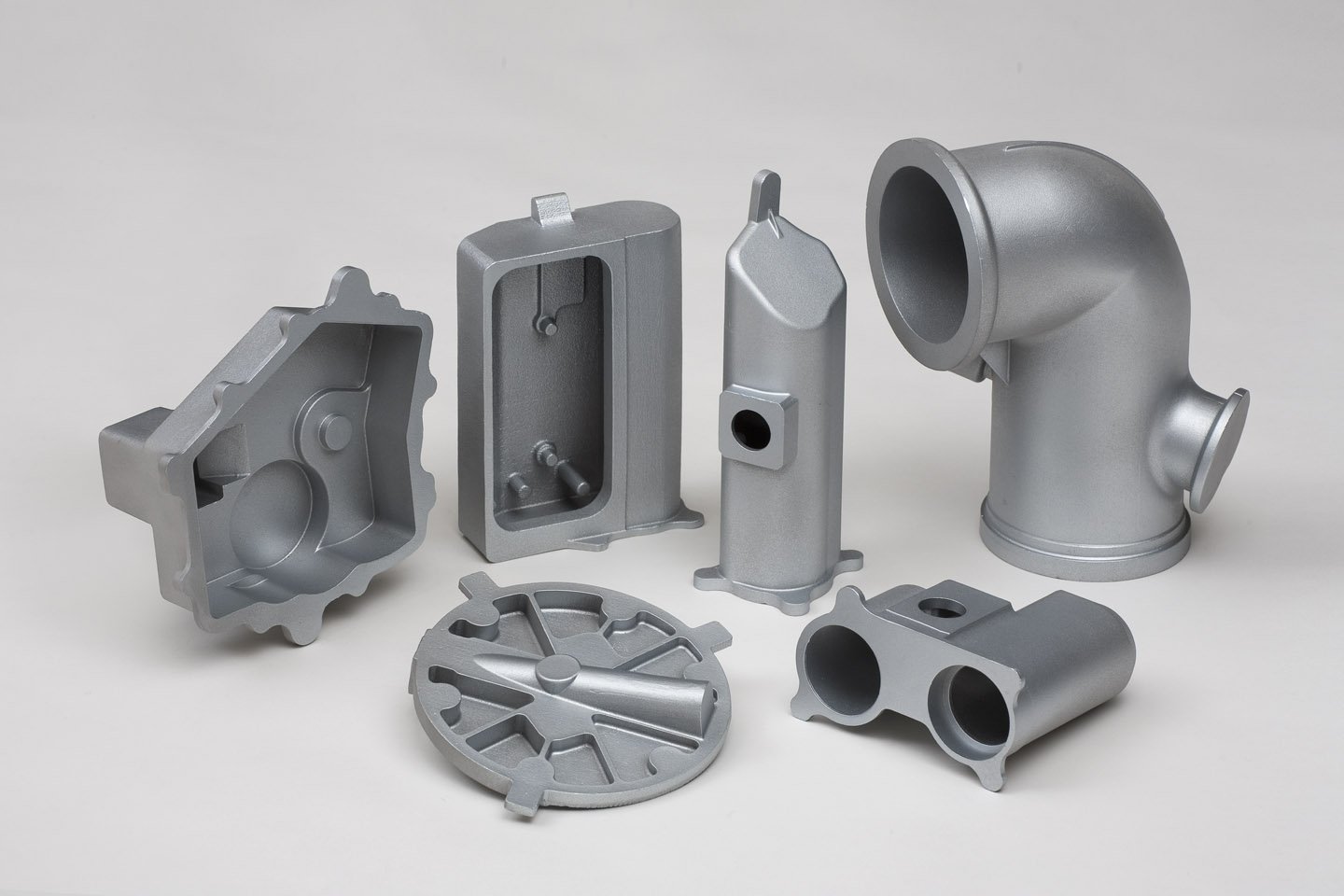
Silica sol investment casting represents the pinnacle of precision in aluminum metal casting. Unlike traditional sand casting or standard die casting, this refined lost-wax process utilizes a high-grade silica sol binder to create ceramic shells. This method is specifically engineered for producing aluminum components that require intricate geometries, thin-wall sections, and exceptional surface finishes that other manufacturing techniques simply cannot achieve.
At Precisionvast, we utilize this advanced technique to transform complex design concepts into high-strength, dimensionally accurate reality. By controlling every variable—from the wax pattern to the final pour—we deliver parts that meet rigorous industrial standards without the heavy tooling costs often associated with high-pressure die casting.
The 14-Stage Manufacturing Workflow
Our comprehensive manufacturing cycle ensures total quality control from raw material to the final inspected part. We manage the entire silica sol casting process in-house:
- Mold Design: Creating the master die for wax injection.
- Wax Injection: Producing precise wax replicas of the final part.
- Pattern Assembly: Mounting wax patterns onto a “tree” system.
- Shell Building: Dipping the tree into silica sol slurry.
- Stuccoing: Coating the wet shell with ceramic sand (repeated multiple times).
- Drying: Controlled drying to ensure shell structural integrity.
- Dewaxing: Melting the wax out via autoclave (lost-wax).
- Sintering: Firing the ceramic shell to harden it for casting.
- Pouring: Gravity pouring molten aluminum alloy into the hot shell.
- Cooling & Knockout: Removing the ceramic shell after solidification.
- Cut-off: Separating individual parts from the assembly tree.
- Grinding/Gate Removal: Smoothing the gate areas.
- Heat Treatment: Enhancing mechanical properties (e.g., T6).
- Final Inspection: Verification via CMM, X-Ray, and visual checks.
Unmatched Precision and Surface Quality
The primary advantage of silica sol investment casting is its ability to hold extremely tight tolerances. Our process consistently achieves ISO8062 CT5 to CT6 standards. This level of accuracy allows for linear tolerances as fine as ±0.13mm for dimensions under 10mm, significantly reducing the need for secondary machining.
Furthermore, the silica sol binder creates a significantly smoother surface finish compared to water glass or sand casting. This results in precision aluminum parts with superior aesthetics and functional surfaces immediately after casting. Whether for complex automotive components or intricate medical devices, this process supports designs with undercuts, internal passages, and thin walls that would be impossible to manufacture through conventional aluminum die casting methods.
High-Performance Aluminum Alloys We Use
Selecting the right material is critical for the success of any aluminum metal casting project. At Precisionvast, we specialize in a variety of grades that balance castability with mechanical performance, ensuring your components meet strict industry standards. We primarily work with the following alloys:
- A380 & ADC12: These are the most widely used alloys for general purposes, offering an excellent combination of casting properties, mechanical strength, and thermal conductivity.
- A360: Selected for applications requiring high corrosion resistance and superior pressure tightness.
- A383 (ADC10): Ideal for complex components where die filling is difficult, offering better resistance to hot cracking than A380.
Our aluminum alloy casting capabilities allow us to leverage the natural benefits of these materials, including high ductility and exceptional electrical conductivity. This makes them perfect for heat dissipation components and lightweight structural parts. For applications requiring high-strength aluminum cast parts, we also provide advanced heat treatment options. We frequently apply T6 heat treatment (solution heat treated and artificially aged) to significantly enhance the hardness and mechanical properties of the final product.
Whether you need a standard grade or a specific alloy composition, our aluminum casting services are tailored to deliver the exact material characteristics your application demands.
Advantages of Silica Sol Aluminum Metal Casting
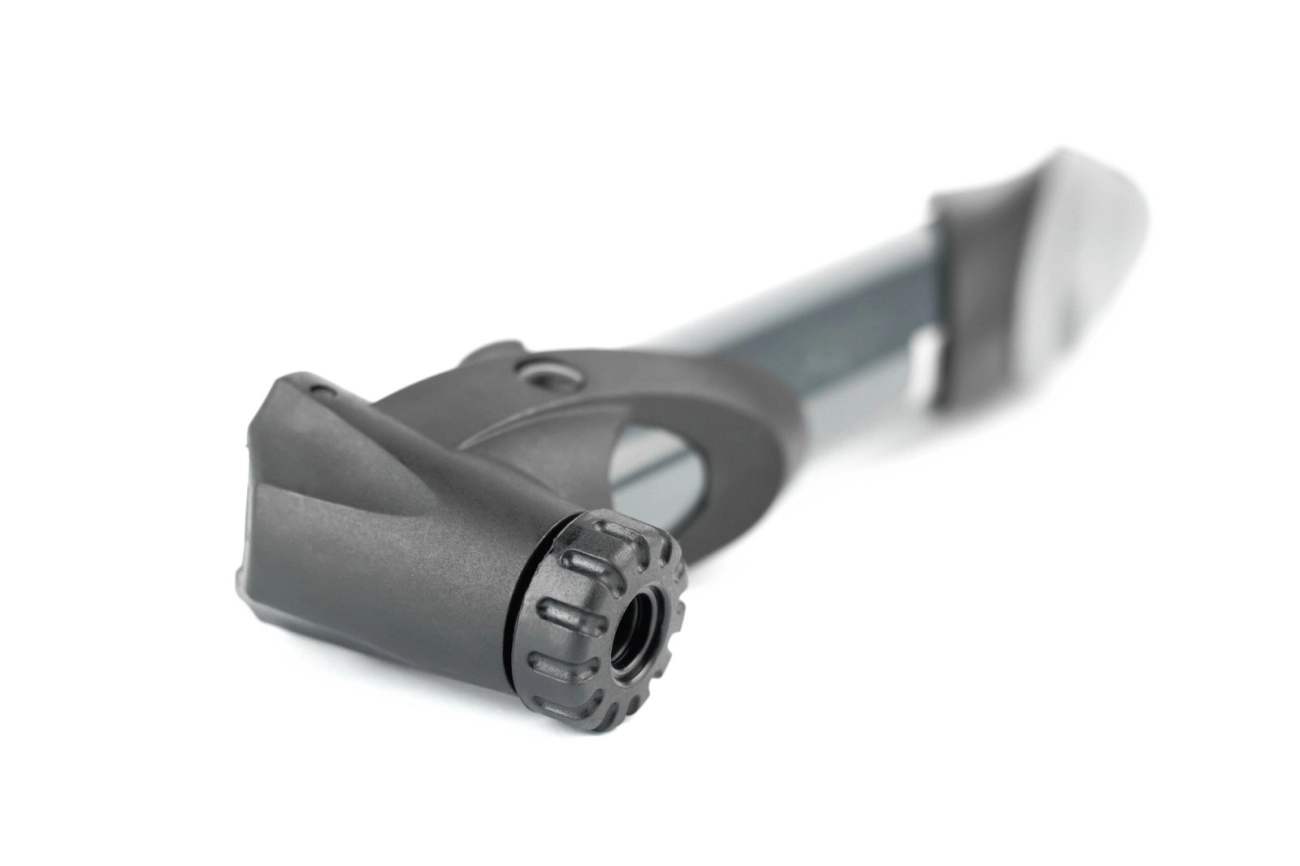
At Precisionvast, we utilize the silica sol investment casting process to deliver results that standard casting methods simply cannot match. This technique is the gold standard for producing high precision aluminum parts where accuracy and surface quality are non-negotiable.
Superior Surface Finish and Dimensional Accuracy
The primary reason our clients choose silica sol over other methods is the exceptional finish. We achieve surface roughness values between Ra 3.2 and 6.3 μm directly from the mold. This means your parts look professional and function smoothly without extensive post-processing.
In terms of precision, we adhere to ISO8062 CT5-CT6 standards. This tight tolerance control ensures that every aluminum metal casting we produce fits your assembly perfectly, reducing rejection rates and assembly time.
Complex Geometries and Thin-Walled Components
If your design features intricate internal structures, undercuts, or thin walls, traditional die casting often falls short. Our aluminum lost wax process allows for incredible design freedom. We can cast thin-walled aluminum components that remain lightweight yet structurally sound. This capability is vital for industries requiring weight reduction without sacrificing strength, such as aerospace and automotive sectors.
Reduced Machining and Cost Efficiency
By achieving near-net shape during the casting phase, we significantly reduce the need for secondary machining. Less machining means less material waste and lower labor costs per unit. Additionally, aluminum naturally offers excellent corrosion resistance and high thermal conductivity. To understand more about why these specific traits matter for your project, read our breakdown of cast aluminum properties, uses, and benefits.
Process Comparison: Which Method Fits Your Needs?
To help you decide if silica sol investment casting is right for your project, here is a direct comparison with other common manufacturing methods we encounter.
| Feature | Silica Sol Investment Casting | Water Glass Casting | Sand Casting | Die Casting |
|---|---|---|---|---|
| Surface Finish | Excellent (Smooth) | Medium | Rough | Good |
| Dimensional Tolerance | High (CT5-CT6) | Medium (CT7-CT9) | Low (CT10-CT12) | High |
| Design Complexity | Very High | Medium | Low | Medium |
| Wall Thickness | Thin (< 2mm possible) | Medium | Thick | Thin |
| Tooling Cost | Medium | Low | Low | Very High |
| Unit Cost | Medium/High | Low | Lowest | Low (at high volume) |
| Best For | Precision, Complex Parts | General Hardware | Large, Simple Parts | High Volume Runs |
We specialize in solving “problem parts”—components that are too complex for die casting or require better finishes than sand casting can provide. By leveraging the silica sol casting process, we deliver custom aluminum castings that meet the rigorous demands of the US market.
Key Applications for Aluminum Metal Casting
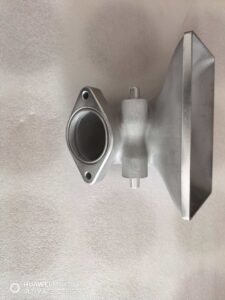
Our aluminum metal casting solutions are designed for industries where reducing weight without sacrificing strength is non-negotiable. We serve over 800 customers globally, delivering components that perform reliably in demanding environments. By leveraging the silica sol investment casting process, we produce parts with complex geometries that traditional methods simply cannot match.
We specialize in serving the following sectors:
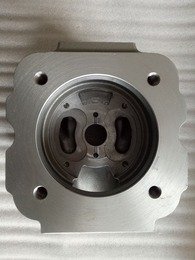
- Automotive: We manufacture critical engine components such as cylinder heads, blocks, and transmission cases. Our process is ideal for creating lightweight chassis parts and mirror brackets that help vehicles improve fuel efficiency and handling.
- Maritime: Due to aluminum’s excellent corrosion resistance, we cast durable propellers, anchor chains, and navigational instrument housings capable of withstanding harsh saltwater conditions.
- Medical Equipment: Precision is vital here. We produce surgical instrument handles, monitor casings, and orthopedic implants that require smooth surfaces and strict dimensional accuracy.
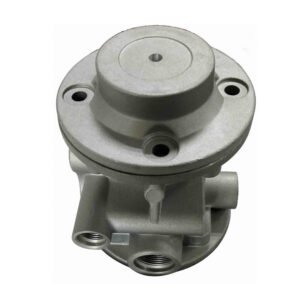
- Valves & Pumps: We supply high-performance valve bodies, pump housings, impellers, and rotors. The smooth surface finish of our castings ensures optimal fluid flow and pressure tightness.
- Infrastructure & Construction: From decorative light fixtures to structural building hardware and scaffolding joints, our castings offer both aesthetic appeal and structural integrity.
We often solve engineering challenges for clients dealing with “problem parts”—specifically designs with thin walls or intricate internal passages that fail in standard die casting. For a deeper understanding of how we handle these complex requirements, our guide to aluminum investment casting details the specific advantages of our process. Whether it is replacing a multi-part assembly with a single casting or reducing secondary machining, we provide a one-stop solution from design to final assembly.
Our Manufacturing Capabilities
At Precisionvast, we operate a dedicated 4,000 m² facility in Dongying, Shandong, specifically optimized for high-quality aluminum metal casting. With over 20 years of industry experience, our factory delivers an annual production capacity of 700 tons, ensuring we can efficiently scale from initial prototypes to full-volume manufacturing runs without bottlenecks.
Integrated One-Stop Services
We streamline the supply chain by handling every stage of production in-house. This vertical integration allows us to maintain strict quality control and reduce lead times for our US clients.
- Design & Prototyping: We utilize SLA rapid prototyping and expert mold design to validate concepts quickly before tooling.
- Precision Machining: Our onsite CNC workshop handles tight-tolerance finishing and secondary operations.
- Post-Processing: We offer comprehensive heat treatment and surface finishing options to meet specific mechanical and aesthetic requirements.
Quality Assurance and Testing
Our commitment to precision is backed by ISO9001 certification and a robust ERP management system. We employ CAE simulation early in the design phase to predict and prevent casting defects. To ensure every part meets strict specifications—crucial for demanding applications like material innovations in impeller pump technology—we utilize a rigorous testing suite:
- Dimensional Inspection: Coordinate Measuring Machine (CMM) for precise geometry verification.
- Non-Destructive Testing (NDT): X-Ray and Magnetic Particle Inspection to detect internal flaws.
- Material Analysis: Spectrometers and hardness testers to verify alloy grades (A380, ADC12, etc.).
Why Choose Precisionvast for Aluminum Metal Casting?
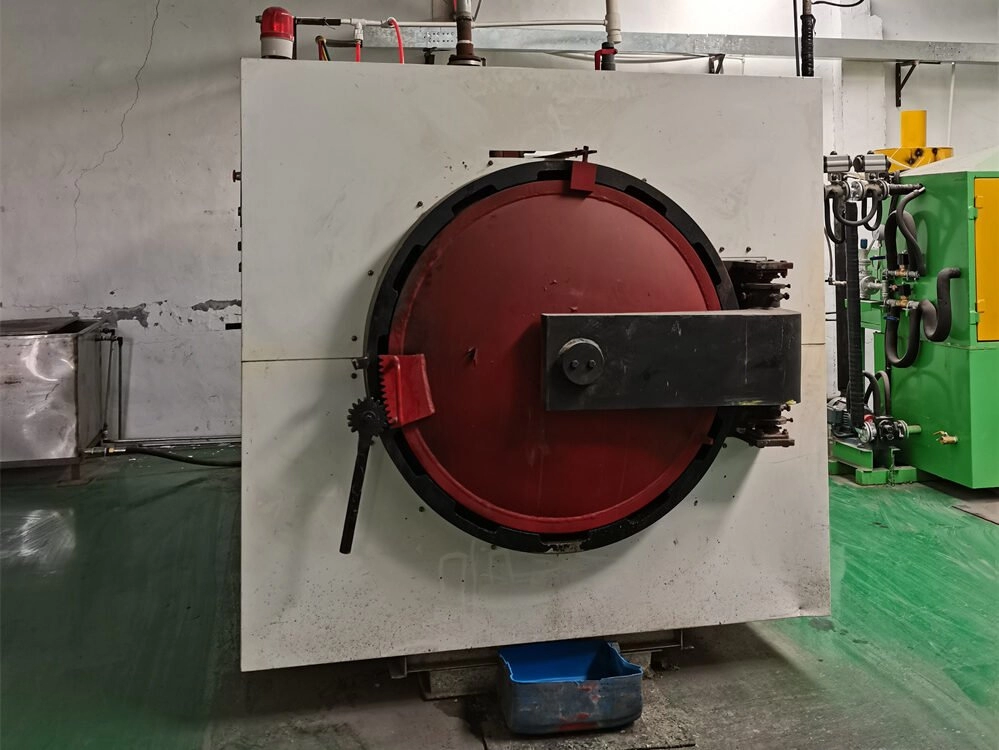
Partnering with Precisionvast means bypassing the middleman. As a factory-direct manufacturer based in Dongying, we offer a streamlined path from design to final delivery. Our 4,000 m² facility is ISO9001 certified, ensuring that every project meets strict quality standards while keeping costs optimized. We don’t just supply parts; we act as an extension of your engineering team.
The Precisionvast Advantage:
- Factory-Direct Efficiency: We eliminate trading company markups. You get direct access to our production floor and a 700-ton annual capacity, ensuring transparency and lower unit costs.
- 8-Hour Response Time: Speed matters. We provide detailed, actionable quotes within 8 hours of receiving your inquiry, helping you move from concept to production faster.
- Complex Customization: We specialize in difficult geometries. Whether you need standard alloys or high-performance A356 aluminum investment castings, we handle thin-wall designs and intricate shapes that traditional die casting cannot achieve.
- Sustainability Focus: We leverage the high recyclability of aluminum and efficient silica sol processes to support environmentally responsible manufacturing.
Common Questions About Aluminum Metal Casting
What tolerances can you achieve with silica sol?
Precision is the main reason our clients choose the silica sol process over sand casting. We strictly adhere to ISO8062 (GB/T6414) standards. For most aluminum metal casting projects using the silica sol method, we consistently achieve precision grades of CT5 to CT6.
To give you a concrete idea of our capabilities:
- Dimensions < 10mm: Tolerances as tight as ±0.13mm.
- Dimensions up to 630mm: Tolerances around ±0.90mm.
- Surface Finish: We deliver smooth surfaces ranging from Ra 3.2 to 6.3 μm, significantly reducing the need for post-cast polishing.
How does silica sol compare to die casting for my project?
The choice depends on your part’s complexity and volume. While structural die casting is excellent for extremely high-volume runs of simpler shapes, it often requires expensive tooling and struggles with undercuts.
Silica sol investment casting is the better choice when:
- You need intricate geometries, complex internal cavities, or thin-walled sections that die casting molds cannot form.
- You require a higher surface finish without extensive machining.
- You want to avoid the porosity issues sometimes associated with high-pressure die casting.
What is the minimum or maximum production volume?
We are set up to handle the entire product lifecycle. Our facility in Dongying is equipped for everything from initial design verification to full-scale mass production.
- Prototyping: We use SLA (Stereolithography) 3D printing combined with precision casting for rapid prototyping, allowing you to test a single unit before committing to tooling.
- Mass Production: With an annual capacity of 700 tons, we easily handle large orders for automotive, marine, and industrial clients globally.
How do you ensure pressure tightness and defect-free parts?
Internal integrity is non-negotiable, especially for valve bodies and pump housings. We employ rigorous non-destructive testing (NDT) to guarantee every precision aluminum casting meets strict quality standards.
- X-Ray Testing: Detects internal porosity or shrinkage defects invisible to the naked eye.
- Magnetic Particle Inspection: Identifies surface and near-surface discontinuities.
- CMM Inspection: Verifies dimensional accuracy against your original CAD files.
We operate under ISO9001 certification, ensuring that every batch delivers the mechanical properties and reliability you expect from a professional factory.
 German
  English
Rezensionen
Es gibt noch keine Rezensionen.