
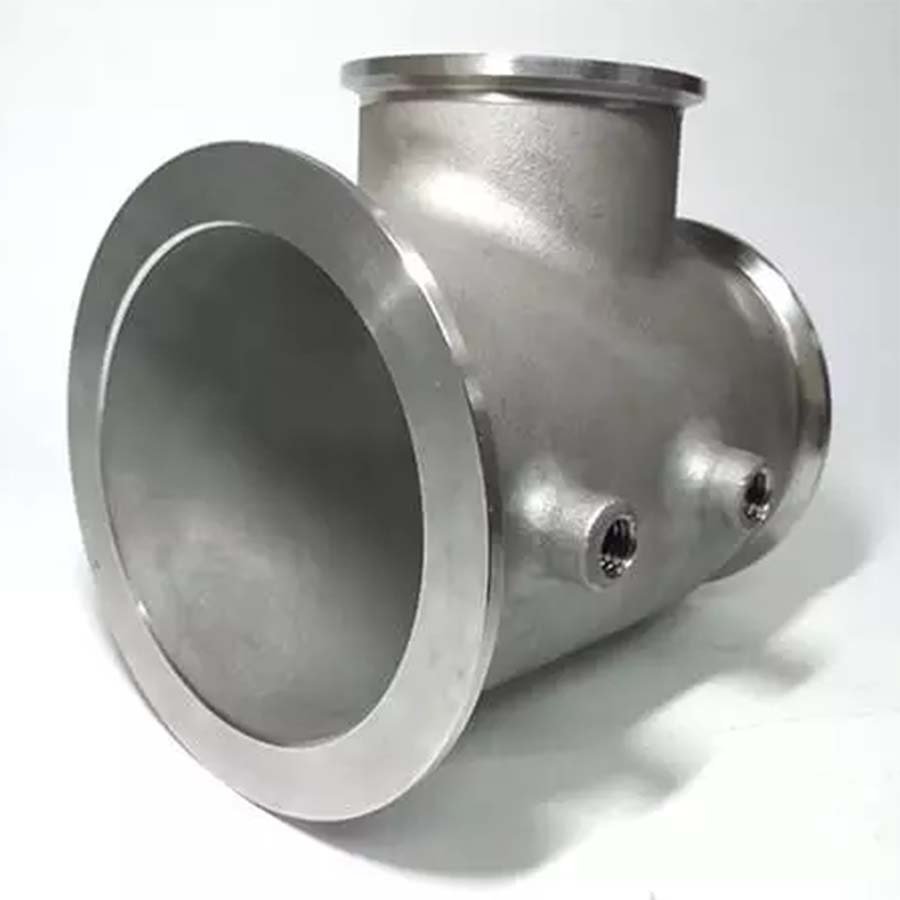
- Investment Casting (Lost-Wax): Best for high precision (±0.005 in/in), complex internal geometries, and smooth surface finishes (≤ 125 Ra). Ideal for reducing secondary machining on high-value alloys.
- Sand Casting: The traditional workhorse for massive, heavy components and cost-effective low-volume runs. Yields a rougher surface (250–500 Ra) and broader tolerances (±0.030 in/in).
- Cost Factor: Sand casting offers lower upfront tooling costs, while investment casting lowers the per-unit Total Cost of Ownership (TCO) at scale by eliminating expensive secondary CNC machining.
The Core Processes Explained
If you are designing a custom metal part, you are likely weighing the pros and cons of investment casting vs sand casting. It is a common crossroads. Choose the wrong method, and you risk facing unexpected tooling costs, wasted materials, or a product that fails to meet your dimensional requirements. Let’s break down exactly how these two manufacturing processes work so you can make the right call for your production run.
What is Investment Casting (Lost-Wax Casting)?
Also known throughout the industry as the lost-wax casting process, this is our go-to method when you need extreme detail and high accuracy. It is a multi-step process designed for near-net shape perfection:
- Pattern Creation: We inject wax into a precision metal die to create an exact replica of your final part.
- The Shell Build: We repeatedly dip this wax pattern into a liquid ceramic slurry to build a tough, heat-resistant ceramic shell mold.
- Melting It Out: The mold is heated in an autoclave, and the wax melts out completely (hence, “lost-wax”).
- The Pour: We pour molten metal—ranging from standard steel to high-temperature superalloys—directly into the hollow ceramic shell.
- The Reveal: Once cooled, we shatter the ceramic to reveal a beautiful, near-net shape manufacturing part.
The Result: Unmatched precision that significantly reduces your need for secondary CNC machining.
What is Sand Casting?
Sand casting is the traditional, heavy-duty workhorse of the metal casting world. It is highly efficient for larger, bulkier components where microscopic detail isn’t the primary goal.
- The Pattern: We create a solid, reusable pattern of your part out of wood, plastic, or metal.
- Packing the Sand: We pack specially formulated, bonded sand tightly around the pattern to create a rigid, two-part mold.
- The Cavity: We pull the pattern out, leaving a hollow cavity in the sand that matches your design.
- The Pour: Molten metal is poured directly into the gating system of the sand mold.
- The Breakaway: After the metal cools and solidifies, the sand is broken apart (shakeout) and recycled for the next batch.
The Result: A highly versatile, cost-effective method for large volumes, though it inherently leaves a higher surface finish roughness (Ra) and typically requires more post-production machining to hit tight tolerances.
Head-to-Head Technical Comparison
In my experience running manufacturing operations, choosing between investment casting vs sand casting comes down to the raw technical capabilities of each process. Here is how they stack up when you put them head-to-head on the factory floor.
Casting Dimensional Tolerances
Precision is usually the ultimate deciding factor.
- Investment casting delivers incredibly tight casting dimensional tolerances. We consistently hit within ±0.005 inches per inch. The mold expands predictably, allowing for exact scaling.
- Sand casting naturally shifts and settles as the metal cools. The tolerances are much looser, typically running around ±0.030 inches per inch. It is historically great for heavier, bulkier items but falls short if your parts need to snap perfectly into a complex assembly straight off the line.
Surface Finish Roughness (Ra)
The material holding your molten metal dictates the final look and feel of the part.
- Investment Casting: We use a liquid ceramic shell that bakes into a rock-hard, perfectly smooth mold. This produces an exceptional surface finish roughness (Ra), typically 125 micro-inches or better, keeping your parts off the polishing wheel.
- Sand Casting: It leaves a heavily textured surface mirroring the packed sand grains, usually clocking in around 250 to 500 Ra. You will almost certainly need to factor in time for grinding and secondary CNC machining.
Undercuts and Complex Geometries
If your blueprint features intricate internal structures, you need to match the design to the right casting limits.
- Wall Thickness: Investment casting easily handles paper-thin walls down to 0.040 inches. Sand casting struggles with anything thinner than 0.100 inches because the molten metal loses heat too fast against the sand mold, causing incomplete fills.
- Design Freedom: Because the initial wax pattern melts completely away out of the ceramic shell, investment casting can produce internal cavities, severe undercuts, and fine details that a rigid, split-sand mold would destroy during the removal phase.
Technical Specifications Quick Reference
| Feature | Investment Casting | Sand Casting |
| Standard Tolerances | ±0.005 in/in | ±0.030 in/in |
| Surface Finish (Ra) | Smooth (≤ 125 µin) | Rough (250 – 500 µin) |
| Minimum Wall Thickness | 0.040 inches | 0.100 inches |
| Geometric Complexity | High (Ideal for undercuts) | Low to Medium |
| Ideal Part Weight | < 1 oz to 100 lbs | 1 lb to several tons |
Total Cost of Ownership (TCO) in Manufacturing
When evaluating investment casting vs sand casting, the bottom line dictates the final decision. To get an accurate picture, you must look past the initial price tag and calculate the Total Cost of Ownership (TCO).
Tooling Costs for Casting:
- Sand Casting: The initial tooling (wood, plastic, or basic metal patterns) is relatively inexpensive and fast to produce. This makes it highly attractive for low-volume production or rapid prototyping.
- Investment Casting: This process requires precision metal dies to create the wax patterns. While these initial tooling costs are higher, the robust dies easily support high-volume, long-term production runs without degrading.
Per-Unit Cost and Post-Processing:
- Near-Net Shape Manufacturing: Investment casting produces complex geometries that are incredibly close to their final dimensions right out of the mold. This drastically reduces metal casting waste and operational bottlenecks.
- Secondary CNC Machining: Sand casting typically yields rougher surfaces and looser tolerances. To meet strict American manufacturing standards, you almost always have to factor in extensive secondary CNC machining to hit your final specifications.
The Verdict on Cost: While sand casting often wins on the initial setup price, investment casting typically drives the actual per-unit cost down for complex parts by eliminating expensive machine shop hours and reducing material waste.
When to Choose Which Process?
Deciding between investment casting vs sand casting comes down to balancing part size, design complexity, and required precision. Here is a clear breakdown of where each process excels.
Ideal Applications for Sand Casting
- Heavy components: Perfect for engine blocks, massive pump housings, and large agricultural machinery parts.
- Low-volume production: The lower tooling costs make it highly cost-effective for short production runs.
- Simpler geometries: Best for solid parts that lack strict undercuts and complex internal channels.
Ideal Applications for Investment Casting
- High-precision parts: Aerospace turbine blades, intricate medical devices, and complex valve assemblies.
- Intricate details: Easily handles thin walls, tight tolerances, and superior surface finish requirements.
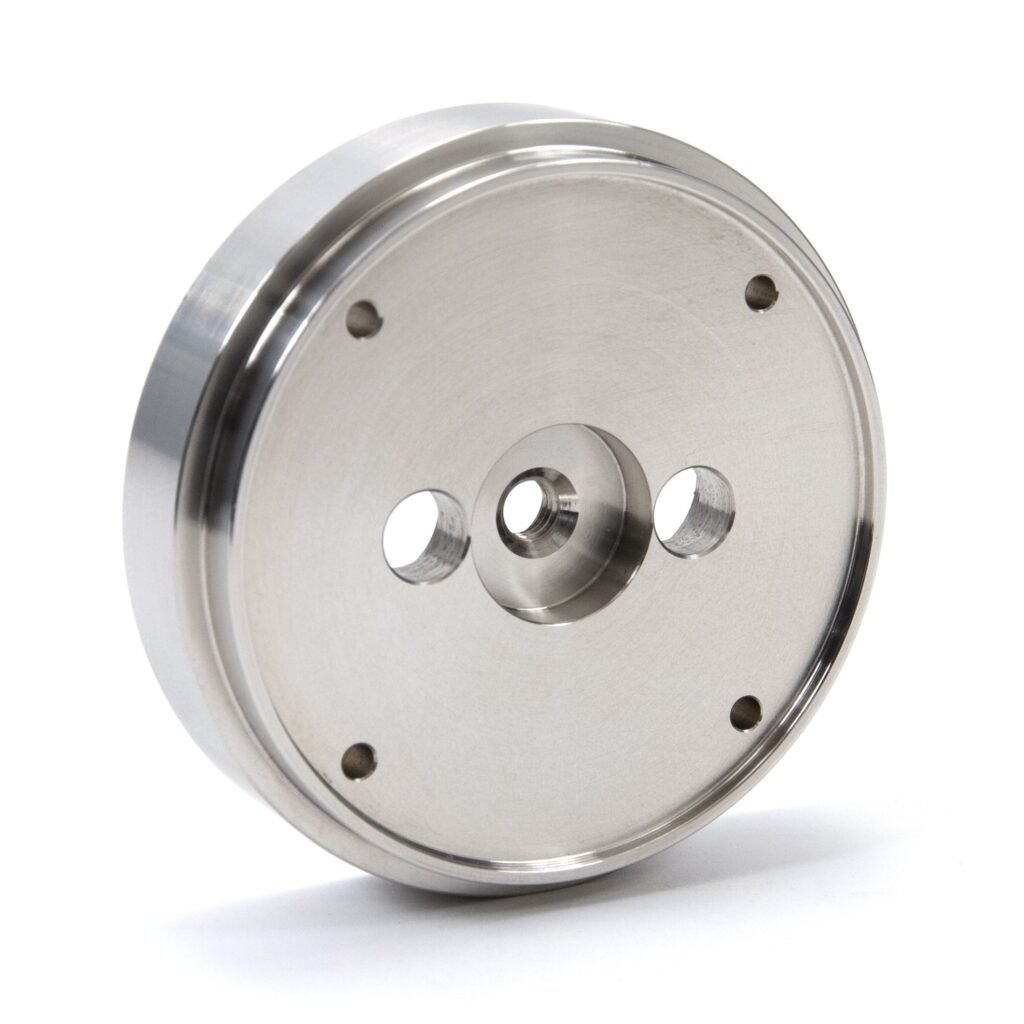
- Tough materials: The preferred method when casting high-temperature superalloys, as it minimizes the need to cut or grind extremely hard metals.
PrecisionVast: Your Trusted Investment Casting Partner
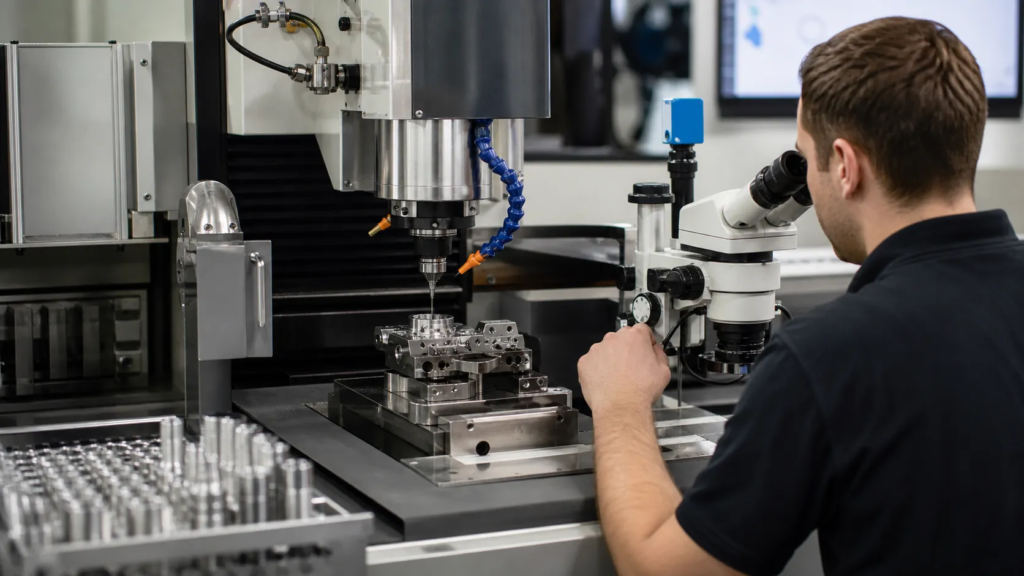
When weighing the pros and cons of investment casting vs sand casting, having a reliable partner makes all the difference. We built PrecisionVast to bridge the gap between complex engineering needs and efficient, high-quality production.
As a dedicated B2B casting foundry, we provide factory-direct solutions that keep your supply chain lean and aggressively lower your Total Cost of Ownership. We specialize in near-net shape manufacturing, minimizing material waste and drastically reducing your reliance on secondary CNC machining.
What you get when you partner with PrecisionVast:
- Custom Alloy Pours: We handle everything from standard aluminums and 1.4308 stainless steel to complex, high-stress superalloys designed for extreme environments.
- Strict Quality Control: We utilize rigorous nondestructive testing (NDT) to guarantee that every single casting meets your exact structural and dimensional requirements.
- Scalable Manufacturing: Whether you are moving from rapid prototyping SLA models straight into a short run, or scaling up to high-volume continuous production, our facility adapts to your exact timeline and volume needs.
Frequently Asked Questions (FAQs)
Which is cheaper: investment casting or sand casting?
Sand casting generally offers lower initial tooling costs and is cheaper for low-volume runs or massive parts. However, investment casting yields near-net shape parts, drastically reducing material waste and the need for expensive secondary CNC machining. For high-volume, complex parts, investment casting often ends up being the cheaper option per unit.
Can sand casting achieve the same tolerances as investment casting?
No. Sand casting relies on packed sand molds, which inherently leave a rough surface finish and wider dimensional variations (±0.030 in/in). Investment casting uses a fired ceramic shell mold that locks in extremely tight casting dimensional tolerances (±0.005 in/in) and a smooth surface straight off the line.
What is the typical lead time for both processes?
Sand casting is generally faster out of the gate, typically yielding first-article parts in 2 to 4 weeks. Traditional investment casting tooling takes 4 to 8 weeks to machine the aluminum wax-injection dies. However, at PrecisionVast, we regularly use rapid prototyping SLA to 3D print the initial wax patterns, allowing us to put precision investment cast parts in your hands in just a matter of days.

 German
  English