

Learn how to cut stainless steel with Precisionvast tools for clean burr free cuts heat control and long lasting performance.
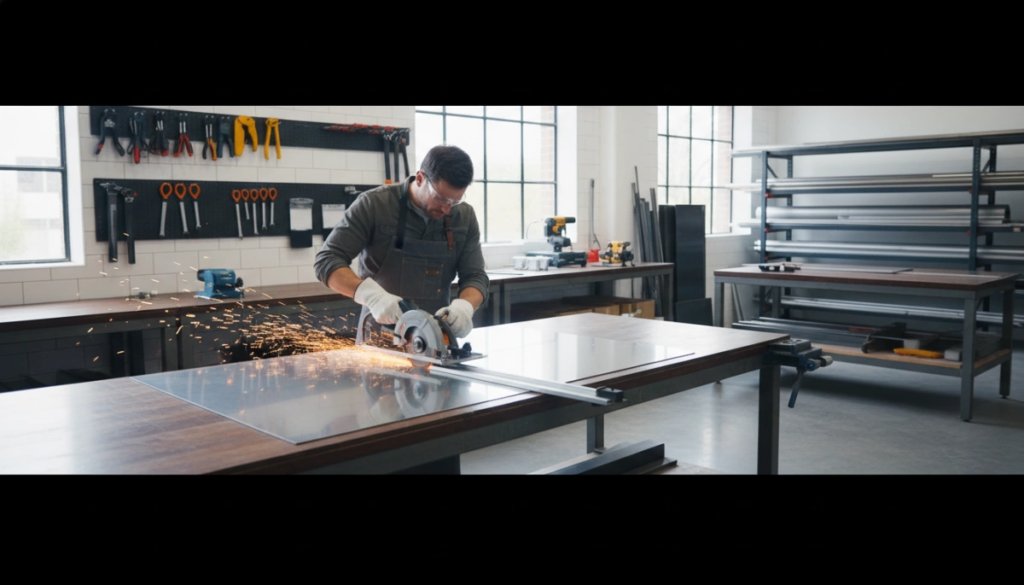
Choosing the Best Tools for Cutting Stainless Steel
Selecting the correct equipment is critical because stainless steel is significantly harder than carbon steel and prone to work hardening. We focus on matching the tool to the material thickness to ensure efficiency and tool longevity.
Thin Sheets (0.5mm – 2mm): Metal Cutting Shears
For light-gauge material, we avoid heat-generating tools to prevent warping or discoloration.
- Tin Snips: Best for short, straight cuts in very thin foil or sheets.
- Nibblers: Excellent for making distortion-free cuts and following curved templates without bending the metal edges.
- Metal Cutting Shears: Provides a clean, “scissor-like” finish on 304 grade stainless steel fabrication projects.
Medium Thickness (2mm – 6mm): Angle Grinder Attachments
This is the most common range for professional fabrication. We recommend using an angle grinder paired with Precisionvast abrasive cut-off wheels.
- Ultra-Thin Discs: Use 1mm or 1.6mm wheels to slice through the metal quickly with minimal resistance.
- Reduced Friction: Thinner wheels create less heat, which helps in work hardening prevention.
- Versatility: This setup is the industry standard for cutting square tubing, flat bars, and medium-gauge sheets.
Heavy Plates & Pipes (6mm+): Carbide-Tipped Circular Saw Blades
When dealing with structural stainless, high-torque tools are mandatory to maintain a steady feed rate.
- Circular Saws: Equipped with specialized carbide-tipped circular saw blades, these saws provide “cold cuts” that are virtually burr-free.
- Band Saws: For thick pipes and solid blocks, a horizontal band saw with a high-quality bi-metal blade ensures perfectly square, repeatable cuts.
Intricate Shapes: Jigsaws and Plasma Arc Cutting
When the design requires more than just a straight line, we turn to precision-focused methods.
- Jigsaws: Use a blade with a high TPI (Teeth Per Inch) and a orbital setting turned off to prevent blade chatter.
- Plasma Arc Cutting: The ultimate solution for thick, complex shapes. It uses a high-velocity jet of ionized gas to melt through the material with extreme speed and a narrow heat-affected zone (HAZ).
| Material Thickness | Recommended Tool | Best Use Case |
|---|---|---|
| 0.5mm – 2mm | Nibblers / Snips | Thin sheets, flashing, and ductwork |
| 2mm – 6mm | Angle Grinder + Precisionvast Wheels | General fabrication, pipes, and frames |
| 6mm+ | Carbide Circular Saw / Band Saw | Heavy plates and structural components |
| Custom Shapes | Plasma Cutter / Jigsaw | Artistic designs or complex industrial parts |
Precisionvast Step-by-Step Guide to Cutting Stainless Steel
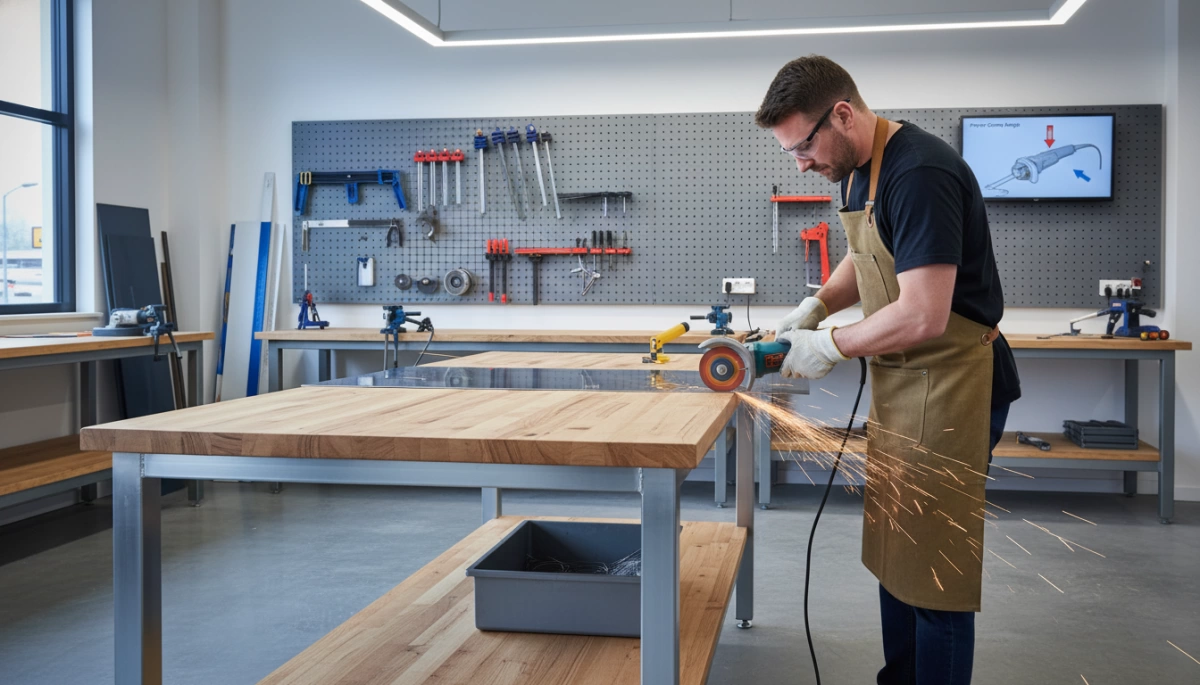
Cutting stainless steel requires a disciplined approach to avoid ruining expensive blades and wasting material. At Precisionvast, we follow a strict protocol to ensure every cut is clean and the material integrity remains intact. Following these steps will help you achieve professional results while extending the life of your tools.
Preparation and Layout
Before the first spark flies, precision is mandatory. Stainless steel is less forgiving than carbon steel, so your setup must be rock-solid.
- Marking: Use layout fluid or a dedicated metal scribe to create high-visibility lines. This ensures accuracy even under the dust of the cutting process.
- Securing the Workpiece: Use heavy-duty clamps to fix the steel to a stable workbench. Any vibration during the cut will lead to “chatter,” which destroys blade teeth and causes jagged, uneven edges.
Mastering Speed and Pressure
The biggest mistake people make when learning how to cut stainless steel is moving too fast. This material is highly prone to work hardening, meaning it becomes significantly tougher if it gets too hot during the process.
- Slow Surface Speed: Keep your RPMs low. High speeds cause “blade glazing,” where the teeth lose their bite and simply slide over the surface, creating friction instead of a cut.
- Consistent Pressure: Apply firm, steady downward force. You must stay under the “skin” of the metal. If you back off too much, the blade will rub against the steel, generating lethal heat that dulls the tool instantly.
Cooling and Lubrication
Heat is the primary enemy of any stainless project. Using a high-quality cutting fluid for stainless steel or specialized cutting wax is non-negotiable for medium and heavy thicknesses.
- Friction Reduction: Lubricants reduce the drag between the blade and the workpiece, allowing for a smoother glide.
- Heat Dissipation: Proper cooling keeps the heat-affected zone (HAZ) small, preventing the steel from turning blue or losing its inherent corrosion resistance.
For those looking to refine their workshop efficiency, staying updated on the latest industrial fabrication insights can provide a competitive edge in material handling and tool longevity.
| Factor | Action for Stainless Steel |
|---|---|
| Blade Speed | Low RPM / High Torque |
| Feed Pressure | Constant and Firm |
| Coolant | Required (Wax or Oil) |
| Stability | Zero-vibration Clamping |
Advanced Metal Fabrication for a Professional Finish
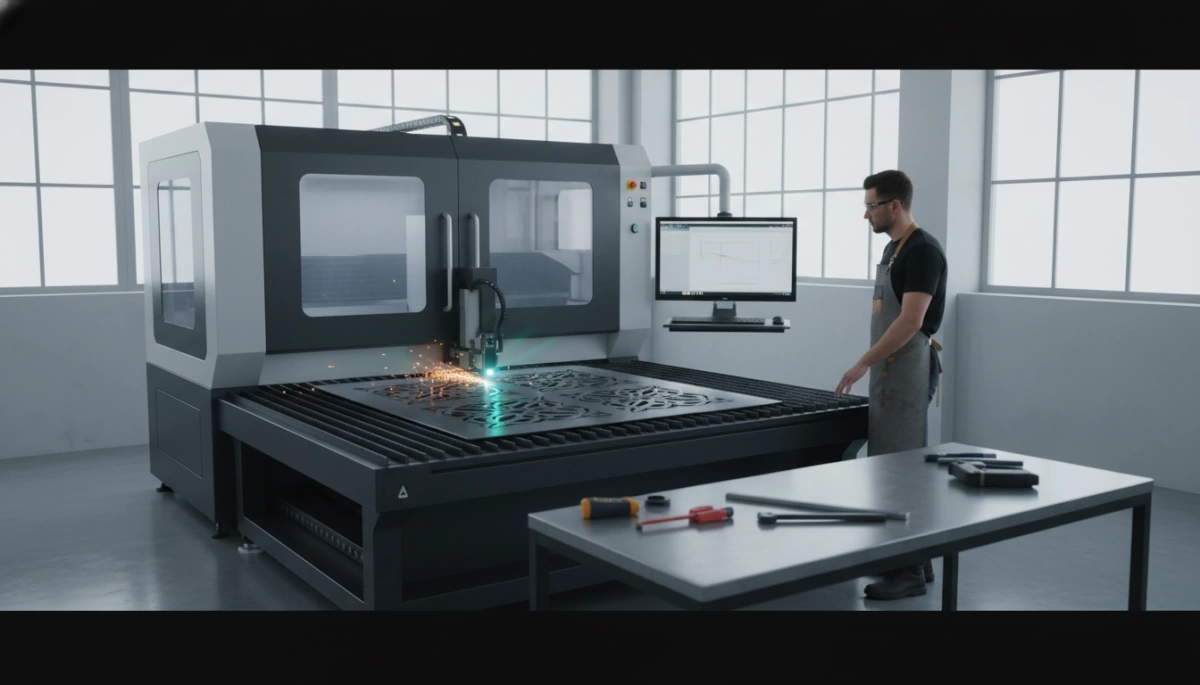
Achieving a high-end look when learning how to cut stainless steel requires more than just a clean separation; it’s about managing the metal’s reaction to heat and friction. I’ve found that the difference between a DIY job and a professional result lies in the finishing touches and material care.
Preventing Heat Tint and Discoloration
When stainless steel gets too hot, it develops a blue or purple “heat tint.” This occurs in the heat-affected zone (HAZ) and can ruin the aesthetic of 304 or 316 grades. To keep the “blue” out of your steel, I recommend:
- Constant Movement: Never let your tool dwell in one spot.
- Heat Management: By understanding its heat-resistant properties, you can better gauge when to pause and let the workpiece air-cool.
- Low Friction: Use sharp, high-quality abrasives to reduce the drag that generates excess heat.
Deburring and Edge Smoothing
A fresh cut leaves a lethal edge. To get a mirror-finish edge, I rely on a systematic approach to smoothing:
- Flap Discs: Use specialized grinding discs for inox. Start with a 60-grit for heavy removal and transition to a 120-grit for a polished look.
- Deburring Tools: For the inside of pipes or holes, a handheld deburring tool is essential for removing internal ridges without scratching the surface.
Maintaining Material Integrity
One of the biggest mistakes in metalworking is cross-contamination. If you use a tool that previously touched carbon steel, you will transfer carbon particles onto your stainless, leading to localized rusting (pitting).
- Dedicated Abrasives: Always mark your wheels “Stainless Only.”
- Stainless Brushes: Never use a standard carbon steel wire brush; only use stainless steel bristles to maintain the alloy’s corrosion resistance.
- Clean Workspace: Wipe down your surfaces to ensure no “tramp iron” from other projects embeds itself into your finish.
Essential Safety Protocols for Cutting Stainless Steel
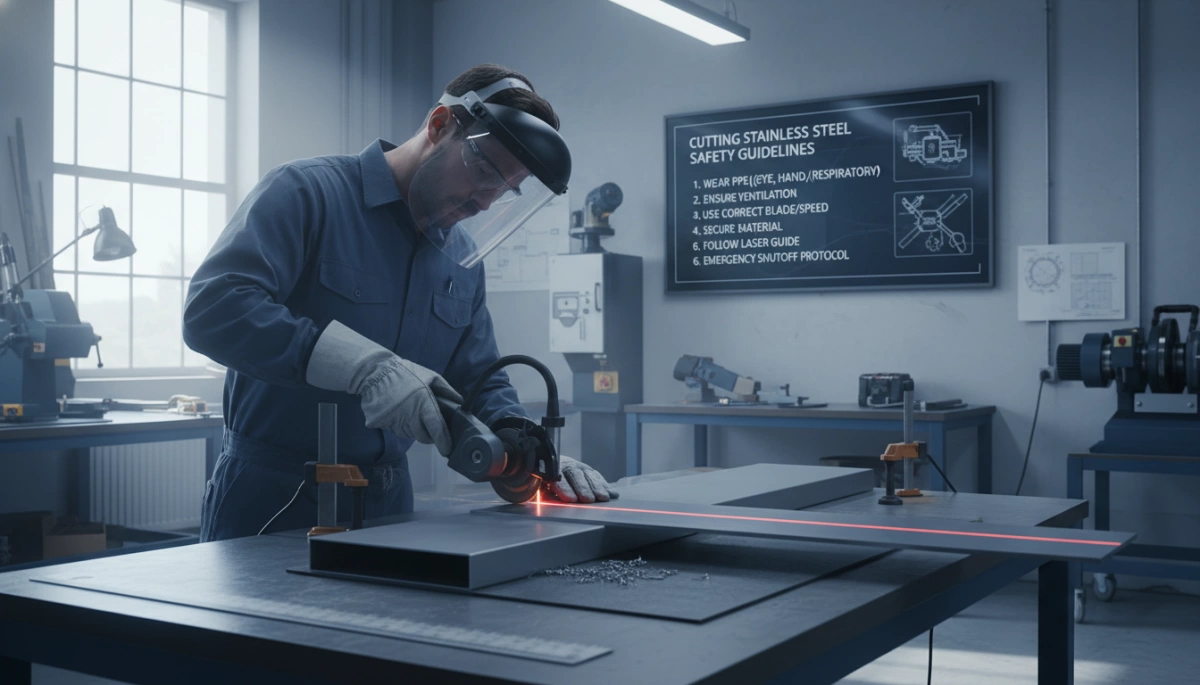
Safety is the foundation of any successful metalworking project. When you are learning how to cut stainless steel, you are dealing with high-speed friction, intense heat, and sharp debris. I never start a cut without ensuring my shop and my team are fully protected by the right gear and environment.
Required PPE for Metalworking
- Eye Protection: Use Z87+ rated safety glasses or a full-face shield. Abrasive cut-off wheels can shatter, and stainless steel slivers fly at high velocities.
- Hearing Protection: High-decibel noise from circular saws or angle grinders causes permanent damage. I always wear earplugs or heavy-duty earmuffs during long cutting sessions.
- Cut-Resistant Gloves: Stainless steel creates a “burr” that is razor-sharp. Wear high-quality, cut-resistant gloves to handle workpieces safely.
- Respiratory Protection: Fine metal dust and fumes from plasma arc cutting are hazardous. Use a respirator or ensure your workspace has excellent ventilation.
Fire Safety and Spark Management
Stainless steel cutting generates a concentrated stream of hot sparks that can travel over 20 feet. Managing the fabrication environment is just as important as the cut itself to prevent workshop fires.
- Clear the Zone: Remove all flammable liquids, oily rags, and sawdust from the spark path.
- Fire Watch: Keep a Class ABC fire extinguisher within reach at all times.
- Protective Barriers: Use welding blankets or spark shields to protect nearby equipment and surfaces from heat damage.
Maintaining a safe environment ensures that our rapid prototype investment casting and metal fabrication processes remain efficient and accident-free. By following these protocols, you protect both your health and the integrity of your workspace.
FAQs: Troubleshooting How to Cut Stainless Steel Issues
I’ve seen plenty of pros and DIYers burn through expensive tools because they treat stainless like mild steel. Here are the quick fixes for the most common problems you’ll face when learning how to cut stainless steel in a shop environment.
Why is my blade dulling instantly?
The main reason is heat. Stainless steel is prone to work hardening; if your blade rubs against the metal instead of biting into it, the friction creates a hardened “skin” that ruins teeth. To prevent this:
- Reduce Speed: Drop your RPMs.
- Increase Pressure: Don’t tickle the metal—apply firm, consistent pressure.
- Use the Right Blade: Switch to carbide-tipped circular saw blades specifically rated for stainless.
How do I fix jagged or uneven cuts?
Jagged edges usually happen because the material isn’t secured or the blade is too thin for the gauge. Always clamp your workpiece to a solid surface to stop vibrations. For cleaner lines on 304 Grade stainless steel fabrication, I recommend using high-quality abrasive cut-off wheels and ensuring your tool is held at a perfect 90-degree angle. Staying updated on industrial metalworking trends can also help you choose the right equipment for specific thicknesses.
How do I deal with “burr” buildup on the underside?
Burrs are a byproduct of heat and speed. While you can’t always avoid them, choosing the correct TPI (Teeth Per Inch) for metal helps significantly. If you still get a lip on the bottom edge, use a flap disc or a dedicated deburring tool to clean it up immediately while the metal is still warm.
What is the best TPI for cutting 304 stainless steel?
Choosing the right tooth count is critical for a smooth finish:
- Thin Gauge (under 1/16″): 24 TPI or higher.
- Medium Thickness (1/16″ to 1/4″): 14 to 18 TPI.
- Thick Plate (over 1/4″): 8 to 10 TPI.
Using Precisionvast industrial abrasives and the right TPI ensures you aren’t fighting the material, leading to faster cuts and a much longer tool life.

 German
  English