

A356 T6 aluminum casting alloy with high strength corrosion resistance and excellent machinability for automotive aerospace and industrial use.
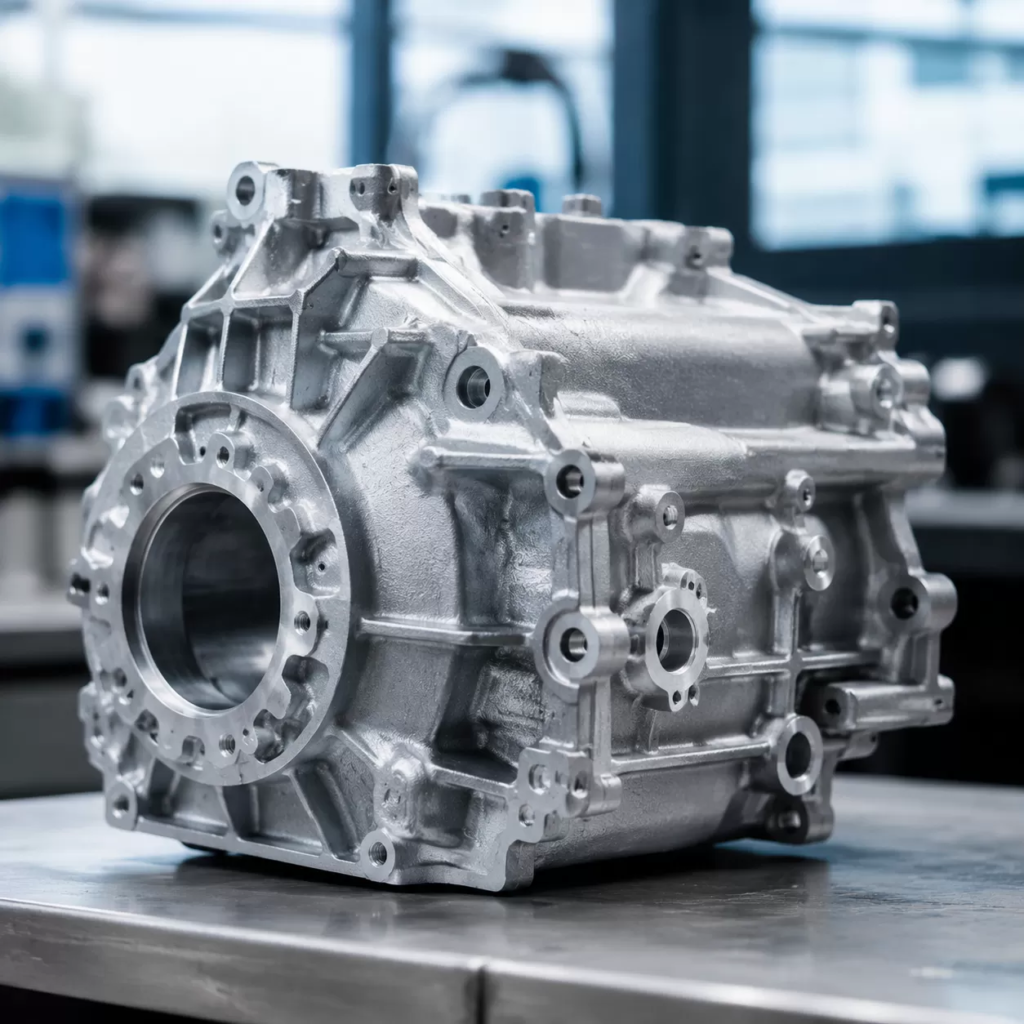
Key Features and Benefits of A356-T6
When we select A356-T6 for your projects, we are choosing a material that balances structural integrity with manufacturing efficiency. It is the industry standard for high-performance aluminum castings because it eliminates the guesswork in part durability. Whether you are facing weight constraints in aerospace or precision requirements in automotive manufacturing, this alloy delivers a reliable, high-strength solution.
Why Professionals Choose A356-T6
- High Strength-to-Weight Ratio: Delivers the toughness of heavier metals without the bulk, essential for fuel efficiency and performance.
- Superior Corrosion Resistance: Naturally forms a protective oxide layer, making it ideal for harsh marine and industrial environments.
- Exceptional Castability: High silicon content ensures excellent fluidity, allowing us to pour complex, thin-walled designs with minimal defects.
- Precision Machinability: The T6 temper hardens the aluminum matrix, ensuring clean cuts and stable dimensions during secondary machining.
- Reliable Weldability: Offers excellent post-weld properties, allowing for easy repair or integration into larger structural assemblies.
The T6 Performance Advantage
The T6 heat treatment is what separates standard castings from high-performance components. By subjecting the A356 alloy to a rigorous solution and aging process, we significantly boost its mechanical limits.
| Feature | Impact on Performance |
|---|---|
| Solution Heat Treatment | Homogenizes the alloy and dissolves magnesium for a uniform internal structure. |
| Controlled Quenching | “Freezes” the alloying elements in place to prevent premature precipitation. |
| Artificial Aging | Maximizes A356-T6 strength properties, hardness, and yield strength. |
This specific tempering process ensures that every part we produce can handle the high-stress demands of real-world applications without the risk of structural deformation. For engineers and buyers, A356-T6 represents the perfect intersection of cost-effectiveness and premium material performance.
A356-T6 Chemical Composition and Industry Standards
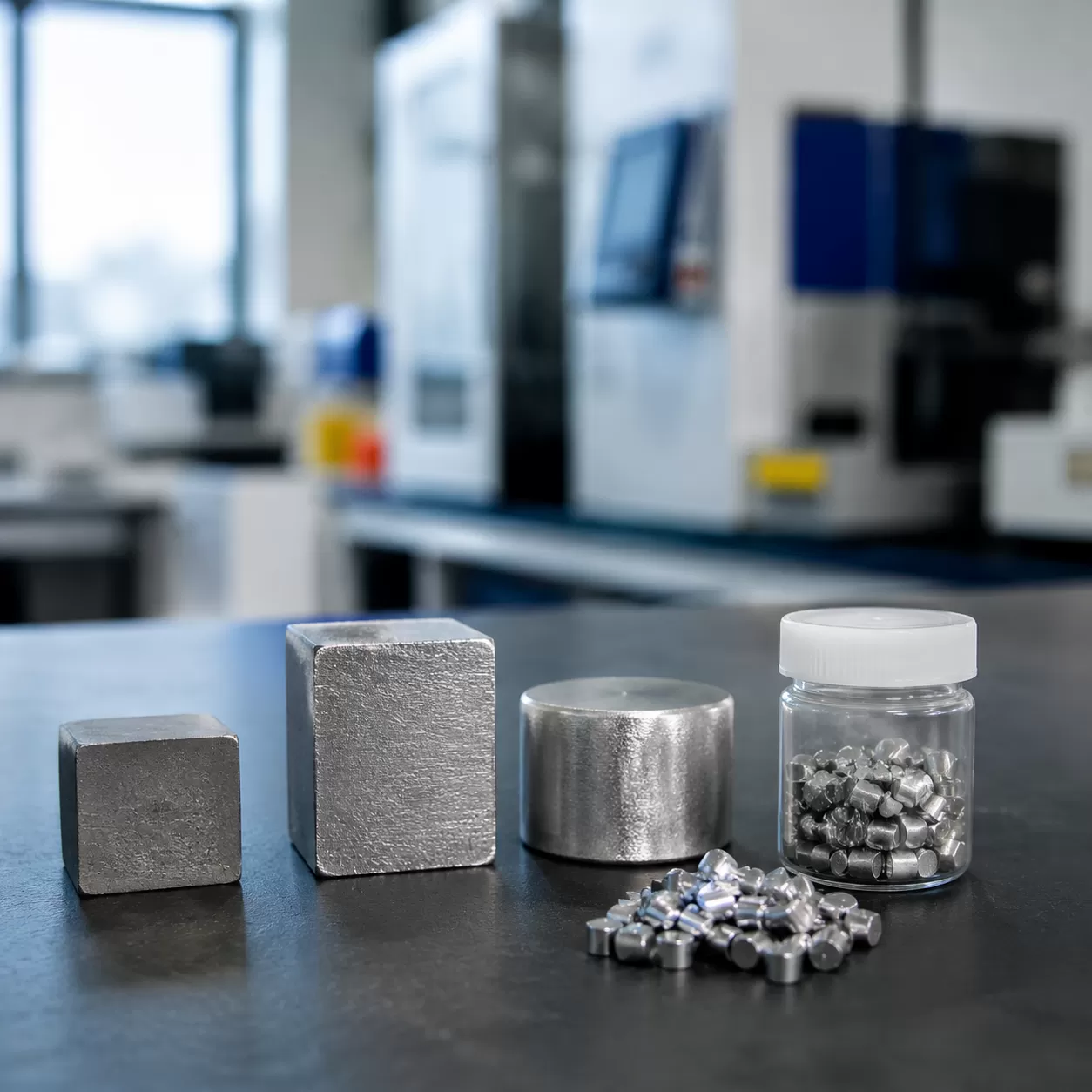
To get high-performance aluminum castings, the chemistry must be exact. A356-T6 is a silicon-magnesium alloy where every element is precisely balanced to hit specific mechanical targets. We ensure our alloys strictly adhere to ASTM B108, AMS 4218, and ISO standards so that every batch remains predictable and reliable for your project.
Elemental Breakdown for A356-T6
| Element | Typical Percentage (%) |
|---|---|
| Silicon (Si) | 6.5 – 7.5 |
| Magnesium (Mg) | 0.25 – 0.45 |
| Iron (Fe) | < 0.20 (Max) |
| Copper (Cu) | < 0.20 (Max) |
| Titanium (Ti) | < 0.20 (Max) |
| Manganese/Zinc | Trace Amounts |
The Role of Silicon and Magnesium
The performance of A356-T6 aluminum alloy specifications depends largely on two “heavy hitters” that define its structural integrity:
- Silicon (Si): This is what gives the alloy its excellent fluidity. It keeps the melt flowing into complex molds, reduces shrinkage, and prevents hot cracking during the cooling phase.
- Magnesium (Mg): This is the “secret sauce” for strength. It reacts during the T6 heat treatment to form magnesium-silicide hardening phases, which significantly boosts the alloy’s yield strength.
While we specialize in high-grade aluminum, understanding how these elements interact is just as critical as knowing what are heat resistant metals for demanding industrial environments. We keep iron levels strictly under the 0.20% threshold to maintain high ductility and ensure the final part doesn’t become brittle under pressure.
A356-T6 Mechanical Properties and Strength
When we talk about A356-T6 strength properties, we’re looking at an alloy that’s been pushed to its limit to handle serious stress. The T6 temper is the “secret sauce” here, roughly doubling the yield strength compared to the as-cast (F) condition. This makes it my top choice for parts that can’t afford to fail under pressure.
Performance Benchmarks: As-Cast vs. T6
The difference between raw casting and the T6 heat-treated version is night and day. By refining the internal structure, we achieve high-performance aluminum castings that balance rigidity with enough ductility to prevent brittle fractures.
| Property | As-Cast (Typical) | A356-T6 (Typical) |
|---|---|---|
| Tensile Strength | ~175 MPa (25 ksi) | 230–290 MPa (33–42 ksi) |
| Yield Strength | ~80 MPa (12 ksi) | 165–240 MPa (24–35 ksi) |
| Elongation (%) | 2–3% | 3.5–5% |
| Hardness (Brinell) | 55 HB | 75–90 HB |
Hardness and Impact Resistance
For most of our structural projects, hardness ratings are non-negotiable. A356-T6 usually sits comfortably between 75 and 90 on the Brinell scale. This level of hardness ensures the part resists surface wear while maintaining the impact strength needed for automotive and defense applications.
We’ve found that using the right heat-treat cycle is the only way to ensure consistent results across large batches. This stability is why A356-T6 is the industry standard for lightweight, high-strength components that require a dependable ductility benchmark without the weight penalty of steel.
Mastering the A356-T6 Heat Treatment Process
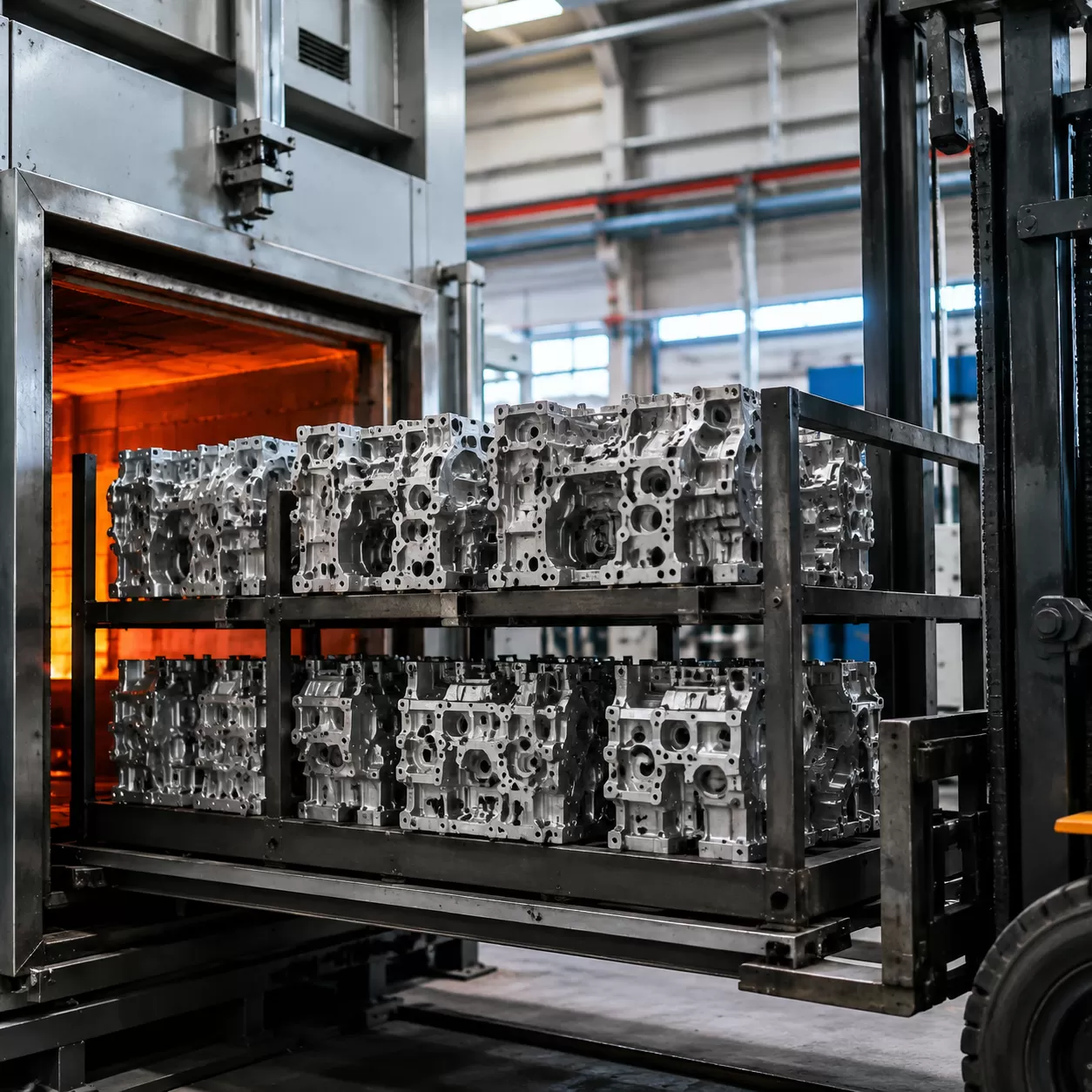
The A356-T6 heat treatment process is what transforms a standard aluminum casting into a high-performance component ready for heavy-duty use. While the “as-cast” (F temper) version of this alloy is decent, the T6 temper is the industry standard for those who need maximum reliability. We use a precise three-step thermal cycle to reorganize the internal grain structure, which helps our customers design structural aluminum castings efficiently for high-stress environments.
Solution Heat Treatment and Quenching
The process kicks off with solution heat treatment, where the castings are held at temperatures around 1000°F (538°C) for several hours. This step dissolves the alloying elements—specifically magnesium and silicon—into a solid solution.
Once the elements are fully dissolved, the parts undergo a critical quenching procedure. We rapidly plunge the castings into a temperature-controlled water bath to “freeze” the atoms in place. This creates a supersaturated state that is the foundation for all subsequent strength gains.
Artificial Aging and Hardness Gains
After quenching, the metal is still relatively soft. To reach peak performance, we perform artificial aging (precipitation hardening). By reheating the parts to roughly 310°F (155°C) for 3 to 5 hours, we force the dissolved elements to form fine precipitates.
Expected gains from the T6 process include:
- Increased Yield Strength: Nearly doubling the load-bearing capacity compared to as-cast parts.
- Enhanced Hardness: Reaching typical ratings of 75 to 90 Brinell (HBW).
- Dimensional Stability: Ensuring the part won’t warp or change shape during A356-T6 machining and fabrication.
- Optimal Ductility: Maintaining enough “give” so the part remains tough without becoming brittle.
This rigorous cycle is why T6 temper aluminum castings are the go-to choice for aerospace and automotive sectors where failure simply isn’t an option. Undergoing this process ensures every batch meets the strict mechanical benchmarks required for high-performance aluminum castings.
Typical Applications and Real-World Uses for A356-T6
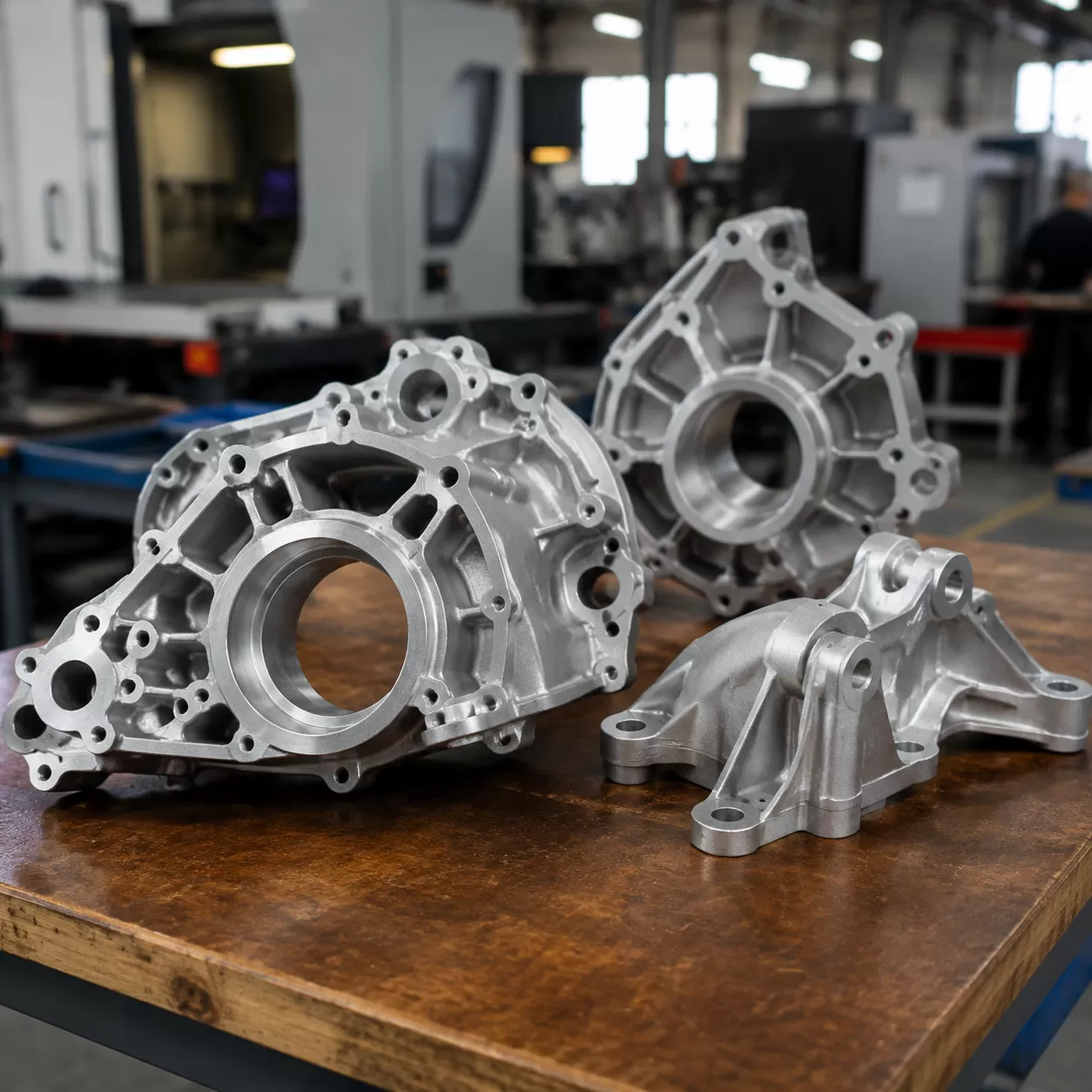
We utilize A356-T6 aluminum across a variety of demanding industries because it consistently delivers on strength and reliability. Whether it’s for high-speed transit or deep-sea hardware, this alloy is the backbone of many machinery parts we produce.
High-Performance Automotive and Engine Parts
In the automotive sector, A356-T6 is the gold standard for components that face intense thermal and mechanical stress. It allows us to manufacture parts that are both light and incredibly tough.
- Engine blocks and cylinder heads for superior heat dissipation.
- Transmission cases that require high-precision tolerances.
- High-strength wheels where reducing unsprung weight is vital for performance.
Aerospace and Industrial Castings
Weight savings are critical in flight. We use A356-T6 aerospace aluminum for structural brackets and housings because it provides the necessary durability without the heavy footprint of steel. Beyond the skies, how is sand casting aluminum used in manufacturing high-pressure pumps and specialty industrial housings? It ensures that specialty equipment can handle high-stress loads in factory environments.
Marine and Construction Environments
Because of its superior corrosion resistance, A356-T6 is our go-to choice for environments that eat through lesser metals.
- Marine-grade components: Ideal for pump impellers, propellers, and dock hardware exposed to harsh saltwater.
- Construction structural components: Used in load-bearing joints and heavy-duty brackets for modern infrastructure.
- Specialty housings: Protecting sensitive electrical equipment in outdoor or industrial settings.
Efficient Machining and Fabrication of A356-T6
When I work with A356-T6, I prioritize speed without compromising the integrity of the part. While this alloy is exceptionally versatile, its high silicon content makes it slightly more abrasive than 6000-series aluminum. To get the best results, you need a fabrication strategy that accounts for both its hardness and its metallurgical structure.
Machinability and Processing
A356-T6 machining and fabrication requires sharp, carbide-tipped tools to handle the alloy’s structural silicon. I recommend high cutting speeds and generous coolant flow to prevent chip buildup.
- Machinability Rating: Approximately 50-60% compared to free-cutting alloys.
- Surface Finish: Capable of achieving extremely tight tolerances and a “pro” polished look.
- Tooling: Use diamond-coated or polished carbide inserts to extend tool life.
Choosing the best aluminum die casting alloys for your specific project often depends on how much post-cast machining your design requires.
Welding Guidelines for A356-T6
This alloy is highly weldable using standard GTAW (TIG) or GMAW (MIG) methods. However, the heat from welding will naturally soften the area around the joint, which can compromise the T6 temper aluminum castings’ strength if not handled correctly.
| Fabrication Step | Recommendation |
|---|---|
| Filler Metal | Use 4043 or 5356 rod for the best structural match. |
| Pre-Cleaning | Remove all oxides and oils to prevent porosity in the weld. |
| Post-Weld Heat Treat | Perform a full T6 cycle after welding to restore peak mechanical properties. |
Post-Welding Heat Treatment for Maximum Durability
To maintain the A356-T6 strength properties in a fabricated assembly, I always suggest a post-weld solution heat treatment and aging process. This ensures the heat-affected zone (HAZ) regains its hardness, preventing premature failure under high-stress loads. Without this step, your welded joint may only retain about 60-70% of the original yield strength of the T6 condition. For complex builds, A356 aluminum investment castings provide a near-net-shape alternative that minimizes the need for extensive welding and secondary fabrication.
Optimal Casting Methods for A356-T6
We utilize specific casting techniques to maximize the structural integrity and performance of A356-T6 components. Depending on the part complexity and production volume, we primarily rely on gravity and low-pressure methods to ensure a dense, pore-free structure that meets high-performance standards.
Primary A356-T6 Casting Techniques
| Method | Key Advantage | Typical Tolerance |
|---|---|---|
| Gravity Die Casting | Excellent mechanical properties and refined grain structure. | ±0.005″ to ±0.010″ |
| Low-Pressure Casting | High metal yield and superior internal soundness for safety-critical parts. | ±0.003″ to ±0.008″ |
When choosing a production route, understanding everything about gravity die casting you should know helps in identifying the most cost-effective way to achieve professional results for A356-T6 aluminum die castings.
Technical Specifications and Finishing
To meet the rigorous demands of the United States industrial and aerospace sectors, we adhere to strict industry standards like ASTM B108 and AMS 4218. Our processes are fine-tuned to hit tight tolerances consistently, significantly reducing the need for expensive secondary machining.
- Precision Tolerances: We maintain tight dimensional control to ensure a perfect fit for complex assemblies.
- Surface Treatment: We offer several finishing options, including clear or color anodizing, durable powder coating, and bead blasting for a clean, pro look.
- Quality Standards: Every batch is inspected against ISO benchmarks to guarantee that the A356-T6 strength properties and material chemistry remain consistent.
While we specialize in these methods for high-stress parts, it is often helpful to weigh the advantages and disadvantages of high pressure die casting when deciding on the best manufacturing process for high-volume aluminum components.
A356-T6 vs. Alternative Aluminum Alloys
When we look at the lineup of industrial alloys, A356-T6 consistently stands out as the superior choice for high-stress applications. While alloys like 356 or 319 have their place in general manufacturing, they often fall short when performance and safety are non-negotiable. The primary edge of an aluminum casting alloy A356-T6 comes from its lower iron content compared to standard 356, which significantly boosts its ductility and fracture toughness.
| Alloy Type | Key Difference from A356-T6 | Best Use Case |
|---|---|---|
| 356 (Standard) | Higher impurity (Iron) levels; lower elongation. | Non-critical structural parts. |
| 319 Aluminum | Better for complex shapes but lower corrosion resistance. | Engine blocks and general hardware. |
| 6061-T6 | Wrought alloy; requires machining from billet rather than casting. | Frames and heavy-duty rails. |
We choose T6 temper aluminum castings because they offer a “sweet spot” of cost-effectiveness and high-end performance. While you might find cheaper alternatives, the long-term durability of A356-T6 in harsh environments makes it the more economical choice over the product’s lifecycle. Understanding the benefits and drawbacks of high pressure aluminum die casting can help you decide if this specific alloy and process match your production volume.
Why T6 is the Go-To for High-Stress Roles
In high-performance aluminum castings, the heat treatment is the “secret sauce” that transforms a decent part into a critical component. Here is why A356-T6 wins in the field:
- Impact Resistance: Unlike 319, A356-T6 can handle sudden shocks without cracking.
- Fatigue Strength: It maintains A356-T6 strength properties even after thousands of cycles of stress.
- Weight Savings: It allows for thinner wall designs without sacrificing structural integrity, a massive win for automotive and aerospace sectors.
- Purity: The strict control over Magnesium and Silicon ensures consistent results across every batch.
For any part that needs to survive high pressure or extreme mechanical loads, we find that skipping the shortcuts and sticking with A356-T6 is the only way to guarantee reliability.
A356-T6 Certification and Quality Assurance
In our facility, we treat A356-T6 quality control as the backbone of our operation. When you are sourcing high-stress components for the US market, you need more than just a promise; you need a paper trail. We adhere strictly to ASTM A356-T6 aluminum standards and ISO 9001 certifications to ensure that every casting delivers the structural integrity your project demands.
Industry Standards and Compliance
We ensure that every batch of our aluminum casting alloy A356-T6 is fully compliant with global and domestic benchmarks. Our commitment to quality is as rigorous as the standards found in cast steel production and properties, ensuring that our aluminum castings provide the reliability required for aerospace and automotive sectors.
- ASTM B108/B26: Standard specifications for aluminum-alloy permanent mold and sand castings.
- AMS Standards: Meeting specialized aerospace material specifications for high-performance parts.
- ISO 9001:2015: Maintaining a world-class quality management system for consistent output.
Rigorous Inspection Protocols
We don’t just cast and ship. Every order undergoes a multi-stage verification process to guarantee performance:
- Spectrographic Analysis: We verify the precise chemical composition of every melt to ensure Magnesium and Silicon levels are perfect.
- Hardness Verification: Post-T6 heat treatment, we perform Brinell or Rockwell hardness tests to confirm the temper.
- Non-Destructive Testing (NDT): X-ray and liquid penetrant inspections are used to catch internal porosities before they leave the shop.
- Mechanical Property Testing: Tensile and yield strength tests are conducted to confirm the material meets your specific “T6” requirements.
Batch Traceability and Consistency
Reliability means knowing exactly where your metal came from. Our A356-T6 production includes full batch traceability, allowing us to track every component back to its original melt and heat treat cycle.
| Quality Measure | Verification Method | Purpose |
|---|---|---|
| Chemical Content | Optical Emission Spectroscopy | Ensures alloy purity and spec compliance. |
| Tensile Strength | Destructive Sample Testing | Confirms the part can handle its load rating. |
| Dimensional Check | CMM Inspection | Guarantees parts fit your assembly perfectly. |
| Microstructure | Metallographic Examination | Verifies effective modification and grain size. |
Ordering A356-T6: Lead Times and Custom Orders
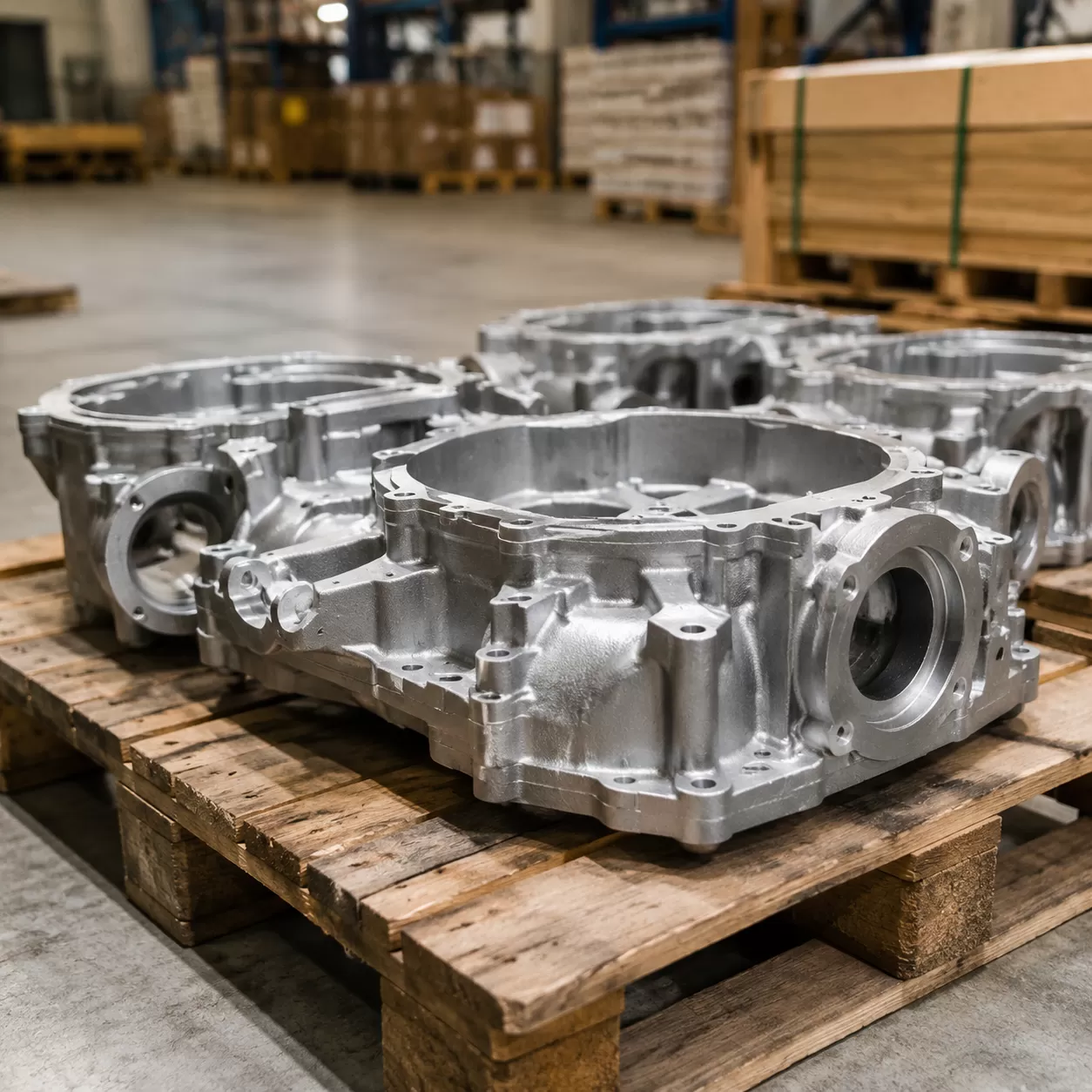
We provide end-to-end solutions for custom A356-T6 aluminum components, whether you are looking for a rapid prototype or a full-scale production run. Our team works directly with your engineering specs to ensure every pour meets the high-performance standards your project demands. We focus on getting your parts right the first time to avoid costly delays in your assembly line.
Flexible MOQs and Competitive Pricing
We understand that project scales vary. Our pricing is structured to remain competitive for US-based businesses, offering tiered rates based on volume and complexity.
- Tiered Pricing: Cost-effective rates for high-volume orders.
- MOQ Requirements: Standard minimums apply, but we offer flexibility for specialized, high-value industrial runs.
- Full Transparency: No hidden fees—quotes include tooling, casting, and heat treatment costs upfront.
Reliable Lead Times and Logistics
Getting your high-performance aluminum castings delivered on time is a core part of our service. We manage the entire supply chain to ensure your aluminum casting alloy A356-T6 parts arrive exactly when needed.
- Tooling Phase: Typically 4 to 6 weeks depending on design complexity.
- Production Phase: 3 to 5 weeks following sample approval.
- Global Logistics: We provide comprehensive support for domestic shipping and international freight, ensuring all customs and tracking are handled professionally.
Custom Design Support
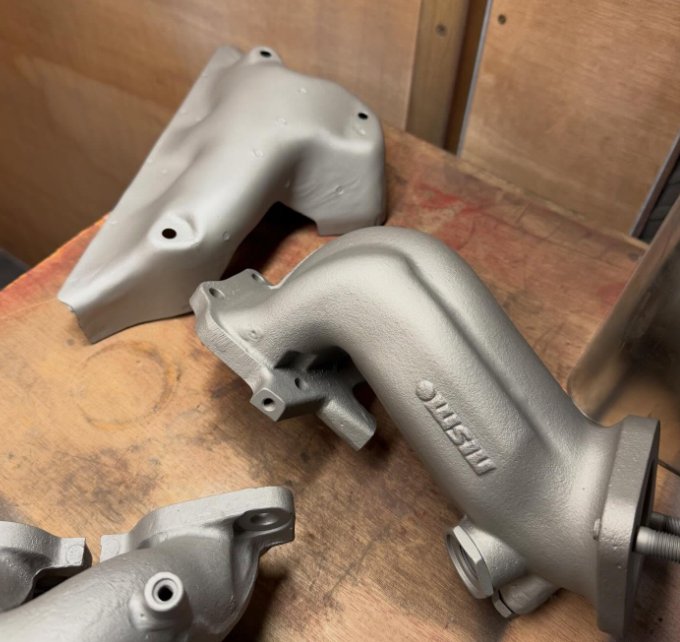
We don’t just take orders; we act as your manufacturing partner. We offer technical feedback on your designs to improve castability and reduce material waste. If you are currently evaluating different metals, understanding the basics of iron casting can help you determine if the lightweight, high-strength properties of A356-T6 are the superior choice for your specific application. Our goal is to ensure your final product is durable, precise, and cost-efficient.
FAQs About A356-T6 Aluminum
What makes A356-T6 different from standard A356?
The primary difference lies in the heat treatment. While “A356” refers to the raw aluminum casting alloy, the T6 designation means the part has undergone a rigorous solution heat treatment and artificial aging process. This specialized treatment significantly boosts the material’s tensile strength and yield strength, making it far tougher and more durable than parts in an as-cast state.
Can I weld A356-T6 parts easily?
Yes, A356-T6 is known for its excellent weldability. It is a go-to choice for complex assemblies that require fusion. However, because the T6 properties are heat-derived, the area around the weld may soften slightly. To maintain maximum structural integrity, many of our clients opt for a post-weld heat treatment to restore the part’s original hardness.
How does the T6 temper affect shelf life?
The T6 temper is exceptionally stable. Unlike some alloys that might undergo natural aging or become brittle over time at room temperature, T6 temper aluminum castings maintain their mechanical properties indefinitely under standard operating conditions. They won’t “expire” or lose strength unless they are subjected to extreme temperatures that bypass their original aging point.
What are the typical lead times for custom castings?
Lead times vary based on the complexity of the design and the specific investment casting or sand casting method used.
- Tooling/Mold Creation: Usually takes 2 to 4 weeks.
- Sample Approval: Roughly 1 to 2 weeks for testing and verification.
- Mass Production: Generally ships within 4 to 6 weeks depending on volume.
We prioritize batch traceability and consistency for every custom A356-T6 aluminum component to ensure your project stays on schedule without sacrificing quality.
 German
  English