

Premium anodized aluminum material sheets and plates Type II and Type III hardcoat 5005 6061 alloys corrosion resistant custom finishes RFQ ready.
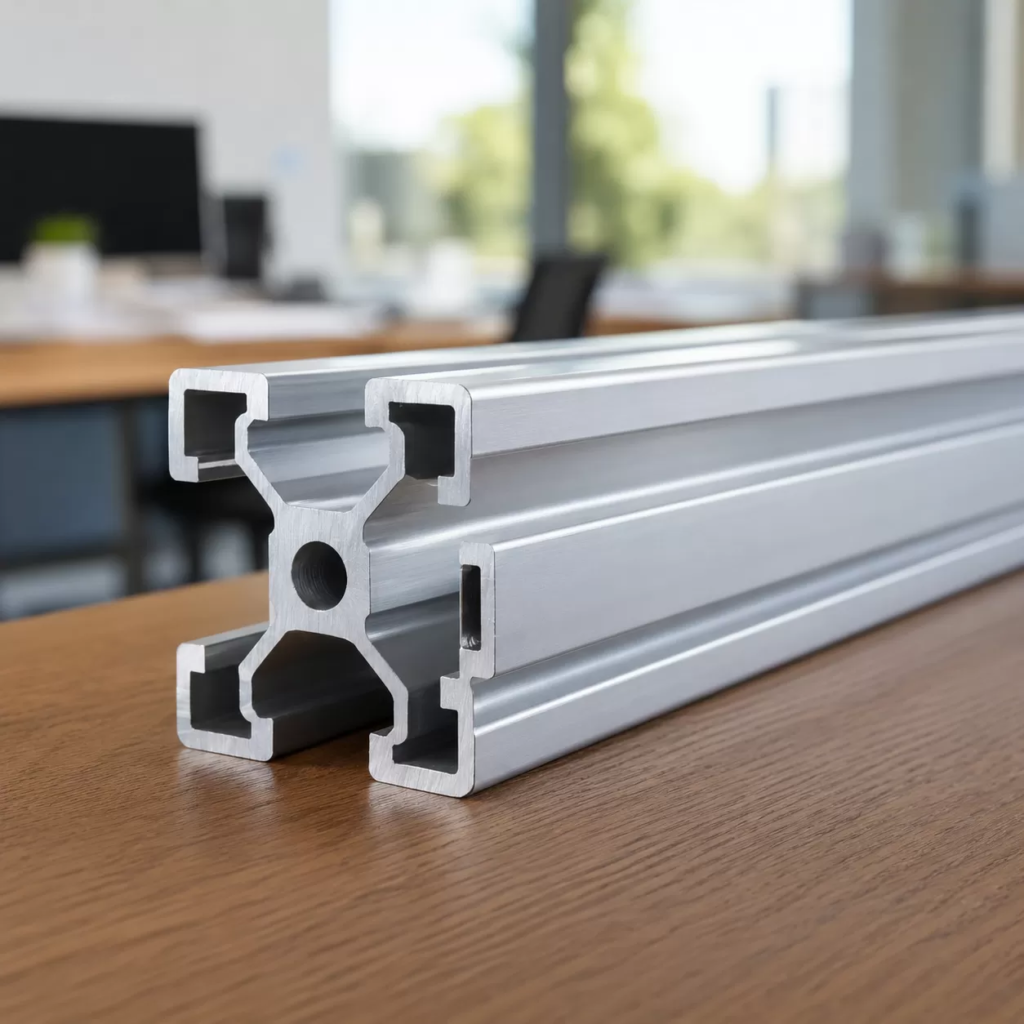
Technical Specifications & Material Grades
Choosing the right anodized aluminum material starts with selecting the proper alloy. Not all aluminum reacts the same way to electrochemical metal oxidation. To get the best surface finish, durability, and color consistency, we match your specific performance needs to the ideal material grade.
Alloy Compatibility Matrix
- 5xxx Series (e.g., 5005, 5052): Excellent for architectural panels, decorative trims, and clear marine-grade applications. 5005 anodized aluminum sheet metal provides a highly uniform, streak-free aesthetic, while 5052 offers superior saltwater corrosion resistance.
- 6xxx Series (e.g., 6061, 6063): The standard for structural extrusions, precision CNC machining, and high-tensile components. Using a 6061-T6 anodized aluminum alloy ensures exceptional structural strength and a clean reaction to both protective and decorative coatings.
- 7xxx Series (e.g., 7075): Best for high-stress aerospace components. This requires specialized hardcoat anodized aluminum (Type III) protection to prevent wear under extreme mechanical loads.
Material Performance Table
| Aluminum Grade | Anodizing Quality (AQ) | Corrosion Resistance | Wear Resistance | Primary Applications |
|---|---|---|---|---|
| 5005 / 5052 | Excellent | Very High | Medium | Architectural-grade anodized metal, marine trim |
| 6061 / 6063 | Very Good | High | High | Custom anodized aluminum extrusions, structural frames |
| 7075 | Fair (Darkens) | Medium-High | Extremely High | Aerospace parts, high-stress military hardware |
Core Classifications of Aluminum Anodizing
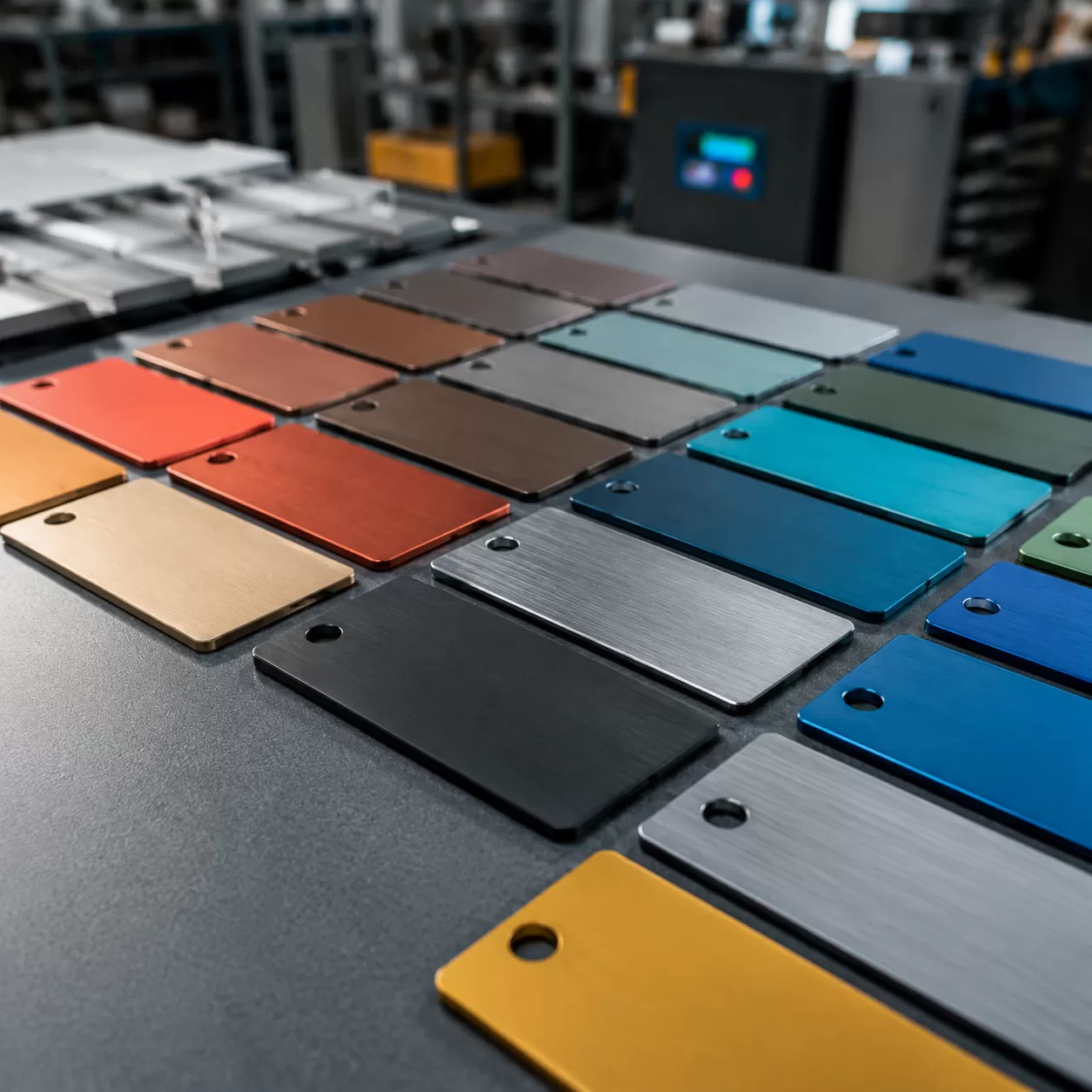
When we process an anodized aluminum material, we rely on electrochemical metal oxidation to convert the metal surface into a durable, decorative, and anodic oxide finish. Depending on your specific application requirements, we primarily utilize two industry-standard classifications to achieve the exact performance characteristics your project demands.
Type II: Conventional & Decorative Anodizing
Type II anodizing utilizes a room-temperature sulfuric acid anodizing process to produce a thin, porous aluminum oxide protective layer. This baseline coating is ideal for parts requiring an aesthetic finish, uniform color coverage, and moderate corrosion resistance.
- Process Chemistry: Sulfuric acid bath at room temperature.
- Layer Thickness: Typically ranges from 0.1 to 1.0 mil (2.5 to 25 microns).
- Best For: Architectural trims, consumer electronics, and decorative enclosures.
- Coloring: Highly receptive to organic dyes, yielding a vibrant, clear anodized aluminum finish or deep black anodized aluminum parts.
Type III: Hardcoat Anodizing
For demanding industrial environments, Type III hardcoat anodizing provides heavy-duty wear protection. By lowering the bath temperature and increasing the current density, we create a much denser, thicker ceramic-like barrier that maximizes surface hardness.
- Process Chemistry: Chilled sulfuric acid electrolyte with high-voltage current.
- Layer Thickness: Usually 2.0 mils (50 microns) or greater.
- Best For: High-stress military components, sliding mechanisms, and heavy industrial machinery.
- Performance: Drastically improves abrasion resistance, making it an excellent post-treatment choice for our high-durability investment casting surface treatments.
Key Performance Advantages of Anodized Aluminum Material
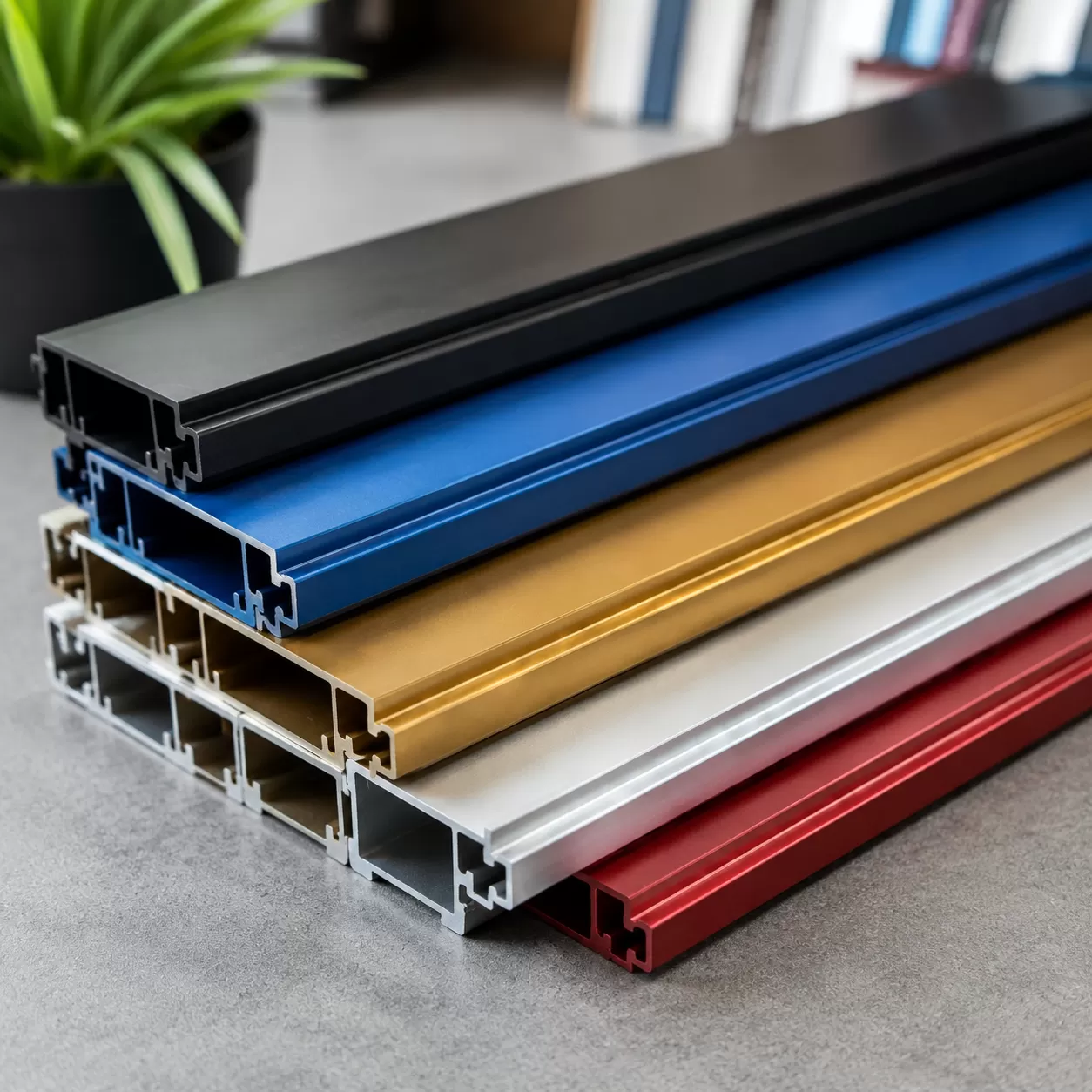
Anodizing transforms the surface of raw aluminum, turning it into a high-performance material capable of withstanding the most demanding environments. Unlike painted or plated coatings, this electrochemical metal oxidation process integrates directly with the underlying metal, offering unmatched physical properties for critical applications.
Integrated Protective Layer
The standout feature of an anodized aluminum finish is that the protective layer cannot peel, flake, or chip. Through controlled electrochemical oxidation, the surface of the metal becomes an aluminum oxide protective layer. Because this oxide layer is fully integrated with the aluminum substrate, it maintains absolute structural integrity under extreme thermal and mechanical stress, a crucial requirement for aluminum castings for strong and durable structures.
Exceptional Corrosion & Wear Resistance
Anodized parts deliver superior defense against environmental degradation. The hard, non-porous barrier seals the raw aluminum from moisture, salt spray, and industrial chemicals.
- Type II Anodizing: Provides standard corrosion resistance perfect for daily wear and architectural elements.
- Type III (Hardcoat): Engineered for aggressive industrial wear protection, offering a rock-hard surface that rivals tool steel for abrasion resistance.
Vibrant, UV-Stable Color Options
The porous structure of the unsealed anodic layer acts as an ideal sponge for specialized dyes before the final sealing process.
- Fade-Resistant: Colors like black anodized aluminum parts resist fading from UV exposure, making them ideal for outdoor use.
- Metallic Lusture: The translucent oxide layer allows the natural metallic grain to shine through, creating a premium aesthetic that chemical coatings cannot replicate.
Enhanced Dielectric Properties
Aluminum oxide is a natural electrical insulator. Anodizing provides excellent dielectric strength, making it highly effective for electronic chassis, heat sinks, and components that require localized electrical isolation without sacrificing thermal conductivity.
Performance Comparison Matrix
| Property | Raw Aluminum (Mill Finish) | Type II Sulfuric Anodizing | Type III Hardcoat Anodizing |
|---|---|---|---|
| Corrosion Resistance | Low (Pits easily) | High (Excellent for outdoor use) | Maximum (Severe environment grade) |
| Wear & Abrasion Resistance | Low (Scratches easily) | Moderate (Decorative protection) | Extreme (Industrial wear grade) |
| Coating Adherence | N/A | Permanent (Integrated layer) | Permanent (Integrated layer) |
| UV Color Stability | Poor (Discolors) | Excellent (With organic/inorganic dyes) | Excellent (Typically dark/bronze shades) |
| Electrical Insulation | Low Conductivity Barrier | Moderate Dielectric Insulation | High Dielectric Insulation |
The PrecisionVast End-to-End Advantage: From Precision Casting to Finished Part
At PrecisionVast, we deliver a seamless, single-source manufacturing workflow that transforms raw concepts into high-performance anodized aluminum material components. By eliminating the disconnect between separate casting foundries, machinists, and finishing houses, we control every variable of the production cycle under one roof. This unified approach guarantees exceptional anodizing quality (AQ) aluminum surfaces that meet strict visual and structural standards.
Integrated Precision Casting Capabilities
Our facility specializes in high-tolerance precision cast aluminum surface finishing, ensuring that components destined for electrochemical treatment are free from subsurface porosity and structural defects. We meticulously manage the alloy chemistry and cooling rates during the pouring phase. This strict foundational control is critical, as any surface imperfections in the raw cast will be amplified during the electrochemical metal oxidation process. By optimizing the metal structure at the foundry level, we produce cast parts that accept Type II and Type III coatings uniformly.
Precision CNC Machining Excellence
Following the casting phase, our state-of-the-art CNC machining center takes over to achieve exact dimensional prints. Whether we are profiling complex geometries or prepping a 6061-T6 anodized aluminum alloy component, our machining setups prioritize flawless surface finishes and burr-free edges. Sharp corners are precisely radiused to prevent edge-thining of the aluminum oxide layer, ensuring that the subsequent coating builds evenly across all profiles, threads, and tight-tolerance bores.
Rigorous Quality Control Metrics
Quality control is embedded into every gate of our manufacturing process. We don’t just inspect the final product; we test at every transition point.
- Pre-Anodizing Verification: Digital roughness testers and coordinate measuring machines (CMM) verify part geometry and surface smoothness before any chemical dipping.
- Coating Thickness Testing: Utilizing eddy-current instruments to verify exact micron thresholds for both decorative and hardcoat specifications.
- Visual Uniformity Inspections: Specialized lighting arrays check for color consistency, preventing thermal spotting or rack marks on high-visibility parts.
This closed-loop system ensures that your custom components transition from raw melt to a perfectly finished, durable product with total traceability.
Common Industrial & Architectural Applications
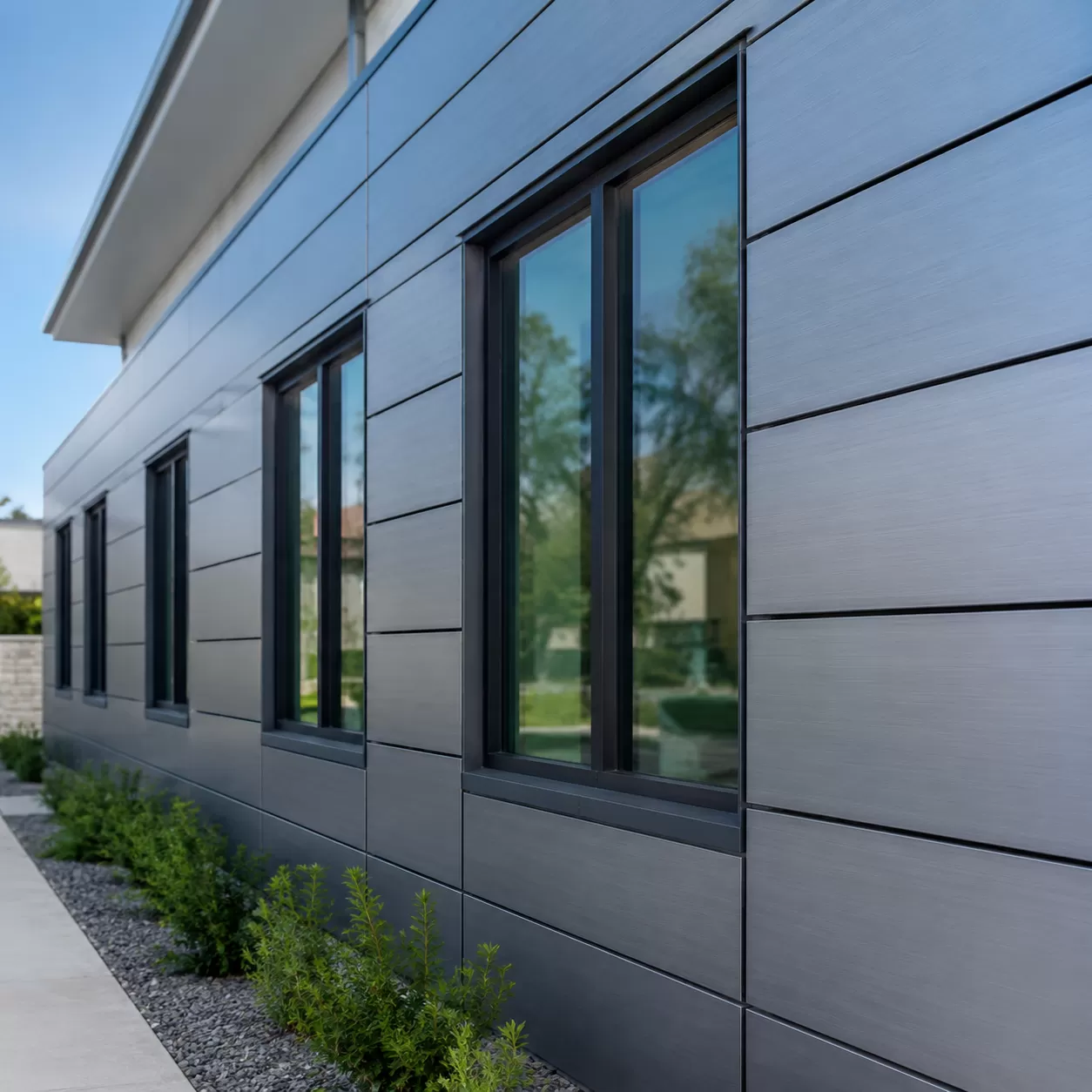
Anodized aluminum material is the backbone of modern infrastructure and high-performance machinery. Because the electrochemical process creates a finish that is literally part of the metal, it won’t flake or peel under pressure. We provide components that meet the rigorous standards of the United States’ most demanding sectors.
Aerospace & Defense
In the aero-sector, weight and durability are everything. Hardcoat anodized aluminum (Type III) is a staple for hydraulic systems, landing gear components, and housings. These parts must withstand extreme friction and altitude changes without corroding. Our precision casting and advanced metal solutions ensure that every aerospace component maintains its structural integrity in high-stress environments.
Commercial Architecture
For the modern American skyline, architectural-grade anodized metal is the gold standard. It’s used extensively for:
- Curtain walls and storefronts
- Roofing systems and decorative trims
- Handrails and window frames
The UV-stable nature of the finish ensures that exterior panels won’t fade under the harsh sun, maintaining a “like-new” aesthetic for decades.
Consumer Electronics & Appliances
From smartphone casings to high-end kitchen appliances, clear anodized aluminum finishes and black anodized aluminum parts provide a premium, fingerprint-resistant surface. It’s not just about looks; the aluminum oxide protective layer offers the scratch resistance needed for daily-use tech and home hardware.
Automotive & Marine Systems
The salt-heavy environments of coastal regions and the de-iced roads of the Midwest demand superior protection. We utilize corrosion-resistant aluminum materials for:
- Marine-grade cleats and rails
- Automotive engine components and heat sinks
- Custom anodized aluminum extrusions for vehicle frames
By choosing the right anodized aluminum material, manufacturers ensure their products survive the toughest elements while keeping weight to a minimum.
Ordering & Custom Customization Options
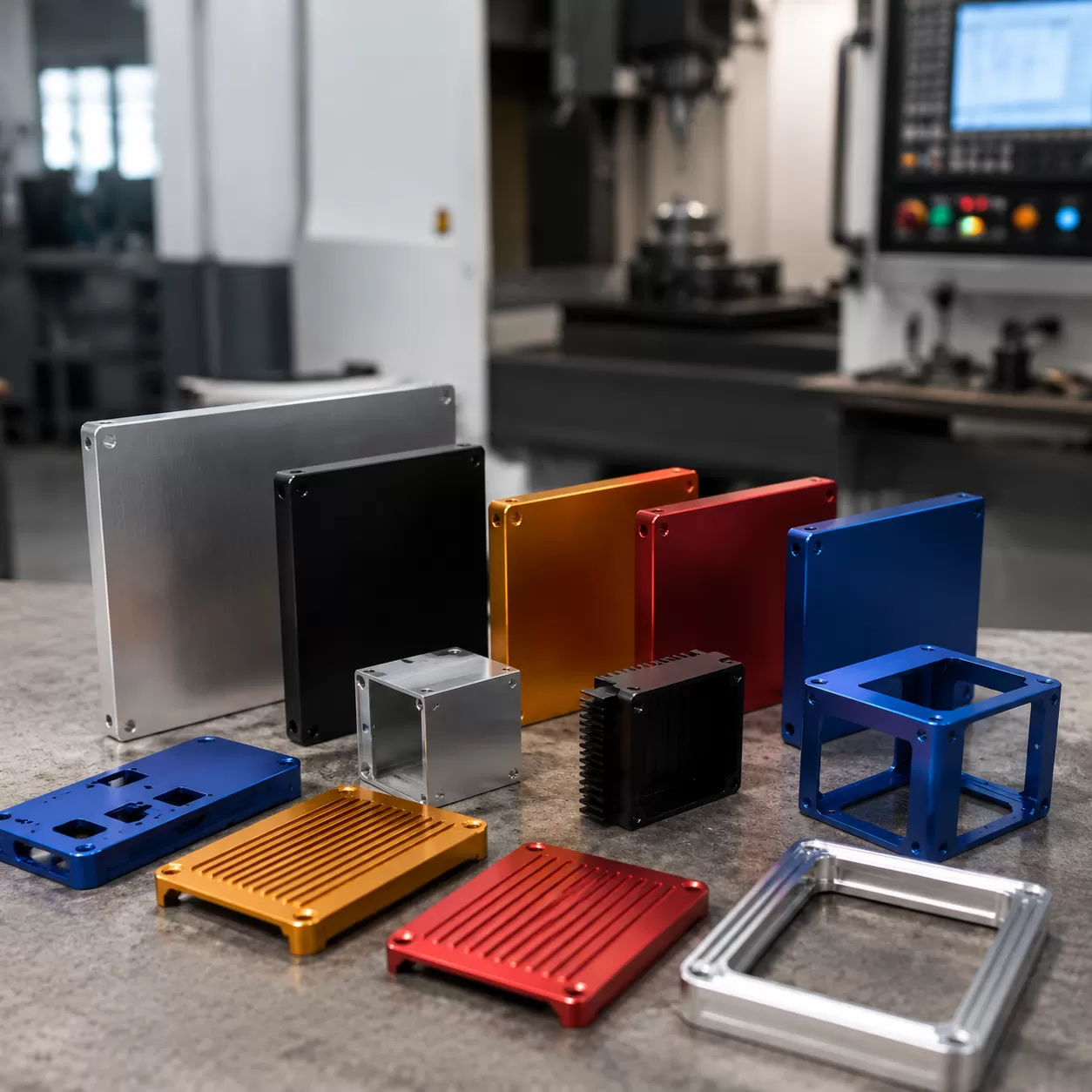
We offer flexible ordering and full customization for all your anodized aluminum material needs. Whether you require standard stock items or highly specialized custom fabrications, our facility delivers tailored solutions that meet precise engineering demands.
Form Factors Available
We supply anodized aluminum in a diverse range of formats to suit your specific manufacturing setup:
- Anodized aluminum sheet & plate: Perfect for structural panels, enclosures, and deep-drawn components.
- Custom anodized aluminum extrusions: Tailored profiles engineered for architectural, automotive, and electronics framing.
- Precision cast aluminum surface finishing: Fully machined and anodized cast parts that eliminate secondary processing steps at your facility.
Stock & Custom Dimensional Sizes
To minimize material waste and speed up your production timelines, we maintain a robust inventory of standard dimensions while offering precise cut-to-size capabilities.
| Form Factor | Standard Stock Sizes | Custom Capabilities | Thickness / Gauge Range |
|---|---|---|---|
| Sheets & Plates | 4′ x 8′, 4′ x 10′, 5′ x 12′ | Custom blanking & shearing | 0.020″ to 6.00″ |
| Extruded Profiles | 12ft & 24ft standard lengths | Custom geometric dies & cut-to-length | Wall thickness from 0.040″ up |
| Precision Castings | Engineered per blueprint | Net-shape and near-net-shape molding | Variable based on part geometry |
RFQs & Custom RFQ Workflows
Getting a quote is fast and straightforward. Our dedicated US-based engineering team reviews every submission to ensure optimal manufacturing feasibility and cost efficiency.
- Submit Your Design: Upload your 2D drawings (DWG, DXF) or 3D CAD models (STEP, IGES) through our secure RFQ portal. Specify your preferred alloy, such as 6061-T6 or 5005, and your coating choice (Type II or Type III hardcoat).
- Technical Review: We assess the geometry, tolerance requirements, and racking points needed for the electrochemical metal oxidation process.
- Receive Your Quote: We provide a transparent quote within 24 business hours, detailing material costs, machining, anodizing, and lead times.
For projects requiring specialized performance testing under extreme environments, you can review our latest updates on material innovations to see how our processing stands up to rigorous industrial demands.
Frequently Asked Questions (FAQ)
Can cast aluminum parts be successfully anodized?
Yes, but it requires precise control over the alloy composition and casting process. High-silicon die castings can turn gray or look splotchy during standard sulfuric acid anodizing (Type II). To achieve a high-quality finish, we utilize specialized foundry practices to minimize surface porosity and silicon segregation. For complex parts requiring both high structural integrity and a uniform surface treatment, integrating advanced precision casting techniques with the correct post-mold surface treatment is critical to ensuring an even electrochemical metal oxidation.
What is the difference between clear anodized and mill finish aluminum?
- Mill Finish Aluminum: This is the raw metal directly out of the rolling mill or extrusion press. It has no protective coating, shows minor manufacturing lines, and is highly susceptible to oxidation, scratching, and corrosion.
- Clear Anodized Aluminum Finish: This metal undergoes an electrochemical process that grows a controlled aluminum oxide protective layer directly out of the substrate. It retains the natural metallic look of the aluminum while providing heavy-duty corrosion resistance and surface hardness.
How does the anodizing layer affect dimensional part tolerances?
Anodizing alters the physical dimensions of precision CNC machined parts because the protective layer grows both into and out of the metal surface.
- Type II (Decorative): Typically adds 0.0002″ to 0.001″ to the total thickness. This has a negligible impact on most general assemblies but must be factored into tight-tolerance press fits.
- Type III (Hardcoat): Adds 0.001″ to 0.004″ to the total thickness, with 50% of the layer penetrating the base metal and 50% building up on the surface. Critical dimensions must be machined undersized prior to coating to accommodate this buildup.
Which aluminum alloy offers the cleanest aesthetic color finish?
For architectural-grade anodized metal panels and bright decorative trims, the 5xxx series (like 5005 anodized aluminum sheet metal) offers an exceptionally clean, streak-free look. For structural extrusions and precision machined parts that require vibrant, UV-stable color dyeing (like black anodized aluminum parts), 6061-T6 anodized aluminum alloy yields the most consistent and aesthetically uniform results. Alloys with high copper or silicon content, such as 7075 or standard die-cast metals, will inherently yield darker, matte, or more muted tones.
 German
  English