

Compare ferrous vs non ferrous alloys and explore custom steel aluminum copper titanium superalloys and CNC machining from precisionvast.
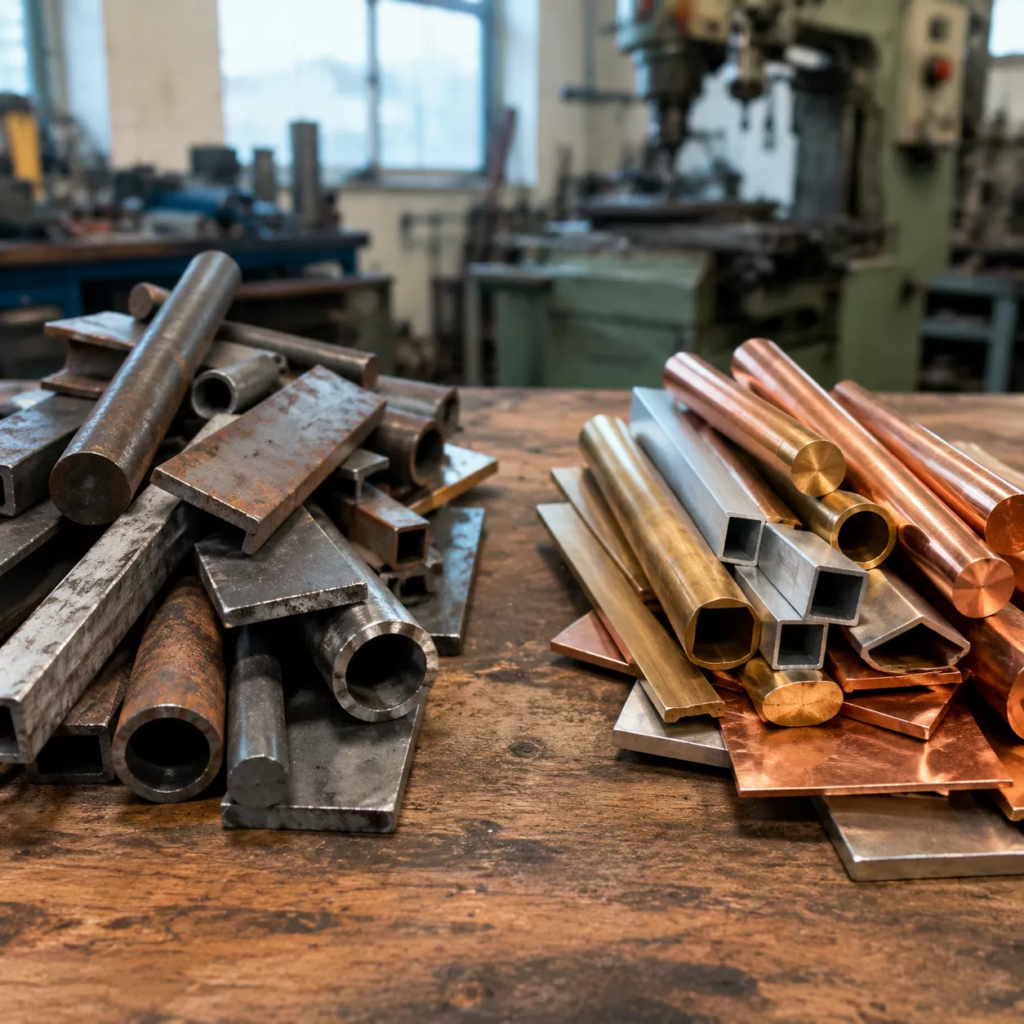
Ferrous vs Non Ferrous Alloys: The Definitive Technical Comparison
Choosing the right engineering alloy comparison for your project comes down to one core question: do you need an iron-based metal, or do you need the specialized properties of non-ferrous alternatives?
At precisionvast, we manufacture high-performance components using both material classes. Understanding their fundamental technical differences ensures your parts perform perfectly under stress.
Mechanical Property Matrix
Ferrous and non-ferrous materials exhibit vastly different mechanical behaviors. Ferrous metals are renowned for high tensile strength, while non-ferrous options offer superior strength-to-weight ratios and flexibility.
| Property | Ferrous Alloys (e.g., Carbon Steel, Cast Iron) | Non-Ferrous Alloys (e.g., Aluminum, Titanium) |
|---|---|---|
| Tensile Strength | Extremely High; ideal for structural loads. | Moderate to High; depends heavily on heat treatment. |
| Ductility | Lower generally, though specialized steels vary. | High; easier to form and shape without fracturing. |
| Hardness | High; excellent wear and abrasion resistance. | Variable; ranges from soft copper to hard nickel alloys. |
Weight and Density Metrics
Weight drives efficiency in modern industrial metal fabrication materials. Ferrous alloys carry a high density due to their iron base, making them heavy-duty but heavy. Non-ferrous alternatives like lightweight aluminum alloys and titanium provide the necessary strength without the bulk, making them crucial for B2B raw metal sourcing in weight-sensitive industries.
- Ferrous Density Range: $approx 7.8 text{ g/cm}^3$ to $8.0 text{ g/cm}^3$
- Non-Ferrous Density Range: $approx 2.7 text{ g/cm}^3$ (Aluminum) to $4.5 text{ g/cm}^3$ (Titanium)
Magnetic Properties & Electromagnetic Shielding
When evaluating magnetic vs non-magnetic metals, the distinction is clear. Ferrous alloys are typically ferromagnetic, making them excellent for magnetic cores but poor for applications requiring magnetic transparency. Non-ferrous alloys are non-magnetic, serving as vital components for advanced electromagnetic shielding and delicate electronics.
Thermal and Electrical Conductivity
If your project requires efficient heat dissipation or electrical routing, non-ferrous metals are the clear winners. Copper and brass alloy components offer unmatched conductivity, while ferrous metals act more as thermal barriers.
- Top Conductors: Copper, Aluminum (Non-Ferrous)
- Top Insulators/Resistors: Stainless Steel, Carbon Steel (Ferrous)
Corrosion Dynamics & Degradation Resistance
Raw ferrous alloys are highly susceptible to rust when exposed to moisture due to their iron content. Non-ferrous options inherently act as corrosion-resistant metal stock because they contain no iron, forming protective oxide layers that withstand harsh, chemical, or marine environments seamlessly.
Comprehensive Breakdown of Ferrous Alloys Offered by precisionvast
Iron-based alloys form the backbone of modern industrial manufacturing. At precisionvast, we supply an extensive selection of custom steel alloy grades engineered to handle extreme stress, heavy loads, and punishing environments. Whether your project requires high ductility or extreme hardness, our ferrous metal inventory delivers predictable mechanical performance for your exact application.
Carbon Steels (Low, Medium, High Carbon)
Carbon steel is the go-to choice for structural integrity and cost-effective durability. We categorize our carbon steel stock by carbon content to match your specific machining and strength requirements:
- Low Carbon Steel (Mild Steel): Highly ductile and easy to weld. Ideal for brackets, stampings, and general structural components.
- Medium Carbon Steel: Balances strength and ductility. Frequently used for automotive parts, gears, and shafts requiring higher wear resistance.
- High Carbon Steel: Maximized hardness and tensile strength. Best suited for high-strength springs, cutting tools, and wear-resistant plates.
Alloy Steels (Chromium, Molybdenum, Manganese Infused)
When standard carbon steel isn’t enough, our high-tensile structural alloys step in. Infused with specific alloying elements, these metals offer enhanced toughness and response to heat treatment:
- Chromium-Infused: Increases hardness penetration and improves scaling resistance at high temperatures.
- Molybdenum-Infused (Chromoly): Boosts deep hardening characteristics and high-temperature tensile strength.
- Manganese-Infused: Enhances structural safety by improving impact resistance and work-hardening capabilities under heavy shock loads.
Stainless Steels (Austenitic, Ferritic, Martensitic, Duplex)
For applications demanding high corrosion resistance without sacrificing strength, our stainless steel selection delivers premium performance across four distinct microstructures:
| Stainless Steel Type | Key Characteristics | Typical Applications |
|---|---|---|
| Austenitic (300 Series) | Non-magnetic, exceptional corrosion resistance, highly formable. | Food processing, medical devices, chemical piping. |
| Ferritic (400 Series) | Magnetic, good ductility, highly resistant to stress corrosion cracking. | Automotive exhaust systems, architectural trim. |
| Martensitic | High hardness, heat-treatable, moderate corrosion resistance. | Industrial knives, fasteners, aerospace valves. |
| Duplex | Combined austenitic-ferritic structure, ultra-high strength, superior pitting resistance. | Marine hardware, oil and gas extraction equipment. |
To guarantee sub-surface integrity in critical stainless components, we utilize advanced magnetic particle inspection at precisionvast for our ferromagnetic grades, ensuring zero hidden defects before delivery.
Cast Irons (Gray, Ductile, Malleable)
For heavy-duty applications requiring excellent vibration dampening and complex geometries, our heavy-duty cast iron components offer optimal wear resistance and castability:
- Gray Iron: Features excellent thermal conductivity and dampening capacity. Ideal for engine blocks, machine tool bases, and brake components.
- Ductile Iron (Nodular): Offers superior impact and fatigue resistance due to its graphite nodule structure. Perfect for structural automotive components and heavy machinery parts often produced via traditional sand casting methods.
- Malleable Iron: Provides excellent workability and toughness, making it highly reliable for pipe fittings, electrical conduits, and hand tools.
Comprehensive Breakdown of Non-Ferrous Alloys Offered by precisionvast
When your application demands high performance without the weight or magnetic interference of iron-based metals, non-ferrous alloys are the industry standard. At precisionvast, we source and process a premium selection of non-ferrous engineering materials tailored for high-stakes manufacturing. Because these metals completely lack iron, they deliver built-in resistance to rust alongside exceptional thermal and electrical properties.
Our advanced foundry and machining setups specialize in forming these high-value materials into precise, net-shape components. Whether your project requires the lightweight agility of aluminum or the extreme heat resistance of nickel superalloys, we deliver custom, spec-driven results. For projects that require alternative structural metals, you can also look into our specialized aluminum casting solutions to optimize complex, lightweight geometries.
Aluminum Alloys (2000 to 7000 Series)
Aluminum is the backbone of modern lightweight metal manufacturing. By eliminating dead weight without sacrificing structural integrity, these alloys are essential for high-speed or fuel-sensitive applications.
- 2000 Series (Copper Alloyed): Known for excellent strength-to-weight ratios and high hardness, frequently utilized in aircraft skin sheets and structural parts.
- 6000 Series (Silicon & Magnesium Alloyed): The ultimate multi-purpose grade. It offers great formability, excellent corrosion resistance, and responds beautifully to anodizing and surface treatments.
- 7000 Series (Zinc Alloyed): The highest strength aluminum class available, matching the structural performance of many steels while remaining a fraction of the weight.
Copper Alloys (Brass and Bronze Series)
Our copper and brass alloy components are selected for their superior electrical conductivity, low friction coefficients, and natural anti-microbial properties.
- Brass Series: Copper-zinc alloys that provide excellent machinability and low friction. Ideal for fluid control valves, gears, bushings, and decorative but durable architectural hardware.
- Bronze Series: Typically alloyed with tin, aluminum, or phosphorus. Bronze delivers incredible wear resistance and fatigue life, making it the premier choice for heavy-duty marine hardware and sleeve bearings.
Titanium Alloys (Grade 5 / Ti-6Al-4V)
Titanium is the ultimate engineering material when compromise isn’t an option. It provides the tensile strength of high-strength steel alloys at nearly half the weight, paired with unmatched biocompatibility.
- Grade 5 (Ti-6Al-4V): This alpha-beta alloy represents the workhorse grade of the titanium industry.
- Key Performance Indicators: Outstanding corrosion resistance in seawater, exceptional fatigue strength, and the ability to maintain structural integrity at temperatures up to 800°F (427°C).
Nickel & Superalloys (Inconel, Monel)
For environments where standard metals degrade within hours, our nickel-based superalloys provide the ultimate defense against extreme thermal and chemical stress.
- Inconel (e.g., Inconel 625 & 718): Exceptional oxidation and scaling resistance at elevated temperatures. It creates a protective, passivating oxide layer that thrives in rocket engines, exhaust systems, and chemical processing vessels.
- Monel (e.g., Monel 400): A nickel-copper alloy highly resistant to rapidly flowing seawater, hydrofluoric acid, and sulfuric acid. It is the premier selection for aggressive marine engineering and oil refining tools.
Cross-Industry Application Guide: Choosing Ferrous vs Non Ferrous Alloys
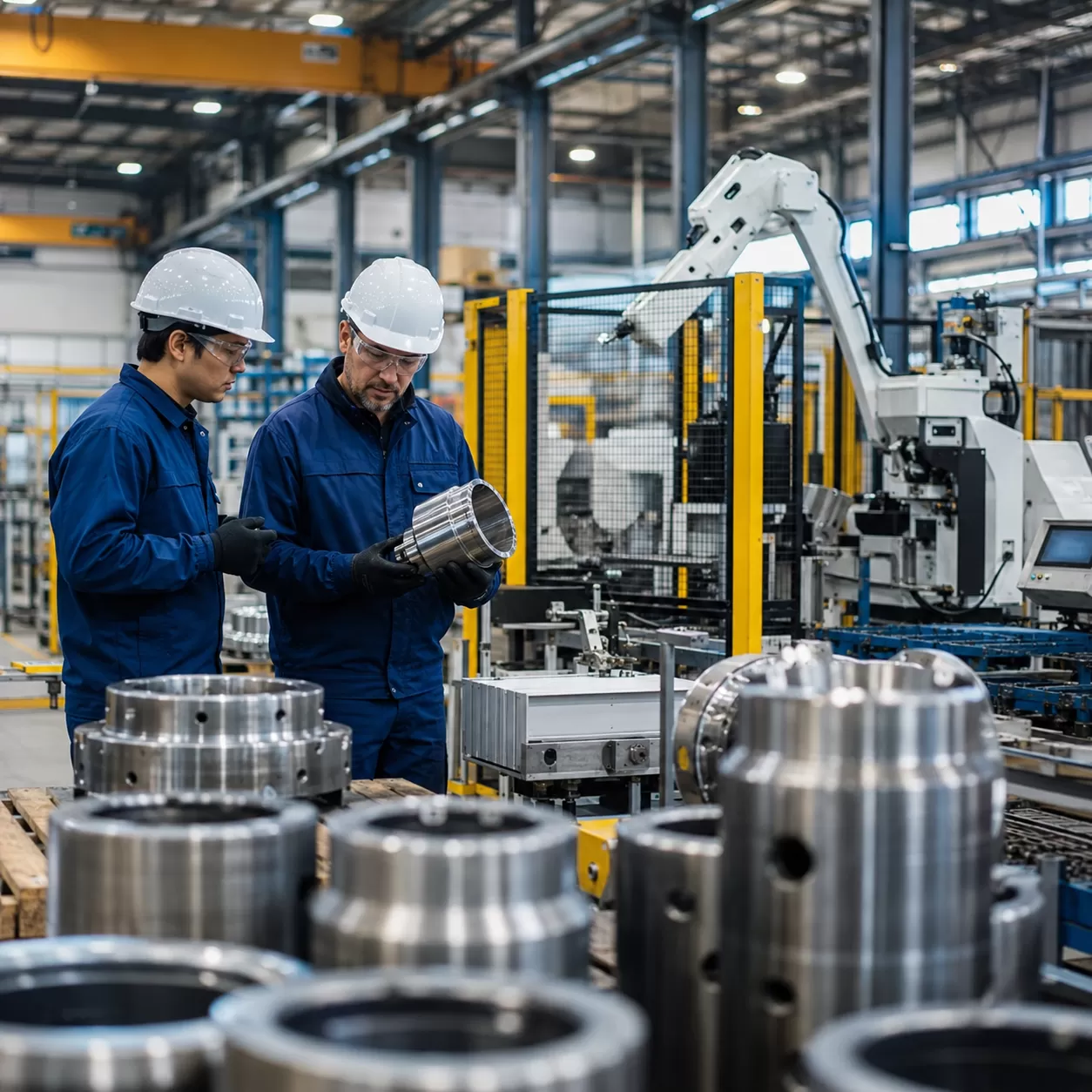
Selecting the ideal material class comes down to your specific application environment, weight budgets, and performance targets. Both iron-based alloys and non-ferrous alternatives have distinct strongholds across major American industrial sectors.
Aerospace and Defense
In aerospace, every ounce directly impacts fuel efficiency and payload capacity. This sector relies heavily on high-tensile structural alloys that resist extreme temperatures and stress without adding unnecessary bulk.
- Primary Choices: Titanium grades (like Ti-6Al-4V) and lightweight aluminum alloys (2000 and 7000 series).
- Critical Applications: Jet engine components, landing gear, and structural airframes where the strength-to-weight ratio is non-negotiable.
Automotive and Transportation
Modern automotive engineering balances structural safety with strict fuel economy standards. Manufacturers use a strategic blend of both material classes to optimize vehicle performance.
- Ferrous Use: Advanced carbon steels and heavy-duty cast iron components form the safety cage, chassis, and powertrain elements where high impact resistance is required.
- Non-Ferrous Use: Structural aluminum castings drive growth by replacing heavier steel parts in body panels, engine blocks, and suspension systems to shed weight.
Electronics and Telecommunications
Electrical components demand excellent conductivity and specific magnetic behaviors. Non-ferrous metals dominate this space because they do not interfere with high-frequency signals.
- Primary Choices: Copper and brass alloy components along with precision aluminum housing.
- Critical Applications: Integrated circuit lead frames, connectors, and electromagnetic shielding enclosures that protect sensitive electronics from signal interference.
Marine and Harsh Environment Infrastructure
Saltwater and industrial chemicals destroy standard steels rapidly through oxidation. This sector requires specialized corrosion-resistant metal stock to ensure long-term structural integrity.
- Primary Choices: Austenitic and duplex stainless steels, marine-grade aluminum, and nickel superalloys.
- Critical Applications: Offshore drilling equipment, underwater piping, and propulsion shafts exposed to continuous moisture and chemical stress.
| Industry | Preferred Alloy Class | Key Decision Factor |
|---|---|---|
| Aerospace | Non-Ferrous (Titanium/Aluminum) | Maximum strength-to-weight ratio |
| Automotive | Mixed (Advanced Steels & Aluminum) | Die casting in automotive parts balances cost, strength, and weight |
| Electronics | Non-Ferrous (Copper/Brass) | High electrical conductivity and non-magnetic properties |
| Marine | Specialized Ferrous (Stainless) & Superalloys | Extreme corrosion and pitting resistance |
precisionvast Advanced Manufacturing and Post-Processing Capabilities
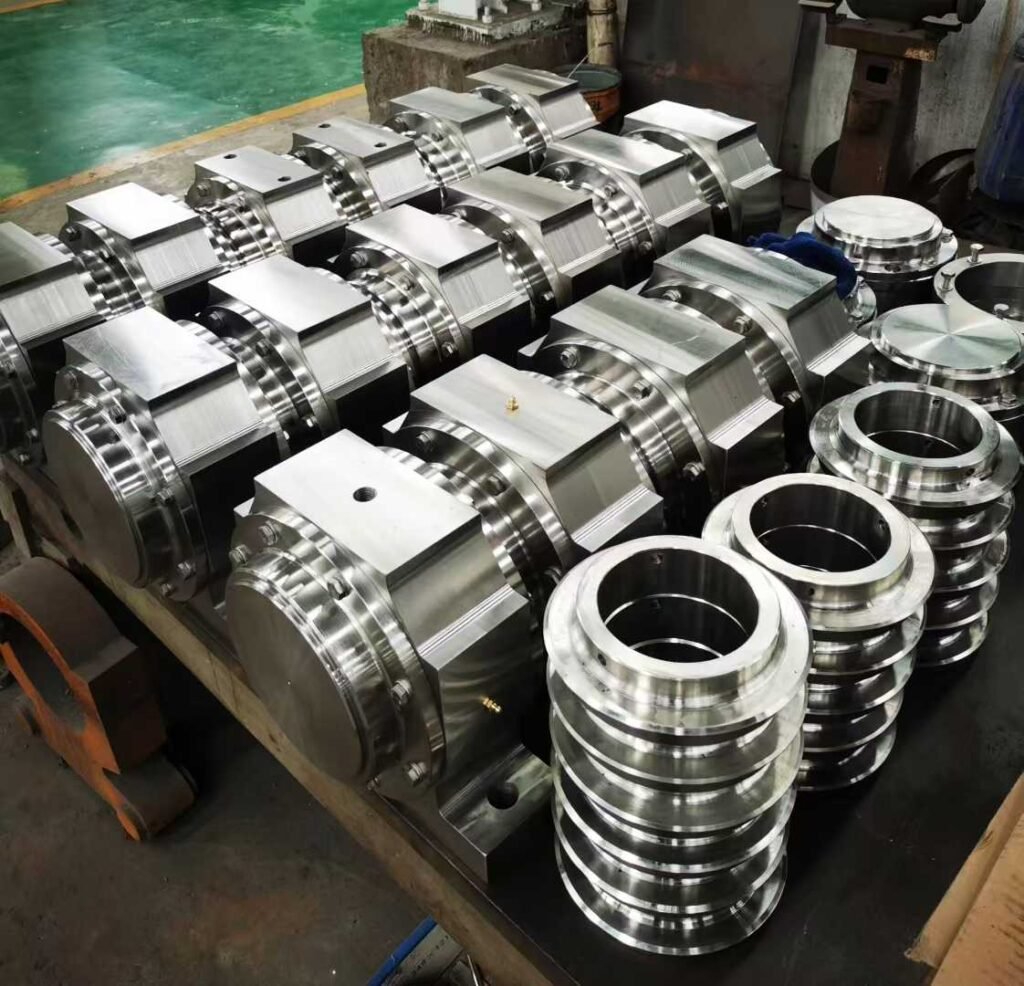
At precisionvast, we do not just source raw materials; we deliver completely finished, field-ready components. Understanding the distinct machining behaviors of ferrous vs non ferrous alloys allows us to tailor our manufacturing approach to the exact metallurgy of your chosen material. Whether you are dealing with heavy-duty iron-based alloys or lightweight aluminum alloys, our post-processing setup ensures your custom steel alloy grades and non-ferrous metal components meet exact design specs.
Precision CNC Machining & Tooling
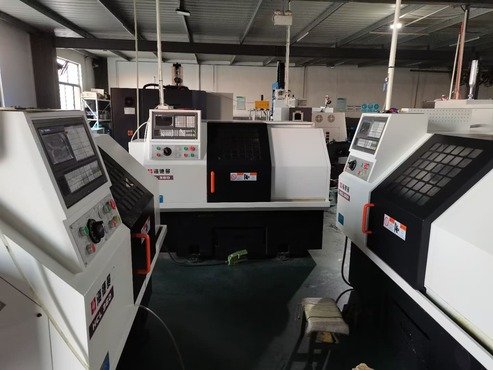
Our facility utilizes high-speed, multi-axis CNC machining metal materials equipment optimized for both high-tensile structural alloys and softer, non-ferrous options.
- Ferrous Tuning: We adjust feed rates and utilize specialized carbide tooling to clean up tough cast irons and stainless steels without inducing work hardening.
- Non-Ferrous Speed: We leverage ultra-high spindle speeds for rapid material removal on copper and lightweight aluminum alloys, maintaining tight tolerances without thermal distortion.
Custom Surface Treatment Solutions
Post-machining surface treatments are critical to enhancing corrosion resistance and aesthetic appeal based on your specific application environment.
- Anodizing & Plating: Ideal for non-ferrous parts to boost wear resistance and provide electrical insulation.
- Passivation & Black Oxide: Applied to stainless and carbon steels to maximize their corrosion-resistant metal stock properties.
- Powder Coating: Available for all industrial metal fabrication materials to add a durable, heavy-duty protective barrier.
Quality Assurance & Material Traceability
Operating as a premier choice for B2B raw metal sourcing, we back every single run with absolute transparency. Our quality control protocol guarantees that what is on your metal stock specification sheet matches the physical reality of the delivered part.
- Full Traceability: Mill test certificates (MTCs) and material heat lot tracking accompany every shipment.
- Dimensional Verifications: In-line CMM inspection guarantees precision tolerances on all complex geometries.
- Non-Destructive Testing (NDT): Ultrasonic and X-ray testing are available to inspect internal integrity, particularly for critical heavy-duty cast iron components and aerospace-grade superalloys.
 German
  English