

Vapor polishing guide for smooth glossy plastic surfaces with improved clarity accuracy and compatibility for ABS acrylic polycarbonate and nylon
What is Vapor Polishing?
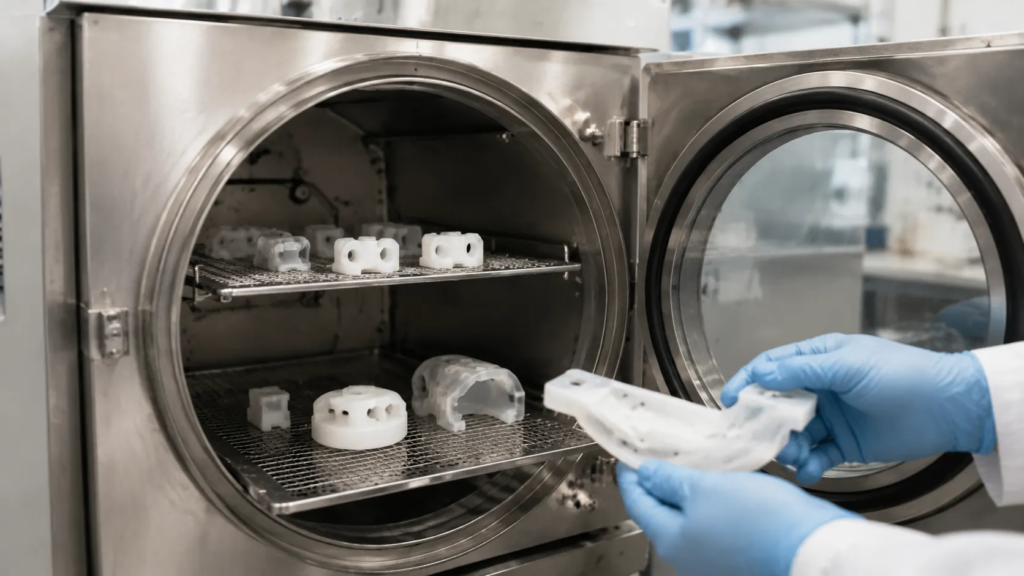
Vapor polishing is an advanced chemical surface finishing process we use to transform the rough surfaces of plastic components into smooth, high-clarity finishes. By utilizing a controlled chemical vapor, this method alters the material at a microscopic level without compromising its structural integrity.
How Solvent Vapor Smooths Plastics
The process relies on a specialized solvent vapor smoothing technique. When we expose a machined or 3D-printed plastic part to heated solvent vapor, the chemical vapor causes the outermost layer of the plastic to melt slightly on a microscopic scale. Surface tension then causes the liquefied plastic to flow, leveling out microscopic peaks and valleys. As the vapor dissipates, the plastic resolidifies, resulting in a dramatic surface roughness reduction and a pristine, high-gloss finish.
Best Suited Plastic Materials
While chemical polishing plastic is highly effective, it requires specific amorphous polymers to achieve optimal results. The process works exceptionally well on the following materials:
- Polycarbonate (PC): Ideal for polycarbonate polishing to restore complete optical clarity and remove machining marks.
- Acrylic (PMMA): Frequently used to achieve a brilliant, glass-like acrylic surface finish on clear components.
- Acrylonitrile Butadiene Styrene (ABS): Highly effective for smoothing 3D-printed ABS prototypes, sealing the porous surface, and improving aesthetics.
How Vapor Polishing Works Step-by-Step
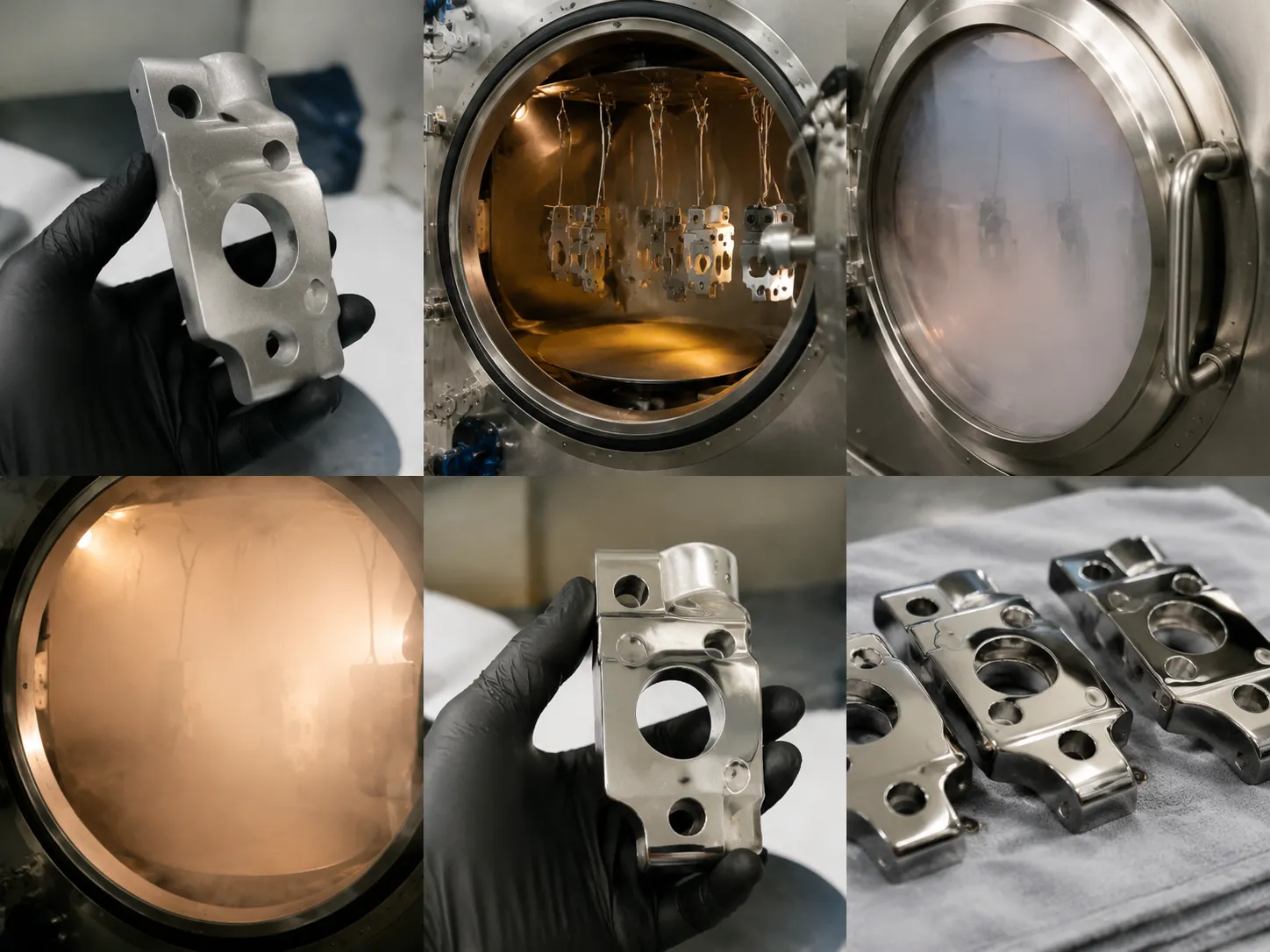
We treat vapor polishing as a precise, multi-stage science to ensure your parts achieve a pristine, clear finish every single time. Here is exactly how we transform rough, machined plastics into smooth, production-ready components.
1. Surface Preparation and Cleaning
Before any chemical polishing plastic techniques begin, we meticulously clean the component. Any leftover machining oils, fingerprints, or dust will ruin the final look. We wash and dry the parts completely because even a tiny speck of debris can get permanently trapped under the surface once the plastic melts and resets.
2. Exposure to Heated Solvent Vapor
Next, we suspend the clean parts inside a specialized, controlled chamber filled with heated solvent vapor. The Reaction: As the vapor contacts the cooler plastic, it condenses uniformly across the exterior. The Smoothing Effect: This mist briefly melts the outermost microscopic layer of the plastic. Surface Roughness Reduction: Surface tension naturally pulls the liquefied plastic flat, instantly filling in scratches, tool marks, and micro-fissures.
3. Evaporation and Curing Phase
ly, we remove the parts from the vapor zone. The solvent evaporates rapidly, allowing the newly smoothed plastic to solidify and cure. We utilize advanced equipment from precisionvast.com to maintain tight quality control during this sensitive cooling phase, ensuring the component regains its full material hardness without any warping or dimensional distortion.
Key Benefits of Vapor Polishing Plastics
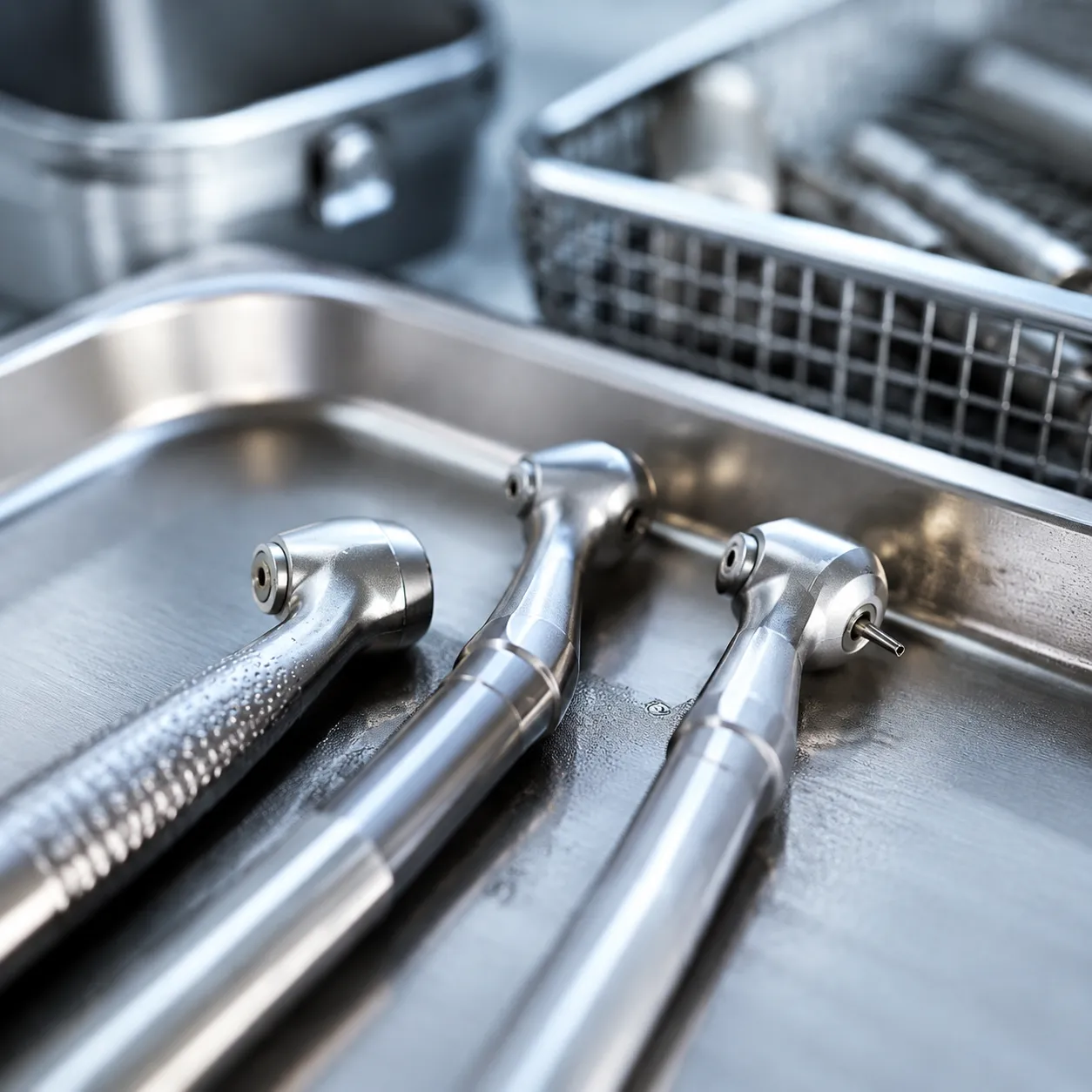
We utilize vapor polishing to give your plastic parts a premium finish while enhancing their functional performance. Here is what this chemical polishing plastic process delivers for your components.
Optical Clarity Conversion
When we work with transparent materials like polycarbonate and acrylic, standard machining leaves behind a foggy, opaque surface. Vapor polishing melts away these microscopic surface imperfections, instantly restoring total transparency and optical clarity.
Surface Hygiene and Washability
By reducing surface roughness to a near-mirror finish, we eliminate the tiny microscopic crevices where bacteria, dirt, and contaminants love to hide. This makes the parts incredibly easy to clean and sanitize, which is a vital requirement for medical grade plastic finishing and fluid handling components.
Sealing Micro-Fissures and Material Strength
Unlike mechanical sanding which can introduce stress fractures, solvent vapor smoothing welds the outer layer of the plastic back together. This process seals micro-fissures and fills in surface defects, which actually improves the structural integrity of your part and prevents future cracking under stress.
Summary of Core Advantages
| Benefit | How It Works | Primary Use Case |
|---|---|---|
| Optical Clarity | Removes surface fog for a clear, see-through finish. | Automotive lenses, light pipes, clear housings. |
| Hygiene & Washability | Eliminates microscopic pockets to prevent bacterial growth. | Medical devices, fluid manifolds. |
| Structural Integrity | Seals surface micro-fissures to prevent crack propagation. | High-stress plastic prototyping finish. |
Vapor Polishing vs. Alternative Finishing Methods
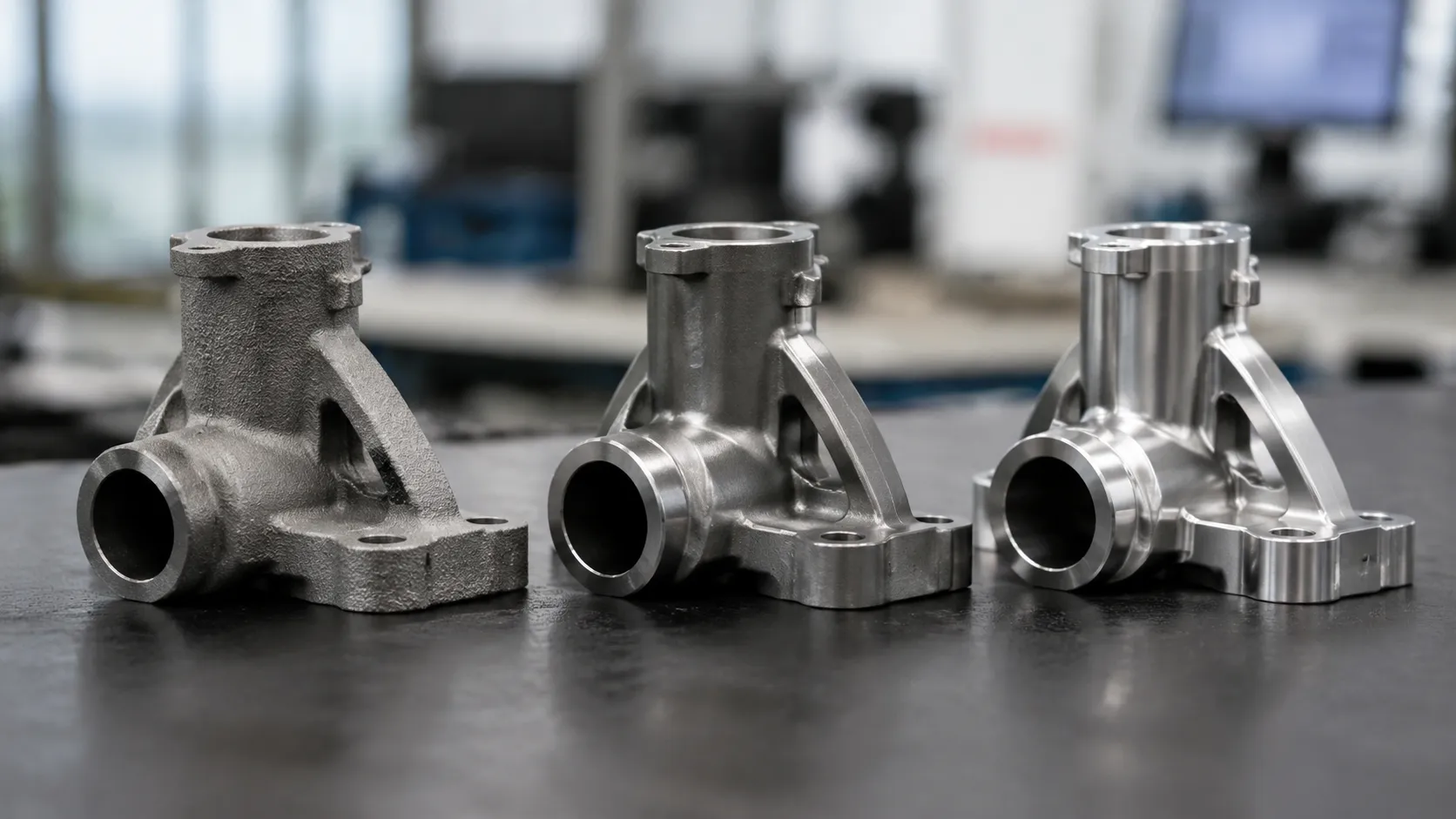
When we need to eliminate surface roughness reduction issues on plastic prototypes or production parts, choosing the right method is critical. We often compare solvent vapor smoothing against traditional mechanical options to see which delivers the best balance of cost, speed, and optical clarity conversion.
Vapor Smoothing vs. Traditional Methods
| Finishing Method | Best Used For | Internal Channels? | Risk of Part Distortion | Surface Finish |
|---|---|---|---|---|
| Vapor Polishing | Polycarbonate, Acrylic, ABS | Yes | Very Low | High Gloss / Optical Clarity |
| Flame Polishing | Quick exterior acrylic edges | No | High (Melt risk) | Glossy but uneven |
| Mechanical Buffing | Simple, large flat geometries | No | Low | Brushed finish to Mirror polishing |
Vapor Polishing vs. Flame Polishing
While flame polishing uses a direct high-temperature torch to melt the plastic surface, it is notoriously difficult to control. Geometry Limits: Flame polishing only works on outer edges and flat surfaces. We cannot use it for complex internal geometries or medical grade plastic finishing. Stress Fractures: Flames introduce localized thermal stress, frequently causing acrylic or polycarbonate polishing projects to craze or crack later. Vapor smoothing applies a uniform chemical polishing plastic treatment that avoids these stress points.
Vapor Polishing vs. Mechanical Buffing and Sanding
Mechanical buffing relies on abrasives, sandpaper, and polishing wheels to smooth down peaks. Labor & Geometry: Buffing requires a direct line of sight. It cannot reach deep recesses, tight corners, or complex internal fluid manifolds. Surface Quality: Mechanical methods often leave micro-scratches or a directional brushed finish. Vapor polishing creates a true mirror polishing effect by liquefying the outermost molecular layer, sealing the surface entirely.
When to Choose Vapor Smoothing Over Traditional Methods
We recommend bypassing traditional sanding or flame treatments and choosing chemical vapor smoothing when your project demands: Optical Clarity: Essential for automotive lenses, light pipes, and clear prototypes. Internal Complexities: Perfect for sealing internal chambers in microfluidic blocks or manifolds where tools cannot reach. Sterilization & Hygiene: Vital for medical devices, as it eliminates micro-fissures where bacteria can hide.
Common Applications and Industries for Vapor Polishing
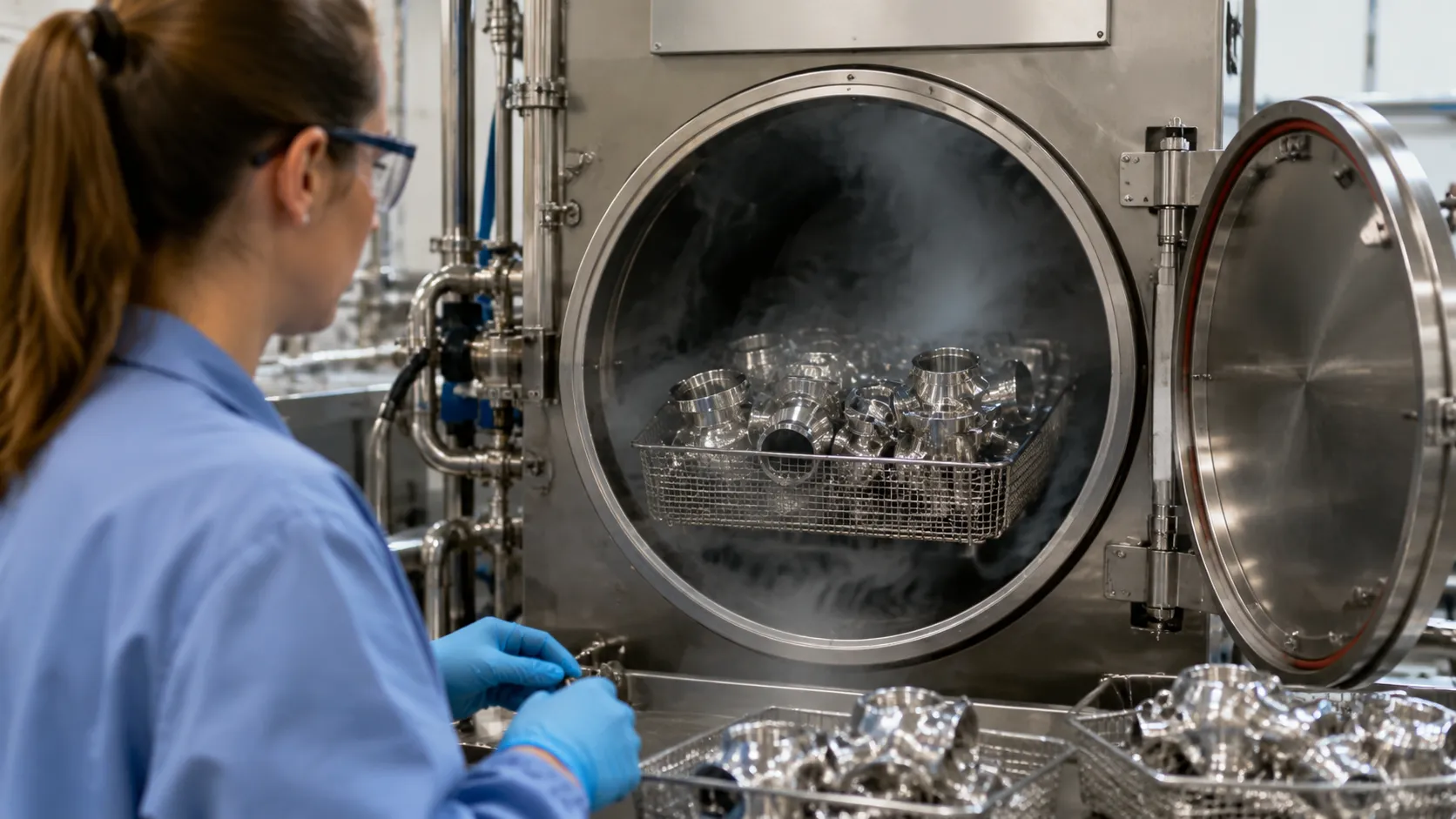
We use vapor polishing across several specialized industries where surface roughness reduction and extreme clarity are non-negotiable. Because this chemical polishing plastic method treats complex internal and external geometries simultaneously, it is the go-to choice for high-performance components.
Medical Devices and Fluid Manifolds
In the medical sector, we frequently apply solvent vapor smoothing to medical grade plastic finishing. Fluid Manifolds: Vapor polishing seals micro-fissures and smooths internal channels, ensuring laminar fluid flow without trapping bacteria or contaminants. Surgical Tools and Portals: Enhances cleanability and withstands strict sterilization protocols.
Automotive Lenses and Light Pipes
Achieving a mirror polishing effect on clear components is essential for automotive optics. Light Pipes: We use polycarbonate polishing to prevent light scattering and maximize light transmission. Headlight Lenses: Restores complete optical clarity conversion to clear plastic prototyping finish parts, ensuring crisp beam patterns.
Aerospace and Prototype Manufacturing
For aerospace components and advanced plastic prototyping, we rely on vapor smoothing to deliver production-grade aesthetics and functionality to 3D-printed or machined parts.
| Industry | Common Component | Primary Benefit |
|---|---|---|
| Medical | Fluidic manifolds, isolation chambers | Surface hygiene, zero contamination |
| Automotive | Light guides, instrument clusters | Optical clarity, precision light output |
| Aerospace | Cockpit instrumentation, specialized ducting | Structural sealing, aerodynamic smoothness |
| Prototyping | Clear enclosures, visual models | Fast aesthetic finishing, production look |
Vapor Polishing FAQs
Is vapor polishing permanent?
Yes, vapor polishing provides a permanent surface transformation. Because the process relies on a chemical polishing plastic reaction that melts and refuses the outer layer, the smoothed finish will not chip, peel, or wash off over time. The restored optical clarity and acrylic surface finish remain stable unless the part is subjected to mechanical scratching, harsh UV exposure, or degrading chemicals.
Which plastics cannot be vapor polished?
We cannot use solvent vapor smoothing on crystalline or highly chemical-resistant plastics. Materials like Polyethylene (PE), Polypropylene (PP), Fluoropolymers (PTFE/Teflon), and certain Engineering thermoplastics resist the solvents required for the process. Attempting to treat these materials results in zero surface roughness reduction and can permanently damage the part.
Does vapor polishing affect part dimensions?
Minimally, but it depends on your tolerances. Chemical surface finishing alters the component at a micron level by melting microscopic peaks into the valleys. While it is ideal for a plastic prototyping finish, it can slightly round sharp exterior edges or alter tight press-fit tolerances. For critical medical grade plastic finishing, we manage the exposure times precisely to maintain dimensional integrity.
 German
  English