

You might already know that mixing up manufacturing terms can lead to costly production mistakes…
But what is the true cast meaning molded distinction, exactly?
Well, you’re in the right place, because I’ve put together a complete breakdown.
As the engineering experts at precisionvast, we’ve seen firsthand how understanding the exact difference between molding and casting can make or break a project’s budget.
The golden rule is actually quite simple: it all comes down to understanding the negative mold vs positive cast relationship.
In this guide, you’re going to learn exactly how these core processes work, step by step, so you can confidently choose the perfect manufacturing method for your next product.
Let’s dive right in.
What Does “Cast” Mean? The Process of Casting Explained
When clients ask us at Precisionvast to clarify the cast meaning molded distinction, we always start with the absolute basics. Casting is fundamentally a process of physical transformation. It is the act of pouring a liquid material—such as molten metal, polyurethane resin, or plaster—into a pre-made hollow cavity. Once poured, the material is left to cure or cool until it solidifies into a rigid shape.
Think of a standard ice cube tray: the water you pour is your casting material, and the resulting ice cube is your cast.
The “Positive” Object
In manufacturing and engineering, we define the cast by its spatial relationship to the tooling:
- The Positive Space: The cast represents the actual, physical mass of your final product.
- The Tangible Result: It is the end goal of the production cycle. Whether you are fabricating a heavy-duty engine block or a lightweight polyurethane prototype, the cast is the exact part you hold in your hand after the liquid material solidification process is complete.
The Origin of “Casting”
To understand the process fully, it helps to look at the terminology’s roots. The word “cast” originates from the Old Norse word kasta, which meant “to throw” or “to pour.” Over centuries of early metalworking and industrial evolution, the definition shifted. Today, it refers less to the physical action of throwing a material and entirely to the precise, final object formed within a shaped cavity.
What Does “Molded” Mean? The Process of Industrial Mold Making
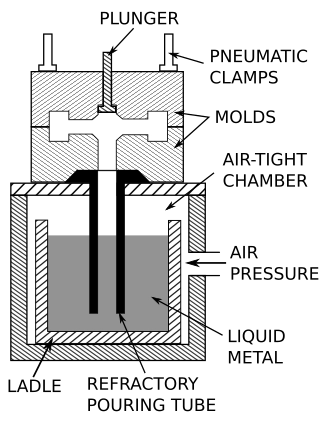
To fully grasp the cast meaning molded relationship, we first need to define the mold itself. A mold is a hollowed-out block or manufacturing tool designed to hold the exact reverse impression of your desired final product.
The Power of Negative Space
Mold-making is entirely about capturing the inverse geometry of an original model. When evaluating a negative mold vs positive cast, the mold serves as the negative space. The empty void inside this tool—often outlined by the standard mold cavity definition—dictates the precise shape of the product. Whether we are fabricating everyday commercial items or exploring advanced material science in airfoil construction, perfecting this negative space is the foundation of the entire production process.
The Dependency Rule
In custom part fabrication, there is a strict dependency rule between these two concepts. They work together, but the hierarchy is clear:
- You can have a mold without a cast: The manufacturing tool can simply sit empty on a warehouse shelf.
- You cannot create a cast without a mold: Without that meticulously crafted hollow cavity, your liquid material has absolutely no structure to form it as it solidifies.
The Core Differences: Casting vs. Molding
1. Driving Force: Gravity vs. Pressure
A critical technical distinction in the cast meaning molded debate lies in the physics of how the material fills the cavity:
- Casting (Gravity-Fed): Generally relies on Gravity. The liquid is poured and allowed to find its level. This is ideal for massive components (like engine blocks) or low-stress prototyping where internal pressure isn’t required to capture macroscopic shapes.
- Molding (Pressure-Driven): Specifically in Injection Molding, material is forced into the tool under High Pressure. This ensures the polymer reaches every microscopic corner of the mold, allowing for incredibly thin walls and complex textures that gravity alone couldn’t achieve.
2. Shrinkage Allowance & Dimensional Compensation
Engineers must design the “Negative Space” with the end state of the material in mind:
- Metal Casting: Molten steel or aluminum contracts significantly as it cools. The mold must be scaled up (known as Shrinkage Allowance) to ensure the final part hits the target dimensions.
- Precision Molding: While plastics also shrink, the process is controlled by holding pressure during the cooling phase to minimize warping.
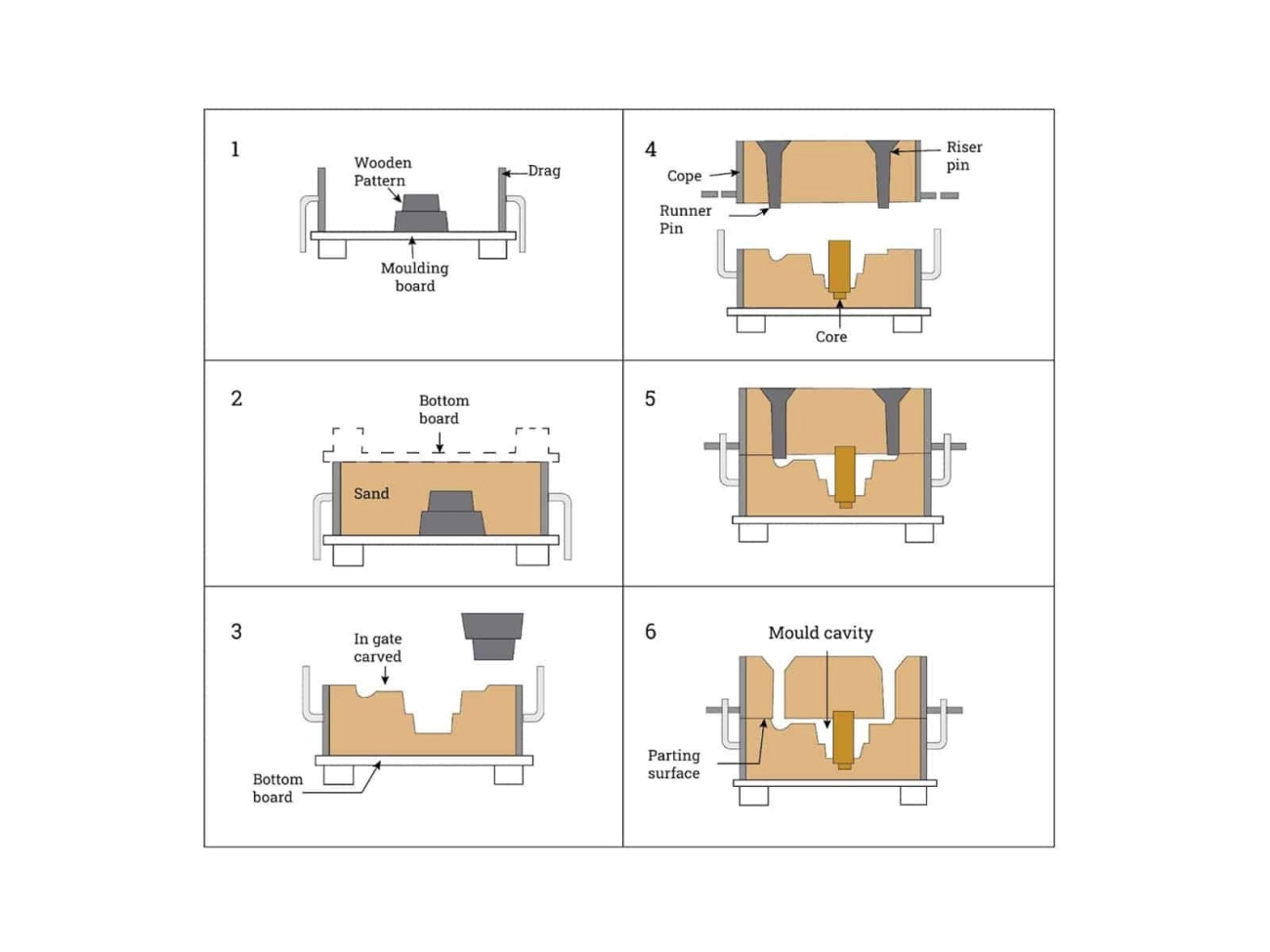
When you hear cast meaning molded, it’s easy to get the two mixed up since they go hand-in-hand. But in the shop, they are two completely different beasts. The simplest way to break it down? Molding is making the tool; casting is making the part.
Understanding the difference between molding and casting comes down to looking at the end goal and the materials you’re using.
Here is a quick breakdown to keep it straight:
| Feature | Casting | Molding |
|---|---|---|
| Definition | Pouring liquid to form a part. | Creating the cavity or tool. |
| State | Positive Space (The object). | Negative Space (The impression). |
| Primary Materials | Metals, concrete, resin, plaster. | Plastics, silicones, rubber. |
| End Goal | The final product. | The manufacturing tool. |
When we are working on a project, especially if it involves high heat or heavy industry, getting this right is critical. For instance, if you are planning to pour molten metal, you need to understand the metal die casting methods and have a solid grip on understanding steel casting to ensure your final part hits the mark.
In short: you build the mold, so you can pour the cast.
Material Breakdown: Matching the Material to the Method
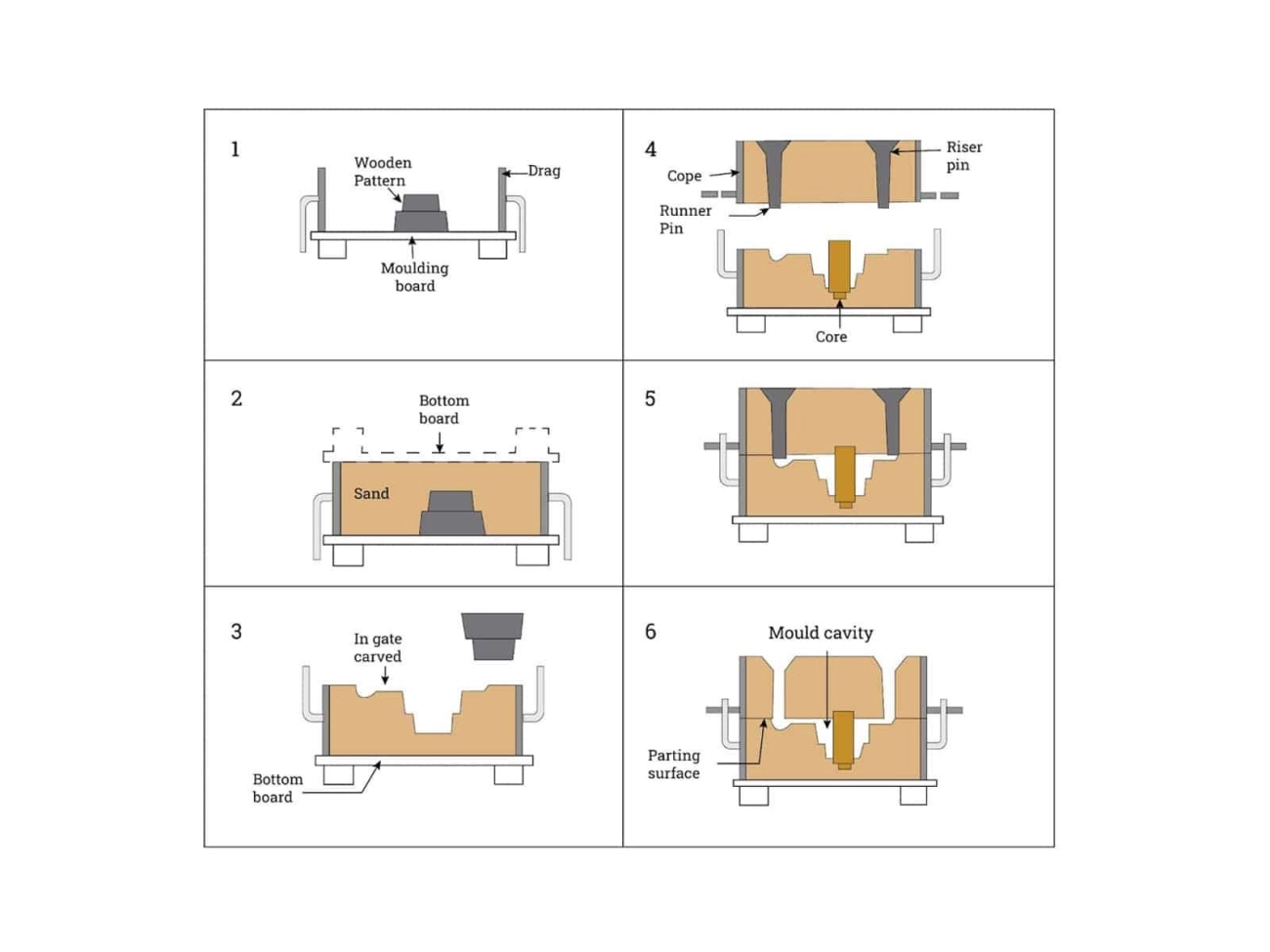
To truly understand the “cast meaning molded” dynamic, I always look at the materials first. You can’t just pour any liquid into any cavity and expect a perfect part. We have to match the material to the method, cleanly separating the materials we use to make the final product from the materials we use to build the tool.
Materials Built for Casting
This phase is all about liquid material solidification. The casting material is exactly what becomes your final, tangible positive part. In the US manufacturing sector, we generally break these down by heat requirement:
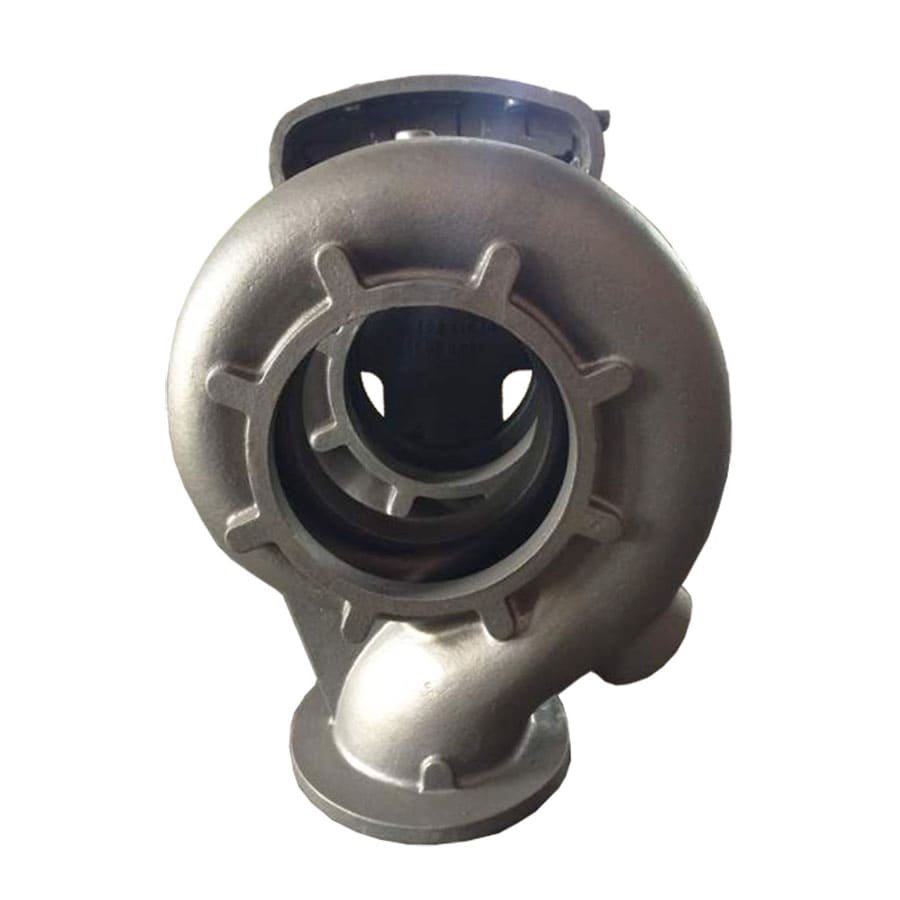
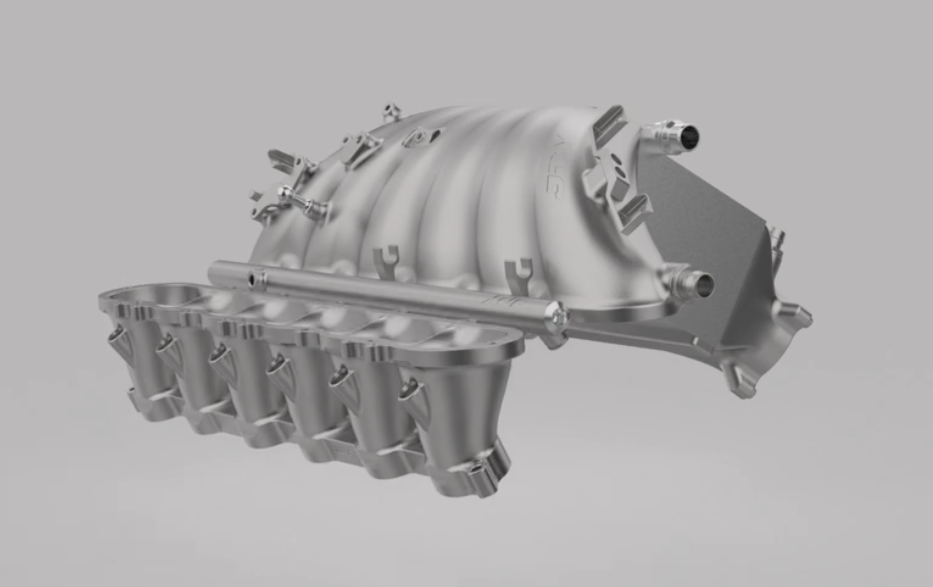
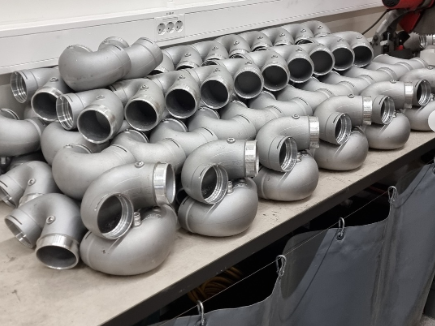
- Molten Metals: Heavy industry relies on proven molten metal casting techniques using aluminum, iron, and steel. For example, aluminum pressure die casting is a massive cost-saver for lightweight, high-volume metal parts. When we need extreme structural durability for aerospace or automotive frames, we cast tough alloys like 4130 carbon steel.
- Cold-Casting Materials: If a project doesn’t require intense heat, we shift to epoxy resins, plaster, concrete, and ceramics. These cure at room temperature and are highly effective for low-run custom part fabrication.
Materials Built for Molding
Molding materials are the backbone of industrial mold making. The mold material has to withstand the thermal and chemical stress of the casting process while holding the exact negative geometry.
- Thermoplastics and Thermosets: We machine these rigid, heavy-duty polymers to create durable, long-lasting molds built specifically to handle high-pressure mass production.
- Flexible Mold Materials: When evaluating resin casting vs plastic molding for intricate designs, rigid molds often fail. Instead, we use silicone and polyurethane rubber. These flexible materials capture ultra-fine details flawlessly and allow the final cast to be pulled out easily without damaging the part or the tool.
Popular Industrial Methods for Each Process
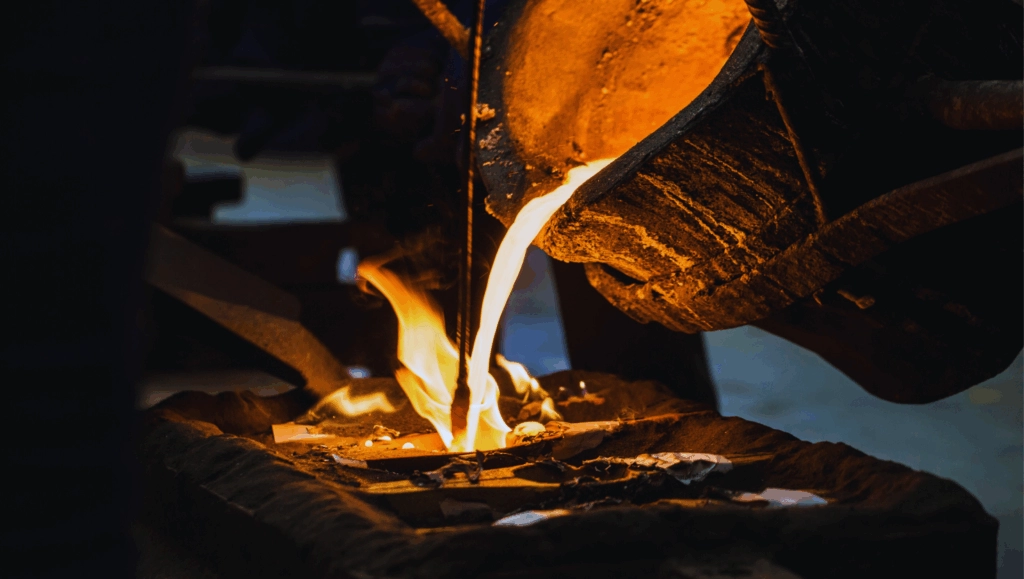
When we look at the practical application of the cast meaning molded dynamic in US manufacturing, a few heavy-hitting techniques dominate the factory floor. Understanding the difference between molding and casting comes down to looking at how these specific industrial methods operate in practice.
Common Molten Metal Casting Techniques
- Die Casting: This method forces molten metal under high pressure into solid steel cavities. It is extremely fast and stands as one of the most reliable metal die casting methods for high-volume production.
- Sand Casting: By utilizing specially bonded sand to create the negative space, sand casting applications are highly economical. We use this primarily for producing massive, heavy metal components where high tooling costs aren’t justified.
- Investment Casting: Built for high-precision manufacturing, this method excels at creating complex geometries that other processes can’t handle. Developing accurate investment casting tooling is a critical step that ensures tight tolerances and a superior surface finish quality for the final metal part.
Common Plastic Molding Processes
- Injection Molding: The undisputed standard for mass production. The plastic injection molding process pushes heated, liquid polymers into a precision-machined tool to produce thousands of identical parts rapidly.
- Blow Molding: This technique is tailored specifically for creating hollow plastics. We rely on blow molding for everyday items like water bottles, storage containers, and large industrial tanks.
- Compression Molding: A highly effective method for handling thermoset plastics, fiberglass, and rubber. The raw material is placed directly into a heated, open cavity and pressed firmly into its final, solid shape.
Cost, Scale, and Production
When I map out a project timeline with clients, understanding the true cast meaning molded relationship is the first step in nailing down the budget. The right choice depends entirely on your scale and end goals.
Mass Production vs Prototyping
- Low-Volume Runs: If you are focused on prototyping or short runs, I always recommend simple silicone molds paired with resin casting. It gets the job done quickly without tying up capital.
- High-Volume Runs: When you need to scale up to tens of thousands of units, injection molding takes over as the standard for speed and efficiency.
Strategic Comparison: How to Choose Your Method
To help search engines categorize this data, we look at the “VS” parameters that drive industrial decision-making.
Production Cycles & Throughput
- Casting: Typically has a longer cycle time. Because it relies on natural cooling or chemical curing, a single part might take minutes to hours (especially in large-scale sand casting).
- Molding: Engineered for High-Frequency Mass Production. A high-end injection molding cycle can be completed in seconds, outputting thousands of parts per shift.
Geometric Constraints: Undercuts & Draft Angles
- Flexible Mold Casting: If your part has complex Undercuts (recessed areas), silicone casting molds can stretch and deform to release the part without damage.
- Hard Tooling (Molding): Steel molds are rigid. Therefore, designs must strictly adhere to Draft Angles (tapered sides). Without a proper draft, the part will seize inside the tool, potentially destroying a multi-thousand-dollar mold.
Industry Applications: At a Glance
Integrating real-world use cases increases the contextual relevance of the content:
| Industry | Typical Cast Parts (Positive) | Typical Molded Parts (Negative/Tooling) |
| Automotive | Engine Blocks, Wheel Rims | Dashboards, Bumper Covers |
| Aerospace | Turbine Blades (Investment Casting) | Interior Trim, Seals, Knobs |
| Medical | Orthopedic Implants (Cobalt-Chrome) | Syringes, Vent Masks, Housings |
| Electronics | Magnesium Laptop Frames (Die Casting) | Phone Cases, Connectors, Buttons |
Manufacturing Tooling Costs Analyzed
- Molding: Cutting steel for injection molds means you are going to eat heavy upfront manufacturing tooling costs. However, once that tool is made, your per-part price plummets at scale.
- Casting: You save big on initial tooling, making it much easier to get off the ground. The trade-off is a higher cost per individual part. Getting familiar with the various casting processes available helps you find the sweet spot between upfront investment and total production cost.
Tolerances and Surface Finish
Your chosen method directly dictates the final result of your custom part fabrication. High-pressure molding consistently delivers incredibly tight precision manufacturing tolerances straight off the production line. Casting is completely unmatched for heavy, complex geometries, but I often see those parts require secondary machining to hit the exact surface finish quality modern specs demand.
FAQ: Addressing Search Intent
Q: Which is stronger, a cast part or a molded part?
A: It depends on the material. Metal castings (like steel) are vastly superior in structural integrity and heat resistance. However, weight-for-weight, some fiber-reinforced injection-molded composites can achieve higher specific strength than basic cast metals.
Q: Why do cast parts look “rougher” than molded parts?
A: It’s all about the interface. Sand casting uses granular sand which leaves a matte, pitted texture. Injection molds are typically CNC-machined and polished (or EDM-finished), allowing the plastic to take on a mirror-like or high-fidelity textured finish.
Q: Can I do casting or molding at home?
A: Resin Casting is very accessible for hobbyists because it only requires silicone molds and gravity. Injection Molding requires heavy machinery, high-voltage power, and extreme pressure, making it strictly an industrial process.
 German
  English