

Technical guide for sourcing an investment casting manufacturer offering silica sol and water glass processes alloys DFM CNC NDT and ISO certified quality.
Picking the Right Process: Silica Sol vs. Water Glass
As a dedicated investment casting manufacturer, we know that one size rarely fits all. The first critical decision in your project isn’t just about the metal alloy; it’s about selecting the right casting method to balance cost against precision. At Precision Vast, we guide our clients through the two primary lost-wax techniques: Silica Sol and Water Glass.
Silica Sol Casting: The Choice for Complex Geometries and Tight Tolerances (CT5–CT6)
When your components demand superior surface finishes and intricate detail, Silica Sol casting is our recommended route. This process utilizes high-grade silica sol zircon sand for the shell building, resulting in a significantly smoother surface and higher dimensional accuracy compared to other methods.
- Precision Level: We achieve strict tolerances of CT5–CT6, minimizing the need for secondary machining.
- Surface Finish: Expect a smooth, high-quality finish (Ra 3.2–6.3) ideal for aesthetic parts or fluid-handling components like valves and pumps.
- Best For: Stainless steel investment casting, complex aerospace components, medical equipment, and hardware where dimensional stability is non-negotiable.
Water Glass Casting: The Cost-Effective Option for Structural Parts (CT7–CT8)
For projects where structural integrity is paramount but ultra-fine surface detail is less critical, Water Glass casting offers a robust and economical solution. This traditional lost-wax method uses a sodium silicate binder, making it faster and less expensive to produce.
- Cost Efficiency: Significantly lower production costs compared to Silica Sol, making it ideal for high-volume orders.
- Tolerance Standard: Typically achieves tolerances around CT7–CT8.
- Best For: Heavy-duty carbon steel parts, automotive brackets, and large machinery components where function outweighs fine aesthetic detail.
Balancing Precision and Budget: Hybrid Approaches
We don’t believe in forcing a trade-off if it isn’t necessary. As a flexible investment casting manufacturer, we often engineer solutions that leverage the strengths of both methods or integrate secondary processes to bridge the gap.
- Strategic Machining: We can utilize the cost-effective Water Glass process for the bulk of a part and apply our in-house CNC machining services only to critical mating surfaces that require tighter tolerances.
- Custom Consultation: Our engineering team reviews your specific geometry and application requirements to recommend the exact process that meets your specs without inflating your budget.
Material Capabilities: Casting More Than Just Steel
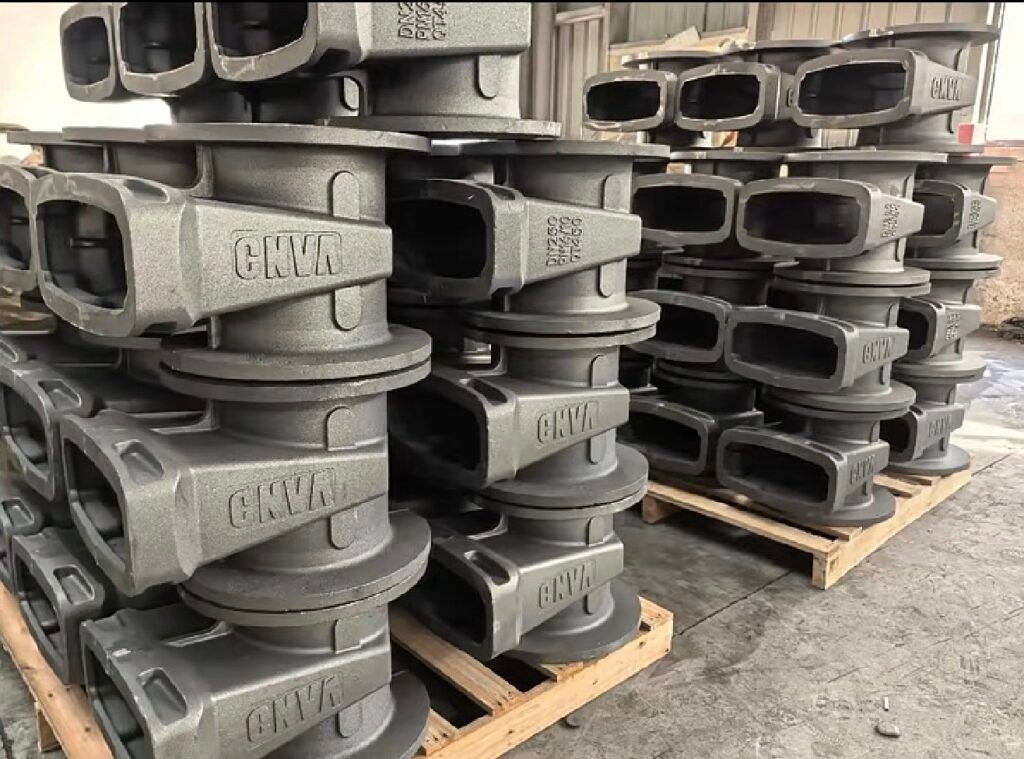
As an investment casting manufacturer, we know that steel is often the default, but modern engineering demands more versatility. While stainless steel investment casting remains a staple for corrosion resistance and strength, many high-performance applications require specialized alloys that push the boundaries of what metal can do. We don’t just pour metal; we engineer material solutions.
Handling Reactive Metals: The Challenges of Titanium & Aluminum
Casting reactive metals like Titanium and Aluminum isn’t as simple as melting and pouring. These materials are highly sensitive to oxygen and can easily pick up impurities during the process, leading to defects.
- Titanium Casting: This requires a controlled vacuum environment to prevent oxidation. We specialize in titanium alloys for aerospace and medical components where high strength-to-weight ratios are critical.
- Aluminum Casting: Aluminum is lightweight but prone to porosity if not handled correctly. We utilize precise temperature controls and advanced gating designs to ensure sound, dense castings, similar to the rigorous standards seen in A356 aluminum casting applications.
Superalloys for High-Stress and High-Temp Applications
When standard alloys fail under extreme heat or stress, superalloys are the answer. These are the workhorses of the aerospace and power generation industries.
- High-Temperature Performance: We cast nickel-based and cobalt-based superalloys designed to maintain structural integrity at temperatures that would melt or deform standard steels.
- Corrosion & Wear Resistance: These materials are essential for components like turbine blades and exhaust systems that face harsh operating environments.
Verifying Alloys with In-House Spectrometers and Metallurgical Testing
Claiming to pour a specific alloy is one thing; proving it is another. We don’t leave material composition to chance. Every batch undergoes rigorous testing before it leaves our foundry.
- Spectrometer Analysis: We use advanced spectrometers to verify the exact chemical composition of the melt, ensuring it meets international standards (like ASTM or ISO).
- Metallurgical Testing: Beyond chemistry, we analyze the microstructure of the metal to confirm mechanical properties like tensile strength and hardness. This ensures that a part meant for high stress won’t fail in the field.
Engineering Quality: DFM and Prototyping Strategies
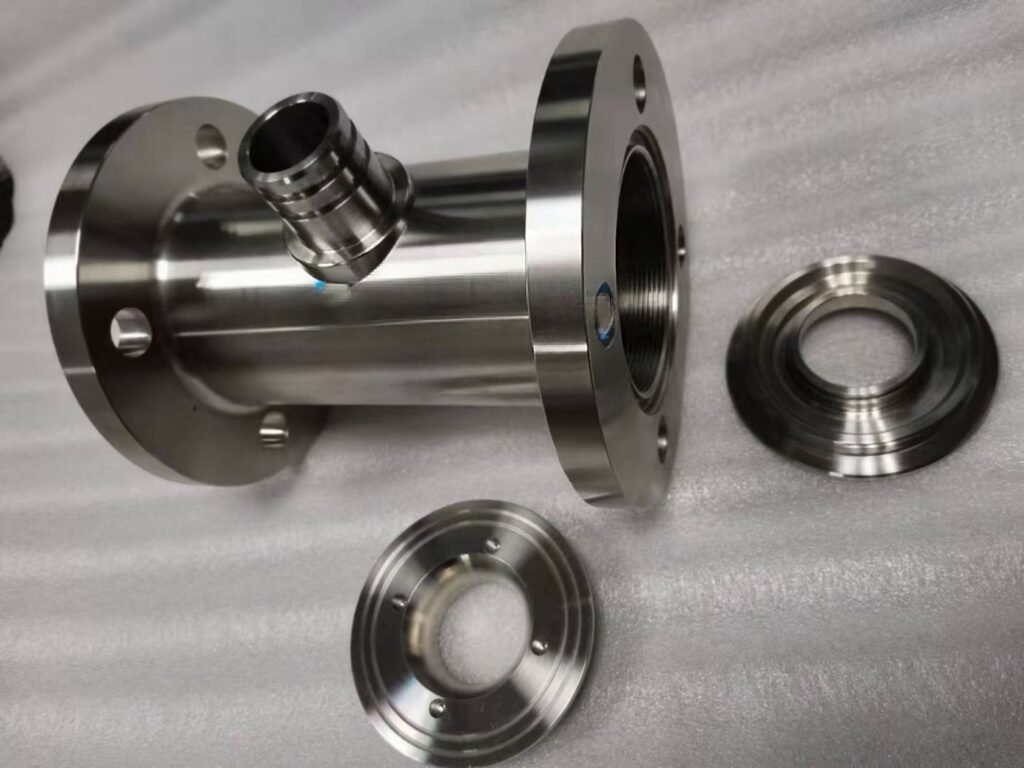
As an investment casting manufacturer, we know that quality starts long before metal is poured. It begins in the engineering phase. We don’t just take a drawing and hope for the best; we actively engage in Design for Manufacturing (DFM) to optimize part geometry. This collaborative approach helps identify potential casting issues early, ensuring that the final component meets strict ISO 8062 tolerance standards without requiring excessive secondary machining.
Using CAE Simulation to Predict Porosity and Shrinkage
Guesswork has no place in precision manufacturing. We utilize advanced Computer-Aided Engineering (CAE) simulation software to visualize the casting process virtually before cutting any tooling. By simulating the flow of molten metal and the solidification process, we can accurately predict areas prone to shrinkage, porosity, or cold shuts.
This data allows our engineers to adjust gate locations, modify runner systems, or tweak the part design itself to ensure structural integrity. This proactive step significantly reduces scrap rates and ensures that complex parts, especially those made from high-quality carbon steel or superalloys, perform reliably in the field.
Rapid Prototyping with SLA 3D Printing for Wax Patterns
Speed to market is often critical for our US clients. Traditional tooling can take weeks to manufacture, which is a bottleneck during the prototyping phase. To bypass this, we leverage SLA (Stereolithography) 3D printing technology to create wax patterns directly from CAD data.
- No Tooling Cost: Eliminates the upfront investment in metal molds for prototypes.
- Fast Iteration: Design changes can be implemented and tested in days, not weeks.
- Complex Geometries: SLA printing handles intricate internal structures that are difficult to machine in traditional dies.
This capability allows us to validate designs and physical fit quickly, transitioning smoothly from a digital concept to a physical metal part.
The Non-Negotiable Quality Checklist: ISO9001 and NDT
Consistency is the hallmark of a reliable investment casting manufacturer. Our facility operates under a strict ISO9001 certified quality management system. However, certification is just the baseline. We employ a rigorous suite of Non-Destructive Testing (NDT) methods to verify that every casting meets the required specifications.
Our Standard Inspection Protocols Include:
- Dimensional Inspection: Using CMM (Coordinate Measuring Machines) to verify tight tolerances.
- Internal Integrity: X-Ray testing to detect subsurface defects like voids or cracks.
- Surface Evaluation: Magnetic Particle Inspection and Dye Penetrant testing to find surface discontinuities.
- Material Verification: Spectrometer analysis to confirm exact alloy composition.
Whether we are producing stainless steel casting components for marine applications or aerospace parts, these checks ensure that no defective product leaves our factory floor.
The One-Stop Shop: Integrated Machining and Finishing
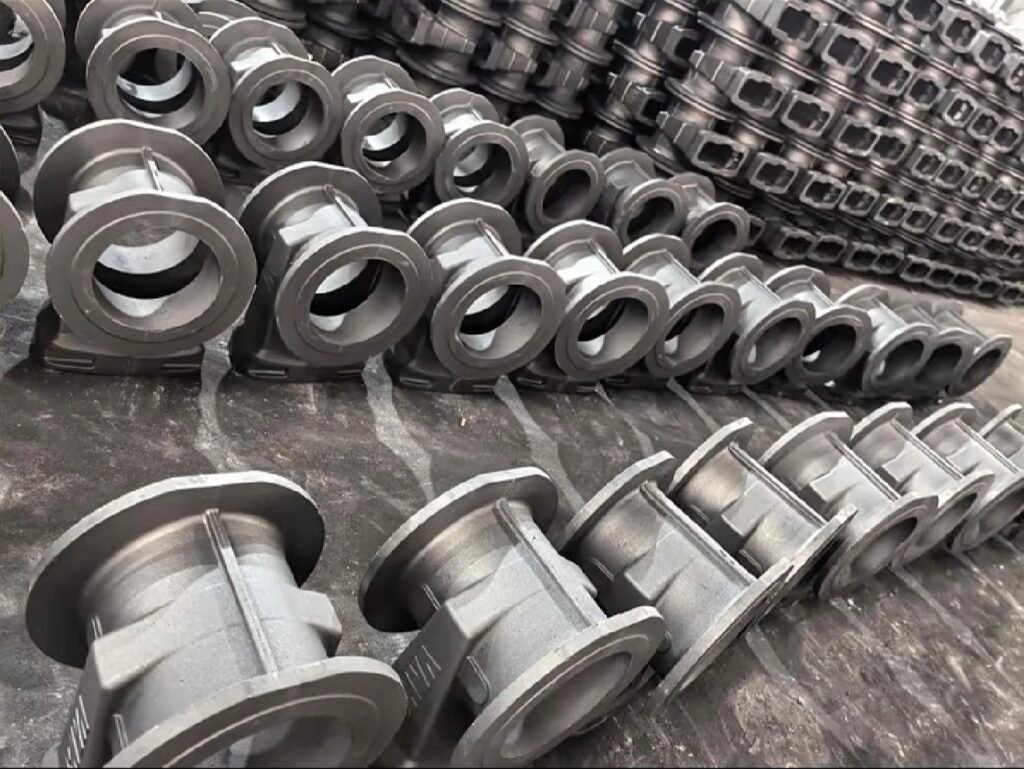
As an investment casting manufacturer, we know that getting the raw casting out of the mold is often just the beginning. For many of our US clients, the real headache starts when they have to coordinate between a foundry, a separate machine shop, and a third-party plating vendor. That’s a recipe for delays and finger-pointing. We prefer a different approach: handling everything under one roof.
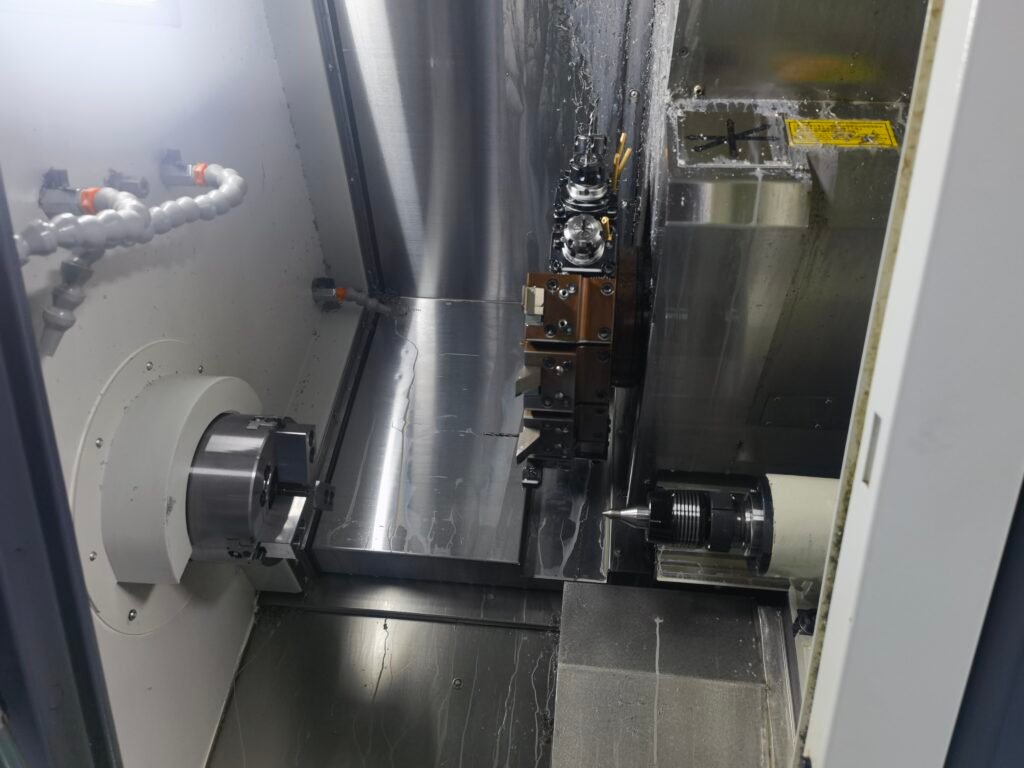
Why Integrated CNC Machining Reduces Supply Chain Risks
The biggest advantage of using a foundry with in-house CNC machining services is accountability. When we cast a part, we know exactly where the datum points should be for machining. If we ship a raw casting to an external machine shop and they scrap it, the blame game begins. Was the casting porous? Was the machining fixture off?
By integrating these steps, we eliminate those gaps. We design the casting with the final machined dimensions in mind, often aiming for near net shape manufacturing to minimize the amount of material that needs to be removed. This saves cycle time and reduces material waste.
Benefits of Integrated Machining:
- Single Point of Contact: You deal with one project manager for the entire part.
- Faster Feedback Loops: If a casting feature is causing machining issues, our machinists talk directly to the casting engineers to fix the mold immediately.
- Reduced Logistics: No shipping parts back and forth between vendors.
Heat Treatment Services: Annealing, Aging, and Tempering
Metal properties aren’t set in stone just because the metal has solidified. To get the specific mechanical properties required for high-stress applications, precise heat treatment is non-negotiable. We don’t just “cook” the metal; we engineer its microstructure.
Whether you need solution annealing for stainless steel to maximize corrosion resistance or precipitation hardening for aluminum alloys, we handle it internally. This ensures that the precision alloy casting you receive meets the exact hardness and tensile strength specifications on your print.
| Heat Treatment | Purpose | Typical Application |
|---|---|---|
| Annealing | Softens metal to improve machinability and ductility. | Preparing steel castings for heavy CNC machining. |
| Normalizing | Refines grain structure for uniform mechanical properties. | Structural steel parts requiring consistent strength. |
| Quenching & Tempering | Increases hardness and toughness. | High-wear components like gears or brackets. |
| Solution Treatment | Dissolves precipitates to improve corrosion resistance. | 300-series stainless steel components. |
Surface Finishing Options: Polishing, Plating, and Coating
The final step is making sure the part looks right and performs well in its environment. Investment casting naturally provides a superior surface finish compared to sand casting, but many applications require even smoother surfaces or protective layers.
We monitor surface roughness Ra closely. While a standard casting might come out at Ra 6.3, we can improve that significantly through electropolishing or mechanical polishing. For parts facing harsh environments, we offer passivation (essential for stainless steel) or various plating options like zinc or nickel.
If you are debating between materials for corrosion resistance before finishing, understanding the nuances is key. For instance, comparing titanium vs. stainless steel can help determine if you need heavy plating or if the base material can stand alone.
By managing the finishing process, we ensure that the dimensional tolerances held during casting and machining aren’t ruined by an overly thick coat of paint or uneven plating. It’s about delivering a component that is truly ready for assembly the moment it hits your dock.
Vetting Your Investment Casting Manufacturer: Factory Direct vs. Trading Companies
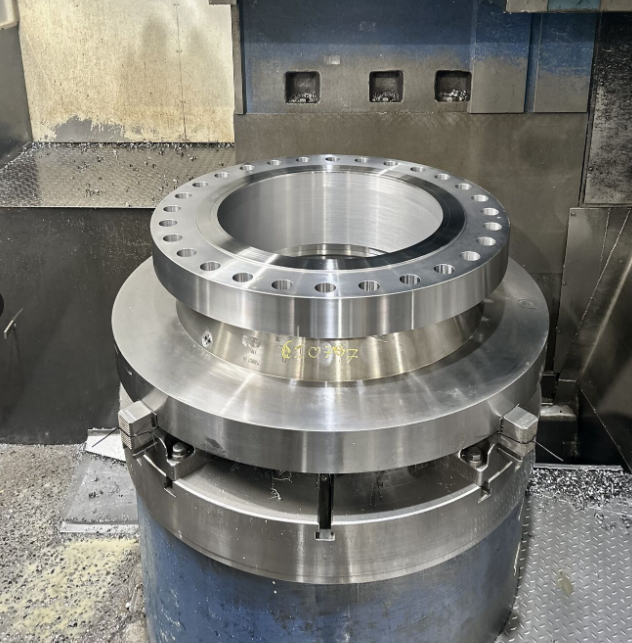
When you are sourcing critical components, distinguishing between a true investment casting manufacturer and a trading company is vital for long-term success. While trading companies can offer broad sourcing, they often lack the technical depth and control required for precision manufacturing. At Precision Vast, we operate as a direct-from-factory partner, giving you a clear line of sight into the production floor.
Direct Engineering Access vs. Sales Agents
The biggest bottleneck in offshore manufacturing is the game of “telephone.” When working with a middleman, your technical questions go to a sales agent, then to a sourcing manager, and finally to a factory engineer—often getting distorted along the way.
Working directly with us means you bypass the sales fluff. You get direct access to the team handling your foundry capabilities. If a design modification is needed to improve flow or reduce porosity, we discuss it directly using our internal CAE simulation data. This ensures that complex geometries in materials like titanium or superalloys are understood and executed correctly from day one.
Cost Control: Eliminating the Middleman Markup
Price competitiveness is often the primary driver for sourcing overseas. Trading companies inevitably add a margin to cover their operations, inflating your per-unit cost. By partnering directly with the manufacturer, you eliminate this markup.
- Transparent Pricing: You pay for materials, labor, and engineering—not administrative overhead.
- Volume Scalability: As your volume grows to 700+ tons annually, the savings from factory-direct pricing compound significantly.
- Faster Quotes: We guarantee an 8-hour response time for inquiries, allowing you to move faster than competitors waiting on third-party quotes.
Ensuring Accountability for Tooling and Quality Issues
Ownership is the cornerstone of quality control. When a defect occurs or a mold wears out, a trading company often shifts blame to their sub-supplier. As a dedicated manufacturer, we take full responsibility for the entire lifecycle of your product.
Since we manage the entire workflow—from comparative casting techniques and mold design to final CNC machining—we own the outcome. If there is an issue with tooling maintenance or a tolerance deviation, we fix it in-house immediately. This integrated approach ensures that your OEM casting services are backed by genuine accountability, protecting your supply chain from unexpected disruptions.
FAQ: Common Questions for Investment Casting Manufacturers
What are the typical lead times for new molds and production runs?
Speed matters, and we start the clock immediately. We guarantee a response to your initial inquiry within 8 hours. For the actual manufacturing, timelines depend on the complexity of the geometry and the material selected. Developing new tooling typically takes a few weeks, followed by sample approval. Production runs for standard materials, like carbon steel casting, generally move faster than runs requiring exotic superalloys, but we always provide a clear schedule upfront so you can plan your assembly line accordingly.
How is tooling ownership and maintenance handled?
Our policy is straightforward: You pay for the tooling, so you own the tooling. Once the mold is created, it belongs to you. We simply act as the custodians. We store the molds in our temperature-controlled facility and perform all necessary maintenance to ensure they remain in peak condition for future runs. This ensures that your investment is protected and that part consistency is maintained over years of production.
What are the Minimum Order Quantities (MOQs) for custom castings?
We don’t believe in rigid, one-size-fits-all barriers. While investment casting is most cost-effective at scale due to initial tooling costs, we are flexible with MOQs. We evaluate projects based on long-term partnership potential and technical feasibility. Whether you are launching a new product or need a specialized replacement part, we work with you to find a production volume that makes financial sense.
Can you handle both small batch and high-volume production?
Yes, our facility is built for both agility and scale.
- High Volume: With an annual capacity of 700 tons and a 19,000 m² facility, we easily handle large-scale OEM contracts for automotive and industrial clients.
- Small Batch & Prototyping: We utilize SLA 3D printing and rapid prototyping to produce single units or small pilot runs without the need for expensive hard tooling. This allows us to validate designs quickly before committing to mass production.
 German
  English