

Investment casting surface finish guide covering Ra roughness standards as cast capabilities cost saving tips and Precisionvast services.
Decoding the Metrics: What is a “Good” Investment Casting Surface Finish?
When you are sourcing precision parts, “smooth” isn’t a technical specification—it’s a subjective opinion. To guarantee that the parts we deliver fit your assembly perfectly without excessive rework, we have to talk numbers. Understanding the specific metrics of investment casting surface finish is the first step to optimizing your production costs.
Understanding Ra and RMS
We don’t rely on guesswork; we rely on data. The most critical metric we use is Ra (Roughness Average). Simply put, Ra measures the average vertical deviations of the surface—the peaks and valleys—from a mean line. The lower the number, the smoother the surface.
While you might still see RMS (Root Mean Square) on older legacy blueprints, Ra has become the industry standard for defining modern precision. It gives us a consistent language to ensure the cast surface texture meets your friction and fitment requirements.
The Industry Baseline vs. Precisionvast Standard
In the broader metal casting industry, particularly with sand casting, you often have to settle for a rougher texture. A typical baseline for general casting might hover between 3.2 and 6.3 microns (µm). That creates a lot of extra work for your machine shop.
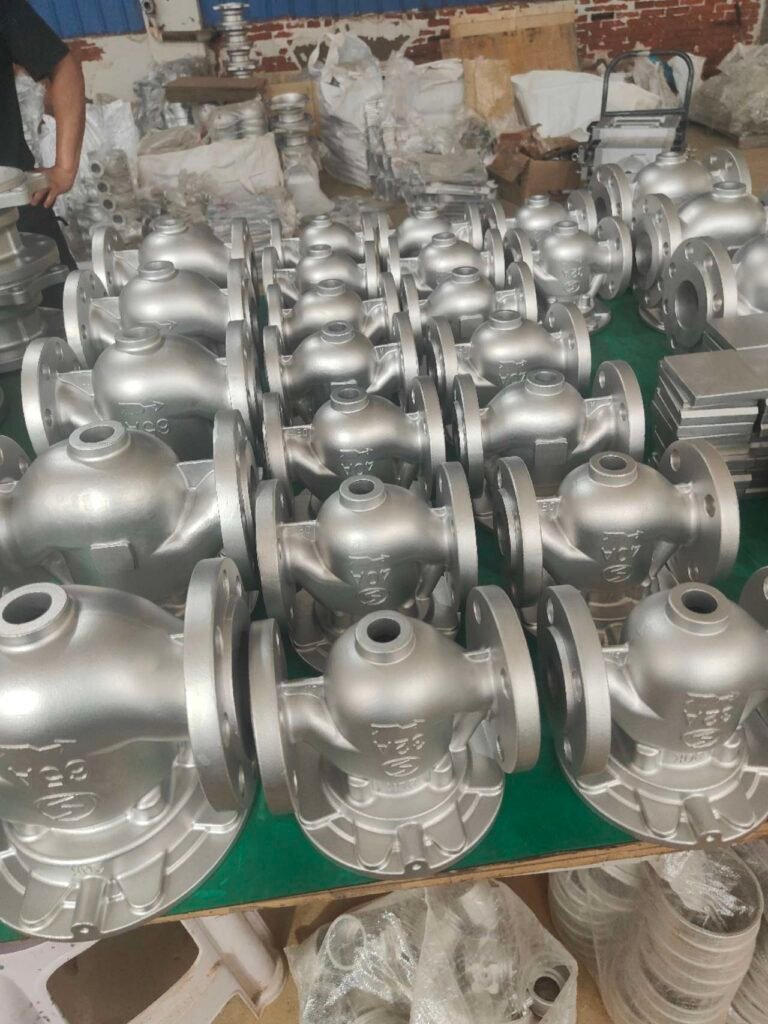
At Precisionvast, we utilize the lost-wax casting process to hit a much tighter target. Our standard process is engineered to achieve a surface finish better than 3.2 microns (Ra) directly out of the mold. By strictly controlling our ceramic shell composition and wax patterns, we deliver a near-net-shape component that is significantly smoother than the industry average.
Why “As-Cast” Matters for Cost and Integrity
Why do we obsess over the finish before we even start secondary treatments? Because a superior as-cast finish directly impacts your bottom line.
- Reduced Machining Allowance: A smoother starting surface means we can leave less stock on the part. You aren’t paying us to machine away excess metal just to get a flat surface.
- Surface Integrity: The outer “skin” of a casting often holds high structural integrity. Achieving a <3.2 µm finish naturally allows us to preserve more of that original cast strength.
- Faster Turnaround: When the part comes out of the shell with a high-quality finish, we spend less time on aggressive grinding or polishing, speeding up the timeline from our foundry to your facility.
Factors Influencing Surface Finish in the Lost-Wax Process
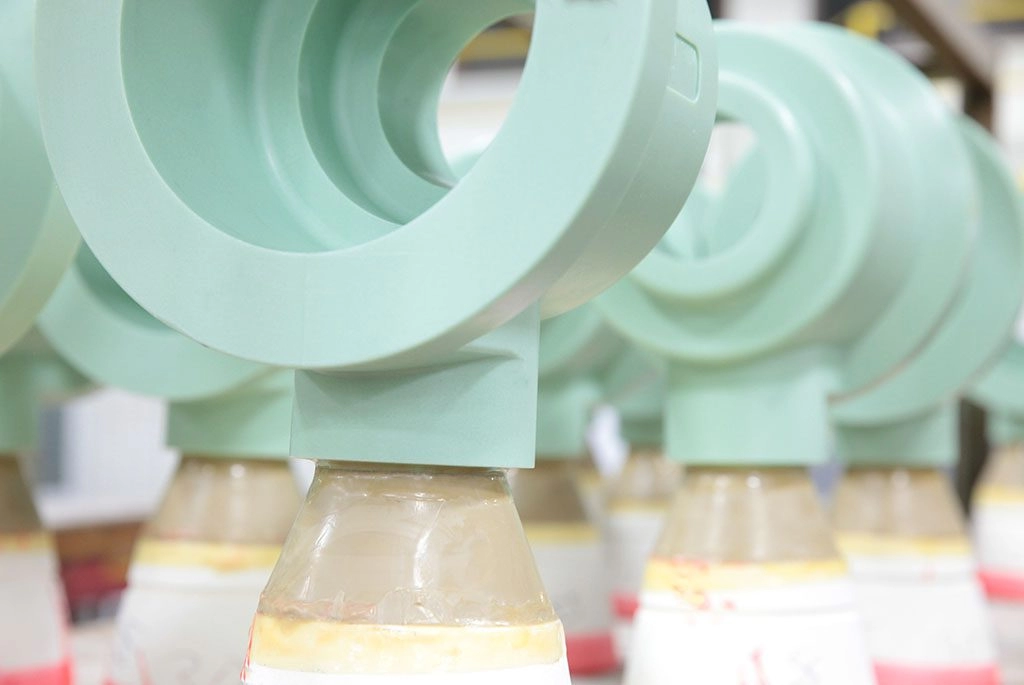
Achieving a superior investment casting surface finish isn’t about luck; it is about rigorous process control. At Precision Vast, we know that the final surface quality—hitting that <3.2 micron Ra standard—is determined long before the metal solidifies. Several variables in the lost-wax casting process dictate whether a part comes out smooth or requires expensive secondary machining.
The Wax Pattern Quality
The process follows a simple rule: the metal is only as good as the wax. Since the ceramic shell is formed directly around the wax pattern, any imperfection on the wax surface is faithfully replicated in the metal. If the wax injection die has scratches, or if the wax pattern shrinks unevenly, those flaws become permanent features of the casting. We focus heavily on maintaining pristine wax patterns to ensure the cast surface texture starts off flawless.
The Ceramic Shell (Face Coat) and Slurry Layers
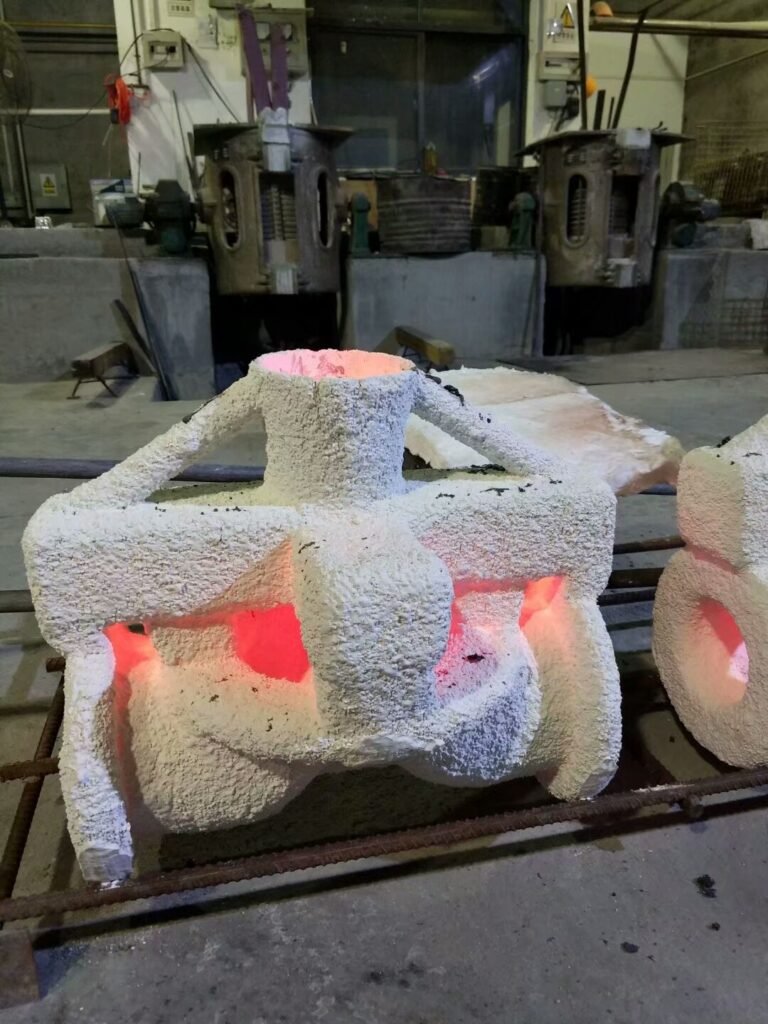
The most critical moment for surface finish is the application of the “face coat.” This is the very first layer of ceramic slurry and fine sand that touches the wax pattern.
- Face Coat Material: We use extremely fine zircon sand for this primary layer. Coarse sand here would result in a rough, sandpaper-like finish on the metal.
- Slurry Viscosity: The slurry must be thin enough to capture fine details but thick enough to coat the wax evenly without running.
- Drying: Proper drying times between dips prevent the shell from cracking, which causes metal fins and surface irregularities.
Pouring Temperature & Speed Effects
Molten metal is aggressive. If we pour the metal at temperatures that are too high, it becomes too fluid and can penetrate the microscopic pores of the ceramic shell face coat, leading to a rough, “burn-in” texture. Conversely, pouring too cold can cause cold shuts or misruns where the metal fails to fill the mold completely. We balance pouring speed and temperature to minimize turbulence, ensuring the metal lays against the shell wall smoothly.
Alloy Selection
Different metals react differently with the ceramic shell, impacting the final roughness.
- Stainless Steel: Requires precise temperature control to avoid pitting. Our experience in mastering stainless steel casting allows us to mitigate common surface defects associated with high-temperature pours.
- Titanium: Highly reactive; requires specialized shell materials to prevent the formation of a hard, brittle “alpha case” on the surface.
- Aluminum: Flows easily but is prone to porosity if not degassed properly.
By tweaking these variables, we minimize the need for heavy grinding or machining later, delivering a near-net-shape component right out of the mold.
Beyond “As-Cast”: Secondary Surface Treatments
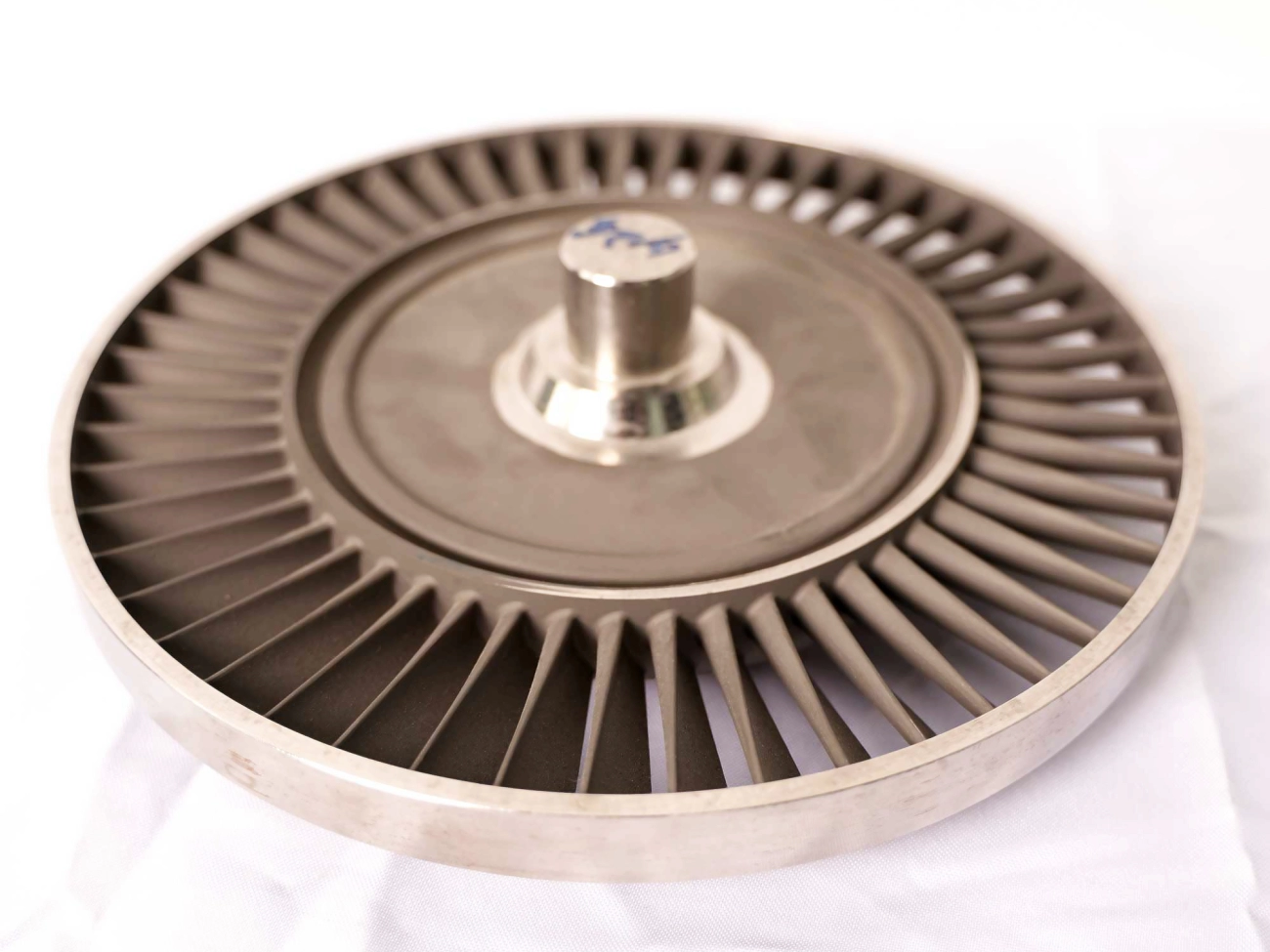
While our standard investment casting surface finish hits that precise <3.2 μm Ra mark right out of the mold, many applications demand specific functional or aesthetic properties that only secondary operations can provide. Being a one-stop supplier means we don’t just cast parts; we manage the entire finishing workflow to ensure the final component meets your exact specs without the headache of coordinating multiple vendors.
Mechanical Finishing
Almost every part undergoes shot blasting as a standard protocol to remove any remaining ceramic shell residue and unify the surface texture. For components requiring an ultra-smooth interface or specific friction properties, we utilize precision grinding or mirror polishing. These mechanical processes are essential for driving surface roughness down even further than the as-cast state, ensuring tight mating tolerances.
Chemical & Protective Treatments
The choice of chemical finish is heavily dictated by the metal substrate. For stainless steel components, Pickling and Passivation are critical steps; they remove surface iron contaminants and promote the formation of a passive oxide layer that prevents rust. When working with aluminum, we typically apply Anodizing, which not only boosts surface hardness and wear resistance but also allows for color customization. Understanding the interplay between these treatments and specific materials and alloys is key to ensuring long-term part performance in harsh environments.
Rust Prevention and Coatings
For carbon steels and irons that are prone to oxidation, we offer several tiers of protection based on your budget and exposure requirements:
- Anti-Rust Oil: Our default application for basic protection during shipping and storage.
- Black Oxide: A cost-effective chemical conversion coating that adds mild corrosion resistance and a sleek black appearance without significantly altering part dimensions.
- Zinc Plating: Provides a sacrificial barrier against corrosion, ideal for outdoor hardware.
- Powder Coating: Offers the highest level of durability and aesthetic control, creating a thick, protective skin that resists chipping and scratching better than standard wet paint.
Investment Casting vs. Other Methods (Comparative Analysis)
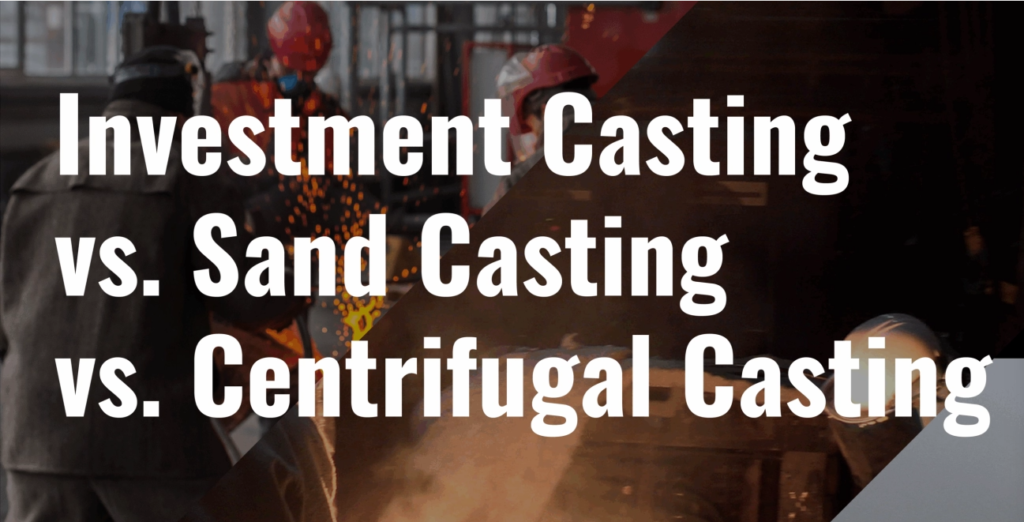
When we talk about manufacturing, the choice of method dictates the final quality. Investment casting (lost-wax) occupies a unique sweet spot between rougher casting methods and expensive machining operations. It’s crucial to understand how the investment casting surface finish stacks up against the alternatives, especially when precision and aesthetics are non-negotiable.
Vs. Sand Casting (Texture Differences)
Sand casting is great for heavy, large-scale parts where surface texture isn’t critical. However, the nature of the sand mold leaves a granular, rough texture (often 12.5–25 μm Ra) that requires significant post-processing to smooth out.
In contrast, our investment casting process uses a ceramic shell created from a precise wax pattern. This allows us to achieve a much smoother, near-net-shape finish right out of the gate. If you need a part that looks finished without hours of grinding, investment casting is the clear winner.
Vs. Die Casting (High-Melting-Point Alloys)
Die casting offers excellent surface finishes, often comparable to investment casting. The limitation lies in the materials. Die casting is largely restricted to non-ferrous metals with lower melting points, like zinc and aluminum.
If your project requires the strength and heat resistance of high-temperature alloys like stainless steel or superalloys, die casting simply isn’t an option because the molten metal would damage the steel dies. Investment casting handles these high-melting-point materials while still delivering a superior surface finish.
Vs. Machining (Material Savings)
Machining from solid block stock (billet) provides the ultimate surface finish but at a high cost. You are paying for material that ends up as scrap chips on the floor.
Investment casting offers significant material savings by creating the part near-net-shape. We can cast complex geometries with a surface finish good enough for many applications (< 3.2 μm Ra), reducing the need for machining to only the most critical mating surfaces. This hybrid approach—casting the bulk and machining the details—is often the most cost-effective strategy.
| Feature | Investment Casting | Sand Casting | Die Casting | CNC Machining |
|---|---|---|---|---|
| Surface Finish (Ra) | Excellent (3.2–6.3 μm) | Rough (12.5–25 μm) | Excellent (0.8–3.2 μm) | Superior (0.4–3.2 μm) |
| Material Versatility | High (Steel, Titanium, Superalloys) | High (Iron, Steel, Bronze) | Low (Al, Zn, Mg only) | High (Almost any material) |
| Tooling Cost | Moderate | Low | High | Low (No molds required) |
| Material Waste | Low | Moderate | Low | High |
Design Tips for Optimizing Surface Quality
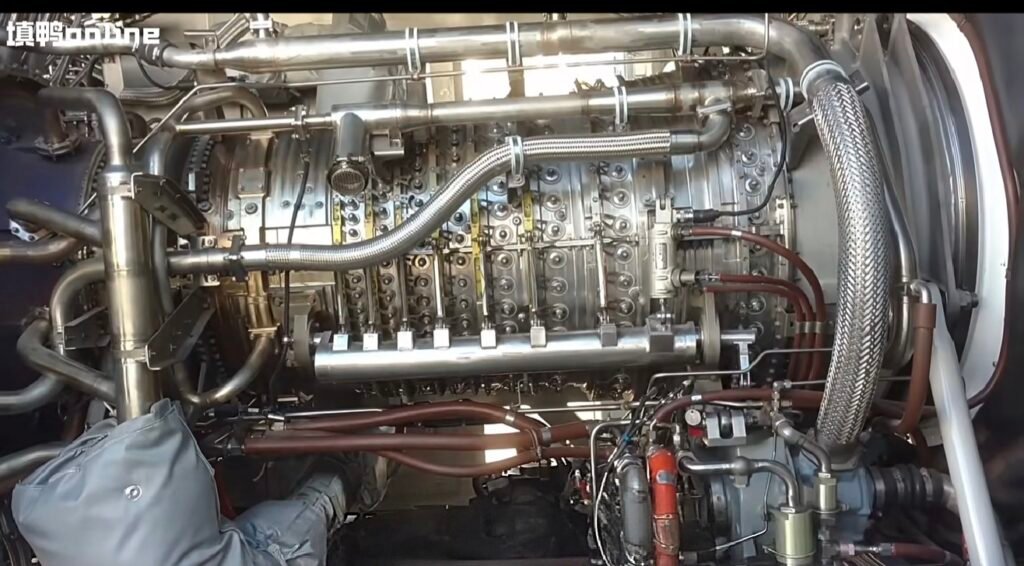
Achieving a superior investment casting surface finish starts long before we pour the metal; it begins on the drawing board. While our process naturally delivers high precision, optimizing your 3D CAD data can significantly reduce the need for secondary machining and ensure a smoother “as-cast” texture. We work closely with our clients to refine these details during the mold design phase.
Here are the critical design factors we focus on to maintain surface integrity:
- Draft Angles for Wax Removal: Even though lost-wax casting allows for complex geometries, the wax pattern must still be removed from the metal die without dragging. We recommend incorporating slight draft angles on vertical walls. This prevents the wax surface from scuffing during ejection, ensuring the final metal part doesn’t inherit those imperfections.
- Fillets and Radii to Prevent Slurry Buildup: Sharp internal corners are notorious for causing issues. They make it difficult for the ceramic face coat to dry evenly, leading to slurry buildup or cracking. By adding fillets and radii, we ensure the ceramic shell coats the wax pattern uniformly, resulting in a cleaner metal surface. This is especially important when working with high-temperature superalloys, where flow and thermal characteristics demand precise shell integrity.
- Strategic Gate Locations and Witness Marks: Every casting requires a gate to feed the molten metal. Removing this gate leaves a “witness mark.” We strategically place these gates on non-critical surfaces or areas that are designated for subsequent CNC machining. This ensures that your primary cosmetic surfaces remain untouched and pristine.
Quality Assurance & Inspection
Ensuring a superior investment casting surface finish isn’t just about the casting process itself; it’s about how we verify the results. We don’t rely on guesswork. To guarantee that parts meet the strict <3.2 μm Ra standard, we employ a mix of traditional comparison methods and advanced digital metrology.
Visual vs. Tactile Inspection
For many general applications, visual inspection using standard surface finish comparators is the first line of defense. These tactile plates allow inspectors to quickly judge if a cast surface falls within the acceptable roughness range by sight and touch. However, for high-precision industries like aerospace or medical, subjective comparison isn’t enough.
We utilize profilometers—precision instruments that drag a diamond-tipped stylus across the metal surface—to generate exact numerical data. This measures the micro-inch finish (µin) and Ra values definitively, ensuring the texture matches the engineering prints exactly.
The Precisionvast Protocol
Our quality control framework operates strictly under ISO9001 certification. We treat surface quality as a critical dimension, just like length or width. Our inspection protocol goes beyond simple roughness checks to ensure the integrity of the entire part.
- CMM Inspection: We use Coordinate Measuring Machines to verify dimensional accuracy alongside surface texture.
- Non-Destructive Testing (NDT): This includes X-Ray testing to look for internal porosity that could ruin a surface after machining, and Magnetic Particle inspection to detect surface cracks.
- Material Verification: Ensuring the alloy composition is correct is vital, especially for the complex geometries often seen in aluminum investment casting processes, where surface defects can indicate deeper metallurgical issues.
By combining these high-tech inspection methods with our experienced QA team, we ensure every shipment meets the “Partner Supplier” standard we promise.
 German
  English