
Beschreibung
Chemical Composition of A356 Aluminum Alloy
I maintain rigorous control over the chemical composition of A356 aluminum alloy to ensure every casting meets high-performance engineering standards. This alloy, fundamentally known by its metallurgical designation AlSi7Mg, relies on a precise balance of silicon and magnesium to achieve its legendary castability and strength-to-weight ratio.
A356 Element Breakdown
| Element | Percentage (%) |
|---|---|
| Silicon (Si) | 6.5 – 7.5 |
| Magnesium (Mg) | 0.25 – 0.45 |
| Iron (Fe) | 0.20 max |
| Copper (Cu) | 0.20 max |
| Titanium (Ti) | 0.20 max |
| Aluminum (Al) | Balance |
- Low Iron Content: The primary difference in a356 aluminum compared to standard 356 is the strict limitation on iron. By keeping iron below 0.20%, I significantly enhance the ductility and fracture toughness of the a356 aluminum casting, preventing the brittle “needle” structures that weaken inferior grades.
- Silicon Fluidity: The 7% silicon concentration provides the excellent melt fluidity required for a356 cast aluminum components with thin walls or complex internal geometries.
- Magnesium Strengthening: Precise magnesium levels are the key to the alloy’s heat-treatability, allowing the material to reach high yield strengths during the aging process.
- Impurity Control: I enforce strict limits on zinc, manganese, and copper to ensure the finished aluminum a356 part maintains superior corrosion resistance and structural integrity in demanding environments.
Mechanical and Physical Properties of A356 Aluminum Alloy
When we look at A356-T6 properties, the focus is always on the balance between weight and strength. This alloy is the industry standard for a reason: it offers incredible structural integrity without the bulk of steel. For engineering teams, the A356 mechanical properties provide the predictability needed for high-stress environments.
A356-T6 Datasheet and Temper Comparisons
The temper state significantly changes how the metal behaves under load. While we often provide A356-T6 for maximum performance, other states like F (as-cast) or T5 are useful depending on the project’s cost and ductility requirements. When we produce high-strength A356 castings, we prioritize these specific data points:
- Tensile Strength: Typically ranges from 34 ksi to 38 ksi (234–262 MPa) in the T6 condition.
- Yield Strength: Expect around 24 ksi to 27 ksi (165–186 MPa), providing excellent resistance to permanent deformation.
- Elongation: A356-T6 offers 3.5% to 5% elongation, giving it the “give” needed to prevent brittle failure.
- Hardness: Usually hits 75 to 80 HBW on the Brinell scale.
- Density: A lightweight 2.67 g/cm³ (0.097 lb/in³), perfect for weight-sensitive aerospace and automotive parts.
| Temper State | Tensile Strength (ksi) | Yield Strength (ksi) | Elongation (%) | Hardness (HBW) |
|---|---|---|---|---|
| F (As Cast) | 23 | 12 | 2% | 60 |
| T5 | 25 | 20 | 2% | 65 |
| T6 (Standard) | 38 | 27 | 5% | 80 |
| T61 (High Strength) | 40 | 30 | 3% | 90 |
Choosing the right temper is critical for A356 cast aluminum performance. For most precision A356 components, the T6 state is the “sweet spot,” delivering the best mix of hardness and fatigue resistance for long-term industrial use.
Heat Treatment Processes for A356 Aluminum
To reach the peak performance levels required for aerospace and automotive parts, we put our A356 aluminum alloy through a rigorous T6 thermal cycle. This process isn’t just about heat; it’s about controlling the microstructure to ensure every casting meets strict A356 mechanical properties.
The T6 Solution Treatment and Quenching
The first step in our A356 heat treatment is the solution heat treat. We hold the castings at high temperatures—typically around 1000°F—to dissolve magnesium and silicon into the aluminum matrix. We then follow this with a rapid quench in water or polymer. This “locks” the elements in place, creating a supersaturated solid solution. This step is critical for avoiding brittleness and ensuring the part can handle high-stress loads.
Artificial Aging for Peak Performance
After quenching, the material is still relatively soft. We then move to artificial aging (precipitation hardening). By reheating the A356 aluminum to a lower temperature for a set duration, we allow the alloying elements to form microscopic precipitates. This is what gives the metal its final strength and hardness. Understanding these thermal cycles is vital, much like knowing the benefits of die casting in automotive parts production when choosing a manufacturing method for structural components.
- Maximum Strength: T6 temper provides the highest yield and tensile strength for the alloy.
- Dimensional Stability: Our thermal processing ensures the part keeps its shape even under extreme thermal stress.
- Microstructure Control: Precision timing prevents “over-aging,” which can cause the alloy to lose its hardness.
When we explore innovations in properties of high temperature alloys, we apply those same precision standards to our aluminum work. This ensures that every aluminum A356 casting we produce is ready for the most demanding American industrial environments.
A356 Temper State Comparison
| Temper State | Process Involved | Primary Result |
|---|---|---|
| F | As Cast | Basic properties, no extra heat treat |
| T5 | Quenched & Aged | Improved stability and moderate hardness |
| T6 | Solution & Aged | Highest possible tensile and yield strength |
| T61 | Modified T6 | Enhanced toughness for specific shock loads |
Our specialized approach to A356 heat treatment guarantees that your components aren’t just shaped correctly, but are molecularly engineered to perform under pressure.
A356 vs. 356 Aluminum: The Purity Difference
When comparing A356 vs 356 aluminum, the “A” stands for a higher-purity version of the standard alloy. In my experience, the most critical difference lies in the strict control of impurities—specifically iron. By keeping iron levels to a minimum, we create a metal that is significantly tougher and less brittle than standard 356.
Side-by-Side Comparison
| Property | 356 Aluminum | A356 Aluminum |
|---|---|---|
| Iron (Fe) Content | Max 0.6% | Max 0.2% |
| Ductility | Moderate | Very High |
| Typical Elongation | ~3% | 6% to 12% (T6) |
| Best For | Commercial Castings | Critical Structural Parts |
Why A356 Wins for Critical Components
The lower iron content in A356 aluminum alloy directly translates to better elongation and ductility. While standard 356 is fine for basic brackets, A356 is the industry standard for parts that must survive impact or high-stress loads without cracking.
This superior integrity is a major factor when we evaluate what materials are used in high-temperature casting and heavy-duty industrial applications. When your project demands a part that can bend slightly under pressure rather than snapping, the high-strength A356 cast aluminum is the only logical choice.
- Better Yield Strength: A356 handles higher stress levels before permanent deformation.
- Fracture Toughness: The high purity prevents internal “weak spots” caused by iron inclusions.
- Reliability: Essential for aerospace, automotive wheels, and defense projects.
A356 Aluminum vs. Other Industrial Alloys
Choosing between A356 aluminum and other common alloys like 6061 or A380 depends entirely on your production method and performance requirements. While steel casting remains a cornerstone of heavy-duty modern manufacturing, A356 is the go-to choice for lightweight, high-strength structural components.
A356 vs. 6061 (Wrought Alloy)
- Manufacturing Method: 6061 is a wrought alloy, usually shaped through extrusion or rolling. A356 cast aluminum is designed specifically for the foundry.
- Design Flexibility: A356 allows us to create complex, thin-walled geometries and internal cavities that are either impossible or too expensive to machine from 6061 bar stock.
- Strength: While 6061-T6 has higher raw tensile strength, A356-T6 properties offer the best strength-to-weight ratio for cast parts.
A356 vs. A380 (Die Casting)
| Feature | A356 Aluminum Alloy | A380 Aluminum |
|---|---|---|
| Primary Process | Sand & Permanent Mold | High-Pressure Die Casting |
| Heat Treatability | Excellent (T6 capable) | Generally poor |
| Ductility | High (7%–10% elongation) | Low (usually <3%) |
| Pressure Tightness | Excellent for leak-proof parts | Prone to internal porosity |
Selecting the Right Alloy for Your Project
Deciding on the right material comes down to the “big three”: fluidity, strength, and cost.
- Go with A356 if your part needs to be structural, pressure-tight (like a pump housing), or requires high ductility to resist cracking under impact. It is the gold standard for high-strength A356 castings in aerospace and automotive.
- Go with A380 for high-volume, non-structural components like consumer electronics housings where speed and low cost are more important than mechanical toughness.
- Go with 6061 for simple, uniform shapes like frames or rails that don’t require the complex geometry of a casting.
By leveraging A356 aluminum, we provide a significant weight reduction advantage for industrial projects, ensuring your components are light enough for efficiency but tough enough for the most demanding environments.
Why We Choose A356 Aluminum Castings
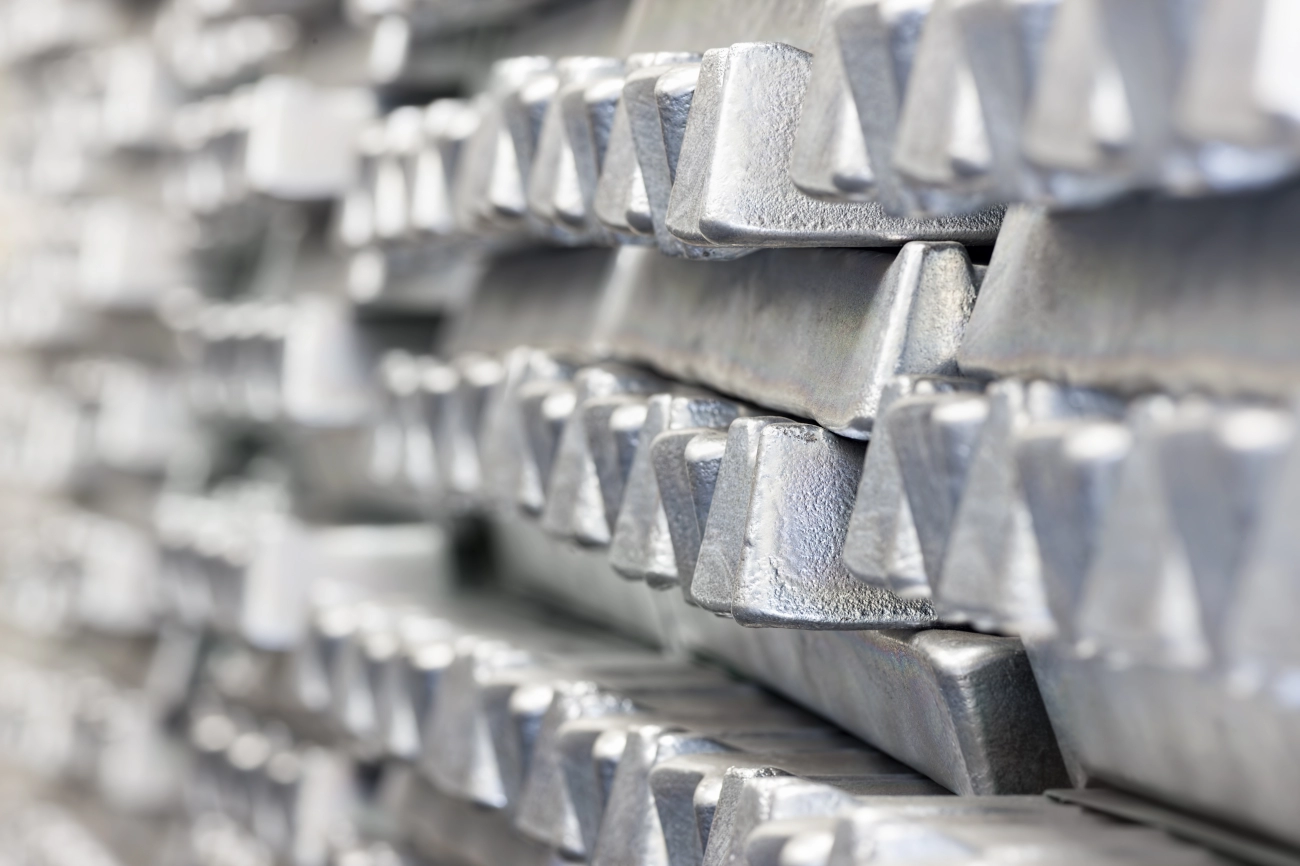
When we talk about high-performance parts, A356 aluminum stands out for its unique balance of castability and strength. It is the go-to choice for parts that need to be light but tough. We rely on this AlSi7Mg alloy because it allows us to push the limits of design without sacrificing the structural integrity of the finished component.
Exceptional Fluidity for Complex Designs
One of the biggest wins with aluminum A356 is its incredible fluidity. In the casting world, “fluidity” means the molten metal flows easily into the tightest corners of a mold.
- Thin-Wall Geometries: We can cast parts with intricate, thin walls that other alloys simply can’t fill.
- Reduced Weight: Better flow allows for optimized designs that cut down on unnecessary bulk.
- Detail Precision: Sharp edges and complex internal features come out clean every time.
Maximum Pressure Tightness and Durability
If your project involves fluid handling or airtight seals, A356 cast aluminum is essential. It offers superior pressure tightness, meaning the metal is dense and free of the micro-porosity that causes leaks. This makes it a staple for high-velocity pump housings and transmission cases.
Corrosion Resistance and Weldability
We know that durability matters long after the part leaves the shop. A356 aluminum alloy naturally resists corrosion, even in harsh environments. Because it has low iron content, it is much easier to weld than many other casting alloys. This allows for easier assembly and repairs in the field.
While this alloy is excellent for most structural needs, some projects require even more specialized thermal performance. In those cases, many engineers choose proven high-temperature alloys to complement their A356-T6 properties and ensure the entire assembly can handle extreme heat.
- Natural Finish: Maintains a clean look without heavy coating.
- High Strength: Heat treating to the T6 state provides the A356 mechanical properties needed for safety-critical parts.
- Reliable Performance: Consistent results in both sand casting and permanent mold processes.
Casting Processes at Precisionvast
We specialize in high-performance A356 aluminum alloy production, utilizing advanced techniques to meet the rigorous demands of American industrial sectors. Our facility handles everything from the initial melt of the A356 aluminum ingot to the final inspection of complex, mission-critical parts.
Expert Sand and Permanent Mold Casting
Choosing the right casting method is critical for achieving the desired A356-T6 properties. We offer two primary solutions tailored to your production volume and complexity:
- A356 Permanent Mold Casting: This process uses reusable metal molds to produce high-strength A356 castings with superior surface finishes and a fine grain structure for better fatigue resistance.
- Sand Casting: For larger components or those requiring intricate internal cores, our sand casting aluminum services provide a versatile and cost-effective way to create robust A356 cast aluminum parts.
In-House CNC Machining and Finishing
We provide “ready-to-install” precision A356 components by integrating secondary operations directly into our workflow. This eliminates the hassle of managing multiple vendors and ensures tighter control over the final product.
| Capability | Description |
|---|---|
| CNC Machining | Precision milling and turning to achieve tight tolerances on aluminum A356 casting interfaces. |
| Surface Treatment | Professional finishing options including bead blasting, powder coating, and anodizing. |
| Heat Treatment | On-site thermal processing to reach T5, T6, or T61 temper states. |
Strict Quality Assurance and NDT Testing
Integrity is non-negotiable. We maintain a zero-defect policy through rigorous Non-Destructive Testing (NDT) and material verification protocols. Our quality lab ensures that every batch of AlSi7Mg alloy meets your specific engineering requirements.
- X-Ray Inspection: Identifying internal porosity or inclusions to ensure structural soundness.
- Spectrographic Analysis: Verifying the A356 chemical composition before the pour to guarantee purity.
- Dye Penetrant Testing: Checking for surface cracks or discontinuities in high-stress areas.
- Mechanical Validation: Testing hardness and tensile strength to confirm alignment with the A356-T6 datasheet.
Real-World Applications for A356 Aluminum
We provide a356 aluminum components for industries where performance and safety are non-negotiable. Thanks to the superior A356-T6 properties, these castings handle extreme mechanical stress while keeping overall weight to a minimum.
Aerospace and Defense
In the aerospace sector, every ounce counts. We produce high-strength A356 castings for structural brackets and airframe components that require a high strength-to-weight ratio. These parts offer the reliability needed for flight-critical hardware and defense systems operating under high-velocity conditions.
Automotive Engineering
The automotive industry relies on A356 cast aluminum for parts that must withstand constant vibration and impact. It is our primary choice for:
- High-performance wheels that demand durability and low mass.
- Steering knuckles and suspension components.
- Intake manifolds and transmission cases.
Marine and Industrial Equipment
For marine environments, the natural corrosion resistance of the A356 aluminum alloy is a major advantage. We use it to manufacture:
- High-velocity pump housings that must remain pressure-tight.
- Marine-grade valves and specialized fittings.
- Oil and gas industry enclosures.
When compared to other metals commonly used in investment casting, A356 provides the most consistent mix of castability and mechanical endurance for these specialized high-pressure applications.
Why Choose Precisionvast for A356 Aluminum Castings
When you choose us for your a356 aluminum projects, you aren’t just getting a vendor; you’re getting a manufacturing partner. We specialize in taking your ideas from a rough CAD sketch to a fully finished, high-performance assembly. By managing the entire lifecycle in-house, we eliminate the communication gaps and lead-time delays common with multi-vendor sourcing.
One-Stop Engineering and Production
We take pride in our “cradle-to-grave” approach for a356 aluminum alloy components. Our team works directly with your engineering files to optimize part geometry for the casting process, ensuring maximum structural integrity. Whether you need a raw casting or a fully machined part, our workflow is designed for efficiency.
- Integrated CAD Design: We refine your designs for better manufacturability and lower costs.
- Precision Machining: In-house CNC capabilities mean your aluminum a356 parts arrive ready for installation.
- Surface Finishing: From bead blasting to specialized coatings, we handle the final look and feel.
International Quality Standards
Quality isn’t just a buzzword for us; it’s our baseline. We manufacture all a356 cast aluminum parts to meet strict ASTM and AMS international standards. This commitment ensures that every component can withstand the rigorous demands of aerospace and automotive applications. We follow a complete guide to aluminum casting step-by-step process to maintain consistency across every batch.
Why We Lead the Industry
We focus on delivering high-integrity components that balance cost-effectiveness with extreme durability. Our processes are optimized to reduce waste and improve yield, passing those savings directly to you.
| Service Feature | The Precisionvast Advantage |
|---|---|
| Design Support | Full CAD optimization for a356 aluminum casting |
| Compliance | Strictly adheres to ASTM & AMS specs |
| Secondary Ops | In-house heat treatment, CNC, and NDT testing |
| Cost Control | Streamlined production to minimize overhead |
Our goal is to provide high-strength A356 castings that exceed expectations. By maintaining tight control over the chemical composition and thermal processing, we ensure that your parts offer the superior ductility and strength that this alloy is known for. If you are comparing options, you can see how we stack up by looking at everything you need to know about 356 alloy properties to understand the technical edge our precision-cast A356 provides.
A356 Aluminum Frequently Asked Questions
Is A356 aluminum alloy weldable?
Yes, a356 aluminum is highly weldable. Thanks to its high silicon content, it provides excellent fluidity and resists hot cracking during the welding process. To fully restore the A356-T6 properties after welding, we recommend a post-weld A356 heat treatment. This ensures the structural integrity of your a356 aluminum casting remains consistent and strong across the weld zone.
Can I replace 6061 parts with A356 cast aluminum?
In many cases, yes. While 6061 is a popular wrought alloy, aluminum a356 is the preferred choice for complex, near-net-shape components that are too difficult or expensive to machine from a solid block. Switching to cast a356 aluminum allows for intricate internal geometries and consolidated parts, reducing overall assembly costs. You can find more insights on manufacturing and material choices in our casting industry blog, which explores various production strategies.
What are the typical lead times and MOQs?
We prioritize transparency and speed to keep your supply chain moving.
- Lead Times: New a356 tooling and initial samples typically take 4 to 8 weeks, depending on part complexity.
- MOQs: We offer flexible Minimum Order Quantities to accommodate both small-batch prototypes and high-volume a356 aluminum alloy production.
- Customization: We handle everything from the initial a356 aluminum ingot melt to final CNC machining.
Why is A356 preferred over standard 356?
The “A” in A356 stands for a higher purity version of the standard 356 alloy. By strictly controlling impurity levels—specifically keeping iron content low—a356 delivers significantly better ductility and elongation. This makes it the industry standard for high-strength A356 castings used in critical aerospace and automotive safety components.
 German
  English
Rezensionen
Es gibt noch keine Rezensionen.