
Beschreibung
Chemical Composition Comparison
The fundamental difference between aluminum casting alloy A356 and 6061 wrought aluminum lies in their elemental chemistry. We design A356 specifically to flow into complex molds, while 6061 is optimized for structural stability, extrusions, and machining.
A356 Silicon Content vs. 6061 Balance
The A356 silicon content is significantly higher, typically ranging from 6.5% to 7.5%. This high silicon level is essential for the casting process; it provides the high fluidity and low shrinkage needed to fill intricate die-cast or sand-cast geometries without hot cracking.
In contrast, 6061 maintains a tighter magnesium-silicon balance. By keeping silicon lower (under 0.8%) and magnesium higher, we produce an alloy that is tougher and more responsive to the extrusion process.
| Element | A356 (Casting Alloy) | 6061 (Wrought Alloy) |
|---|---|---|
| Silicon (Si) | 6.5% – 7.5% | 0.4% – 0.8% |
| Magnesium (Mg) | 0.25% – 0.45% | 0.8% – 1.2% |
| Copper (Cu) | < 0.20% | 0.15% – 0.40% |
| Iron (Fe) | < 0.20% | < 0.70% |
- A356 Focus: High silicon levels ensure excellent castability and pressure tightness for complex parts.
- 6061 Focus: Higher magnesium content prioritizes structural integrity and versatile workability.
This chemical foundation dictates every performance metric we analyze during manufacturing, from how the metal cools to how it stands up to industrial stress.
Mechanical Properties Breakdown: A356-T6 vs 6061-T6
When we compare a356 aluminum vs 6061, the physical capabilities often dictate the final manufacturing path. While both are heat-treatable, their performance under stress varies significantly due to their grain structures. 6061-T6 is the gold standard for structural integrity in the US market, while A356-T6 provides the necessary ductility for complex, casted components.
The following table highlights the key 6061-T6 mechanical specs alongside the A356-T6 properties we typically see in our production runs:
| Property | A356-T6 (Cast) | 6061-T6 (Wrought) |
|---|---|---|
| Tensile Strength | 234 MPa (34 ksi) | 310 MPa (45 ksi) |
| Yield Strength | 165 MPa (24 ksi) | 276 MPa (40 ksi) |
| Elongation at Break | 3.5% | 12% – 17% |
| Hardness (Brinell) | 75 | 95 |
Key Performance Differences
- Strength-to-Weight Ratio: 6061-T6 offers a higher yield strength, making it the preferred choice for frames and structural supports that need to withstand high loads without deforming.
- Ductility and Toughness: The elongation specs show that 6061 is much more “forgiving.” It can bend significantly before snapping, whereas A356 is more brittle due to its high silicon content.
- Structural Reliability: Because 6061 is wrought (rolled or extruded), it lacks the internal porosity sometimes found in castings, leading to more predictable performance in innovations in alloys across various industrial applications.
In short, if your part needs to survive high-impact or constant tension, the 6061-T6 mechanical specs usually win out. However, for intricate parts where weight savings and “good enough” strength are the goals, A356 remains a powerhouse in the casting world.
Performance: Corrosion, Weldability, and 6061 Machinability
In our experience, the choice between a356 aluminum vs 6061 often comes down to how the metal behaves under a torch or a cutting tool. While both are “workhorse” alloys, they handle shop environments very differently.
Corrosion Resistance
Both alloys are top-tier for preventing rust and decay. A356 is a go-to for marine and automotive parts because its low copper content resists salt spray and harsh environments. 6061 is equally reliable, serving as the standard for structural frames and outdoor equipment that needs to survive the elements without constant maintenance.
Weldability and Fabrication
A356 is highly valued for its ability to be welded without cracking, making it a favorite for complex investment casting projects that require post-cast assembly. If you’ve wondered how to weld cast aluminum as easily as wrought material, A356 is the closest you’ll get to that seamless experience, as it manages thermal stress far better than other cast options.
6061 Machinability Standards
While A356 is cast into its final shape, 6061 is usually carved out of a solid block. 6061 machinability is the gold standard for CNC shops; it creates clean chips and a smooth surface finish with minimal tool wear. In contrast, the high silicon in A356 makes it more abrasive on cutting bits, though it remains one of the most machinable casting alloys on the market.
| Feature | A356 Performance | 6061 Performance |
|---|---|---|
| Corrosion Resistance | Excellent (Marine Grade) | Excellent (Atmospheric) |
| Weldability | Very High | High (Requires post-weld HT) |
| Machinability | Moderate (Silicon is abrasive) | Excellent (Clean Finish) |
| Surface Finish | Good (Matte/As-Cast) | Excellent (Bright/Machined) |
Key Takeaway: If your project requires heavy CNC work and a mirror-like finish, 6061 is your winner. If you need a complex shape that can survive salt water and occasional welding repairs, A356 is the superior choice.
Choosing the Right Process: A356 Casting vs. 6061 Machining
When deciding between A356 aluminum vs 6061, the primary driver is your part’s geometry and how it needs to be manufactured. The choice between cast vs machined aluminum changes everything from your initial tooling costs to the final part strength.
A356: The Go-To Aluminum Alloy for Casting
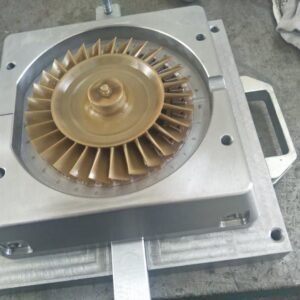
We use A356 aluminum when a design involves intricate internal cavities, organic curves, or thin walls that would be impossible—or incredibly expensive—to mill from a solid block. As a dedicated aluminum alloy for casting, A356 has excellent fluidity. This allows us to create “near-net shape” parts through our aluminum casting services, significantly reducing the amount of raw material wasted during production.
- Intricate Geometries: Best for complex housings, manifolds, and brackets.
- Production Volume: Cost-effective for high-volume runs where casting a shape is faster than machining it.
- Near-Net Shape: Minimizes the need for extensive secondary operations, though critical surfaces still require “finish machining” for tight tolerances.
6061: Superior Precision and Machinability
In contrast, 6061 wrought aluminum is the king of the machine shop. We start with standardized billets, plates, or extrusions and use CNC milling to reach the final dimensions. Because 6061 machinability is so high, we can achieve incredibly tight tolerances and a superior surface finish that casting simply cannot match.
- High Precision: Essential for aerospace and medical parts where every micron counts.
- Structural Integrity: Since 6061 is wrought (worked into shape), it lacks the potential porosity issues sometimes found in cast parts.
- Flexibility: Ideal for low-to-medium volume production or prototypes where the cost of a casting mold isn’t justified.
| Feature | A356 Casting | 6061 Machining |
|---|---|---|
| Complexity | High (Internal channels/curves) | Moderate (Better for geometric shapes) |
| Tolerance | Lower (Requires post-machining) | Extremely High (Precision CNC) |
| Material Waste | Low | High (Significant swarf/chips) |
| Initial Cost | High (Tooling/Mold investment) | Low (No molds required) |
Choosing the right path depends on balancing these factors. While A356 excels at making complex shapes efficiently, 6061 remains the standard for structural parts that demand the highest levels of accuracy.
Common Applications: A356 vs 6061 in Industry
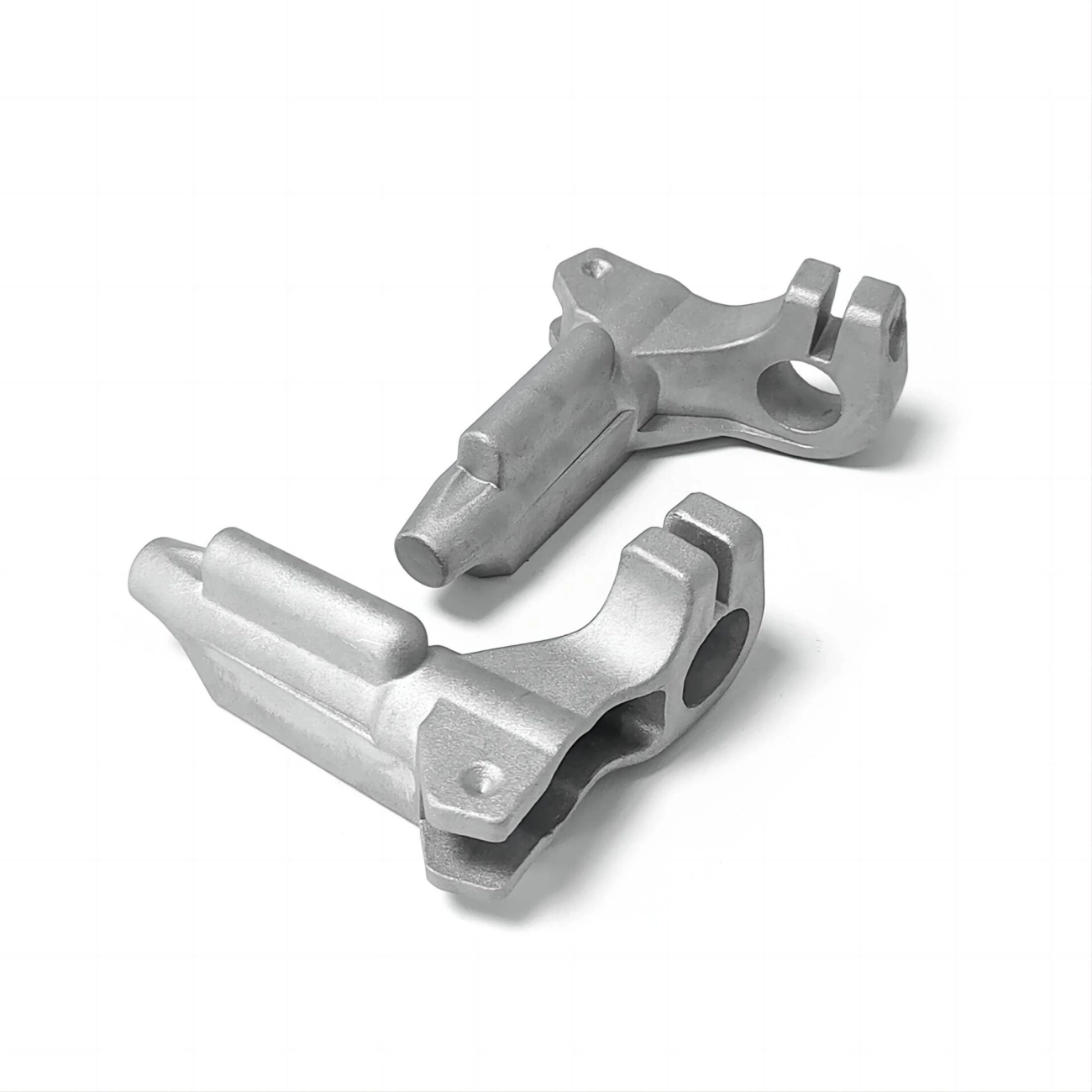
We see these two alloys dominating different sectors based on how the parts are formed and the stress they must endure. In the a356 aluminum vs 6061 debate, the decision usually comes down to whether you need a complex poured shape or a high-strength structural frame.
A356 Automotive and Industrial Uses
The aluminum casting alloy A356 is our top pick for parts that require intricate internal geometries that machining can’t easily reach. Because it flows so well into molds, it is the standard for high-performance components where weight and leak tightness matter.
- Automotive: High-end aluminum wheels, cylinder heads, and transmission cases.
- Fluid Handling: Pump housings, valves, and oil pans.
- Industrial: Compressor parts and heavy-duty fan blades.
Understanding when to use stainless steel vs aluminum castings is critical for these applications, as A356 offers the best balance of castability and strength for complex housings.
6061 Structural and Aerospace Uses
Conversely, 6061 wrought aluminum is the workhorse of the structural world. If a part can be machined from a block or extruded into a profile, 6061 is the standard. It provides the reliable toughness needed for structural 6061 aerospace parts and heavy-duty equipment.
- Aerospace: Aircraft skins, fuselages, and wing structures.
- Marine: Kayak paddles, small boat hulls, and deck hardware due to its corrosion resistance.
- Transportation: Truck trailers, bicycle frames, and railcar components.
- Electronics: Heat sinks and chassis for high-end consumer tech.
When to Choose A356 vs. 6061: The Ultimate Selection Guide
Picking the right material is about balancing geometry, strength, and your production budget. While both are staples in American manufacturing, they serve very different roles depending on whether you are pouring molten metal or cutting it from a solid block.
Aluminum Alloy Selection Guide
Use the table below to quickly identify which alloy fits your project requirements:
| Requirement | Choose A356 Aluminum | Choose 6061 Aluminum |
|---|---|---|
| Part Complexity | High (intricate internal shapes) | Low to Medium (mostly external features) |
| Manufacturing Method | Sand or Permanent Mold Casting | CNC Machining or Extrusion |
| Production Volume | High (economical for mass production) | Low to Medium (no tooling costs) |
| Structural Loads | Moderate | High (superior tensile/yield strength) |
| Surface Finish | Rougher (requires post-processing) | Smooth (as-machined or anodized) |
Key Decision Drivers
- Go with A356 if: You are designing parts with complex cooling fins, internal cavities, or non-uniform wall thicknesses. It is the gold standard for A356 automotive applications like engine blocks and pump housings where liquid-tight integrity is mandatory.
- Go with 6061 if: You need maximum structural reliability and high precision. Since 6061-T6 mechanical specs offer better fatigue resistance, it is the go-to for 6061 aerospace parts, frames, and heavy-duty brackets.
- The Volume Factor: For a handful of parts, CNC machining 6061 is faster and cheaper because you skip the expensive tooling phase. Once you move into thousands of units with complex shapes, the “near-net-shape” capability of A356 casting significantly reduces material waste and total cost per part.
When comparing A356 aluminum vs 6061, remember that A356 gives you design freedom, while 6061 gives you raw structural performance. We help you navigate these trade-offs to ensure your parts are both high-performing and cost-effective.
Cost and Production: Casting vs. Extrusion Aluminum
When we evaluate the financial side of a356 aluminum vs 6061, the choice usually boils down to your production volume and the complexity of the part. Each path has a different impact on your bottom line.
Tooling Investment and Setup
Choosing A356 typically requires a higher upfront tooling investment. Creating high-quality steel dies or molds is a specialized process, but it pays off in high-volume production by lowering the cost per unit. On the other hand, 6061 is often used for CNC machining or extrusion. While 6061-T6 involves lower initial setup costs because it doesn’t require a mold, the labor and machine time per part remain higher.
Material Waste Impacts
One of the biggest advantages of A356 is its “near-net shape” capability. We can cast complex geometries with very little material waste, which is a significant factor in localized US manufacturing where material costs are a priority. When machining 6061 from solid billets, you often pay for a large block of aluminum only to turn a significant portion of it into scrap chips.
[Image comparing aluminum casting mold efficiency vs CNC machining material waste]
| Feature | A356 (Casting) | 6061 (Machined/Extruded) |
|---|---|---|
| Initial Tooling Cost | High (Molds/Dies) | Low (Setup/Fixtures) |
| Per-Unit Cost | Low (at high volume) | Moderate to High |
| Material Efficiency | High (Minimal scrap) | Lower (High chip volume) |
| Best Volume | 1,000+ units | Low to Medium volume |
For projects requiring intricate designs at scale, our aluminum die casting services provide the most efficient production route. By minimizing secondary machining, we help you reduce the total cost of ownership for your aluminum components. Balancing these production considerations early in the design phase ensures you aren’t overpaying for material or labor that doesn’t add value to the final part.
Aluminum Heat Treatment T6: Maximizing Industrial Performance
To get the most out of a356 aluminum vs 6061, the T6 temper is the industry standard. This process involves solution heat treatment, quenching, and artificial aging. It essentially locks the alloying elements into a structure that maximizes strength and hardness, making both materials ready for heavy-duty service.
How the T6 Process Transforms Alloys
While both alloys undergo aluminum heat treatment T6, the internal reaction differs based on their form:
- A356-T6 properties: In this cast alloy, the T6 process breaks up the silicon particles and precipitates magnesium-silicide ($Mg_2Si$). This significantly improves the ductility and tensile strength of the cast part.
- 6061-T6 mechanical specs: For this wrought alloy, T6 is what gives it that famous “structural” strength. It pushes the yield strength from roughly 13,000 psi (in the annealed state) to over 35,000 psi.
T6 Comparison: A356 vs. 6061
| Feature | A356-T6 (Cast) | 6061-T6 (Wrought) |
|---|---|---|
| Primary Goal | Improves ductility and removes “as-cast” brittleness. | Maximizes yield strength for structural loads. |
| Microstructure | Refines silicon distribution. | Uniform precipitation of $Mg_2Si$. |
| Hardness (Brinell) | Typically 75-80 HBW. | Typically 95 HBW. |
| Yield Strength | Approx. 24,000 psi. | Approx. 35,000 – 40,000 psi. |
We constantly refine our thermal processing to ensure every part meets these rigorous standards. You can see how we apply these standards across our various projects in our latest manufacturing blog updates. By tightly controlling the quenching and aging cycles, we ensure that the 6061-T6 mechanical specs are hit consistently, whether we are working with extrusions or complex machined blocks.
Advantages of Partnering with Precisionvast
We provide the specialized expertise needed to move your project from the design phase to the assembly line without the typical manufacturing headaches. When navigating the a356 aluminum vs 6061 decision, our engineering team acts as your partner to ensure the chosen material performs under real-world stress.
Custom CNC Machining and DFM Support
Our production process is built around efficiency and precision. We offer custom CNC machining solutions that maximize the strengths of both cast and wrought alloys.
- Design for Manufacturing (DFM): We refine your CAD models to ensure they are optimized for either aluminum casting alloy A356 or high-speed machining.
- Precision Finishing: We take raw castings and apply tight-tolerance machining, bridging the gap between the complex shapes of A356 and the precision required for 6061-T6 mechanical specs.
- Localized Quality Control: Based on the rigorous needs of the United States market, we prioritize fast turnaround times and high-fidelity testing for all A356 automotive applications and aerospace components.
By integrating our deep understanding of A356 aluminum alloy properties with world-class equipment, we help you reduce lead times and eliminate the risk of material failure. We streamline your production by handling the complexities of 6061 machinability and casting metallurgy in-house.
FAQ: Common Questions on A356 Aluminum vs. 6061
Choosing between these two is one of the most common hurdles we help our customers clear. Here are the direct answers to the questions that usually come up during the design phase.
Can I replace 6061-T6 with A356-T6?
It depends on your manufacturing method. You cannot simply swap them if your part is designed for extrusion or rolling. 6061 wrought aluminum is meant to be worked, while aluminum casting alloy A356 is designed to flow into molds. If you are moving from a machined block to a high-volume cast part to save costs, A356 is the standard replacement, but you may need to adjust wall thicknesses to account for the different A356-T6 properties.
Which alloy is actually stronger?
In a head-to-head on 6061-T6 mechanical specs versus A356-T6, 6061 is the winner for raw strength.
- 6061-T6: Yield strength is roughly 40,000 psi.
- A356-T6: Yield strength sits around 24,000–27,000 psi.
If your application is under high structural tension, 6061 is the safer bet. If the part has a complex geometry that makes machining impossible, A356 is the industry favorite.
Why is A356 the standard for automotive wheels?
The A356 silicon content (around 7%) gives it incredible “fluidity.” This allows it to fill complex wheel molds without cracking or creating air pockets. It offers a great balance of lightweight performance and pressure tightness, which is why A356 automotive applications dominate the market for wheels, cylinder heads, and chassis parts.
Are both alloys weldable?
Yes, both are considered highly weldable. However, because A356 is a cast alloy, you have to be careful about porosity during the welding process. For more complex assemblies, you might want to check out our comprehensive guide to aluminum alloy properties to see how these materials behave under high heat.
Which is better for corrosion resistance?
Both alloys perform exceptionally well in harsh environments. They both form a natural oxide layer that protects the metal. However, in “real-world” coastal or industrial settings, both are frequently anodized to add an extra layer of protection and improve aesthetics.
 German
  English
Rezensionen
Es gibt noch keine Rezensionen.