
Beschreibung
Precision Aluminium Casting Solutions for Global Industries
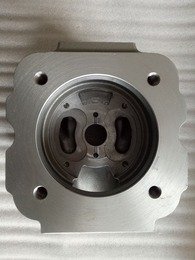
At Precisionvast, we specialize in delivering high-performance aluminium casting services tailored to the rigorous demands of the global market. From complex geometries to high-volume production, our foundry bridges the gap between engineering concepts and tangible, durable metal parts. We provide comprehensive manufacturing solutions that ensure your components meet exact specifications for strength, weight, and surface finish.
Why Partner with Precisionvast for Your Metal Parts?
Securing a reliable supply chain is essential for maintaining a competitive advantage. As a premier custom aluminum parts manufacturer, we offer a streamlined production experience that prioritizes quality and cost-efficiency. Partnering with us means accessing a wealth of metallurgical expertise and advanced manufacturing capabilities without the logistical headaches often associated with offshore sourcing.
Factory-Direct Manufacturing with ISO 9001 Certification
We eliminate the inefficiencies and markups associated with middlemen by operating as a fully integrated, ISO 9001 certified foundry. Our factory-direct model ensures you have direct access to our engineering team and full visibility over the production timeline.
- Cost Efficiency: Direct manufacturing reduces overhead, allowing us to offer competitive pricing on both prototypes and production runs.
- Quality Assurance: Our ISO 9001 certification guarantees that every step, from raw material inspection to final QC, adheres to strict international standards.
- Transparent Communication: Resolve technical queries faster by speaking directly with the experts casting your parts.
- Scalability: We seamlessly scale from initial sampling to mass production without compromising on lead times or quality.
Comparing Casting Processes: Die vs. Investment Casting
Choosing the right manufacturing method is just as critical as the design itself. In my experience, the decision often comes down to production volume, tolerance requirements, and the specific geometry of the part. While we offer various aluminum casting solutions, understanding the trade-offs between these processes ensures you get the best value per unit.
Silica Sol Investment Casting for Complex Geometries
When you need intricate details and superior surface finishes, Silica sol investment casting is the top contender. This method, often referred to as the lost wax casting process, allows us to create parts with complex internal channels and thin walls that other methods simply can’t achieve.
We typically recommend this for lower to medium volumes where precision is non-negotiable. The dimensional accuracy here is exceptional, significantly reducing the need for secondary machining. It is the go-to choice for aerospace and medical components where every micron counts.
High-Pressure Die Casting for Volume Production
For high-volume runs, high-pressure die casting (HPDC) is the industry standard for speed and consistency. By forcing molten aluminum into steel molds at high velocity, we can produce thousands of identical parts with very fast cycle times.
- Speed: Ideal for orders exceeding 5,000 units.
- Finish: Produces a smooth surface straight out of the mold.
- Wall Thickness: Excellent for achieving thin, lightweight structures.
If you are scaling up production for automotive housings or consumer electronics, our aluminum die casting services provide the most cost-effective route. However, it’s worth noting that the initial tooling cost is higher compared to other methods, so it requires a commitment to volume to amortize that expense.
Sand Casting vs. Permanent Mold: Making the Right Choice
Sometimes, the extremes of investment or die casting aren’t the right fit. That’s where sand casting and permanent mold casting come into play.
- Sand Casting: This is the most versatile and cost-effective method for prototypes and large, heavy parts. The tooling costs are low, allowing for easy design changes. However, the surface finish is rougher and tolerances are looser.
- Permanent Mold: This bridges the gap. It uses reusable metal molds (gravity die casting) to offer better surface finish and mechanical properties than sand casting, but at a lower tooling cost than HPDC.
When dealing with high-performance applications, material behavior matters. Just as engineers must assess thermal stability of heat-resistant alloys for extreme environments, we evaluate how the chosen casting process affects the aluminum’s microstructure and durability under thermal stress. We help you balance the upfront tooling investment against the per-part cost to find the sweet spot for your project.
Aluminium Alloy Grades We Work With
Choosing the right material is the foundation of successful aluminium casting. We don’t just rely on a single standard; we offer a versatile range of alloys to match the specific mechanical and thermal requirements of your project. Whether you need high thermal conductivity for heat sinks or superior corrosion resistance for outdoor hardware, we have the right grade ready to pour.
A380 and ADC12 for Durability and Strength
For most high-pressure die casting projects, A380 aluminum alloy is the undisputed king in the United States market. It offers the best combination of casting, mechanical, and thermal properties. It flows easily into molds, allowing us to create complex shapes with thin walls while maintaining excellent pressure tightness.
Similarly, ADC12 die casting (the Japanese equivalent) is a staple in our foundry. It is slightly easier to cast than A380 and is often preferred for intricate parts requiring high dimensional stability. Both alloys provide a cost-effective solution for high-volume production runs where durability is non-negotiable.
Key Benefits:
- Excellent Fluidity: Fills complex molds completely.
- Pressure Tightness: Ideal for hydraulic cylinders and pressure vessels.
- Cost-Efficiency: Reduces waste and machining time.
Marine-Grade A360 and Aerospace Aluminum Options
When your parts face harsh environments, standard alloys might not cut it. Understanding material limitations is crucial, as selecting the wrong grade is often where are the weak points in alloy casting processes originate. For components exposed to saltwater or high humidity, we recommend A360. This grade offers superior corrosion resistance compared to A380 and retains strength well at higher temperatures.
For aerospace and high-performance applications, we utilize specialized alloys that prioritize a high strength-to-weight ratio. These materials undergo rigorous testing to ensure they meet the strict safety standards required for flight and defense components.
Custom Alloy Blending for Specific Material Properties
As a custom aluminum parts manufacturer, we aren’t limited to off-the-shelf specifications. If your application requires a unique balance of ductility and hardness, we can adjust the chemical composition in our furnace. We verify every melt with spectrometer analysis before pouring to ensure the chemistry is exact.
Common Alloy Comparison Table
| Alloy Grade | Key Characteristic | Typical Application |
|---|---|---|
| A380 | Best all-around properties | Gearboxes, engine brackets, housings |
| ADC12 | High fluidity & workability | Complex electronic enclosures, automotive parts |
| A360 | High corrosion resistance | Marine hardware, irrigation system parts |
| AlSi10Mg | High strength & thermal loads | Structural components, thin-walled parts |
By controlling the alloy blend, we ensure your final product performs exactly as intended in the real world.
Step-by-Step: From CAD Design to Finished Part
Transforming a digital concept into a tangible aluminium casting involves a strictly controlled workflow. We don’t just pour metal; we engineer a process that guarantees dimensional accuracy and structural integrity from the very first step.
Rapid Prototyping and Wax Pattern Creation
Everything begins with your CAD data. Before committing to expensive hard tooling, we often utilize 3D printing to generate rapid prototyping metal parts. This allows us to validate the design and fit without the upfront cost of a permanent mold.
For production runs using the lost wax casting process, we inject wax into a metal die to create precise replicas of your part. These wax patterns are mounted onto a “tree” assembly, creating the gating system that will eventually channel the molten metal. For those interested in the finer details of this technique, understanding lost wax casting tips can provide insight into how we maintain fidelity for intricate designs.
Shell Building and Precision Pouring at 700°C
Once the wax tree is ready, we build the ceramic shell. This involves dipping the assembly into a ceramic slurry and coating it with sand stucco. We repeat this process multiple times to build a robust shell capable of withstanding thermal shock.
- Dewaxing: The shell is heated to melt out the wax, leaving a hollow cavity.
- Pouring: We preheat the ceramic shell and pour molten aluminium at approximately 700°C. This specific temperature ensures the alloy flows into thin wall sections before solidifying, reducing the risk of cold shuts.
Heat Treatment (T6) and Stress Relief
Raw castings often lack the mechanical properties required for high-stress applications. To unlock the full potential of the alloy, we perform Heat treatment T6 aluminum. This is a two-stage process:
- Solution Heat Treatment: Heating the casting to dissolve soluble elements, then quenching it rapidly.
- Artificial Aging: Reheating the part to a lower temperature to precipitate hardening particles.
This process significantly increases yield strength and hardness. We also perform stress relief operations to stabilize the material, ensuring the part doesn’t warp during subsequent machining or use.
Secondary Operations: One-Stop Shop Capabilities
Getting a raw casting is usually just the first step in the manufacturing journey. Most of our US clients need a component that is ready for the assembly line immediately upon arrival. That is why we have integrated comprehensive secondary operations directly into our workflow. We take your raw aluminium casting and transform it into a finalized product, saving you the headache of managing multiple vendors for machining, finishing, and logistics. By keeping these processes under one roof, we maintain stricter quality control and reduce overall lead times.
CNC Machining (5-Axis Milling & Turning)
Even the most precise casting methods often require tight tolerance work for mating surfaces, bore holes, or threaded features. We utilize advanced CNC machining aluminum castings capabilities, including 5-axis milling and turning centers. This allows us to machine complex geometries and undercuts that cannot be created through casting alone.
Whether you need to hold a tolerance of ±0.005mm or require intricate facing, our in-house machining shop ensures the transition from cast part to machined component is seamless. Understanding the nuances when comparing casting techniques helps us determine exactly how much machining allowance is necessary to achieve your final dimensions without wasting material or increasing cycle times unnecessarily.
Surface Finishing: Anodizing, Powder Coating, and Polishing
Appearance and environmental resistance are critical for parts used in automotive, marine, or consumer electronics sectors. We offer a wide range of metal casting surface finish options to meet specific performance requirements and aesthetic standards:
- Anodizing: Increases corrosion resistance and surface hardness. We offer both standard (Type II) and hard coat (Type III) anodizing in various colors.
- Powder Coating: Provides a durable, thick coating that resists chipping, scratching, and UV fading, making it ideal for outdoor applications.
- Polishing & Bead Blasting: Creates a uniform matte texture or a mirror-like shine, effectively removing any minor surface imperfections or flow lines from the casting process.
- Chromate Conversion: A chemical treatment often used as a primer for paint or to provide conductivity while resisting corrosion.
Assembly and Packaging Services
We don’t just stop at manufacturing; we handle the final leg of the supply chain too. If your project involves multiple components, we provide light assembly services, installing inserts, gaskets, o-rings, or mating parts before shipping. This reduces the labor burden on your facility.
We also offer custom packaging solutions to ensure your parts arrive in the US without damage. Aluminum is relatively soft, so proper protection is vital. From bulk palletizing with layer separators to individual retail-ready packaging with barcoding, we tailor the delivery to fit your inventory system and warehouse requirements.
Technical Specifications and Tolerances
When you source aluminium casting parts, knowing the numbers upfront saves time and prevents engineering headaches later. At Precisionvast, we don’t just guess; we adhere to strict international standards to ensure your components fit perfectly into your assembly line.
Meeting Tight Dimensional Accuracy
Achieving precise geometry is the core of our business. For high-demand applications, we achieve precision casting tolerances that rival machined parts. Our standard processes consistently hold tight tolerances, reducing the need for expensive secondary machining.
- Standard Tolerance: ISO 8062 CT4-CT6
- Precision Capability: Up to ±0.05mm (0.002 inches) for critical features.
- Wall Thickness: Minimum 2.5mm for structural integrity, depending on the alloy.
Surface Roughness Standards
The “as-cast” finish matters, especially if you want to skip polishing or coating. Our metal casting surface finish is smooth enough for many industrial applications right out of the mold.
- Standard Finish (As-Cast): Ra 3.2 – 6.3 μm
- Machined Finish: Can be brought down to Ra 0.8 – 1.6 μm or better.
- Aesthetic Options: We provide bead blasting or tumbling to create a uniform matte texture.
Weight and Size Capabilities
We handle everything from tiny brackets to massive housings. Whether you need lightweight components for drones or heavy-duty covers for industrial machinery, our foundry is equipped to pour the right volume.
| Feature | Specification Range |
|---|---|
| Part Weight | 0.05 kg to 50 kg (0.11 lbs to 110 lbs) |
| Max Dimensions | Up to 800mm x 800mm x 600mm |
| Min Wall Thickness | 2.0mm – 3.0mm (Geometry dependent) |
| Draft Angle | 1° to 3° standard |
Key Takeaway: We tailor our process to hit your specific GD&T requirements. If your design pushes the limits of standard casting, we utilize our CNC capabilities to finalize the critical dimensions.
Quality Control and Defect Prevention
Quality isn’t just a checkbox for us; it’s the backbone of our manufacturing process. When you are sourcing aluminium casting parts from overseas, you need the assurance that every unit meets your exact specifications. We operate as an ISO 9001 certified foundry, meaning our processes are standardized and rigorous to prevent issues before they leave the factory floor.
Advanced Testing: X-Ray, CMM, and Spectrometer Analysis
To guarantee the integrity of your parts, we employ a suite of non-destructive testing methods. Visual inspection isn’t enough when safety and performance are on the line.
- Coordinate Measuring Machines (CMM): We verify precision casting tolerances down to the micron. This ensures that the physical dimensions match your CAD files exactly.
- X-Ray Detection: We look inside the metal to identify internal cracks or voids that aren’t visible to the naked eye.
- Spectrometer Analysis: We confirm the chemical composition of the melt before pouring. Our comprehensive material testing protocols ensure that the alloy grade you requested is exactly what you get.
Porosity Reduction Techniques and Simulation Software
Aluminum casting defects porosity—specifically gas pockets and shrinkage—are the most common challenges in the industry. We tackle this head-on using advanced mold flow simulation software. By simulating the filling process digitally, we can optimize gate locations and cooling channels before we even cut the tool.
If potential issues are flagged, we adjust the design or process parameters immediately. For high-stakes projects, we utilize vacuum-assisted casting methods to pull air out of the mold, significantly densifying the part and ensuring a solid structure.
Full Material Traceability and RoHS Compliance
Transparency is key to a successful partnership. We maintain full material traceability for every batch we produce. From the raw aluminum ingot to the finished component, we track the production history to ensure accountability.
- Mill Certificates: Provided with every shipment.
- RoHS Compliance: All our materials and surface treatments meet strict environmental standards, making them safe for import and use in the US and European markets.
We ensure your supply chain remains compliant and your products perform reliably in the field.
Real-World Applications by Industry
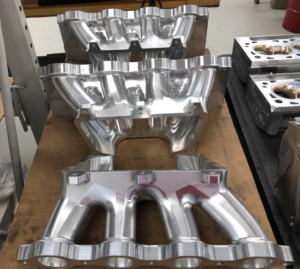
Our aluminium casting capabilities serve a wide range of sectors where weight reduction and high strength are non-negotiable. As a custom aluminum parts manufacturer, Precisionvast adapts our processes to meet the strict regulations and performance standards of the US market.
Automotive Components and EV Battery Housings
The push for fuel efficiency and electric vehicle (EV) range has made aluminum the material of choice. We use high-pressure die casting to produce lightweight parts that don’t sacrifice structural integrity. By revolutionizing automotive performance with precision cast parts, we help OEMs meet aggressive weight targets.
- EV Battery Housings: Excellent thermal conductivity to keep batteries cool and safe.
- Transmission Cases: Complex geometries produced with tight tolerances for smooth operation.
- Engine Brackets: High strength-to-weight ratio using durable A380 aluminum alloy.
Medical Devices and Surgical Instruments
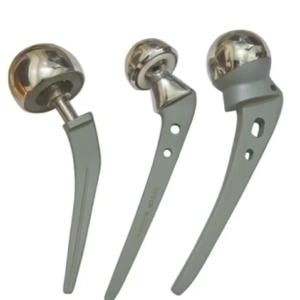
In the medical field, precision is a matter of safety. We utilize investment casting and CNC machining aluminum castings to create ergonomic and hygienic components that meet ISO standards.
- Diagnostic Equipment: Housings for X-ray and MRI machines that require effective EMI shielding.
- Surgical Tools: Lightweight handles and instrument bodies designed to withstand repeated sterilization cycles without degrading.
Marine Hardware and Industrial Machinery Parts
Saltwater environments and heavy industrial use demand alloys with superior corrosion resistance and durability. For marine applications, understanding A356 aluminum alloy properties is essential, as this grade offers excellent pressure tightness and resistance to salt spray.
- Marine Hardware: Cleats, chocks, and pump housings that resist oxidation in harsh environments.
- Industrial Machinery: Pneumatic tool bodies and hydraulic valve blocks designed for high-cycle operations.
Pricing, Lead Times, and RFQ Process
Navigating the costs and timelines for aluminium casting shouldn’t be a guessing game. As a factory-direct partner, we prioritize transparency so you can budget effectively and hit your market launch dates without surprises. Whether you are looking for a specialized Aluminum casting supplier China or a local partner, understanding the cost breakdown is the first step to a successful project.
Understanding Tooling Costs and Unit Pricing
The cost structure for metal parts generally splits into two categories: Non-Recurring Engineering (NRE) costs—primarily tooling—and the per-unit price.
- Tooling Costs: This is your upfront investment. For high-pressure die casting, the molds must withstand immense force, making them more expensive initially. However, these molds can produce hundreds of thousands of shots. Conversely, tooling for silica sol investment casting is generally lower cost but has a shorter lifespan.
- Unit Pricing: This drops significantly as volume increases. While die casting has higher startup costs, it offers the lowest price per part for high-volume runs.
If you are unsure which method fits your budget, understanding the aluminum investment casting process can help clarify why certain complex geometries might require specific tooling investments compared to standard die casting.
Standard Lead Times: Prototypes vs. Production Runs
Time-to-market is critical for US-based manufacturers. We have optimized our workflow to minimize downtime between design and delivery.
- Rapid Prototyping: We can deliver functional prototypes in 1-2 weeks using soft tooling or CNC machining from solid stock. This allows you to validate fit and form before cutting hard steel.
- T1 Samples (Tooling Completion): For production molds, expect 3-5 weeks to get the first off-tool samples (T1) in your hands for approval.
- Mass Production: Once samples are approved, standard production runs typically take 3-4 weeks, depending on the secondary operations like heat treatment or surface finishing required.
How to Get a Quote in 8 Hours
We know you need answers fast. As a custom aluminum parts manufacturer, we have streamlined our RFQ process to provide detailed quotes within one business day. To help us hit that 8-hour target, please include the following in your request:
- 3D CAD Files: STEP (.stp) or IGES (.igs) formats work best for volume calculations.
- 2D Engineering Drawings: PDF files specifying critical tolerances, threads, and GD&T.
- Material Specifications: Specify if you need standard A380 aluminum alloy, ADC12, or a specific marine-grade blend.
- Quantity & Finishing: Estimated annual volume and surface finish requirements (e.g., powder coating, anodizing, or bead blasting).
FAQs: Common Questions About Aluminium Casting
Navigating the manufacturing world can be tricky, especially when sourcing from overseas. We believe in total transparency. Here are the answers to the most frequent questions we get from engineers and procurement managers regarding our aluminium casting services.
What are your minimum order quantities (MOQs)?
We understand that not every project starts with high-volume production. As a flexible custom aluminum parts manufacturer, we don’t have a strict “one size fits all” MOQ.
- Prototypes: We handle single-unit prototypes to validate your design.
- Low-Volume: We accept small batches (e.g., 50-100 units) for market testing, though tooling costs are amortized over fewer parts.
- Mass Production: Our facility is optimized for runs of 10,000+ units, where you see the best unit pricing.
How do you handle design revisions and tooling modifications?
Changes happen. However, once a metal mold is cut, modifications can be costly and time-consuming. We focus heavily on Design for Manufacturing (DFM) reviews before cutting steel to minimize this risk.
If a revision is required after the mold is made—perhaps to address fitment issues or learn how to reduce shrinkage in metal die casting—we evaluate if the existing tool can be modified (welding and re-machining) or if a new tool is necessary. We always provide a clear cost breakdown for any tooling updates.
Can you match specific alloy compositions for my project?
Absolutely. While A380 and ADC12 are the industry workhorses, we are fully equipped to blend custom alloys to meet specific mechanical properties. Whether you need high corrosion resistance for marine applications or specific thermal conductivity for electronics, we can adjust the melt. We use advanced spectrometers to verify the chemical composition of every batch, ensuring the material matches your exact specs before pouring.
What file formats do you accept for RFQs?
To get you an accurate quote quickly, we need both 3D models and 2D technical drawings.
- 3D Files: .STEP (preferred), .IGS, or .X_T. These allow us to calculate volume, weight, and tooling geometry.
- 2D Drawings: .PDF files are essential for specifying critical tolerances, surface finish requirements (like Ra values), and thread specifications.
Sending clear, complete data helps us turn around your quote within our standard 8-hour window.
 German
  English
Rezensionen
Es gibt noch keine Rezensionen.