Beschreibung
What is Aluminum Investment Casting?
Aluminum investment casting, industrially known as lost wax aluminum casting, is a high-precision manufacturing process used to produce complex, near-net-shape components. At PrecisionVast, we utilize the refined Silica Sol process to transform molten aluminum alloys into intricate parts with exceptional dimensional accuracy and superior surface finishes. Unlike machining from solid blocks, this method allows us to create detailed geometries, including internal channels and thin walls, in a single production step.
The Advantage of Lightweight & Corrosion-Resistant Parts
Aluminum is naturally lightweight, conductive, and highly resistant to corrosion, making it the material of choice for aerospace, automotive, and medical industries. When combined with the precision aluminum casting process, these material properties are maximized. The high fluidity of aluminum allows us to cast detailed features that would be too costly or impossible to machine. We provide engineers with the freedom to design complex aluminum castings without worrying about porosity or rough surfaces often associated with sand casting.
Comparison: Investment vs. Sand vs. Die Casting
Choosing the right production method is critical for cost efficiency and part performance. While die casting suits high-volume simple parts and sand casting fits large, rough components, aluminum investment casting bridges the gap for high-precision requirements.
| Feature | Aluminum Investment Casting | Sand Casting | Die Casting |
|---|---|---|---|
| Precision | High (Tightest tolerances) | Low | Medium |
| Surface Finish | Excellent (Smooth, Ra 3.2-6.3) | Rough | Good |
| Design Complexity | High (Undercuts & thin walls) | Low | Medium (Requires draft) |
| Tooling Cost | Moderate | Low | Very High |
| Best Volume | Low to Medium | Low to Medium | High Mass Production |
Solving Manufacturing Challenges for “Problem Parts”
We specialize in handling “problem parts”—components with geometries so intricate that other casting methods fail to replicate them accurately. By utilizing the lost-wax technique, we eliminate the parting lines common in die casting and the granular surface texture of sand casting. This capability ensures that even near-net-shape aluminum parts with complex internal cavities or intricate external details meet strict industrial standards immediately after casting.
The Aluminum Investment Casting Process Step-by-Step
At PrecisionVast, we have refined the aluminum investment casting process into a highly controlled, fourteen-step cycle designed to deliver components with exceptional surface finishes and dimensional accuracy. Unlike simpler casting methods, our approach ensures that even the most complex geometries are reproduced faithfully.
Here is how we transform raw aluminum alloys into precision parts:
- Wax Pattern Creation: The journey begins by producing a replica of the final part in wax. For high-volume production, we inject wax into metal dies. For prototypes or complex geometries requiring a quick turnaround, we utilize SLA 3D printing to create patterns without the need for expensive tooling.
- Shell Building & Dewaxing: We assemble the wax patterns onto a “tree” and dip them repeatedly into a ceramic slurry—specifically utilizing the Silica Sol process for superior detail. Once the ceramic shell hardens, we place it in an autoclave. Steam melts the wax away, leaving a perfect hollow cavity, which is the essence of lost wax aluminum casting.
- Pouring Molten Aluminum: The ceramic shell is preheated to prevent thermal shock, and molten aluminum is poured into the mold. Our controlled pouring techniques ensure smooth metal flow, filling intricate details and thin walls effectively.
- Shell Removal & Finishing: After cooling, the ceramic shell is vibrated or blasted away. We then cut the parts from the assembly tree and perform grinding to remove gate marks.
- CAE Simulation & Quality Assurance: To guarantee structural integrity, we employ CAE casting simulation early in the engineering phase. This technology allows us to analyze mold flow and solidification, predicting and preventing potential defects like shrinkage or porosity before the metal is ever poured.
Material Expertise: Aluminum Alloys for Investment Casting
Choosing the right material is critical for part performance. At PrecisionVast, we specialize in aluminum precision investment casting, focusing on alloys that deliver the perfect balance of lightweight mechanics and durability. While we handle various specifications, A356 aluminum investment casting and A357 aluminum casting are the industry standards for high-stress applications requiring superior integrity.
Common Alloys and Key Specifications
We primarily utilize A356 and A357 alloys because they offer excellent fluidity for casting complex geometries and respond exceptionally well to heat treatment.
- A356: The workhorse for aircraft and automotive parts. It provides high corrosion resistance and excellent pressure tightness.
- A357: Offers higher strength levels than A356, making it ideal for critical structural components in aerospace and defense.
Mechanical Properties Comparison
To help you select the best material for your custom aluminum investment castings, here is a breakdown of typical mechanical properties after heat treatment:
| Alloy | Condition | Tensile Strength (MPa) | Yield Strength (MPa) | Elongation (%) |
|---|---|---|---|---|
| A356 | T6 | 230 – 290 | 185 – 235 | 3.5 – 5.0 |
| A357 | T6 | 310 – 350 | 250 – 280 | 3.0 – 5.0 |
| A380 | F (As Cast) | 317 | 159 | 3.5 |
Heat Treatment and Performance Optimization
We employ T6 heat treatment (solution heat treated and artificially aged) to maximize the mechanical performance of our castings. This process significantly boosts yield strength and hardness without sacrificing ductility.
- Strength-to-Weight Ratio: Aluminum castings are roughly one-third the weight of steel, offering efficiency for moving parts. While stainless steel investment casting is beneficial for extreme temperature resistance, aluminum remains the superior choice for lightweighting initiatives.
- Corrosion Resistance: The natural oxide layer on A356 and A357 provides excellent protection against environmental elements, reducing the need for expensive surface coatings.
Key Advantages of Aluminum Investment Casting
When we talk about manufacturing complex parts, aluminum investment casting offers a distinct edge over other methods. It bridges the gap between high precision and material efficiency, allowing us to produce components that meet rigorous industry standards without excessive secondary processing.
Unmatched Dimensional Accuracy
Precision is the name of the game here. Unlike other methods that might leave you with loose tolerances, our process allows for incredibly tight specifications. We regularly achieve aluminum investment casting tolerances around ±0.005 inch per inch. This level of accuracy ensures that parts fit perfectly into their final assemblies with minimal adjustment.
Superior Surface Finish
One of the biggest selling points of our silica sol process is the surface quality. You get a smooth, clean finish right out of the mold, significantly reducing the need for polishing or grinding. This is a major upgrade if you are used to rougher outcomes, such as those found in sand casting aluminum processes, where surface texture can often be an issue for high-performance applications.
Design Freedom and Complexity
We specialize in complex aluminum castings that other fabrication methods simply can’t handle. The flexibility of the lost wax method empowers engineers to design without traditional manufacturing constraints.
- Thin Walls: Aluminum’s high fluidity allows us to cast thin-walled sections that remain lightweight yet strong.
- Internal Features: We can create intricate internal passageways and undercuts without draft angles.
- Near-Net-Shape: We produce parts that are almost ready for use, minimizing waste.
Cost Efficiency for Mid-Volume Production
While initial tooling for die casting can be expensive, investment casting molds are generally more affordable, making this an ideal choice for prototypes and medium-volume runs. By delivering near-net-shape aluminum parts, we drastically cut down on machining time and material waste, saving you money on the total cost of production.
Technical Specifications and Capabilities
When you choose aluminum investment casting, you are looking for precision that sand casting can’t touch and geometry that die casting can’t handle. We engineer our precision aluminum casting process to meet strict industry standards, ensuring every component fits directly into your assembly line with minimal fuss.
Dimensional Accuracy and Tolerances
Our Silica Sol process delivers exceptional near-net-shape parts. For most dimensions, we hold a linear tolerance of ±0.005 inch per inch. This level of accuracy significantly reduces the need for secondary operations. However, if your project demands tolerances tighter than standard casting limits, our in-house CNC machining services can refine critical dimensions to exact specifications.
Design Limits and Wall Thickness
Aluminum’s high fluidity allows us to cast incredibly intricate features. We specialize in thin-walled aluminum parts that reduce weight without sacrificing structural integrity.
| Feature | Specification Range |
|---|---|
| Linear Tolerance | ±0.005 in/in (ISO 8062 CT4-CT6) |
| Surface Finish | Ra 125 RMS (3.2 μm) or better |
| Min. Wall Thickness | 0.060″ – 0.080″ (1.5mm – 2mm) |
| Weight Range | From a few ounces up to 100+ lbs |
Quality Control Standards
We validate aluminum investment casting tolerances and material integrity using rigorous non-destructive testing (NDT). We don’t just assume a part is good; we prove it.
- Coordinate Measuring Machine (CMM): Verifies dimensional accuracy against your CAD models.
- X-Ray Inspection: Detects internal porosity or shrinkage defects invisible to the naked eye.
- Magnetic Particle & Penetrant Inspection: Identifies surface cracks or discontinuities.
- Material Analysis: Spectrometers ensure the chemical composition matches the specific alloy grade (A380, ADC12, etc.).
Value-Added Services and Turnkey Solutions
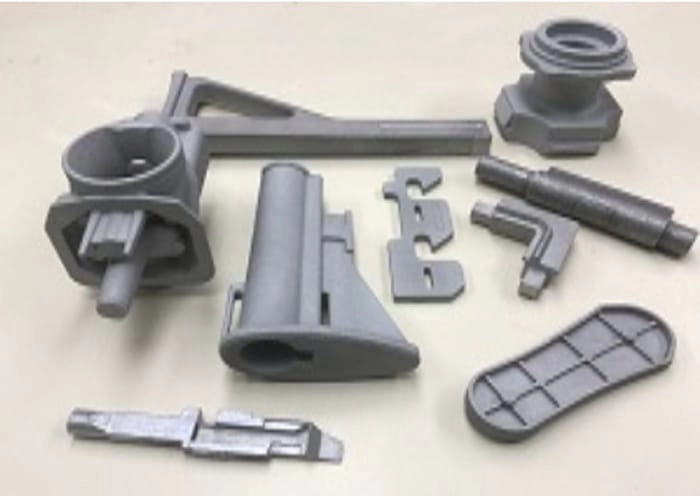
At PrecisionVast, we don’t just hand you a raw part and walk away. We provide a complete, one-stop manufacturing solution that takes your project from a digital concept to a shelf-ready product. By managing every stage of the production cycle in-house, we streamline your supply chain and ensure consistent quality control across the board.
Our comprehensive capabilities for aluminum investment casting include:
- Rapid Prototyping: We utilize advanced SLA 3D printing technology to create wax patterns quickly. This allows us to validate designs and produce prototypes without the time and expense of hard tooling.
- In-House Mold Design: Our engineering team designs and fabricates precise molds tailored to your specific geometry, ensuring the wax patterns are perfect every time.
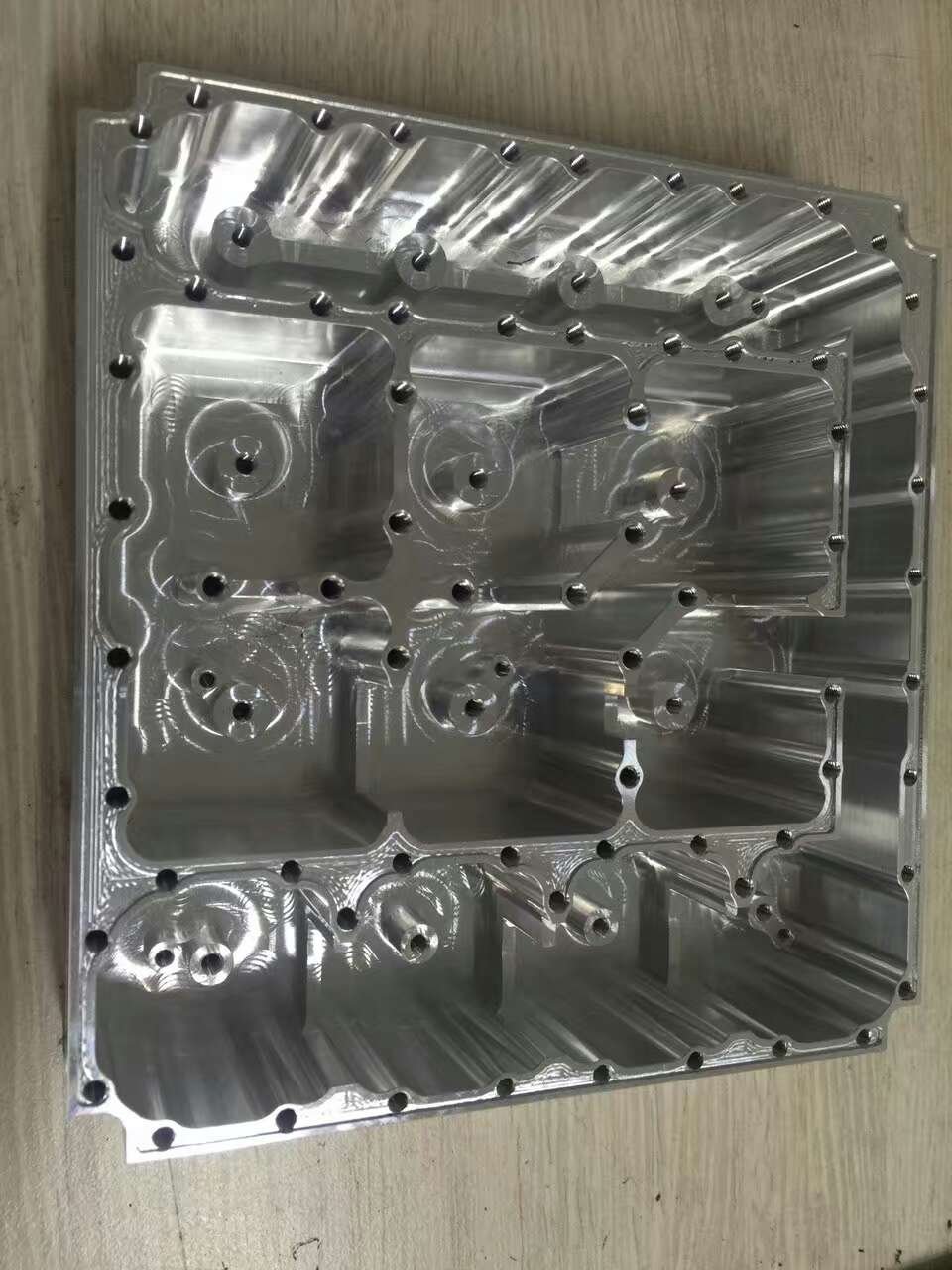
- CNC Machining Services: For features requiring tighter tolerances than casting alone can achieve, we offer precision CNC machining. We handle drilling, tapping, and facing to meet your exact specifications.
- Surface Finishes: We provide a wide range of cosmetic and functional finishes, whether you need anodizing for corrosion resistance, powder coating for durability, or polishing for a premium aesthetic.
- Heat Treatment: To enhance mechanical properties like strength and hardness, we perform heat treatments (such as T6) strictly according to material standards.
By integrating assembly support and these secondary operations, we deliver finished components that are ready for immediate use in your assembly line.
Applications and Industry Examples
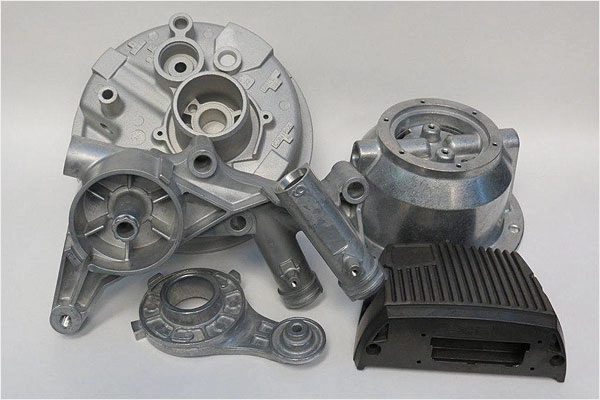
At PrecisionVast, we see the demand for aluminum investment casting across industries that refuse to compromise on weight or complexity. Because aluminum offers a high strength-to-weight ratio without sacrificing durability, it is the material of choice for engineers designing next-generation equipment.
Our process delivers near-net-shape aluminum parts that reduce machining time and material waste, making us a strategic partner for the following sectors:
Aerospace and Defense
In an industry where every ounce matters, aerospace aluminum investment casting is critical. We manufacture lightweight aluminum cast components that withstand extreme conditions while contributing to fuel efficiency.
- Key Components: Interior cabin hardware, structural brackets, sensor housings, and fuel system parts.
- Why Aluminum: It offers the necessary structural integrity without the heavy mass of steel, meeting strict aviation standards.
Automotive Performance
The push for electric vehicles and fuel-efficient engines drives the need for complex aluminum castings. We produce intricate parts that help automakers shave off weight while maintaining safety and performance. Many of these components require subsequent processing, where we apply insights from top CNC machining projects to ensure tight tolerances are met after the casting phase.
- Key Components: Turbocharger impellers, gearbox housings, valve bodies, and heat sinks.
- Benefit: High thermal conductivity helps manage heat in engines and electronic systems.
Medical and Precision Instruments
The medical field demands absolute sterility and precision. Our investment casting aluminum process creates smooth surfaces that are easy to clean and resistant to bacteria buildup.
- Key Components: Surgical instrument handles, diagnostic equipment frames, and prosthetics.
- Benefit: The ability to cast thin walls allows for ergonomic designs that are comfortable for surgeons and patients.
Marine and Industrial Machinery
Saltwater environments and heavy industrial use require materials that fight back against corrosion. We supply robust parts for marine and food processing applications where rust is a major concern.
- Key Components: Boat propellers, pump valves, food processing machinery fixtures, and radar housings.
- Benefit: Aluminum’s natural oxide layer provides excellent corrosion resistance, extending the lifespan of parts exposed to harsh elements.
Why Choose PrecisionVast as Your Casting Partner
Finding the right aluminum investment casting foundry goes beyond just comparing price tags. We position ourselves as a direct manufacturing partner, not just a supplier. By working directly with our factory, you eliminate middleman markups and gain transparent access to our production floor. Whether you need a single precision aluminum casting prototype or a run of 10,000 units, we scale our operations to meet your demand without compromising on lead times.
We understand the urgency of the US market. Our team commits to an 8-hour inquiry response time, ensuring your project moves from concept to quote faster than the industry standard. Our facility utilizes advanced ERP systems to track every stage of the aluminum investment casting process, providing real-time reliability for global exports. We combine the flexibility of a job shop with the capacity of a large-scale industrial manufacturer.
Key Service Advantages
| Feature | Benefit to You |
|---|---|
| Direct Factory Pricing | Lower costs by removing trading company fees. |
| 8-Hour Response | Rapid communication to keep your supply chain moving. |
| Flexible Volumes | Support for both low-volume prototypes and high-tonnage runs. |
| One-Stop Solution | Integrated mold design, CNC machining, and surface finishing. |
| ERP Management | Full traceability and on-time delivery assurance. |
Frequently Asked Questions (FAQ)
How does aluminum investment casting differ from die casting?
This is the most common question we encounter. The primary difference lies in tooling costs and design flexibility. Aluminum investment casting is ideal for complex geometries, thin walls, and parts with undercuts that simply cannot be molded with rigid steel dies. While high-pressure die casting offers advantages for massive production runs of simpler parts, our investment process offers significantly lower tooling costs and higher precision for intricate designs.
What are the standard lead times for custom parts?
Speed matters in manufacturing. We pride ourselves on an 8-hour response time for initial inquiries. For actual production, lead times vary based on volume and complexity. However, by utilizing SLA 3D printing for rapid prototyping, we can bypass traditional tooling creation for the initial phase, getting samples in your hands much faster than conventional foundries.
Which aluminum alloy is best for high-stress applications?
For components facing high mechanical stress, we recommend alloys that respond well to heat treatment. While we work extensively with A380 and ADC12 for general applications, specific heat-treatable grades are available when you need superior tensile strength and elongation. We analyze your specific application—whether it’s aerospace or automotive—to select the material that provides the best strength-to-weight ratio.
What file formats (CAD/STP) are required for a quote?
To provide an accurate quote and manufacturing analysis, we need 3D CAD data. The preferred formats are .STP (STEP) or .IGS. For parts requiring strict adherence to dimensional tolerances, please also include 2D drawings (PDF) calling out critical dimensions and finishing requirements.
How does heat treatment affect the final component?
Heat treatment, such as the T6 process, is a game-changer for aluminum precision investment casting. It modifies the microstructure of the alloy, significantly boosting hardness and mechanical strength. This ensures the final part meets rigorous industry standards for durability without compromising the lightweight benefits of aluminum.
 German
  English
Rezensionen
Es gibt noch keine Rezensionen.