

Titanium melting point and high temperature titanium products with technical specs grades and custom forms for demanding industrial applications.
High-Performance Titanium for Extreme Thermal Environments
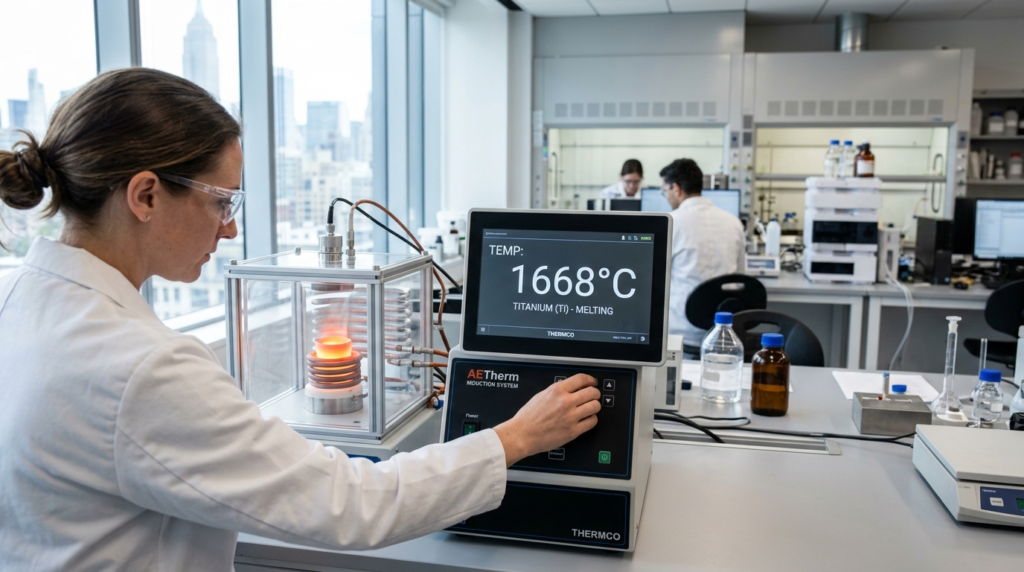
We provide a comprehensive range of premium titanium materials engineered specifically for industries that operate under intense heat. The titanium melting point serves as a critical benchmark for engineering safety, with pure titanium reaching its liquid state at 1,668°C (3,034°F). This high thermal threshold allows our products to maintain structural integrity in environments where other metals would fail.
Our inventory is curated to solve the challenges of high-heat applications, ensuring that your projects benefit from superior titanium heat resistance and long-term durability.
Key Thermal Advantages of Our Titanium
- High Melting Threshold: A standard pure titanium melting point of 1,668°C (3,034°F) for maximum safety margins.
- Thermal Stability: Excellent resistance to creep and oxidation at elevated temperatures.
- Versatile Grades: From Commercially Pure (CP) options to high-strength Ti-6Al-4V melting temperature specifications.
- Reliable Performance: Optimized titanium thermal properties for aerospace, defense, and industrial processing.
We supply a variety of formats, including high temp titanium sheets, plates, and titanium bar stock, all manufactured to meet the most rigorous international standards. Whether you are managing exhaust systems or chemical reactors, our materials provide the thermal reliability required for mission-critical hardware.
Thermal & Technical Specifications of Titanium

Understanding the titanium melting point is the baseline for any high-heat engineering project. While pure titanium stands strong with a melting threshold of approximately 1,668°C (3,034°F), alloying elements shift these numbers to optimize for strength or weight. We provide precise data to ensure your material selection stands up to the most demanding thermal cycles.
Melting Point and Physical Properties Table
The following table compares the pure titanium melting point against the most common aerospace-grade alloy, Ti-6Al-4V.
| Property | Commercially Pure (CP) Titanium | Grade 5 (Ti-6Al-4V) |
|---|---|---|
| Melting Point | ~1,668°C (3,034°F) | ~1,604°C – 1,660°C (2,920°F – 3,020°F) |
| Density | 4.51 g/cm³ | 4.43 g/cm³ |
| Thermal Conductivity | 16 – 22 W/m·K | 6.7 W/m·K |
| Coefficient of Thermal Expansion | 8.6 µm/m·°C | 8.6 µm/m·°C |
| Specific Heat | 0.52 J/g·°C | 0.52 J/g·°C |
Grade Availability and Thermal Tolerances
We supply a variety of grades, each tailored for specific titanium thermal properties and environmental stressors:
- Grade 1 & 2 (CP): These offer the highest corrosion resistance and the highest titanium melting temp in its purest form. They are ideal for heat exchangers where ductility is a priority.
- Grade 5 (Ti-6Al-4V): This is the industry standard for aerospace grade titanium. It maintains exceptional titanium alloy heat resistance, though its melting range is slightly lower than pure grades due to the aluminum and vanadium content.
- Grade 23 (Ti-6Al-4V ELI): A high-purity version of Grade 5. It offers superior damage tolerance and is frequently used in medical applications requiring high-heat sterilization.
Selecting the right material requires comparing these specs against other high-performance metals. For instance, comparing these values through a comparative guide on casting techniques can help determine if titanium or a specialized alloy is the best fit for your specific geometry and thermal load.
Key Thermal Performance Factors
- Low Thermal Expansion: Titanium expands less than most steels and aluminum when heated, providing excellent dimensional stability.
- Thermal Conductivity: Its relatively low conductivity makes it an effective heat shield in localized high-temp zones.
- Phase Transformation: We monitor the “Beta Transus” temperature (roughly 880°C to 980°C depending on the grade), which is the point where the crystal structure changes, impacting the metal’s mechanical behavior long before the actual titanium melting point celsius is reached.
Versatile Titanium Forms and Custom Solutions

We provide a comprehensive range of titanium products designed to withstand extreme thermal stress. Because the titanium melting point sits at a high 1,668°C, these materials are the go-to choice for industries that cannot afford structural failure under heat. We stock and customize various forms to ensure your project has the exact specifications required for high-performance environments.
- High Temp Titanium Sheets and Plates: Perfect for heat shielding, ducting, and protective barriers in aerospace and industrial furnaces.
- Titanium Bar Stock, Rods, and Wire: High-strength options for fasteners, turbine blades, and structural supports that require consistent performance near the titanium melting point.
- Industrial Titanium Tubing and Pipes: Specialized for fluid transport in chemical plants and exhaust systems where corrosion and heat resistance are non-negotiable.
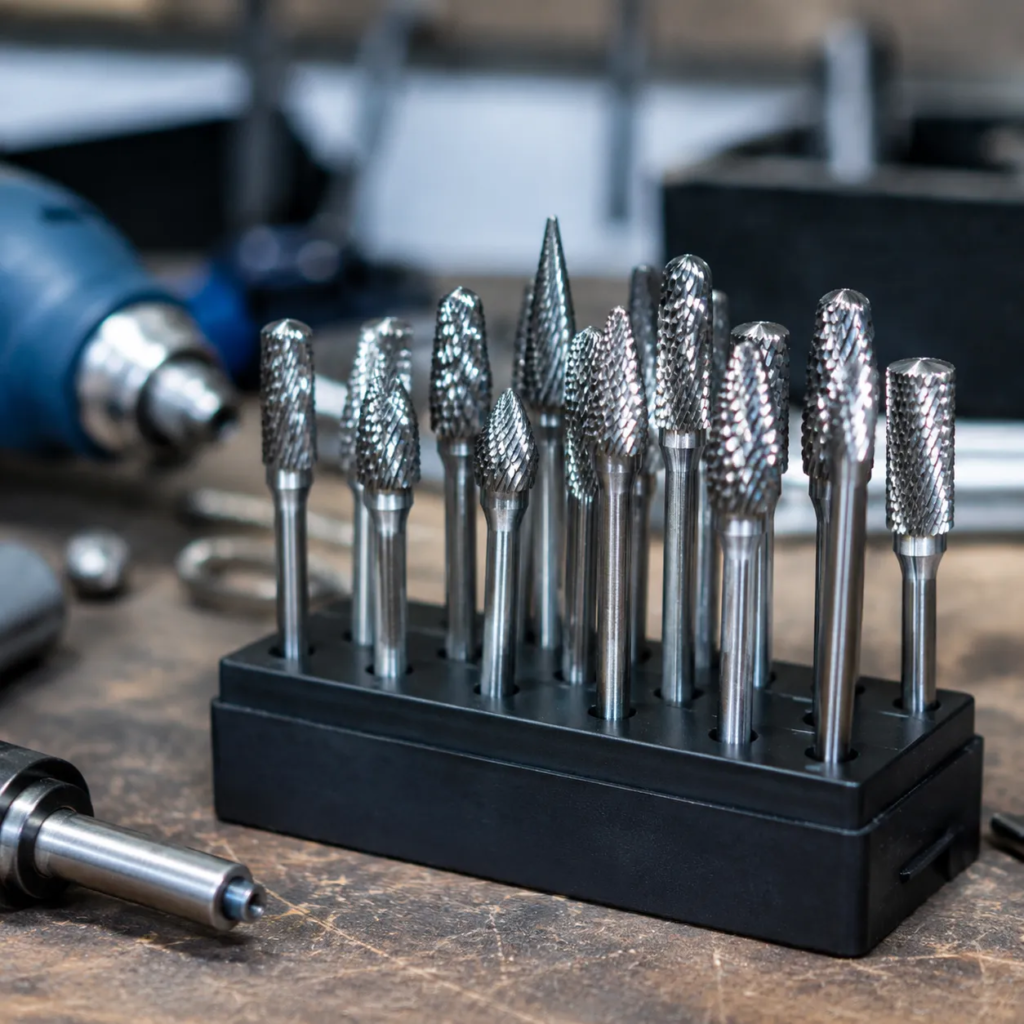
- Custom Precision Machining: We offer tailored fabrication for complex parts, ensuring tight tolerances for specialized high-heat applications.
Our inventory is built to handle the toughest jobs, often outperforming alternatives like cast aluminum in the automotive industry when thermal limits are pushed to the edge. We focus on delivering raw materials and finished components that maintain their integrity long after other metals have reached their limit.
High-Temperature Titanium Applications

Because the titanium melting point sits at a staggering 1,668°C (3,034°F), we supply this material to industries where thermal failure is not an option. Its ability to maintain structural integrity near these extremes makes it the gold standard for high-heat environments.
Aerospace and Aviation
In the aerospace sector, our aerospace grade titanium is essential for components that face constant thermal cycling.
- Jet Engine Components: Used in compressor blades and housings where heat resistance is critical.
- Exhaust Systems: Capable of withstanding high-velocity hot gases without degrading.
- Structural Airframes: Maintains strength-to-weight ratios even when friction generates significant surface heat.
Chemical Processing and Industrial Use
We provide titanium for environments where heat and corrosion collide. The high titanium melting point allows for safer operations in volatile settings.
- Heat Exchangers: Efficiently transfers heat in aggressive chemical environments.
- Pressure Vessels: Ensures safety in high-temperature reactors.
- Industrial Tubing: Ideal for transporting corrosive fluids that would melt or weaken lesser metals.
Medical and Automotive Performance
Beyond heavy industry, titanium’s thermal properties serve specialized high-performance needs.
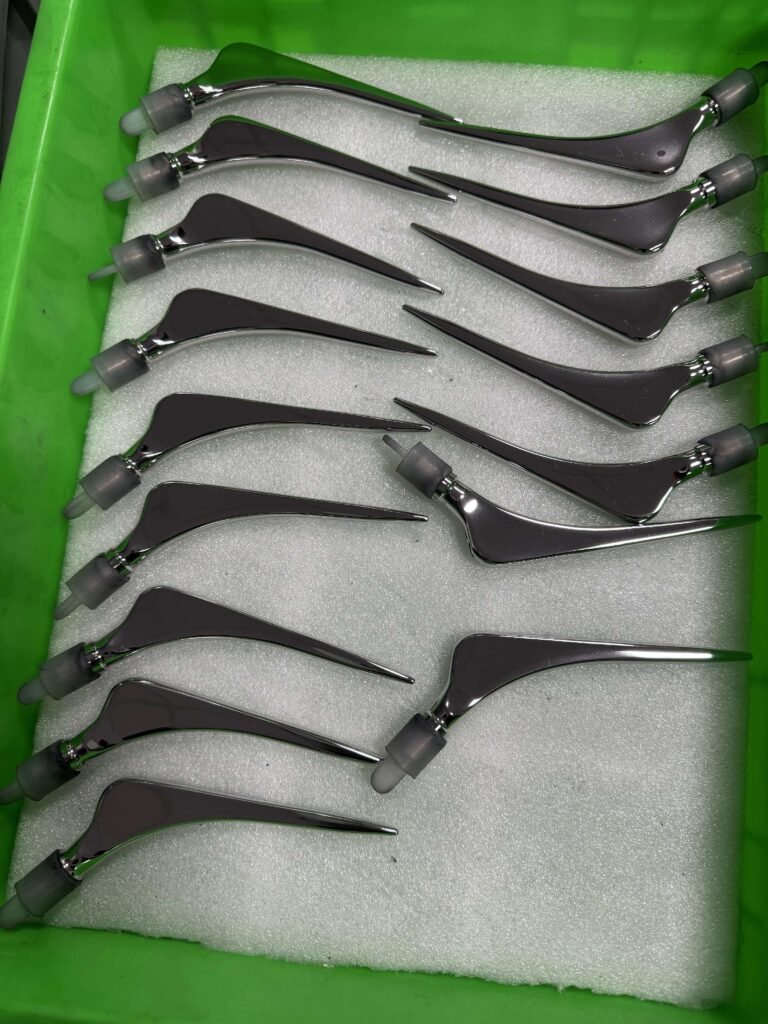
- Medical Implants: Biocompatible parts that can withstand repeated high-heat autoclave sterilization cycles without losing precision.
- Motorsport Exhausts: We supply titanium for performance exhaust systems that must handle extreme engine temperatures while reducing overall vehicle weight.
- Engine Valves: Our materials meet the most demanding die casting tolerance standards to ensure peak performance in high-RPM automotive engines.
By leveraging the high titanium melting point, we ensure that every part we produce stands up to the most intense thermal demands of modern engineering.
Why Source Titanium from Precisionvast?

Choosing the right supplier for high-heat materials is critical when your project depends on the specific titanium melting point and structural integrity. At Precisionvast, we provide more than just raw metal; we deliver engineered solutions backed by rigorous quality standards. Our aerospace grade titanium undergoes strict metallurgical testing and holds ISO certifications to ensure every batch meets your exact thermal and mechanical specifications.
We understand the demands of the United States industrial market, where timing and reliability are everything. Our global supply chain is optimized to offer competitive pricing without compromising on the secure packaging required to protect sensitive titanium raw materials during transit. Whether you are dealing with high-temperature alloys or pure grades, our logistics network ensures your production line stays on schedule.
Our expert engineering support sets us apart. We don’t just take orders; we help you navigate complex material selections. If your application involves extreme heat, we provide professional guidance on how various grades perform near the titanium melting temp to prevent premature failure. Our team specializes in high-temperature alloys casting and precision sourcing to ensure you get the most durable material for your specific environment.
- Quality Assurance: ISO-certified processes and comprehensive metallurgical lab reports.
- Technical Expertise: Deep knowledge of titanium thermal properties and grade-specific tolerances.
- Global Logistics: Efficient shipping and secure handling for all titanium bar stock and plate orders.
- Custom Solutions: Material selection tailored to the unique thermal requirements of your industry.
Titanium Melting Point and Thermal Performance FAQs
What is the exact melting point of pure titanium vs. titanium alloys?
The pure titanium melting point is officially rated at 1,668°C (3,034°F). However, when dealing with alloys like Ti-6Al-4V, the melting range typically drops slightly to between 1,604°C and 1,660°C. These high thermal thresholds allow titanium to remain solid in environments where other metals would fail.
Does titanium lose strength before it reaches its melting point?
Yes. While the titanium melting temp is impressive, the metal begins to lose its creep resistance and tensile strength long before it liquefies. Most standard grades are highly effective up to 427°C (800°F). For applications exceeding these temperatures, we recommend specialized high-temp alloys designed to maintain structural integrity under extreme stress.
How does titanium’s heat resistance compare to stainless steel or aluminum?
Titanium sits in a “sweet spot” for thermal performance. It has a significantly higher melting point than aluminum (which melts at roughly 660°C). While some stainless steels have similar melting points, titanium offers a far superior strength-to-weight ratio at elevated temperatures. If your project requires lower thermal tolerances with complex geometries, you might consider A356 aluminum investment castings as a cost-effective alternative for non-refractory parts.
What is the maximum operating temperature for Precisionvast titanium products?
The safe operating limit depends heavily on the specific grade and the environment:
- Commercially Pure (Grades 1-4): Best for temperatures up to 350°C (662°F).
- Grade 5 (Ti-6Al-4V): Reliable for continuous service up to 400°C (752°F).
- High-Temp Alloys: Specialized variants can handle intermittent exposure up to 600°C (1,112°F).
Key Thermal Data
| Material Property | Pure Titanium | Ti-6Al-4V (Grade 5) |
|---|---|---|
| Melting Point (°C) | 1,668°C | 1,604°C – 1,660°C |
| Melting Point (°F) | 3,034°F | 2,920°F – 3,020°F |
| Max Service Temp | 350°C | 400°C – 450°C |
| Thermal Conductivity | 15.6 W/m-K | 6.7 W/m-K |


 German
  English