

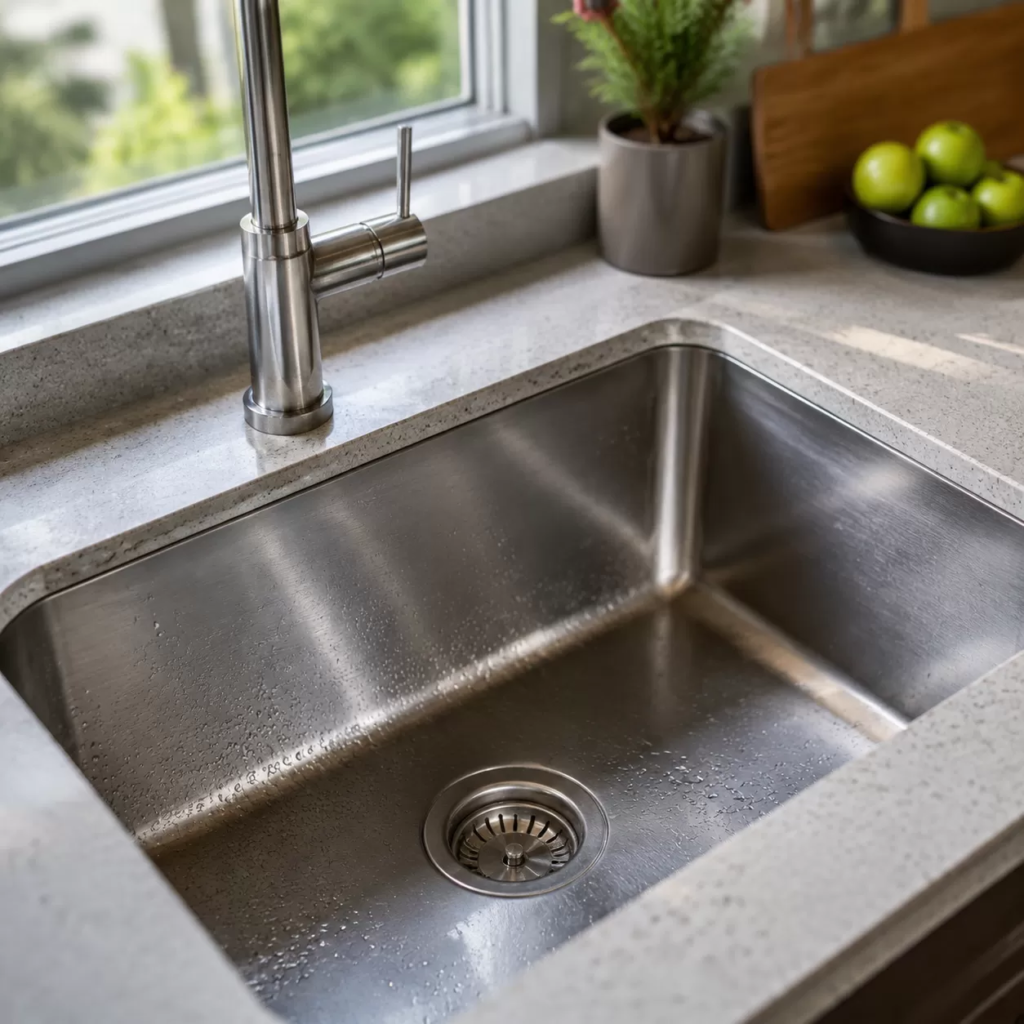
Why is stainless steel called stainless Learn how 10 point 5 percent chromium forms a self healing passive layer Source PrecisionVast.
The Core Chemistry: Why is Stainless Steel Called Stainless?
When we manufacture our products, we often get asked: why is stainless steel called stainless? It sounds like a marketing trick, but it actually comes down to a brilliant chemical reaction. Standard iron-ferrous metal alloys are highly vulnerable to the elements. When raw iron meets oxygen and moisture, it oxidizes rapidly, creating the flaky red crust we all know as rust. To stop this breakdown, we use an advanced iron-chromium alloy engineered specifically for metal oxidation prevention.
The Chromium Breakthrough
The secret to making this metal “rustless steel” or Inox steel is the addition of chromium. By mixing a high chromium content percentage (typically at least 10.5%) into the molten iron, the entire behavior of the metal changes. Instead of degrading when exposed to air, the chromium reacts instantly with oxygen.
The Chromium Oxide Passive Layer
This reaction creates an invisible, microscopic shield known as a chromium oxide passive layer ($Cr_2O_3$). This passivation film acts as a permanent barrier against water and air.
- Self-Healing Power: If the surface gets scratched or dented, the exposed chromium immediately reacts with ambient oxygen to rebuild the shield. This self-healing metal coating is the exact reason why stainless steel is called stainless—it constantly repairs its own defense system to fight off deep corrosion.
Can Stainless Steel Ever Rust or Stain?
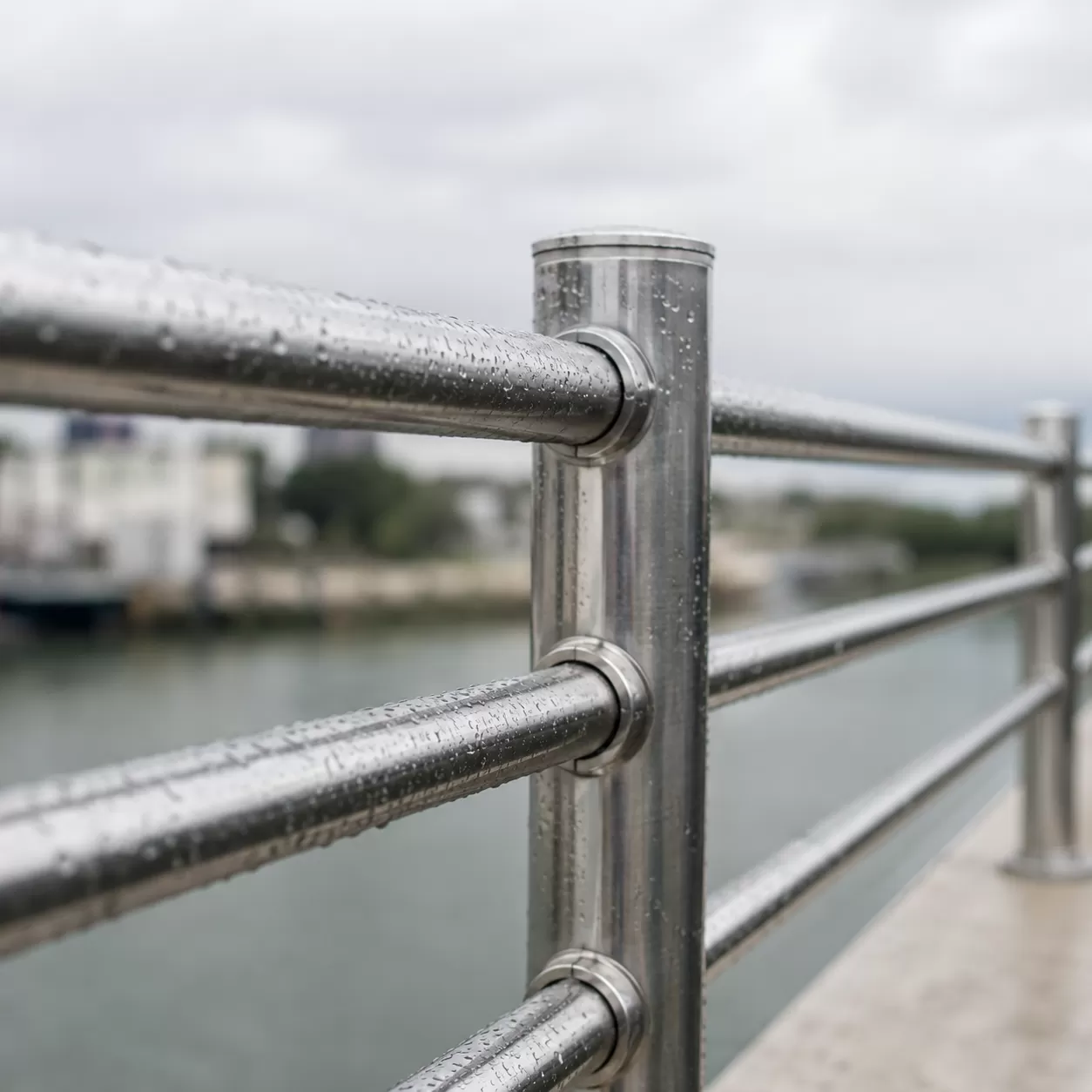
I often have to clear up a common misconception: “stainless” does not mean “stain-proof.” The name implies that the metal stains less than carbon steel, not that it is entirely immune to the laws of chemistry. Under the right (or wrong) conditions, even high-quality alloys will succumb to corrosion. If the protective chromium oxide layer is compromised and cannot reform, rust will take hold.
Common Environmental Triggers
Several factors can strip away the metal’s natural defenses:
- Chlorides: Saltwater, sea air, and even common bleach are notorious for causing pitting resistance failure, leading to tiny, deep holes in the surface.
- Low Oxygen Environments: The “self-healing” passive layer requires oxygen to regenerate. In tight crevices or under heavy deposits, the metal can’t “breathe,” leading to localized decay.
- Surface Contamination: If iron particles from tools or steel wool are left on the surface, they will rust and eventually “infect” the stainless steel underneath.
Understanding Intergranular Corrosion
This specific type of failure occurs when the metal is exposed to high heat—often during improper welding or heat treatment. Chromium and carbon bond together to form carbides at the grain boundaries, leaving the rest of the metal depleted of chromium. This makes the steel vulnerable along those boundaries. In heavy industrial applications where standard grades might fail due to these stresses, I often suggest utilizing duplex stainless steel casting for its superior strength and resistance to stress corrosion cracking.
“Stain-less” vs. “Stain-proof”
| Feature | Stainless Steel | “Stain-proof” Metal |
|---|---|---|
| Definition | Highly resistant to oxidation and staining. | Theoretically immune to all corrosion. |
| Maintenance | Requires occasional cleaning to remove contaminants. | Would require zero upkeep (does not exist). |
| Durability | Excellent in most atmospheric conditions. | N/A – All ferrous alloys have limits. |
| Failure Mode | Pitting or surface rust if the passive layer fails. | None. |
The reality is that “stainless” is a performance standard. By choosing the correct grade and maintaining the surface, you ensure the metal lives up to its name. If you neglect the environment or use the wrong alloy for a high-chloride setting, the “stainless” label won’t save the material from oxidation.
Cross-Comparison: Why is Stainless Steel Called Stainless vs. Alternative Metals
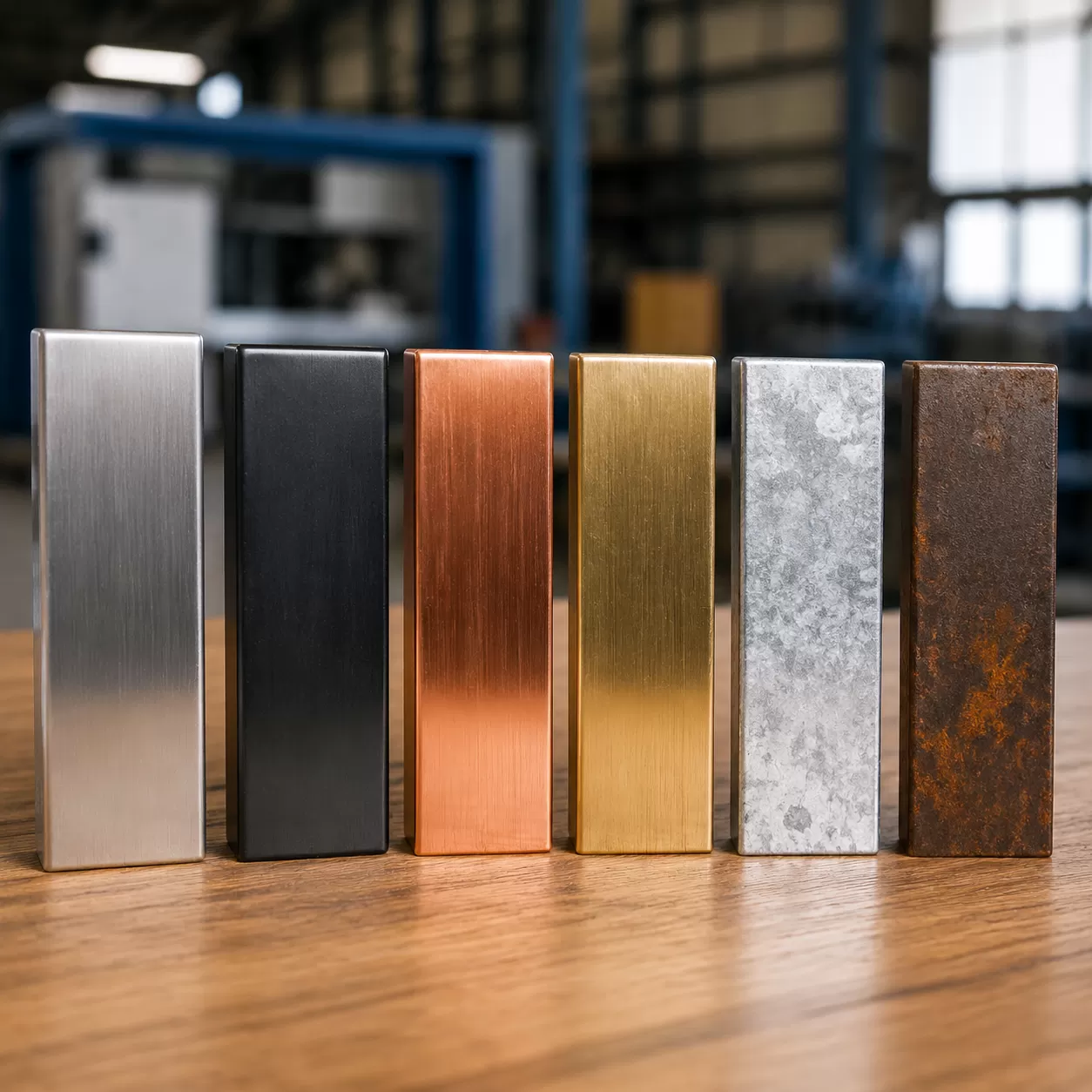
When choosing the right material for your project, you have to look at how different metals handle the elements. While we call stainless steel “stainless” because of its incredible ability to resist rust and corrosion, alternative metals like carbon steel and aluminum protect themselves in completely different ways.
Stainless Steel vs. Carbon Steel
The big showdown is usually between stainless steel and carbon steel. Carbon steel is tough and highly structural, but it lacks the chromium content percentage needed to fight off metal oxidation. Without that protection, carbon steel reacts quickly with oxygen and moisture, creating iron oxide—better known as rust. This rust flakes away and eats into the metal. Stainless steel, or inox steel, stops this cycle entirely because its self-healing metal coating blocks oxygen from ever reaching the iron underneath.
Stainless Steel vs. Aluminum
Aluminum is lightweight and naturally forms its own protective oxide layer, making it highly corrosion-resistant. However, it doesn’t have the same heavy-duty strength or high-temperature resilience as stainless steel alloys. In industrial casting and manufacturing, engineers frequently compare these two. For instance, understanding 356 alloy properties, uses, and benefits helps clarify when a lightweight aluminum casting is ideal, versus when the rugged, pitting resistance of a 304 grade stainless steel is required for harsher environments.
Material Matrix Table
Here is a quick look at how these common materials stack up against each other in real-world applications:
| Material Property | Stainless Steel (Inox Steel) | Carbon Steel | Aluminum Alloys |
|---|---|---|---|
| Corrosion Resistance | Excellent (Self-healing passivation film) | Poor (Requires paint or coating) | Good (Natural oxide layer) |
| Strength & Durability | High | Very High | Moderate to High |
| Weight | Heavy | Heavy | Lightweight |
| Best US Market Uses | Food processing, marine grade steel hardware, medical tools | Structural beams, automotive frames, heavy machinery | Aerospace, automotive castings, consumer electronics |
Selecting the Right Stainless Steel Grade for Your Application
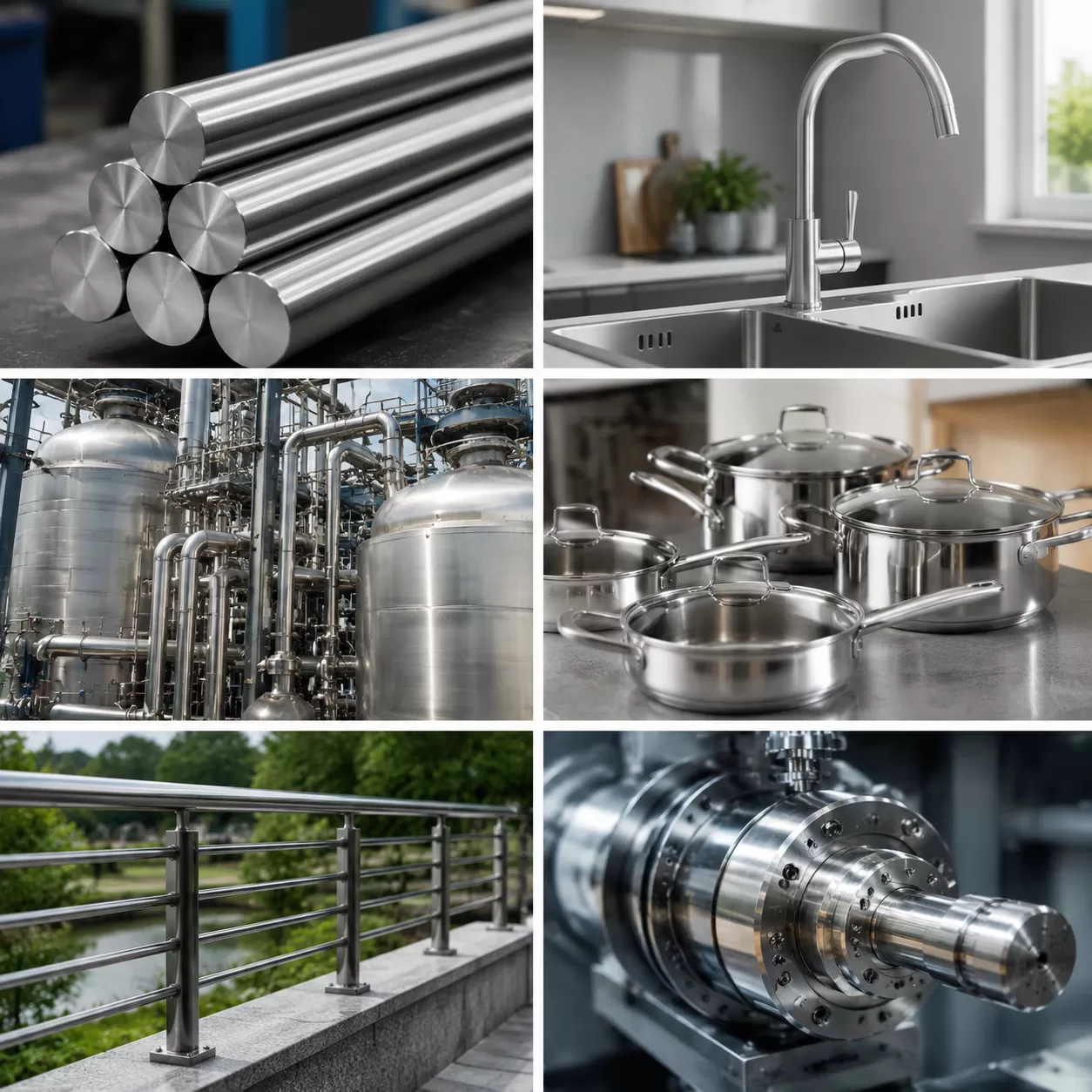
Choosing the right iron-chromium alloy comes down to your specific environment and performance needs. Not all stainless steel is created equal, and picking the wrong series can lead to premature failure. We categorize these into distinct families based on their internal atomic structure to help you find the exact match for your project.
Austenitic (300 Series – 304 & 316)
The 300 series is the most popular choice in the United States market due to its exceptional versatility and high chromium content percentage. These metals feature an austenitic crystalline structure, making them non-magnetic and highly formable.
- 304 Grade Stainless: The industry standard for kitchen appliances, food processing, and architectural molding. It offers excellent all-around corrosion resistance at a budget-friendly price point. If your project involves complex shaping, what is stainless steel investment casting and how does it work is a great resource to understand how this grade is molded into high-precision parts.
- 316 Grade Stainless: Upgraded with molybdenum, 316 is our go-to marine grade steel. It delivers superior pitting resistance against chlorides, road salts, and harsh industrial chemicals.
Ferritic & Martensitic (400 Series)
When your application requires high strength or magnetic properties, the 400 series steps in. These are plain chromium alloys without nickel, which alters their mechanical behavior.
- Ferritic Grades (e.g., 430): Highly magnetic with good thermal conductivity. They offer reliable metal oxidation prevention in mild environments and are widely used in automotive trim and indoor appliances.
- Martensitic Grades (e.g., 410 & 440): These can be heat-treated to reach extreme hardness levels. They are the top choice for cutlery, surgical instruments, and aerospace fasteners where wear resistance is just as vital as being a rustless steel.
Duplex Grades
Duplex stainless steels are high-performance hybrids that combine the best traits of both austenitic and ferritic structures. They feature a balanced mix of chromium, nickel, and molybdenum.
- Double the Strength: Duplex grades possess twice the mechanical strength of standard 300 series steels.
- Stress Corrosion Cracking Resistance: They excel in highly corrosive, high-stress environments like chemical processing plants, oil and gas rigs, and heavy-duty marine applications.
- Cost-Efficient Weight Savings: Because the material is so strong, you can use thinner gauges to achieve the same structural integrity, saving on total material weight and shipping costs.
Frequently Asked Questions: Why is Stainless Steel Called Stainless?
Why is stainless steel called stainless?
We call it stainless steel because it resists staining, rusting, and corroding much better than ordinary carbon steel. The secret is the chromium content percentage inside the iron-chromium alloy. When chromium meets oxygen, it forms an invisible, self-healing metal coating known as a passivation film. This keeps the underlying metal pristine, which is why it earned its “stain-less” nickname.
Can stainless steel actually rust?
Yes, it can. While it is a highly corrosion-resistant steel, it is not entirely stain-proof. If the chromium oxide passive layer is damaged by harsh chemicals, saltwater, or deep scratches, the metal can experience pitting resistance failure. Without proper maintenance or the right environmental controls, even rustless steel can develop surface rust.
What is the passive layer on stainless steel?
The passive layer is a microscopic, ultra-thin shield of chromium oxide that forms automatically on the metal’s surface. This layer acts as the ultimate metal oxidation prevention barrier. If the surface gets scratched, the chromium in the alloy reacts with surrounding oxygen to rebuild the shield instantly, keeping the material protected.
Which grade of stainless steel is most rust-resistant?
For standard industrial and commercial use, 316 marine grade steel offers the highest rust resistance due to added molybdenum, which fights off chloride pitting. For everyday premium applications, 304 grade stainless steel with an austenitic crystalline structure delivers incredible durability. This level of reliability is exactly why this material is a staple in critical fields, ranging from high-performance industrial components to heavy-duty medical equipment where sanitation and corrosion resistance are non-negotiable.
 German
  English