
Exploring the Differences: 4130 Steel VS 4140 Steel in Precision Casting
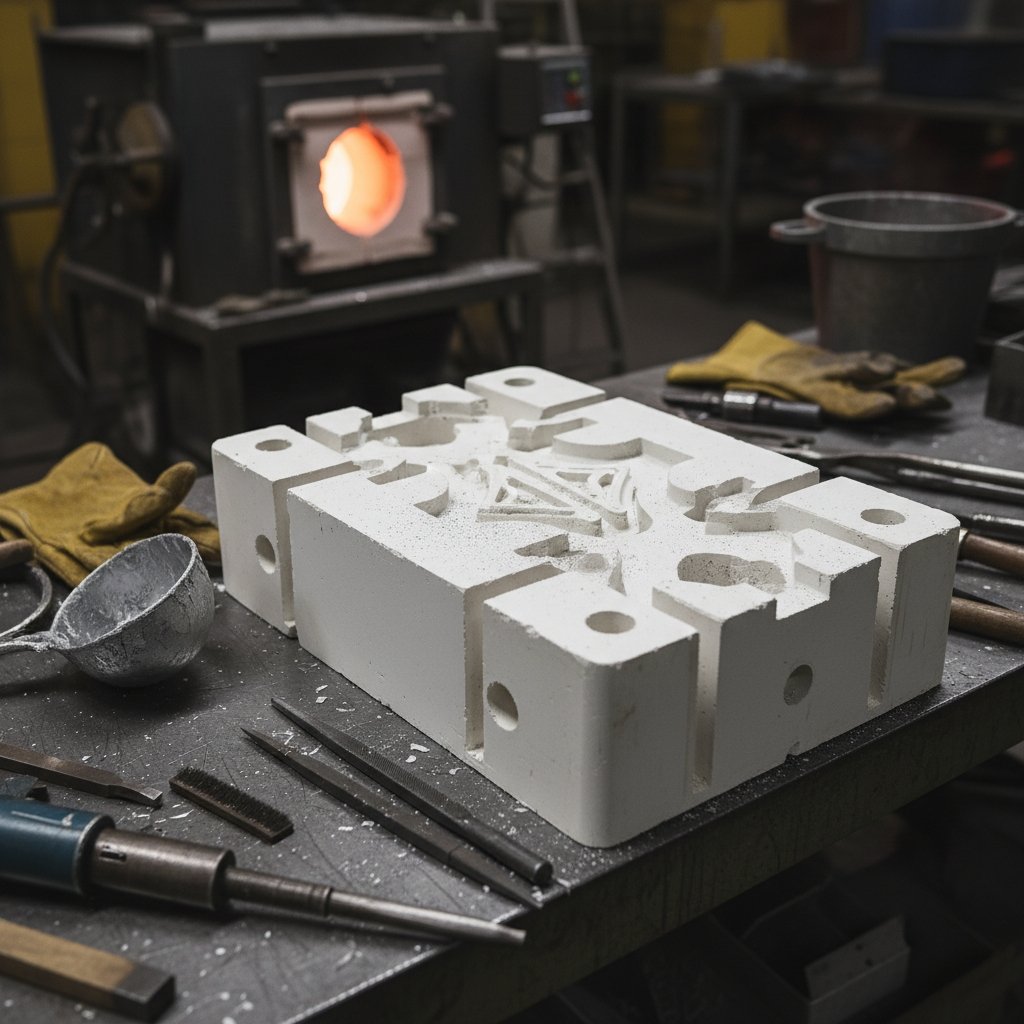
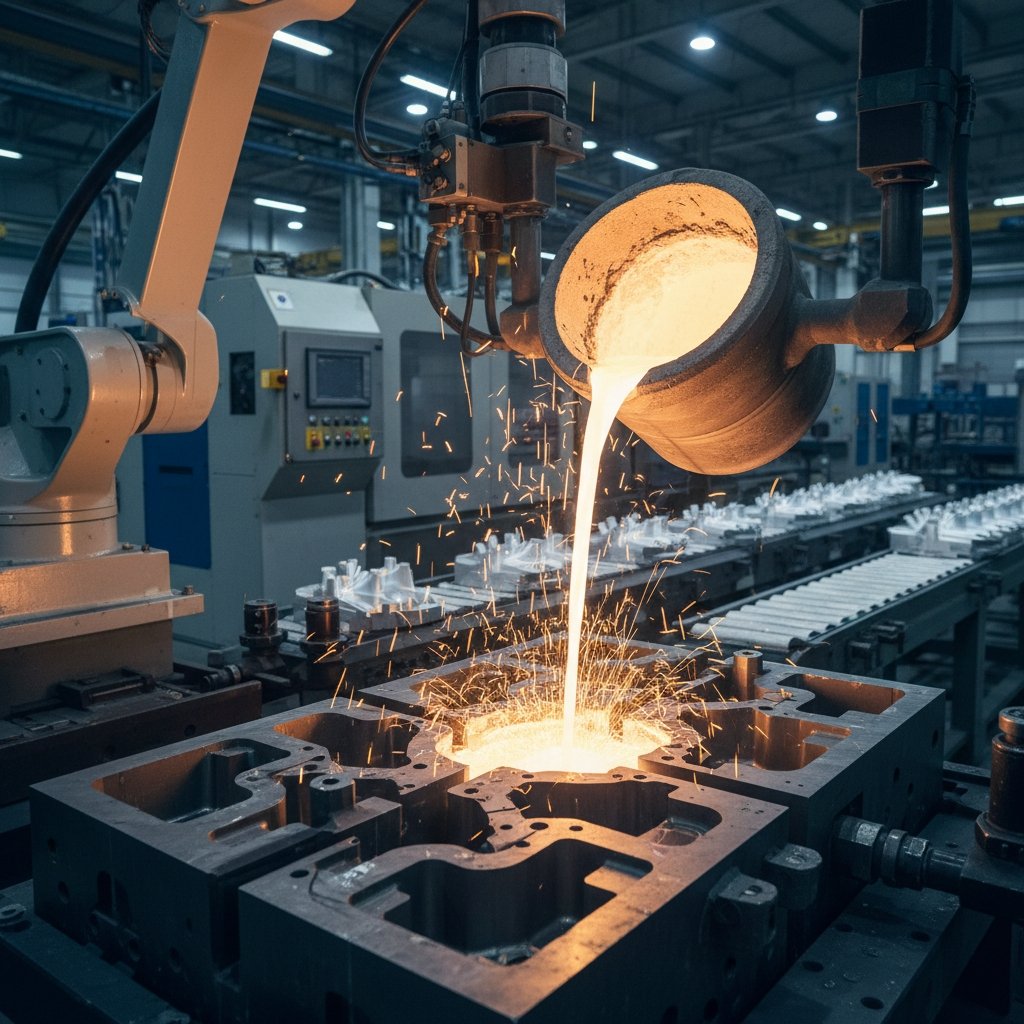
Precision casting, an integral process in many industries, features two notable contenders in 4130 and 4140 steel alloy. Precision casting stands out for its ability to produce components with exceptional accuracy and intricacies such as intricate details. Precision casting plays an essential role in fields ranging from aerospace manufacturing to automotive assembly production. In this article, a comparison will be drawn between these two alloys frequently employed for precision casting purposes – their respective properties and applications will be thoroughly assessed, providing insight into their strengths as well as suitability for certain manufacturing needs.
Understanding 4130 Steel
Composition of 4130 Steel 4130 steel, known for its strength and versatility, is a widely-used alloy in precision casting. Its composition includes key elements such as:
Carbon: 0.28-0.33%
Chromium: 0.8-1.1%
Manganese: 0.4-0.6%
Molybdenum: 0.15-0.25%
Silicon: 0.15-0.35%
Phosphorus: Max 0.035%
Sulfur: Max 0.04%
This combination of elements provides a unique balance, making 4130 steel suitable for various industrial applications.
Key Properties:
4130 steel distinguishes itself with several notable properties:
Strength: 4130 steel offers a high tensile strength, crucial for heavy-duty applications.
Toughness: Even at lower temperatures, it maintains its toughness, making it ideal for environments where durability is key.
Weldability: Its welding characteristics are excellent, allowing for strong and reliable welds in construction and repair.
Common Applications in Precision Casting
4130 steel’s properties make it a popular choice in industries like:
Automotive:the automotive sector, 4130 steel is often used for constructing robust and lightweight frames, contributing to vehicle efficiency and safety.
Aerospace: Its high strength-to-weight ratio makes it an excellent material for aerospace components, where durability and weight reduction are vital.
General Engineering: Its versatility is showcased in various engineering applications, including machinery and equipment parts that require precision and resilience.
In summary, 4130 steel’s unique composition and properties make it a go-to material in precision casting, particularly in sectors where strength, durability, and weldability are paramount. Its usage spans a broad range of applications, underscoring its versatility and reliability in challenging industrial environments.
Exploring 4140 Steel
The 4140 steel, a member of the chromium-molybdenum (or “chromoly”) family, stands out in the world of metals due to its robust chemical composition and remarkable properties. Here’s a deeper look into this alloy:
Composition of 4140 Steel
4140 steel’s unique composition includes:
Chromium (Cr): 0.80-1.10%
Molybdenum (Mo): 0.15-0.25%
Carbon (C): 0.38-0.43%
Manganese (Mn): 0.75-1.00%
Silicon (Si): 0.15-0.30%
Phosphorous (P): 0.035% max
Sulfur (S): 0.040% max
Iron (Fe): Balance
This distinct blend, particularly its higher chromium and molybdenum content compared to 4130 steel, lends it enhanced characteristics.
Distinctive Properties
4140 steel is renowned for its:
- High tensile strength: Enables it to withstand significant stress without deforming.
- Abrasion resistance: Makes it highly durable against wear and tear.
- Impact resistance: Ensures it can absorb sudden impacts without damage, a crucial quality for materials used in high-stress environments.
These properties make 4140 steel a preferred choice for applications demanding extraordinary durability and resilience.
Industrial Uses
In the realm of precision casting, 4140 steel is often employed in crafting components that are expected to endure high stress and strain. Its most notable applications include:
- Gears: Where its strength counters the continuous wear and intensive force.
- Crankshafts: Its impact resistance is vital in these crucial engine components.
- Heavy-duty axles and shafts: Where its robust nature assures long-term performance.
In conclusion, 4140 steel’s unique composition and superior properties make it an invaluable resource in industries requiring materials that can withstand rigorous conditions and maintain integrity over time. Its ability to endure, resist, and perform under pressure situates it as a top choice in precision casting, particularly for components that are integral to the operational excellence of heavy machinery and automotive systems.
Comparative Analysis of 4130 and 4140 Steel
The comparison between 4130 and 4140 steel is crucial in precision casting, especially when specific properties like tensile strength, corrosion resistance, and welding ease are considered. Below is a table summarizing these key differences:
| Property | 4130 Steel | 4140 Steel |
| Tensile Strength | Moderate, suitable for many applications | Higher, providing enhanced durability for heavy-duty applications |
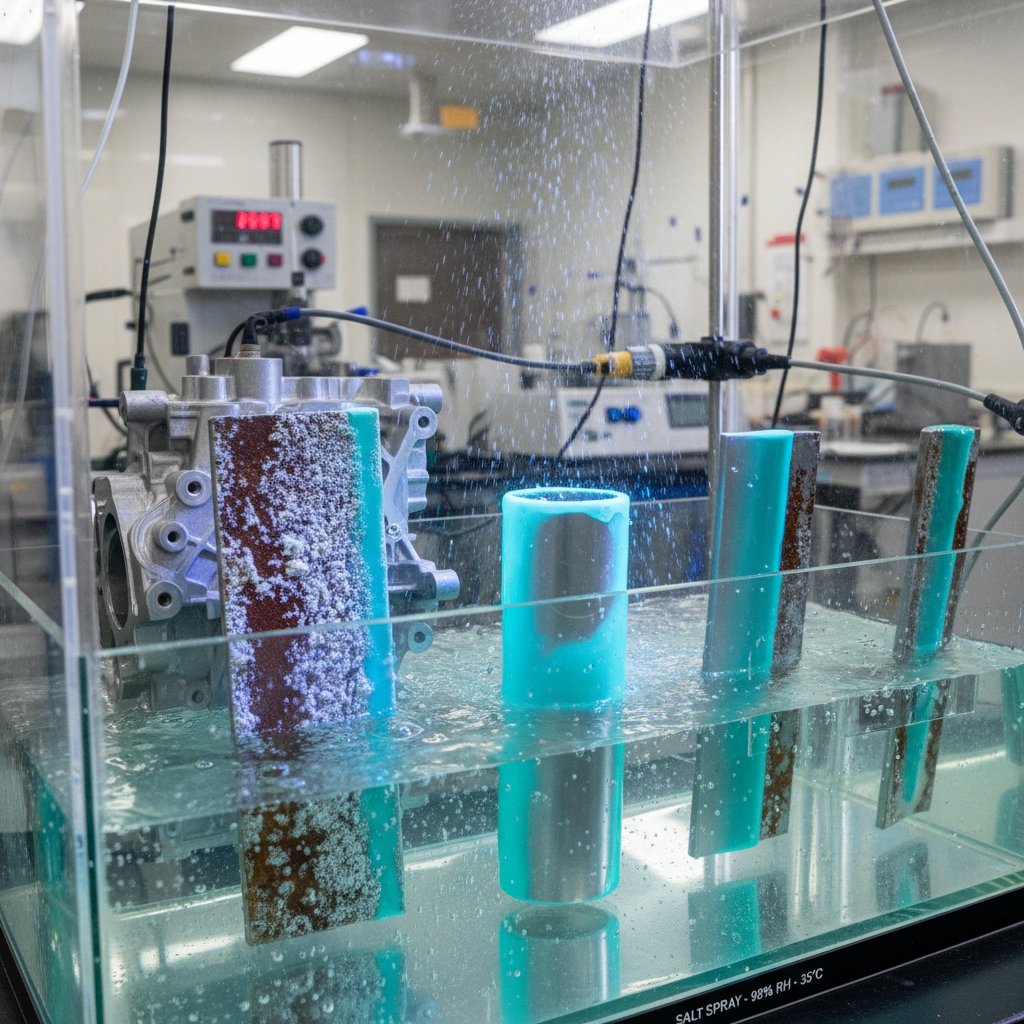
| Corrosion Resistance | Good, but less than 4140 | Better, suitable for harsher environments |
| Ease of Welding | Easier due to lower carbon content | Requires more care due to higher carbon content |
Decision Factors in Precision Casting Projects:
Application Requirements: If the project demands higher tensile strength and resistance to wear and tear, 4140 steel is often the preferred choice. In contrast, 4130 steel is typically chosen for its ease of welding and adequate strength for less demanding applications.
Environmental Considerations: For components exposed to corrosive elements, 4140 steel’s superior corrosion resistance makes it a better fit.
Cost-Effectiveness: While 4140 offers higher strength and corrosion resistance, it might come at a higher cost compared to 4130. The decision may be influenced by budget constraints.
Welding Requirements: If the project requires extensive welding, 4130 steel may be preferable due to its easier weldability.
This comparative analysis helps in making informed decisions tailored to the specific requirements of each precision casting project, ensuring both efficiency and quality in the final product.
Conclusion
PrecisionVast recognizes the nuances between 4130 and 4140 steels that play an integral role in precision casting, thus acknowledging these important distinctions between them. At 4130, strength, ductility, and weldability combine harmoniously for use in lighter applications that involve stress resistance; 4140 excels with its higher tensile strength and abrasion resistance making it ideal for heavy-duty components. Decisions between these two steels will depend on your project requirements, including mechanical stress, corrosion risk and budgetary restraints. PrecisionVast’s expertise in precision casting and material selection ensures we offer optimal solutions, tailored specifically to the demands of each project. Our approach goes beyond simply selecting steel types – it involves envisioning and realizing every casting project’s full potential – guaranteeing excellence both in material quality and product performance.