
Precision Steel Investment Casting Services
Sourcing complex metal components often forces procurement managers to choose between high machining costs or sacrificing dimensional accuracy. At Precision Vast, we solve this trade-off through advanced custom steel investment casting manufacturer. By delivering near-net-shape parts directly from the mold, we significantly reduce secondary processing requirements and material waste. Our factory-direct approach serves as a one-stop manufacturing partner for industries ranging from automotive to medical equipment, ensuring that even the most intricate designs are produced with strict adherence to specifications and ISO 9001 quality standards.
The Lost-Wax Process Explained
Investment casting, commonly known as the lost-wax casting process, is the gold standard for producing detailed metal parts that other methods, like sand casting, cannot achieve. The process begins by creating a precise wax pattern of the final component. This pattern is coated in a refractory ceramic material to build a robust shell. Once the shell hardens, the wax is melted out (dewaxed), leaving a perfect negative cavity. Molten steel is then poured into this shell. After cooling, the ceramic is broken away to reveal a component that faithfully replicates the original design, down to the finest surface textures.
High-Precision Casting Capabilities
Our facility is engineered to handle the rigorous demands of modern manufacturing. We operate with a 700-ton annual output capacity, supported by over 200 skilled staff members who specialize in precision metallurgy. We don’t just pour metal; we engineer solutions. By utilizing CAE (Computer-Aided Engineering) simulation, we analyze flow and solidification prior to production, effectively predicting and preventing defects such as porosity or shrinkage. This data-driven approach ensures that every batch meets consistent mechanical properties and dimensional integrity.
Handling Complex Geometries and Thin Walls
One of the primary advantages of our precision lost wax foundry service is the ability to manufacture parts with complex internal structures and thin walls that would be impossible or prohibitively expensive to machine. We routinely cast components with intricate undercuts, blind holes, and complex contours as a single unit, eliminating the need for welding or assembly. This capability is critical for applications like pump impellers, valve bodies, and architectural hardware, where structural continuity and weight reduction are essential. Our process maintains tight tolerances, ensuring that even lightweight, thin-walled parts retain exceptional strength and durability.
Our Steel Casting Material Capabilities
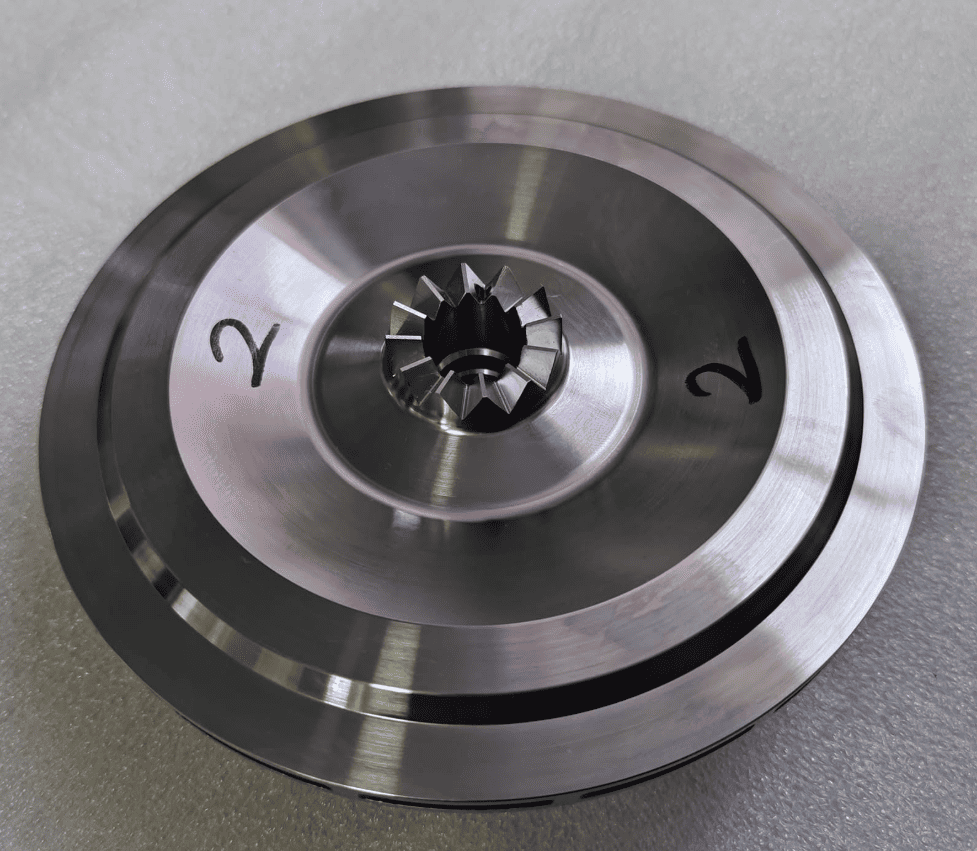
Getting the right metal matters. We pour a wide range of materials to produce durable custom steel parts tailored for demanding American industries. Whether your project calls for everyday carbon steel or highly specialized grades, our steel investment casting process delivers exactly what the job requires.
Available Ferrous Alloy Casting Options
We match the metal to your specific application. Here is a quick look at the primary materials we handle in our foundry:
| Material Category | Common Grades | Key Advantages & Applications |
|---|---|---|
| Stainless Steel | 304, 316, 17-4PH | Top-tier corrosion resistance. Our stainless steel 316 casting is the standard for marine hardware, medical tools, and food processing. |
| Carbon Steel | WCB, 1020, 1045 | Strong, highly machinable, and cost-effective. Built for everyday industrial machinery, brackets, and structural components. |
| Alloy Steel | 4140, 4340, 8620 | Engineered for extreme wear resistance and toughness. The go-to choice for high-stress mechanical parts and heavy equipment. |
| Duplex Stainless | 2205, 2507 | Delivers exceptional strength and withstands the harshest corrosive environments, such as chemical plants and offshore rigs. |
When selecting metals for extreme operating temperatures, understanding the factors affecting heat-resistant alloy properties ensures your components perform reliably over the long haul. We maintain strict metallurgical control on every batch, guaranteeing your parts meet precise structural requirements without compromise.
Technical Specifications and Tolerances
When you choose steel investment casting, precision is non-negotiable. We adhere to strict international standards to ensure every component fits seamlessly into your assembly line without the need for excessive rework. Our process is optimized to deliver near-net-shape parts that meet rigorous engineering demands.
Meeting ISO 8062 CT4-CT6 Standards
We operate under the ISO 8062 standard for casting tolerances. For most steel investment casting projects, we consistently achieve CT4 to CT6 accuracy classes. This level of precision allows us to produce complex geometries that other methods, like sand casting, simply cannot match. By holding tight tolerances right out of the mold, we reduce the amount of secondary machining required, saving you both time and material costs.
Surface Finish Quality
One of the biggest advantages of the lost-wax process is the superior surface finish. Our standard production delivers a surface roughness of Ra 3.2 – 6.3 μm (approx. 125-250 micro-inches).
- Standard Finish: Ra 3.2 – 6.3 μm (suitable for most industrial applications).
- Enhanced Finish: With additional polishing or electropolishing, we can achieve significantly smoother surfaces for sanitary or aesthetic applications.
Weight Ranges and Dimensional Limits
Our facility is equipped to handle a versatile range of part sizes. Whether you need tiny precision components or substantial machinery parts, we have the capacity to cast them.
| Specification | Capability Range |
|---|---|
| Weight Range | 0.01 kg to 80 kg (0.02 lbs to ~176 lbs) |
| Max Linear Dimension | Up to 600 mm (approx. 24 inches) |
| Min Wall Thickness | ≥ 2.0 mm (depending on geometry) |
Minimum Wall Thickness Capabilities
Achieving thin walls in steel casting requires precise control over metal flow and temperature. We can successfully cast wall thicknesses down to 2.0 mm for smaller parts. However, the feasible minimum thickness often depends on the specific alloy and the overall surface area of the part. For intricate designs, we recommend consulting our engineering team early to ensure the design is optimized for manufacturability.
For a deeper dive into how we achieve these specs, you can read our guide on the investment casting process and its advantages.
Engineering and Simulation Advantages
We believe that the best quality control happens before the metal is even melted. By integrating advanced engineering software and rapid prototyping technologies into our workflow, we eliminate guesswork and ensure your steel investment casting projects are successful from the very first run.
CAE Simulation for Defect Prevention
We utilize advanced Computer-Aided Engineering (CAE) simulation software to analyze the casting process virtually before cutting any steel for molds. This technology allows our engineers to visualize how molten metal flows and solidifies within the mold. By identifying potential hotspots for shrinkage, porosity, or air entrapment early, we can optimize the gating system and mold design to ensure superior structural integrity. This proactive approach significantly reduces scrap rates and ensures consistent internal quality.
Rapid Prototyping and SLA 3D Printing
Speed is often critical in product development. To support fast-paced R&D, we offer SLA (Stereolithography) 3D printing services. Instead of waiting weeks for expensive metal tooling to be machined, we can print high-precision wax patterns directly from your CAD files.
- Speed: Get physical samples in days, not weeks.
- Cost-Efficiency: Validate designs without investing in hard tooling.
- Flexibility: Easily modify designs and re-print for immediate testing.
Design for Manufacturing (DFM) Support
Our engineering team acts as an extension of your own. We provide comprehensive Design for Manufacturing (DFM) support to ensure your components are optimized for the casting process. A deep knowledge of cast steel production properties allows us to suggest minor geometry adjustments that can drastically improve castability and reduce secondary machining costs. Whether it is adjusting draft angles or reinforcing thin walls, our goal is to make your part easier to manufacture and more cost-effective without compromising performance.
The 14-Step Manufacturing Workflow
At our facility, consistency isn’t an accident; it’s the result of a rigorous, standardized process. We execute a comprehensive 14-step workflow for every project, ensuring that every steel investment casting component meets the exact specifications required by our US clients. From the initial wax model to the final polished part, we control every variable to prevent defects and ensure structural integrity.
Wax Pattern Injection and Assembly
The process begins with precision. We inject molten wax into a metal die to create an exact replica of the final part. Once these wax patterns are solidified, our technicians assemble them onto a central wax runner system, creating a “tree.” This assembly setup allows us to cast multiple parts simultaneously, optimizing efficiency for both small batches and large-scale production runs.
Ceramic Shell Building and Dewaxing
To create the mold, we dip the entire wax assembly into a high-grade ceramic slurry and coat it with fine sand. We repeat this layering process multiple times to build a hard, durable ceramic shell around the wax. Once the shell is fully dried, we place it in a dewaxing kettle or autoclave. Steam or heat melts the wax away—hence the term “lost-wax casting”—leaving behind a perfectly hollow ceramic cavity ready for molten metal.
Precision Pouring and Metallurgy Control
Before pouring, the ceramic shells are preheated to prevent thermal shock. We then pour molten carbon steel, stainless steel, or alloy steel into the hot shells. During this stage, we maintain strict metallurgical control to ensure the material composition matches international standards. This precise temperature management helps the metal fill even the most complex geometries and thin-walled sections without misruns.
Shell Removal and Surface Finishing
Once the metal solidifies, the ceramic shell is broken away using vibration or water jets. The parts are cut from the runner system, and we move immediately to surface treatment.
- Shot Blasting: Removes any remaining ceramic residue and scales.
- Grinding: We grind off the gate inlets to ensure a flush surface.
- Pickling & Polishing: Chemical pickling removes oxidation, while polishing achieves the required surface finish (Ra).
Finally, parts undergo a thorough inspection before heading to our machine shop or packaging area.
Quality Assurance and ISO 9001 Certification
When you source steel investment casting from us, you need absolute certainty in the final product. Our facility operates under strict ISO 9001 certification, meaning our processes are standardized, repeatable, and fully traceable. We don’t just spot-check; we provide comprehensive testing reports for every batch, giving you the documentation required for high-stakes industries like automotive, medical, and marine. Our goal is to serve as a reliable, one-stop manufacturing partner that eliminates the risk of defective parts reaching your assembly line.
CMM Dimensional Inspection Protocols
Precision is the core of our business. We utilize advanced Coordinate Measuring Machines (CMM) to verify that every dimension matches your original CAD files. This step is critical for parts destined for further CNC machining or direct assembly, ensuring that complex geometries and tight tolerances are consistently maintained across production runs of any size.
Non-Destructive Testing (NDT) Methods
Visual inspection isn’t enough for critical components. We employ rigorous NDT methods to detect flaws that the naked eye misses, ensuring internal structural integrity:
- X-Ray Testing: Identifies internal porosity, shrinkage, or voids without damaging the casting.
- Magnetic Particle Inspection: Detects minute surface cracks and discontinuities, particularly in ferrous materials.
Spectrometer Material Verification
Getting the alloy recipe right is non-negotiable. We use optical emission spectrometers to analyze the chemical composition of the melt before pouring. Whether we are validating specific carbon steel grades or complex stainless alloys, we ensure the material properties meet international standards before the metal ever enters the mold.
Hardness Testing and Internal Integrity
To guarantee durability, we verify mechanical properties through precise hardness testing. This confirms that the heat treatment process was successful and that the part will withstand the wear and tear of its intended environment. By combining these testing methods, we ensure that every component leaving our factory is metallurgically sound and ready for use.
Industries We Serve
At Dongying Vast Alloy Technology, our steel investment casting services support over 50 distinct industries worldwide. We don’t just pour metal; we engineer solutions for sectors that demand absolute reliability and precision. From fluid handling to heavy machinery, our factory-direct model ensures you get consistent quality whether you need a single prototype or a full production run.OEM metal parts supplier”, “custom stainless steel 316 components”, “heavy-duty alloy steel castings”。
Pump, Valve, and Fitting Components
This is the backbone of our production. The lost-wax process is ideal for creating the complex internal geometries required for fluid control. We manufacture high-performance impellers, valve bodies, and pipe fittings that withstand high pressure and corrosive media. Many of our industrial clients rely on our robust carbon steel casting solutions to keep their operations running smoothly without leaks or failures.
Marine and Maritime Hardware
Saltwater environments are unforgiving, which is why we specialize in corrosion-resistant materials like 316 Stainless Steel and Duplex Stainless Steel. We produce polished, durable hardware that resists pitting and rusting.
- Common Parts: Cleats, chocks, hinges, and deck hardware.
- Advantage: Superior surface finish and structural integrity for long-term sea exposure.
Automotive and Aerospace Parts
Safety and performance are non-negotiable in these sectors. We supply critical components that must endure extreme stress and heat. By utilizing advanced high-temperature alloys, we ensure that parts like turbine blades, exhaust manifolds, and structural brackets meet rigorous safety standards. Our ISO 9001 certification guarantees that every batch is traceable and tested.
Construction and Architectural Fittings
Architects and builders turn to us when off-the-shelf parts won’t cut it. We cast custom architectural elements that combine aesthetic appeal with load-bearing strength.
- Applications: Glass spider fittings, heavy-duty door locks, handrail brackets, and structural nodes.
- Finish: We offer mirror polishing and other surface treatments to ensure the parts look as good as they perform.
Value-Added Secondary Services
Getting a raw casting is often just step one. To truly serve as your one-stop manufacturing partner, we integrate comprehensive secondary operations directly into our workflow. This ensures your steel investment casting projects are delivered ready for the assembly line, saving you the headache and cost of managing multiple vendors for a single part.
In-House CNC Machining and Threading
While the lost-wax process achieves excellent near-net shapes, critical mating surfaces often require tighter tolerances than casting alone can provide. Our internal machine shop is equipped to handle these precision requirements immediately after casting. Whether it is complex threading, drilling, or facing operations for industries using OEM carbon steel castings, we bridge the gap between raw cast parts and final engineered components.
Surface Treatments and Electropolishing
Visual appeal and surface function are critical for many US market applications. We offer a wide range of finishing options to meet specific Ra roughness requirements:
- Shot Blasting: Standard for removing ceramic residue and creating a uniform matte finish.
- Pickling & Passivation: Essential for maximizing the corrosion resistance of stainless steel grades.
- Polishing: From satin finishes to high-gloss mirror polishing (electropolishing) for decorative or sanitary applications like food machinery.
Heat Treatment and Plating
To achieve the exact mechanical properties your engineering team specifies, we manage all necessary heat treatment cycles. We can adjust hardness, ductility, and tensile strength to ensure the part performs reliably under stress. Additionally, we coordinate plating services—such as zinc, nickel, or chrome—to provide extra durability against harsh operating environments.
Final Assembly and Custom Packaging
We don’t just ship parts; we ship solutions. If your project involves multiple components, we can handle light assembly work before shipment. We also provide custom packaging solutions to ensure your parts arrive safely, are protected from corrosion during transit, and are easy for your team to inventory upon receipt.
FAQs About Steel Investment Casting
We know that choosing the right manufacturing method is critical for your project’s success. Below are the answers to the most common questions we receive regarding our steel investment casting capabilities.
Investment Casting vs Sand Casting Differences
The choice between these two methods usually comes down to the required surface finish and dimensional accuracy. We utilize the lost-wax process to achieve near net shape casting, which significantly reduces the need for secondary machining compared to sand casting.
If you are looking for high-quality carbon steel casting solutions with complex geometries, investment casting is the superior option.
| Feature | Investment Casting (Lost-Wax) | Sand Casting |
|---|---|---|
| Precision | High (Tight Tolerances) | Low to Medium |
| Surface Finish | Smooth (Ra 3.2 – 6.3 μm) | Rough / Textured |
| Wall Thickness | Can handle thin walls | Requires thicker walls |
| Complexity | High (Complex internal passages) | Limited |
Typical Lead Times for New Tooling
Speed matters in manufacturing. We streamline the process starting with a guaranteed detailed quote response within 8 hours.
- Rapid Prototyping: We use SLA 3D printing to verify designs quickly before hard tooling begins.
- Tooling Production: Once the design is approved, our in-house engineering team expedites mold creation.
- Production: With a 700-ton annual output capacity, we scale from tooling to finished parts efficiently.
Minimum Order Quantities (MOQ) and Prototypes
We operate with high flexibility to support businesses of all sizes. Unlike foundries that demand massive initial orders, we position ourselves as a partner for both development and mass production.
- Small Scale: We handle small batches and prototypes, perfect for testing new designs.
- Large Scale: Our facility is equipped for high-volume runs for automotive and industrial applications.
- Problem Parts: We welcome challenging projects and unusual alloy requirements that other suppliers might reject.
Why Choose PrecisionVast as Your Casting Manufacturer? Partnering with a reliable lost-wax casting foundry means reducing costs and accelerating your time-to-market. Here is why global industries trust our OEM metal casting solutions:
- Factory-Direct Pricing: Eliminate middlemen with our 700-ton annual capacity facility, ensuring cost-effective bulk production.
- Rapid Turnaround: From SLA 3D printed wax patterns to finished parts, our 14-step agile workflow keeps your supply chain moving.
- Uncompromising Quality: 100% traceable processes with ISO 9001 certification, in-house CMM, and Non-Destructive Testing (NDT).
- Turnkey Solutions: We offer full-service manufacturing, including CNC machining, electropolishing, heat treatment, and custom assembly.
Ready to Optimize Your Next Casting Project? Stop compromising between cost and precision. Whether you need rapid prototypes for R&D or high-volume production runs of complex carbon steel castings, PrecisionVast is your trusted manufacturing partner.
- Email Us: Send your CAD files and drawings to [email protected] for a comprehensive DFM analysis.
- Get a Fast Quote: Our engineering team guarantees a detailed pricing response within 8 hours.
- Call Us Today: 0086-13345064499 to speak directly with our metallurgy experts.

 English
  German