

PrecisionVast titanium alloy solutions with high strength to weight ratio corrosion resistance and aerospace medical grades.

Classification of Titanium Alloy Grades
When you are sourcing material, the first question I address is the specific crystalline structure required for your environment. We categorize titanium alloy selections into four primary groups based on their metallurgical properties and performance capabilities. Choosing the right grade is the difference between a successful build and a costly material failure.
Commercially Pure (CP) Titanium (Grades 1-4)
CP Titanium is the preferred choice when your priority is maximum corrosion resistance rather than extreme mechanical strength. These grades are unalloyed and vary primarily by their oxygen content.
- Grade 1: The most ductile and softest grade, ideal for complex cold forming and chemical processing.
- Grade 2: The “workhorse” of commercially pure grades, offering a perfect balance of strength and fabricability.
- Grade 3 & 4: Higher strength versions used in aerospace airframes and medical housings where corrosion resistance is non-negotiable.
Alpha and Near-Alpha Alloys
These alloys contain stabilizers like Aluminum or Tin. I recommend these for applications requiring stability at high temperatures.
- High Weldability: These are generally easier to weld than other titanium alloy groups.
- Creep Resistance: They maintain structural integrity under long-term stress at elevated temperatures.
- Non-Heat Treatable: Their strength is primarily derived from solid solution strengthening rather than heat cycles.
Alpha-Beta Alloys (The Industry Standard)
This is the most widely used titanium alloy category, headlined by Ti-6Al-4V (Grade 5). By mixing alpha and beta stabilizers, we provide a material that offers an exceptional strength-to-weight ratio.
- Ti-6Al-4V: This grade accounts for more than 50% of total titanium usage worldwide due to its reliability.
- Heat Treatable: These alloys can be solution treated and aged to significantly increase their mechanical properties.
- Versatility: Used extensively in aircraft turbines, structural fasteners, and high-performance automotive parts.
Beta Alloys
For projects requiring the highest possible strength and excellent formability, Beta titanium alloy is the premium choice. These are rich in stabilizers like Vanadium or Molybdenum.
- Extreme Strength: Can reach much higher tensile strengths than Grade 5 after specialized heat treatment.
- Cold Formability: Easier to work with at room temperature compared to alpha-beta grades before the final hardening process.
- Critical Applications: Ideal for high-stress aerospace fasteners, springs, and subsea components.
| Alloy Category | Key Grades | Primary Benefit |
|---|---|---|
| CP Titanium | Grade 2, Grade 4 | Unmatched Corrosion Resistance |
| Alpha-Beta | Ti-6Al-4V (Grade 5) | High Strength & Versatility |
| Near-Alpha | Ti-8Al-1Mo-1V | High-Temperature Stability |
| Beta | Ti-10V-2Fe-3Al | Maximum Strength & Formability |
Technical Specifications of Titanium Alloy

We focus on delivering titanium alloy that meets the most demanding engineering requirements. Whether you are designing for aerospace or high-performance racing, understanding the mechanical and physical limits of these materials is critical. Our inventory is strictly vetted to ensure it hits every benchmark for strength, weight, and durability.
Mechanical Properties (Tensile and Yield Strength)
The strength of a titanium alloy depends heavily on its grade and heat treatment. Grade 5 Titanium (Ti-6Al-4V) remains the industry benchmark, offering a massive jump in strength compared to commercially pure options.
| Property | Grade 2 (CP) | Grade 5 (Ti-6Al-4V) | Grade 23 (ELI) |
|---|---|---|---|
| Tensile Strength (min) | 50 ksi (345 MPa) | 130 ksi (895 MPa) | 125 ksi (860 MPa) |
| Yield Strength (0.2% offset) | 40 ksi (275 MPa) | 120 ksi (825 MPa) | 115 ksi (795 MPa) |
| Elongation | 20% | 10% | 10% |
Physical Properties: Density and Thermal Conductivity
Our customers choose titanium alloy primarily for its density. It provides steel-like strength at nearly half the weight, which is a game-changer for fuel efficiency and speed.
- Density: ~4.51 g/cm³ (0.163 lb/in³)—roughly 45% lighter than steel.
- Melting Point: 3,034°F (1,668°C), allowing for performance in high-heat zones.
- Thermal Conductivity: Relatively low, making it an excellent thermal insulator in specific engine components.
- Modulus of Elasticity: ~116 GPa, providing more flexibility than steel, which helps in absorbing shock loads.
Chemical Composition Breakdown
Precision in chemistry is what defines a high-quality titanium alloy. We maintain tight control over interstitial elements like oxygen and iron to prevent material brittleness.
- Ti-6Al-4V: A balanced blend of 6% Aluminum and 4% Vanadium.
- Ti-6Al-4V ELI: A specialized “Extra Low Interstitial” version used for medical implants and cryogenic tanks.
- Trace Elements: We strictly limit Carbon (C), Nitrogen (N), and Hydrogen (H) to ensure maximum structural integrity during welding and machining.
Standard Compliance and Certifications
We supply materials that are fully traceable and compliant with global industrial standards. Every shipment of titanium alloy comes with Mill Test Reports (MTRs) to verify:
- ASTM B348: The standard for titanium round bar and billets.
- ASTM B265: Specifications for titanium sheet and plate.
- AMS 4911: The primary aerospace-grade specification for Ti-6Al-4V.
- ASTM F136: Ensuring biocompatibility for medical-grade applications.
Key Performance Advantages of Titanium Alloy

When we talk about titanium alloy, we are looking at a material that outperforms almost every other metal in extreme conditions. Its unique atomic structure provides a combination of strength, lightness, and durability that is hard to beat for high-stakes engineering.
Unrivaled Corrosion Resistance
One of the biggest wins for titanium alloy is its ability to withstand harsh environments. It naturally forms a protective oxide layer that heals itself instantly if scratched. This makes it the go-to for:
- Marine environments: Virtually immune to saltwater corrosion.
- Chemical processing: Highly resistant to acids, chlorides, and industrial chemicals.
- Oil & Gas: Handles subsea pressures and corrosive fluids without degrading over time.
Thermal Stability and Temperature Range
Titanium maintains its mechanical integrity across a massive temperature spectrum. It doesn’t become brittle in cryogenic conditions and retains its strength at elevated temperatures where aluminum would fail. While titanium is a top performer, we also understand the specific needs for resisting the heat in high-temperature applications when choosing between specialized alloys for extreme thermal stress.
| Property | Performance Benefit |
|---|---|
| Strength-to-Weight | High strength at roughly 45% the weight of steel |
| Melting Point | Approximately 3,034°F (1,668°C) |
| Magnetic Property | Non-magnetic (Safe for MRI and sensitive electronics) |
| Biocompatibility | Non-toxic and integrates seamlessly with human bone |
Biocompatibility for Medical Excellence
For the medical industry, medical grade titanium is the gold standard. It is completely biocompatible, meaning the human body does not reject it as a foreign object. This is why it is the primary choice for dental implants and joint replacements. It is non-toxic and has the unique ability to osseointegrate, allowing bone to grow directly into the metal surface.
Lightweight and Non-Magnetic Benefits
Weight reduction is critical in the US aerospace and high-performance automotive sectors. Using Grade 5 Titanium (Ti-6Al-4V) allows engineers to cut significant weight without sacrificing structural safety. Furthermore, its non-magnetic nature is essential for sensitive electronic housings, medical imaging equipment, and specialized naval defense components.
- High-strength-to-weight ratio: Essential for fuel efficiency and payload capacity.
- Low thermal expansion: Maintains tight tolerances even during rapid temperature swings.
- Extreme Durability: A long lifecycle significantly reduces long-term maintenance and replacement costs.
Diverse Industrial Applications for Titanium Alloy
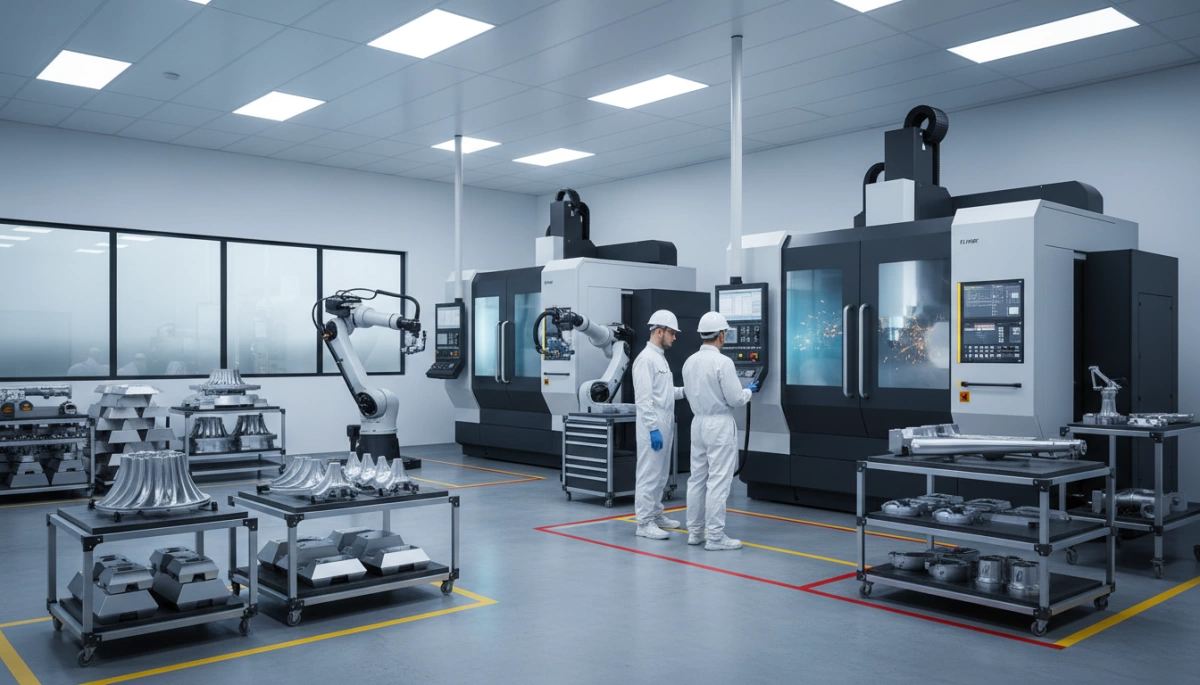
Titanium alloy is the backbone of modern engineering where failure is simply not an option. We provide high-grade materials that meet the rigorous demands of several critical sectors across the United States and globally.
Aerospace & Defense: Airframes and Engines
In the aerospace sector, titanium alloy is indispensable. We supply aerospace-grade alloys like Ti-6Al-4V for structural components, landing gear, and jet engine blades. Its superior high-strength-to-weight ratio allows for significant fuel savings and increased payload capacity without compromising structural integrity.
Medical & Healthcare: Implants and Instruments
Medical grade titanium is the gold standard for human health. We offer Ti-6Al-4V ELI (Extra Low Interstitial) for critical applications:
- Orthopedic Implants: Hip and knee replacements.
- Dental Hardware: Implants, screws, and abutments.
- Surgical Tools: Lightweight, durable instruments.
Its biocompatible metal alloy properties ensure the body does not reject the material while promoting long-term osseointegration.
Chemical & Industrial Processing
For harsh environments, our corrosion-resistant metals excel where others fail. Titanium is the primary choice for heat exchangers and piping systems that handle aggressive acids. Many of our clients utilize these materials alongside our specialized investment casting services to create complex, durable industrial components.
Automotive & Racing: High-Performance Components
We cater to the high-performance racing industry where every ounce matters. Grade 5 Titanium is used for valves, connecting rods, and exhaust systems to reduce reciprocating mass and withstand extreme thermal cycles.
Marine Engineering: Subsea and Desalination
In saltwater environments, most metals succumb to pitting and crevice corrosion. Our titanium alloy components are used in subsea sensors and desalination plants because they are virtually immune to seawater, ensuring a long service life in the most challenging conditions.
Precision Manufacturing & Supply Forms for Titanium Alloy
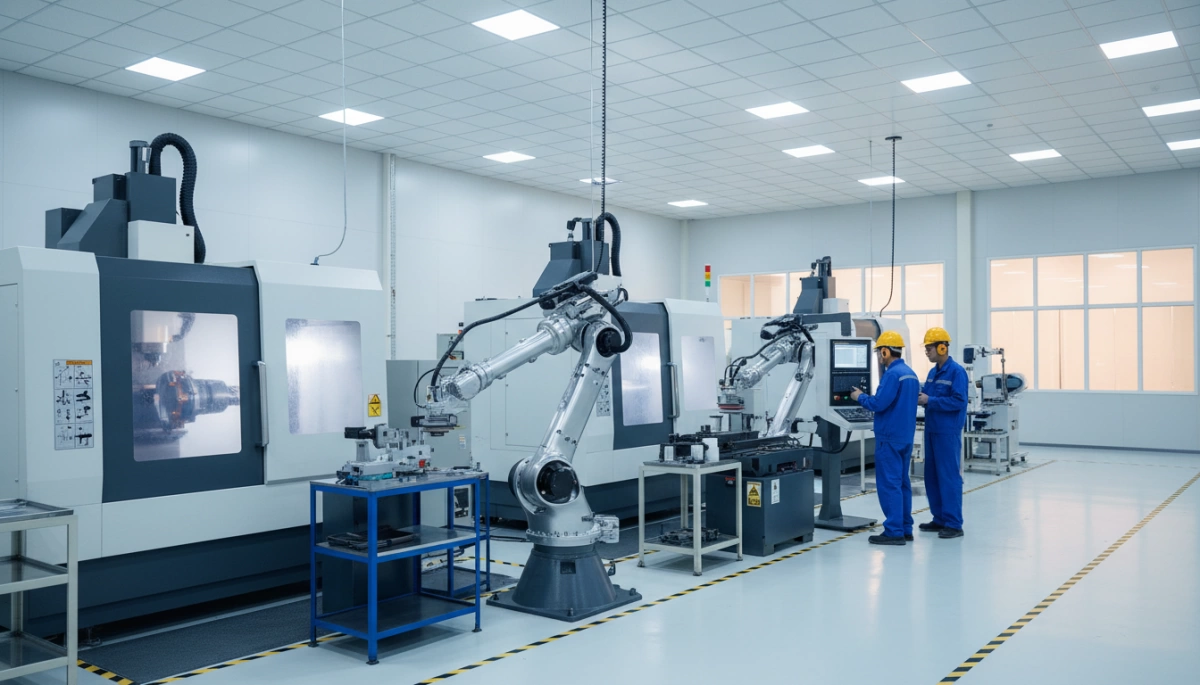
We provide titanium alloy in various mill forms to match your specific production requirements. Whether you need raw material for high-volume manufacturing or semi-finished components, our inventory is stocked to ensure your project stays on schedule.
Available Titanium Alloy Shapes
| Shape | Standard Specifications | Typical Uses |
|---|---|---|
| Titanium Round Bar | ASTM B348 | Fasteners, engine valves, surgical pins |
| Titanium Sheet & Plate | ASTM B265 / AMS 4911 | Aerospace bulkheads, chemical tanks |
| Titanium Tubes | ASTM B338 | Condensers, subsea oil & gas lines |
| Titanium Wire | ASTM B863 | Welding filler, springs, orthodontic braces |
Precision CNC Machining Solutions
Machining titanium alloy requires specialized tooling and rigid setups due to its low thermal conductivity and high strength. We offer full-scale CNC milling and turning services to deliver tight-tolerance components. Our facility handles everything from complex Ti-6Al-4V aerospace parts to intricate medical grade titanium instruments, ensuring every cut meets your exact CAD specifications.
Surface Finishing & Protection
To enhance wear resistance, fatigue life, or aesthetic appeal, we provide several finishing options. While anodizing is the industry standard for color-coding medical tools or increasing lubricity, we also offer specialized surface treatments for diverse industrial needs. For complex assemblies involving multiple metal types, we can coordinate powder coating for investment castings and other protective coatings to ensure consistent durability across your entire product line.
- Anodizing: Increases corrosion resistance and provides color identification.
- Polishing: Achieves mirror-like finishes for medical and consumer goods.
- Sandblasting: Removes scale and prepares the surface for further treatment.
- Passivation: Removes surface contaminants to maximize the natural oxide layer.
Quality Control and Certification for Titanium Alloy
We don’t leave quality to chance. When you source titanium alloy from us, you are getting material that has been vetted through a rigorous multi-stage inspection process. We understand that in industries like aerospace and medical manufacturing, a single flaw can lead to catastrophic failure. That’s why our quality management system is built to exceed standard expectations.
Rigorous Metallurgical Testing
To ensure the internal integrity of every titanium round bar and plate, we employ advanced non-destructive testing (NDT) methods. Our testing suite includes:
- Ultrasonic Testing (UT): Detecting internal cracks, voids, or inclusions that aren’t visible to the naked eye.
- X-ray Inspection: Verifying the structural density and consistency of complex parts.
- Mechanical Property Verification: Confirming that Grade 5 Titanium and other alloys meet specific tensile and yield strength requirements.
For parts requiring complex geometries, our investment casting processes are subjected to these same high-standard metallurgical checks to guarantee that every component is defect-free and ready for high-stress environments.
Full Heat Number Traceability and MTRs
Transparency is the backbone of our supply chain. We provide full heat number traceability for every batch of material.
- Mill Test Reports (MTRs): Every shipment includes detailed documentation covering chemical composition and physical properties.
- Standard Compliance: We ensure all materials strictly adhere to ASTM B348, ASTM B265, and AMS 4911 specifications.
Global Compliance and Standards
Our facilities and partner mills maintain world-class certifications to serve the United States and global markets effectively. We operate under strict ISO 9001 and AS9100 compliance, ensuring that our aerospace-grade alloys and medical grade titanium meet the highest regulatory hurdles. By maintaining these certifications, we guarantee that our titanium alloy products provide the reliability and performance your critical projects demand.
Why Choose PrecisionVast for Titanium Alloy Supply?
We understand that sourcing titanium alloy requires more than just a vendor; it requires a partner who understands the rigorous demands of the aerospace, medical, and defense sectors. We prioritize precision, speed, and technical expertise to ensure your project stays on schedule and within specification.
Global Logistics and Efficient Lead Times
We have optimized our supply chain to provide rapid delivery across the United States and internationally. By maintaining a robust inventory of Grade 5 titanium and CP titanium, we minimize downtime and keep your production lines moving. Our logistics network is built to handle everything from small prototype batches to large-scale industrial shipments.
Expert Technical Support and Engineering Consultation
Our team provides deep metallurgical insight into every order. Whether you need help navigating ASTM B348 specifications or selecting between alpha-beta titanium alloys for high-stress applications, we offer the engineering consultation necessary to make informed decisions. When evaluating material properties for your build, comparing stainless steel vs aluminum often highlights why titanium is the superior choice for weight-sensitive and high-strength projects.
Customization: Tailored Dimensions and Alloy Formulations
We don’t just sell off-the-shelf products. We offer custom dimensions and specific alloy formulations to meet unique project requirements.
| Feature | PrecisionVast Advantage |
|---|---|
| Inventory | Extensive stock of Ti-6Al-4V and Ti-6Al-4V ELI |
| Processing | Custom waterjet cutting, shearing, and centerless grinding |
| Compliance | Full heat number traceability and MTRs provided with every shipment |
| Support | Direct access to material engineers for application advice |
We focus on providing high-strength-to-weight ratio materials like titanium round bar and titanium sheet and plate with the exact tolerances your CNC machining processes require. Our commitment to quality ensures that every piece of aerospace-grade alloy we ship meets the highest industry standards for performance and reliability.
Frequently Asked Questions About Titanium Alloy
We handle a wide range of inquiries from engineers and procurement specialists looking for the best performance from their materials. Here are the direct answers to the most common questions regarding titanium alloy usage and selection.
What is the strongest titanium alloy grade?
For the vast majority of structural applications, Grade 5 Titanium (Ti-6Al-4V) is the strongest and most widely used grade. It is an alpha-beta titanium alloy that offers significantly higher tensile strength than CP titanium. In specialized aerospace-grade alloys, certain heat-treated Beta alloys can achieve even higher strength levels, but Grade 5 remains the industry workhorse for its balance of toughness and fabricability.
How does titanium alloy compare to stainless steel in weight?
A titanium alloy is approximately 45% lighter than stainless steel while maintaining comparable, and often superior, strength. This incredible high-strength-to-weight ratio is the primary reason it is favored in industries utilizing the properties of high-temperature alloys where reducing mass is critical for fuel efficiency or speed, such as in aerospace and high-end automotive racing.
Can titanium alloy be welded easily?
Yes, titanium can be welded, but it requires strict atmospheric control. Because it is a reactive metal, it must be shielded by an inert gas (usually Argon) during the welding process to prevent contamination from oxygen and nitrogen. When these protocols are followed, the resulting welds are exceptionally strong and reliable. We ensure our premium high-temperature alloys ensure consistent results by providing materials with high chemical purity, making the welding process more predictable for your fabrication team.
Why is titanium alloy the preferred choice for medical implants?
Titanium is the gold standard for medical applications due to its status as a biocompatible metal alloy. Specifically, Ti-6Al-4V ELI (Extra Low Interstitial) is used because:
- Osseointegration: It allows bone to bond directly to the implant surface.
- Corrosion Resistance: It is completely immune to attack by body fluids.
- Modulus of Elasticity: It is closer to human bone than stainless steel, reducing the risk of bone degradation around the implant.
Is titanium alloy difficult to machine?
While titanium has a reputation for being tough on tools, modern precision machining techniques have mastered it. Using the right coolant, sharp carbide tools, and rigid setups, we produce complex components from titanium round bar and titanium sheet and plate with tight tolerances. Its low thermal conductivity means heat stays at the cutting edge, so managing speeds and feeds is the key to a perfect finish.

 English
  German