
High Temperature Alloy Casting Custom
- Home
- High Temperature Alloy Casting
Custom High-Temperature Alloy Casting for Extreme Environments
At Precisionvast, we provide advanced high-temperature alloy casting solutions engineered to maintain structural integrity under thermal stress that would compromise standard metals. Our facility specializes in producing high-performance components from superalloys designed for peak reliability in the most demanding industrial sectors.
Engineered for Superior Thermal Performance
Our high-temperature castings are characterized by their exceptional metallurgical properties, ensuring your components thrive in harsh operating conditions:
Exceptional Creep Strength: Resistant to slow deformation under high temperatures and constant mechanical stress.
Superior Oxidation & Corrosion Resistance: Specialized alloy compositions that prevent surface degradation in volatile, high-heat atmospheres.
Thermal Fatigue Resistance: Designed to withstand rapid temperature fluctuations without cracking or structural failure.
Specialized Materials & Superalloys
We work with a diverse portfolio of high-temperature materials tailored to your specific technical requirements:
Nickel-Based Superalloys (e.g., Inconel 718, 625): Ideal for extreme heat and corrosive environments.
Cobalt-Based Alloys: Superior wear resistance and thermal stability at elevated temperatures.
Chromium-Based Alloys: Optimized for applications requiring intense oxidation resistance.
Hastelloy: Renowned for its ability to handle high-stress chemical environments under heat.
Critical Industry Applications
Our custom casting services deliver mission-critical components for global leaders in:
Aerospace & Defense: Turbine blades, combustion chambers, and engine exhaust components.
Energy & Power Generation: Gas turbine parts, heat exchangers, and waste-to-energy system components.
Automotive Engineering: High-performance turbocharger housings and manifold systems.
Oil & Gas Processing: High-heat furnace components and specialized subsea hardware.
Why Choose Precisionvast for High-Temp Alloys?
Precision Investment Casting: We utilize advanced vacuum induction melting (VIM) and specialized ceramic mold technologies to prevent contamination and ensure the purity of superalloys.
Custom Engineering Support: Our team collaborates with you to optimize alloy selection and part geometry for maximum thermal efficiency.
Rigorous Quality Control: Every casting undergoes comprehensive Non-Destructive Testing (NDT) and metallurgical analysis to guarantee compliance with aerospace and energy standards.
All You Need To Know About High Temperature Alloy Casting
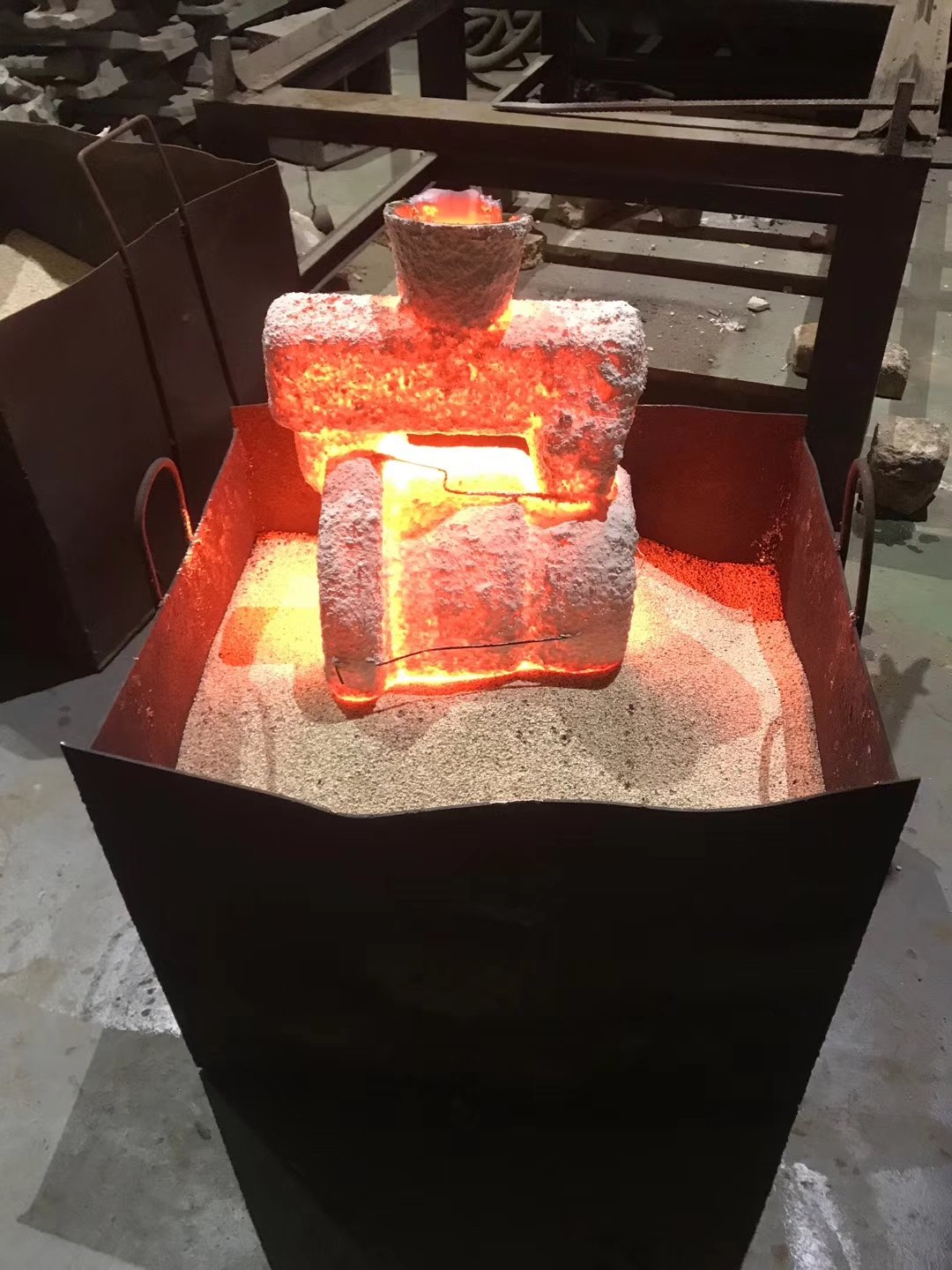
High-Temperature Alloy Casting Manufacturing
In engineering environments where extreme thermal stress is the norm, high-temperature alloy castings (Superalloys) are indispensable. These advanced materials are specifically engineered to maintain structural integrity and mechanical performance at temperatures that would cause standard carbon steels to fail.
Key Performance Advantages
High-temperature alloys offer a unique combination of physical and chemical properties that make them the premier choice for mission-critical components:
Exceptional Specific Strength: These alloys can match or exceed the specific strength of low-carbon steel while significantly reducing weight—a critical factor for high-speed rotating components.
Superior Creep & Rupture Strength: Designed to resist “creep” (the tendency of solid materials to move slowly or deform permanently) under the combined influence of high temperature and mechanical stress.
Advanced Oxidation & Corrosion Resistance: Their specialized chemical composition forms a protective oxide layer, enabling stable, long-term performance in highly corrosive or volatile gas environments.
Thermal Stability: Unlike conventional metals, superalloys retain their tensile strength and ductility even when operating near their melting points.
Engineering Complexity and Precision
Despite their high melting points and challenging metallurgical nature, our precision investment casting process allows for:
High-Complexity Geometries: We support intricate designs, including internal cooling channels and thin-walled structures essential for modern turbine technology.
Dimensional Accuracy: Achieving tight tolerances and fine surface details that reduce the need for extensive secondary machining.
Durability in Intricate Details: Ensuring that even the smallest features of a component maintain their strength under extreme heat.
Primary Industrial Applications
Due to their robust physical properties, high-temperature superalloys are widely utilized in:
Aerospace: Jet engine combustion chambers, turbine blades, and exhaust nozzles.
Power Generation: Industrial gas turbines and heat recovery steam generators.
Chemical & Petrochemical Processing: High-heat reactor internals and specialized piping for aggressive media.
Five Reasons to Choose High-Temperature Alloys in Casting Processes
Diverse High-Temperature Alloy Casting Products
High-Temperature Alloy Casting Process
High-Temperature Alloy Casting Applications
Advantages and Disadvantages of High-Temperature Alloy
High-Temperature Alloy Casting Process
Silica Sol Investment Casting for High-Temperature Superalloys
At Precisionvast, we utilize the Silica Sol process—the premium tier of the lost wax investment casting method—to manufacture high-temperature alloy components. This sophisticated technique is renowned for its ability to produce castings with exceptional dimensional stability, intricate internal geometries, and world-class surface integrity.
The Silica Sol Process Advantage
Unlike traditional water glass casting, the silica sol method offers distinct technical benefits for high-performance superalloys:
Exceptional Surface Finish: We consistently achieve surface roughness levels of Ra 3.2μm to Ra 6.3μm, significantly reducing or eliminating the need for secondary polishing.
Precision Tolerances: The silica sol shell is incredibly stable during the pouring of molten superalloys, allowing us to maintain tight linear tolerances (typically ISO 8062 CT4-CT6).
Complex Geometries: The fine-grained nature of silica sol material enables the mold to capture ultra-fine details and thin-walled structures essential for aerospace and energy components.
Metallurgical Purity: The high-refractory nature of the silica sol shell prevents mold-metal reactions, ensuring the chemical purity and mechanical properties of high-temperature alloys are preserved.
Step-by-Step Precision Engineering
Our silica sol casting workflow is optimized for quality and repeatability:
Precision Wax Patterning: High-accuracy wax injections based on meticulous CAD designs.
Multilayer Shell Building: We create a robust ceramic shell using high-grade silica sol as the binder, ensuring maximum thermal shock resistance.
Vacuum Melting & Pouring: Molten high-temperature alloys are poured under controlled conditions to ensure complete mold filling without internal porosity.
Shell Removal & Finishing: After cooling, the shell is removed to reveal a near-net-shape casting with remarkable detail.
Applications for High-Precision Components
This method is the preferred choice for fabricating intricate parts that demand high endurance and smooth finishes, including:
Gas Turbine Blades & Vanes
Aerospace Engine Components
Turbocharger Impellers
High-Heat Valve & Pump Internals
Advantages of High-Temperature Alloy Casting
High-temperature alloys maintain strength and stability at temperatures where most other materials fail.
They offer excellent resistance to oxidation and corrosion, even in extreme environments.
Due to their durability, these alloys have a longer lifespan, reducing the need for frequent replacements.
High-temperature alloys possess superior mechanical properties, including high tensile strength and toughness.
Ideal for use in demanding sectors like aerospace, automotive, and energy, where high performance under stress is required.
Disadvantages of High-Temperature Alloy Casting
The complex composition and processing of these alloys make them more expensive than standard materials.
Their hardness and strength can make machining and forming more challenging and time-consuming.
Some high-temperature alloys can be less readily available due to specialized production processes.
Certain high-temperature alloys can be heavier, which might be a disadvantage in applications where weight is a critical factor.
Producing high-temperature alloys often involves intricate and advanced manufacturing processes, requiring specialized equipment and expertise.
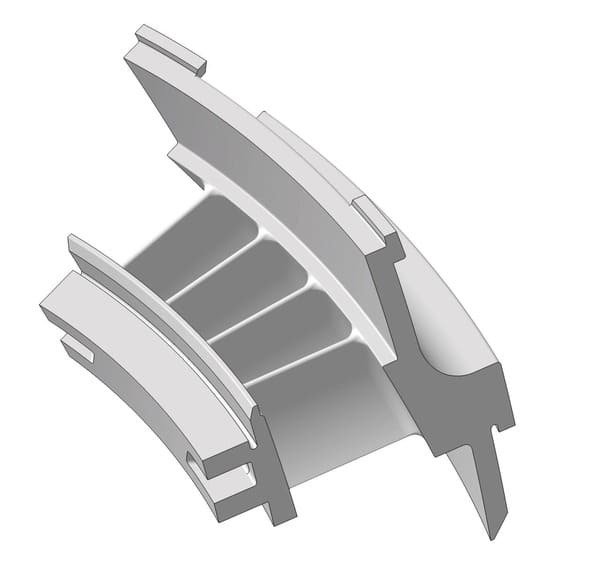
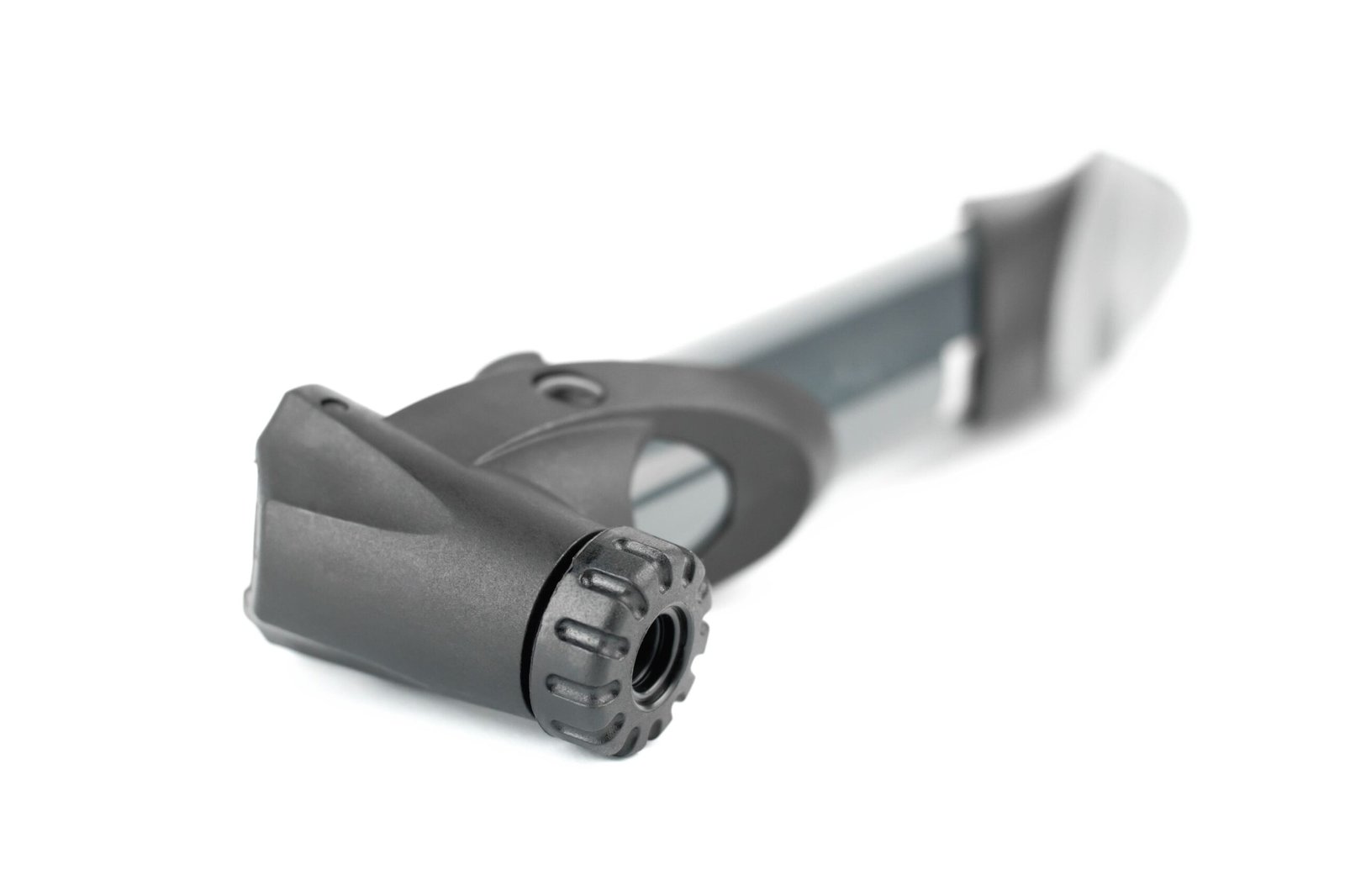


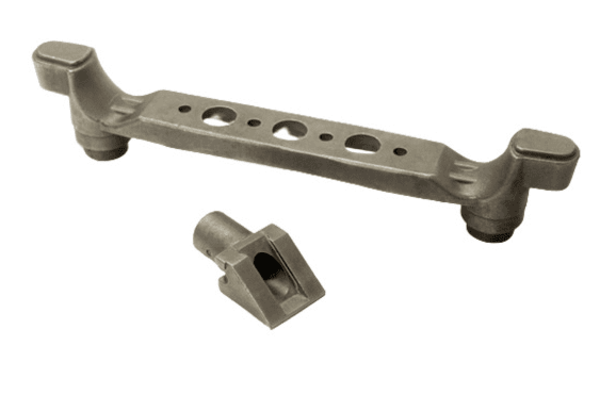
Applications of High-Temperature Alloy Casting in Various Industries
- Engine components: exhaust manifolds, turbocharger systems, and engine valves, which require materials that can withstand high temperatures and corrosive environments.
- Brake systems: brake discs and components for high-performance vehicles, where heat resistance is crucial.
- Support structures: beams and frames in high-temperature areas, like near furnaces or industrial ovens.
- Fasteners and connectors: used in environments exposed to high temperatures or corrosive materials.
- Engine components: parts of ship engines that are exposed to high temperatures and saline environments.
- Propulsion systems: turbine blades and shafts that require high strength and corrosion resistance in marine settings.
- High-pressure valves and pumps: components that need to endure high temperatures and pressures, commonly found in industrial and chemical processing plants.
- Turbine components: used in hydroelectric and marine turbines, requiring materials that can resist temperature fluctuations and corrosion.
- Surgical instruments: tools used in high-temperature sterilization processes.
- Implants and prosthetics: components that need to withstand body temperatures and potential chemical reactions within the body.
Five Reasons to Choose High-Temperature Alloys in Casting Processes
Key Performance Advantages of High-Temperature Superalloys
In advanced manufacturing, high-temperature alloys (Superalloys) are the premier choice for environments where conventional metals fail. At Precisionvast, we leverage these materials to ensure your critical components deliver peak performance under extreme thermal and chemical stress.
1. Superior Thermal Stability & Heat Resistance
Unlike standard steels, high-temperature alloys are engineered to maintain their microstructural integrity at temperatures exceeding $800^\circ\text{C}$.
No Structural Softening: They resist deformation and maintain load-bearing capabilities in extreme heat environments like engine combustion chambers.
Phase Stability: The unique metallurgical composition prevents grain growth and phase transformation during prolonged thermal exposure.
2. Advanced Oxidation & Chemical Corrosion Resistance
In harsh environments, surface degradation is a constant threat. High-temperature alloys provide a dual layer of protection:
Self-Healing Oxide Layers: Many superalloys form a protective chromium or aluminum oxide skin that prevents further atmospheric attack.
Corrosive Gas Resistance: Ideal for applications involving exposure to hot exhaust gases, sulfurous environments, and aggressive industrial chemicals.
3. Exceptional Creep Strength & Mechanical Durability
One of the most critical traits of these alloys is their creep resistance—the ability to resist slow, permanent deformation under high stress and heat.
High Fatigue Life: These materials withstand cyclic thermal loading, significantly extending the operational lifespan of rotating parts like turbine impellers.
Reduced Maintenance Costs: The inherent durability reduces the frequency of replacements, offering a lower Total Cost of Ownership (TCO).
4. High Strength-to-Weight Ratio at Elevated Temperatures
High-temperature alloys provide superior mechanical properties (toughness and tensile strength) without the bulk of traditional heavy metals.
Toughness: They remain ductile enough to resist brittle fractures while being hard enough to withstand abrasive wear.
Structural Reliability: Crucial for safety-critical components in the aerospace and energy sectors.
5. Essential for High-End Industrial Applications
The versatility of high-temperature alloys makes them indispensable in the “Big Three” high-tech sectors:
Aerospace: Jet engines, turbine blades, and structural fasteners.
Energy & Power: Gas turbines, nuclear reactor components, and heat exchangers.
Automotive: High-performance turbocharger housings and exhaust valves.
High-Temperature Alloys Casting Manufacturer & Exporter
Leading High-Temperature Superalloy Casting Manufacturer & Exporter in China
As a prominent high-temperature alloy casting manufacturer based in China, Precisionvast delivers world-class components to global industries that demand unyielding performance. We specialize in casting a diverse array of superalloys, customized to precise chemical compositions to meet the most stringent international standards.
Expert Customization and Metallurgical Precision
With decades of experience in the investment casting (lost wax) process, we provide highly specialized solutions for high-heat applications:
Tailored Alloy Compositions: We cast premium grades, including Inconel, Hastelloy, and Cobalt-based alloys, optimized for specific thermal and mechanical stress profiles.
Precise Tolerances: Our casting techniques achieve near-net-shape dimensions, significantly reducing material waste and ensuring cost efficiency for complex aerospace and energy components.
Superior Surface Integrity: Utilizing the silica sol process to ensure the smooth finishes required for high-velocity fluid environments.
Integrated One-Stop Manufacturing Solutions
Precisionvast eliminates supply chain complexity by offering a fully integrated CNC workshop and quality control suite:
Precision Machining: Advanced 5-axis CNC centers capable of handling the high hardness and low machinability of superalloys.
Specialized Heat Treatment: Vacuum heat treatment and solution annealing to optimize the creep strength and grain structure of the casting.
Non-Destructive Testing (NDT): Comprehensive verification using X-ray, Ultrasonic (UT), and Fluorescent Penetrant Inspection (FPI) to ensure zero-defect reliability in safety-critical parts.
Meticulous Assembly: Final integration of cast components into complete industrial sub-assemblies.
Strategic Material Selection for Your Project
Choosing the right high-temperature alloy requires balancing several critical engineering factors. Our technical team assists you in evaluating:
Mechanical Strength at Elevated Temperatures: Selecting alloys that maintain high yield strength under thermal load.
Oxidation & Corrosion Resistance: Ensuring longevity in aggressive chemical or exhaust gas environments.
Weldability & Machinability: Assessing the ease of post-casting fabrication and integration.
Thermal Fatigue Resistance: Durability under cyclic temperature fluctuations.
Partner with Precisionvast for High-Heat Engineering
Enhance your product’s reliability with a partner who understands the complexities of superalloy casting. Whether you are developing components for jet engines, industrial turbines, or high-performance automotive systems, Precisionvast is your trusted source for quality and innovation.
 English
  German