

Why is it called stainless steel Learn chromium passive layer history plus precisionvast stainless steel investment casting 304 vs 316L specs.
Why Is Stainless Steel Called Stainless? The Science Behind the Name
When you invest in high-performance hardware, you expect it to last. That is why stainless steel is the backbone of modern manufacturing. But where does the name come from, and why does it live up to the hype?
The Origin of the Name
In the early 20th century, metallurgists discovered that adding chromium to iron created a metal that successfully resisted rust and discoloration. Originally dubbed “rustless steel,” the term stainless steel stuck because the metal literally “stained less” than traditional carbon steel when exposed to water, acids, and harsh industrial environments. It was a revolutionary leap forward for industrial metal oxidation prevention.
The Core Metallurgy
At its core, stainless steel is a ferrous alloy, but its superpower comes from its specific chemical recipe. We engineered our alloys to move past the limitations of standard iron and carbon by introducing critical elements that alter the material’s molecular behavior.
- Chromium (Minimum 10.5%): The non-negotiable ingredient that prevents rust.
- Nickel: Enhances structural strength and improves resistance to extreme temperatures.
- Molybdenum: Added to premium grades to fight off severe chemical and saltwater pitting.
By precisely balancing this metallurgy, we ensure our raw materials form an invisible, protective shield right at the surface, giving the steel its famous “stainless” properties from the inside out.
What Makes Stainless Steel “Stainless”? The Passive Layer Explained
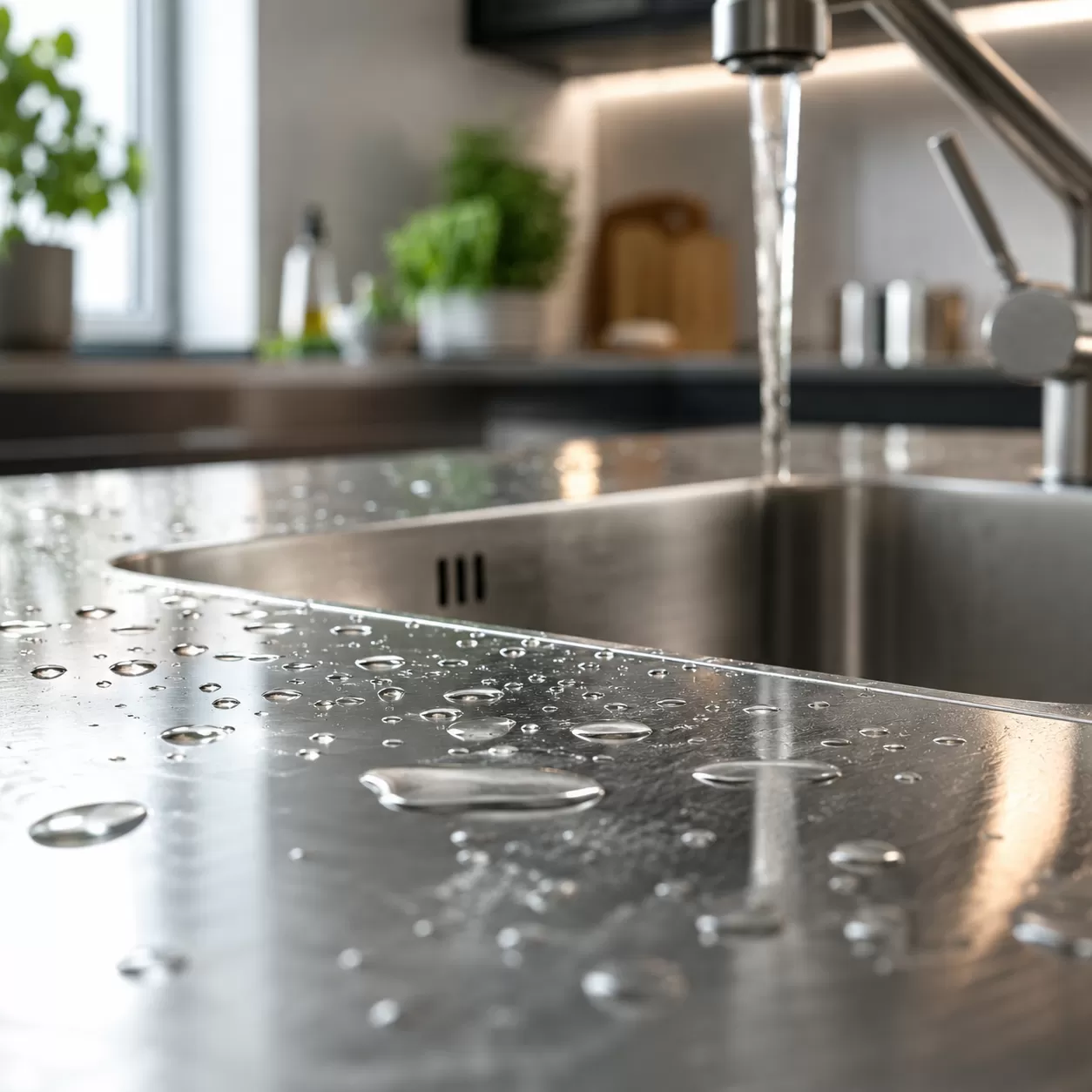
The secret behind why it is called stainless steel lies in an invisible, microscopic shield known as the chromium oxide passive layer. Unlike standard carbon steel that reacts with oxygen to form destructive rust, stainless steel utilizes a smart metallurgical defense system to keep the underlying metal pristine.
The Chromium Reaction
For a ferrous alloy to earn the “stainless” title, it must contain a minimum of 10.5% chromium. When exposed to oxygen—even the tiny amount present in air or water—the chromium reacts instantly. Instead of scaling or flaking away like iron oxide (rust), it forms an ultra-thin, tightly adherent oxide film across the entire surface of the metal. This barrier halts industrial metal oxidation prevention in its tracks, blocking oxygen and moisture from reaching the vulnerable iron beneath.
Self-Healing Mechanism
What makes this material truly remarkable is its ability to repair itself on the fly. If the surface is scratched, machined, or abraded, the exposed chromium immediately reacts with the ambient oxygen to reform the chromium oxide passive layer. This automatic self-healing mechanism ensures continuous metal pitting resistance, keeping the component protected without requiring secondary coatings or paints.
To maximize this defense in highly demanding environments, we utilize advanced innovations in lost wax casting to deliver premium precision components with uniform material distribution and optimal surface integrity right out of the mold.
The Iron-Carbon-Alloy Balance
Achieving the perfect balance between corrosion resistance and mechanical strength comes down to the precise iron-carbon-alloy balance. While carbon provides the necessary hardness and tensile strength for structural integrity, too much of it can disrupt the chromium’s performance. By carefully balancing these elements with targeted additions of nickel and molybdenum, we stabilize the microstructures of our austenitic stainless steel grades, ensuring the metal remains ductile, tough, and highly resilient against environmental degradation.
Common Materials & Grade Specifications at precisionvast
We manufacture high-performance components tailored to the strict demands of US industrial applications. Choosing the right alloy ensures your parts deliver maximum longevity and optimal performance. When selecting the right material, it helps to understand what is the best casting steel for your specific operating environment.
Austenitic Alloys (300 Series)
Austenitic stainless steel grades are the workhorses of the modern manufacturing sector. Known for excellent formability and superior corrosion resistance, these alloys are non-magnetic in their annealed state.
- Grade 304: The standard “18/8” stainless steel. It is highly versatile and ideal for food processing, architectural trim, and general consumer goods.
- Grade 316 / 316L: Formulated with added molybdenum to boost metal pitting resistance. This grade is the premier choice for marine hardware, chemical processing, and rugged outdoor environments.
Duplex and Martensitic Alternatives
When applications require specialized mechanical properties, we utilize advanced alternative alloys to meet strict engineering specifications.
- Duplex Stainless Steel: Combines the best traits of austenitic and ferritic steels. It offers twice the strength of standard 300-series alloys alongside exceptional resistance to stress corrosion cracking.
- Martensitic Alloys (400 Series): High-carbon, high-chromium alloys that can be heat-treated for extreme hardness and wear resistance. Ideal for cutting tools, aerospace valves, and structural parts.
Alloy Composition Reference Table
| Alloy Grade | Chromium (Cr) % | Nickel (Ni) % | Molybdenum (Mo) % | Primary Benefit |
|---|---|---|---|---|
| 304 | 18.0 – 20.0 | 8.0 – 10.5 | — | Excellent general corrosion resistance |
| 316L | 16.0 – 18.0 | 10.0 – 14.0 | 2.0 – 3.0 | Superior pitting and chloride resistance |
| Duplex 2205 | 22.0 – 23.0 | 4.5 – 6.5 | 3.0 – 3.5 | Ultra-high strength & stress cracking resistance |
| 410 (Martensitic) | 11.5 – 13.5 | 0.75 (max) | — | High hardness, wear resistance, and strength |
Why Stainless Steel Can Still “Stain” (Industrial Realities)
While the name implies perfection, “stainless” steel is actually stain-less, not stain-proof. In heavy industrial applications, maintaining this corrosion-resistant steel (CRES) requires an understanding of the environments that can break down its protective properties.
Extreme Chemical Environments
The chromium oxide passive layer is incredibly resilient, but it has limits. High-chloride environments—such as marine exposure or heavy exposure to industrial bleaching agents—can aggressively attack the metal surface. This localized breakdown leads to metal pitting resistance failure, causing deep, localized pits or stress corrosion cracking. High temperatures combined with acidic chemical exposure will accelerate this degradation, stripping away the protective layer faster than it can reform.
Surface Contamination
During manufacturing, machining, or handling, microscopic particles of free iron can become embedded in the surface of the steel. If left untreated, these carbon steel particles will rust when exposed to air and moisture, creating unsightly red blooms. This is not the stainless steel itself rusting, but rather surface contamination masking the high-purity alloy underneath. For operations utilizing varied casting methods, keeping production lines separate is critical to prevent this cross-contamination; for instance, understanding the basics of iron casting highlights how easily free iron can transfer to corrosion-resistant alloys if handling protocols aren’t strictly managed.
Mitigation through Post-Processing
To ensure long-term industrial metal oxidation prevention, specific post-casting treatments are mandatory:
- Pickling: An acid treatment that removes heat tint, scale, and embedded iron contaminants from the surface.
- Passivation process metallurgy: An acid bath (typically nitric or citric acid) that selectively removes free iron from the surface, artificially boosting the formation of the dense, protective chromium oxide film.
- Electropolishing: An electrochemical process that removes a microscopic layer of material, smoothing the surface to eliminate microscopic crevices where chlorides can gather.
Precision Stainless Steel Investment Casting Capabilities
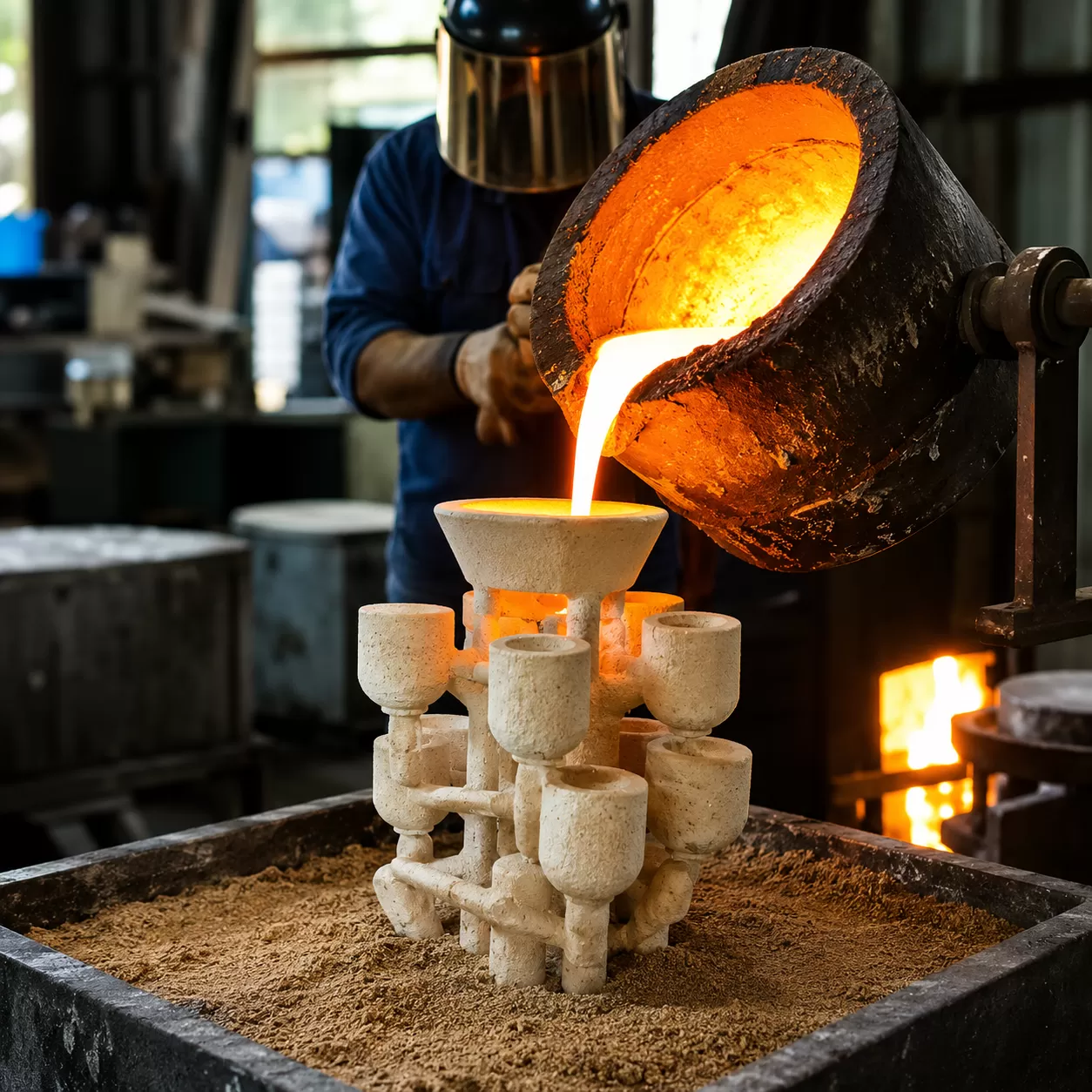
At our foundry, we don’t just pour metal; we engineer reliability. Our stainless steel investment casting capabilities are designed to meet the rigorous standards of the United States industrial market. By leveraging the high-purity silica sol casting technique, we ensure that every component reflects the superior corrosion resistance the “stainless” name promises.
The Silica Sol Process Advantage
We prioritize the silica sol process because it offers a level of precision that traditional sand casting simply can’t touch. This “lost wax” method allows us to maintain strict alloy composition control, resulting in a smoother surface finish and tighter dimensional tolerances. For our clients, this means less secondary machining and a faster path from prototype to production.
Complex Geometries for Demanding Sectors
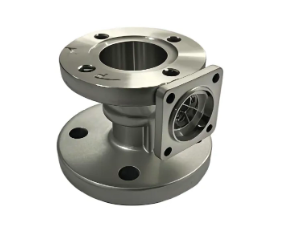
Whether you are in aerospace, medical, or food processing, your components often require intricate internal features. Our expertise allows us to cast complex geometries that remain structurally sound. We specialize in:
- Thin-walled sections without compromising strength.
- Intricate internal cooling channels or fluid paths.
- Net-shape components that reduce material waste.
Mechanical Integrity and Reliability
Every part we produce undergoes rigorous testing to ensure its mechanical integrity. From grain structure analysis to pressure testing, we verify that our high-chromium alloys perform under stress. If you are looking to scale your production, knowing how to find a reliable OEM carbon steel precision casting factory or a stainless specialist is the first step toward securing a resilient supply chain. We provide the material traceability required for high-stakes American infrastructure and industrial applications.
Frequently Asked Questions (FAQ)
Is stainless steel completely rust-proof?
No, it is not completely rust-proof. While it offers exceptional corrosion resistance, “stainless” does not mean “never stains.” Under extreme conditions—such as prolonged exposure to harsh chemicals, saltwater, or high-salinity environments—the protective chromium oxide passive layer can break down. When this happens, metal pitting resistance is compromised, leading to localized rust. Proper grade selection and routine maintenance are essential to keep the metal pristine.
What is the difference between Inox and stainless steel?
There is no difference in the material itself. Inox steel is simply the term used in many European countries, derived from the French word inoxydable, which translates to in-oxidizable or rustless steel. In the United States market, we universally call it stainless steel. Both terms describe the exact same high-chromium alloy family known for resisting industrial metal oxidation.
Why are some stainless steel components magnetic while others are not?
Magnetism depends entirely on the atomic structure of the specific alloy composition. Austenitic stainless steel grades (like 304 and 316) contain nickel, which alters their crystal structure and makes them non-magnetic in their raw state. On the flip side, ferritic and martensitic grades rely on a different internal balance that makes them naturally magnetic. Sometimes, non-magnetic parts can gain slight magnetism after undergoing intense machining or cold-working processes.
How does precisionvast ensure material traceability and alloy purity?
At precisionvast, we back every production run with strict quality control protocols. Our foundry utilizes advanced spectrometer testing to verify the exact 304 vs 316L chemical composition before pouring any molds. For clients managing demanding industrial projects, we ensure full material traceability from raw ingot to final component. If you are also sourcing foundational steel parts, our team handles strict quality standards across all lines, which you can review in our guide on carbon steel castings to see how we maintain industrial-grade material integrity.
 English
  German