

Why Choose Sand Casting? Key Manufacturing Benefits
At Precision Vast, we work with engineers daily who need a balance between cost, speed, and structural integrity. The primary advantages of sand casting lie in its adaptability. Whether you are developing a new prototype or running a small batch of heavy industrial parts, this process offers a practical solution that high-pressure die casting simply cannot match. We provide a direct-from-factory solution in Ningbo that leverages these benefits to keep your supply chain efficient.
Low Tooling & Setup Costs for Prototyping
One of the biggest hurdles in metal manufacturing is the initial investment. Foundry tooling costs for sand casting are significantly lower than other methods. Because we create patterns from wood, plastic, or metal rather than machining hardened steel dies, the entry cost is minimal.
- Rapid Prototyping Casting: We can modify patterns quickly, allowing for design changes without scrapping expensive tooling.
- Cost Efficiency: Ideal for low-to-medium volume production runs where high die costs would kill the project ROI.
Unmatched Material Versatility (Ferrous & Non-Ferrous)
Few manufacturing processes can handle the sheer variety of alloys that we pour. Our facility is equipped to handle both ferrous metal casting and non-ferrous alloys in a single location. This flexibility allows you to select the exact material grade required for mechanical performance without process limitations.
Materials we cast include:
- Iron: Grey Iron (GG20-GG30) and Ductile Iron (GGG40-GGG60).
- Steel: Carbon Steel, Alloy Steel, and Stainless Steel.
- Non-Ferrous: Aluminum Alloys and Copper Alloys.
Design Flexibility & Size Scalability
Sand casting frees you from the strict design constraints of other methods. We can produce complex geometries with internal cavities using cores, achieving near net shape manufacturing results.
Our Scalability Capabilities:
- Weight Range: We cast components from as light as 0.1kg up to massive 10,000kg (10 tons) parts.
- Complexity: Capable of intricate internal structures that are impossible to machine from a solid block.
Short Lead Times vs Hard Tooling
Time is money. Creating a sand mold is a much faster process than machining complex metal dies. By utilizing resin sand casting or green sand molding, we significantly reduce the time from design to the first poured part. This speed advantage is critical for industries like agricultural machinery and oil & gas, where replacement parts or new builds are needed urgently.
Sand Casting Technical Parameters
At Precision Vast, we engineer parts that meet rigorous industrial standards. Understanding the technical boundaries ensures your design moves from print to production without costly revisions. We leverage advanced resin sand casting and pre-coated sand processes to deliver components that balance structural integrity with manufacturing feasibility.
Supported Materials: Steel, Iron, Aluminum
One of the primary advantages of sand casting is the sheer variety of alloys we can pour in a single facility. Unlike other methods restricted by melting points or flow rates, our foundry handles a comprehensive range of ferrous metal casting and non-ferrous options.
- Iron: We produce high-strength Grey Iron (GG20, GG25, GG30) and ductile iron casting grades (GGG40, GGG50, GGG60) ideal for heavy-duty automotive and agricultural applications.
- Steel: Our capabilities include versatile carbon steel casting, alloy steel, and stainless steel for parts requiring high tensile strength.
- Non-Ferrous: We also cast aluminum and copper alloys for lightweight or corrosion-resistant components.
Surface Finish (Ra) Realities
It is important to have realistic expectations regarding the casting surface finish (RMS). Sand casting naturally produces a textured surface due to the silica sand molds. Our process typically achieves a surface roughness between Ra 6.3 and Ra 25. While this finish is acceptable for engine blocks, valve bodies, and structural housings, mating surfaces will require secondary processing. We offer integrated CNC machining castings services to grind and mill specific areas to precise smoothness while keeping the rest of the part as-cast to save costs.
Standard Tolerances and Machining Allowances
We adhere strictly to ISO 8062 standards for dimensional accuracy. While we aim for near net shape manufacturing, sand casting requires specific machining allowances to ensure the final part meets your exact specifications after cleanup.
| Parameter | Specification |
|---|---|
| Dimensional Tolerance | ISO 8062 CT7 to CT13 |
| Weight Capacity | 0.1kg up to 10,000kg (10 tons) |
| Surface Roughness | Ra 6.3 – Ra 25 |
| Testing Methods | CMM, Spectrometer, X-ray, Magnetic Particle Inspection |
By controlling these parameters in-house—from the initial pour to the final inspection—we ensure that every component, whether a 10-ton base or a small bracket, meets global quality benchmarks.
Is Sand Casting Right for Your Project? (Comparison Guide)
At Precision Vast, we operate a one-stop facility in Ningbo that handles both sand casting and investment casting. Since we offer both solutions, we don’t need to push you toward a method that doesn’t fit your design. Choosing between these processes usually comes down to three factors: part size, required precision, and budget.
When to Stick with Sand Casting
Sand casting is the workhorse of the foundry industry. It is generally the best choice when your project involves heavy components or requires lower upfront costs.
- Massive Scalability: If you need parts ranging from 0.1kg up to 10,000kg (10 tons), sand casting is the only viable option. Investment casting cannot handle large industrial machinery parts like engine blocks or heavy valve bodies.
- Lower Tooling Costs: Foundry tooling costs for sand casting are significantly lower than the metal dies required for investment casting. This makes it ideal for lower production volumes or projects where design changes are likely.
- Material Versatility: We can pour a massive range of ferrous and non-ferrous metals, including grey iron, ductile iron, and specialized top heat-resistant metals for extreme temperature use.
When to Switch to Investment Casting
While the advantages of sand casting are clear for heavy-duty applications, investment casting (lost wax) is superior for intricate, small components. You should consider switching if:
- Tight Tolerances are Critical: If your design demands near net shape manufacturing with minimal machining, investment casting offers tighter linear tolerances.
- Surface Finish Matters: For parts requiring a smooth aesthetic or flow surface (like food machinery or medical devices) without secondary polishing, investment casting provides a much finer finish than the typical Ra 6.3–25 of sand casting.
- Thin Walls & Complex Details: If your part has complex internal passageways or extremely thin walls that sand molds cannot support, investment casting is the safer bet.
Comparison Table: Cost vs. Precision vs. Finish
Here is a quick breakdown of investment casting vs sand casting based on our production standards.
| Feature | Sand Casting (Resin/Pre-coated) | Investment Casting |
|---|---|---|
| Primary Benefit | Low tooling cost & large size capacity | High precision & smooth finish |
| Part Weight Range | 0.1kg – 10,000kg | Typically under 100kg |
| Dimensional Tolerance | ISO 8062 CT7 – CT13 | ISO 8062 CT4 – CT6 |
| Surface Roughness (Ra) | 6.3 – 25 μm | 1.6 – 6.3 μm |
| Tooling Cost | Low (Wood/Metal/Plastic patterns) | High (Aluminum dies) |
| Production Speed | Fast setup, shorter lead times | Longer cycle times |
We often combine these methods with our in-house CNC machining to give you the best of both worlds: the cost savings of sand casting with the precision of machined surfaces where it counts.
Industries Benefiting from Sand Casting
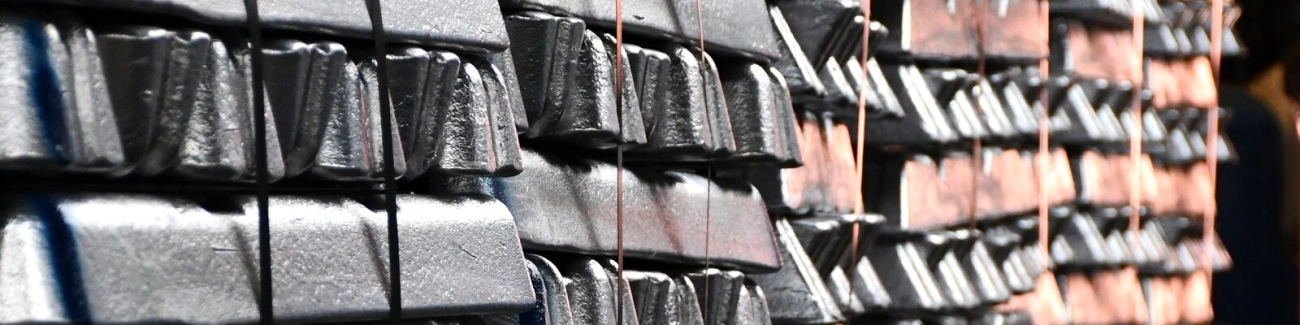
Sand casting remains the dominant manufacturing method for sectors requiring heavy-duty, large-scale metal components. At Precision Vast, our ability to cast parts weighing anywhere from 0.1kg to 10,000kg allows us to serve a diverse range of industrial applications directly from our Ningbo facility.
Automotive Engine Blocks & Transmission Cases
The automotive industry relies heavily on sand casting for producing high-strength engine blocks, cylinder heads, and transmission cases. Our resin sand molding process is ideal for these complex geometries, providing the necessary thermal conductivity and vibration damping properties found in grey and ductile iron.
Heavy Machinery & Agricultural Equipment
For the construction and agriculture sectors, durability is non-negotiable. We manufacture robust components like tractor axles, excavator counterweights, and gearbox housings. Ferrous metal casting allows us to produce these massive parts cost-effectively, ensuring they withstand extreme operational stress in the field.
Pump & Valve Bodies
In the oil, gas, and water treatment industries, sand casting is the standard for creating large pump casings and valve bodies. We cast these in various grades of carbon and alloy steel to meet specific pressure and corrosion requirements. While we utilize stainless steel investment casting for smaller, high-precision valves, sand casting is the go-to choice for larger fluid handling components that demand structural integrity.
Marine Hardware & Anchors
The marine industry demands parts that resist harsh saltwater environments. We produce ship anchors, deck hardware, and propellers using corrosion-resistant materials. This often involves copper alloys, where understanding the properties of conductive materials like copper ensures we deliver parts that offer both longevity and performance in marine settings.
From Pattern to Part: Our Casting Workflow
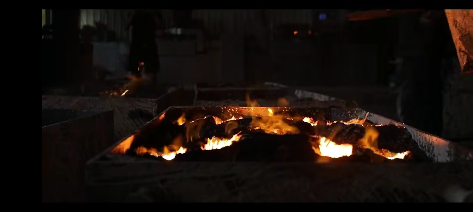
At Precision Vast, we streamline the manufacturing process to maximize the advantages of sand casting for our clients. By managing every step from our Ningbo facility, we ensure that even the most complex geometries meet strict ISO 9001:2015 standards. Here is how we transform raw concepts into finished industrial components.
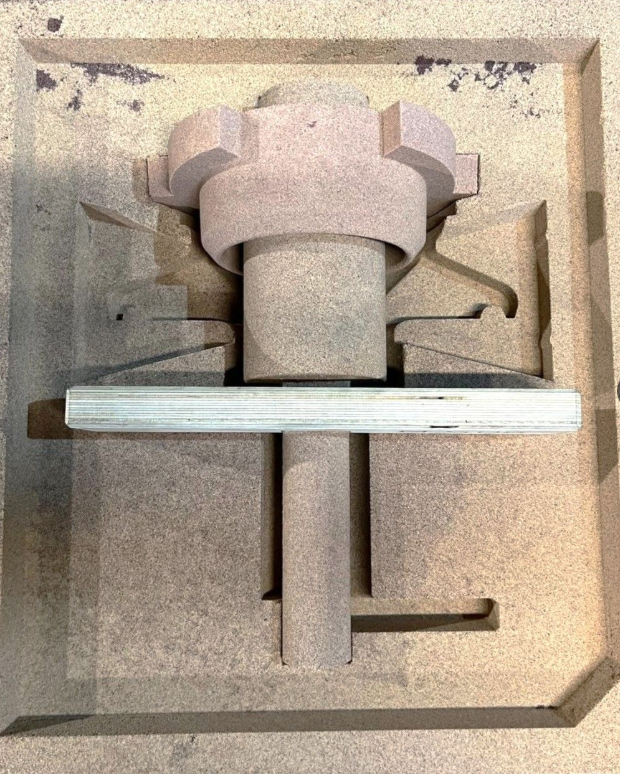
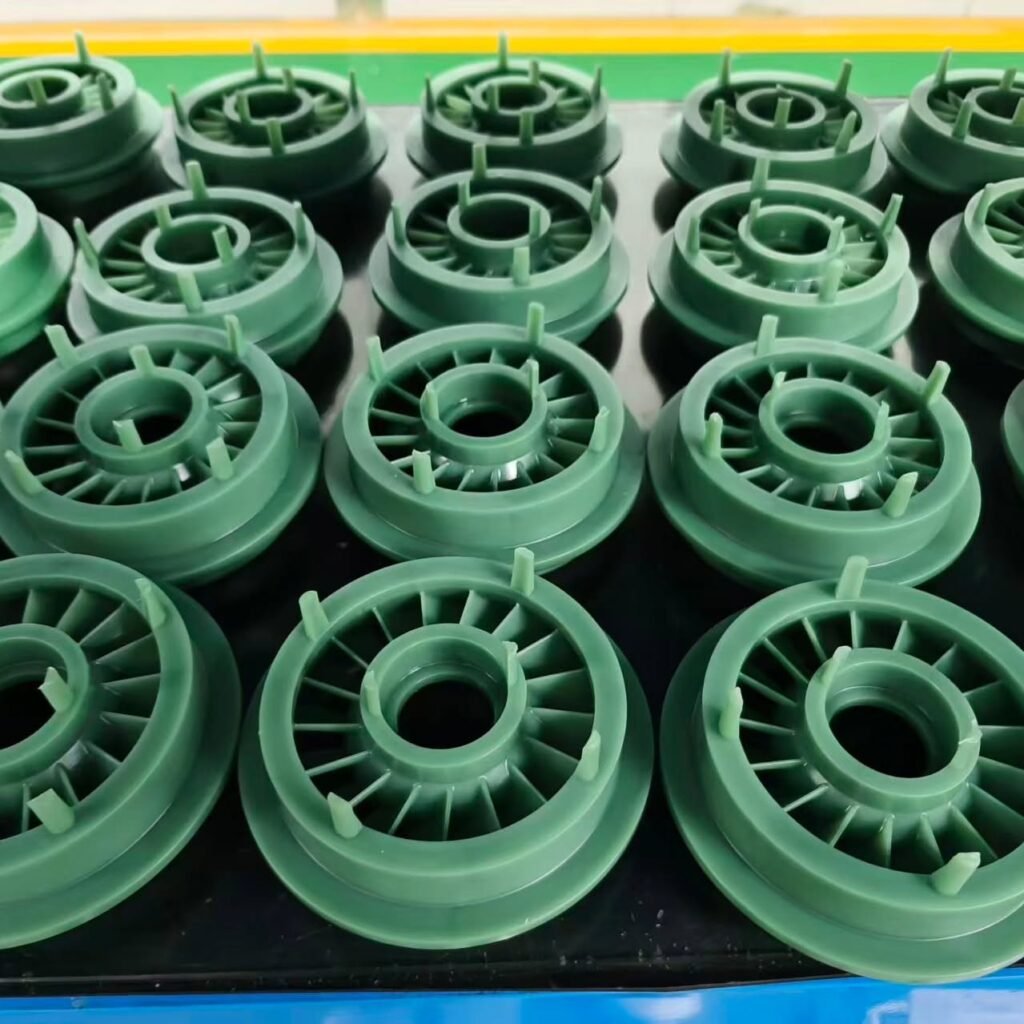
Pattern Making: Wood, Metal, or Plastic
The process begins with creating a replica of the final part, known as a pattern. We select the pattern material based on your production volume and budget:
- Wood: Ideal for low-volume runs and rapid prototyping due to lower foundry tooling costs.
- Resin/Plastic: Offers a balance between durability and cost for medium runs.
- Metal (Aluminum/Steel): Used for high-volume production where long-term durability and tight tolerances are required.
Mold Preparation: Green Sand vs. Resin Sand
Once the pattern is ready, we create the mold. While green sand molding is common in the industry for simpler parts, we specialize in Resin Sand Casting (No-bake casting) and Pre-coated Sand Casting.
- Resin Sand: Uses a chemical binder to harden the sand, providing superior dimensional accuracy and a smoother surface finish compared to traditional green sand.
- Flexibility: This method allows us to handle parts ranging from 0.1kg up to 10,000kg, ensuring structural integrity for massive components.
Pouring, Cooling, and Shakeout
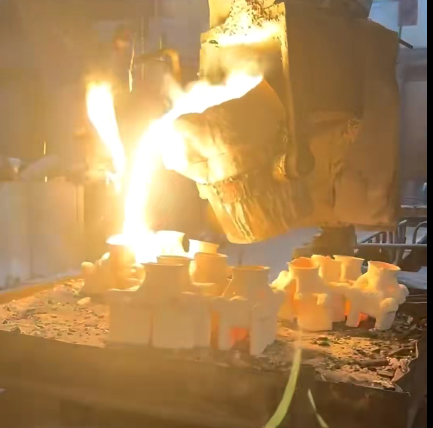
We melt the selected alloy—whether it is grey iron, stainless steel, or carbon steel casting—and pour it into the cavity.
- Pouring: Controlled temperatures prevent defects like porosity.
- Cooling: The metal solidifies within the silica sand molds.
- Shakeout: Once cooled, the sand is vibrated away, revealing the rough casting.
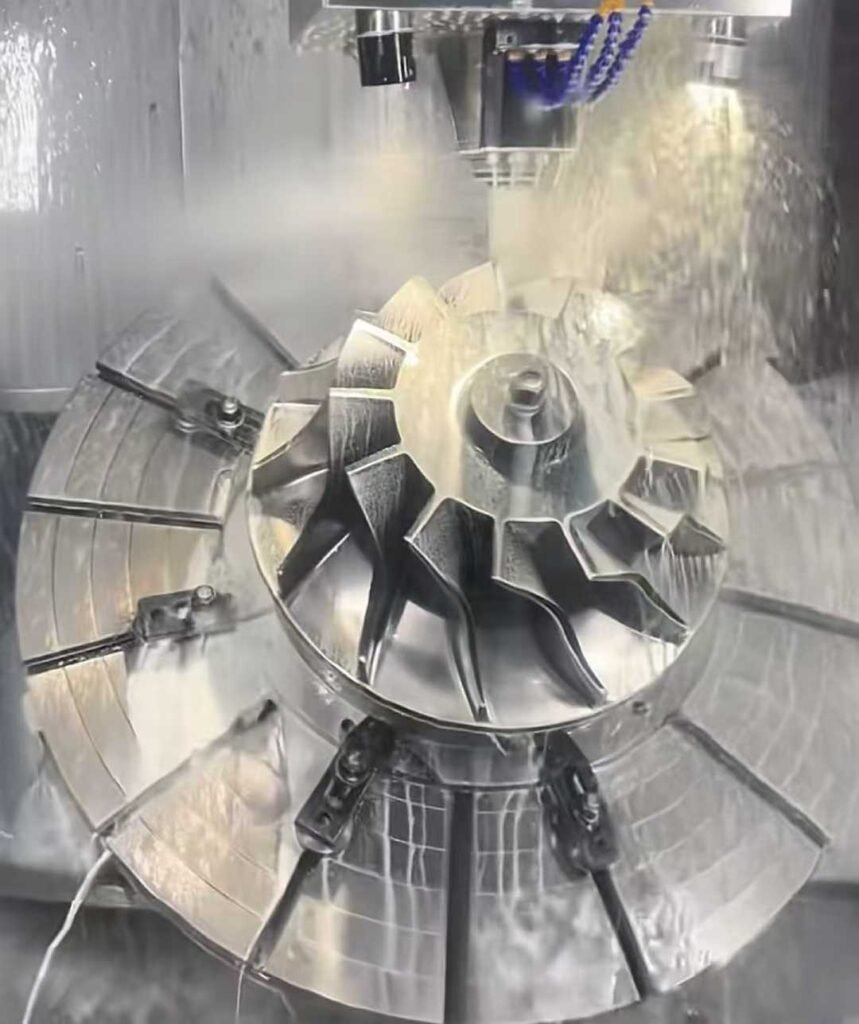
Secondary Operations: CNC Machining & Heat Treatment
One of our key strengths is vertical integration. We don’t just ship raw castings; we provide near net shape manufacturing and finished parts.
- CNC Machining: Our in-house workshop machines surfaces to precise tolerances (ISO 8062 CT7-CT13).
- Heat Treatment: We apply treatments to enhance mechanical properties, ensuring the final part meets the rigorous demands of automotive or heavy machinery applications.
Ensuring Integrity in Metal Casting
Quality assurance is the backbone of our operation at Precision Vast. While the advantages of sand casting include cost-efficiency and size versatility, these benefits mean nothing without verified structural integrity. To ensure every part meets ISO 9001:2015 standards, we employ a rigorous suite of non-destructive testing (NDT) methods directly in our Ningbo facility.
Spectrometer Analysis for Material Composition
Before the metal even enters the mold, we must guarantee the chemistry is perfect. We use advanced optical emission spectrometers to analyze the melt in real-time. This confirms that the elemental composition—whether it’s for ductile iron, aluminum, or reliable OEM carbon steel casting—matches the exact material grade specifications (such as ASTM or DIN standards). If the balance of carbon, silicon, or manganese is off, we adjust the furnace immediately to prevent material failure later.
Magnetic Particle Inspection (MPI)
For our ferrous components, Magnetic Particle Inspection (MPI) is a critical step for detecting surface and near-surface discontinuities. Sand casting can sometimes result in fine surface cracks during the cooling process. By applying a magnetic field and iron particles to the casting, we can instantly identify hairline fractures that are invisible to the naked eye. This ensures that parts subjected to high stress, like automotive brackets or heavy machinery linkages, are free from surface defects that could propagate under load.
X-Ray Testing for Internal Porosity
Internal soundness is non-negotiable for pressure-containing parts like valve bodies and pump housings. We utilize X-ray testing (radiographic inspection) to look inside the solid metal. This technology allows us to spot metal casting defects such as:
- Gas Porosity: Trapped air pockets within the wall thickness.
- Shrinkage Cavities: Voids formed during solidification.
- Inclusions: Foreign material trapped inside the casting.
By verifying the internal structure, we ensure that the final machined component will hold pressure and perform reliably in the field.
Frequently Asked Questions About Sand Casting
What is the main advantage of sand casting over die casting?
The primary advantage is cost-effectiveness and versatility. Die casting requires expensive hardened steel molds, which drives up initial tooling costs significantly. In contrast, sand casting uses lower-cost patterns, making it the smarter choice for low-to-medium volume runs and prototyping. Additionally, sand casting offers unmatched size capabilities; we can cast parts weighing anywhere from 0.1kg up to 10,000kg, a range that die casting simply cannot support.
Can sand casting be used for mass production?
Yes, absolutely. While sand casting is famous for its flexibility with small batches, our modern foundry production capabilities allow us to scale efficiently. By utilizing automated molding lines and optimized workflow processes, we handle high-volume orders with consistent quality and competitive lead times, bridging the gap between custom prototypes and full-scale manufacturing.
What is the minimum wall thickness for sand casting?
Achieving the right wall thickness is critical for avoiding defects like misruns. Generally, the minimum wall thickness depends on the metal grade:
- Grey & Ductile Iron: Typically 3mm to 5mm.
- Steel & Alloys: Usually requires 5mm to 6mm due to different flow characteristics.
We always review your CAD designs to ensure the geometry supports the material choice for a sound casting.
Does Precisionvast offer machining for sand-cast parts?
Yes, we provide a complete “one-stop” solution. We don’t just supply raw castings; we perform in-house CNC machining castings to meet precise dimensional tolerances (ISO 8062). By integrating casting and machining under one roof in our Ningbo facility, we reduce your logistical costs and ensure that every part arrives ready for assembly.
 English
  German