

Precisionvast delivers premium black anodized aluminum custom CNC parts Type II or III hardcoat tight tolerances corrosion resistant UV stable finish.
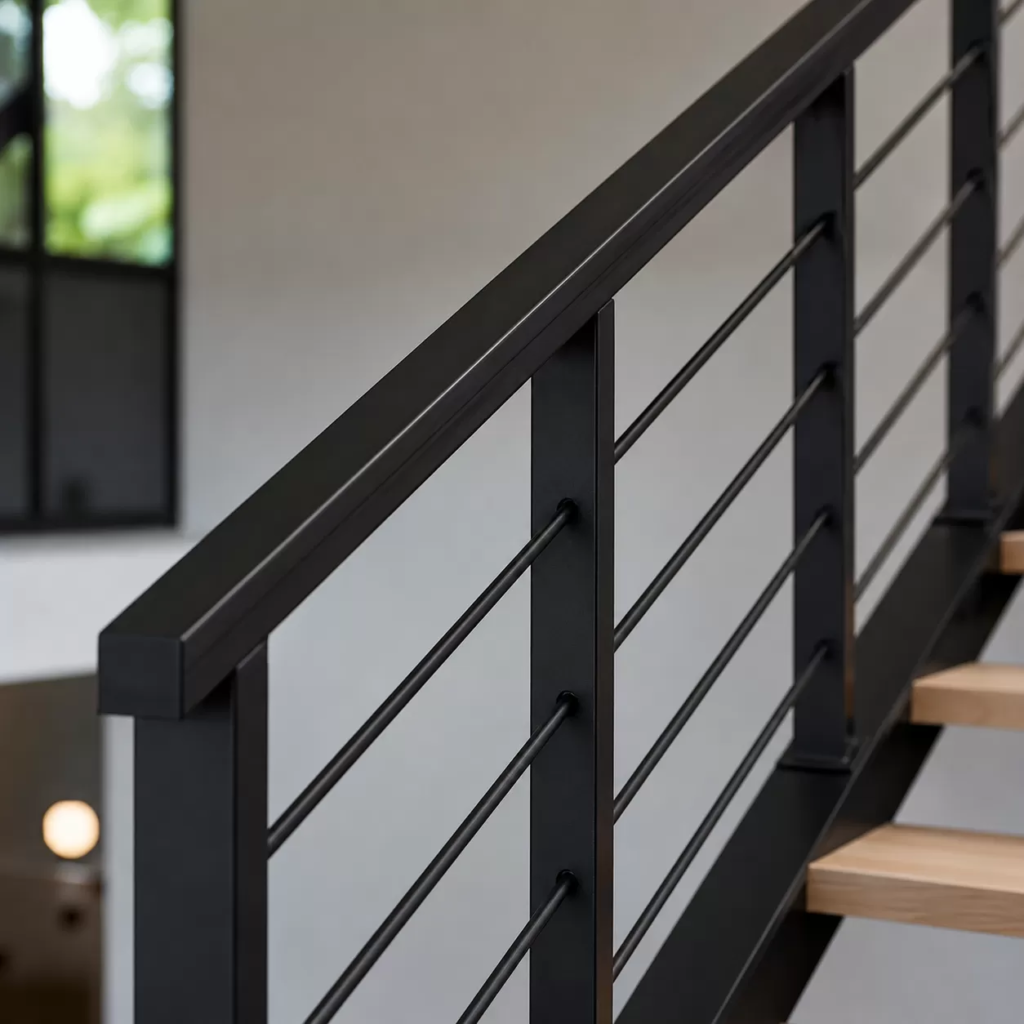
Premium Black Anodized Aluminum Components & Custom Finishing Services
Are you struggling with surface wear, color fading, or thermal management on your custom components? At PrecisionVast, we deliver high-performance, visually stunning black anodized aluminum finishes designed to solve these exact engineering challenges. Whether you need rugged black anodized CNC machined parts, precision black aluminum extrusion profiles, or custom black anodized aluminum sheet stock, our advanced in-house finishing services guarantee exceptional durability and a sleek, uniform appearance.
We transform raw aluminum into highly resilient, premium-grade components that excel under pressure. Our specialized black anodization process alters the microscopic surface texture of the metal, creating an integral protective layer that will not chip, flake, or peel.
Why Choose Our Black Anodized Aluminum Finishing?
- Extreme Wear Resistance: Significantly increases surface hardness to protect custom parts from friction, abrasion, and daily mechanical wear.
- UV-Stable Deep Black Color: Utilizes advanced organic or electrolytic coloring to achieve a rich, fade-resistant matte black anodized finish that stays true under intense UV exposure.
- Excellent Thermal Dissipation: Maximizes surface emissivity, making it the industry standard for high-efficiency black anodized heat sink applications and electronic enclosures.
- Non-Conductive Surface Protection: Provides a reliable, dielectric oxide layer that delivers excellent electrical insulation across the entire surface of the part.
Product Specifications & Material Capabilities
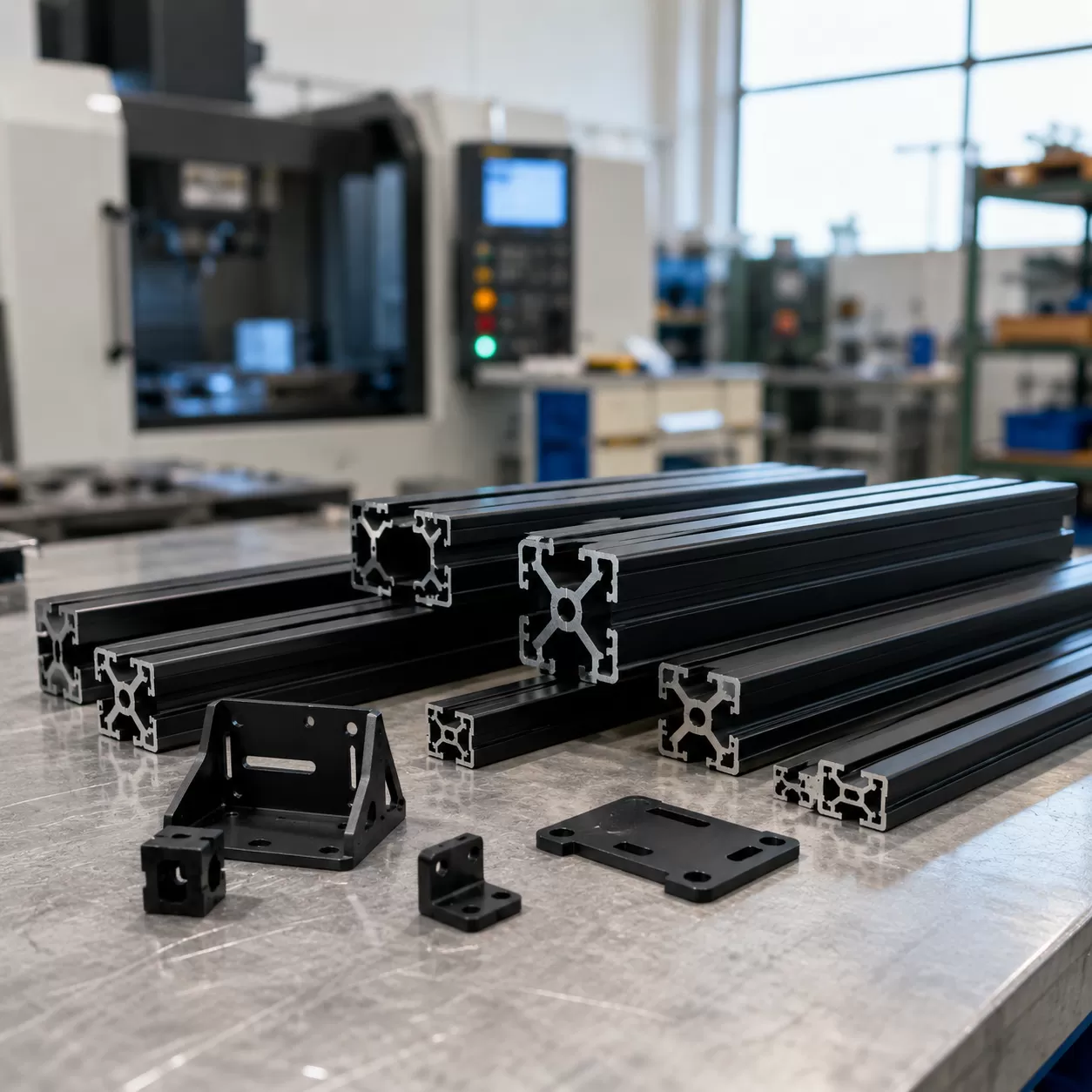
We engineering the highest quality black anodized aluminum finishes by matching the right aluminum alloys with precise chemical processing. Not all aluminum grades react the same way to anodizing, so selecting the proper material is critical for achieving a consistent, deep black finish.
Aluminum Grade Compatibility Table
| Aluminum Grade | Coating Suitability | Finish Appearance | Common Use Cases |
|---|---|---|---|
| 6061-T6 | Excellent | Deep, uniform matte or gloss black | black anodized CNC machined parts, structural frames |
| 5052-H32 | Excellent | Rich, clean black finish | black anodized aluminum sheet fabrication, panels |
| 7075-T6 | Good | Matte, dark charcoal to deep black | High-strength aerospace brackets, tactical gear |
| 6063 | Excellent | Bright, vibrant uniform black | black aluminum extrusion profiles, architectural trim |
Dimensional Tolerances & Coating Thickness
Anodizing is a conversion coating that grows both into the material and outward from the surface. We carefully manage these dimensional changes to ensure your tight-tolerance mating surfaces fit perfectly after processing.
- Type II Black Anodizing: Adds a controlled thickness of $0.0002” – 0.0009”$. Ideal for standard components requiring a balance of aesthetics and moderate wear protection.
- Type III Hardcoat Anodizing: Adds a thick, dense layer from $0.001”$ up to $0.003”$. This process is chosen for maximum abrasion resistance and heavy industrial wear.
We calculate these precise thickness values during the initial CNC machining phase, adjusting our cutting paths so your final, treated parts land exactly on spec.
Industry Compliance & Quality Standards
Our finishing processes adhere to rigorous defense and industrial manufacturing regulations to ensure global compliance and component longevity.
- MIL-A-8625: Fully compliant with Type II Class 2 (Standard Black) and Type III Class 2 (Hardcoat Black) specifications.
- Environmental Certifications: All chemistry and dyes used in our facility meet strict RoHS and REACH compliance standards for hazardous materials.
Type II Standard vs. Type III Hardcoat Black Anodizing
Choosing the right finish for your custom parts depends entirely on the operating environment. While both methods deliver a striking, deep black color, they serve fundamentally different purposes. Type II standard anodizing focuses on aesthetics and moderate protection, while Type III hardcoat anodizing is engineered for extreme physical abuse.
Comparative Breakdown
The primary differences lie in coating thickness, wear resistance, and application intent:
| Feature | Type II Standard Anodizing | Type III Hardcoat Anodizing |
|---|---|---|
| Primary Purpose | Aesthetics & Moderate Protection | Extreme Wear & Durability |
| Coating Thickness | $0.0002” – 0.0009”$ | Up to $0.003”$ |
| Surface Hardness | Moderate | 60-70 Rockwell C |
| Common Uses | Consumer electronics, enclosures, brackets | Aerospace, military gear, marine parts |
Type II Black Anodizing
Type II standard anodizing utilizes organic or inorganic dyes to achieve a sleek matte black anodized finish or satin look. Because the oxide layer is thinner, it offers a highly cost-effective surface protection option that does not alter tight part geometries drastically.
- Deep Dye Absorption: Creates a rich, uniform black aesthetic across complex geometries.
- Cost-Effective Protection: Ideal for everyday handling, housing components, and consumer goods.
- Aesthetic Versatility: Perfect for high-visibility parts where visual appeal is paramount.
Type III Hardcoat Black Anodizing
When parts face aggressive environments, Type III hardcoat anodizing is the industry standard. This process creates a dense, thick ceramic-like layer that provides maximum durability. When working with extreme environmental demands, selecting the right material base is crucial, much like evaluating titanium vs. stainless steel for raw corrosion resistance.
- Extreme Rockwell Hardness: Reaches 60-70C hardness, mimicking the scratch resistance of hardened steel.
- High Abrasion Resistance: Engineered specifically for defense, heavy industrial machinery, and marine applications.
- Maximum Durability: Built to withstand severe friction, scraping, and prolonged exposure to harsh elements.
Key Performance Benefits of precisionvast Black Anodized Aluminum
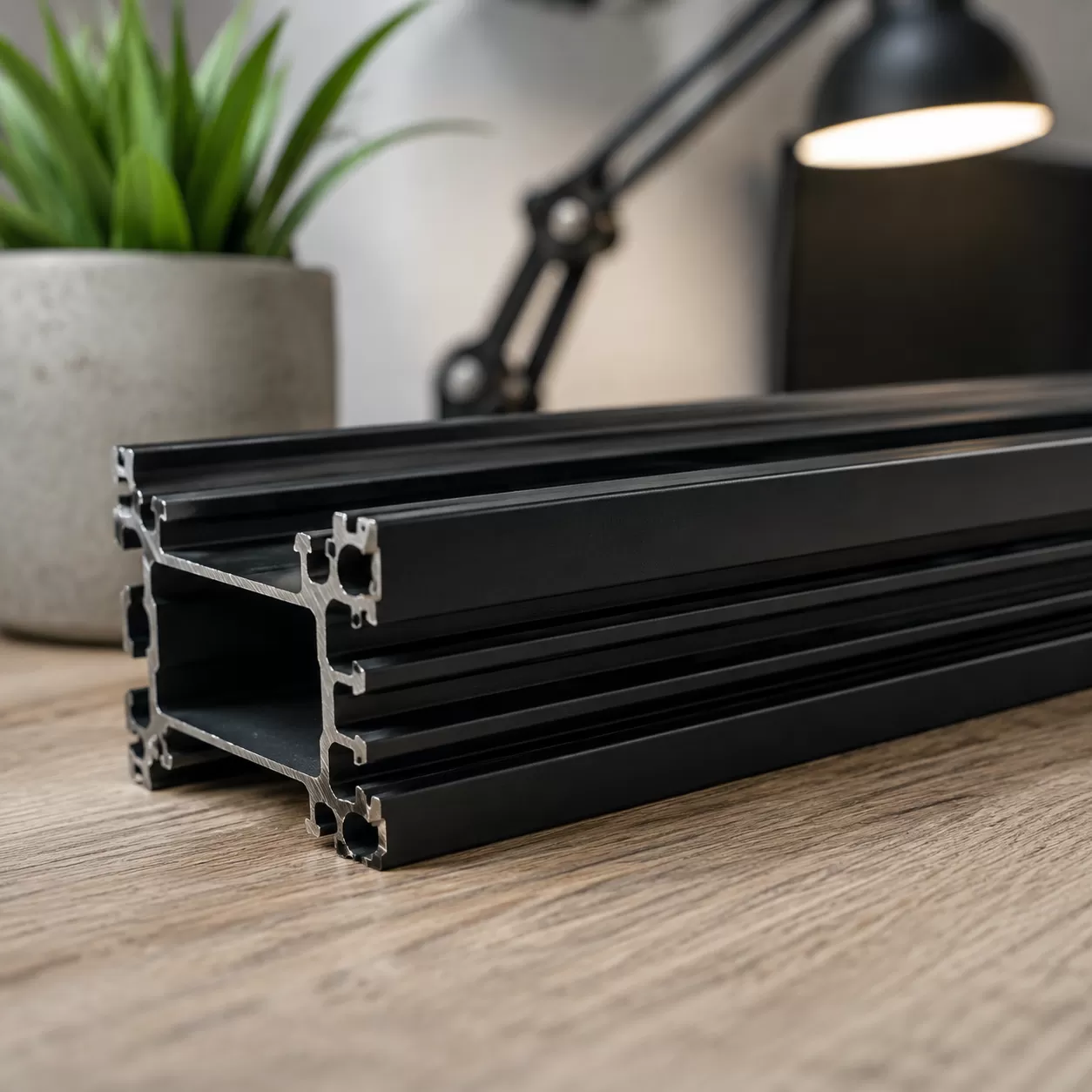
When you choose black anodized aluminum from precisionvast, you are getting more than just a sleek, modern look. Our advanced anodizing process fundamentally upgrades the raw metal, creating an incredibly durable, high-performance surface engineered for the most demanding United States industrial and commercial applications.
Here is exactly how our black anodized finishes perform under pressure:
Ultimate Surface Protection & Efficiency
- Corrosion & Chemical Resistance: The anodizing process converts the aluminum surface into a dense, sealed aluminum oxide layer. This barrier completely isolates the underlying metal from environmental degradation. Our finishes easily withstand rigorous salt spray testing (ASTM B117), making them impervious to moisture, coastal air, and harsh industrial chemicals.
- Thermal Emissivity & Heat Dissipation: Black surfaces naturally radiate heat better than raw or bright metals. Our black anodized heat sink finishes significantly maximize thermal emissivity. This makes them the industry standard for high-performance heat sinks, heavy-duty electronic enclosures, and power supplies that require rapid cooling.
- UV Stability & Fade Resistance: Cheap dyes bleach out under the American sun. We utilize premium metal-salt electrolytic coloring aluminum techniques to lock the deep black pigment directly into the microscopic pores of the metal. This prevents chalking, fading, or silvering, even after years of prolonged outdoor UV exposure.
- Mechanical Bonding Pre-treatment: The controlled surface porosity of the unsealed oxide layer provides an exceptional anchor for secondary processes. Whether you need a high-contrast laser engraved black anodized aluminum logo, robust adhesive bonding, or specialized industrial branding, our surface preparation ensures permanent adhesion.
Performance Quick-Reference
| Performance Property | Test Metric / Standard | Primary Benefit |
|---|---|---|
| Corrosion Resistance | ASTM B117 Salt Spray | Prevents rust, pitting, and environmental chalking |
| UV Resistance | Continuous Solar Exposure | Zero fading or color shifting under direct sunlight |
| Thermal Dissipation | High Emissivity Coeff. | Faster heat rejection for electronics and enclosures |
| Surface Prep Quality | High Porosity (Pre-Seal) | Perfect for high-contrast laser etching and adhesives |
Target Industry Applications for Black Anodized Aluminum
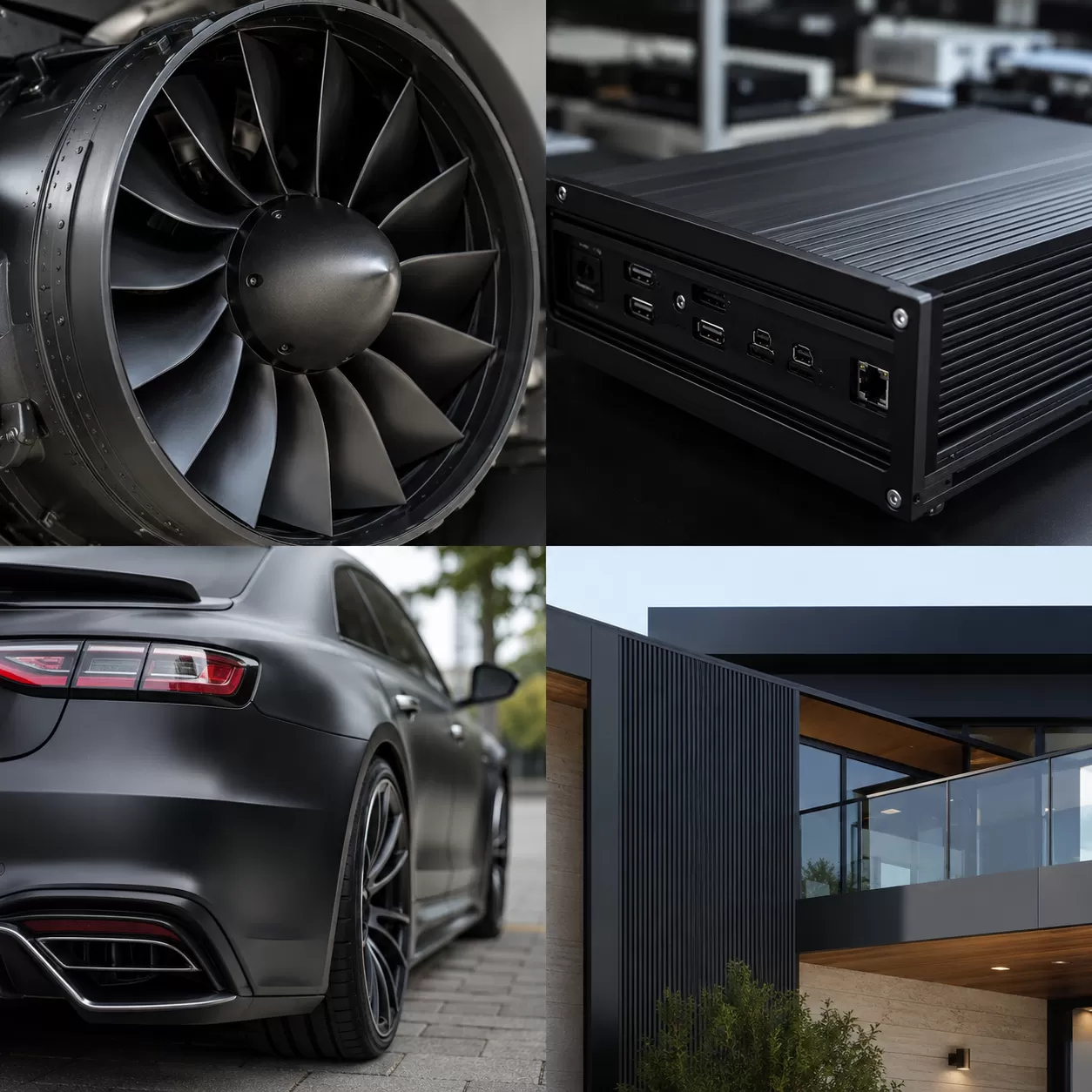
We engineer our black anodized aluminum components to meet the strict performance and aesthetic demands of top-tier United States industrial sectors. From weight reduction to extreme environmental protection, our finishes deliver reliable results where it matters most.
Aerospace & Defense
Military and aerospace applications require materials that eliminate reflections and survive harsh operating conditions.
- Low-reflectivity brackets and optical mounts
- Tactical gear and ruggedized field equipment
- Cockpit enclosures and flight deck instrumentation panels
Electronics & Semiconductors
Modern electronics demand excellent thermal management paired with a premium, high-tactile feel. Our black anodized heat sink finishes and enclosures keep critical components running cool.
- High-tactile device housings and structural frames
- High-performance heat sinks with optimized thermal emissivity
- Semiconductor processing chamber components
Automotive & Racing
For the high-performance automotive industry, saving weight while maintaining surface integrity under intense heat is essential.
- Lightweight structural chassis frames
- Custom machined rims and aesthetic trim pieces
- High-heat engine bay components and fuel system rails
Architectural & Signage
Our finishing process ensures long-term UV resistance and weather protection for outdoor installations and high-traffic commercial spaces.
- Marine-grade black anodized architectural panels and exterior cladding
- Commercial storefront frames and entry systems
- Custom-cut display signage designed to resist fading and chalking
Custom Manufacturing & Post-Processing Services
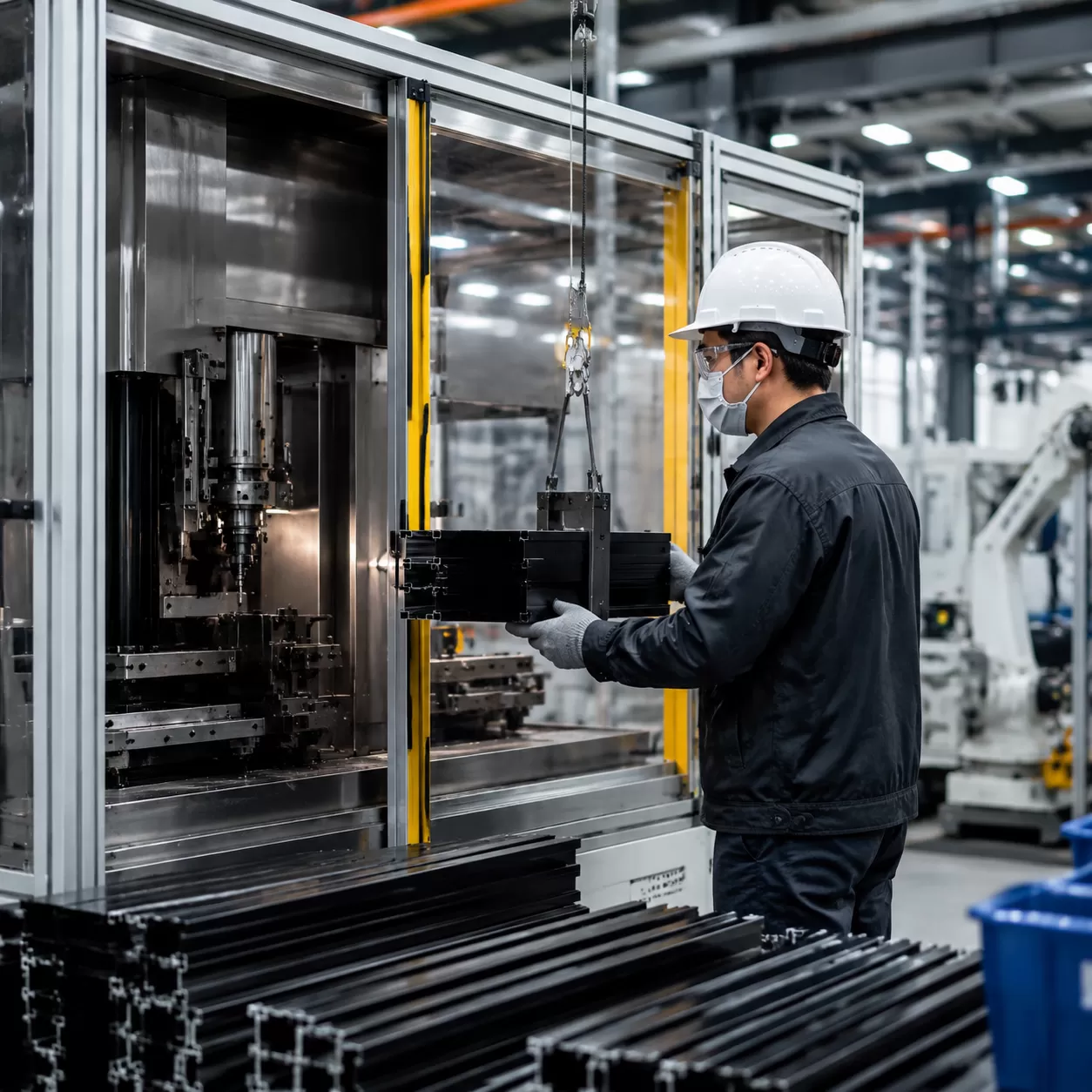
Single-Source CNC Machining & Fabrication
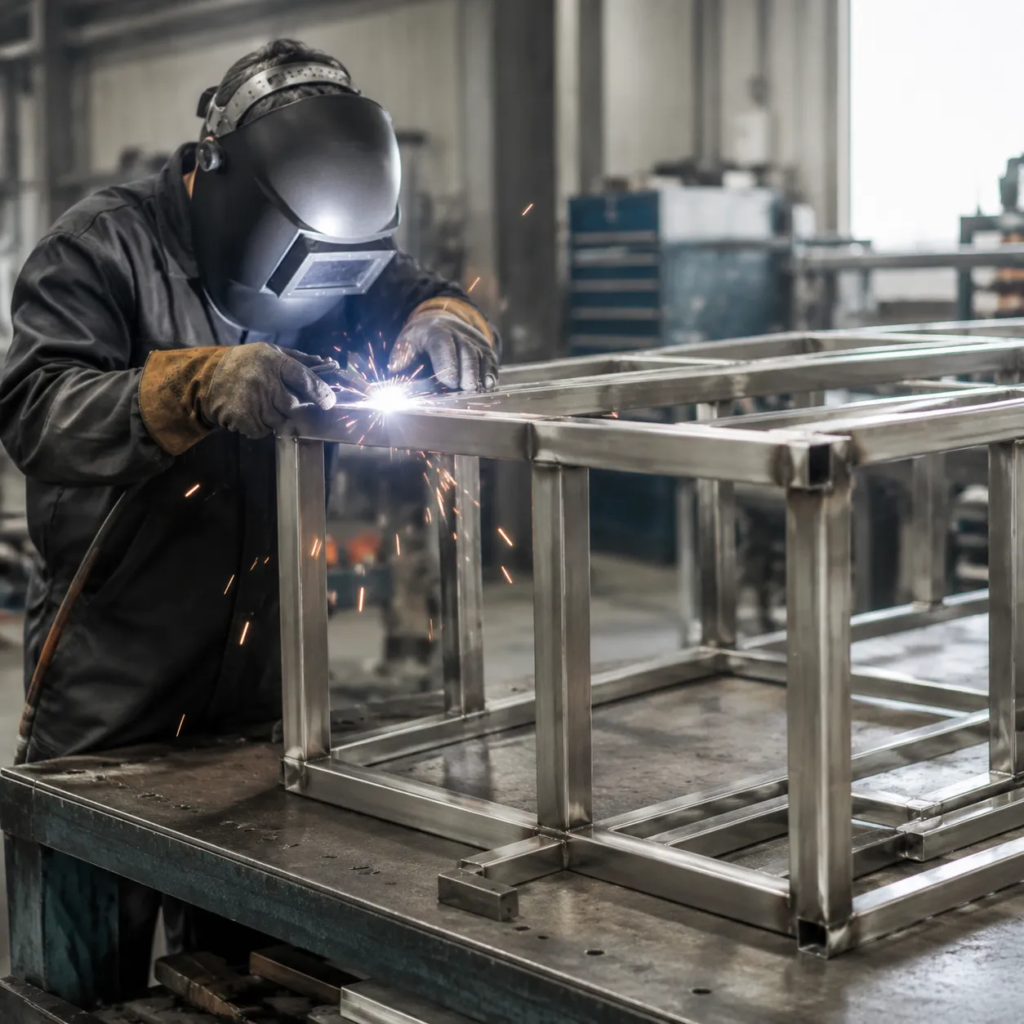
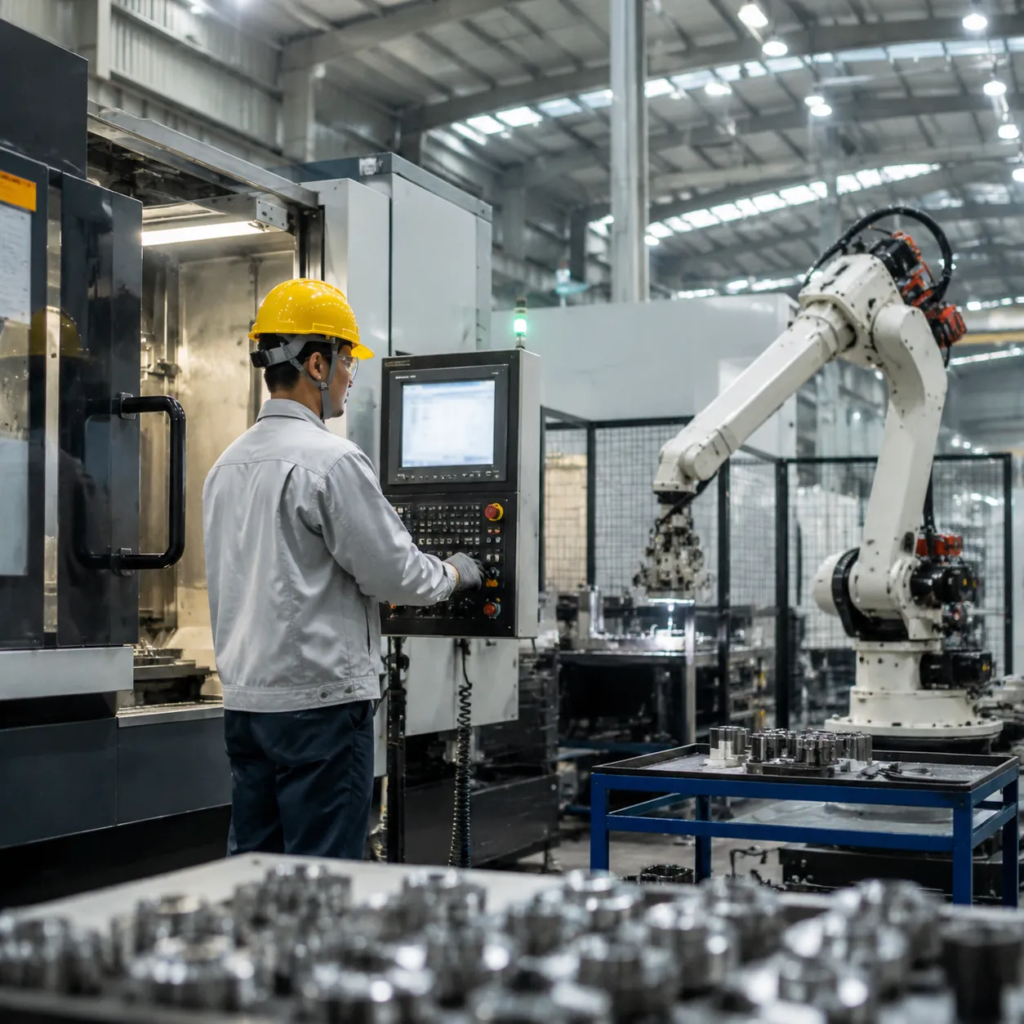
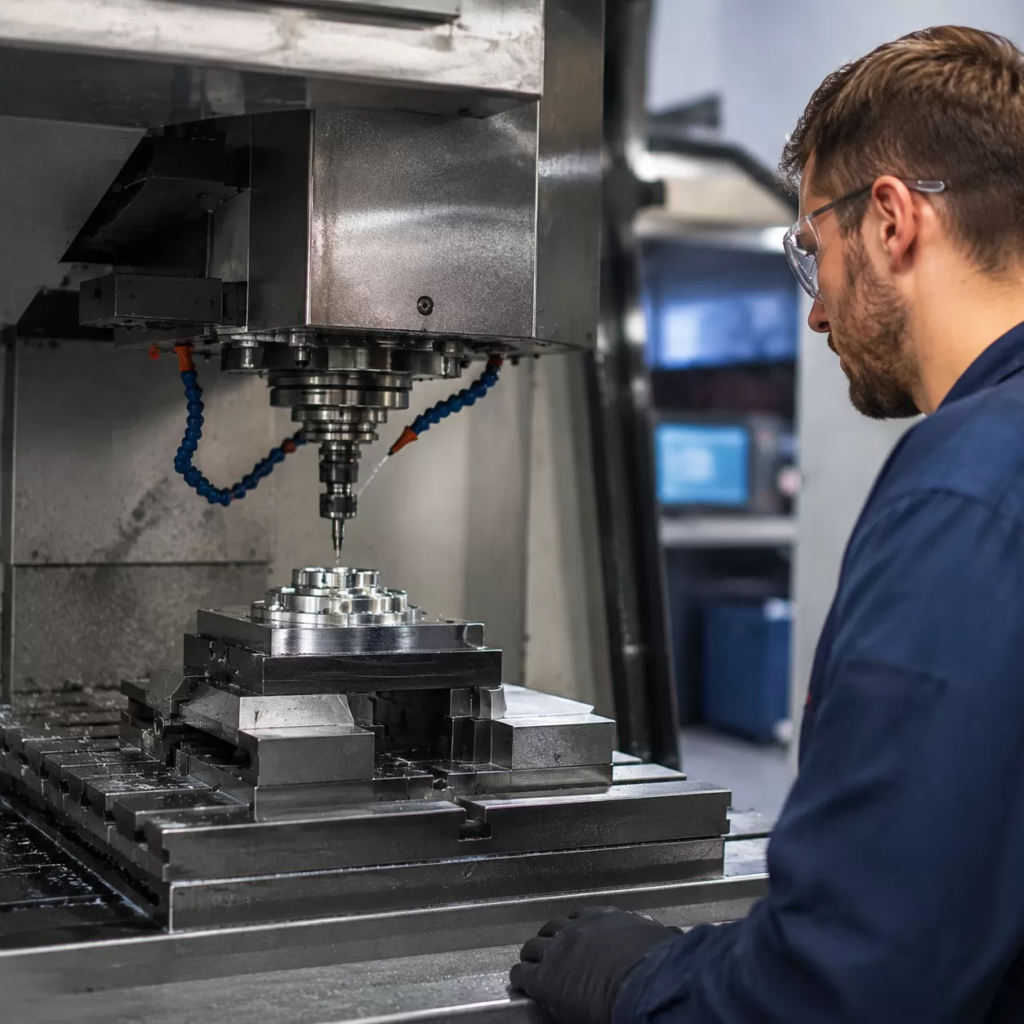
At precisionvast, we manage your entire production lifecycle under one roof. We don’t just anodize; we handle everything from raw milling and laser cutting to deburring and media blasting before the final chemical processing. This end-to-end integration ensures that your black anodized CNC machined parts and custom fabrications maintain flawless dimensional integrity from the initial cut to the final delivery.
Strategic Racking & Geometry Management
Anodizing requires physical electrical contact, which can leave small manufacturing marks. Our engineering team proactively plans the racking and geometry management for every part. By identifying critical mating faces and cosmetic surfaces during the design phase, we hide rack marks in non-critical areas. This guarantees a uniform matte black anodized finish across all visible surfaces without compromising tight engineering tolerances.
Precision Laser Engraving & Secondary Customization
We offer in-house secondary customization to add functional and branding details to your finished components. Our high-precision fiber lasers pierce the dark anodic layer to expose the bright underlying aluminum. This creates permanent, crisp, and high-contrast text, serial numbers, part codes, or company logos directly onto your black anodized aluminum parts without degrading the surrounding protective oxide coating.
Frequently Asked Questions About Black Anodized Aluminum
We get a lot of questions about how the black anodized finish affects part performance and appearance. Here are the straight answers to the most common inquiries we receive from our US partners.
Does black anodizing change the dimensions of my precision parts?
Yes, but it is a predictable change. Unlike plating, which only sits on top of the surface, anodizing is a conversion coating that grows both into and out of the metal.
- Type II Anodizing: Typically adds $0.0002”$ to $0.0009”$ per surface.
- Type III Hardcoat: Can add up to $0.003”$.
We account for these tolerances during the initial CNC machining phase to ensure your final black anodized CNC machined parts fit perfectly upon assembly.
What is the difference between black oxide coating and black anodizing?
While both provide a dark finish, they are entirely different processes:
- Black Anodizing: An electrochemical process specific to aluminum that creates a hard, integrated aluminum oxide layer. It offers superior corrosion resistance and durability.
- Black Oxide: A chemical conversion coating usually used for steel or copper. It is much thinner, offers less protection, and can rub off more easily than a true MIL-A-8625 black anodize finish.
Can black anodized aluminum be used outdoors without fading?
Absolutely, provided the right process is used. For outdoor architectural panels or automotive trim, we utilize electrolytic coloring or high-quality inorganic dyes. These methods ensure the UV-stable deep black color resists “chalking” or fading even under intense sunlight exposure.
How does precisionvast ensure color uniformity across large batches?
Consistency is our priority. We maintain strict control over:
- Bath Chemistry: Constant monitoring of dye concentration and pH levels.
- Temperature Control: Ensuring the anodic pores open and seal uniformly.
- Alloy Consistency: We recommend using the same aluminum grade (like 6061-T6) across a single production run to ensure the matte black anodized finish looks identical on every piece.
For projects requiring complex shapes, we utilize advanced aluminum casting processes to ensure the base metal is high-quality and ready for a flawless finish.
 English
  German