

Can I do sand casting at home Learn DIY basics safety risks and when precision investment casting is the better choice.
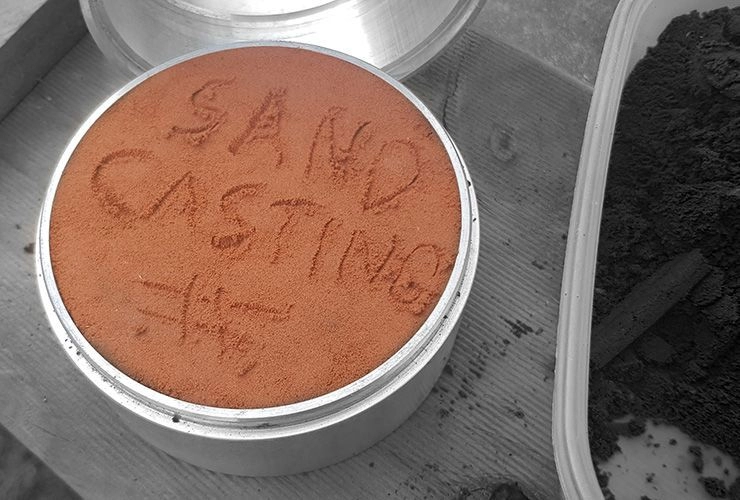
Can I Do Sand Casting at Home? The Basics
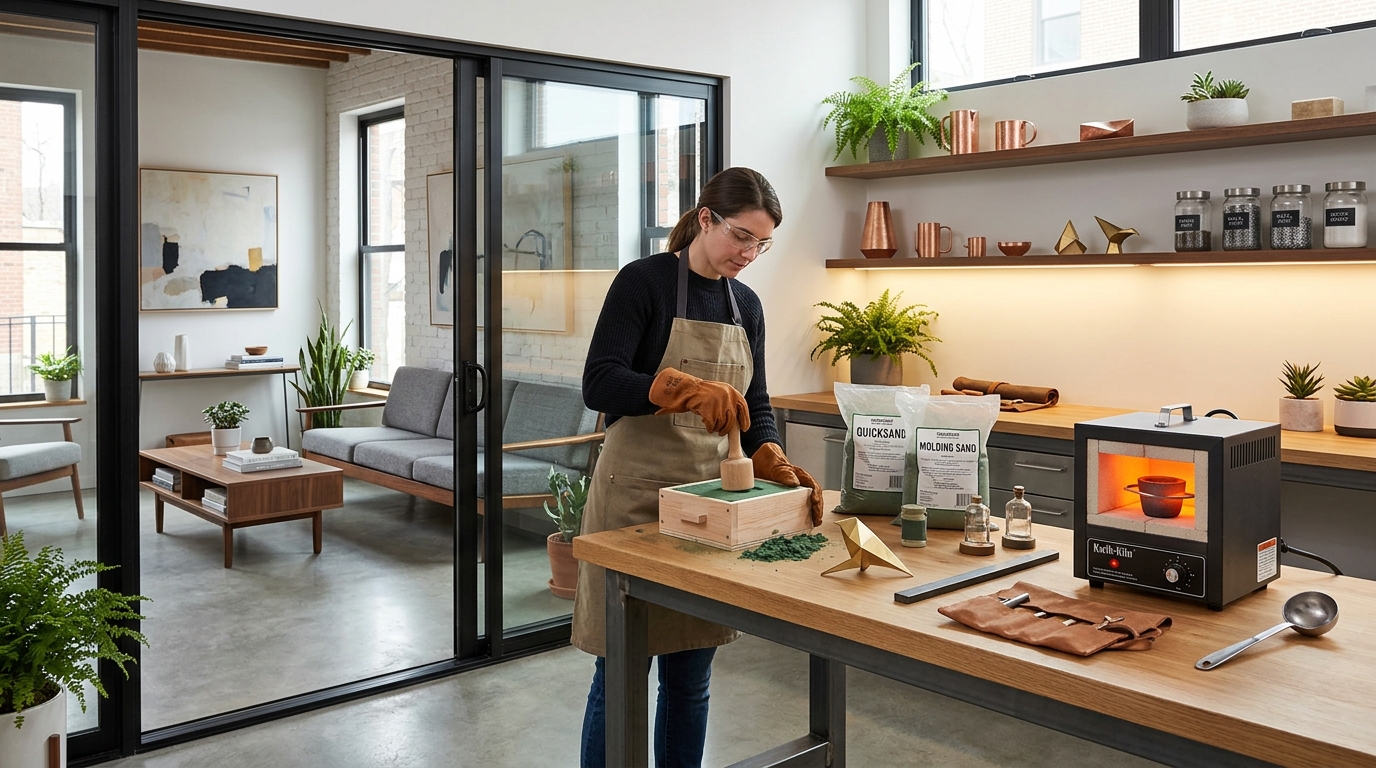
We often hear from engineers, inventors, and hobbyists asking, “can I do sand casting at home?” The short answer is yes. Setting up a DIY sand casting setup in a backyard or garage is entirely possible and a great way to understand the fundamentals of metallurgy. However, before you start firing up a furnace, you need a clear picture of what the process actually demands.
Home Foundry Equipment You Actually Need
You cannot just pour liquid metal into a bucket of playground sand. Building a functional home foundry equipment setup requires specific, high-temperature gear. Here is your essential checklist:
- The Foundry: A backyard metal melting furnace capable of reaching and holding the necessary melting points.
- Crucibles: Heavy-duty, heat-resistant graphite or silicon carbide containers to safely hold and pour the molten metal.
- Flasks: The rigid two-part wooden or metal frames (the cope and drag) that contain your sand mold.
- Parting Dust: A specialized powder dusted over your pattern so it releases cleanly from the sand without tearing the mold.
- Safety PPE: Proper aluminum casting at home safety is non-negotiable. You must have a full face shield, heavy welding gloves, a leather apron, and heat-resistant boots.
Metals Suitable for Your Backyard Setup
When working outside of a commercial facility, you are restricted by the thermal output of your DIY furnace. You must stick to low-melting-point metals:
- Pewter: Melts between 338°F and 446°F. It is highly forgiving and ideal for absolute beginners testing their molds.
- Zinc: Melts around 787°F. A step up in durability, useful for brackets and basic mechanical parts.
- Basic Aluminum: Melts at roughly 1,220°F. This is the gold standard for home casters, offering a good balance of strength and accessibility, though it demands strict moisture control to avoid steam explosions.
Common Home Casting Methods
Depending on the geometry of your part, there are a few standard techniques you can implement at home:
- Green Sand Casting: The oldest and most common method. You pack a damp mixture of sand, clay, and water tightly around a pattern. As you advance, you will likely weigh green sand vs petrobond—an oil-bonded alternative that offers a smoother surface finish and requires no water.
- Delft Clay: A highly refined, reusable clay method that captures excellent detail, making it the go-to choice for small items like rings or custom jewelry.
- Lost Foam Casting Process: Instead of pulling a solid pattern out of the sand, you carve your part out of polystyrene foam. You bury the foam in loose sand and pour the molten metal directly onto it. The foam vaporizes instantly, replaced perfectly by the metal.
The Hidden Risks and Limitations of Backyard Foundries
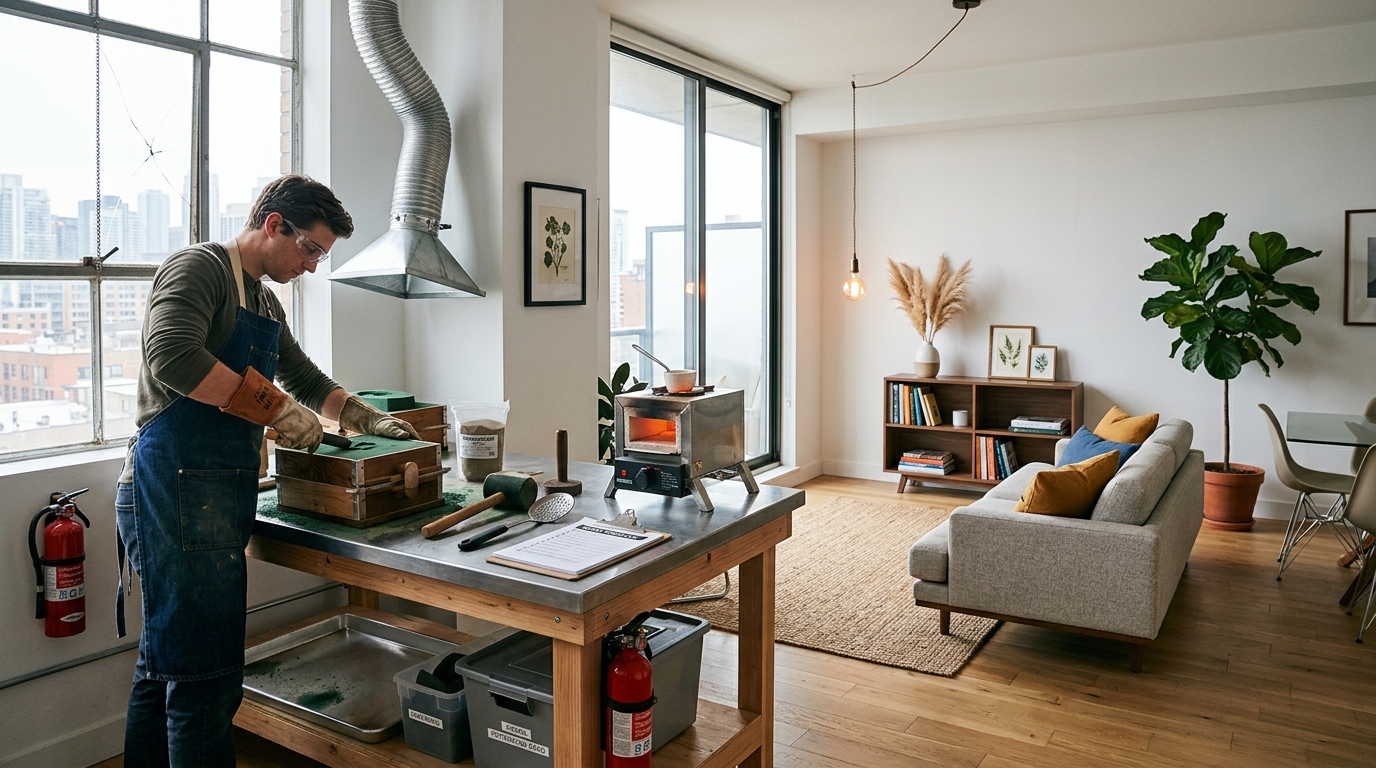
When people ask, “can I do sand casting at home?” the short answer is yes—but a basic DIY sand casting setup comes with serious safety risks and severe quality limits. Running a backyard metal melting furnace isn’t just about melting scrap; it requires managing dangerous, unpredictable variables.
Severe Safety Hazards
Aluminum casting at home safety should be your top priority. The physical dangers are very real:
- Moisture Explosions: Even a single drop of water in your mold or on a tool can flash into steam, causing molten metal to violently erupt.
- Toxic Off-Gassing: Burning binders, vaporizing coatings on scrap metal, and using improvised parting dust release highly toxic fumes into your breathing zone.
- Inappropriate Containers: Using unrated DIY crucibles or homemade tongs often leads to catastrophic, unexpected spills of 1,200°F+ liquid metal.
Frustrating Quality Bottlenecks
Basic home foundry equipment simply cannot match industrial consistency. You will inevitably run into these quality control issues:
- Severe Porosity: Without proper chemical degassing and temperature control, trapped gases leave your cast metal full of pinholes and weak spots.
- Shrinkage Defects: Uneven cooling without proper risers creates internal voids, completely ruining the structural integrity of the part.
- Rough Surface Finishes: Expect a pitted, sandy texture that requires hours of aggressive grinding and machining just to look presentable.
Hard Design Limitations
Backyard casting hits a hard wall the moment your design moves beyond basic, chunky shapes.
- No Thin Walls: Molten metal cools too rapidly in basic green sand, freezing before it can flow into thin sections.
- Loss of Detail: Intricate textures, crisp lettering, and complex geometries simply will not translate.
If your custom project requires tight tolerances, smooth finishes, or complex internal features, DIY methods will quickly fail you. When you hit this wall, stepping up to professional aluminum die casting services or exploring higher-end sand casting alternatives becomes the only reliable path to getting functional parts.
When to Upgrade: Home Sand Casting vs. Precision Investment Casting
When folks ask me, “can I do sand casting at home?” I tell them yes—but only up to a point. Once your designs demand tight specs, a backyard metal melting furnace simply won’t cut it. Upgrading from a DIY sand casting setup to professional precision investment casting services bridges the gap between hobbyist tinkering and serious commercial production.
Here is exactly how the two stack up when you need reliable custom metal parts manufacturing:
| Feature | DIY Home Sand Casting | Professional Investment Casting |
|---|---|---|
| Tolerances | Loose predictability and constant guesswork. | Standard industry precision. Every piece hits the exact mark. |
| Surface Finish | Rough and porous. Expect heavy grinding and polishing. | Exceptionally smooth right out of the mold, minimizing machining needs. |
| Complexity | Limited to simple, flat-backed shapes. | Easily handles highly intricate details and complex internal geometries. |
| Materials | Basic low-melt alloys like pewter and aluminum. | High-temp options like titanium, superalloys, and advanced manganese steel casting. |
| Defect Rate | High trial and error with heavy scrap rates. | Near-zero defect rates using CAE simulation to predict metal flow. |
If your project is evolving toward rigorous industrial applications, moving past the limitations of backyard methods is an absolute necessity. Making the switch to a professional lost-wax casting factory replaces trial and error with solid engineering, ensuring your high-temperature alloy casting is done right the first time.
The precisionvast Solution: One-Stop Manufacturing for Your “Problem Parts”
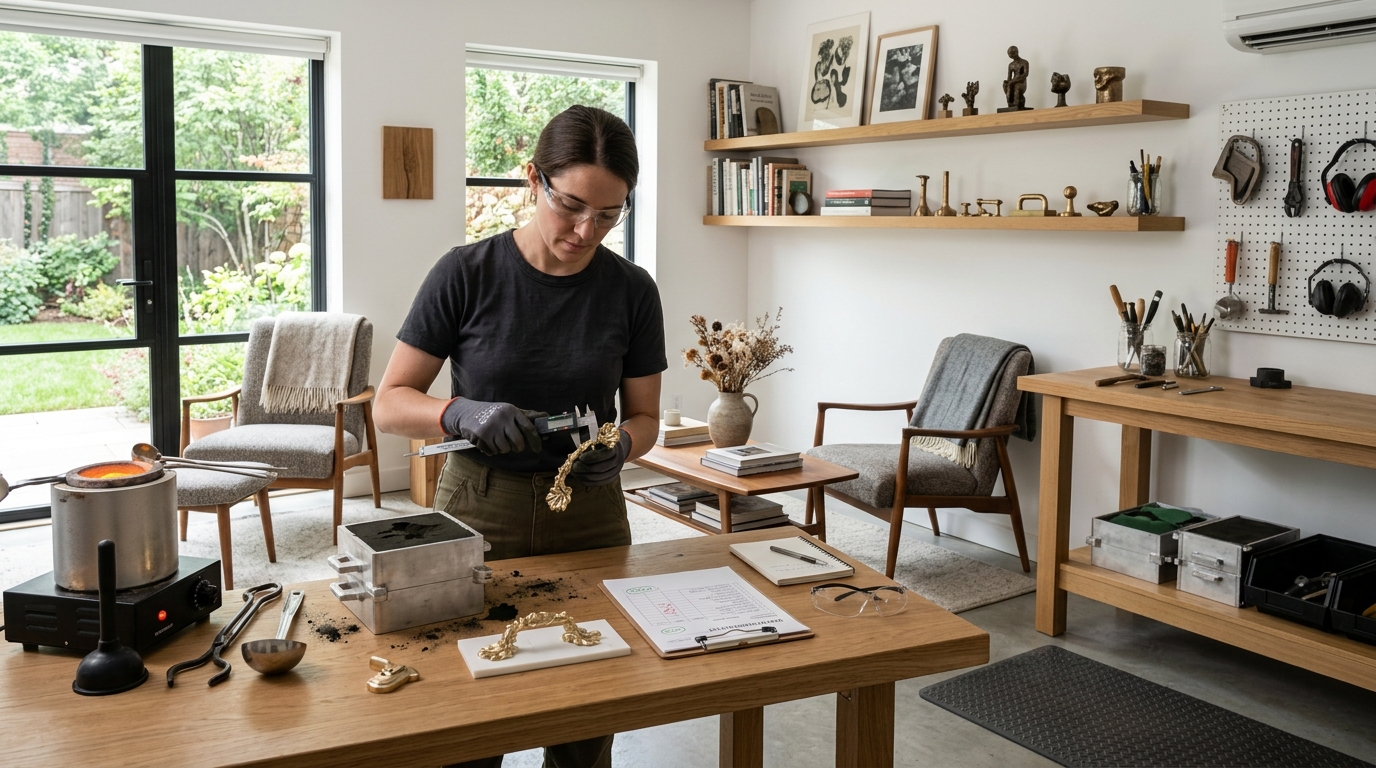
When you reach the limits of asking “can i do sand casting at home” and start running into compromised designs and failed pours, that’s where we step in. At precisionvast, we handle the frustrating, highly detailed parts that DIY backyard setups simply cannot touch. We provide comprehensive custom metal parts manufacturing to take your project out of the garage and into a professional, scalable production environment.
Our 14-Step Precision Process
As a dedicated lost-wax casting factory, we leave absolutely nothing to chance. Our professional precision investment casting services utilize a rigorous, proven 14-step process from start to finish.
- Wax Pattern Assembly: We create exact, high-fidelity wax replicas of your desired part, ensuring every detail is captured.
- Ceramic Shell Building: The patterns are repeatedly dipped in specialized refractory slurries to build a rock-solid, heat-resistant mold.
- Controlled Casting: We melt and pour industrial-grade metals under strictly monitored conditions to ensure a flawless transfer of your design.
Engineering Over Guesswork
Backyard metal melting relies heavily on trial and error. We rely on hard data. Before we ever melt a single ounce of metal, our engineering team runs your design through advanced Computer-Aided Engineering (CAE) simulation.
- Predictive Metal Flow: We digitally simulate how the molten metal will fill the mold.
- Defect Elimination: By spotting potential shrinkage or porosity issues on a screen, we adjust the gating and risers before physical production begins.
- Complex Designs Made Easy: This data-driven approach takes the risk out of casting complex geometries, turning intricate internal channels and thin walls into a predictable, repeatable science.
Uncompromising Quality Control
We back up our engineering with an ironclad, data-driven testing phase. You aren’t just getting a metal part that looks right; you are getting a component structurally verified to perform under intense real-world stress.
- ISO9001 Certified Operations: Our entire facility operates on strict, internationally recognized manufacturing standards.
- Non-Destructive Testing (NDT): We employ in-house X-Ray testing and magnetic particle inspection to identify microscopic internal flaws or hairline cracks that the naked eye would completely miss.
- Absolute Dimensional Accuracy: Every batch is thoroughly verified using Coordinate Measuring Machines (CMM) to ensure your parts meet exact required tolerances.
This relentless level of scrutiny and material verification is exactly why demanding industries requiring absolute sanitation, tight tolerances, and durability—such as those relying on our custom food machinery components—trust our facility to handle their most critical production runs.
Industrial-Grade Materials You Can’t Cast in a Backyard
If you are asking, “can i do sand casting at home,” the answer is a hard no when it comes to advanced metals. A basic backyard metal melting furnace tops out at low-melting point metals like aluminum or pewter. When you need parts that can survive extreme stress, heat, or corrosive environments, you need professional custom metal parts manufacturing.
We work with high-performance metals that are impossible to melt safely or effectively in a DIY setup. Here is what we handle on the factory floor to ensure uncompromising strength and durability:
Our Material Capabilities
- Carbon & Alloy Steels: Tough, highly durable, and reliable. For a deeper dive into how these perform, review our guide on understanding cast steel production properties and composition.
- Stainless & Duplex Stainless Steel: Engineered specifically for maximum corrosion resistance and longevity.
- Titanium Alloys & Superalloys: Built for extreme, high-stress environments. See why to choose high-temperature alloy casting for components that push the limits of physics.
Industrial Applications We Serve
You will not find these parts coming out of a garage. As an industrial metal casting company, we supply mission-critical components for the most demanding US sectors:
- Aerospace: High-strength, lightweight titanium brackets and turbine blades.
- Medical: Bio-compatible stainless steel surgical tools and specialized implants.
- Marine: Saltwater-resistant duplex steel propellers and structural fittings.
- Automotive: Heavy-duty alloy steel engine components designed to handle intense friction and heat.
Flexible Production Scales: We Build What You Dreamed Up
You might have started this journey by asking yourself, can I do sand casting at home? Many great American innovations start in a garage or backyard. But when your design outgrows the DIY phase, you need a partner who can actually scale with you. At Precisionvast, we bridge the gap between home-brewed ideas and industrial-grade production.
- Small-Scale Runs for Testing: If you designed a prototype for a home setup, we can take it to the next level. We handle small scale production run casting to help you test and refine your parts in the real world without a massive upfront commitment. If you are ready to upgrade your trial pieces, our rapid prototype investment casting process ensures your first professional batch is completely dialed in and ready for testing.
- Massive Commercial Rollouts: Once your prototype is perfected, we handle the heavy lifting. We offer a seamless transition straight into high-volume custom metal parts manufacturing. You never have to switch foundries as your business grows; we scale our operations to meet your exact market demand.
Whether you need fifty units to prove a concept or fifty thousand to stock shelves nationwide, we deliver consistent, commercial-grade quality every single time.
FAQ: Can I Do Sand Casting At Home?
Here are the most common questions we get from creators looking to move past a basic DIY sand casting setup and step up to professional manufacturing.
Sand Casting vs. Investment Casting Costs
Is sand casting cheaper than investment casting?
- The Short Answer: It depends entirely on the complexity of your part.
- The Details: Running a home foundry setup is cheaper on day one. However, if you are manufacturing custom metal parts that need tight tolerances, investment casting actually saves you money. It eliminates the heavy, expensive CNC machining and tedious surface grinding you typically have to do to fix a rough sand cast.
Upgrading Your Home Foundry Prototype
Can Precisionvast cast a prototype I designed for home casting?
- Absolutely. We constantly work with designers who have hit the ceiling of what their backyard metal melting furnace can do.
- If your prototype requires complex geometries, thin walls, or industrial-grade strength, we step in with our precision investment casting services. Whether you want to stick with basic alloys or upgrade by exploring different types of investment casting materials like stainless steel or titanium, we bridge the gap between your workbench and the factory floor.
Order Quantities and Scaling Up
What are your minimum order quantities (MOQs)?
- We keep our production flexible to support your growth.
- You don’t need to commit to tens of thousands of units on day one. We regularly handle everything from a small scale production run casting to test the market, all the way up to massive commercial rollouts. We build exactly what you need, right when you need it.
 English
  German