

Custom precision machining with certified Ra surface finish options and tight tolerances for high performance industrial components.
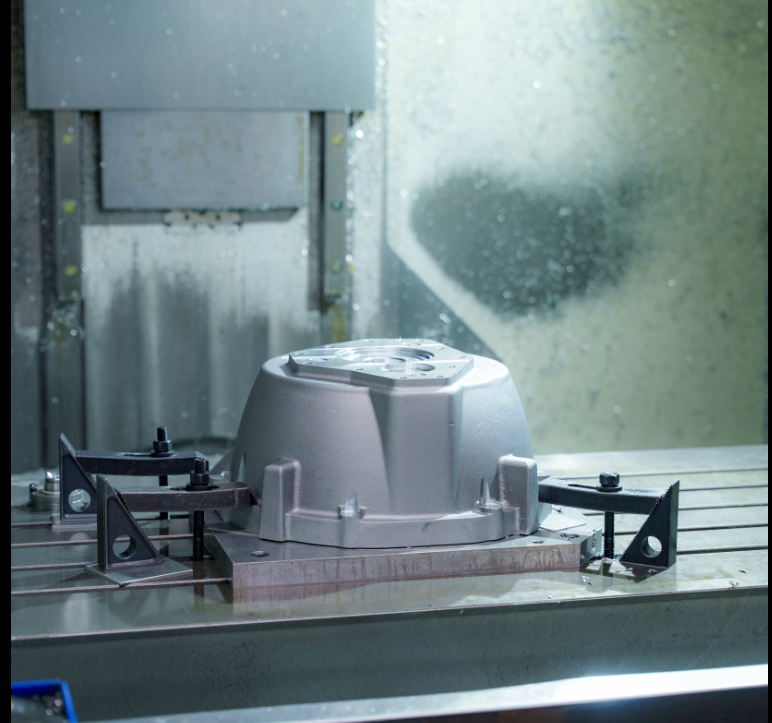
At PrecisionVast, we deliver custom manufacturing solutions where precision is never optional. We control every stage of the subtractive manufacturing process to eliminate unwanted surface irregularities and meet your exact ra surface finish requirements. From raw stock to final inspection, our facility combines advanced CNC machining with specialized post-processing to ensure your parts perform exactly as engineered.
Our Surface Finishing Expertise
Achieving a precise ra surface finish demands a deep understanding of material behavior and tooling dynamics. We go beyond basic machining by utilizing high-precision surface lapping, automated polishing, and controlled abrasive blasting. Our machinists dial in optimal feed rates, spindle speeds, and tool geometries to consistently produce the exact arithmetic average roughness your application requires.
Custom Components Engineered to Exact Ra Tolerances
We build custom precision component manufacturing solutions around your strict design tolerances. Whether your project requires a standard machine finish or an ultra-smooth profile for high-performance sealing, we deliver verified results.
- Tight Tolerance Control: Holding consistent micro-inch and micrometer profiles across complex geometries.
- Process Optimization: Matching the right CNC machining surface finish options to your part’s mechanical function.
- Repeatable Quality: Ensuring batch-to-batch consistency so every single production part matches your approved prototype.
Industries We Serve
Our ability to hit precise surface roughness average (Ra) targets makes us a trusted partner for critical United States industries:
| Industry | Primary Application | Common Finish Target |
|---|---|---|
| Aerospace & Defense | Structural brackets, high-stress flight components | 0.8 µm Ra (32 µin) standard finish |
| Medical & Pharmaceutical | Sanitary devices, surgical tools, implants | High-precision polished finish |
| Semiconductor | Vacuum chambers, fluid handling systems | Ultra-low Ra geometries |
| Automotive & Racing | Powertrain components, high-wear mating surfaces | Low-friction dynamic profiles |
Technical Specifications: Understanding Ra Surface Finish
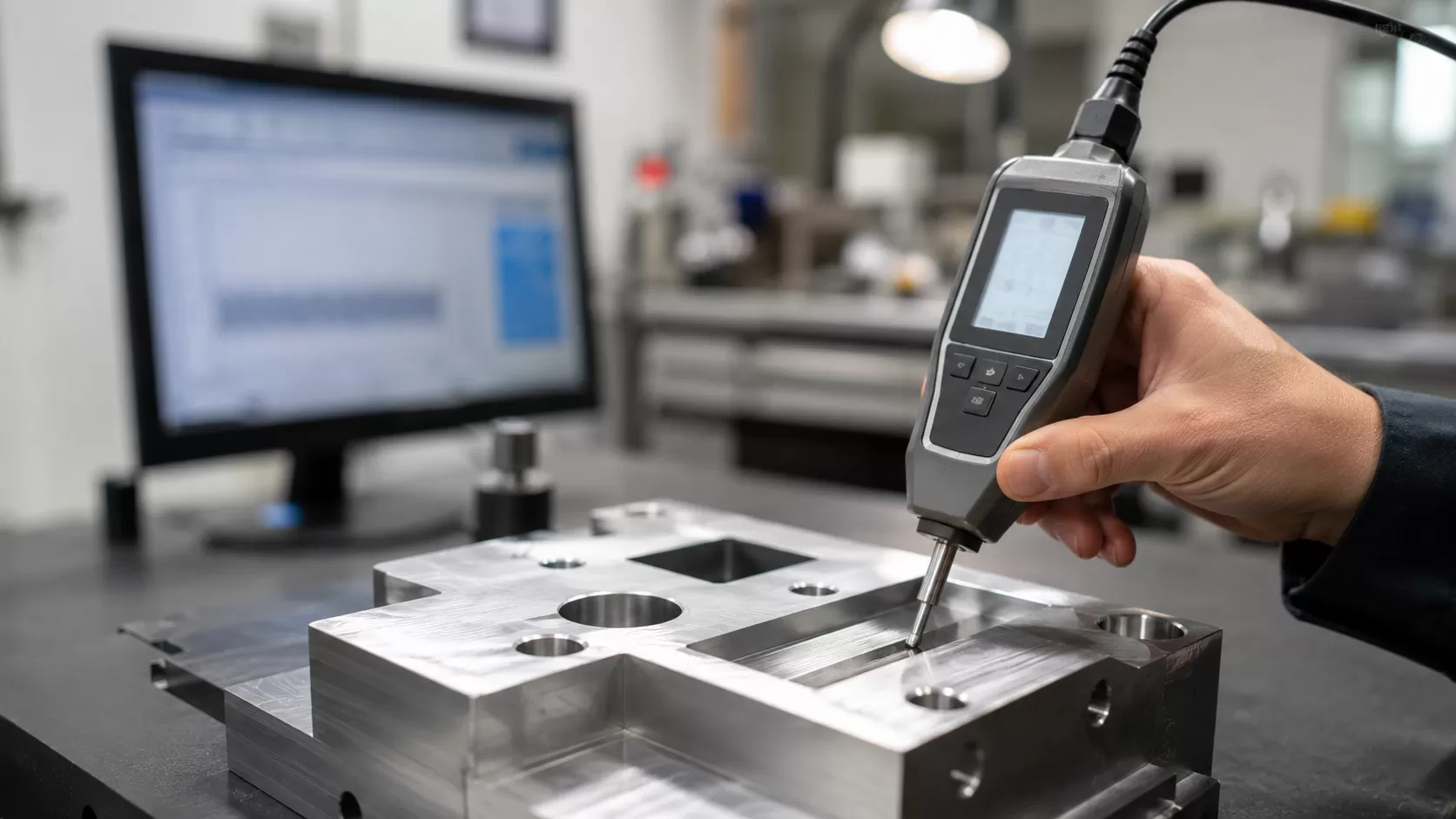
When we manufacture precision parts, the texture of the surface matters just as much as the dimensional tolerances. Ra surface finish, or roughness average, is the industry standard for quantifying surface texture. It measures the microscopic peaks and valleys left behind by cutting tools, grinding wheels, or polishing compounds.
What is Ra (Roughness Average)?
Arithmetic average roughness (Ra) represents the average deviation of a surface profile from the mean line within a specified sampling length. In plain terms, it measures how flat a surface is on a microscopic scale by averaging the height differences across the face of the metal.
While it is the most widely used metric for general quality control, Ra is an average value. It does not account for isolated, deep scratches or sudden high peaks, which is why we look at a complete surface profile for critical components.
Micrometers (µm) vs. Micro-inches (µin)
Global manufacturing relies on two primary systems for measuring surface roughness average (Ra). In the United States, engineers typically use micro-inches (µin). In Europe and Asia, micrometers (µm) are the standard.
The micrometers to micro-inches conversion (µm to µin) uses a standard multiplier of 39.37. To keep your production running smoothly, we use the following standard conversion breakdown:
| Roughness Grade (ISO) | Metric Unit (µm) | Imperial Unit (µin) | Common Manufacturing Process |
|---|---|---|---|
| N8 | 3.2 µm | 125 µin | Rough CNC machining / heavy milling |
| N7 | 1.6 µm | 63 µin | Standard machine finish / light milling |
| N6 | 0.8 µm | 32 µin | High-precision machining / smooth turning |
| N5 | 0.4 µm | 16 µin | Precision surface lapping and polishing |
The Role of Ra in Component Performance
Controlling the surface roughness average (Ra) directly impacts how a custom precision component behaves in real-world applications. Choosing the right finish prevents premature part failure and ensures optimal performance in three critical areas:
- Friction: Smoother surfaces lower the coefficient of friction, reducing heat generation and energy loss in moving mechanical assemblies.
- Sealing: High-precision mechanical seals roughness must be strictly controlled. If a surface is too rough, fluids leak past the peaks; if it is too smooth, the surface cannot hold the lubricating film required to keep the seal from burning up.
- Wear Resistance: Eliminating high subtractive manufacturing surface irregularities reduces abrasive wear, significantly extending the service life of mating parts under high-pressure loads.
Limitations of Ra: Tracking Rz and RMS
While the Ra surface finish chart is our go-to reference, Ra alone does not tell the whole story for critical high-load or high-vacuum profiles. Because Ra is an average, two surfaces with completely different profiles can have the exact same Ra rating. To overcome this limitation, we track two additional metrics:
- Rz (Peak-to-Valley Roughness): Measures the distance between the single highest peak and the lowest valley within a sampling length. This helps us catch sharp irregularities that could rupture a seal or cause a crack under stress.
- RMS (Root Mean Square): Calculates the geometric average of the surface profile. RMS is more sensitive to sporadic peaks and valleys than Ra, making it ideal for high-spec optical and aerospace components.
Managing these subtle differences is especially critical when machining demanding materials, such as optimizing the properties of high-temperature alloys where surface integrity directly influences thermal fatigue resistance.
PrecisionVast Standard Ra Finish Options & Applications
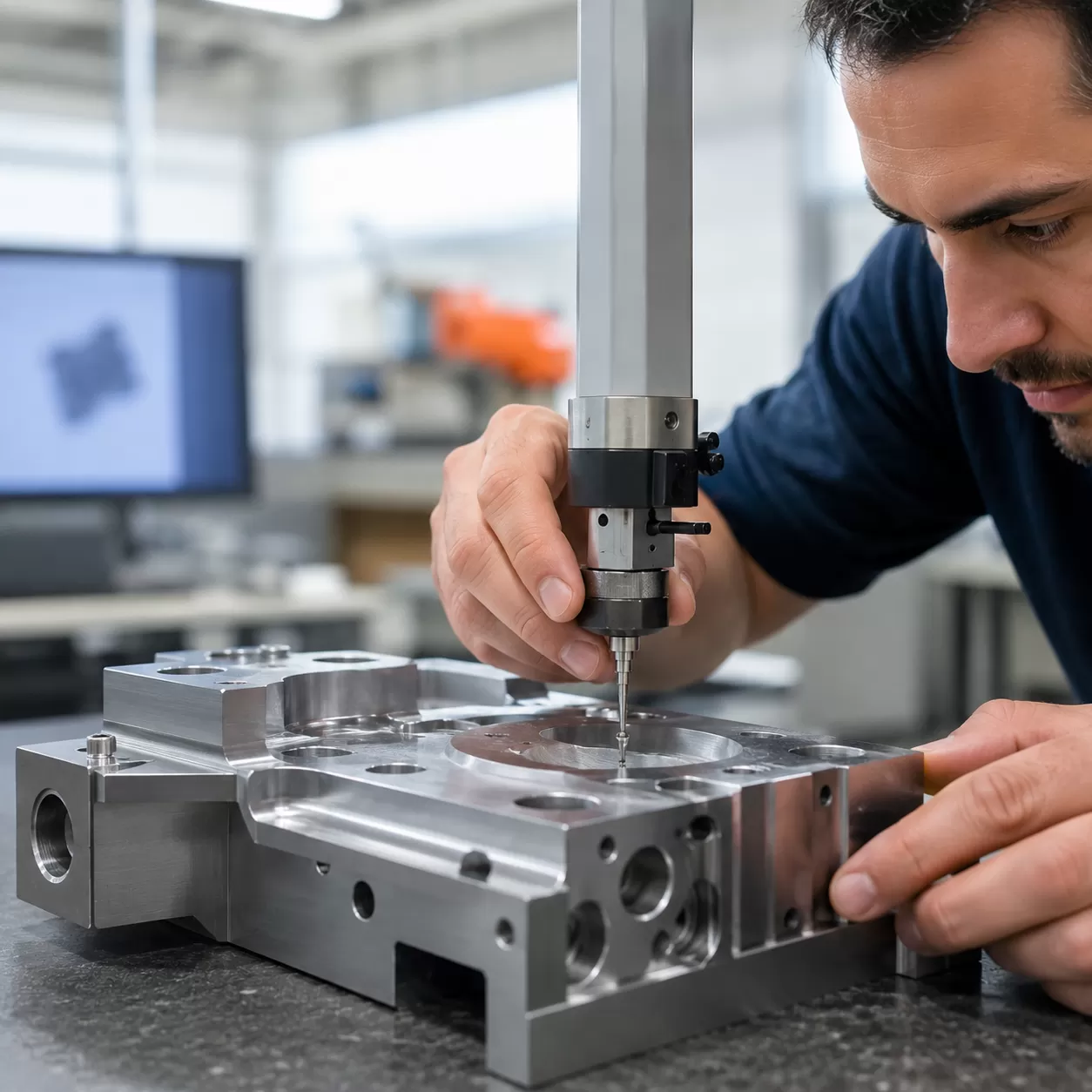
We offer a versatile selection of CNC machining surface finish options tailored to your specific mechanical and aesthetic requirements. Selecting the correct arithmetic average roughness ensures optimal component performance while managing production costs effectively.
Below is our standard Ra surface finish chart outlining our capabilities, typical applications, and their industry-standard Roughness Grade Numbers (ISO N-grades).
| Ra Value (µm) | Ra Value (µin) | ISO N-Grade | Common Applications & Performance Characteristics |
|---|---|---|---|
| 3.2 µm | 125 µin | N8 | As-machined baseline. Ideal for heavy loads, structural brackets, and large framing components where cosmetic appearance is secondary. |
| 1.6 µm | 63 µin | N7 | Standard machine finish. Excellent for commercial fasteners, industrial electronic housings, and mounting plates. |
| 0.8 µm | 32 µin | N6 | High-grade standard finish. Highly recommended for high-stress parts, static mating surfaces, and precise alignment pins. |
| 0.4 µm to 0.1 µm | 16 µin to 4 µin | N5 to N3 | Precision surface lapping and polishing. Critical for high-precision mechanical seals, bearings, and dynamic hydraulic shafts. |
Industrial Applications & Surface Requirements
Different operating environments demand specific controls over subtractive manufacturing surface irregularities. We regularly fine-tune our machining parameters to deliver these exact tolerances.
- Ra 3.2 µm (125 µin) — The As-Machined Baseline: This is our standard starting point for structural components. It leaves visible tool marks but provides a cost-effective solution for structural parts that undergo heavy loads without dynamic movement.
- Ra 1.6 µm (63 µin) — Commercial Standard: A tight, neat finish that eliminates most prominent tool marks. It is the go-to choice for tight-fitting enclosures, brackets, and robust hardware used across the automobile industry.
- 0.8 µm Ra (32 µin) Standard Finish — The Engineering Sweet Spot: This finish requires high-feed control and sharp tooling. It is highl