

Learn welding aluminum with easy TIG and MIG tips, oxide layer prep, heat control, safety, and beginner friendly setup guidance
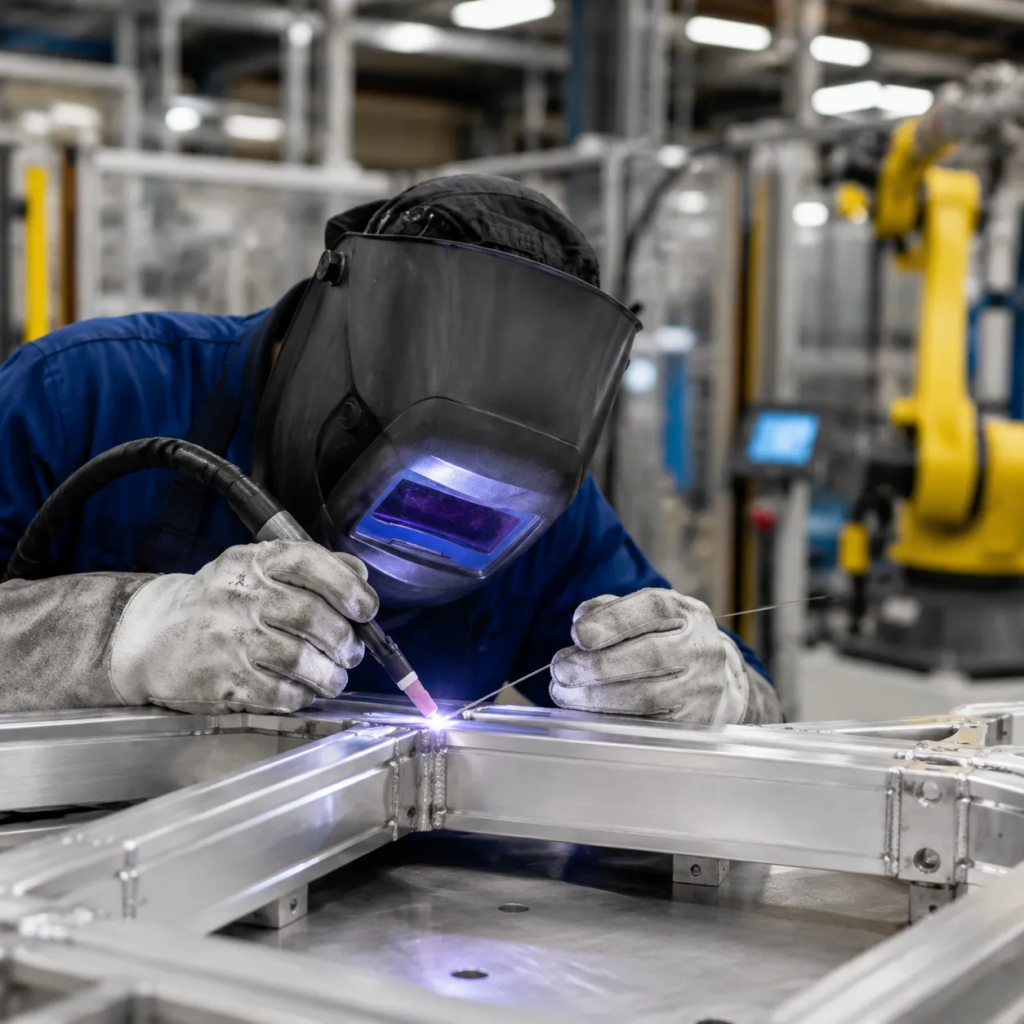
Metallurgy of Welding Aluminum
Welding aluminum presents unique metallurgical hurdles that differ significantly from steel fabrication. To achieve defect-free, structural welds, we systematically address three primary engineering challenges.
The Aluminum Oxide Dilemma
Aluminum is naturally protected by a tough surface oxide layer. This creates a major temperature mismatch during the welding process: Base Aluminum Melting Point: ~1,220°F (660°C) Aluminum Oxide Melting Point: ~3,700°F (2,037°C)
If we do not perform complete oxide layer removal prior to welding, the oxide layer will sink into the weld pool, causing severe oxide inclusions and weak joints.
Thermal Conductivity and Heat Dissipation
Aluminum conducts heat rapidly, transferring thermal energy away from the weld zone up to five times faster than steel. The Risk: High risk of burn-through at the start of the weld and structural degradation in the heat-affected zone. Our Approach: We utilize precise heat input controls and rapid travel speeds to maintain a stable puddle without overheating the surrounding base metal, ensuring effective heat-affected zone mitigation.
Aluminum Weld Porosity Prevention
Hydrogen solubility is the leading cause of weld porosity. Molten aluminum absorbs hydrogen instantly, which then gets trapped as gas bubbles during solidification. We achieve aluminum weld porosity prevention through: Chemical Degreasing: Removing all hydrocarbons, oils, and cutting fluids. Mechanical Etching: Using dedicated stainless steel wire brushes to strip oxides. Atmospheric Control: Utilizing high-purity shielding gas to isolate the weld pool.
Core Methodologies for Welding Aluminum at PrecisionVast
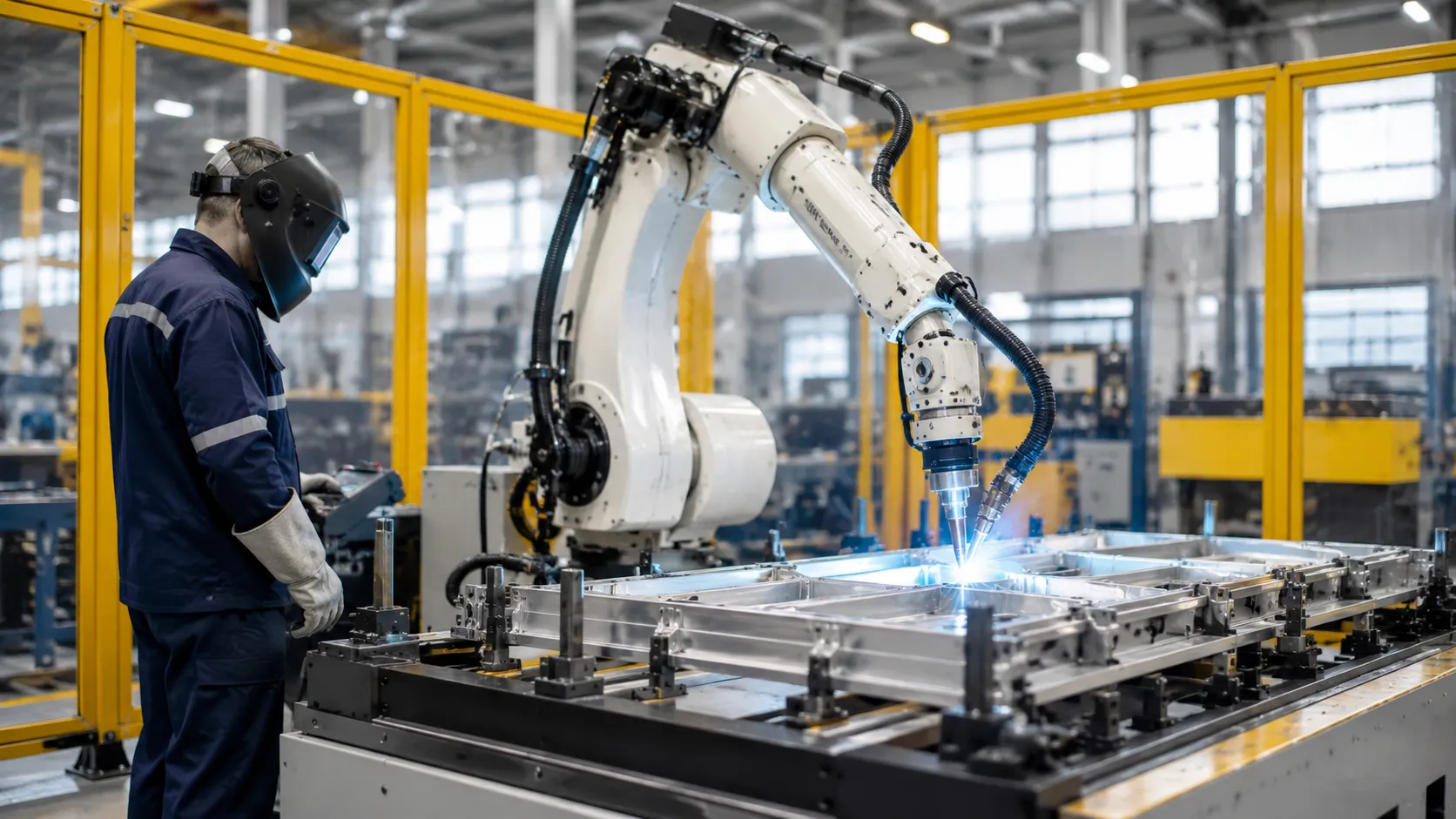
We know that welding aluminum requires a specialized touch. At our custom aluminum welding shop, we combine advanced power sources with deep material expertise to deliver clean, defect-free results on every project.
Precision AC TIG Welding (GTAW)
For precise, high-aesthetic applications, our GTAW aluminum processing relies on advanced AC balance control. This technology provides continuous oxide layer removal while maintaining the perfect arc stability needed for thin-gauge components.
High-Deposition MIG Welding (GMAW)
Our high-speed aluminum MIG welding services utilize advanced push-pull torch systems to prevent wire feeding issues. By using aluminum pulse MIG welding and double-pulse wave-form technologies, we achieve superior bead appearance and excellent penetration while managing heat input to prevent burn-through.
Automated & Robotic Aluminum Fabrication
For high-volume production runs, we deploy fixed-fixture robotic tracks. This automation ensures unmatched consistency, tight tolerances, and rapid turnaround times for structural components.
Advanced Alloy Classification for Welding Aluminum
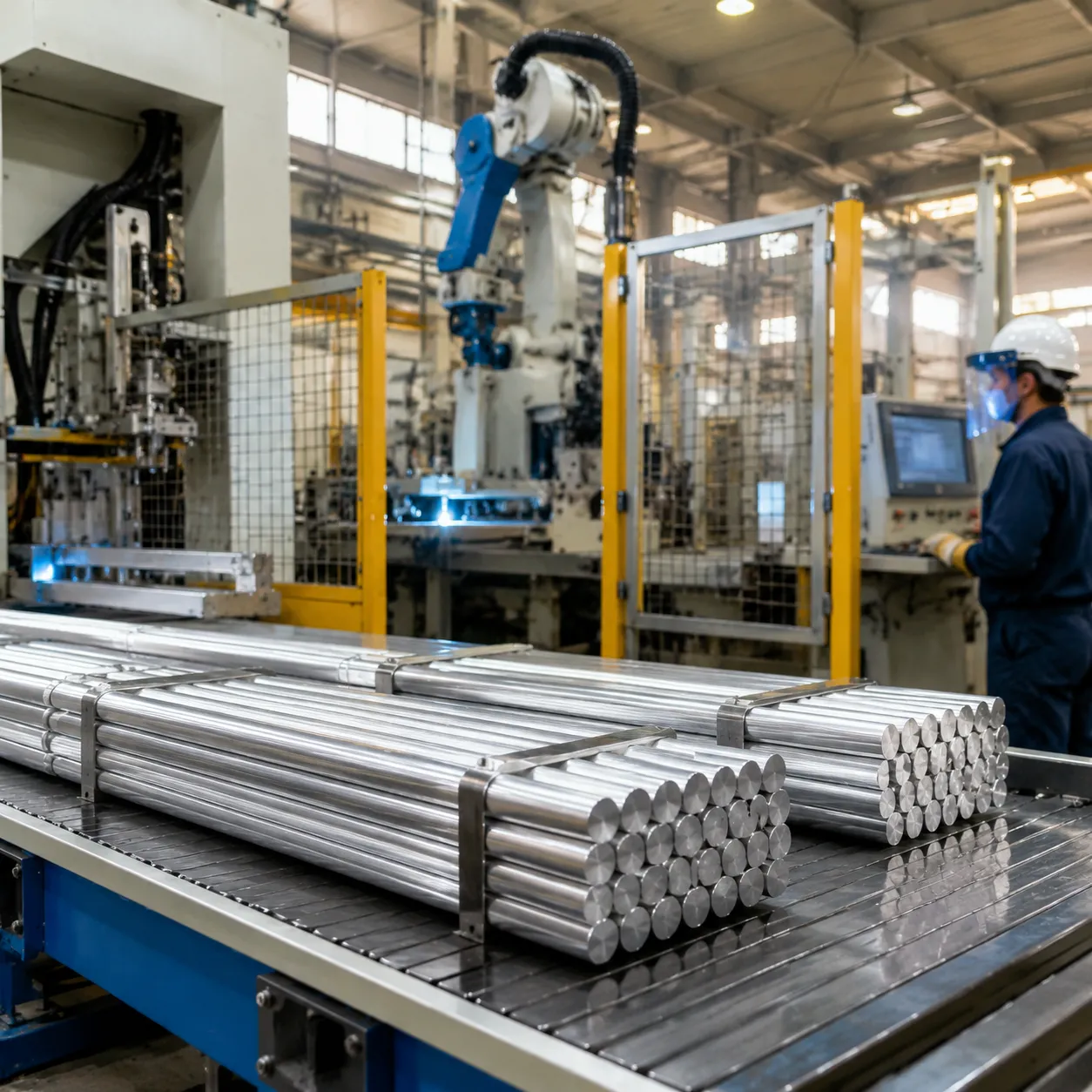
We categorize aluminum alloys into two distinct groups to determine the optimal welding parameters and filler metals. Matching the correct base metal with the right filler wire ensures the joint holds up under structural stress.
Non-Heat-Treatable Alloys (3xxx, 4xxx, 5xxx Series)
These alloys gain their strength through work hardening rather than heat treatment.
- High Corrosion Resistance: Excellent performance in marine and chemical environments.
- Tensile Strength: The 5xxx series (like 5052 and 5083) offers high weld strength when paired with the correct magnesium-alloyed filler.
- Applications: Commonly used for fuel tanks, marine hulls, and structural sheet metal.
Heat-Treatable Structural Alloys (6xxx, 7xxx Series)
These alloys rely on thermal processing to achieve their mechanical properties. Welding introduces heat that can weaken the joint.
- Heat-Affected Zone Mitigation: The heat from welding naturally softens the metal adjacent to the weld pool. We control heat input strictly to minimize this strength loss.
- 6061-T6 Aluminum Welding: This common structural alloy is highly sensitive to hot cracking, requiring precise thermal management and specific filler metals.
Filler Metal Optimization Strategy
Choosing the right filler wire prevents cracking and ensures the weld matches the mechanical requirements of the project. We utilize a strict selection matrix for our projects.
| Filler Alloy | Target Base Metals | Key Characteristics | Best Use Case |
|---|---|---|---|
| ER4043 | 6xxx series, select 3xxx & 5xxx | Lower cracking sensitivity, high fluidity, contains silicon | General structural welding, cosmetic welds |
| ER5356 | 5xxx series, structural 6061-T6 | Higher shear strength, ductile, contains magnesium | Marine fabrication, anodized parts, high-stress joints |
Quality Assurance & AWS D1.2 Certified Welding
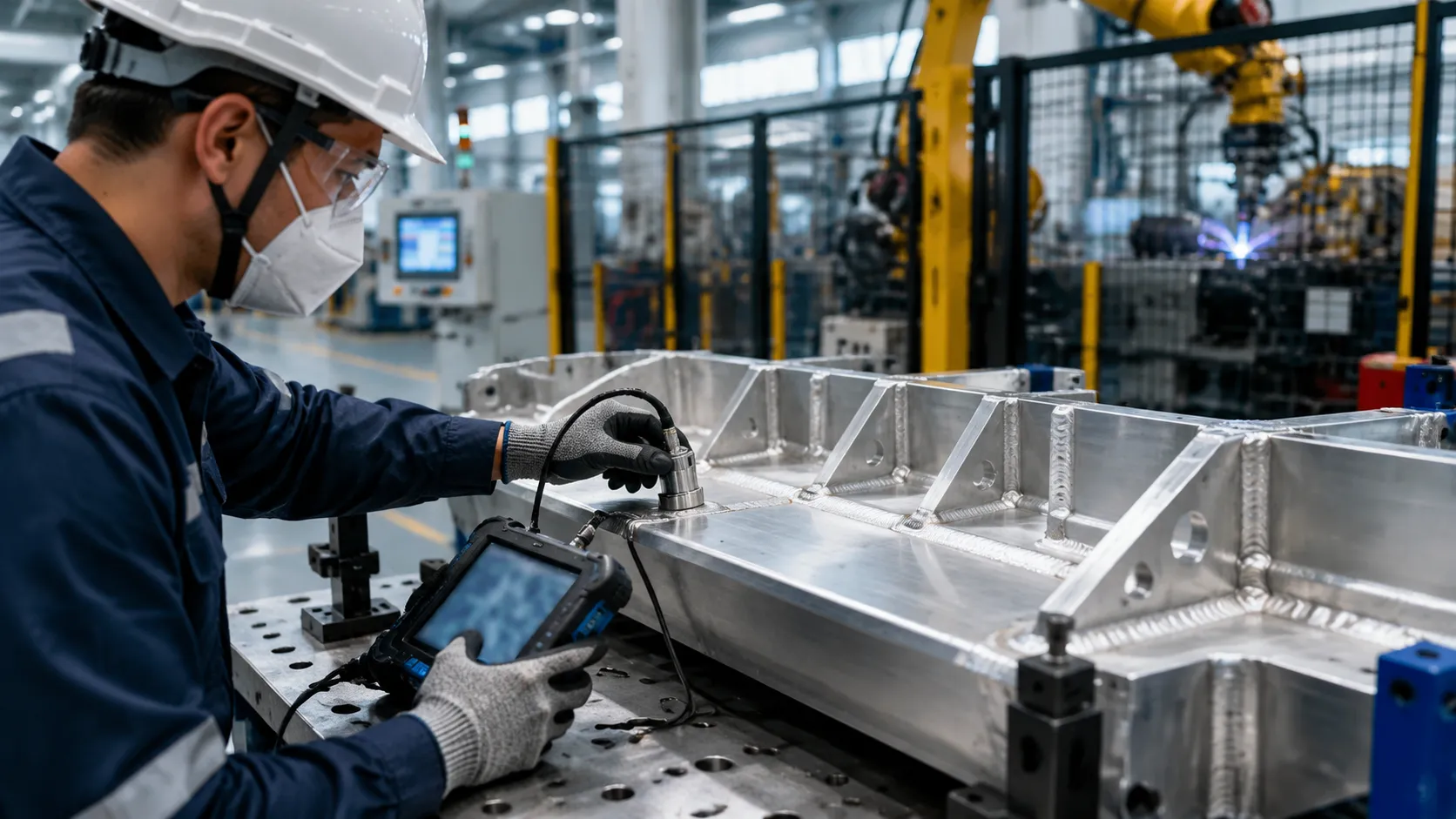
We don’t leave structural integrity to chance. Every weld we produce meets the strictest industry standards. Our facility delivers fully compliant fabrication that adheres to AWS D1.2, ASME Section IX, and ISO regulations. For our US partners in defense, infrastructure, and aerospace, this compliance guarantees that your components are legally certified, safe, and built to handle extreme operational stress.
Strict Clean-Room & In-Process Controls
Aluminum is highly sensitive to environmental contamination. To deliver flawless structural aluminum welding, we isolate our fabrication process from the rest of the shop.
- Dedicated Clean-Room Environments: We isolate our aluminum work areas to eliminate cross-contamination from carbon steel dust, preventing immediate weld defects.
- Oxide Layer Removal: Every piece undergoes strict mechanical and chemical cleaning immediately before joining to strip away the stubborn surface oxide layer.
- Advanced Shielding Gas Blends: We utilize precise mixtures of pure Argon or Argon-Helium blends to stabilize the arc and ensure deep, clean penetration.
Non-Destructive Testing (NDT) & Inspection Protocols
To guarantee zero-defect performance, we put our work through a rigorous, multi-tiered inspection matrix. We verify the internal soundness of every joint without altering the material.
| Testing Method | What It Detects | Primary Benefit for Aluminum |
|---|---|---|
| Visual Inspection (VT) | Surface discontinuities, undercut, and profile irregularities. | Immediate quality feedback during production. |
| Liquid Penetrant Testing (PT) | Microscopic surface cracks and surface-breaking porosity. | Highly reliable for non-magnetic aluminum alloys. |
| Radiographic & Ultrasonic (RT/UT) | Internal voids, lack of fusion, and sub-surface porosity. | Ensures full-penetration structural integrity. |
Our systematic approach to aluminum weld porosity prevention ensures that your parts roll off our line verified, validated, and ready for immediate deployment.
Industrial Applications for Welding Aluminum
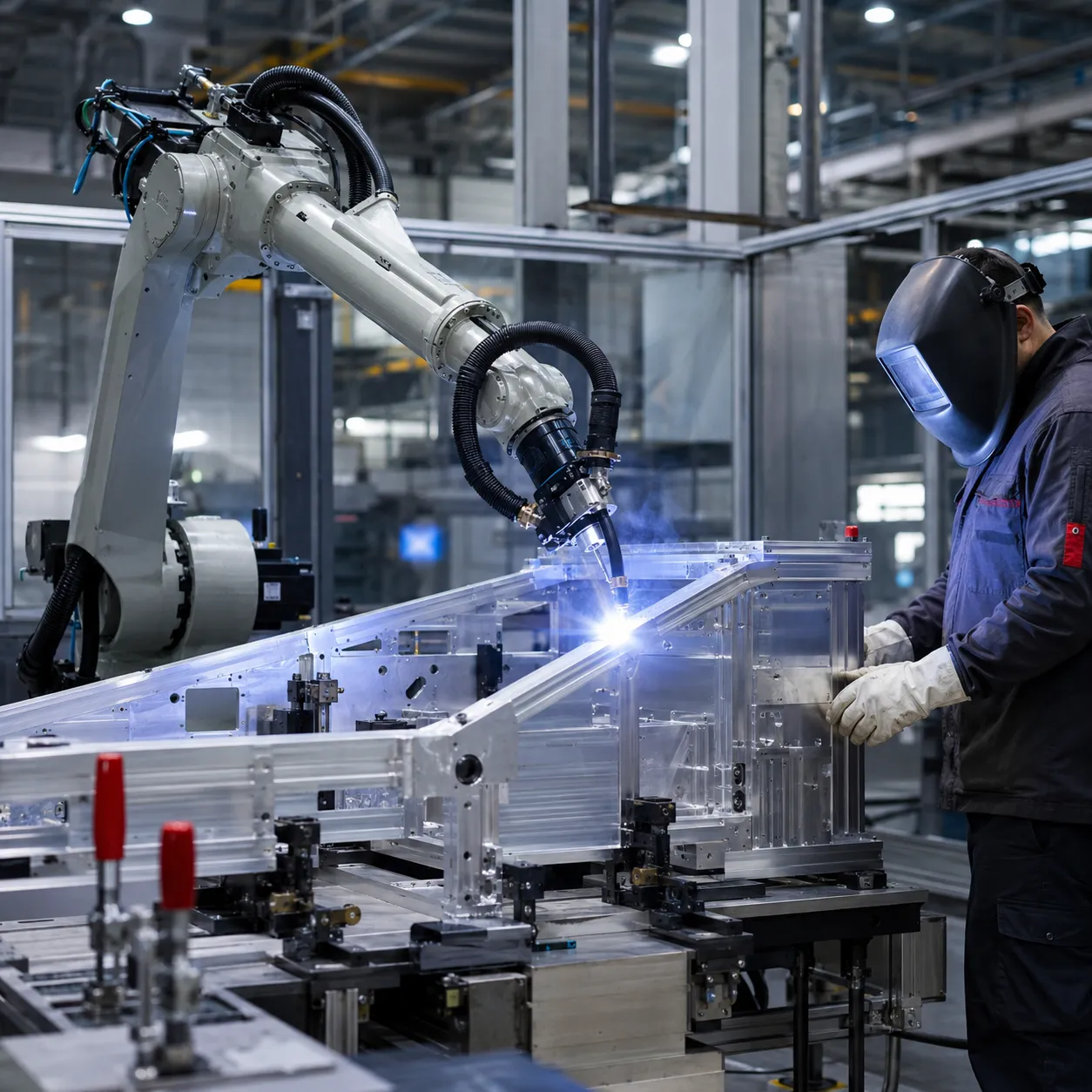
At our custom aluminum welding shop, we deliver high-precision fabrication across the most demanding US industrial sectors. Our structural aluminum welding capabilities meet strict performance and safety standards, ensuring every weld holds up under extreme stress.
Aerospace & Defense
- Lightweight Structural Frames: Engineered for maximum strength-to-weight ratios to optimize payload efficiency.
- Avionics Enclosures: High-accuracy enclosures that protect sensitive electronics from environmental hazards.
- Fuel Tanks: Secure, leak-proof containment systems built to handle volatile aerospace fluids.
Marine Engineering
- Corrosion-Resistant Hulls: Built to withstand constant exposure to harsh saltwater environments without degrading.
- Superstructures: Lightweight upper decks that improve vessel stability and speed.
- Custom Offshore Components: Durable marine hardware designed for long-term structural integrity.
Automotive & EV Infrastructure
- Battery Trays: Precision-fabricated enclosures that secure and protect electric vehicle battery packs.
- Structural Chassis: Advanced frame components optimized for crash safety and vehicle weight reduction.
- Heat Exchangers: High-thermal-conductivity components built for superior temperature regulation.
Frequently Asked Questions About Welding Aluminum
What is the hardest part about welding aluminum?
The toughest challenge is managing its high thermal conductivity and low melting point. Aluminum pulls heat away from the weld zone rapidly, requiring intense heat to start, yet it can instantly burn through if the heat isn’t backed off quickly. Unlike steel, it doesn’t give a visual warning color before melting.
Why does aluminum welding require special cleaning?
Aluminum naturally forms a tough oxide layer that melts at a much higher temperature than the metal beneath it (2060 °C vs 660 °C). If you don’t remove this layer through dedicated mechanical brushing and chemical cleaning, the oxide gets trapped inside the joint, causing severe weld defects and weak bonds.
Which filler wire is best for 6061-T6 aluminum?
The choice comes down to your project goals, typically utilizing two primary options: ER4043: Best for minimizing weld cracking, offering excellent fluidity and a brighter finish. ER5356: Ideal if you need higher structural strength, better ductility, and plan to anodize the part after fabrication.
How do you prevent porosity in aluminum welds?
Porosity is caused by trapped hydrogen gas. We maintain strict control over it using these baseline protocols: 1. De-grease and brush: Eliminate all moisture, oils, and hydrocarbons before striking an arc. 2. Use pure shielding gas: Deploy high-purity Argon or Argon/Helium mixtures. 3. Store materials right: Keep filler metals in dry, temperature-controlled environments to prevent moisture condensation.
What certifications should an industrial aluminum welder have?
For structural and high-stakes commercial production, our team operates under strict compliance standards. A reputable custom aluminum welding shop should hold: AWS D1.2: The structural welding code specifically for aluminum. ASME Section IX: For pressure vessels and demanding piping systems. ISO standards: For international quality and manufacturing consistency.
 German
  English