

Wheel hub bearing assemblies with exact fitment front and rear options plus symptoms and installation guidance
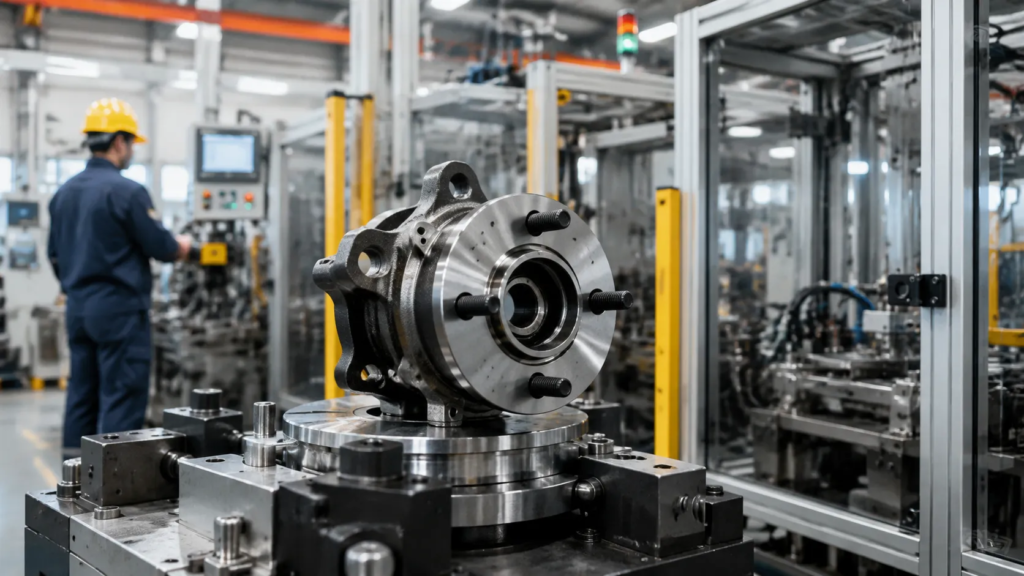
Wheel Hub Bearing Overview & Key Benefits
When you hear a faint humming sound or feel an unusual vibration through your steering wheel, your vehicle is signaling a critical component issue. The wheel hub bearing is a foundational safety and performance component, serving as the sole link between your rotating wheels and the stationary chassis.
What is a Wheel Hub Bearing?
A wheel bearing hub assembly is a precision-engineered component containing rolling elements (balls or rollers) that allows the wheel to spin freely. It plays a dual role in vehicle dynamics: Load Support: It bears the entire static and dynamic weight of the vehicle during acceleration, braking, and cornering. Safety Integration: Modern units often house the ABS wheel speed sensor, directly affecting your vehicle’s braking efficiency and traction control systems.
Load, Rotation, and Performance Mechanics
| Key Function | Mechanism | Driver Benefit |
|---|---|---|
| Friction Reduction | High-grade rolling elements rotate within precision-ground raceways. | Smooth wheel rotation and optimized fuel efficiency. |
| Load Distribution | Engineered to absorb both radial (downward) and axial (cornering) forces. | Consistent vehicle handling and structural integrity under heavy loads. |
| Environmental Sealing | Multi-lip advanced seals keep vital grease in and road contaminants out. | Prevented premature wear and extended service life. |
Why Premium Hub Assemblies Matter
Choosing a premium hub bearing directly impacts your daily driving experience. Low-grade alternatives quickly degrade, causing distinct cabin noise, harsh vibrations, and compromised handling.
Our premium automotive hub bearing units utilize advanced heat-treated steel and specialized lubrication to eliminate harsh NVH (Noise, Vibration, and Harshness). Upgrading to a high-quality wheel bearing assembly ensures a whisper-quiet cabin, restored steering precision, and absolute peace of mind on the road.
How to Choose the Right Wheel Hub Bearing Fitment
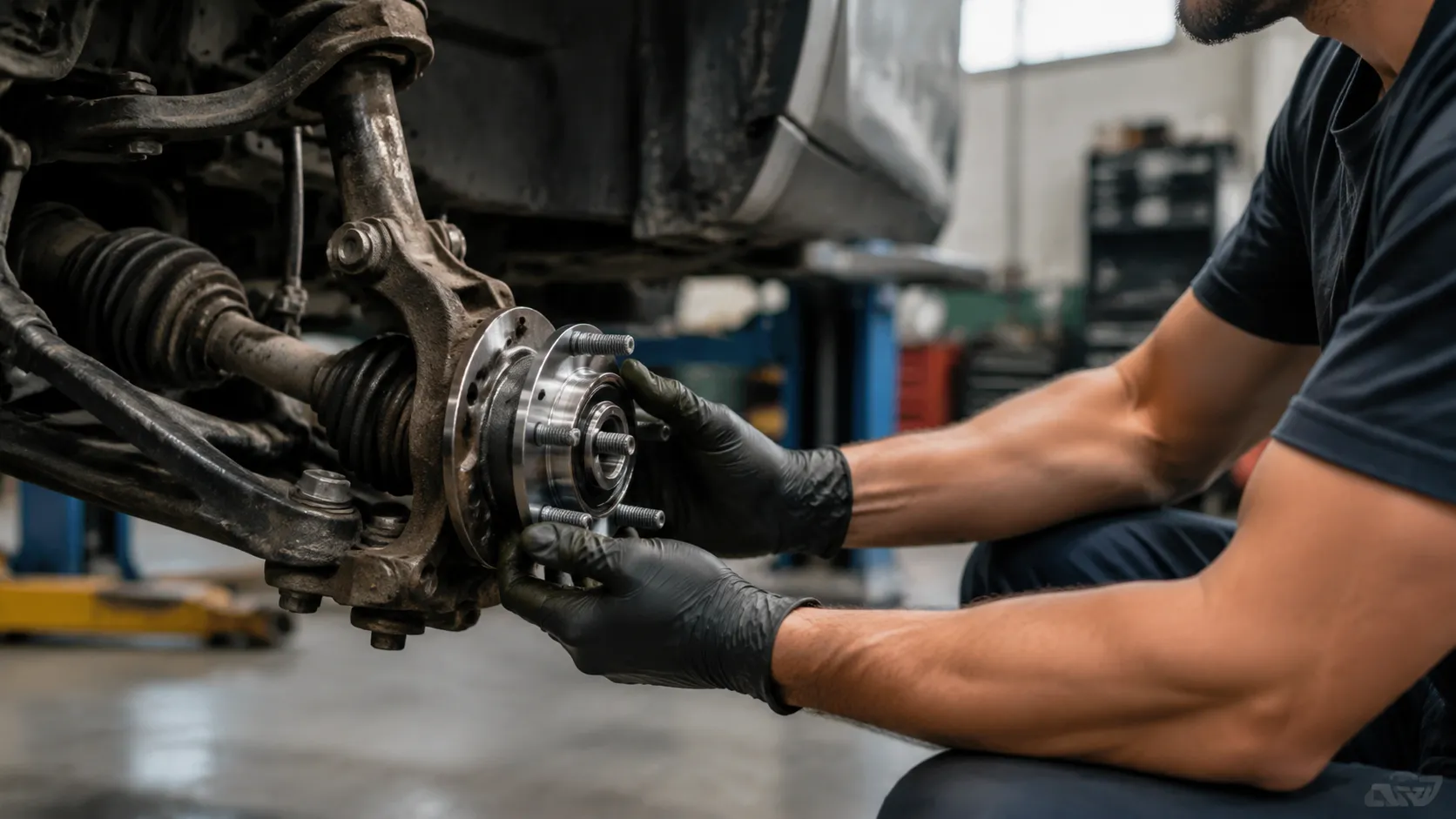
Getting the exact fit for your vehicle is non-negotiable. A mismatched wheel hub assembly will cause installation headaches or, worse, early component failure on the road. At precisionvast.com, we streamline the selection process to ensure you get the right part the first time.
Follow this quick checklist to pinpoint your exact replacement:
- Year, Make, and Model: Always start with your specific vehicle details. A slight mid-year manufacturing change can alter the bearing size.
- Front vs. Rear Selection: A front wheel hub bearing and a rear wheel hub bearing are rarely interchangeable due to different drivetrain, steering, and braking setups.
- Left vs. Right Positioning: While many premium hub assemblies fit both sides, certain vehicles use side-specific designs due to unique ABS sensor cable routing.
- ABS vs. Non-ABS Versions: An ABS wheel hub bearing features a built-in magnetic tone ring or electronic sensor. Installing a non-ABS version on an ABS-equipped vehicle will instantly trigger your dashboard warning light.
Fitment Matrix for Quick Reference
| Selection Factor | What to Verify | Why It Matters |
|---|---|---|
| Drivetrain Layout | FWD, RWD, AWD, or 4WD | Changes the load rating and axle spline count. |
| Brake System | ABS vs. Non-ABS | Missing sensors disable traction and anti-lock braking. |
| Position | Driver Side (Left) / Passenger Side (Right) | Ensures correct cable routing and mounting alignment. |
| OE Cross-Reference | Match original factory part numbers | The absolute best way to guarantee 100% exact fitment. |
Pro Tip: Before finalizing your order, locate the Original Equipment (OE) number stamped on your old factory unit. Cross-referencing this number with our database eliminates the guesswork completely.
Types of Automotive Hub Bearings
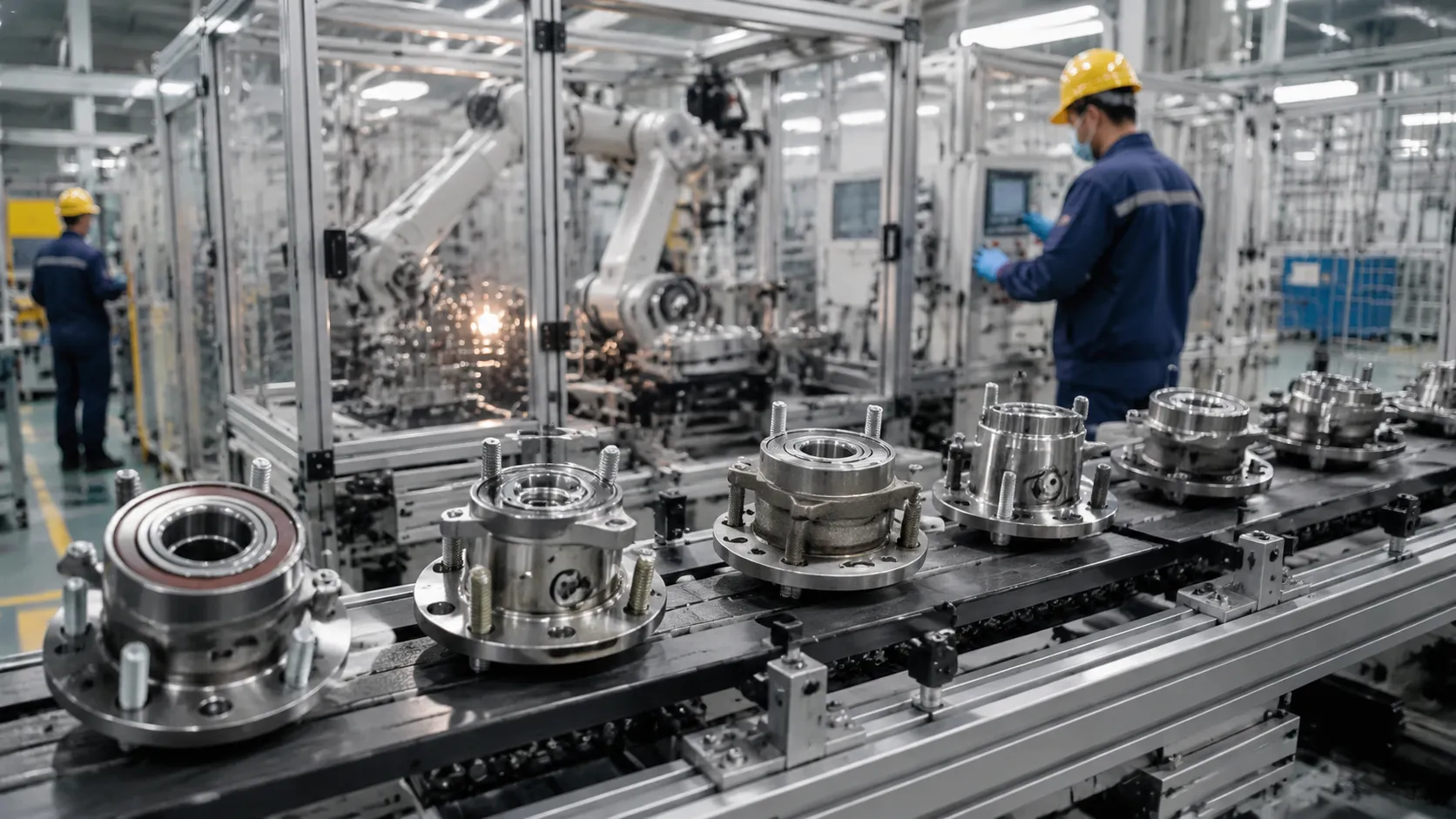
When replacing a worn-out unit, you will generally run into two main structural designs: a complete bolt-on hub assembly or a traditional press-in wheel bearing. Choosing the right design depends entirely on your vehicle’s steering knuckle setup.
Bolt-On Hub Assembly vs. Press-In Wheel Bearing
Our manufacturing facility produces both styles to exact factory specifications, ensuring perfect split-second fitment during installation.
| Bearing Type | Design Features | Best For | Installation Complexity |
|---|---|---|---|
| Wheel Hub Bearing Assembly (Bolt-On) | Pre-assembled unit containing the hub flange, internal bearings, and seals. Often includes a pre-installed ABS sensor. | Modern front-wheel drive, all-wheel drive, and light truck applications. | Low. Directly bolts onto the steering knuckle without special machinery. |
| Press-In Wheel Bearing | Standalone bearing unit. Requires reusing the original wheel hub and steering knuckle. | Older vehicle models, compact cars, and specific rear wheel hub bearing setups. | High. Requires a hydraulic shop press and specific adapters to seat the bearing. |
Sealed Wheel Bearing Designs vs. Unsealed Options
Modern automotive hub bearing standards favor maximum component life with zero maintenance. Here is how sealed setups compare to older unsealed styles.
- Sealed Wheel Bearing: Our premium hub assemblies utilize multi-lip, integrated rubber seals. These units are packed with high-grade synthetic grease at the factory and sealed for life. They completely lock out water, road salt, and dirt while preventing grease breakdown. No maintenance or repacking is ever required.
- Unsealed Wheel Bearing: Older designs that require manual grease packing and regular maintenance intervals. These are highly susceptible to premature failure if moisture breaches the dust caps or if the grease level drops.
Main Symptoms of a Failing Wheel Hub Assembly
Ignoring a bad wheel hub bearing isn’t just annoying—it is a massive safety risk on the road. When the internal components begin to degrade, your vehicle will drop obvious hints before the part fails completely. Here is how to spot the red flags early.
Diagnosing Wheel Bearing Noise
The most common indicator of a failing wheel bearing assembly is a distinct sound. Unlike tire noise, this sound changes pitch when you accelerate or turn the steering wheel.
- Humming or Growling: A low-pitched drone that gets louder as the vehicle picks up speed.
- Chirping or Squealing: A metallic sound indicating a severe lack of lubrication or extreme friction.
- Howling during turns: If the noise intensifies when veering left, the right front wheel hub bearing or rear wheel hub bearing is likely failing due to the shifted load.
Steering Wheel Vibration and Loose Play
As the internal balls or rollers inside the wheel hub assembly wear down, tolerance gaps widen. This directly impacts your steering precision.
- Vibration: You will feel a distinct shaking or shuddering through the steering wheel at highway speeds.
- Loose Steering: The steering wheel may feel unresponsive, vague, or have excessive “play” before the vehicle actually responds.
Uneven Tire Wear and Wheel Wobble
A compromised hub bearing prevents the wheel from rotating on a perfectly straight axis.
| Symptom | Cause | Result |
|---|---|---|
| Wheel Wobble | Excessive play in the bearing hub | Noticeable slack when the vehicle is jacked up and the tire is moved by hand. |
| Accelerated Tire Wear | Misalignment caused by a loose hub | Premature, patchy, or uneven tread wear on the affected side. |
Why a Bad Bearing Triggers the ABS Light
Modern vehicles rely on an ABS wheel hub bearing equipped with an integrated magnetic sensor or tone ring to track wheel speed.
When a wheel bearing hub assembly suffers from excessive play or overheating, it throws off the alignment between the sensor and the ring. This signal disruption causes the vehicle’s computer to immediately trigger the ABS or traction control warning light, disabling the system until a wheel bearing replacement is performed.
Technical Specifications & Structural Breakdown
A premium wheel hub bearing assembly is a masterpiece of precision engineering. To survive thousands of miles of heavy loads, harsh potholes, and extreme temperatures, every component must be built to exact tolerances.
Inside the Wheel Hub Assembly
Our hub bearing units are designed for maximum durability and flawless power transfer.
- Outer Race: The hardened exterior shell that mounts directly to your vehicle’s steering knuckle or suspension setup.
- Inner Race: The high-precision inner ring that directly supports the rotating wheel hub and axle shaft.
- Rolling Elements: Ultra-smooth steel balls or tapered rollers that reduce friction to near zero.
- Hub Flange: The heavy-duty mounting plate equipped with wheel studs to securely hold your wheel and brake rotor.
Core Specifications & Material Standards
We use advanced bearing steel and specialized manufacturing processes to ensure every automotive hub bearing meets or exceeds original equipment standards.
| Metric | Specification Standard | Benefit to US Drivers |
|---|---|---|
| Material | High-cleanliness GCr15 Bearing Steel | Exceptional fatigue resistance; prevents premature cracking under heavy loads. |
| Sealing System | Premium Multi-Lip Rubber Seals | Locks in high-temperature grease; completely blocks out road salt, water, and mud. |
| Precision Machining | Micro-inch runout tolerances | Eliminates wheel wobble and delivers smooth, vibration-free highway driving. |
| Coatings | Anti-corrosion zinc or phosphate plating | Stops rust weld, making future brake and suspension service much easier. |
| Heat Treatment | Induction-hardened raceways | Significantly extends service life and withstands extreme braking heat. |
Every wheel bearing hub assembly we build balances radial load (the weight of the vehicle pressing down) and axial load (the side-to-side force felt while cornering). By focusing on precision machining and heavy-duty structural integrity, our parts keep your wheels tracking straight and your cabin dead silent.
Why Choose precisionvast Hub Bearings
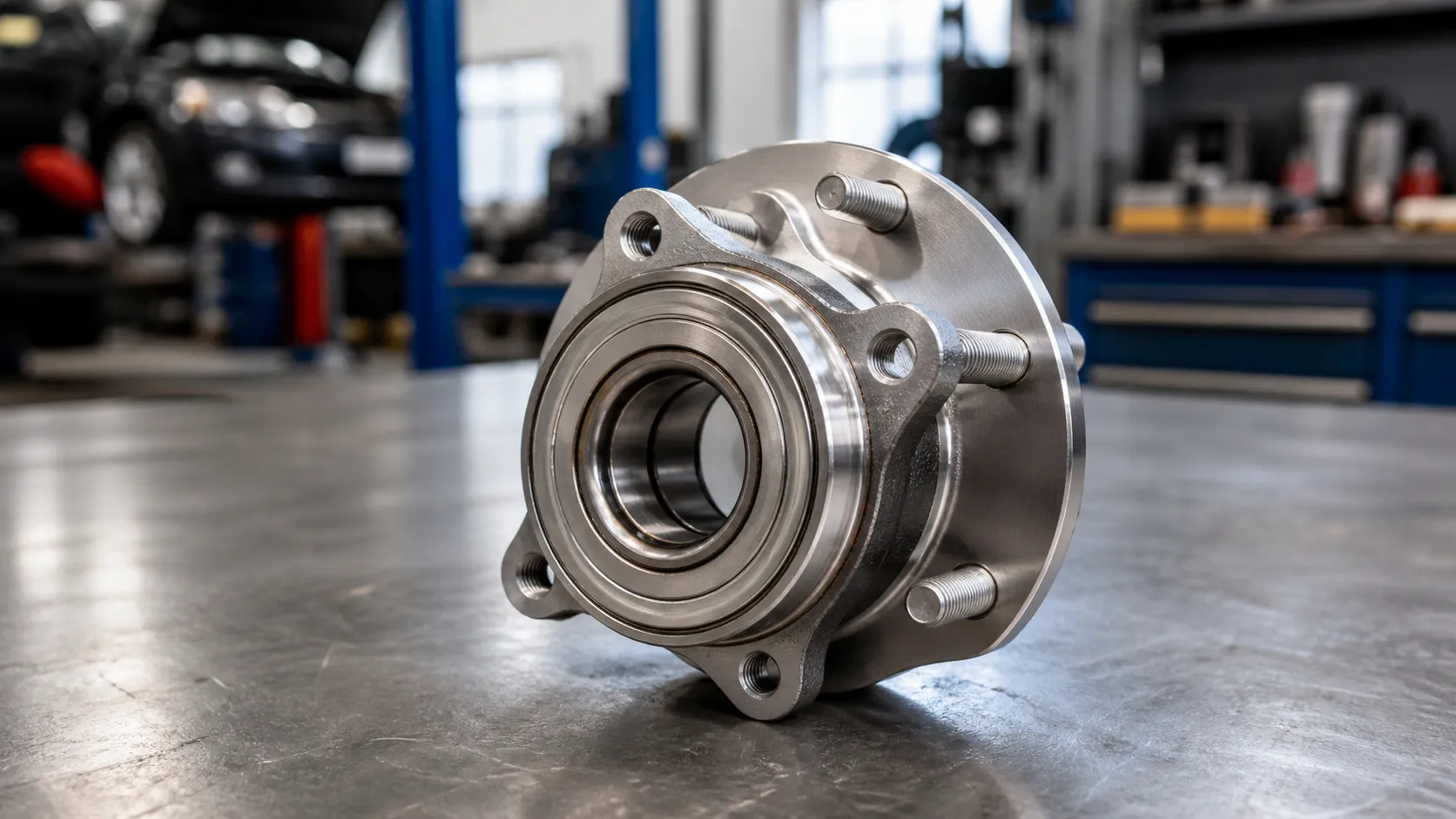
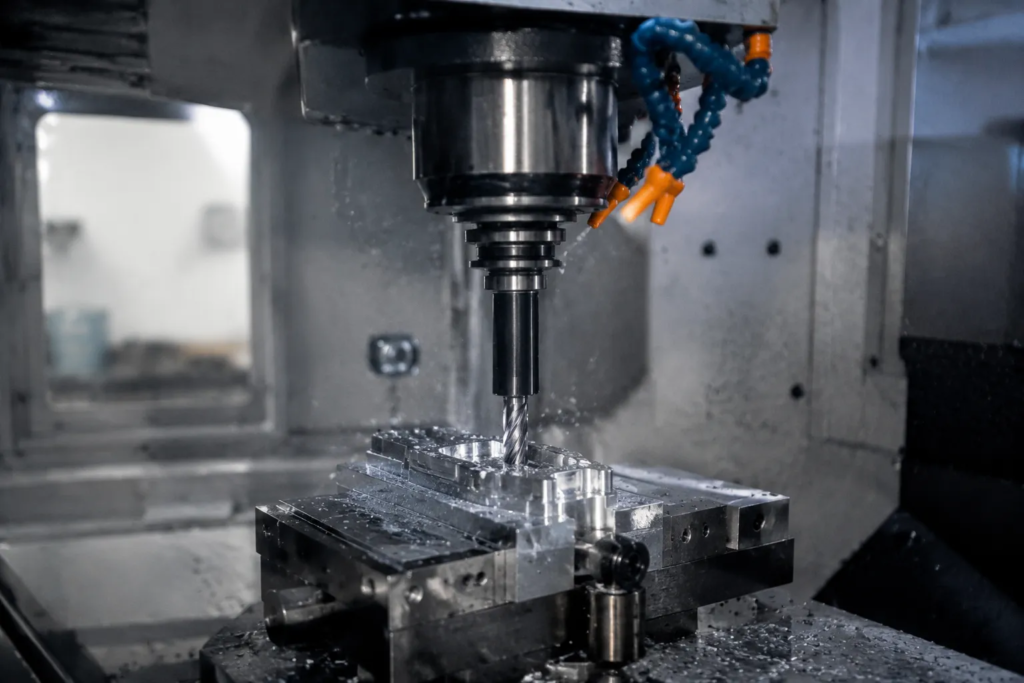
We build every wheel hub bearing assembly to handle the toughest road conditions in the US, from pothole-filled city streets to heavy-duty hauling. Our advanced manufacturing facility uses automated precision machining to ensure total batch consistency, meaning the part you order today fits just as perfectly as the one we made last month.
Strict Quality Control & Testing
We don’t leave vehicle safety to chance. Every single hub bearing undergoes rigorous testing before leaving our facility to eliminate premature failures and callbacks: Runout Inspection: Guarantees perfect alignment to eliminate wheel wobble and rotor wear. Advanced Noise Testing: Ensures completely silent operation, eliminating the classic growling or humming sound. Dimensional Checks: Verified against strict OE tolerances for a flawless, drop-in installation.
Flexible Ordering & Supply Chain Stability
We keep your inventory moving with a stable supply chain, responsive lead times, and tailored customization options for US distributors and fleet managers.
| Service Feature | Capability & Terms |
|---|---|
| MOQ | Flexible minimums tailored for wholesale and regional distributors |
| Customization Support | Custom packaging, laser branding, and specific grease/seal configurations |
| Lead Times | Optimized production schedules with reliable, on-time global shipping |
| Fitment Accuracy | 100% matched to strict US automotive aftermarket standards |
Step-by-Step Installation & Maintenance Notes
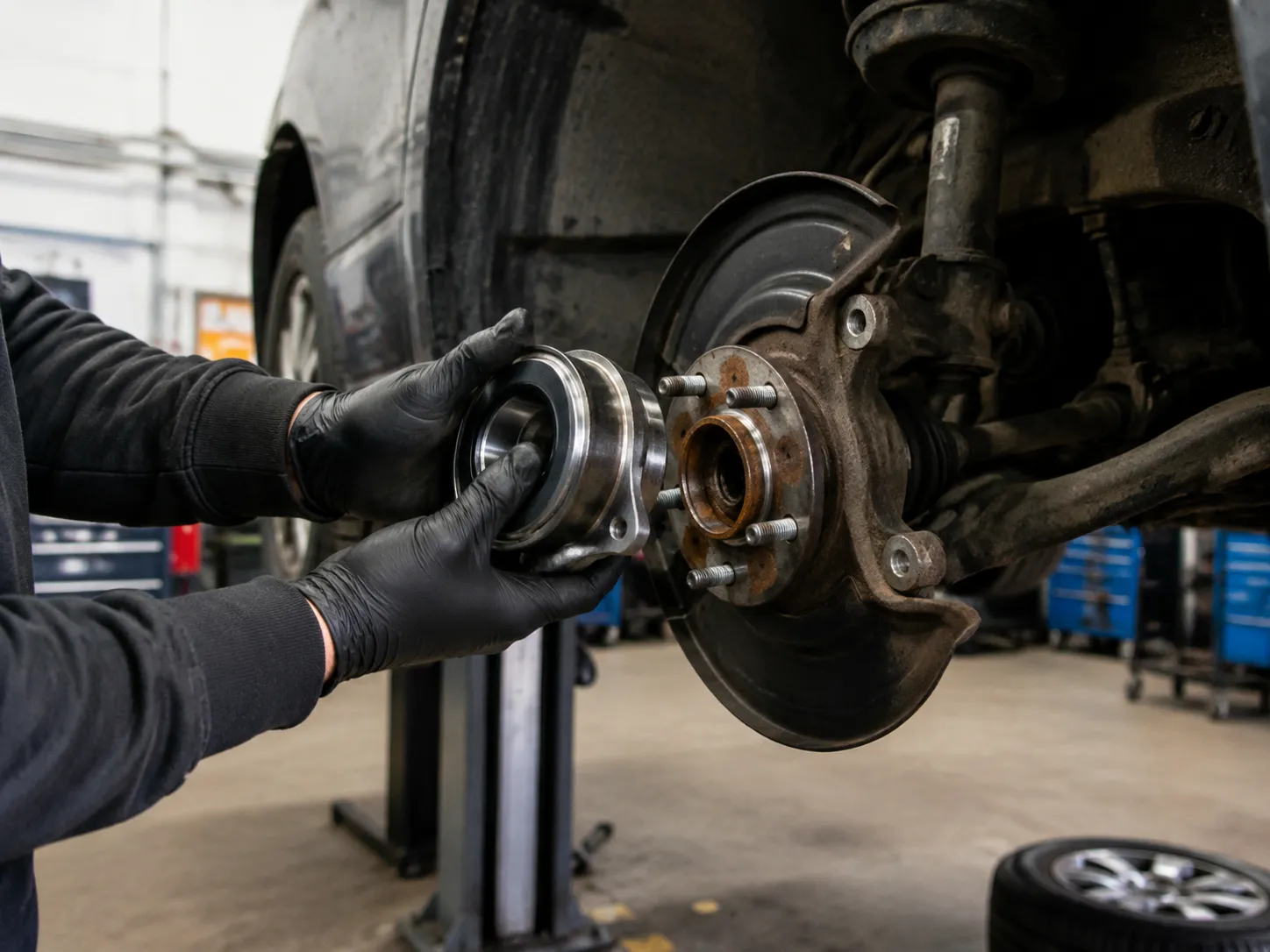
Installing a wheel hub bearing assembly correctly is the difference between a smooth, long-lasting ride and a premature failure. We see too many new parts ruined by rushed installations. Follow these critical steps to protect your investment and ensure road safety.
Crucial Replacement Precautions & Preparation
- Secure the Vehicle: Always work on a flat surface. Engage the parking brake and use wheel chocks on the wheels staying on the ground.
- Inspect Adjacent Components: While removing the old wheel hub assembly, check the brake rotors, pads, and CV axles for wear.
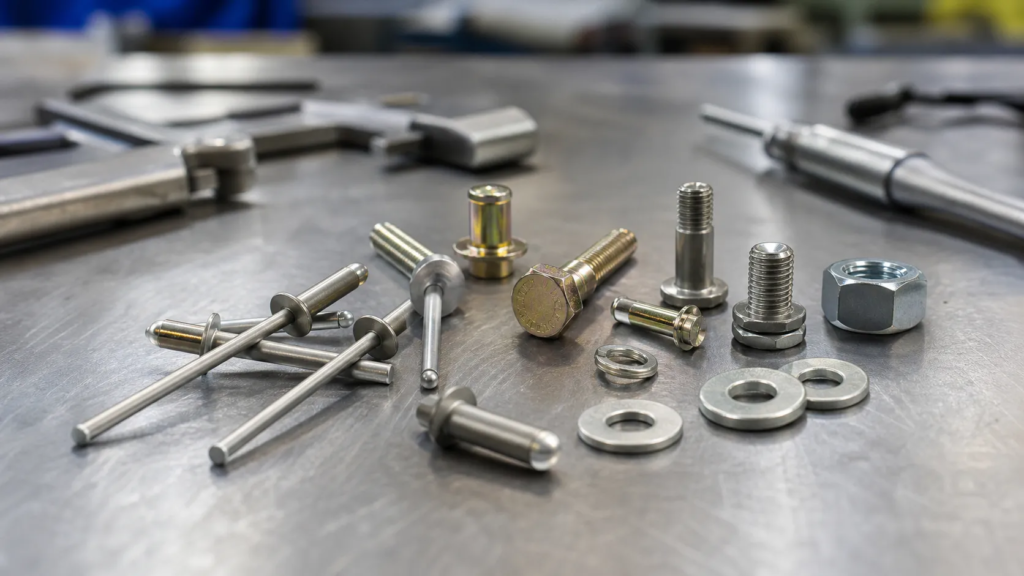
- Never Reuse Old Hardware: Always use the new specialized mounting bolts and axle nuts provided in the kit to prevent loosening over time.
Knuckle Cleaning & Precision Fitment
| Installation Step | Action Required | Why It Matters |
|---|---|---|
| Surface Prep | Clean the steering knuckle bore thoroughly with a wire brush or emery cloth. | Removes rust and road debris that prevent the hub bearing from seating flat. |
| Inspection | Check the knuckle mating surfaces for burrs, gouges, or cracks. | An uneven surface causes misalignment, leading to instant wheel bearing noise. |
| Lubrication | Apply a thin layer of anti-seize lubricant inside the knuckle bore. | Prevents future galvanic corrosion and makes any future replacement much easier. |
Why Torque Accuracy Prevents Premature Failure
Critical Warning: Never use an impact wrench to do the final tightening on the axle nut or mounting bolts. Over-torquing crushes the internal rolling elements, while under-torquing causes excessive play. Both lead to immediate wheel bearing assembly failure.
Always use a calibrated torque wrench and look up the exact manufacturer specifications for your vehicle’s year, make, and model. Proper torque ensures the correct preload on the internal bearings, maximizing service life.
Handling Delicate ABS Sensors
Modern vehicles rely heavily on the ABS wheel hub bearing to feed data to the traction control and braking systems.
- Disconnect First: Unplug the electrical harness before unbolting the old unit to avoid tearing the wires.
- Protect the Sensor Tip: Be extremely careful not to bump or scratch the integrated sensor or magnetic encoder ring during installation.
- Correct Routing: Secure the ABS wire back into its factory chassis clips exactly as it was. Loose wires can rub against the tire or brake rotor and snap.
Proactive Maintenance Tips for Maximum Lifespan
While our sealed wheel bearing designs are lubricated for life, real-world driving conditions in the US—like road salt, deep puddles, and heavy towing—take a toll.
- Avoid Deep Water: Do not submerge your front wheel hub bearing or rear wheel hub bearing in deep water crossings or floods, which can bypass the multi-lip seals.
- Respect Load Ratings: Avoid frequent overloading or running aggressive wheel offsets that put uneven leverage and stress on the hub.
- Listen Closely: Check your suspension during every tire rotation. Catching a faint hum early prevents an unexpected breakdown on the highway.
Wheel Hub Bearing FAQs
How long does a standard wheel bearing hub assembly last?
A standard wheel bearing hub assembly typically lasts between 85,000 and 100,000 miles. However, hitting potholes, driving through deep water, or using oversized wheels can shorten that lifespan significantly.
Can I drive with a noisy wheel hub bearing?
No. Ignoring a noisy wheel hub bearing is highly dangerous. What starts as a faint growl can quickly turn into a total mechanical failure, causing the wheel to lock up or detach from the vehicle while driving. Replace it as soon as you hear symptoms.
Should wheel bearings always be replaced in pairs?
It is not mandatory, but we highly recommend it. Since both sides of your vehicle experience the same road conditions and mileage, the opposite hub bearing usually fails shortly after the first one. Replacing them together saves you diagnostic time and shop visits.
Press-In Wheel Bearing vs. Bolt-On Hub Assembly
The right choice depends entirely on your vehicle’s suspension design.
| Feature | Press-In Wheel Bearing | Bolt-On Hub Assembly |
|---|---|---|
| Design | Separate bearing pressed into the steering knuckle | All-in-one unit with the wheel hub assembly |
| Installation | Requires a hydraulic press and special shop tools | Direct bolt-on design using standard hand tools |
| ABS Sensor | Separate sensor mounted on the knuckle | Often integrated directly into the hub unit |
How do I know if my wheel hub assembly has a built-in ABS sensor?
Check for an electrical connector or wire harness extending directly from the back of the automotive hub bearing. If your vehicle dashboard has an ABS light and there is a built-in magnetic sensor ring on the inner seal, you need an ABS wheel hub bearing version for an exact fit.
Fast Ordering & Customization
We keep your supply chain moving with flexible ordering options and streamlined logistics for every wheel hub bearing assembly we manufacture. Whether you need a standard automotive hub bearing replacement or custom modifications, our process is built for speed and accuracy.
Order Logistics & Production Timelines
| Service Type | Details & Lead Times | Minimum Order Quantity (MOQ) |
|---|---|---|
| Sample Requests | Rapid prototyping & quality testing | Contact for availability |
| Standard Production | Fast-track manufacturing for bulk orders | Flexible batch options |
| Customization | Tailored packaging, branding, & dimensions | Based on project scope |
Packaging & Global Shipping Options
Every wheel bearing hub assembly is packed to withstand long-distance transit and prevent moisture damage.
- Premium Packaging: Heavy-duty anti-rust wrapping inside individual, high-strength branded or neutral boxes.
- Bulk Palletization: Securely crated and palletized to ensure zero movement during freight.
- Flexible Shipping Terms: We support FOB, CIF, DDP, and express air freight to match your inventory schedule.
Get a Fast Quote
To get an accurate price estimate, send us your requirements. We respond to all RFQs with complete pricing and availability details.
- OE Cross-Reference: Provide the original equipment manufacturer part number.
- Vehicle Application: Share the specific year, make, and model.
- Technical Drawings: Send your custom blueprints or material specifications for specialized hub bearing designs.

 German
  English