

Is brass an alloy Yes Explore brass material properties grades and custom brass components from Precisionvast for machining and industrial use.

Is Brass an Alloy? Material Composition Overview
When engineers and procurement managers ask, “is brass an alloy?”, the answer is a definitive yes. Brass is a highly versatile non-ferrous metal primarily composed of copper and zinc. At Precisionvast, we engineer our brass materials to meet strict industry standards, ensuring optimal performance for your specific manufacturing and machining requirements.
Core Base Metals
As a fundamental copper-zinc alloy, the exact ratio of these two base metals dictates the material’s final mechanical and physical characteristics:
- Copper (Cu): Provides the foundational strength, ductility, and excellent electrical and thermal conductivity.
- Zinc (Zn): Enhances the overall strength, hardness, and durability of the material while lowering the melting point for highly efficient casting and forging.
Essential Alloying Additions
To achieve specific brass material properties, we incorporate precise amounts of trace elements. These strategic additions create specialized brass grades tailored to solve distinct industrial challenges:
- Lead (Pb): Added to create free-machining brass grades. Lead acts as an internal lubricant, drastically improving chip breakage and extending tool life during high-speed CNC machining operations.
- Tin (Sn): Increases overall hardness and significantly boosts brass corrosion resistance, making the alloy highly stable in harsh marine environments.
- Arsenic (As): Added in minute, controlled quantities to inhibit dezincification, ensuring long-term structural integrity in water-handling and plumbing components.
Key Properties of Precisionvast Brass Alloys
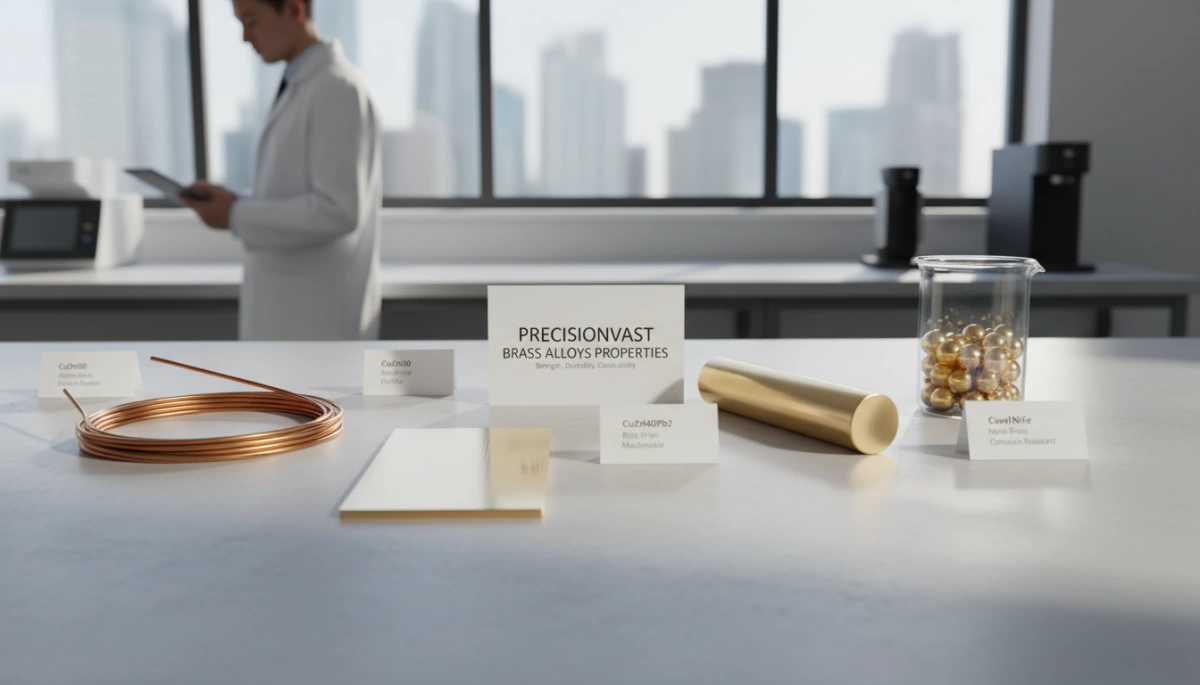
When clients ask us, is brass an alloy, the answer is a definitive yes. It is a highly adaptable copper-zinc alloy, and this specific blend of non-ferrous metals is exactly what gives our materials their standout performance. At Precisionvast, we engineer our brass to meet the strict demands of the US manufacturing sector.
Here is a breakdown of the core brass material properties you can expect from our products:
- Exceptional Machinability: Our materials, particularly free-machining brass (C360), allow for high-speed brass CNC machining. This means faster production times, reduced tool wear, and tighter tolerances for your custom brass parts.
- High Corrosion Resistance: Brass naturally resists rust. Our alloys deliver outstanding brass corrosion resistance, making them a reliable choice for harsh marine environments and heavy-duty residential or commercial plumbing fixtures.
- Electrical & Thermal Conductivity: While certain specialized applications might require the extreme heat resistance found in high-temperature alloys, brass provides excellent thermal and electrical conductivity for standard industrial use. It remains the go-to material for reliable electrical terminals and switch components.
- Aesthetic Appeal: Whether you are comparing the look of yellow brass vs red brass, the natural gold-like finish is visually striking. It also takes exceptionally well to surface polishing and custom plating, ensuring your final product looks as good as it performs.
- Low Friction: The natural composition of this alloy provides a low coefficient of friction. This makes precision turned brass ideal for high-wear moving parts that require smooth operation, such as gears, bearings, and industrial fluid valves.
Available Brass Alloy Grades & Specifications
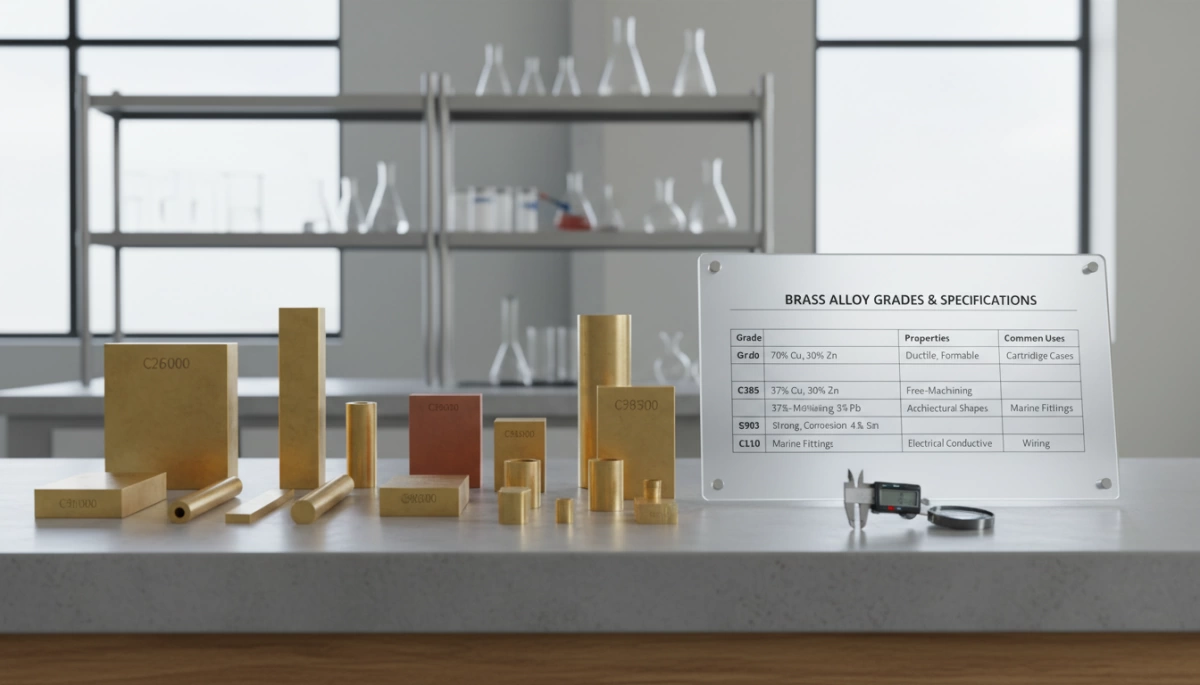
When clients ask us, “is brass an alloy?”, the answer is a definitive yes—and it comes in a variety of specialized grades built for specific industrial demands. As a reliable brass alloy supplier, we manufacture parts using several core grades to match your exact performance requirements. If you are exploring different types of investment casting materials for your next project, understanding these specific brass material properties is essential for getting the best results.
Here is a breakdown of the primary brass alloys we work with:
| Brass Grade | Common Name | Primary Applications | Key Material Properties |
|---|---|---|---|
| C360 | Free-Machining Brass | High-speed CNC machining, gears, pinions | 100% machinability rating, excellent for precision turning. |
| C260 | Cartridge Brass | Ammunition casings, rivets, fasteners | Superior cold working capabilities and deep drawing. |
| C464 | Naval Brass | Marine hardware, propeller shafts | Exceptional brass corrosion resistance in saltwater. |
| C280 | Muntz Metal | Architectural trim, heavy industrial parts | High tensile strength and rigidity. |
Choosing the Right Grade
Selecting the correct copper-zinc alloy comes down to how the part will be made and where it will be used.
- For Machining: Free-machining brass (C360) is the undisputed champion for rapid, high-volume production runs.
- For Forming: Cartridge brass (C260) handles severe cold working without cracking.
- For Harsh Environments: Naval brass (C464) stands up to highly corrosive marine conditions where standard metals fail.
- For Structural Integrity: C280 delivers the high strength needed for demanding architectural and industrial applications.
Industrial Applications for Our Brass Products
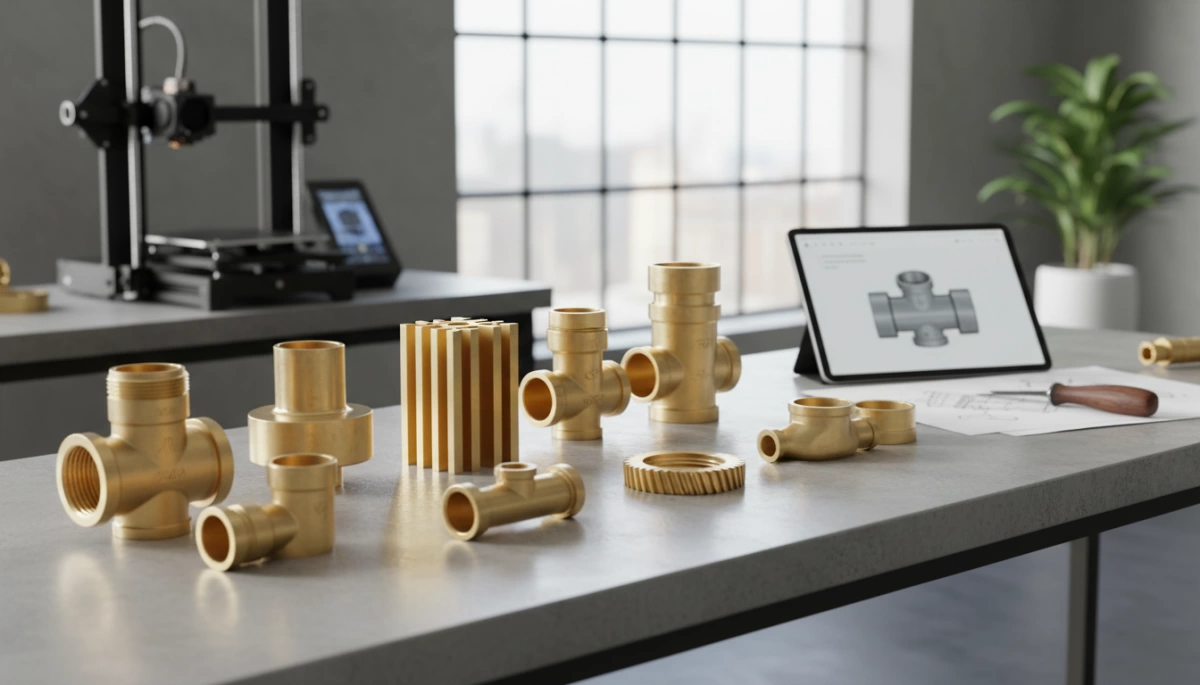
When customers ask, “is brass an alloy,” they are often surprised by just how versatile this specific copper-zinc alloy really is across different sectors. At Precisionvast, we manufacture custom brass parts that keep multiple major industries in the United States running smoothly. While we also supply high-quality aluminum castings for structural use for projects requiring lightweight metals, our precision turned brass components remain the absolute standard for applications demanding excellent machinability, low friction, and reliable corrosion resistance.
Here is a breakdown of where our brass materials are utilized every day:
- Plumbing & Fluid Handling: Brass is the undisputed leader for water and fluid systems. We produce heavy-duty valves, pipe fittings, and plumbing fixtures that resist rust and handle high-pressure environments effortlessly.
- Electrical & Electronics: Thanks to its high electrical conductivity, brass is the perfect material for manufacturing safe, reliable terminals, wire connectors, and switch components.
- Automotive & Aerospace: We supply precision turned parts, specialized sensors, and durable fluid connectors that meet the strict, high-performance tolerances required by modern aerospace and automotive manufacturers.
- Architecture & Decorative: Beyond heavy industrial use, the natural aesthetic appeal of brass makes it highly sought after for premium architectural hardware, decorative trim, and acoustic instruments.
Custom Brass Machining & Manufacturing by Precisionvast
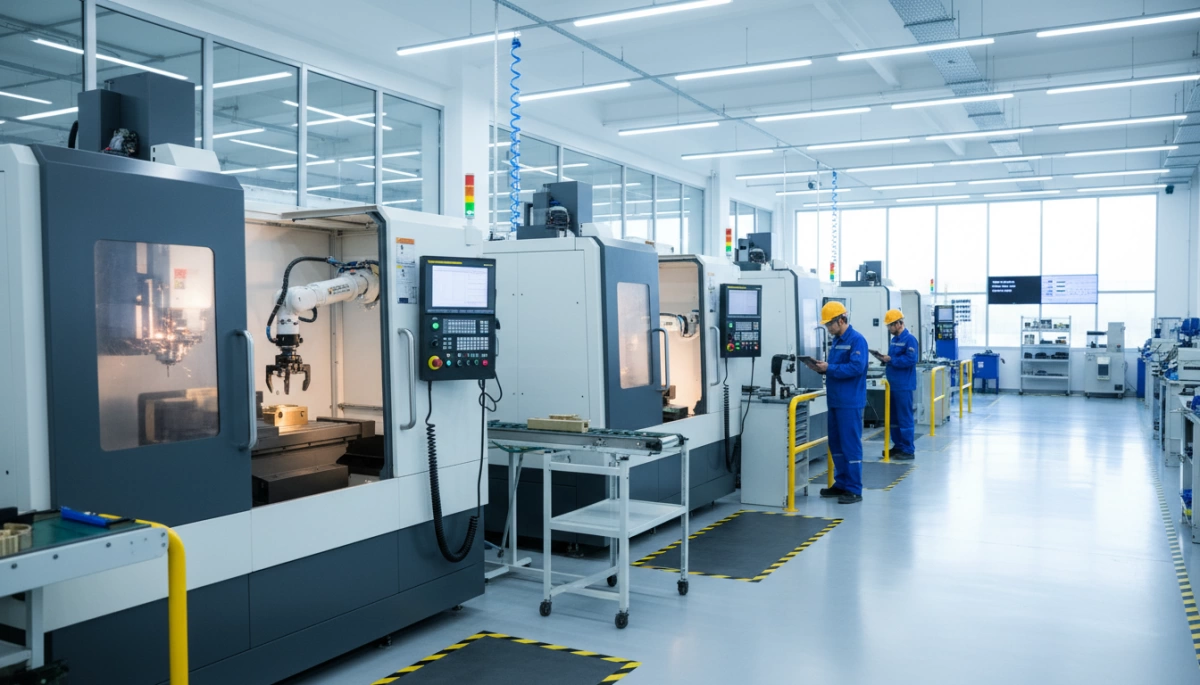
We specialize in transforming raw materials into high-performance components. Since is brass an alloy composed primarily of copper and zinc, its versatility allows us to utilize various manufacturing techniques to meet your exact specifications. Our facility is equipped to handle everything from prototype development to large-scale production runs with a focus on efficiency and accuracy.
CNC Milling & Turning
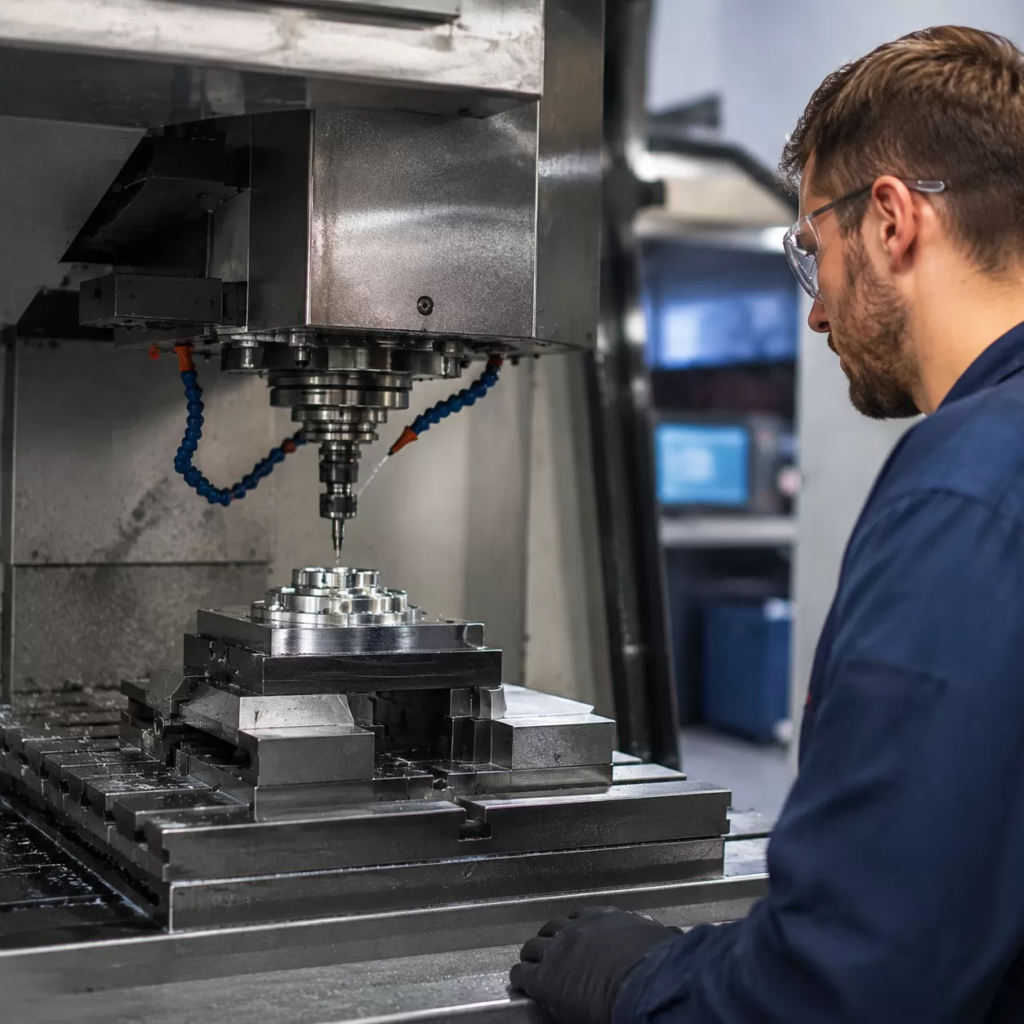
Our brass CNC machining services deliver precision tolerances for complex geometries. We utilize multi-axis equipment to produce precision turned brass components with exceptional surface finishes. This ensures every part, from simple fittings to intricate sensors, fits perfectly within your assembly.
Forging & Casting
For high-volume production, we offer robust forging and casting solutions. We apply advanced technical knowledge to reduce shrinkage in metal die casting and other molding processes, ensuring structural integrity and dimensional stability for every copper-zinc alloy part we manufacture.
Surface Finishing & Quality Control
We provide a full suite of finishing options to enhance the natural brass material properties and meet specific industrial requirements:
- Polishing: Achieves a mirror-like finish for high-aesthetic architectural hardware.
- Plating: Options for chrome, nickel, or tin plating to increase wear resistance or conductivity.
- Passivation: Specialized treatments to maximize brass corrosion resistance in marine or chemical environments.
- Quality Assurance: Our facility maintains ISO-certified protocols, providing full material traceability and rigorous inspection to guarantee the highest standards for all custom brass parts.
Frequently Asked Questions About Brass Alloys
When customers ask us, “is brass an alloy?”, it naturally leads to a few other common technical and purchasing questions. Here are the clear, straightforward answers you need for your next manufacturing project.
Brass vs Bronze Composition
The primary difference between these two materials comes down to their base elements. Brass is a copper-zinc alloy, which makes it highly malleable and gives it a signature bright, gold-like finish. Bronze, on the other hand, is made of copper mixed with tin, resulting in a harder, more brittle metal with a reddish-brown hue.
| Feature | Brass | Bronze |
|---|---|---|
| Base Metals | Copper + Zinc | Copper + Tin |
| Key Properties | High machinability, highly malleable | Harder, more brittle, high wear resistance |
| Visual Appearance | Yellow/Gold | Reddish-brown |
Is Brass a Ferrous or Non-Ferrous Metal?
Brass is strictly classified under non-ferrous metals. It contains absolutely no iron. This chemical makeup means brass is non-magnetic and will not rust like steel. It is the perfect choice for sensitive electronic components and marine hardware. While brass is incredibly versatile, if your project involves extreme thermal stress, you may want to explore who uses high-temperature alloys in industries to find a more specialized material.
Does Brass Rust or Tarnish Over Time?
Because it has no iron content, brass does not rust. However, it does tarnish. When exposed to oxygen, moisture, or handling, the surface oxidizes and can develop a dull or greenish patina over time. You can easily prevent this tarnishing by applying a clear protective coating or through regular surface polishing.
Minimum Order Quantity (MOQ) for Custom Brass Parts
We structure our manufacturing services to be highly flexible for the US market. Whether you need a small batch of prototypes or high-volume production runs for precision turned brass components, our MOQ is adaptable. We evaluate each project based on complexity and material requirements, ensuring you get exactly the custom brass parts you need without unnecessary overhead.

 German
  English