

Industrial metal processing services for cutting forming joining and finishing metals for automotive aerospace construction and energy industries
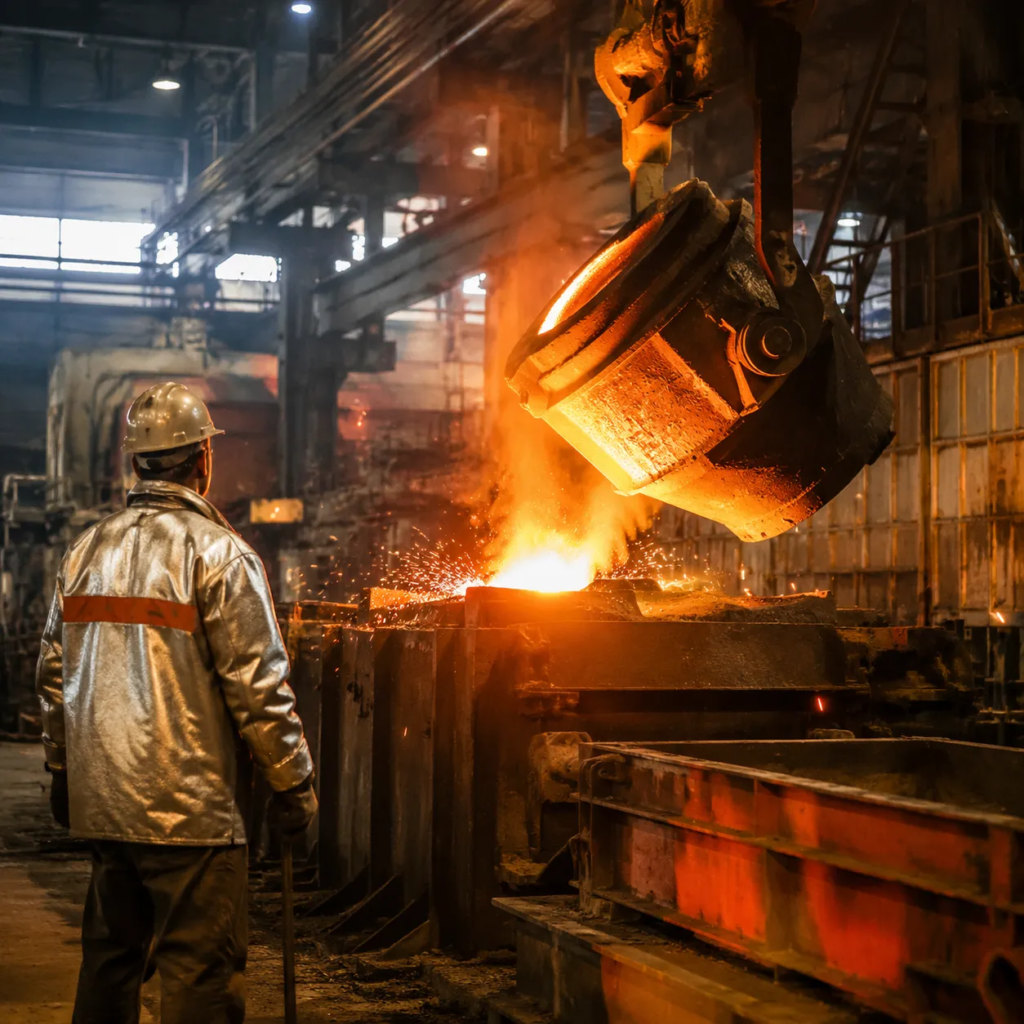
Understanding Metal Processing
In modern manufacturing, raw metal stock—like massive ingots, billets, and structural beams—is rarely usable in its initial state. We rely on metal processing to transform these crude, unrefined materials into precise, high-performance components engineered for specific industrial roles.
While raw stock provides the foundational chemistry, the metal processing stage alters the shape, mechanical properties, and surface characteristics to meet strict engineering tolerances.
Raw Stock vs. Processed Components
| Feature | Raw Metal Stock | Processed Components |
|---|---|---|
| Form | Bulk ingots, sheets, bars, or billets | Finished parts (gears, brackets, custom enclosures) |
| Tolerances | Loose, variable dimensions | Micro-level geometric precision |
| Properties | Uniform, base material characteristics | Enhanced tensile strength, hardness, or flexibility |
| Readiness | Requires extensive secondary operations | Ready for immediate assembly or distribution |
Primary Industrial Applications
We utilize advanced metal processing across virtually every major industrial sector to ensure structural integrity and operational efficiency:
- Aerospace & Defense: Forging and machining high-strength, lightweight turbine blades and structural airframes.
- Automotive Manufacturing: Stamping body panels, extruding chassis components, and fabricating engine blocks.
- Construction & Infrastructure: Heavy-duty sheet metal fabrication for bridges, skyscrapers, and industrial HVAC systems.
- Medical Devices: Ultra-precise CNC machining of surgical instruments and biocompatible implants.
Metal Forming Techniques
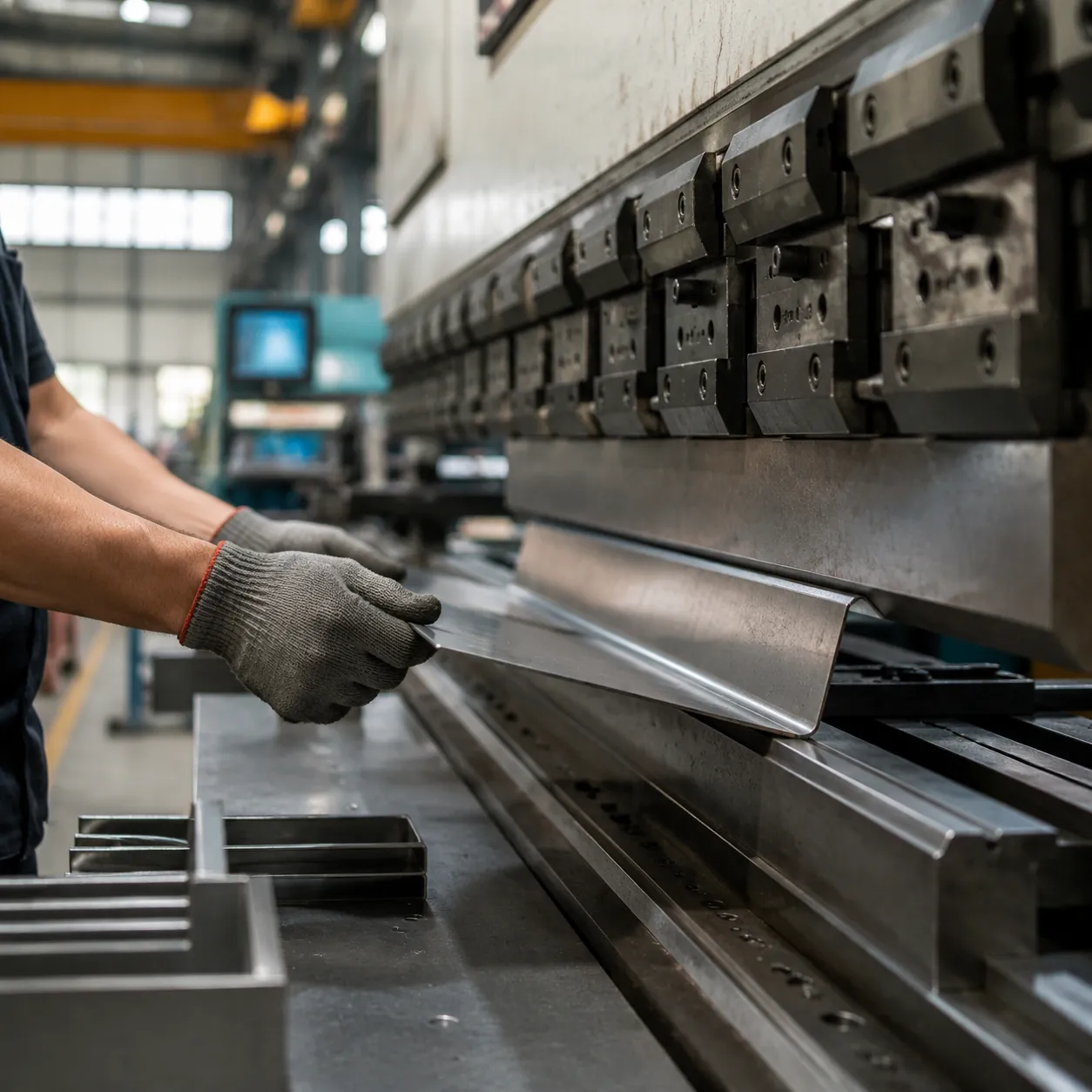
We use various metal forming techniques to reshape raw material into functional components without cutting away waste. Depending on your design requirements, we rely on four primary methods to get the job done right.
[Image of metal forming processes]
- Metal Rolling: This process passes thick metal stock through heavy rollers to reduce its thickness. It is the backbone of sheet metal fabrication, allowing us to create uniform sheets ready for production. We utilize both hot rolling and cold rolling depending on the required material properties.
- Metal Extrusion: To achieve uniform cross-sections like tubes, bars, or complex tracks, we push heated metal through a shaped die. It works perfectly for creating consistent, long-length profiles.
- Metal Forging: When you need maximum tensile strength for heavy-duty applications, forging is the go-to choice. By applying localized compressive forces via hammering or pressing, we realign the metal’s grain structure for high-strength parts.
- Drawing and Stamping: Stamping uses a press and a die to punch, bend, or shape sheet metal instantly. Drawing stretches the metal into deeper shapes, which is how we create items like cups, cans, and automotive panels.
If you need high-volume production with exceptional structural integrity, our team at Precision Vast delivers the precision manufacturing solutions your project demands.
CNC Machining Process: Milling vs. Turning
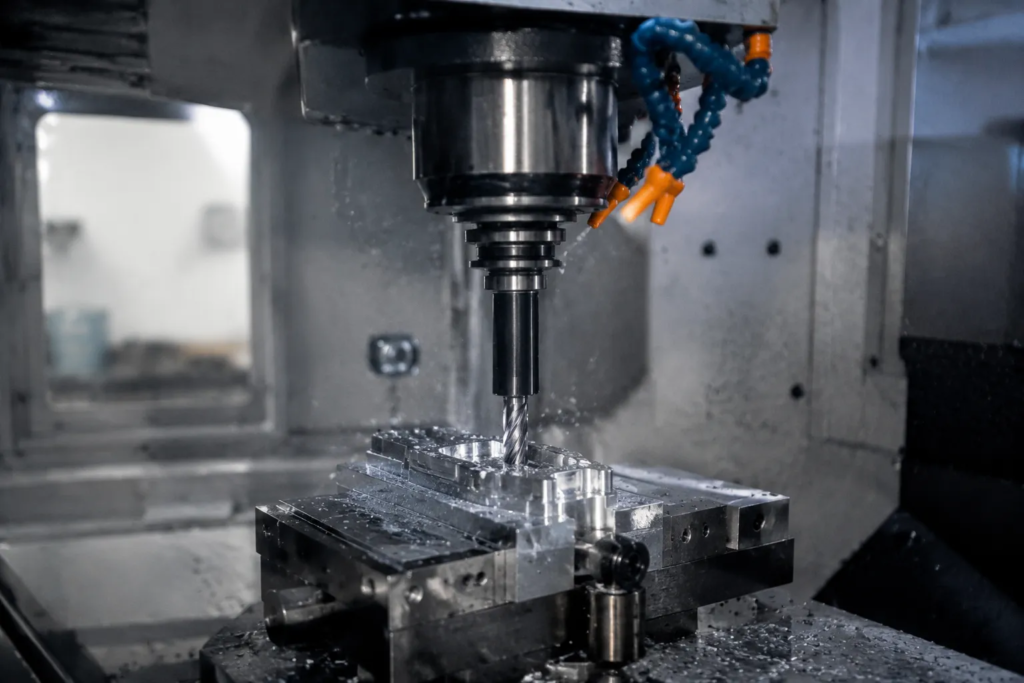
When we need exact tolerances, we turn to the CNC machining process. It is the backbone of subtractive manufacturing, but you have to pick the right approach for your specific geometry.
- CNC Milling: The cutting tool rotates while the metal workpiece stays stationary. We use this for complex, asymmetrical shapes, flat surfaces, and intricate pockets.
- CNC Turning: The metal stock spins at high speeds while a single-point cutting tool moves along it. This is our go-to method for cylindrical parts, shafts, and custom fasteners.
| Feature | CNC Milling | CNC Turning |
|---|---|---|
| Workpiece Action | Stationary / Fixed | Rotating rapidly |
| Best Used For | Square, flat, complex geometries | Cylindrical, round, symmetrical parts |
| Tooling Type | Multi-point rotating cutters | Single-point stationary cutters |
Laser Cutting Machine and Thermal Methods
For raw material sizing and profile shaping, thermal cutting gets the job done fast. We utilize three main industrial methods depending on the material thickness and edge quality you need.
- Laser Cutting Machine: Offers unmatched precision and a clean edge finish. It is ideal for high-speed sheet metal fabrication up to medium thicknesses, leaving minimal heat-affected zones.
- Plasma Cutting: Best for thick plates of conductive metals like carbon steel and aluminum. It is fast and highly economical for heavy industrial parts.
- Waterjet Cutting: Uses high-pressure water mixed with abrasive particles. Because it generates zero heat, it prevents any thermal distortion or changes to the metal’s underlying structure.
Grinding and Abrasive Surface Finishing
The final step in material removal is all about tightening the tolerances and prepping the metal surface.
We use precision grinding wheels to remove microscopic amounts of material. This eliminates tool marks left behind by the CNC machining process, corrects minor warpage, and ensures flat surfaces mate perfectly. This abrasive process is critical before parts move on to final surface finishing options like plating or anodizing.
Metal Heat Treatment and Structural Modification
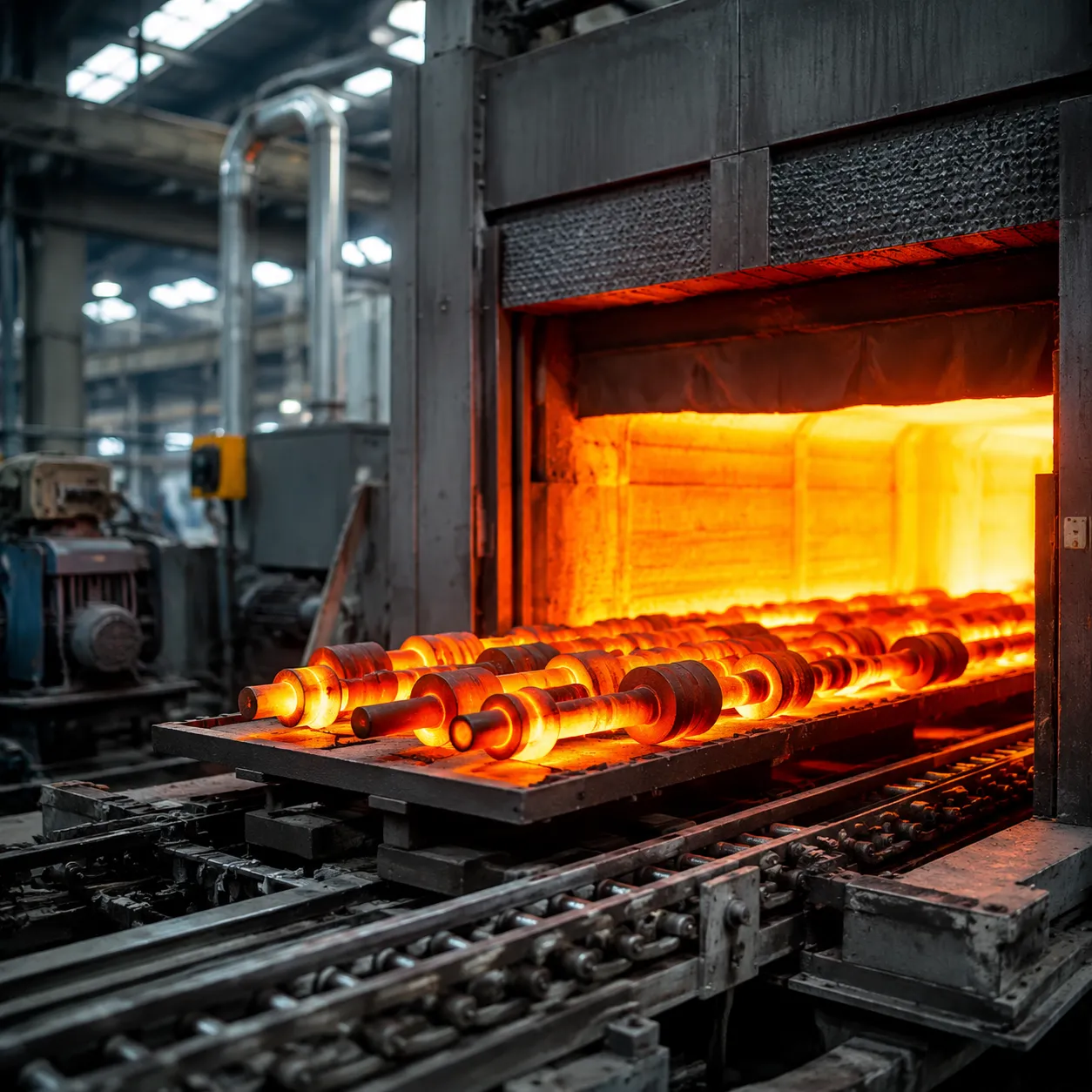
We don’t just change the shape of metal; we change how it behaves at a molecular level. Through controlled heating and cooling, metal heat treatment alters a part’s physical properties without touching its final shape. If your components face high stress, wear, or extreme loads, thermal processing is how we guarantee they won’t fail in the field.
Annealing vs Hardening: Ductility and Tensile Strength
Getting the right balance between toughness and flexibility comes down to two primary methods:
- Annealing: We heat the metal and cool it slowly. This relieves internal stress, softens the material, and increases ductility, making the metal much easier to machine or form without cracking.
- Hardening: We heat the metal above a critical temperature and cool it rapidly. This locks the crystalline structure into a high-strength state, dramatically boosting tensile strength and wear resistance, though it makes the material more brittle.
| Process | Cooling Rate | Primary Benefit | Common Use Case |
|---|---|---|---|
| Annealing | Very Slow (Furnace) | High ductility, low stress | Stamping blanks, wire drawing |
| Hardening | Rapid (Quenching) | Maximum hardness & strength | Gears, cutting tools, shafts |
Quenching Methods: Oil, Water, and Air
The cooling medium we choose dictates the final hardness and dictates the risk of part distortion or cracking.
- Water Quenching: The fastest cooling rate. It provides maximum hardness but carries the highest risk of warping or cracking the metal due to thermal shock.
- Oil Quenching: A more moderate, controlled cooling speed. We use oil for alloy steels to achieve excellent hardness while minimizing internal stress and distortion.
- Air Quenching: The gentlest cooling method, typically reserved for specialized tool steels. It relies on still air or blasted air to cool the metal uniformly, ensuring high dimensional stability.
Welding and Joining for Heavy-Duty Fabrications
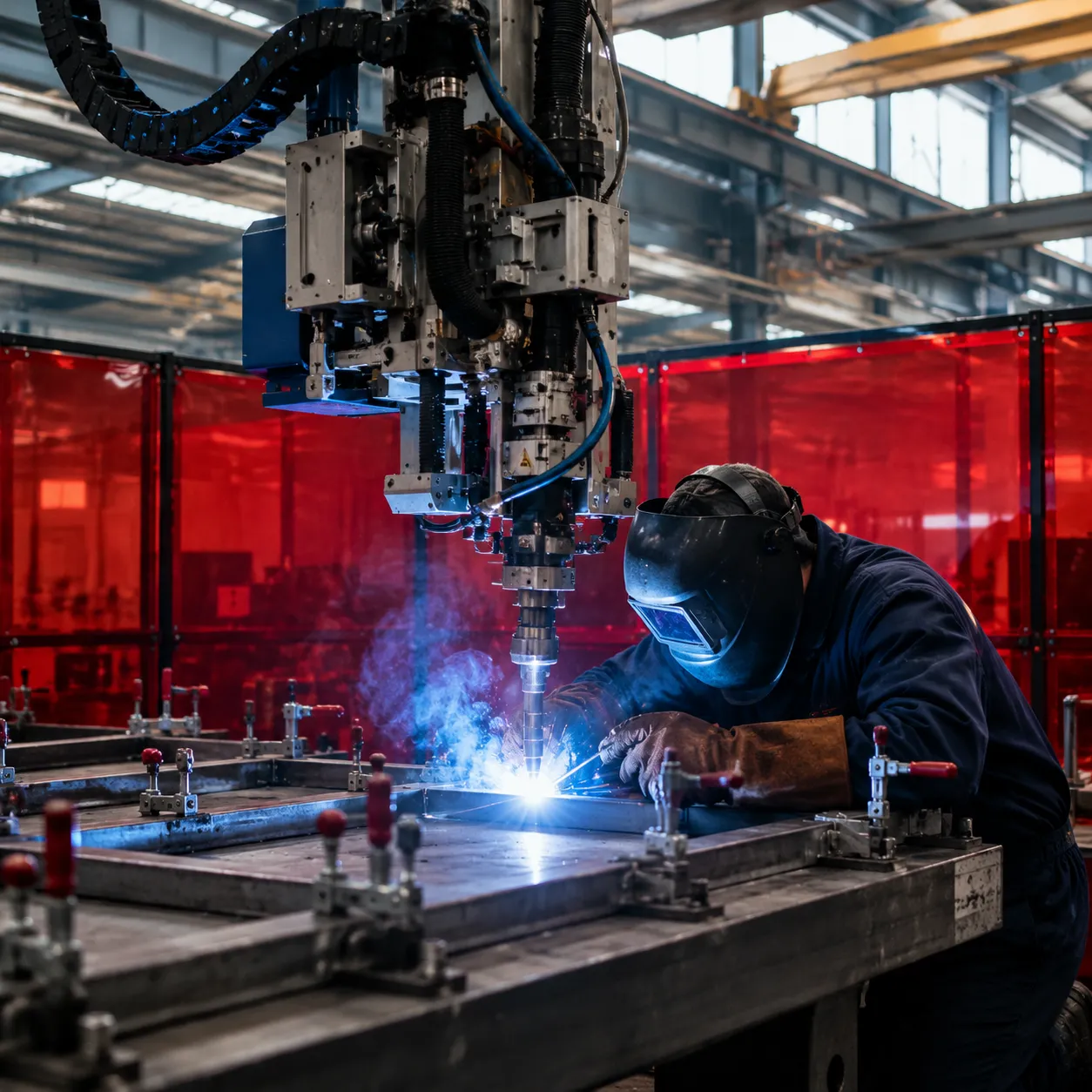
When we assemble heavy-duty components, choosing the right metal processing technique determines whether a structure stands the test of time or fails under pressure. We rely on precision welding and joining to fuse structural parts, ensuring every joint meets strict industrial standards.
Industrial Welding: MIG, TIG, and Stick Systems
Different projects demand different arc welding systems. We match the process to the material thickness, production speed, and strength requirements.
- MIG Welding (GMAW): Our go-to for high-speed production and sheet metal fabrication. It uses a continuously fed wire electrode, making it highly efficient for long, continuous seams on steel and aluminum.
- TIG Welding (GTAW): The choice for maximum precision and clean, aesthetic welds. It utilizes a non-consumable tungsten electrode, giving us extreme control over thin materials and complex geometries.
- Stick Welding (SMAW): The most rugged option for field repairs and heavy structural steel. It uses a consumable electrode coated in flux, allowing us to weld outdoors even on dirty or rusted metals.
Mechanical Fastening vs. Fusion Bonding
Depending on the application, we balance permanent fusion against modular assembly.
| Feature | Mechanical Fastening (Bolts, Rivets) | Fusion Bonding (Welding) |
|---|---|---|
| Permanence | Removable for maintenance | Permanent molecular bond |
| Weight | Adds weight due to hardware | Lightweight, seamless joints |
| Stress Distribution | Concentrated at fastener holes | Distributed evenly across the seam |
| Sealing | Requires gaskets to prevent leaks | Naturally airtight and watertight |
Ensuring Structural Integrity in Structural Components
To guarantee that heavy-duty fabrications withstand extreme stress, we implement strict quality controls during the metal processing lifecycle:
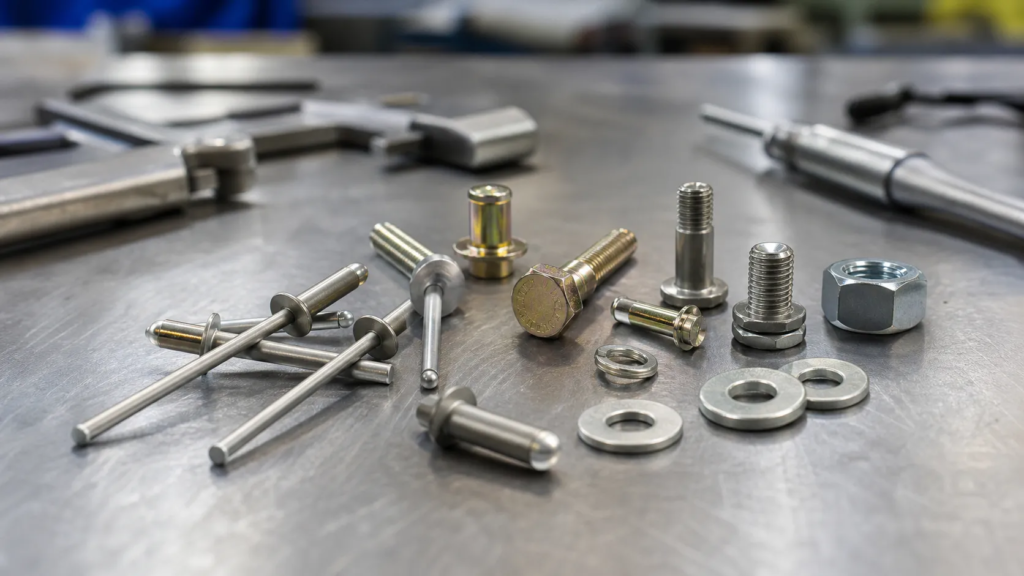
- Proper Edge Preparation: Beveling thick plates ensures deep weld penetration, preventing weak spots at the root of the joint.
- Thermal Control: Managing pre-heat and post-weld cooling rates prevents distortion and cracking in high-strength alloys.
- Non-Destructive Testing (NDT): We utilize visual inspections, dye penetrants, and ultrasonic testing to verify joint quality before delivery.
Surface Finishing Options in Metal Processing
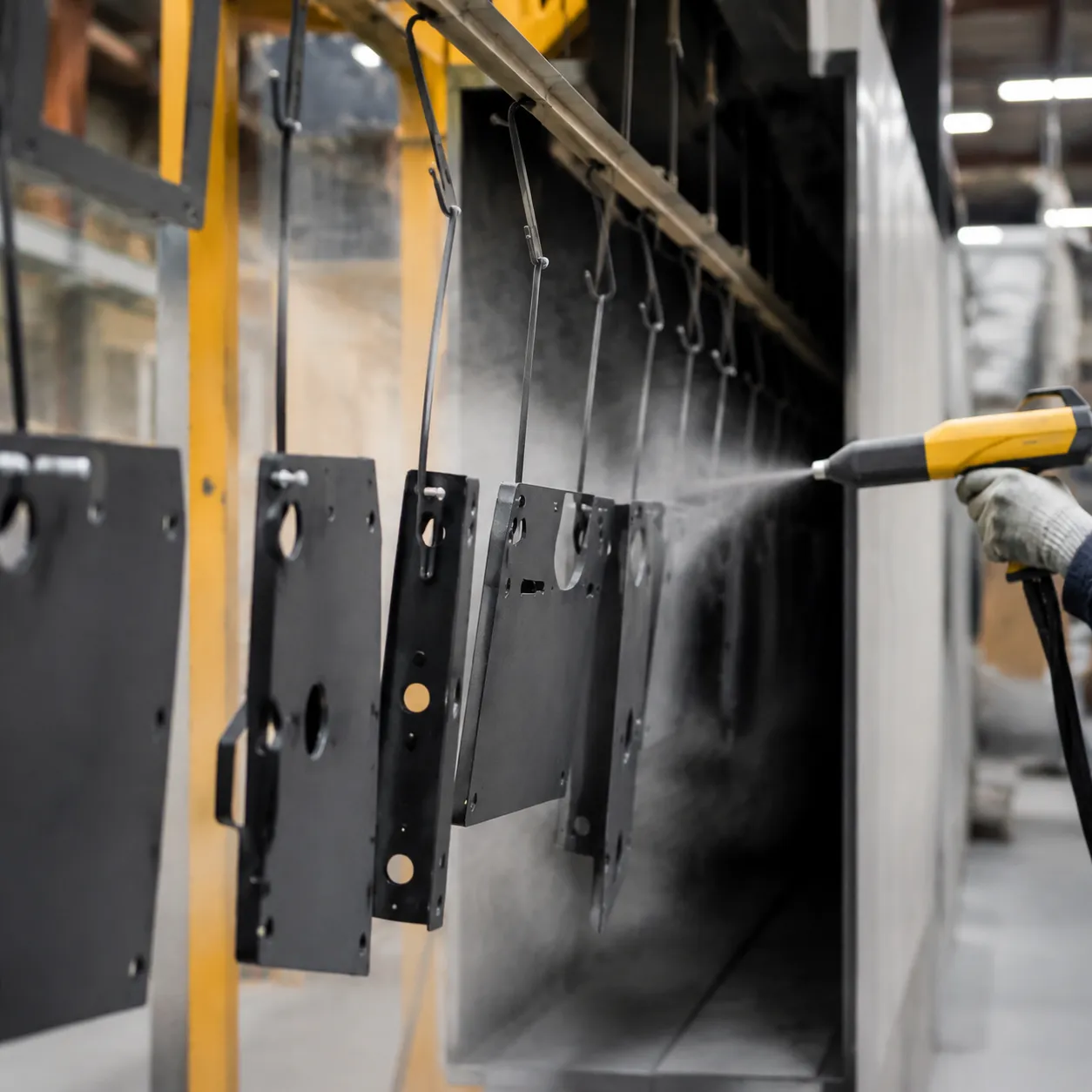
We don’t just shape and cut metal; we ensure it survives the elements. Raw metal components face immediate threats from rust, wear, and oxidation. Our final step in metal processing applies targeted surface treatments to maximize durability and meet strict US industrial standards.
Electroplating and Metal Plating
We use electroplating to bond a thin layer of secondary metal—like zinc, nickel, or chrome—onto the base component. This process drastically increases corrosion resistance and adds a sacrificial layer that protects the underlying structure from harsh environments.
Powder Coating vs. Industrial Spray Painting
When choosing a protective aesthetic finish, we balance cost, durability, and application needs:
| Feature | Powder Coating | Industrial Spray Painting |
|---|---|---|
| Application | Dry powder baked into a fluid layer | Liquid spray cured by air or heat |
| Durability | High resistance to chipping and scratching | Moderate resistance; can touch up easily |
| Thickness | Thick, uniform coverage in one pass | Thinner coats; better for tight tolerances |
| Best For | Heavy-duty machinery, outdoor brackets | Complex geometries, temperature-sensitive parts |
Passivation and Chemical Surface Treatments
For stainless steel components, we rely on chemical passivation. This treatment uses a mild acid bath to strip free iron from the surface. It leaves behind a passive chromium oxide layer that naturally blocks rust without altering the part dimensions. It is a critical step for medical, food-grade, and aerospace fabrications across the US.
Metal Processing FAQs
We handle high-volume fabrications and precision components every day. Here are the direct answers to the most common questions we get from product managers and engineers regarding metal processing.
What is the most cost-effective metal processing method?
For high-volume production, stamping and die casting methods offer the lowest per-part cost due to rapid cycle times. For low-volume prototypes or complex geometries, CNC machining or sheet metal fabrication via laser cutting machine setups are more cost-effective because they eliminate expensive hard tooling.
How does heat treatment affect metal machinability?
Metal heat treatment directly alters how easily a material can be cut. Annealing softens the metal, lowering its tensile strength and making it highly machinable. Conversely, hardening increases wear resistance but makes the material brittle and difficult to machine, often requiring specialized grinding tools rather than standard cutting bits.
What is the difference between hot rolling vs cold rolling metal?
The core difference lies in the processing temperature relative to the metal’s recrystallization point.
| Feature | Hot Rolling | Cold Rolling |
|---|---|---|
| Temperature | Above recrystallization temperature | Room temperature |
| Tolerances | Looser, with a scaled surface finish | Extremely tight, smooth, and polished |
| Tensile Strength | Standard mechanical properties | Higher strength due to strain hardening |
| Best Used For | Structural beams, rail tracks, large sheets | Precision automotive parts, tubing, appliances |

 German
  English