

Precisionvast milling machine machine series for rigid metal cutting high HP spindle DRO heavy duty cast iron bed CNC and manual options.
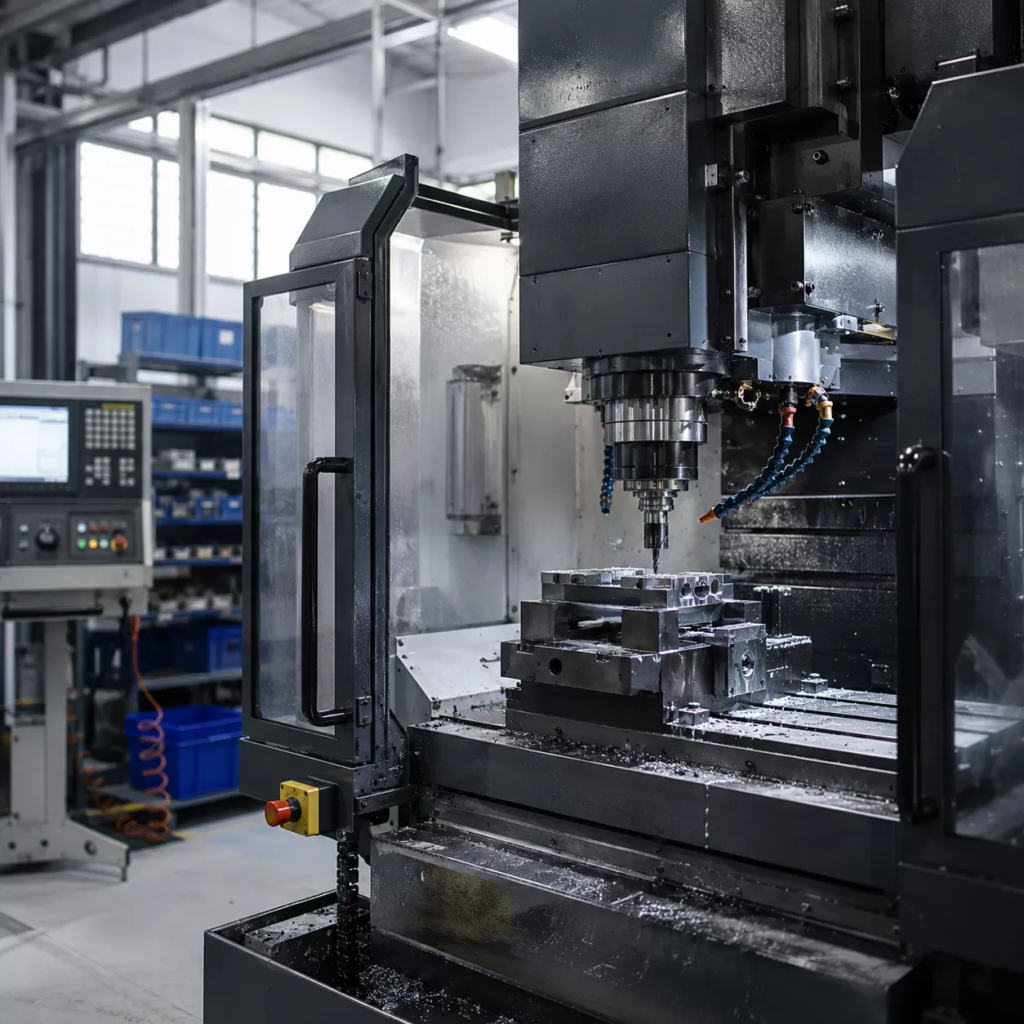
Choosing the Right Milling Machine Configuration
When we invest in a milling machine machine, we need to know exactly which setup fits our shop’s specific workflow. Choosing the wrong frame style means fighting your equipment on every job. We build our lineup across three primary configurations to ensure you get the exact rigidity, versatility, and weight capacity your projects demand.
Vertical Knee Milling Machines
The classic knee mill remains the backbone of the precision tool and die shop. These highly versatile machines feature adjustable turret heads that tilt and swivel, letting you attack workpieces from complex angles.
- Key Benefit: Exceptional versatility for custom setups.
- Quill Control: Manual or semi-automated quill feeds give you tactile feedback for variable-depth boring and tapping.
- Best For: Job shops, prototyping, and toolrooms requiring rapid, multi-angle adjustments.
Heavy-Duty Production Bed Mills
When you step up to massive workpieces, a standard knee can’t support the load without deflecting. That is where the heavy-duty bed mill takes over.
- Fixed-Table Design: The machine table sits directly on a wide, rigid base, moving only along the X and Y axes.
- Z-Axis Travel: Heavy structural columns and head assemblies handle all vertical Z-axis movement.
- Best For: High-volume production and machining heavy blocks of steel where maximum structural rigidity is non-negotiable.
Universal & Horizontal Spindle Systems
For serious material removal, a horizontal spindle mill utilizes an arbor setup to run large slab mills and slotting cutters. We also offer universal milling machine variants that combine both vertical and horizontal capabilities.
| Feature | Vertical Knee Mill | Production Bed Mill | Horizontal / Universal Mill |
|---|---|---|---|
| Spindle Orientation | Vertical (Tilting Head) | Vertical (Fixed Head) | Dual-Axis / Horizontal |
| Table Support | Elevated Knee | Fixed Heavy Bed | Rigid Saddle Bed |
| Ideal Workpiece Weight | Light to Medium | Extremely Heavy | Medium to Heavy |
| Primary Strengths | Pocketing, Drilling, Angles | Heavy Facing, Deep Cavities | Slab Milling, Gear Cutting, Slotting |
Technical Specifications of Our Milling Machine Machine
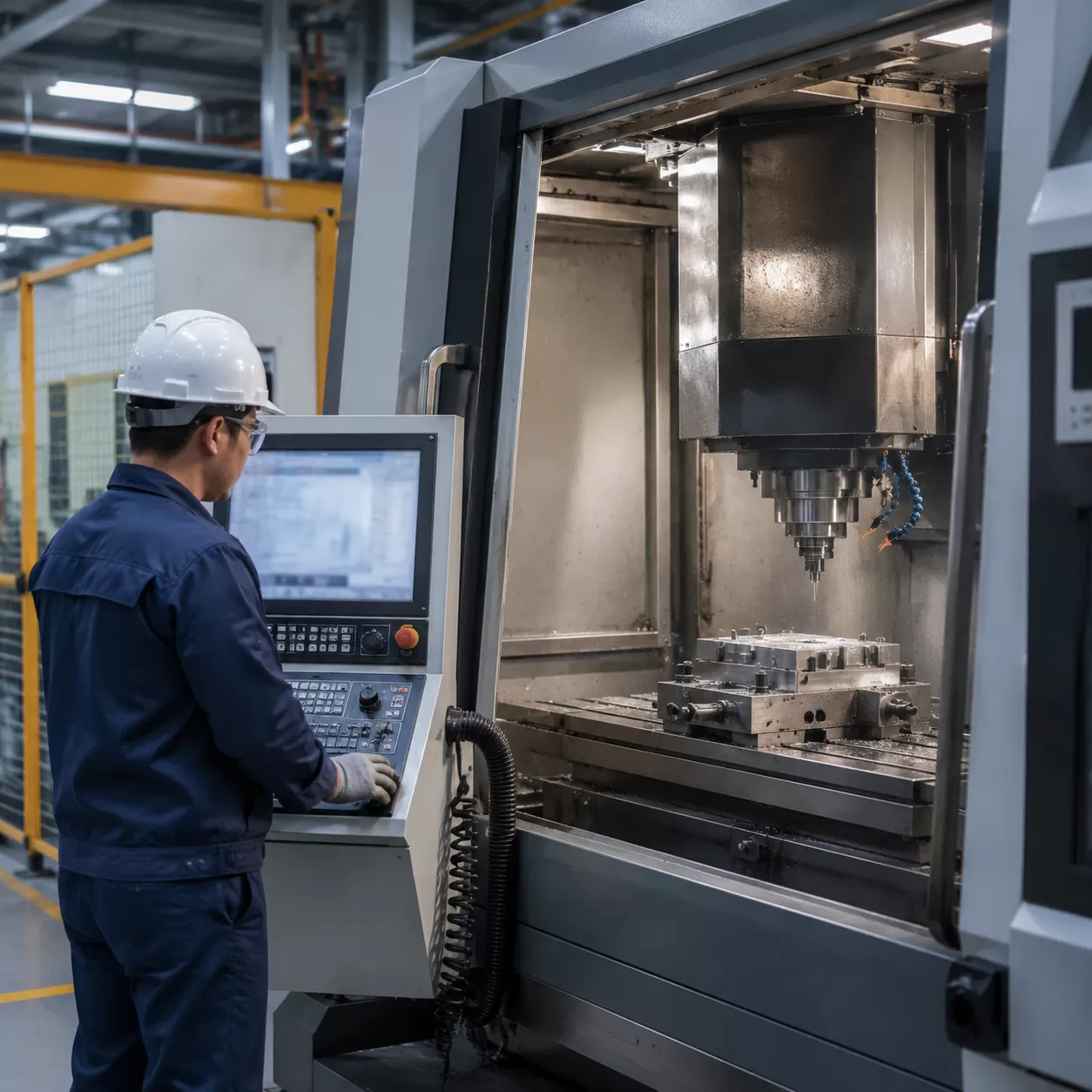
When you are looking for a reliable milling machine machine for your shop, the hard numbers matter. We design our equipment to handle everything from rapid prototyping to heavy shop production. Below are the core mechanical, drive train, and electrical metrics that define our machinery’s capabilities.
Mechanical & Structural Parameters
Our machines feature a heavy-duty cast iron bed to ensure maximum rigidity and eliminate vibration during deep cuts. Whether you are machining complex components or working with tough materials, the structural footprint delivers rock-solid stability.
| Parameter | Specification Details |
|---|---|
| Table Dimensions & Working Area | 10″ x 54″ precision-ground work surface |
| Axis Travel Capacity (X / Y / Z) | 35″ longitudinal / 16″ cross / 16″ vertical |
| Maximum Table Load Weight Limit | 850 lbs (evenly distributed) |
| T-Slot Specifications | Three 5/8″ slots for standard modular clamping kits |
Drive Train & Spindle Assembly
The heart of our knee mill and vertical milling machine lineup is the high-torque drive system. We utilize precise spindle nose taper designs to ensure maximum tool rigidity, allowing the rotary cutting tool machine to carve through dense stock without deflection.
- Main Spindle Motor Rating: 3 HP or 5 HP continuous-duty motors engineered for the North American market.
- Spindle Nose Taper Compatibility: Standard R8 or ISO 40 taper configurations to fit your existing toolholders.
- Infinitely Variable Spindle Speed Ranges: Low range (60–500 RPM) for heavy slab milling; High range (500–4500 RPM) for high-speed finishing.
- Quill Diameter: 3-3/8″ chromed and ground quill with manual and semi-automated feed rates.
Electrical & Utility Metrics
Every unit is configured to integrate seamlessly into US industrial power grids or commercial machine shops.
- Voltage Configurations: Factory wired for 220V/440V three-phase, or selectable 220V single-phase for smaller custom shops.
- Integrated Coolant Pump Output Rate: High-flow 1/8 HP pump delivering 6 gallons per minute to clear chips efficiently during heavy-material facing.
For shops regularly cutting high-strength parts, these specifications ensure perfect compatibility with aircraft-grade aluminum alloy properties and hardened structural steels, maintaining tight tolerances all day long.
Premium Build Anatomy & Component Engineering of Our Milling Machine Machine
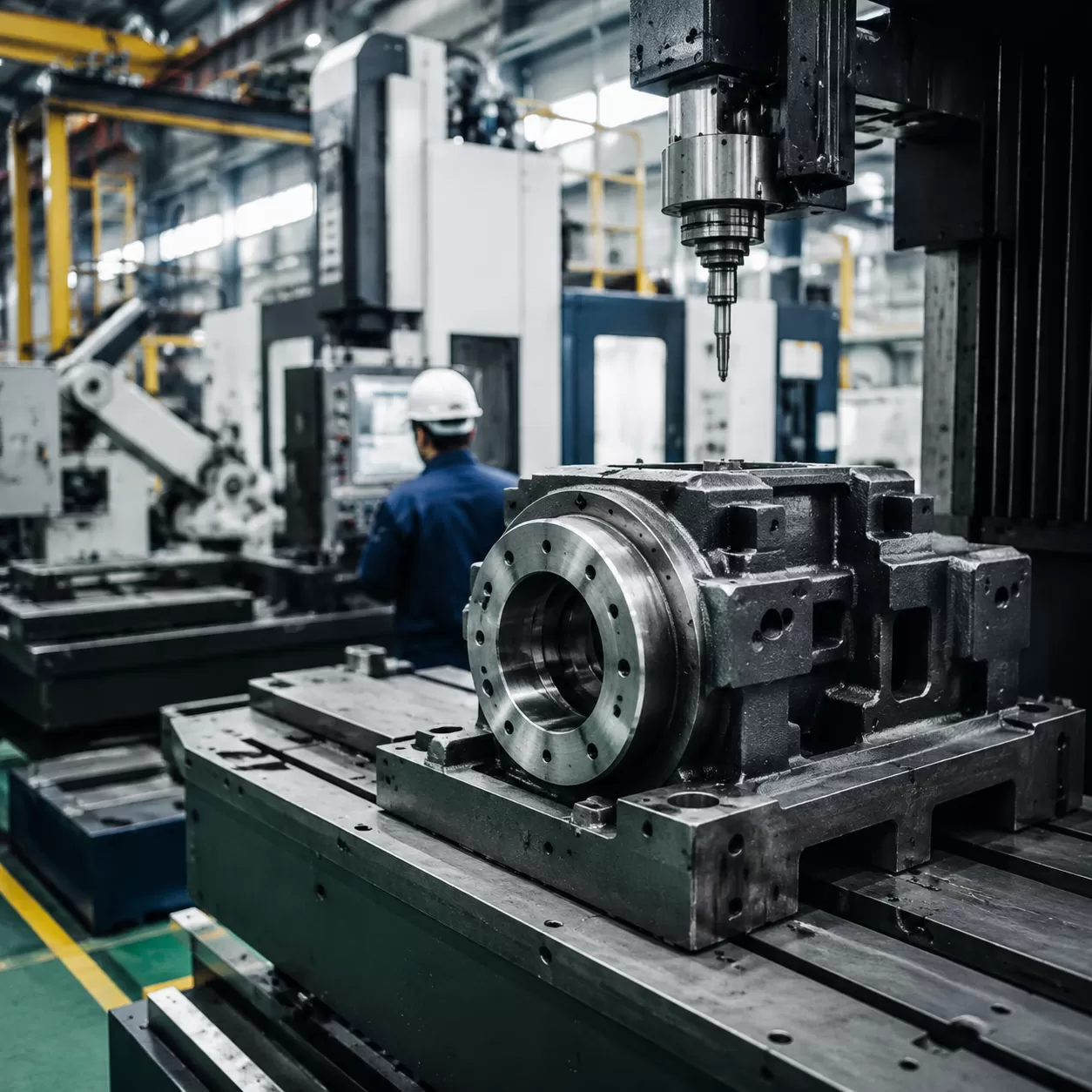
Every heavy-duty milling machine machine we build starts with a foundation designed to handle serious abuse. We don’t cut corners on the skeleton of our equipment because rigidity directly dictates your surface finish and tool life. Whether you are running a classic knee mill or a massive bed mill, the internal engineering is what keeps your tolerances tight day after day.
Cast Iron Frame Architecture
Our machines feature a premium, heavy-duty cast iron bed and column cast from genuine Meehanite iron. These structural castings undergo a strict stress-relieving process to eliminate internal tension before machining. This means the frame won’t warp or twist when you throw intense multi-axis cutting pressures at it, ensuring complete deflection-free stability.
Precision Ground Ways & Gibs
To guarantee ultra-smooth, non-stick carriage movement, we use hardened and ground slideways. These precision ground ways are paired with fully adjustable tapered gibs. This setup eliminates stick-slip friction, allows you to easily adjust for wear over time, and keeps your X, Y, and Z axes tracking perfectly straight.
| Component | Material / Type | Performance Benefit |
| :— | :— | :— |
| **Main Frame** | Meehanite Cast Iron | High dampening capacity, zero deflection |
| **Slideways** | Hardened & Precision Ground | Friction-free, smooth stick-slip mitigation |
| **Gib System** | Fully Adjustable Tapered | Simple backlash maintenance & alignment |
Advanced Control Options & Feedback Loops
We equip our precision multi-axis machining center lineups with factory-integrated multi-axis Digital Readout (DRO) systems for real-time positional tracking. Combined with high-torque electronic power feeds, you get effortless table movement and repeatable accuracy without relying on manual handwheel counting.
Lubrication & Thermal Management
Heat and friction are the ultimate enemies of machine longevity. Our systems utilize either a one-shot centralized manual lubrication network or an automated metered pulse system. This keeps a consistent film of way-lube between moving parts, washing away fine particles and protecting the machine’s core components from thermal expansion during long runs.
Milling Machine Machine Applications & Industry Use
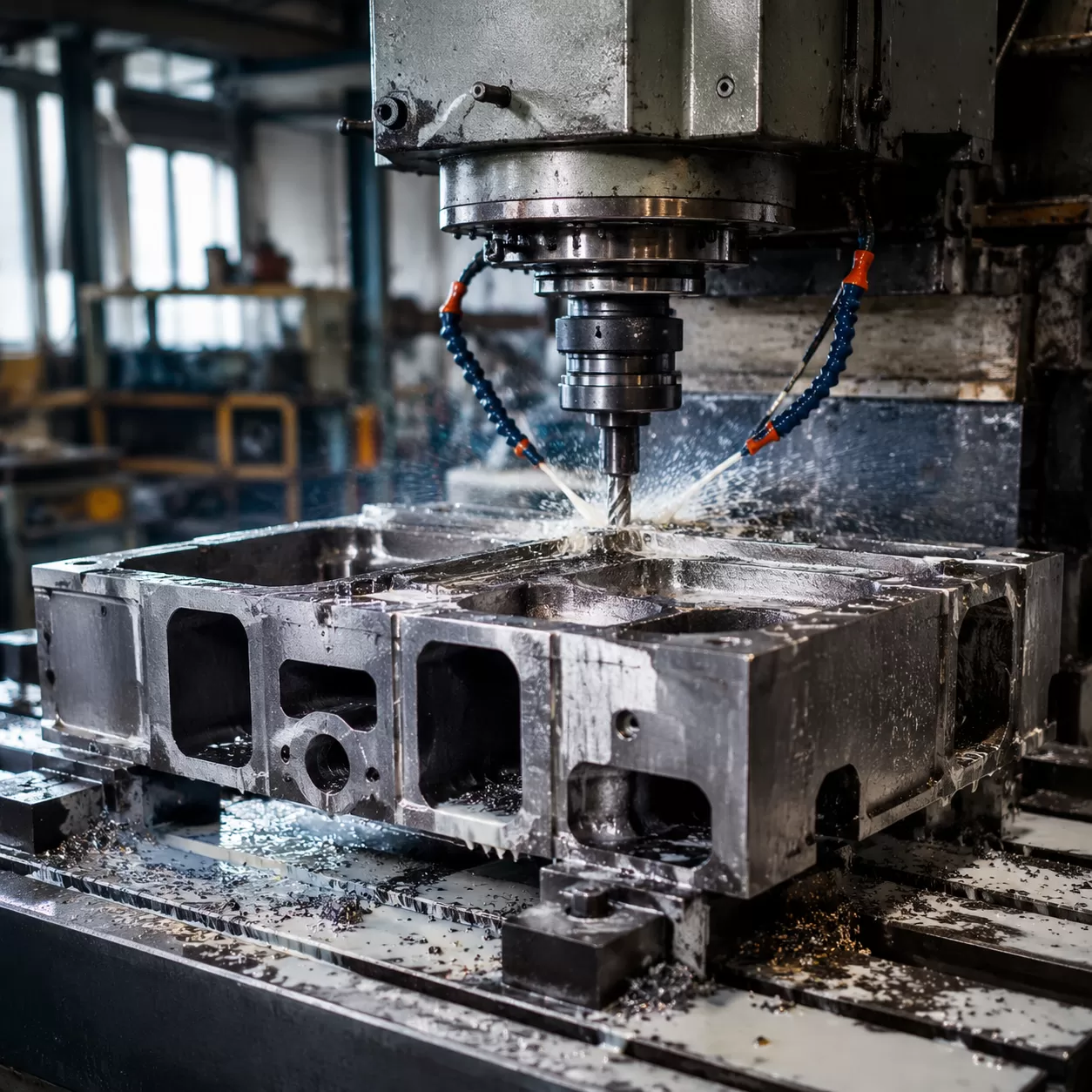
Our milling machine machine setups are engineered to serve as high-performance metal cutting machine tool systems capable of tackling the toughest machine shop challenges. From domestic job shops running a versatile knee mill to advanced production facilities operating a precision multi-axis machining center, our machinery delivers the rigidity and torque required to meet strict American manufacturing standards.
Primary Machining Operations
We build our equipment to maintain absolute accuracy across a wide range of standard and complex cutting configurations:
- Heavy-Material Facing: Flawless flat surfaces machined efficiently using high-diameter face mills.
- Precision Boring & Pocketing: Creating exact internal diameters and clean cavities for tight mechanical assemblies.
- Complex Slotting & Profiling: Multi-axis smooth contour profiling and deep slotting without tool deflection.
- Thread Tapping: Clean, repeatable internal threading for critical structural fasteners.
Material Compatibility Matrix
Achieving an excellent surface finish requires a rigid platform that adapts to different material properties under intense cutting pressures.
| Material Category | Application Focus | Cutting Advantage |
|---|---|---|
| Hardened Structural Steels & Titanium | Heavy-duty industrial components | High-torque stability, low vibration |
| Aircraft-Grade Aluminum | Aerospace structural sub-assemblies | Rapid material removal, mirror finishes |
| Copper Alloys & Brass | Electrical & fluid components | Precise chip clearing, no gumming |
| Dense Industrial Polymers | Custom seals, prototypes, and guides | Clean edges without structural melting |
When dealing with difficult-to-machine materials, reviewing what are the key features of heat-resistant metals helps operators optimize speed and feed rates for maximum tool life.
Targeted Industrial Sectors
Our equipment complies with the rigorous tolerance demands of major domestic supply chains, ensuring seamless integration into high-output environments:
- Aerospace Infrastructure: Precision-milled airframe parts and components. Aerospace engineering remains one of the primary industries using properties of heat-resistant metals for high-stress applications.
- Automotive Production: Boring engine blocks, profiling complex transmission housings, and rapid tooling development.
- Medical Component Engineering: High-tolerance prototype engineering and manufacturing for custom medical implants.
Essential Tooling and Upgrades for Your Milling Machine Machine
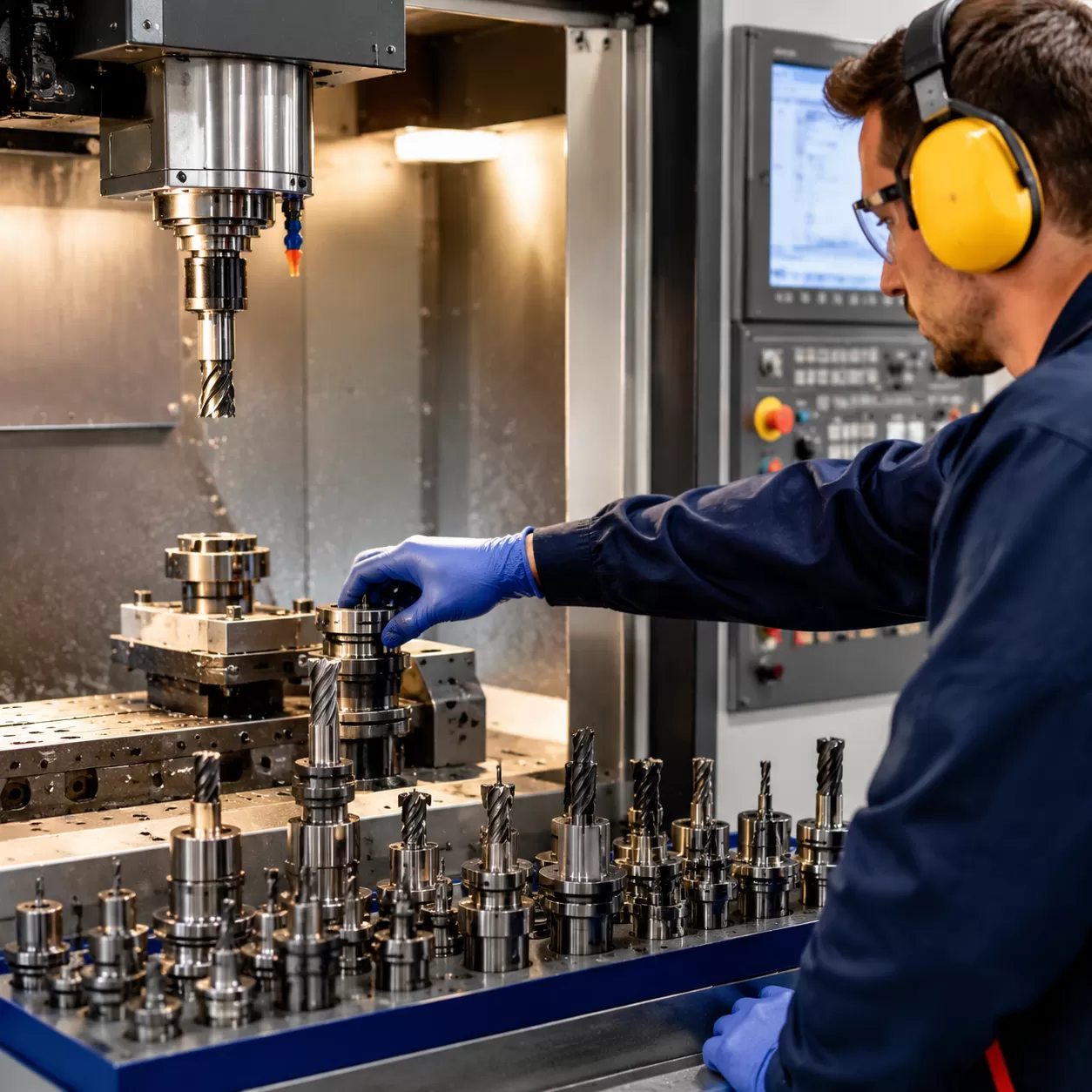
When you invest in a professional milling machine machine, what comes in the box is just the starting point. To maximize your shop’s productivity and tackle complex setups, having the right mix of standard equipment and premium upgrades is critical. We outfit our machines with a solid baseline of factory essentials while offering a robust selection of add-ons to expand your machining capabilities.
Standard Factory Outfit
Every milling machine machine ships with a foundational package designed to get your spindle turning right away. These standard inclusions handle everyday operation, safety, and basic maintenance:
- Drawbar Assembly: Rugged and reliable for secure tool retention during heavy cuts.
- Tool Storage Rack: Keeps your frequently used collets and end mill holders organized and within arm’s reach.
- Fundamental Service Wrenches: All the exact-fit hand tools required for routine adjustments and setup changes.
- Splash Guards & Structural Base Trays: Designed to contain chips and direct fluid back to the reservoir, keeping your workspace clean.
Premium Add-On Enhancements
To minimize downtime and boost the precision of your knee mill or bed mill setup, upgrading to premium workholding and tool-changing accessories is highly recommended.
- Air-Powered Quick-Change Drawbars: Pneumatic operation cuts tool change times down to seconds, drastically reducing cycle times.
- Precision Toolroom Vises: Ultra-flat, hardened steel vises that eliminate jaw lift and keep your workpieces perfectly square.
- Variable Collet Chuck Sets & Modular Clamping Kits: Provides the flexibility needed to secure irregular parts safely to the table.
Rotary Tables & Dividing Heads
For complex, multi-axis geometry, adding a rotary table or dividing head turns a standard 3-axis mill drill setup into a highly versatile system. These attachments are essential for cutting gears, machining splines, or profiling symmetric circular patterns.
If your projects demand advanced work with tough materials, pairing these precision attachments with specialized tooling allows you to optimize your cutting paths when machining complex titanium and copper alloys or hardened steels. Adding these components ensures your shop can handle tight-tolerance aerospace or prototyping jobs without outsourcing.
Industrial Lifecycle Support & Installation Criteria
Getting a heavy-duty milling machine machine up and running requires proper floor planning, routine care, and a solid understanding of its operational limits. To keep your workshop safe and protect your investment, we map out the essential installation steps and maintenance routines needed to ensure long-term precision.
Rigging & Floor Layout Guidelines
Setting up a industrial knee mill or bed mill demands a stable foundation to prevent vibration and chassis twist.
- Floor Spacing: Allow at least 3 feet of clear workspace around the maximum travel limits of the table for operator safety and easy maintenance access.
- Foundation Requirements: Standard machine shop floors require a reinforced concrete slab with a minimum thickness of 6 inches to handle the concentrated weight. For massive production mills, specialized vibration-dampening pads are highly recommended.
- Level Calibration: Use a high-precision master precision level (0.0005″ per foot accuracy) on the ground ways. Uneven leveling strains the machine frame and directly ruins cutting accuracy.
Preventative Maintenance Schedules
To ensure your milling machine machine delivers consistent tolerances year after year, follow this structured preventative maintenance routine:
| Frequency | Maintenance Task | Target Component |
|---|---|---|
| Daily | Check way-lube reservoir levels and clear chips | Slideways & Leadscrews |
| Weekly | Inspect spindle belt tension and clean the taper | Drive Train & Spindle Nose |
| Monthly | Measure and adjust axis backlash via the gibs | X/Y/Z Axis Handwheels |
| Bi-Anually | Flush and replace the gear oils entirely | Main Gearbox |
Pro Tip: Heavy-material cutting places immense stress on the structural frame. Choosing high-quality machine bases, such as those made from cast iron vs cast steel, ensures better vibration dampening and dampens harmonic distortion during intense cuts.
Frequently Asked Questions (FAQs)
What are the standard power requirements for these machines?
Most industrial-grade mills run on 3-phase 220V or 440V power to support high-torque spindle motors. For smaller garage shops or prototyping labs, a high-quality rotary phase converter can bridge the gap if only single-phase 240V power is available.
How do I choose the right spindle nose taper configuration?
The choice boils down to your specific tooling needs. R8 tapers are the gold standard for manual knee mills due to widespread tool availability in the US market. For heavier production work requiring aggressive material removal rates, a CAT 40 or NMTB 40 taper provides the superior rigidity needed to eliminate tool deflection.
Why am I experiencing poor surface finishes or chatter?
Chatter is usually caused by insufficient workholding rigidity, worn cutting tools, or loose gib adjustments. Check your tapered gibs first to eliminate any hidden play in the saddle or table ways.
 German
  English