
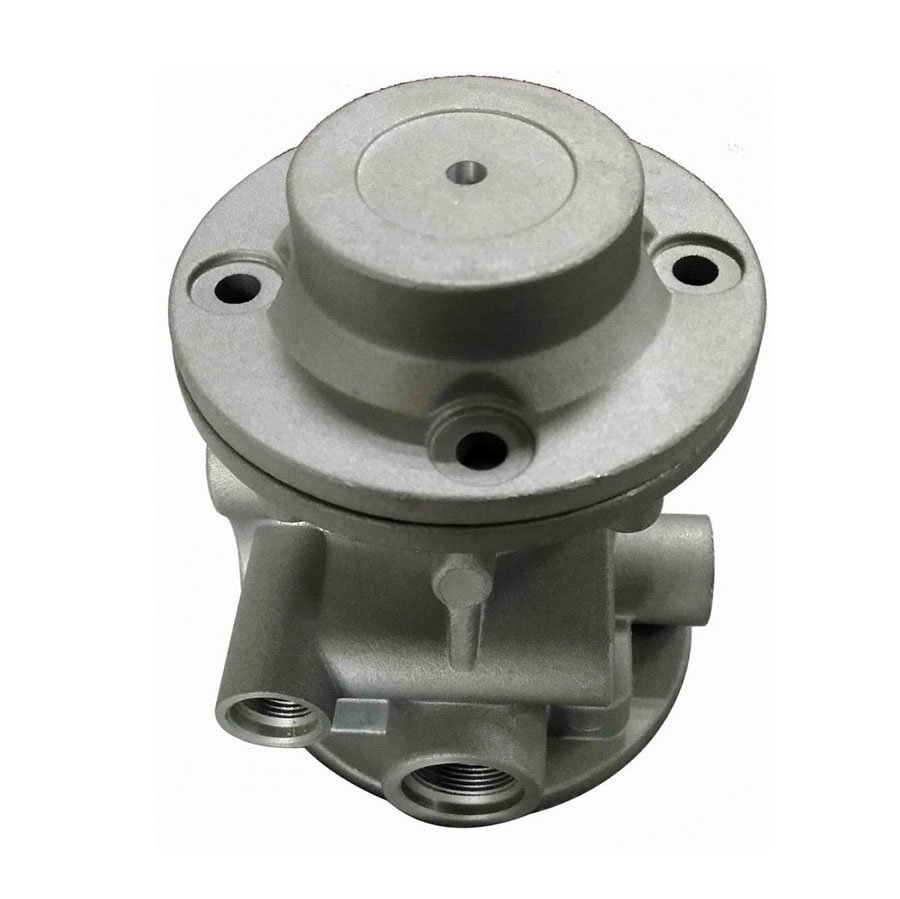
Description
Understanding Alloy Steel Casting
I define alloy steel casting as the process of pouring molten steel—enhanced with specific chemical elements—into a mold to create high-strength, complex components. Unlike standard carbon steel, alloy casting utilizes a precise blend of elements to achieve superior mechanical properties that stand up to the toughest industrial environments.
To get the performance your project requires, I focus on integrating these core elements into the alloy steel casting process:
- Chromium (Cr): Increases hardness and provides essential corrosion resistance.
- Nickel (Ni): Boosts toughness and impact resistance, even at low temperatures.
- Molybdenum (Mo): Enhances strength and stability under high-heat conditions.
- Manganese (Mn): Improves surface hardness and resistance to abrasive wear.
The Near-Net-Shape Advantage
As an alloy steel casting manufacturer, I prioritize efficiency. By using investment casting alloy steel, we produce “near-net-shape” parts. This means the component comes out of the mold almost exactly as designed, significantly reducing the need for expensive, time-consuming secondary machining.
Why Precision Geometries Matter
For your engineering team, the value of cast alloy steel components lies in design freedom. I use advanced molding techniques to achieve:
- Intricate Geometries: We can cast complex internal cavities and thin walls that are impossible to create through traditional forging.
- Superior Surface Finishes: Our process delivers smooth surfaces that improve part longevity and reduce friction.
- Structural Integrity: By casting as a single piece, we eliminate the weak points typically found in welded assemblies.
Whether you need low alloy steel casting for structural toughness or specialized CrMo steel casting for wear resistance, the goal is always the same: delivering a part that is lighter, stronger, and ready for immediate use.
Choosing Between Low-Alloy and High-Alloy Steel Castings
The main difference between these two categories comes down to the percentage of alloying elements and how they handle stress. We look at your project’s specific requirements—whether it’s raw strength or survival in harsh environments—to recommend the right low alloy steel casting or high-alloy alternative.
Performance Comparison
When we compare these materials, we focus on three core mechanical properties that impact your part’s lifespan:
- Tensile Strength: Low-alloy steels are famous for their high strength-to-weight ratio, making them ideal for structural loads.
- Hardenability: This determines how deep the hardness penetrates during heat treatment. Our cast alloy steel components are engineered for consistent hardness throughout the part.
- Toughness: Low-alloy options generally provide better impact resistance, which is vital for parts that take a beating in the field.
Typical Industrial Use Cases
Choosing the right material depends on where the part will live. We help clients navigate these choices, much like deciding when to use stainless steel vs. aluminum castings for specific environmental factors.
| Alloy Type | Common Applications | Key Benefit |
|---|---|---|
| Low-Alloy Steel | Construction machinery, earthmoving equipment, and gear housings. | Exceptional strength and cost-efficiency. |
| High-Alloy Steel | Chemical processing valves, turbine blades, and high-heat furnace parts. | Superior corrosion and heat resistance. |
Our Focus: High-Strength, Low-Cost Solutions
We specialize in custom alloy steel castings that prioritize cost-effectiveness without sacrificing performance. Most US-based industrial applications don’t need expensive exotic metals; they need high-strength low-alloy (HSLA) solutions that can handle high-stress environments. We focus on optimizing these grades to give you a part that is both durable and budget-friendly, ensuring you get the most value out of every pour.
Material Grades and Technical Specifications
We specialize in a diverse range of alloy cast steel grades designed to meet the rigorous demands of US industrial applications. Our selection focuses on balancing toughness, wear resistance, and high tensile strength to ensure your components perform in the field.
Common Alloy Steel Casting Grades
We work with the following standard materials, ensuring full compliance with ASTM, AISI, and SAE international standards:
| Grade | Primary Alloying Elements | Key Characteristics | Typical Yield Strength |
|---|---|---|---|
| 4130 | Cr, Mo | Excellent weldability and toughness | 70,000 – 85,000 psi |
| 4140 | Cr, Mo | High fatigue strength and abrasion resistance | 85,000 – 100,000 psi |
| 4340 | Ni, Cr, Mo | Superior deep hardenability and ductility | 100,000+ psi |
| 8620 | Ni, Cr, Mo | Ideal for carburizing; high surface hardness | 55,000 – 70,000 psi |
| 42CrMo | Cr, Mo | High strength-to-weight ratio for heavy loads | 90,000+ psi |
Quality Standards and Compliance
Every alloy steel casting we produce undergoes strict chemical composition analysis to verify element percentages like Chromium, Nickel, and Molybdenum. To ensure these high-strength materials are free from defects, we integrate magnetic particle inspection into our quality control workflow, providing a reliable baseline for structural integrity.
- Low Alloy Steel Casting: Optimized for cost-effective high-strength solutions.
- Precision Specs: Tight control over carbon equivalents for better weldability.
- Certified Performance: Full heat treatment traceability for 4340 alloy steel castings and other critical grades.
- Custom Chemistry: We can adjust alloy ratios to meet specific hardware requirements or environment-specific corrosion needs.
Key Benefits of Precisionvast Alloy Steel Casting
We focus on delivering alloy steel casting solutions that don’t just meet specs—they exceed performance expectations in the field. Our parts are engineered to survive where standard carbon steel fails, providing the reliability your American industrial projects demand.
Superior Durability and Resistance
Whether you need wear resistant steel casting for heavy mining equipment or parts that withstand high-pressure environments, our alloys are built for the long haul. We specialize in enhancing the properties of high-temperature alloys to ensure your components maintain structural integrity under extreme thermal stress and corrosive conditions.
- Extreme Wear Resistance: Formulated to handle abrasive environments without premature failure.
- Corrosion Protection: Advanced chemistry that fights rust and chemical degradation.
- Heat Stability: High-performance heat resistant alloy casting prevents warping at elevated temperatures.
- Lightweight Strength: Achieve high tensile strength with thinner walls, optimizing your overall machine weight.
Cost Efficiency Through Precision
By using lost wax alloy steel casting, we achieve “near-net-shape” parts right out of the mold. This precision significantly slashes your secondary machining costs and reduces material waste, making us a leading alloy steel investment casting manufacturer.
| Feature | Benefit to Your Project |
|---|---|
| High-Precision Tolerances | Drastic reduction in expensive CNC machining time |
| Excellent Surface Finish | Better aesthetic quality and reduced friction in moving parts |
| Custom Alloy Grades | Tailored mechanical properties for 4140 steel casting or 4340 alloy steel castings |
| Structural Integrity | Dense, defect-free internal structures for high-stress applications |
Our commitment to quality ensures that every cast alloy steel component we produce helps you build better, stronger, and more cost-effective products.
High-Precision Alloy Steel Casting Process
We handle the alloy steel casting process with a focus on absolute precision and repeatable quality. By utilizing the lost wax alloy steel casting (investment casting) method, we create components that require minimal post-processing. Our workflow is designed to eliminate guesswork, starting with advanced CAE simulation to analyze metal flow and solidification. This tech-driven approach allows us to catch potential defects like porosity or shrinkage before we ever pour the first heat.
Step-by-Step Investment Casting Workflow
Our facility is optimized for speed and accuracy, following a rigorous production cycle:
- SLA Prototyping & Mold Design: We use SLA rapid prototyping for quick design validation, allowing you to test fit and function before committing to hard tooling.
- Pattern Injection: High-precision wax patterns are created to ensure the final alloy cast matches your CAD specifications perfectly.
- Ceramic Shell Construction: We build robust shells that can withstand the extreme temperatures required for various casting alloy grades.
- Controlled Pouring: Molten steel is poured into the preheated shells under strict temperature monitoring to ensure consistent grain structure.
- Knockout & Finishing: After cooling, the shell is removed, and the parts undergo shot blasting and heat treatment to reach the desired mechanical properties.
Integrated Manufacturing and CNC Services
What sets us apart as a leading alloy steel casting manufacturer is our one-stop-shop capability. We don’t just stop at the foundry stage; we provide integrated CNC machining to deliver assembly-ready precision alloy steel parts. This vertical integration slashes your logistics costs and ensures that the final tolerances are exactly where they need to be.
By managing everything from the initial mold design to the final surface finish, we maintain a strict chain of custody over quality. For those looking to stay updated on the latest technical advancements in the field, we regularly share manufacturing insights and industry updates to help our partners optimize their part designs for better castability and performance.
Industry Applications for Alloy Steel Casting
Our alloy steel casting solutions support the hardest-working industries in the United States, providing components that survive where standard materials fail. We specialize in producing cast alloy steel components tailored to specific mechanical stresses and environmental conditions.
Mining and Construction
In the heavy equipment sector, we manufacture high-durability wear resistant steel casting parts designed to withstand constant abrasion.
- Bucket teeth and adapters for excavators.
- Crusher liners and grinding media.
- Track shoes for heavy-duty bulldozers.
Automotive and Transport
We provide precision alloy steel parts for high-stress vehicle systems where failure is not an option.
- Transmission gears and drivetrain components.
- Heavy-duty engine brackets and suspension parts.
- Connecting rods designed for maximum fatigue resistance.
Energy and Power Generation
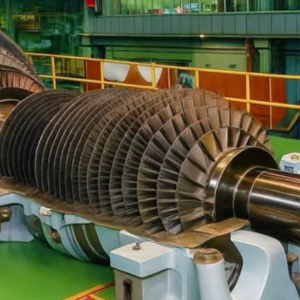
For the energy sector, we produce heat resistant alloy casting parts that maintain structural integrity under extreme thermal stress. To better understand these specialized environments, you can explore how high-temperature alloy casting works in demanding industrial settings.
- Turbine blades and housings.
- Pressure-resistant valves and pump bodies.
- Structural supports for oil and gas infrastructure.
Heavy Machinery and Rail
Our custom alloy steel castings are essential for the American infrastructure and agricultural sectors.
- Agricultural Equipment: Plow blades, hitch components, and specialized tillage tools.
- Railroad Industry: Couplers, bolsters, and side frames for freight and passenger cars.
- Industrial Cranes: High-strength hooks and load-bearing structural joints.
Quality Assurance for Alloy Steel Castings
We don’t leave quality to chance. Every alloy steel casting that leaves our floor undergoes rigorous inspection to ensure it meets your exact requirements. As a premier alloy steel casting manufacturer, we operate an ISO 9001 certified facility where precision is the baseline, not the goal.
Advanced Testing and NDT Capabilities
To ensure your parts handle the stress of heavy-duty applications, we utilize a full suite of Non-Destructive Testing (NDT) and inspection tools:
- X-ray Inspection: Detecting internal defects or subsurface porosity.
- CMM (Coordinate Measuring Machine): Verifying high-precision dimensional tolerances for complex geometries.
- Spectroscopy: Confirming the exact chemical composition of every melt before pouring.
- Mechanical Testing: Validating tensile strength, hardness, and impact toughness.
Massive Capacity and Rapid Response
Our 4,000 m² alloy steel foundry is built for scale and speed. We manage a 700-ton annual capacity, allowing us to handle everything from specialized custom runs to high-volume industrial orders. While many struggle to find reliable carbon steel investment casting manufacturers who can deliver on time, our integrated infrastructure ensures your supply chain remains uninterrupted.
| Feature | Our Capability |
|---|---|
| Annual Capacity | 700 Tons of finished castings |
| Facility Size | 4,000 m² state-of-the-art plant |
| Quoting Speed | Guaranteed 8-hour response |
| Prototyping | Rapid SLA and CAE simulation for fast turnarounds |
We understand the pace of the US market. That’s why we’ve optimized our workflow to provide fast prototyping and immediate technical support, moving your project from a CAD file to a physical part in record time without compromising structural integrity.
Why Partner with Precisionvast for Your Alloy Steel Casting?
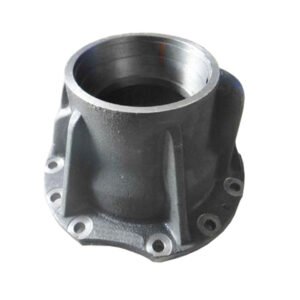
We bring over 20 years of expertise and a proven track record of serving 800+ global clients to every project. As a dedicated alloy steel casting manufacturer, we focus on delivering high-integrity components that meet the rigorous standards of American industrial applications.
Factory-Direct Pricing and Custom Flexibility
By eliminating the middleman, we provide factory-direct pricing that keeps your project on budget without compromising quality. We offer unmatched flexibility in the alloy steel casting process, allowing us to develop custom alloy steel castings tailored to your specific mechanical requirements.
- Versatile Material Support: From standard low alloy steel casting to specialized heat resistant alloy casting, we handle a wide range of alloy cast steel grades.
- Precision Engineering: Our alloy steel foundry utilizes advanced lost wax alloy steel casting techniques to ensure tight tolerances.
- Comprehensive Service: We manage everything from initial design to final production, maintaining the same high standards found in our guide to stainless steel casting for specialized projects.
High-Performance Results
We understand that high-stress environments require reliable precision alloy steel parts. Our facility is equipped to produce wear resistant steel casting components that stand up to the toughest conditions in mining, construction, and heavy machinery. Choosing us means choosing a partner committed to technical excellence, custom alloy flexibility, and rapid turnaround times.
Common Alloy Steel Casting FAQ
We know that choosing the right alloy steel casting partner involves more than just looking at a price sheet. Here are the answers to the most frequent questions we receive from our US clients regarding production, tolerances, and material performance.
What are your lead times and minimum order quantities?
We provide flexible manufacturing to support both your R&D phases and full-scale production.
- Prototyping: Typically 2–3 weeks using rapid prototyping methods.
- Mass Production: Generally 4–6 weeks from tool approval.
- MOQ: We offer top low-volume casting prototyping solutions for those who aren’t ready for thousands of units but need industrial-grade quality.
What are the standard tolerances for custom alloy steel castings?
Our lost wax alloy steel casting process is engineered for high-precision results that minimize your secondary machining costs.
- General Tolerances: We typically adhere to ISO 8062-3 (CT5-CT7) standards.
- Linear Precision: Usually ±0.005 inches per inch.
- Surface Quality: We achieve a standard finish of Ra 3.2 to 6.3 μm, ensuring a smooth, professional look right out of the mold.
How does alloy steel performance compare to carbon steel?
While carbon steel is great for basic structural parts, alloy steel casting is the clear winner when your project demands specialized mechanical properties.
| Feature | Carbon Steel | Alloy Steel (e.g., 4140, 4340) |
|---|---|---|
| Hardenability | Limited | Deep and uniform through-hardening |
| Wear Resistance | Standard | High (due to Cr and Mo content) |
| Toughness | Moderate | High impact resistance at low temps |
| Strength-to-Weight | Basic | Superior for lightweighting |
Which alloy cast steel grades do you work with most?
As a specialized alloy steel foundry, we frequently pour 4140 steel casting, 4340 alloy steel castings, and 8620 case-hardening steel. We also provide high-strength CrMo steel casting for mining and heavy equipment parts that need to withstand extreme abrasion. If you have a custom chemistry requirement, our in-house spectroscopy ensures we hit your exact chemical composition every time.
 English
  German
Reviews
There are no reviews yet.