

Precision screw machining services for custom metal parts with tight tolerances fast turnaround and reliable B2B manufacturing solutions.
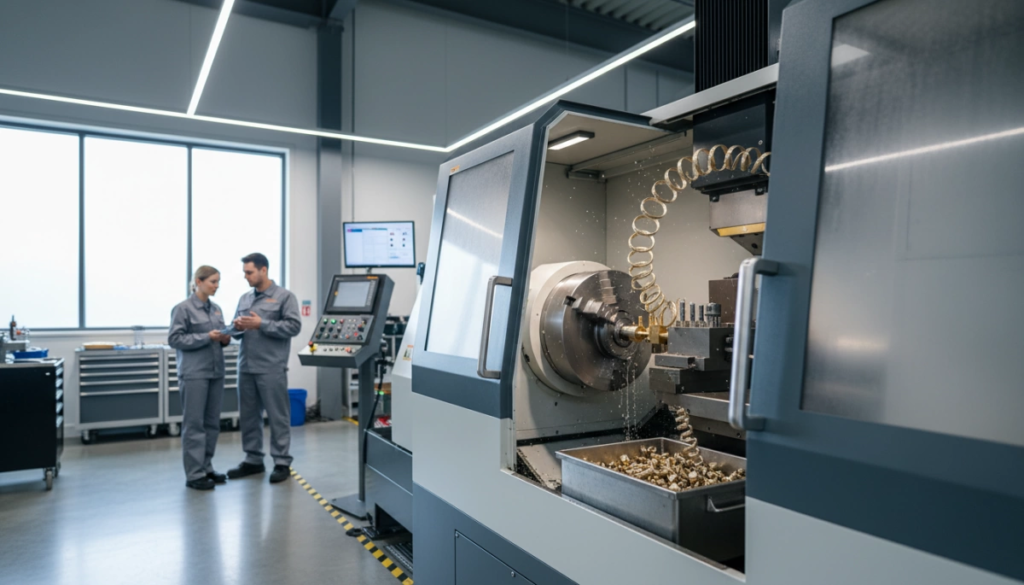
Understanding Screw Machining Basics
We utilize screw machining as a specialized high-volume manufacturing process designed to produce small, complex, and high-precision turned parts. By feeding long rods of material—known as bar stock—through a hollow spindle, our equipment operates continuously to create components with minimal manual intervention.
Defining High-Volume Precision
The core of our screw machining service is the ability to produce thousands of identical parts with extreme consistency. Unlike manual turning, this process is optimized for:
- Rapid cycle times: Parts are often completed in seconds.
- Continuous operation: Automatic bar feeders keep the machines running 24/7.
- Tight tolerances: Maintaining precision across large production lots.
Automatic Screw Machines vs. Standard Lathes
While both tools rotate the workpiece, the fundamental difference lies in automation and throughput.
| Feature | Standard Engine Lathe | Automatic Screw Machine |
|---|---|---|
| Operation | Manual or semi-automatic | Fully automatic bar processing |
| Volume | Low to medium (prototypes) | High to ultra-high (mass production) |
| Tooling | Single tool at a time | Multiple tools working simultaneously |
| Efficiency | Slower per-part setup | Optimized for speed and repetition |
The Evolution to CNC Technology
Our facility bridges the gap between traditional mechanical reliability and modern digital precision.
- Cam-Driven Machines: These traditional workhorses use mechanical cams to control tool movement. They remain the gold standard for cost-effective, high-speed runs of simpler parts.
- CNC Screw Machining: By integrating computer numerical control, we achieve greater flexibility for complex geometries. CNC allows for quicker setups and the ability to make mid-run adjustments without replacing physical cams.
We leverage both technologies to ensure every project receives the most efficient production method based on its specific complexity and volume requirements.
Types of Screw Machines Used in Production
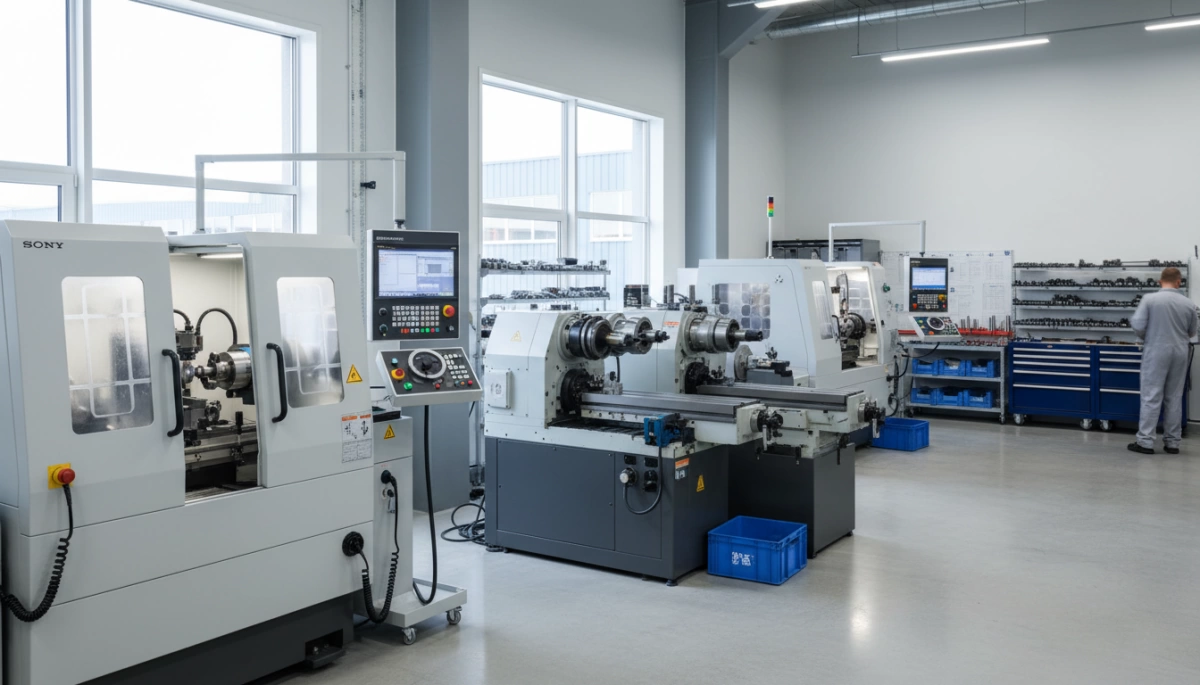
In our shop, we select the specific automatic screw machine setup based on your part’s complexity and the total volume of the run. Choosing the right equipment ensures we hit your tight tolerances while keeping the cost-per-part as low as possible.
Single-Spindle Screw Machines
These machines are the standard for simple geometries and mid-range production volumes. They process one bar of stock at a time, making them highly efficient for precision turned parts like spacers, pins, and basic custom fasteners. Whether we are using traditional cam-driven machines or modern CNC versions, single-spindle setups offer great flexibility for quick changeovers.
Multi-Spindle Lathes for Maximum Throughput
When you need hundreds of thousands of parts, multi-spindle lathes are the undisputed champions of high-volume manufacturing.
- Simultaneous Machining: Multiple spindles work on different stages of the part at the same time.
- Fast Cycle Times: A finished part drops off the machine every few seconds.
- Bar Stock Processing: Continuous feeding of material ensures 24/7 production capability.
Because these machines often produce components for heavy-duty industrial applications, we frequently work with specialized alloys. Selecting the right heat-resistant metals for high-temperature use is vital when we configure these high-speed runs for engine or exhaust components.
CNC Swiss Machining for Complex Parts
For small-diameter parts with intricate details, we turn to CNC Swiss machining. This Swiss-style turning uses a sliding headstock that supports the workpiece right next to the cutting tool. This setup is the gold standard for:
- Micro-components: Parts with extremely thin walls or long, slender profiles.
- Complex Operations: Performing threading and knurling in a single pass without losing accuracy.
- High Precision: Maintaining tolerances that standard lathes simply can’t touch.
By matching your project to the right machine—whether it’s a classic Brown & Sharpe machine or a state-of-the-art Swiss center—we ensure your screw machining project is optimized for both quality and budget.
Best Materials for Screw Machining
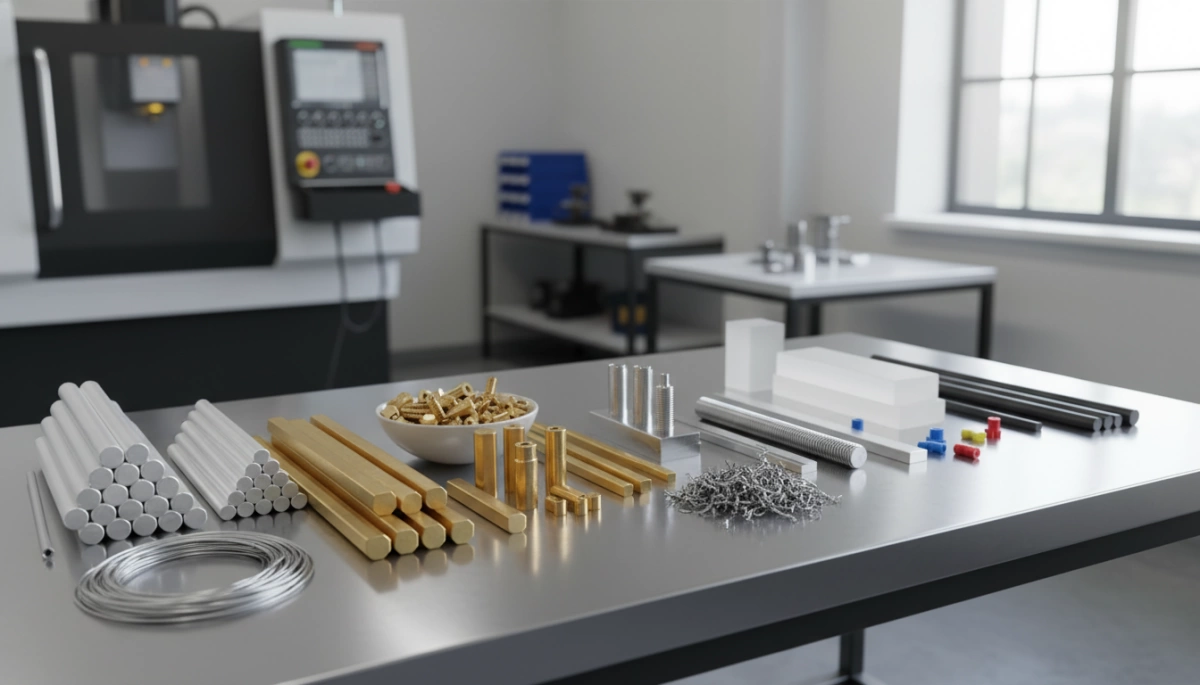
Selecting the right material is the first step in ensuring the performance and longevity of your precision turned parts. We work with a wide range of bar stock processing materials to meet the specific mechanical and chemical requirements of your project.
Aluminum and Brass for High Conductivity
Aluminum and brass are among the most popular choices for high-volume manufacturing due to their excellent machinability.
- Aluminum: Lightweight and naturally corrosion-resistant. It is ideal for aerospace and automotive components. When comparing aluminum vs other metals, its strength-to-weight ratio often makes it the top choice for high-performance parts.
- Brass: Known for its superior electrical conductivity and aesthetic appeal. It is the standard for electronic connectors, plumbing fixtures, and decorative hardware.
Stainless Steel and Carbon Steel Alloys
When your application demands high strength and durability, we turn to steel alloys. These materials are essential for producing custom fasteners and structural components that must survive extreme stress.
- Stainless Steel (303, 304, 316): Offers exceptional rust resistance and is widely used in medical and food-grade applications.
- Carbon Steel (12L14, 1215): These “free-machining” steels allow for faster cycle times on our automatic screw machine equipment while maintaining high structural integrity.
Engineering Plastics and Specialized Polymers
Screw machining isn’t limited to metals. We also process a variety of high-performance plastics for industries that require non-conductive or chemically resistant parts.
- Delrin (Acetal): Great dimensional stability and low friction.
- PTFE (Teflon): Excellent chemical resistance and high-temperature tolerance.
- PEEK: A high-strength polymer used for demanding medical and aerospace components.
| Material Category | Common Grades | Key Benefit |
|---|---|---|
| Non-Ferrous | Aluminum 6061, Brass C360 | Fast machining & high conductivity |
| Ferrous | Stainless 303, Steel 12L14 | High strength & wear resistance |
| Polymers | Delrin, PEEK, PTFE | Lightweight & chemical resistance |
Advanced Capabilities and Secondary Operations in Screw Machining
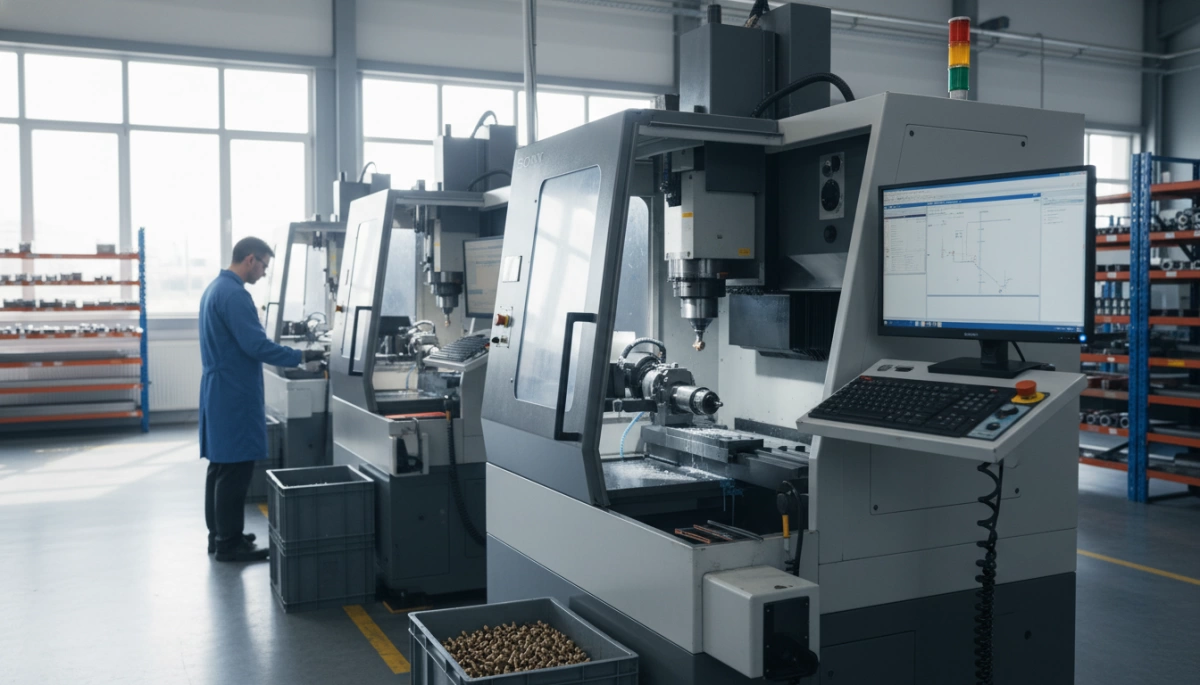
We deliver more than just basic shapes; we provide fully finished, high-precision components. Our screw machining setup is designed to handle complex geometries in a single setup, eliminating the need for costly secondary handling. By utilizing live tooling and multi-axis configurations, we ensure every part comes off the machine meeting your exact requirements.
Integrated Machining Features
- Precision Threading and Tapping: We produce clean, accurate threads for both internal and external applications, which is essential for high-quality custom fasteners.
- On-the-Fly Milling and Drilling: Our equipment performs cross-drilling, slotting, and milling while the part is still in the main spindle, maintaining perfect alignment.
- Knurling and Texturing: We apply functional textures for better grip or aesthetic appeal directly during the turning process.
Post-Processing and Finishing
To ensure your parts stand up to the toughest environments, we offer a full suite of finishing services. We understand that the right finish is just as important as the initial cut.
- Heat Treatment: We offer various heat treatment options to improve hardness, tensile strength, and wear resistance.
- Surface Coating: Options include plating, anodizing, and black oxide to prevent corrosion and improve appearance.
- Material Optimization: Whether you are weighing the benefits of titanium vs stainless steel for their specific magnetic or mechanical properties, our finishing processes are tailored to the material at hand.
This integrated approach to screw machining allows us to maintain tight tolerances while delivering a part that is ready for immediate use in your production line.
Why Choose Screw Machining for Your Project?
When you need thousands of precision components without sacrificing quality, screw machining is the most efficient route. We focus on maximizing throughput while keeping the cost-per-part as low as possible. By utilizing automatic bar stock processing, our machines run continuously, making this the gold standard for high-volume manufacturing.
Unmatched Cost Efficiency and Speed
The primary reason we recommend this process is the economy of scale. Once the initial setup is complete, the speed of multi-spindle lathes and automatic screw machines ensures that unit costs remain unbeatable compared to standard CNC turning.
| Feature | Screw Machining Benefit |
|---|---|
| Production Volume | Ideal for 1,000 to 1,000,000+ pieces |
| Tolerance | Maintains tight tolerances within ±0.0005″ |
| Material Waste | Minimal scrap due to precise bar feeding |
| Labor | Fully automated for 24/7 production cycles |
Precision and Repeatability
We deliver precision turned parts that meet the exact specifications of your blueprints every single time. Whether we are working with standard brass or more complex materials, our expertise in how to analyze physical properties of heat-resistant alloys ensures we select the right tooling to maintain accuracy across the entire production run.
- Tight Tolerances: Exceptional consistency even in massive batches.
- Material Savings: Efficient bar loading systems reduce scrap rates and lower material overhead.
- Rapid Cycles: Simultaneous cutting operations significantly reduce the time spent on each part.
By choosing CNC Swiss machining or traditional screw machine services, you benefit from a process designed for speed, accuracy, and long-term reliability. We ensure every part coming off the line is identical to the first, providing the repeatable accuracy your project demands.
Industry Applications for Screw Machined Components
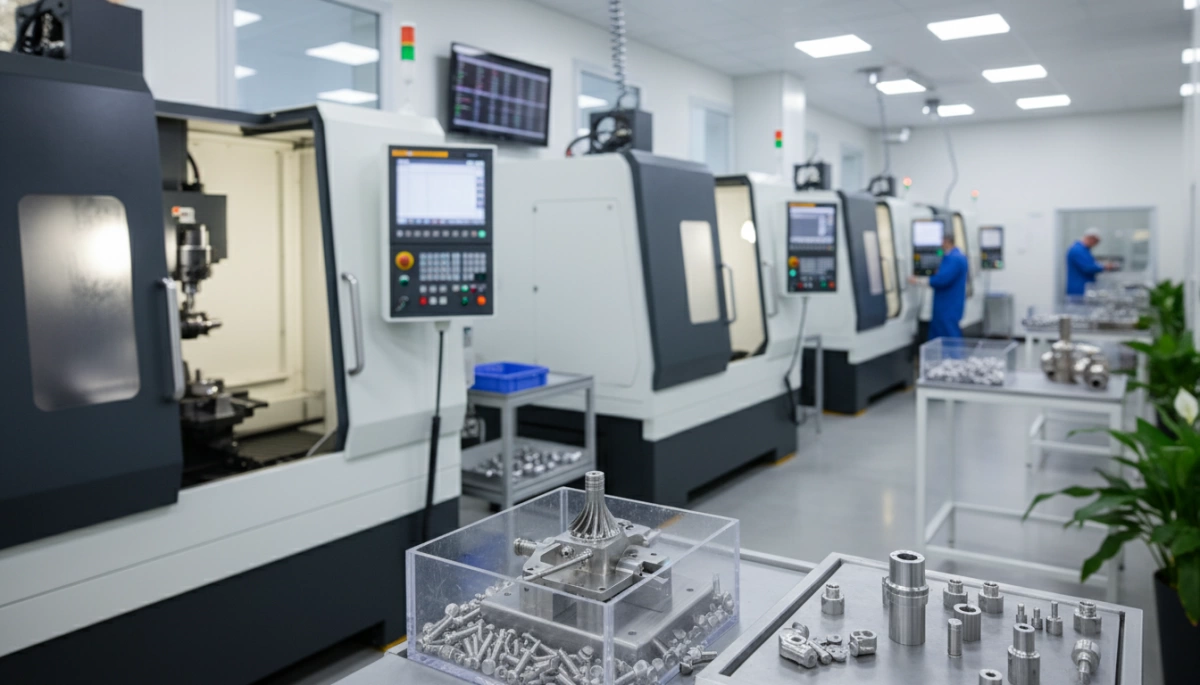
Our screw machining capabilities serve as the backbone for several high-stakes industries where precision is non-negotiable. We deliver precision turned parts that meet the rigorous demands of modern engineering across the United States.
Aerospace and Defense
In the aerospace and defense sectors, failure is not an option. We manufacture custom fasteners, bushings, and connectors designed to withstand extreme pressure and temperature fluctuations.
- High-strength alloys: Machining titanium and Inconel for structural integrity.
- Reliability: Using multi-spindle lathes to ensure every part in a high-volume run is identical.
- Compliance: Meeting strict regulatory standards for flight-critical hardware.
Medical Devices and Implants
The medical field requires extreme miniaturization and biocompatibility. We utilize CNC Swiss machining to create micro-components such as surgical tools, bone screws, and dental implants. These parts often feature complex geometries and require tight tolerances that only specialized bar stock processing can achieve.
Automotive and Industrial Use
For the automotive and industrial sectors, durability and cost-efficiency are the primary drivers. Our automatic screw machine setups are optimized for high-volume production of:
- Fuel system components and sensor housings.
- Hydraulic fittings and valve bodies.
- Heavy-duty pins and shafts for industrial machinery.
To stay competitive, we constantly refine our processes to ensure maximum throughput without sacrificing quality. You can explore more about our manufacturing insights and technical updates in our latest industry blog posts. By leveraging advanced turning technology, we provide the high-durability components that keep American infrastructure and transportation moving forward.
FAQs About Screw Machining Services
What is the typical lead time for a production run?
Our standard lead times for screw machining projects generally range from 3 to 6 weeks. This timeline depends heavily on the complexity of the part, current material availability for bar stock processing, and whether your project requires secondary finishing like heat treating or plating. We prioritize efficiency to ensure your high-volume manufacturing schedule stays on track.
How do CNC screw machines compare to traditional cam machines?
While traditional cam-driven machines like the classic Brown & Sharpe machines are incredibly fast for simple, high-volume parts, they require extensive setup times. CNC Swiss machining and modern multi-spindle lathes offer much greater flexibility. CNC allows us to program complex geometries and make adjustments on the fly, providing superior precision for intricate components that cam machines simply can’t handle.
What are the standard tolerances for screw machined parts?
We consistently achieve tight tolerances to meet the most demanding industrial specs.
- Standard Tolerances: +/- 0.001″ to 0.005″
- Precision CNC Swiss: Down to +/- 0.0002″
- Surface Finish: We can achieve exceptionally smooth finishes directly off the machine, reducing the need for additional polishing.
Can you handle low-volume prototypes alongside mass production?
Yes. We bridge the gap between design and scale. We utilize our automatic screw machine setups to produce low-volume prototypes that allow you to test fit and function. Once the design is finalized, we seamlessly transition the project into a high-capacity run, ensuring the precision turned parts you receive in the prototype phase are identical to the thousands produced during mass production.
- Scalability: From 100-piece test runs to 100,000+ piece orders.
- Consistency: Identical quality across every batch.
- Versatility: Expert handling of custom fasteners, connectors, and specialized industrial pins.
 English
  German