

Precisionvast industrial valve gate castings API ASME compliant investment casting custom alloys CF8M WCB zero leakage OEM gate valve components.
Industrial Gate Valve Overview
When you are managing high-pressure fluid control systems, you cannot afford leaks, structural failures, or frequent maintenance downtime. That is where our precisionvast valve gate comes in. Designed for optimal flow regulation, our gate valve components provide a tight, reliable shut-off for both liquids and gases under the most demanding operational conditions.
What is a precisionvast Valve Gate?
A precisionvast valve gate is a heavy-duty industrial gate valve component designed to completely halt or allow fluid flow within a pipeline. Operating by lifting or lowering a flexible wedge gate or parallel slide mechanism out of the fluid path, it minimizes flow resistance when fully open. We engineer these valves for straight-line fluid control, ensuring minimal pressure drop and maximum efficiency.
The Investment Casting Advantage
We manufacture our valve components using the lost wax investment casting process. Compared to traditional sand casting, our lost wax casting valve bodies offer unmatched structural benefits:
- Superior Surface Finish: Eliminates internal friction and reduces wear on moving parts.
- High Dimensional Accuracy: Near-net-shape production means minimal secondary machining is required.
- Material Integrity: The investment casting valve body has zero internal porosity, preventing structural weak points under high pressure.
- Design Flexibility: Easily accommodates complex internal geometries and thin-walled sections without sacrificing strength.
Primary Industrial Applications
Our precision valve castings serve as critical infrastructure components across major United States industrial sectors:
| Industry | Primary Application |
|---|---|
| Oil & Gas | High-pressure upstream extraction and downstream refining |
| Chemical Processing | Corrosive media handling using stainless steel CF8M valve parts |
| Water & Wastewater | Main distribution lines and heavy sludge fluid control |
| Power Generation | High-temperature steam isolation and cooling water systems |
Technical Specifications of Our Valve Gate Solutions
We engineer our precision valve castings to handle the toughest industrial environments. By matching exact dimensional tolerances with the right metallurgy, we ensure every valve bonnet and body delivers optimal sealing and zero-leak performance under extreme stress.
Dimensional & Pressure Ratings Matrix
Our cast steel gate valve components are manufactured to meet standard US and international pressure classes. The table below outlines our standard production capabilities for industrial gate valve bodies and wedges.
| Nominal Pipe Size (NPS) | ASME Pressure Class | Pressure Rating (PSI) | Connection Types |
|---|---|---|---|
| 2″ to 12″ | Class 150 / 300 | 285 – 740 PSI | Flanged, Butt-Weld |
| 14″ to 24″ | Class 300 / 600 | 740 – 1480 PSI | Flanged, Ring Type Joint (RTJ) |
| 2″ to 8″ (Heavy Duty) | Class 900 / 1500 | 2220 – 3705 PSI | Butt-Weld, Socket Weld |
Material of Construction (MOC) Selection Guide
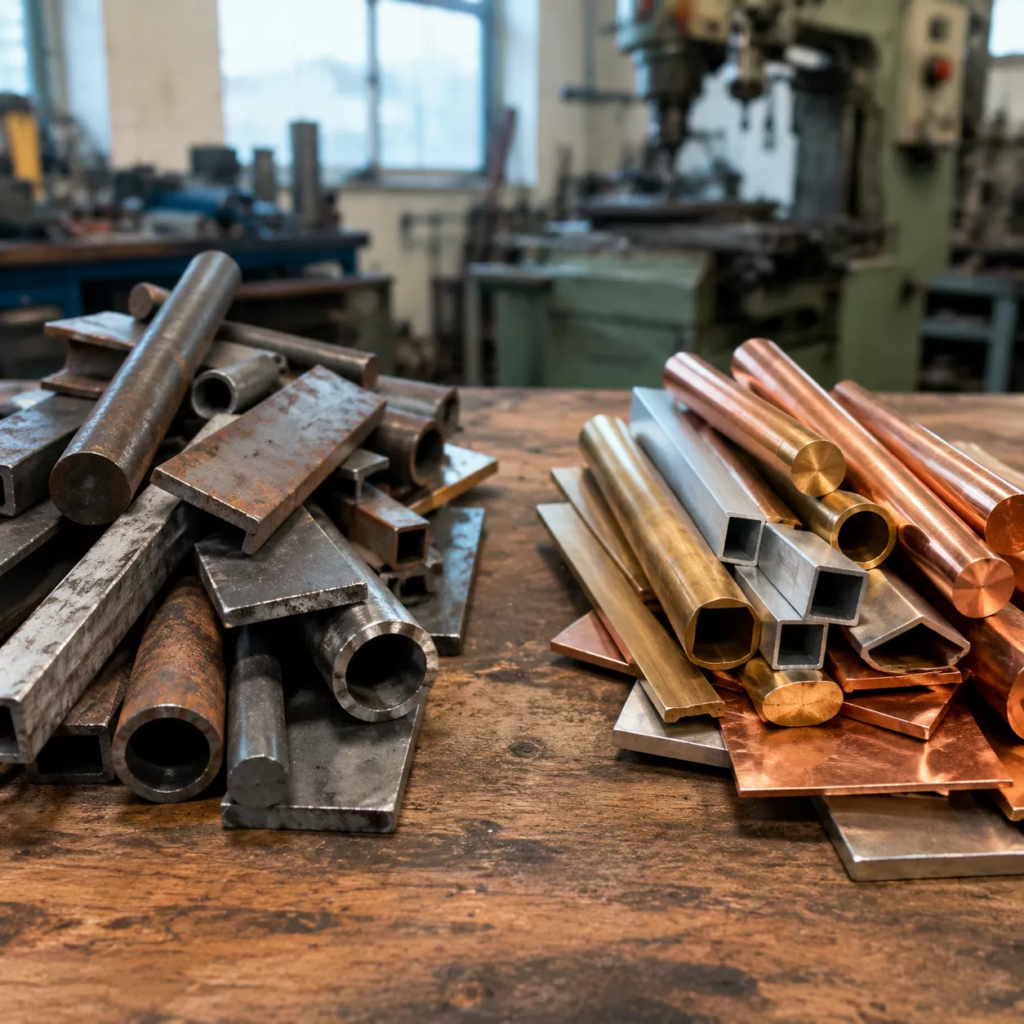
Choosing the right alloy is critical for high-pressure fluid control valve performance. We pour a wide variety of metals in our foundry to match your specific corrosion and temperature requirements.
- Stainless Steel CF8M Valve Parts: Excellent for corrosive environments, chemical processing, and marine applications.
- Carbon Steel (WCB/WCC): The go-to choice for high-temperature oil and gas lines where durability is non-negotiable.
- Alloy Steels (WC6/WC9): Engineered specifically for high-pressure steam and power generation systems.
Design Configuration Types
Different plumbing systems demand different flow mechanics. We cast components tailored to your exact mechanical layouts:
- Flexible Wedge Gate: Features a slight cut around the perimeter to automatically adjust for body distortion and temperature changes.
- Parallel Slide Gate Valve: Uses two independent discs to pull tight seals in high-temperature steam applications.
- Knife Gate Valve Components: Slanted blade designs perfect for slicing through thick slurries and wastewater solids.
Component Anatomy & Structural Features of a Valve Gate
Understanding the internal anatomy of a high-performance valve gate reveals why precision engineering matters. We build these industrial gate valve components to withstand extreme stress, ensuring every internal part aligns perfectly to prevent leaks and premature wear.
The Gate / Wedge
The gate—or wedge—is the heart of the fluid control system. Depending on your application requirements, we cast these components in various geometries to ensure a tight seal.
- Flexible Wedge Gate: Features a cut around the perimeter to allow the seating surfaces to self-align under high pressures. This flexibility compensates for body distortions caused by thermal expansion.
- Parallel Slide Gate Valve Designs: Utilizes two flat discs that press against parallel seats. This minimizes friction during travel and works exceptionally well in high-temperature steam applications.
- Knife Gate Valve Components: Features a sharpened bottom edge designed to slice through thick slurries, pulp, or heavy viscous fluids.
The Valve Body & Bonnet Connection
The interface between the valve bonnet and body acts as the primary pressure containment barrier. A weak connection here leads to catastrophic fugitive emissions.
| Connection Type | Best Used For | Primary Advantage |
|---|---|---|
| Bolted Bonnet | Standard industrial use | Easy to disassemble for routine maintenance and cleaning. |
| Welded Bonnet | High-pressure & hazardous fluids | Offers a zero-leakage, hermetically sealed joint. |
| Pressure Seal Bonnet | Ultra-high pressure applications | Uses system pressure to tighten the seal, preventing joint separation. |
Stem Connection Area
The rising stem assembly translates mechanical turning force into precise linear gate movement. If this connection area is poorly engineered, the stem will bind or strip under load.
- T-Slot Design: We cast robust T-slots directly into the wedge. This allows the stem to slip into place easily while preventing the gate from disconnecting during high-velocity flows.
- Anti-Rotational Features: Integral guides cast inside the valve body keep the wedge perfectly aligned, preventing the stem from twisting and wearing out the packing material.
- Precision Threading: Heavy-duty ACME threads ensure smooth operation and exact positioning of the lost wax casting valve components during automated or manual actuation.
Rigorous Quality Control & Testing Standards
We don’t take chances with industrial fluid control. Every valve gate we produce undergoes a strict, multi-stage quality assurance process to guarantee it performs flawlessly under the most demanding field conditions. We treat your system’s integrity as our own top priority.
Dimensional Accuracy Verification
Precision is everything when it comes to a perfect seal. We use advanced coordinate measuring machines (CMM) and 3D scanning technology to verify the exact geometry of every single gate valve casting.
- Critical Tolerances: We check every wedge angle, seating surface, and stem connection against your exact blueprints.
- Repeatability: Our automated inspection setup ensures that the first production piece is identical to the thousandth.
- Surface Finish Inspection: We measure roughness profiles to ensure smooth actuation and to eliminate premature wear on your valve seals.
Non-Destructive Testing (NDT)
To ensure the structural integrity of our precision valve castings, we look deep inside the metal without altering the part. Hidden defects can cause catastrophic failures in high-pressure environments, which is why our NDT protocols are non-negotiable.
- Radiographic Testing (RT): X-ray inspections detect internal porosity, shrinkage, or voids in the investment casting valve body.
- Liquid Penetrant Testing (PT): This identifies micro-cracks or surface discontinuities that are invisible to the naked eye.
- Magnetic Particle Testing (MT): Used on ferromagnetic materials to catch sub-surface defects around high-stress transition zones.
Hydrostatic & Air Leakage Proofing
Before any valve bonnet and body assembly leaves our facility, it must prove its pressure-containing capabilities. We simulate real-world, high-pressure operational stress to guarantee absolute zero-leakage performance.
| Test Type | Target Area | Purpose |
|---|---|---|
| Shell Test (Hydrostatic) | Entire valve body assembly | Verified at $1.5 times$ the nominal pressure rating to ensure structural casting soundness. |
| High-Pressure Closure | Flexible wedge / seat interface | Confirms a positive metal-to-metal or soft seal isolation under full working pressure. |
| Low-Pressure Air Test | Sealing surfaces and packing | Detects microscopic gaseous leaks that liquids might miss, ensuring total fugitive emission control. |
We back our manufacturing with full material traceability and certified test reports, so you know exactly how your component performed before it ever arrives at your job site.
Custom OEM/ODM Capabilities: The Precisionvast Process
We don’t just pour metal; we bring your custom engineering designs to life. As a dedicated OEM valve components manufacturer, our team transforms complex concepts into high-performance realities. We tailor every stage of our lost wax investment casting process to meet the strict demands of United States industrial applications.
From Blueprint to Casting
Your project starts with a digital blueprint. We accept your CAD models and 3D files, analyzing them for optimal fluid dynamics and casting integrity. Our engineering team refines the gate valve casting geometry to eliminate potential stress points, ensuring the final product matches your exact specifications before production begins.
In-House Tooling & Shell Molding
By managing our tooling and shell molding in-house, we secure complete control over dimensional accuracy.
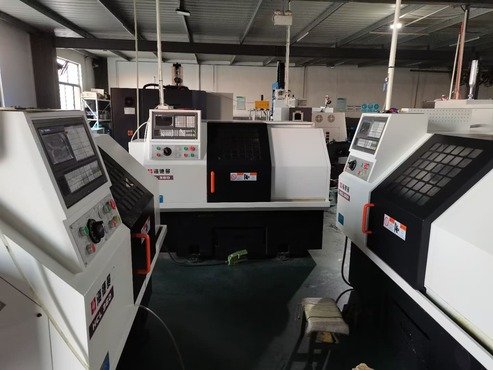
- Precision Tooling: We CNC-machine high-durability aluminum dies to create perfect wax patterns.
- Robotic Ceramic Shelling: Automated layering creates consistent, high-strength molds that withstand extreme pouring temperatures without warping.
- Material Optimizations: We cast a wide range of robust metals, utilizing tailored alloy selections. For example, understanding the benefits of carbon steel in investment casting helps our customers balance high tensile strength with cost-efficiency for standard industrial gate valve setups.
Secondary Processing Options
A raw casting is only the foundation. We provide full-service post-casting treatments to deliver a turnkey, field-ready valve gate assembly.
| Processing Category | Options Available | Purpose / Benefit |
|---|---|---|
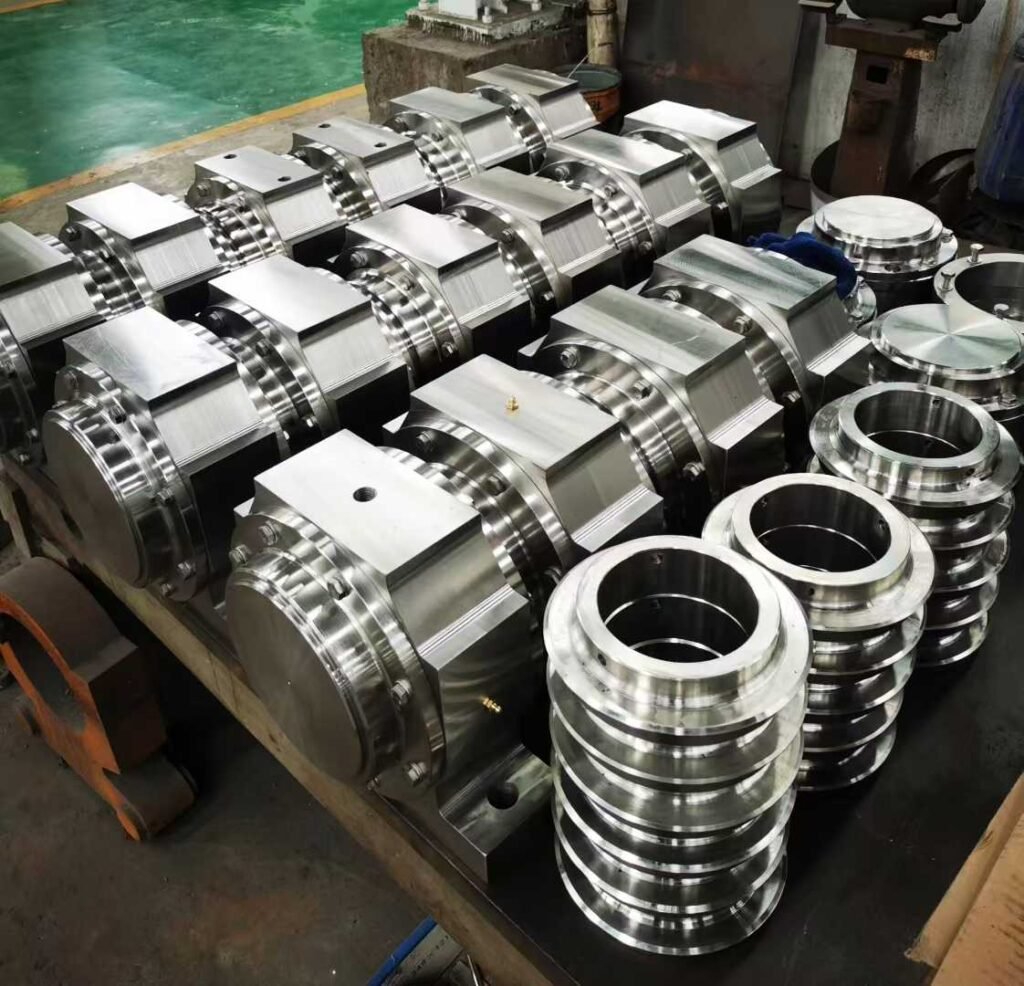
| Machining | High-precision CNC machining services | Achieves tight-tolerance seating surfaces and precise threads for rising stem assemblies. |
| Heat Treatment | Normalizing, Quenching, Tempering, Solution Annealing | Relieves internal stresses and optimizes mechanical properties for high-pressure fluid control valve use. |
| Surface Finishing | Shot blasting, Passivation, Electropolishing, Powder Coating | Enhances corrosion resistance and cosmetic appearance, especially for stainless steel CF8M valve parts. |
B2B Sourcing & Logistics FAQs
Custom Valve Gate Sample Lead Time
For custom valve gate prototyping, our typical turnaround time for a sample gate valve casting ranges from 4 to 6 weeks. This timeline depends heavily on the complexity of the design and the tooling requirements.
Our optimized lost wax investment casting workflow breaks down as follows:
- Tooling Design & Creation: 2 to 3 weeks
- Sample Casting & Gate Valve Assembly: 1 to 2 weeks
- Initial Inspection & Reporting: 1 week
We prioritize speed without sacrificing precision, ensuring your trial runs stay on schedule. To learn more about our operational updates and manufacturing timeline optimizations, check out our latest 2026 factory insights.
International Design & Quality Certifications
We manufacture all industrial gate valve components to meet strict global engineering and safety benchmarks. Our production facility and precision valve castings comply with major international standards required by the United States market:
| Certification Category | Standards Achieved |
|---|---|
| Quality Management | ISO 9001:2015 |
| Design & Dimensions | ASME B16.34, API 600, API 6D |
| Pressure Testing | API 598, EN 12266-1 |
| Material Compliance | ASTM A216, ASTM A351 (Stainless Steel CF8M Valve Parts) |
Material Traceability for Critical Energy Sector Components
In high-pressure fluid control applications, material failure is not an option. We enforce a strict heat-tracking protocol for every single lost wax casting valve body and flexible wedge gate that leaves our floor.
- Unique Heat Numbers: Every casting run is stamped with a permanent, traceable heat number.
- Mill Test Reports (MTRs): We provide full chemical and physical analysis reports tracking back to the raw ingot.
- Digital Archiving: All NDT and traceability documentation is archived digitally for a minimum of 10 years, ensuring total compliance for sensitive oil, gas, and power generation projects.
 English
  German