

What does die cast mean Learn the die casting process materials and benefits for high precision custom metal parts.
How the Die Casting Process Works
To understand what does die cast mean in a manufacturing context, you have to look at it as a high-speed, high-pressure injection process. We force molten metal into a steel mold to create complex parts with incredible speed and repeatability. It is the go-to method for high-volume production where “close enough” isn’t an option.
Engineering the Mold Design
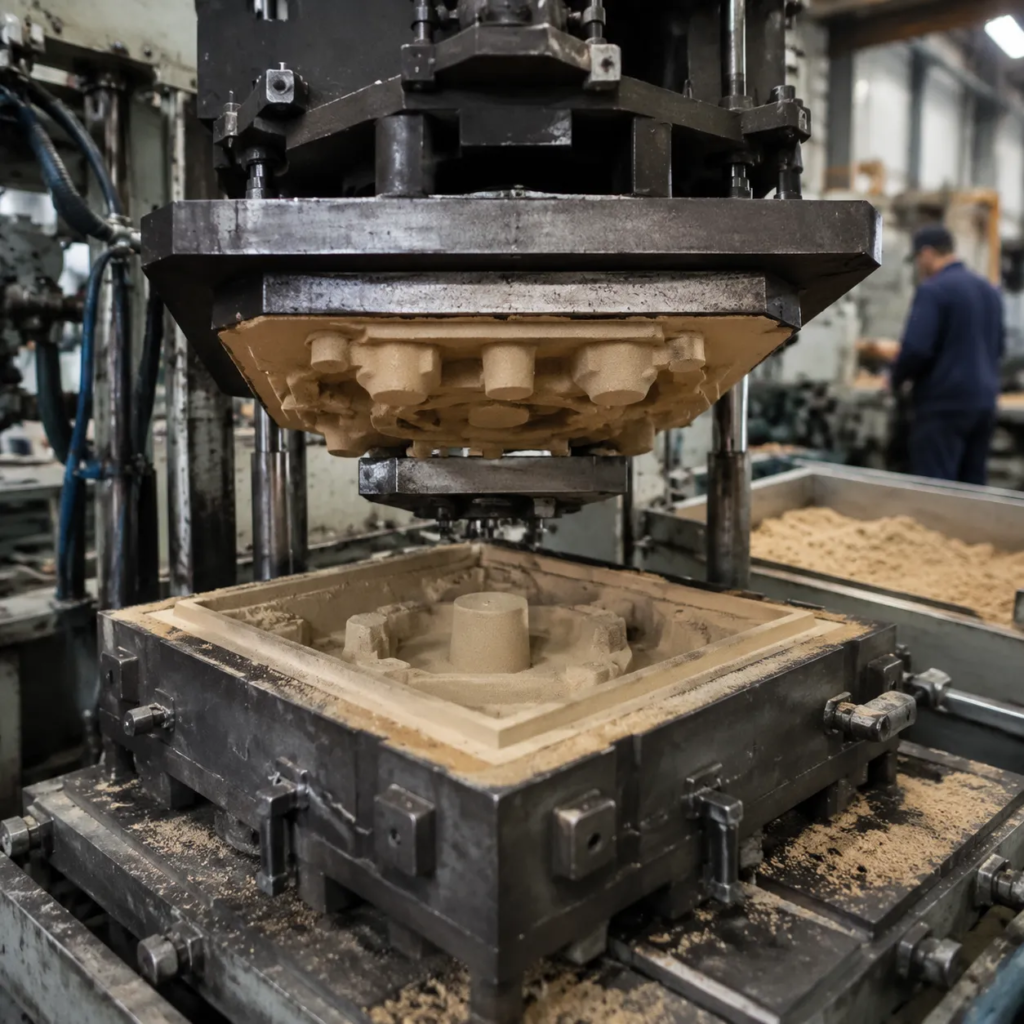
The process begins with the tooling and dies. We engineer the “negative space” of your part into high-strength steel blocks. This isn’t just about the shape; it’s about managing fluid dynamics. We design precise gates and vents to ensure the molten alloy fills every corner of the cavity without trapping air, which is critical for maintaining dimensional stability.
The High-Pressure Injection Cycle
Once the die is clamped shut, we inject the metal using one of two primary methods:
- Hot Chamber Die Casting: Used for metals with low melting points like zinc. The injection mechanism is submerged in the molten metal, allowing for incredibly fast cycle times.
- Cold Chamber Die Casting: Essential for aluminum alloy casting. The metal is melted in a separate furnace and then ladled into the injection system. This prevents the high-heat aluminum from damaging the pumping machinery.
In both methods, high-pressure injection ensures that every intricate detail of your design is captured with zero porosity, creating a “net-shape” part that requires minimal secondary work.
Cooling and Ejection
After the metal fills the die, it must be cooled rapidly. We manage these thermal cycles carefully to protect the structural integrity of the part. If the cooling is uneven, the metal can warp. Once solidified, hydraulic pins eject the part from the mold. At Precisionvast, we monitor these cycles to ensure that every piece coming off the line matches the first in terms of strength and accuracy.
Trimming and Finishing for a Clean Profile
The part that comes out of the machine often has “flash”—excess metal that squeezed into the seams of the mold. We use dedicated trimming dies to shear this away, leaving a clean, crisp profile. Depending on your needs, the parts then move to surface finishing, where we apply plating, powder coating, or anodizing to meet your aesthetic and functional requirements.
Common Materials Used in Die Casting
When customers ask me what does die cast mean, the answer almost always comes down to the specific metals we use to bring a product to life. In our facilities, we focus exclusively on non-ferrous metal parts because they offer the best balance of strength, weight, and durability for the demands of the US market.
Here is a quick breakdown of the primary materials we use to manufacture high-quality cast metal components:
Aluminum Alloy Casting
Aluminum is the undisputed champion of everyday manufacturing. It is the go-to material for parts that need to be tough but not heavy.
- Lightweight: Perfect for automotive parts and consumer electronics.
- Corrosion-Resistant: Holds up exceptionally well in harsh weather or industrial environments.
- Thermally Conductive: The absolute best choice for heat sinks and electronic housings that need to dissipate heat quickly.
Zinc Injection Molding
Zinc is incredibly easy to cast, allowing us to hit tight tolerances and create complex shapes with ease.
- High Ductility: It flexes and forms without fracturing under stress.
- Impact Strength: Tough enough for heavy-duty hardware and mechanical gears.
- Easy Plating: Zinc takes on surface finishing (plating/coating) like a dream, making it ideal for decorative parts or consumer-facing products that need a premium chrome look.
Magnesium Die Casting
When you need the absolute ultimate strength-to-weight ratio, magnesium is the answer.
- Featherlight: Significantly lighter than aluminum but remains incredibly rigid.
- High-Tech Applications: The top choice for aerospace components, automotive frames, and portable tech devices where shaving off every single ounce matters.
Key Advantages for Your Product Development
When you ask what does die cast mean for your specific project, the answer lies in its ability to bridge the gap between high-speed production and extreme precision. We focus on delivering parts that meet strict performance requirements while keeping your assembly line moving.
- Dimensional Accuracy: We achieve incredibly tight tolerances consistently across thousands of units. By understanding casting tolerances NADCA vs ISO standards, we ensure every part fits perfectly into your final assembly without the need for secondary machining.
- High-Volume Efficiency: Die casting is built for scale. Rapid cycle times allow us to produce high quantities of parts quickly, significantly reducing your per-unit cost compared to CNC machining or sand casting.
- Complex Geometries: This process allows for the creation of intricate, thin-walled parts that other methods simply cannot achieve. You get complex internal structures and external details integrated into a single, cohesive component.
- Surface Versatility: Whether you need a raw industrial finish for internal components or a decorative chrome plating for consumer-facing products, die-cast parts provide an ideal substrate for a wide range of coatings and finishes.
By choosing this manufacturing route, you gain dimensional stability and a net-shape manufacturing advantage that streamlines your entire supply chain. Our process ensures that your components are durable, lightweight, and ready for immediate use.
Die Casting vs. Other Manufacturing Methods
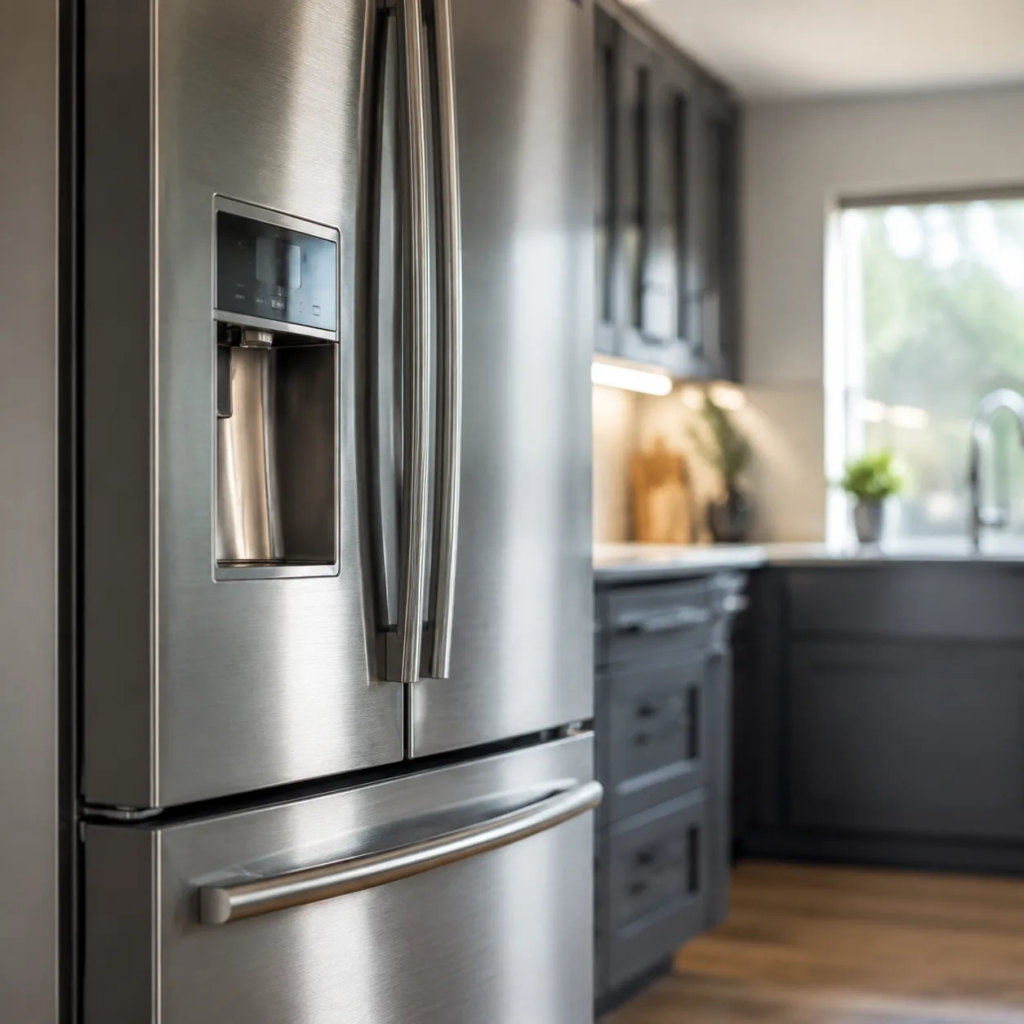
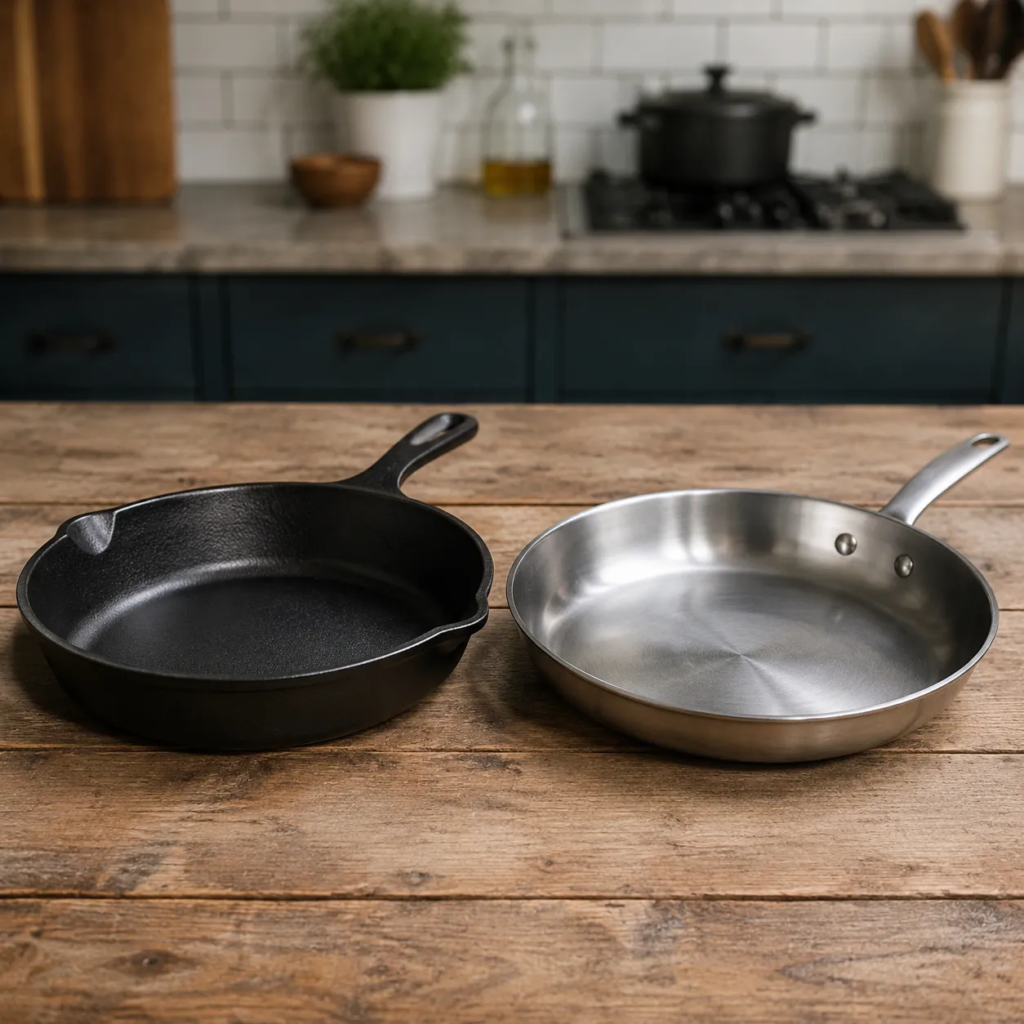
If you are still asking yourself what does die cast mean for your bottom line compared to other techniques, it ultimately comes down to speed, durability, and precision. As an OEM metal manufacturer, we regularly help clients navigate these choices. If you are currently weighing different material options for your project, understanding the performance differences between materials like stainless steel vs aluminum is just as crucial as picking the right production method.
Here is how pressure die casting stacks up against the most common alternatives on the market.
Speed vs. Precision: CNC Machining
- CNC Machining: Ideal for low-volume runs and ultra-precise prototypes where you need to carve a part out of a solid block of metal.
- Die Casting: The clear winner for high-volume efficiency. Once the tooling and dies are built, net-shape manufacturing allows us to produce thousands of identical cast metal components rapidly. This drastically lowers the per-unit cost compared to machining every single piece.
Metal vs. Plastic Durability: Injection Molding
- Injection Molding: The go-to process for cheap, lightweight plastic parts.
- Die Casting: Often thought of as zinc injection molding, this high-pressure injection method uses molten metal instead of plastic. It delivers superior dimensional stability, impact resistance, and heat tolerance. When your product requires the premium feel and structural integrity of real metal, plastic simply cannot compete.
Surface Finish and Wall Thickness: Sand Casting
- Sand Casting: A traditional metal casting process best suited for massive, heavy iron parts. It typically leaves a rough, grainy texture and requires thicker walls to pour correctly.
- Die Casting: As a highly controlled permanent mold casting process, it excels at thin-wall casting. It produces non-ferrous metal parts with exceptionally smooth surface finishing right out of the mold, meaning you spend way less time and money on secondary machining and polishing.
Industry Applications: Where Die Cast Parts Excel
When clients ask us what does die cast mean for their product line, we point straight to the real-world applications. As an experienced OEM metal manufacturer, we see firsthand how this net-shape manufacturing process drives innovation across major US industries. From the vehicles on the highway to the tools in your garage, cast metal components are essential.
Here is a breakdown of where die cast parts dominate the market:
- Automotive: The auto industry demands lightweight, high-strength parts to boost fuel efficiency and performance. We regularly produce engine components, transmission brackets, and complex structural housings. Modern vehicle design relies heavily on aluminum casting to meet strict weight reduction goals without sacrificing durability.
- Electronics: Heat management and signal protection are non-negotiable in modern tech. The die casting process provides excellent thermal conductivity for heat sinks and creates seamless EMI/RFI shielding to protect sensitive circuit boards.
- Industrial Machinery: Heavy-duty equipment requires rugged, dimensionally stable non-ferrous metal parts. We manufacture high-strength pump components, gearboxes, and valve bodies designed to withstand continuous, harsh operational environments.
- Consumer Goods: Look at the premium power tools on your workbench or high-end kitchenware. Die casting delivers the perfect balance of structural integrity and smooth surface finishing required for consumer-facing products that need to look good and work hard.
Quality Control & Precision Standards at Precisionvast
As an OEM metal manufacturer, we know that fully understanding what does die cast mean goes beyond just the pouring process—it is about delivering reliable, high-quality cast metal components every single time. To meet the strict demands of the US market, we enforce rigorous quality control at every stage of production.
Here is how we guarantee the quality of our parts:
- Material Verifications (Spectrometer Testing): We verify the exact chemical composition of our alloys before any metal enters the mold. Whether we are working with standard zinc or specific A356 aluminum casting materials, spectrometer testing ensures the raw material meets exact industry specifications for strength and durability.
- Dimensional Inspection (CMM and 2.5D Projectors): To guarantee dimensional stability and tight tolerances, we rely on Coordinate Measuring Machines (CMM) and 2.5D projectors. This equipment verifies that our tooling and dies consistently produce net-shape manufacturing results that perfectly match your original CAD designs.
- Structural Integrity (X-Ray and Pressure Testing): Because high-pressure injection can occasionally trap air, we leave nothing to chance. We use advanced X-Ray imaging to inspect for internal porosity and conduct rigorous pressure testing to ensure leak-free, solid performance for all critical non-ferrous metal parts.
Frequently Asked Questions (FAQs) About Die Casting
When clients approach us for manufacturing solutions, they often have a few common questions about the process. Here are the clear, straightforward answers you need.
What does die cast mean in simple terms?
If you are wondering what does die cast mean, it is simply a manufacturing process where we force molten metal into a custom steel mold—known as a die—under extreme pressure. Once the metal cools and hardens, the die opens to release the newly formed part. Think of it as high-pressure injection molding, but using liquid metal instead of plastic to create precise, durable components.
Is die cast metal real metal?
Yes, absolutely. Die cast parts are made from genuine, high-quality metals. We primarily use non-ferrous metal parts like aluminum, zinc, and magnesium. These materials offer excellent structural integrity and dimensional stability. For example, our aluminum casting processes utilize premium aluminum alloys to produce industrial-strength components that are both lightweight and incredibly tough.
What is the difference between die cast and regular metal?
The difference lies in the manufacturing method rather than the material itself.
- Regular Metal: Often refers to metal that is forged, stamped, or machined from a solid block (billet).
- Die Cast Metal: The metal is melted down and injected into a mold.
This process allows us to achieve net-shape manufacturing and complex thin-wall casting that would be too expensive or time-consuming to carve out of a solid block of metal.
How long does a die cast mold last?
Our tooling and dies are engineered for high-volume production and exceptional longevity. The lifespan of a mold heavily depends on the type of metal being cast:
- Zinc Molds: Can last for over 1,000,000 cycles because zinc has a lower melting point, causing less thermal fatigue on the steel die.
- Aluminum Molds: Typically last between 100,000 to 150,000 cycles due to the higher temperatures required to melt aluminum alloys.
Proper maintenance and thermal management ensure these molds consistently deliver precise cast metal components throughout their entire lifecycle.
 English
  German