

precisionvast corrosion meaning explained with anti corrosion solutions rust prevention and industrial metal protection for harsh environments.
Corrosion Meaning: Understanding Industrial Metal Degradation
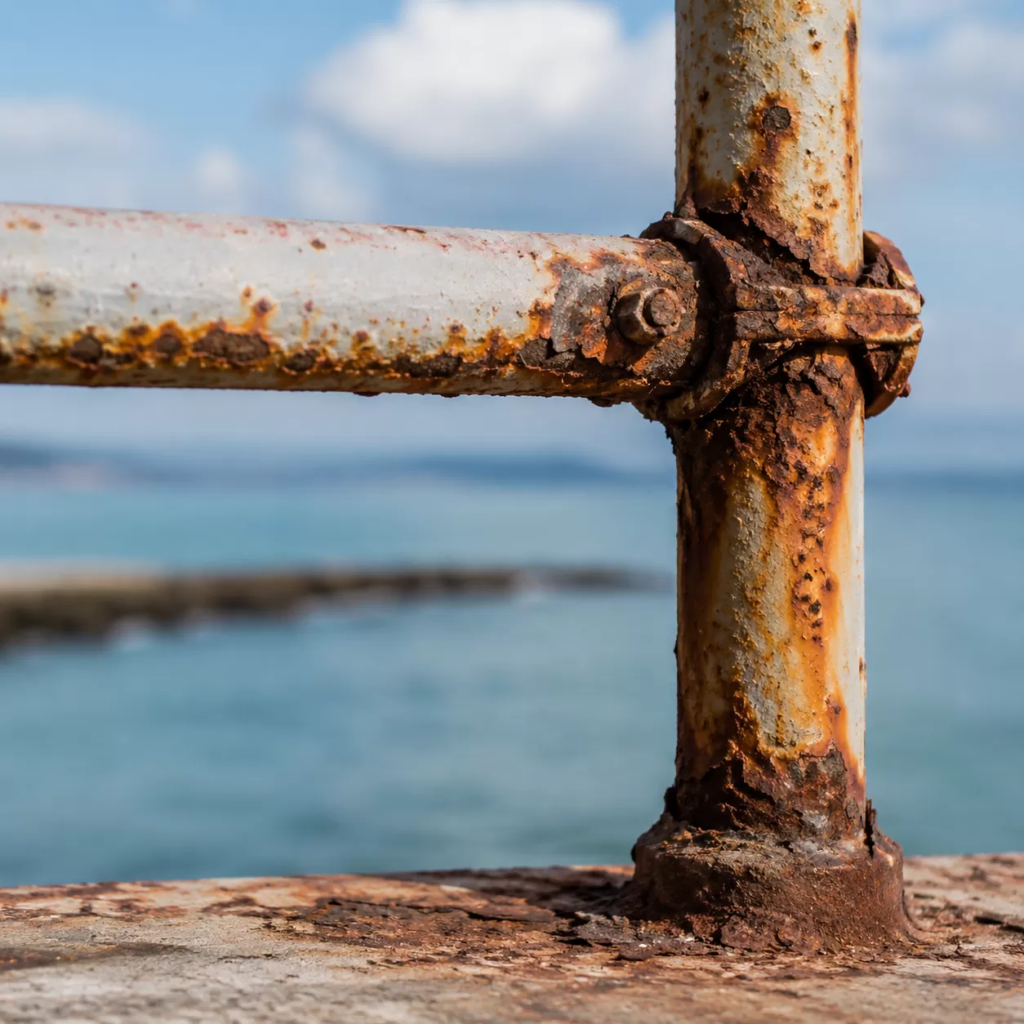
At its core, the corrosion meaning refers to the inevitable electrochemical degradation of a refined metal when it reacts with its environment. This destructive process occurs when atmospheric oxidation transforms stable metal structures into unwanted oxides, sulfides, or hydroxides. In industrial settings, this material degradation acts as a natural battery circuit, forming localized anodes and cathodes on raw metal surfaces that rapidly eat away at your assets, compromise structural integrity, and trigger catastrophic equipment failures.
To halt this reaction, our specialized compound line functions as a high-density molecular barrier. By sealing off the metal surface, it completely disrupts the formation of these localized anodes and cathodes, cutting off the electrical path required for oxidation to take place.
Core Benefits of Our Anti-Corrosion Treatments
- Active Moisture Displacement: Forces existing water and condensation out of microscopic surface pores upon application.
- Chemical Passivity: Creates a inert surface layer that blocks ambient acids, salts, and industrial pollutants.
- Extreme-Load Stable Lubrication: Maintains a high-performance protective film that will not break down under severe mechanical pressure.
Technical Specs & Performance Benchmarks
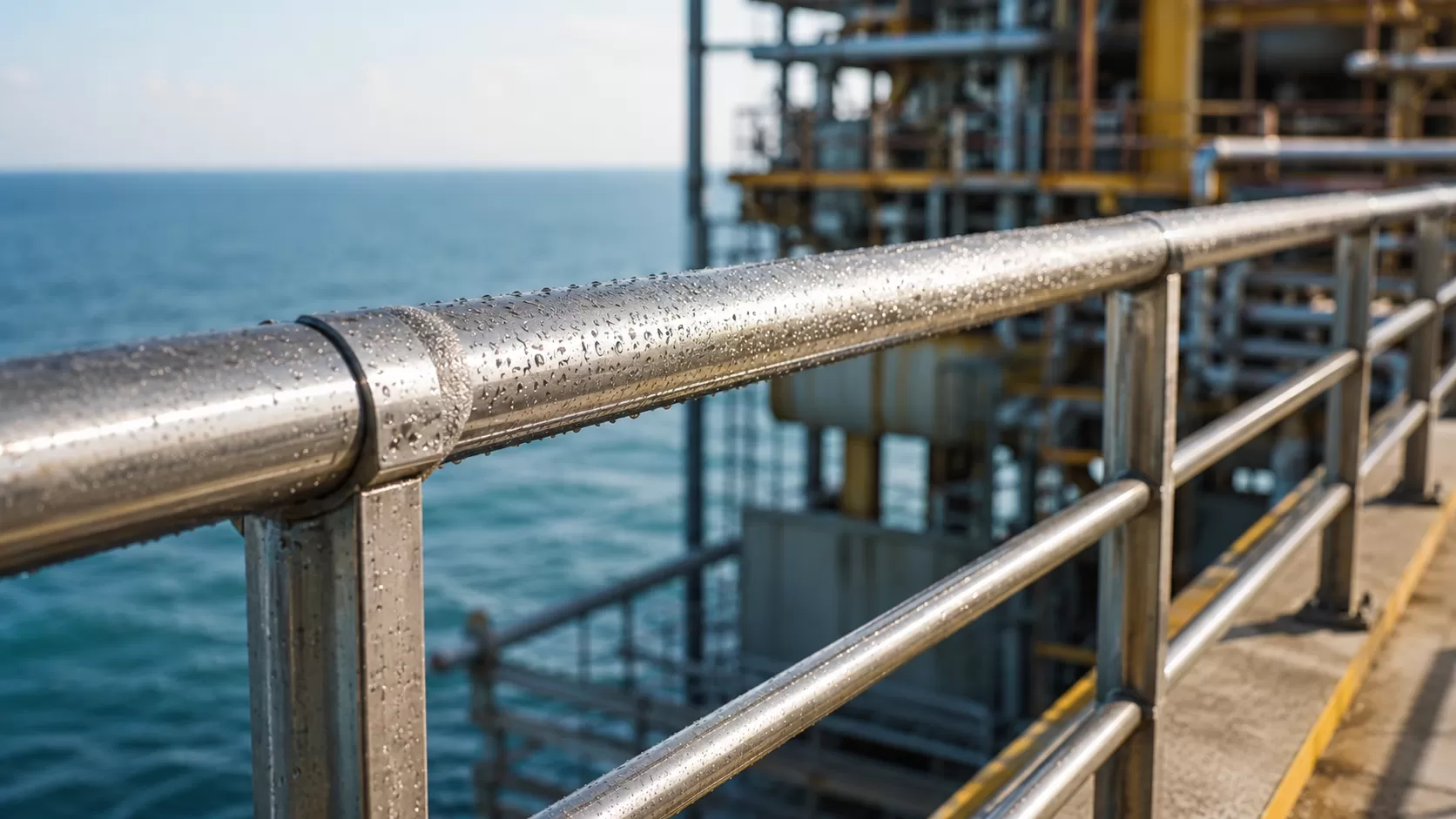
When evaluating corrosion meaning and asset protection, raw data matters. Our specialized formula provides heavy-duty metal degradation protection across diverse metallurgy, ensuring your critical infrastructure stays online. Whether you are protecting ferrous metals or sensitive non-ferrous alloys, these verified performance metrics prove our barrier outlasts standard anti-corrosion treatments.
| Performance Criteria | Specification Benchmark | Asset Compatibility & Standards |
|---|---|---|
| Multi-Metal Alignment | Ferrous & Non-Ferrous | Carbon Steel, Aluminum, Copper, Brass |
| Salt Spray Resistance | Exceeds ASTM B117 Standards | Long-term severe-environment rust defense |
| Dielectric Strength | Up to 39kV | Safe for high-voltage isolation & electronics |
| Environmental Safety | Zero VOC Rating | Eco-safe, worker-friendly formulation |
Advanced Metal Compatibility
Our rust preventative coatings form an active electrochemical cell barrier that neutralizes oxidation on contact. For industrial facilities utilizing a mix of raw elements, this multi-metal compatibility prevents destructive galvanic reactions when dissimilar metals interact. If your operations rely heavily on demanding environments, choosing the right material base is critical; for instance, understanding the performance of a nickel alloy vs stainless steel can help you better apply our chemical passivating agents to the right surfaces.
- Carbon Steel: Stops aggressive atmospheric oxidation and flash rust dead in its tracks.
- Aluminum & Copper: Prevents pitting, surface dulling, and localized scaling.
- Brass Alloys: Maintains structural integrity and surface conductivity under heavy loads.
High-Voltage Isolation & Eco-Compliance
Protecting sensitive electrical components requires absolute precision. With a dielectric strength tested up to 39kV, our fluid film coats wiring, junctions, and control panels without disrupting signal transfers or causing shorts. Furthermore, we design our oxidation resistance formulas to meet strict domestic environmental mandates. The Zero VOC rating guarantees your shop stays compliant with local US safety regulations while deploying world-class, severe-environment defense.
Industrial Applications: Where to Deploy
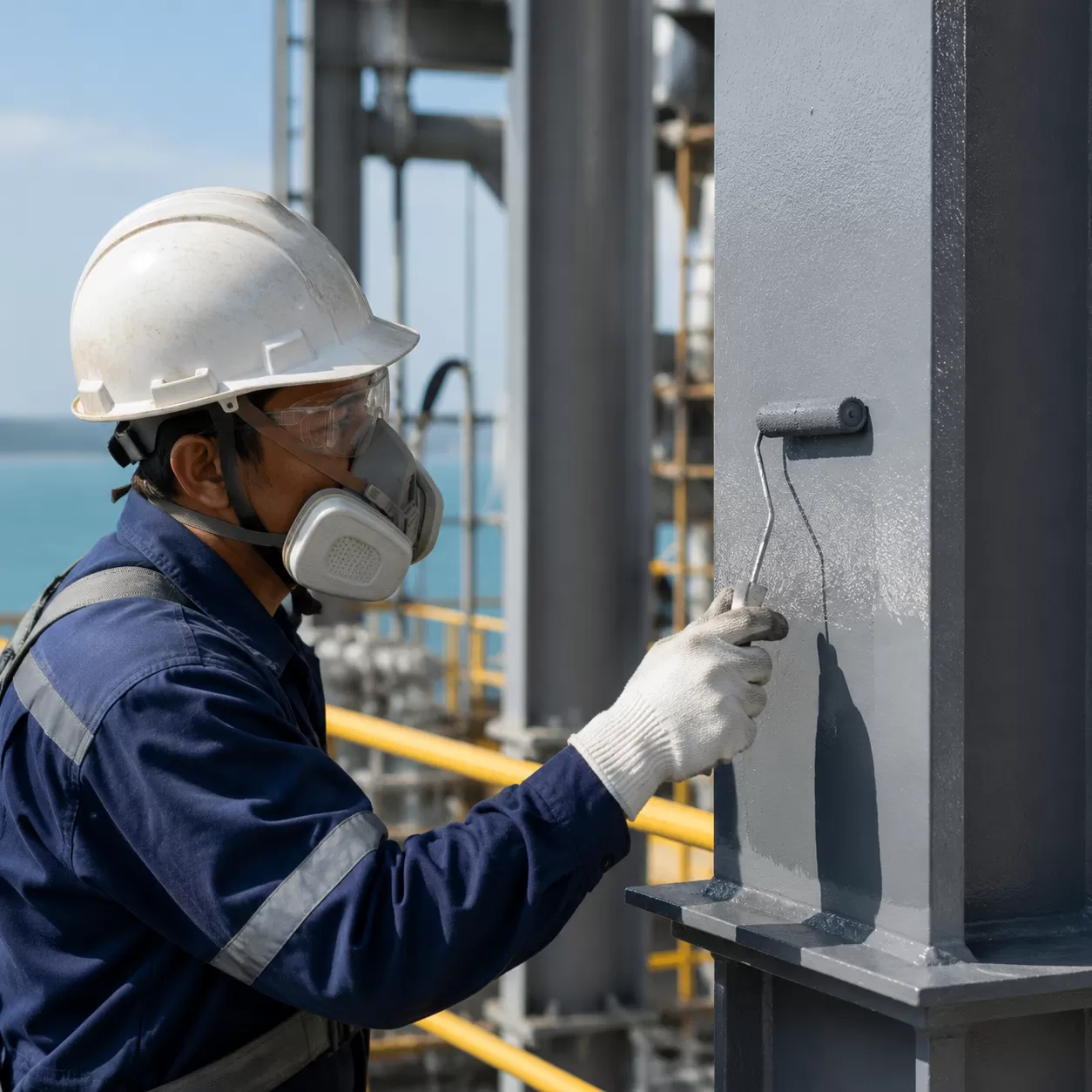
We engineered our specialized compound line to provide severe-environment rust defense where traditional coatings fail. If your operation faces aggressive ambient factors, moisture, or salt, our anti-corrosion treatments keep your infrastructure online and your assets protected.
Marine & Offshore Infrastructure
Saltwater is brutal on metal degradation protection. Our high-density barrier handles the toughest coastal conditions:
- High-Salinity Air: Stops airborne salt crystals from initiating surface oxidation.
- Continuous Ocean Spray: Maintains a tight chemical passivating agent seal on open decks and rigs.
- Tidal Splash Zones: Resists mechanical wash-off during constant high-energy wave impacts.
Manufacturing, In-Transit, & Long-Term Storage
Protecting inventory during domestic assembly and international transoceanic shipping is critical for maintaining metal shelf-life extension. Flash rust can ruin precision parts before they ever reach a customer.
- Domestic Assembly: Keeps bare steel clean between machining steps.
- Transoceanic Shipping: Acts as a reliable electrochemical cell barrier inside humid cargo containers.
- Multi-Metal Safety: Safely protects mixed-metal components, including specialized brass alloys that endure heavy environmental exposure.
Severe Chemical Processing Environments
Industrial facilities subject structural steel and pipe networks to localized humidity spikes and corrosive gasses. Our acid-resistant industrial coatings defend your footprint against:
- Sulfur Oxides ($SO_x$): Neutralizes the acidic byproducts found in refinery environments.
- Ammonia Vapor: Prevents stress corrosion cracking in complex processing loops.
- Corrosive Microclimates: Stops localized anodes and cathodes from forming around steam vents and wash bays.
How Our Barrier Defeats Degradation
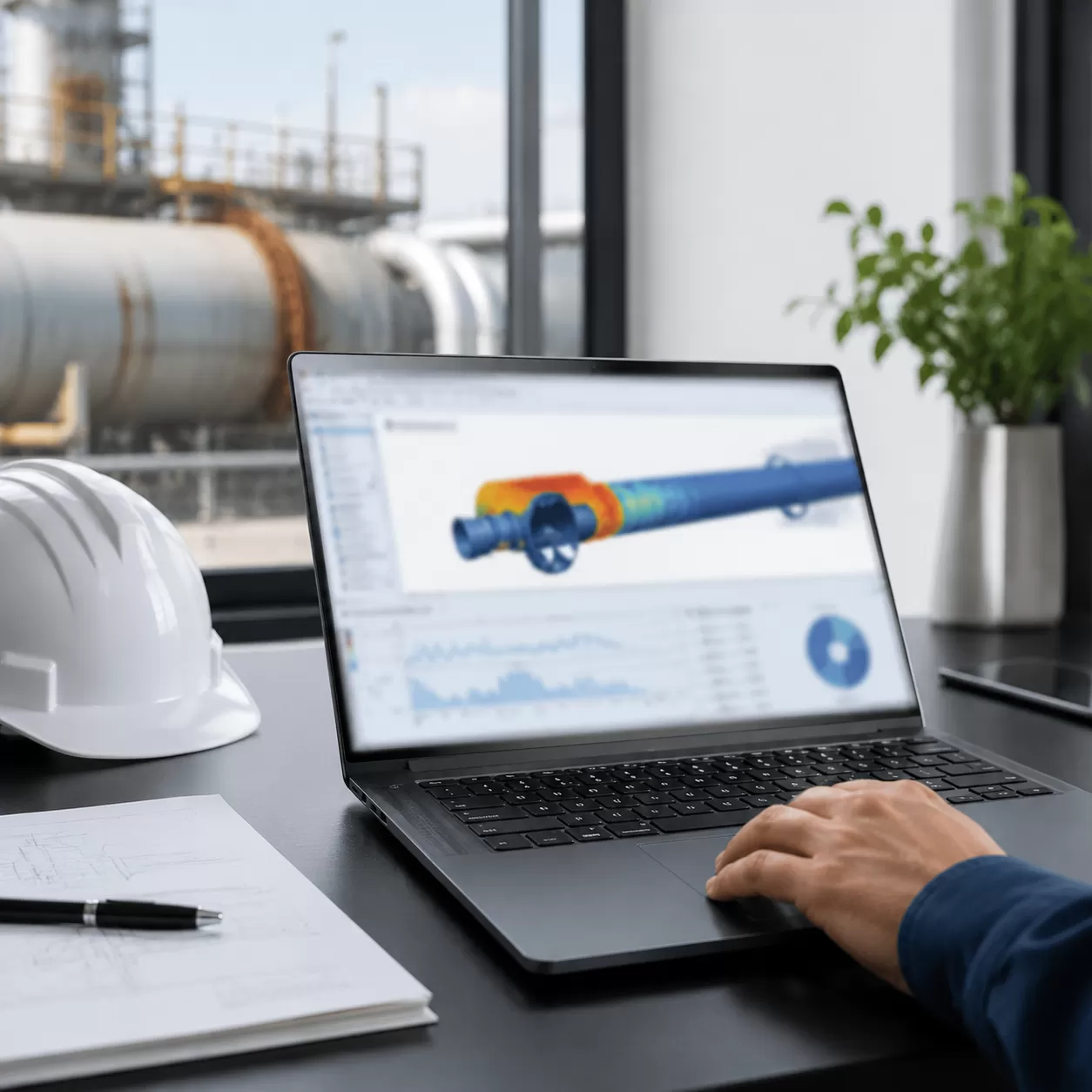
We designed our advanced formulas to completely redefine what metal degradation protection means in the harshest industrial environments. Instead of sitting loosely on the surface like traditional oils, our system uses a multi-layered defensive strategy to stop oxidation before it can start.
Polar Bonding™ Molecular Technology
At the core of our formula is an engineered physical-chemical mechanism that acts like a magnet for metal surfaces. It creates a highly dense electrochemical cell barrier that anchors itself tightly to the substrate. Because of this intense molecular attraction, the treatment resists mechanical displacement from heavy vibrations, wiping, and high-pressure environments, ensuring long-lasting severe-environment rust defense.
Fluid Thin Film Coating (FTFC)
This specialized fluid thin film coating seals out moisture, airborne salt, and corrosive particulates at the microscopic level. Unlike thick, sticky greases that trap heat and alter machinery tolerances, our micro-thin barrier maintains perfect structural clearances and allows for natural thermal dissipation. When considering the battle against rust across different metals, utilizing a highly advanced FTFC ensures consistent, uncompromised protection without degrading equipment performance.
Active Moisture Displacement
True protection requires actively fighting the elements. Our formula features an active, self-healing moisture displacement process. The moment it is applied, it creeps deep into microscopic surface cracks and crevices, physically driving out existing condensation and trapping it away from the metal. Even if the surface gets scratched or marred during heavy operation, the fluid film automatically heals itself to maintain an uninterrupted surface oxidation block.
Application Protocol & System Maintenance
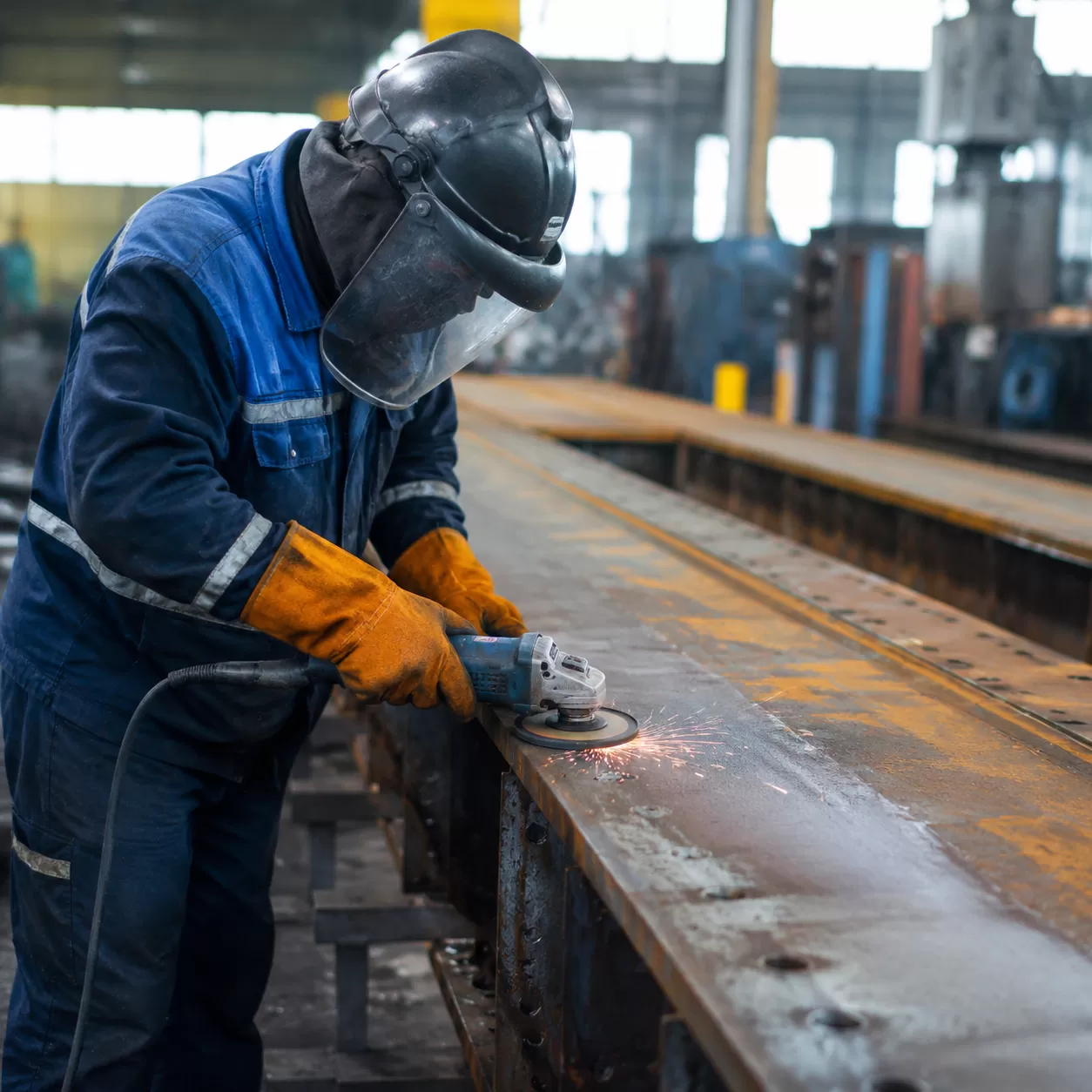
To get the most out of our advanced barrier and halt metal degradation, following a precise application protocol is non-negotiable. Even the best rust preventative coatings will fail if applied over thick grime or loose scale. We design our systems to fit seamlessly into standard American manufacturing workflows, ensuring long-term protection with minimal downtime.
Surface Preparation Guidelines
Achieving maximum molecular bonding requires a clean slate. Before applying any anti-corrosion treatments, surfaces must be thoroughly prepared to ensure the high-density barrier can anchor properly.
- Debris Removal: Clear away all loose rust, scale, and heavy particulate matter using wire brushing or media blasting.
- Degreasing: Wipe down or dip the metal using an industrial degreaser to remove manufacturing oils, cutting fluids, and shop soils.
- Dryness Check: While our formula features active moisture displacement, minimizing standing water ensures a faster, more uniform chemical passivity layer.
Application Methodologies
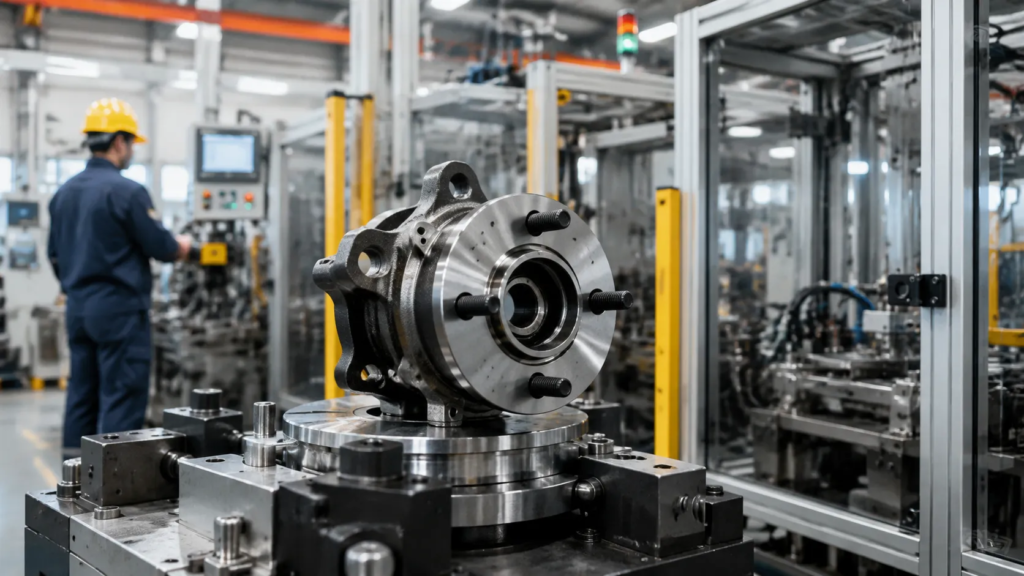
Our formulas are engineered for versatility across various industrial setups, whether you are protecting automated assembly lines or treating specialized components like aluminum pressure die casting parts.
| Method | Target Use Case | Parameter Settings |
|---|---|---|
| Spray Gun Fogging | Large enclosures, internal cavities, complex geometries | Maintain 40–60 PSI with a fine-atomization nozzle for uniform misting. |
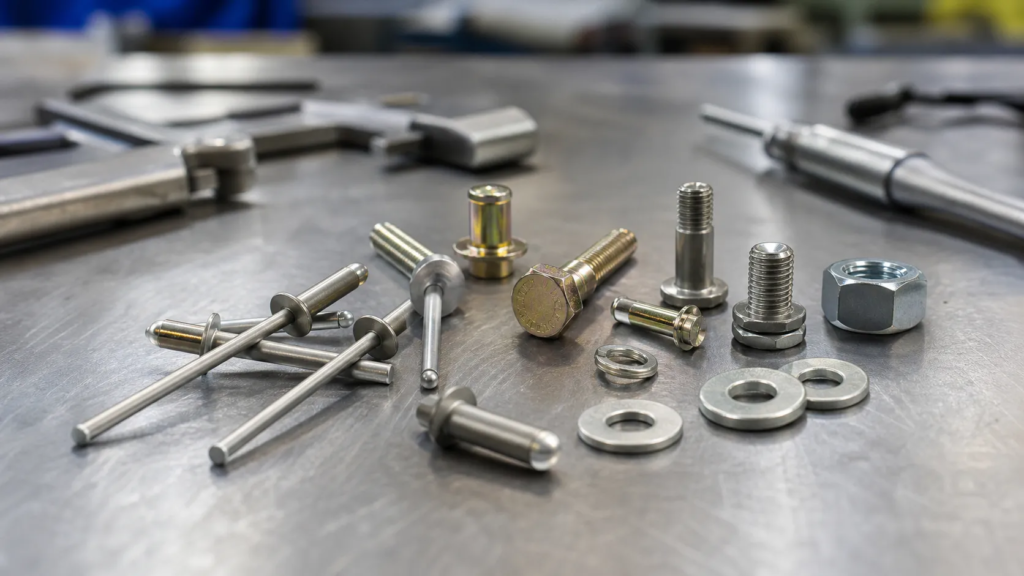
| Dip Tanks | Batch processing, high-volume small parts, fasteners | Full submersion for 30–60 seconds; allow excess fluid to drain naturally. |
| Automated Wiping | Flat sheets, continuous coil lines, automated conveyor setups | Calibrate pressure rollers to maintain a consistent fluid thin film coating thickness. |
Re-application Intervals & Maintenance Schedules
To truly understand the operational corrosion meaning in a live factory environment, you have to track environmental exposure. Guarding assets against constant humidity or chemical fumes requires data-driven scheduling to maximize your metal shelf-life extension fluids.
- Severe Environments (Marine/Chemical Processing): Inspect assets every 3 to 6 months. Re-apply immediately if mechanical abrasion has compromised the thin film barrier.
- Standard Industrial Indoor Storage: Re-application is typically only required every 12 to 24 months, depending on ambient humidity spikes.
- International Transoceanic Shipping: Apply a robust layer immediately prior to packaging; no secondary maintenance is required until the asset is unpacked at its final destination.
Frequently Asked Questions About Corrosion Meaning & Protection
What exactly causes industrial corrosion?
Industrial corrosion is an electrochemical process where refined metals naturally convert into more stable oxides. This metal degradation occurs when an electrochemical cell forms on the surface, requiring an anode, a cathode, and an electrolyte like moisture or salt spray. Environmental factors such as humidity, temperature spikes, and chemical exposure accelerate this destructive cycle, leading to rapid structural failure if left unchecked.
How does a fluid thin film coating prevent oxidation?
Our fluid thin film coating acts as a high-density molecular barrier that cuts off the oxygen and moisture needed to fuel the chemical reaction. By introducing strong galvanic corrosion inhibitors, the treatment disrupts the formation of localized anodes and cathodes on the metal surface. This active surface oxidation block provides long-lasting oxidation resistance without altering tight mechanical tolerances.
Can these treatments be applied to sensitive electronics?
Yes. Our specialized formulas feature high dielectric strength capabilities, providing safe electrical isolation up to 39kV. They actively drive out standing moisture from micro-crevices and leave a passivating protective layer. This makes them highly effective for treating circuit boards, control panels, and sensitive multi-metal assets containing a356 aluminum investment castings or delicate copper alloys without risking shorts or signal loss.
What is the re-application timeline for severe environments?
- Marine & Offshore Infrastructure: Every 12 months due to constant salt spray and tidal splash zones.
- Heavy Manufacturing & Chemical Processing: Every 12 to 18 months, depending on exposure to sulfur oxides or ammonia vapors.
- Long-Term Storage & In-Transit Shipping: Up to 5 years when sealed inside standard industrial packaging or treated with vapor corrosion inhibitors.
 English
  German