

Learn what anodized metal is, how the anodizing process works, and compare types, colors, durability and industrial applications
Technical Specifications & Material Capabilities
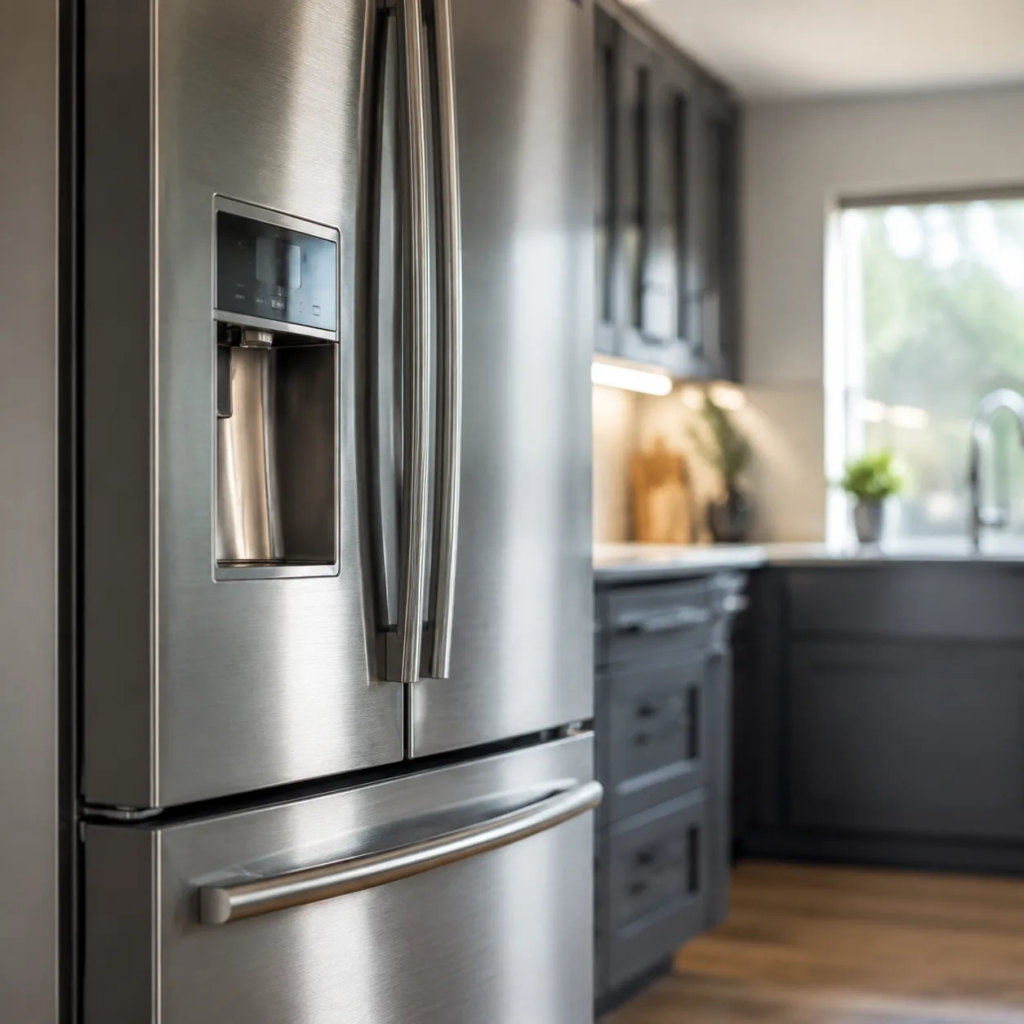
When you need to boost the wear resistance, durability, and corrosion protection of your components, choosing the right electrochemical passivation process is critical. We deliver precision anodized finishes tailored to the exact metallurgical traits of your parts, ensuring the anodic oxide layer bonds perfectly with the base metal.
Material Compatibility Matrix (Aluminum and Titanium Alloys)
Not all alloys react the same way to the metal oxidation process. We optimize our tank chemistry to match specific aluminum and titanium grades, ensuring maximum adhesion and uniform coating thickness.
| Base Material | Common Alloys | Optimal Anodizing Process | Primary Benefit |
|---|---|---|---|
| Wrought Aluminum | 6061, 7075, 5052 | Type II Sulfuric / Type III Hardcoat | High strength, excellent cosmetic finish, and extreme hardness. |
| Cast Aluminum | A356, A380 | Modified Type II / Type III | Dense anodized aluminum castings with minimized surface porosity. |
| Titanium | Grade 2, Grade 5 (Ti-6Al-4V) | Type T (Color) / Type 2 (Wear) | Biocompatible, corrosion resistant metal finishes without material degradation. |
Anodizing Types Offered (Type II Sulfuric vs Type III Hardcoat)
We provide distinct alloy surface treatments depending on whether your project demands vibrant aesthetics or extreme industrial durability:
- Sulfuric Acid Anodizing Type II: Best for decorative parts, custom color branding, and general corrosion resistance. It creates a porous structure ideal for absorbing dyes before receiving a sealed anodic coating.
- Hardcoat Anodizing Type III: Built for high-friction environments. This process creates a thick, rugged wear resistant surface layer that deeply penetrates the substrate to handle severe mechanical abuse.
Pre-Anodizing Surface Textures and Finishes
The final quality of your anodized parts depends heavily on the preparation work. We offer several mechanical pre-treatments to achieve your desired look and performance:
- Bead Blasting (Grit Mesh 60-120): Removes machining lines and creates a uniform, matte finish that hides fingerprints.
- As-Machined (Ra 1.6-3.2 µm): Direct processing for precision machined anodized parts where tight dimensional control is the main priority.
- Chemical Etching: A light acid or alkaline wash that cleans away the natural aluminum chemical film and micro-imperfections for a clean, satin appearance.
The Integrated Manufacturing & Anodized Finishing Process
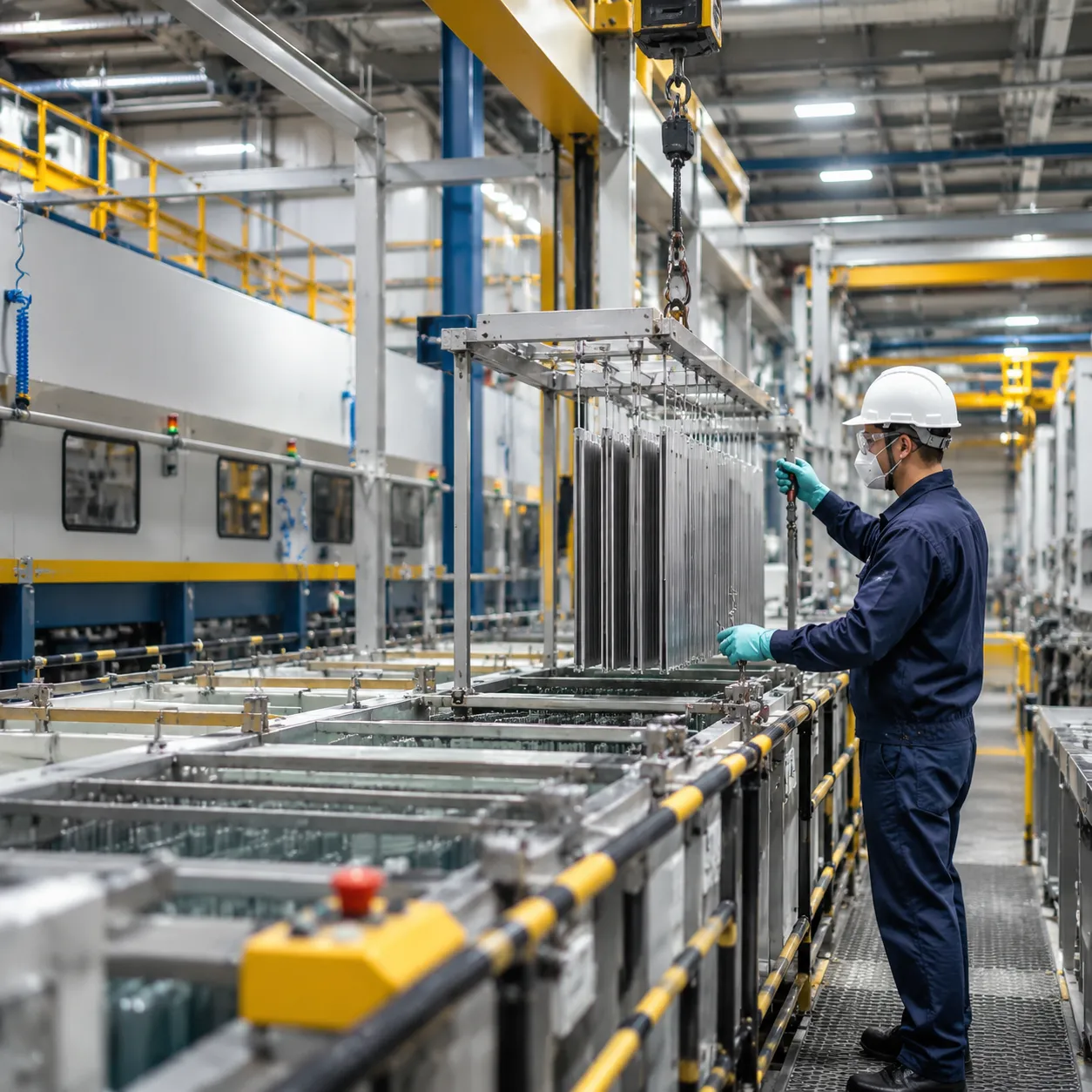
We control every step of the manufacturing lifecycle under one roof to ensure your parts transition flawlessly from raw metal to a high-performance anodized finish. By syncproofing our production and finishing lines, we eliminate transit damage, cut lead times, and guarantee exceptional coating adhesion.
Step-by-Step Workflow: From CAE Simulation to Anodizing
Our process begins long before the metal hits the chemical tanks. We utilize advanced engineering and rigorous quality checks at every phase: CAE Simulation: We analyze part geometry to predict thermal stresses and ensure optimal rack placements for uniform current density. Precision Machining: We produce ultra-precise components built to strict tolerances, preparing the metal surface for optimal electrochemical passivation. Integrated Anodizing: Parts move directly from our CNC lines into the finishing tanks, keeping the raw metal free from atmospheric contaminants.
Chemical Pre-Treatment and Desmutting Operations
Achieving a flawless anodic oxide layer requires pristine surface chemistry. Our pre-treatment regimen removes all traces of machine oils and native oxides: 1. Heavy-Duty Degreasing: Alkaline baths strip away residual cutting fluids and shop soils. 2. Chemical Etching: A controlled acid or alkaline etch creates a uniform, matte micro-texture. 3. Desmutting: A specialized acid dip removes insoluble intermetallic compounds (smut) left behind during etching, leaving a perfectly clean substrate ready for the sulfuric or hardcoat bath.
Coloring and Hydrothermal Sealing for Maximum Resistance
For applications requiring aesthetics or specific identification, we offer precise color deposition within the unsealed porous structure of the anodic layer. Vibrant Coloring: We utilize high-stability organic and inorganic dyes that deeply penetrate the microscopic pores. Hydrothermal Sealing: We submerge the parts in hydrated hot water or chemical sealing baths. This process converts the aluminum oxide into bohmite, closing the pores to lock in color and maximize corrosion-resistant metal finishes.
CMM and Hardness Inspection Standards
We validate the integrity of our precision machined anodized parts using a strict, multi-point inspection protocol: Dimensional Verification: Coordinate Measuring Machines (CMM) check critical tolerances to ensure post-anodizing dimensions meet your exact print specifications. Thickness Testing: Eddy current gauges verify the precise depth of the wear-resistant surface layer across multiple surface zones. Hardness Audits: Micro-hardness testing ensures Type III hardcoat specifications achieve the required Rockwell or Vickers ratings for heavy-duty industrial wear.
Industrial Applications for Anodized Components
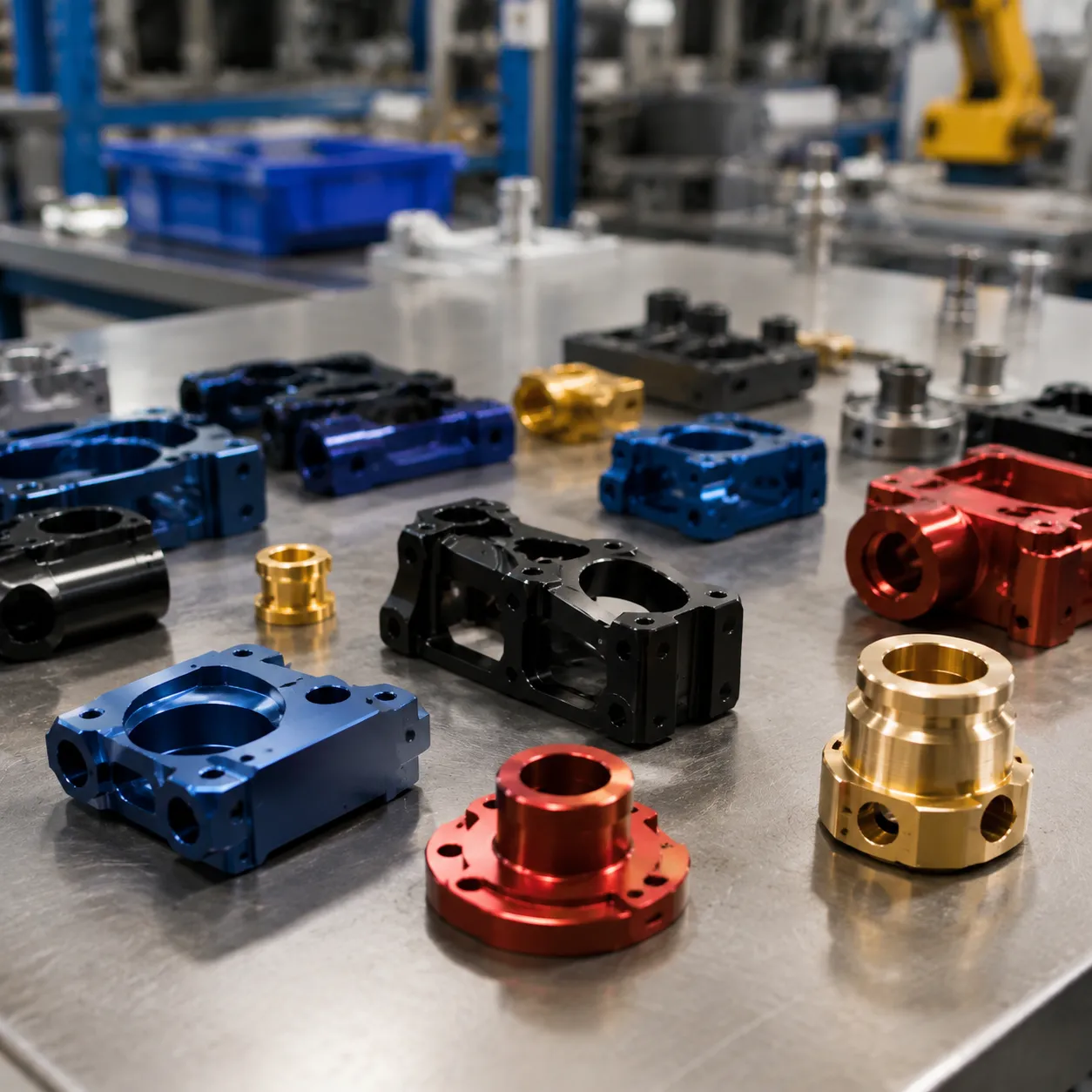
We engineer anodized surface treatments to meet the rigorous performance demands of major US industrial sectors. By controlling the electrochemical passivation process, we ensure every component achieves optimal wear resistance and environmental protection.
Aerospace & Defense Components
Military and aerospace hardware requires absolute reliability under extreme stress. Our sulfuric acid anodizing Type II and hardcoat anodizing Type III treatments provide critical defense components with: High corrosion resistance against salt air and moisture. Enhanced surface hardness to withstand high-velocity friction. Non-reflective matte black finishes for tactical and optical equipment.
Medical Equipment & Biocompatible Instruments
For the medical field, we deliver specialized anodized titanium medical implants and surgical tools. Titanium anodizing alters the oxide layer without adding dyes, ensuring the component remains completely biocompatible. Color-coded identification for rapid selection in operating rooms. Excellent chemical resistance to withstand repeated autoclave sterilization cycles. Zero cytotoxic risk, keeping the material safe for direct human tissue contact.
Automotive & Marine Hardware Solutions
Our wear resistant surface layer treatments protect high-performance automotive parts and marine hardware from aggressive environments. From salt water exposure to high-heat engine bays, we treat a wide variety of alloy surfaces.
| Industry | Common Applications | Key Benefit |
|---|---|---|
| Automotive | Pistons, calipers, shift knobs, suspension brackets | Extreme wear defense & heat dissipation |
| Marine | Cleats, propellers, structural brackets, housings | Saltwater corrosion isolation |
Food Machinery & Consumer Electronics
We provide precision machined anodized parts that balance strict regulatory compliance with premium aesthetics. Food Processing Plates: Utilizing FDA-compliant sealed anodic coating methods to prevent food acids from pitting the metal, while offering a non-toxic, easy-to-clean surface. Consumer Electronics: Delivering sleek, scratch-resistant anodized aluminum castings and structural enclosures for laptops, smartphones, and high-end audio gear.
Rigorous Quality Assurance & Testing Reports
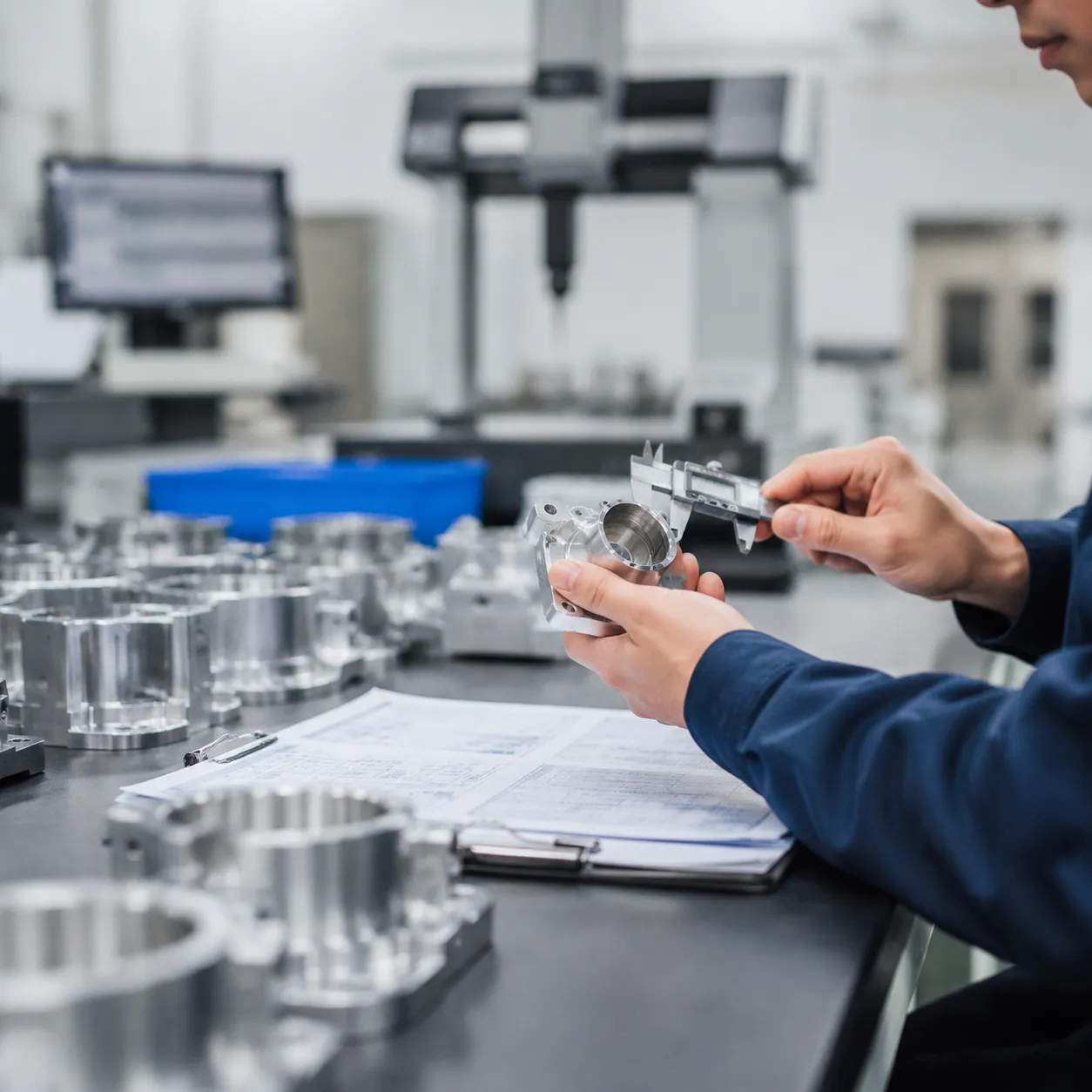
We do not guess when it comes to the quality of your anodized components. Every batch undergoes a strict validation protocol in our US-based facility to ensure your parts meet exact industrial standards before they ship.
Coating Thickness Verification
We utilize advanced non-destructive eddy current testing to verify the precise depth of the anodic oxide layer. This ensures absolute uniformity across complex geometries.
- Target Accuracy: ± 2 microns
- Method: ASTM B244 compliant testing
- Benefit: Guarantees proper insulation and wear resistance
Salt Spray Corrosion Resistance Reports
To prove our corrosion resistant metal finishes can handle harsh environments, we run destructive and non-destructive environmental simulations.
- Standard: ASTM B117 Salt Spray Testing
- Performance: Up to 336 hours of continuous exposure with zero pitting
- Applications: Marine hardware, aerospace components, and outdoor infrastructure
Hardness Profiling & Color Consistency
| Test Parameter | Equipment Used | Industry Standard | Target Metric |
|---|---|---|---|
| Micro-Hardness Profiling | Vickers Hardness Tester | ASTM E384 | Up to 70 Rockwell C (Type III) |
| Color Consistency Audit | Digital Spectrophotometer | Delta E (ΔE) Tracking | ΔE < 1.0 variance max |
Our digital spectrophotometer color matching guarantees that your corporate branding stays uniform across different production lots, while micro-hardness testing ensures the wear resistant surface layer delivers maximum lifespan.
Frequently Asked Questions about Anodized Finishes
We know that choosing the right alloy surface treatments can make or break your project. Here are the direct answers to the most common questions we get from engineers and supply chain managers looking for high-quality anodized components.
Can investment cast aluminum parts be anodized evenly?
Yes, anodized aluminum castings can achieve a uniform finish, but success depends entirely on the initial casting quality.
- The Challenge: Investment casting can sometimes leave surface porosity or silicon segregation, which can cause inconsistent coloration during the metal oxidation process.
- Our Solution: We utilize strict chemical pre-treatment and desmutting operations to clean the surface, ensuring a consistent, high-density anodic oxide layer even on complex geometries.
How does anodizing affect final dimensional tolerances?
Anodizing is a conversion coating, meaning it grows into the material and builds up on the surface simultaneously.
| Coating Type | Thickness Penetration | Surface Buildup | Total Layer Thickness |
|---|---|---|---|
| Type II Sulfuric Acid Anodizing | 50% | 50% | 0.0002” – 0.001” |
| Type III Hardcoat Anodizing | 50% | 50% | 0.0005” – 0.003” |
For precision machined anodized parts, we compensate for this dimensional change during the CNC machining phase so your final components hit exact blueprint specs.
What is the typical turnaround time for a full run?
We manage the entire workflow under one roof—from initial CAE simulation and investment casting to final machining and finishing.
- Standard turn time: Typically 3 to 4 weeks for a complete turnkey run.
- Why we are faster: Eliminating the need to ship parts between separate casting houses, machine shops, and anodizers slashes transit delays and prevents quality disputes.
Do you provide custom color-matching for branding?
Yes. We offer precision spectrophotometer color consistency audits to meet your specific corporate or industrial branding requirements.
Through our sulfuric acid anodizing Type II process, we can dye the open porous structure of the aluminum before applying a sealed anodic coating. This locks in vibrant, UV-stable, and corrosion resistant metal finishes that match your exact design specifications.
 English
  German