

Anodize steel explained why steel cannot be traditionally anodized and which black oxide plating and coating alternatives work best
Can Steel Be Anodized? The Metallurgy Explained
The short answer is no—not in the way you traditionally anodize aluminum. When you anodize aluminum, you grow a controlled, protective, and porous aluminum oxide layer that can soak up bright dyes.
If you try the same process on steel, the metallurgy works against you. Instead of a protective shield, the electrochemical reaction accelerates destructive iron oxide—better known as rust. Rust expands, flakes off, and destroys the structural integrity of the metal finishing.
The Difference Between Aluminum and Steel Oxidation
The core problem boils down to how different metals react to oxygen. Aluminum forms a tight, self-terminating barrier. Steel, by nature, creates a porous, scaling layer that promotes continuous corrosion.
| Metric / Feature | Aluminum Anodizing | Attempted Anodic Oxidation of Steel |
|---|---|---|
| Oxide Layer Behavior | Self-passivating, stable, and highly controlled | Non-adherent, porous, and continuously expands |
| Microstructure Effect | Creates a hard, durable protective oxide layer | Causes rapid pitting and surface degradation |
| Dye Receptivity | High (porous structure locks in colors) | Zero (surface flakes off completely) |
| Primary Result | Enhanced wear and corrosion resistance | Accelerated structural rust and part failure |
Specialized Steel Anodizing (Magnetite Conversion Coating)
While you cannot perform standard anodic oxidation of steel to get a colored finish, we can use specialized electrochemical treatments to form a magnetite conversion coating ($Fe_3O_4$).
By using specific alkaline solutions and controlled electrical currents, we force the steel surface to develop a dense, black magnetic oxide layer rather than typical red rust ($Fe_2O_3$). This specialized process provides:
- Dimensional Stability: Unlike heavy plating, this thin protective oxide layer on iron does not alter tight engineering tolerances.
- Microscopic Oil Retention: The surface structure naturally absorbs rust-preventative oils, significantly boosting its anti-corrosive properties.
- Galling Resistance: The modified surface reduces friction, preventing moving steel parts from seizing or welding together under load.
For industries requiring rugged, high-precision steel surface treatment alternatives, understanding these metallurgical boundaries ensures you select the right metal finishing for your specific application.
High-Performance Surface Finishing Alternatives for Steel Components
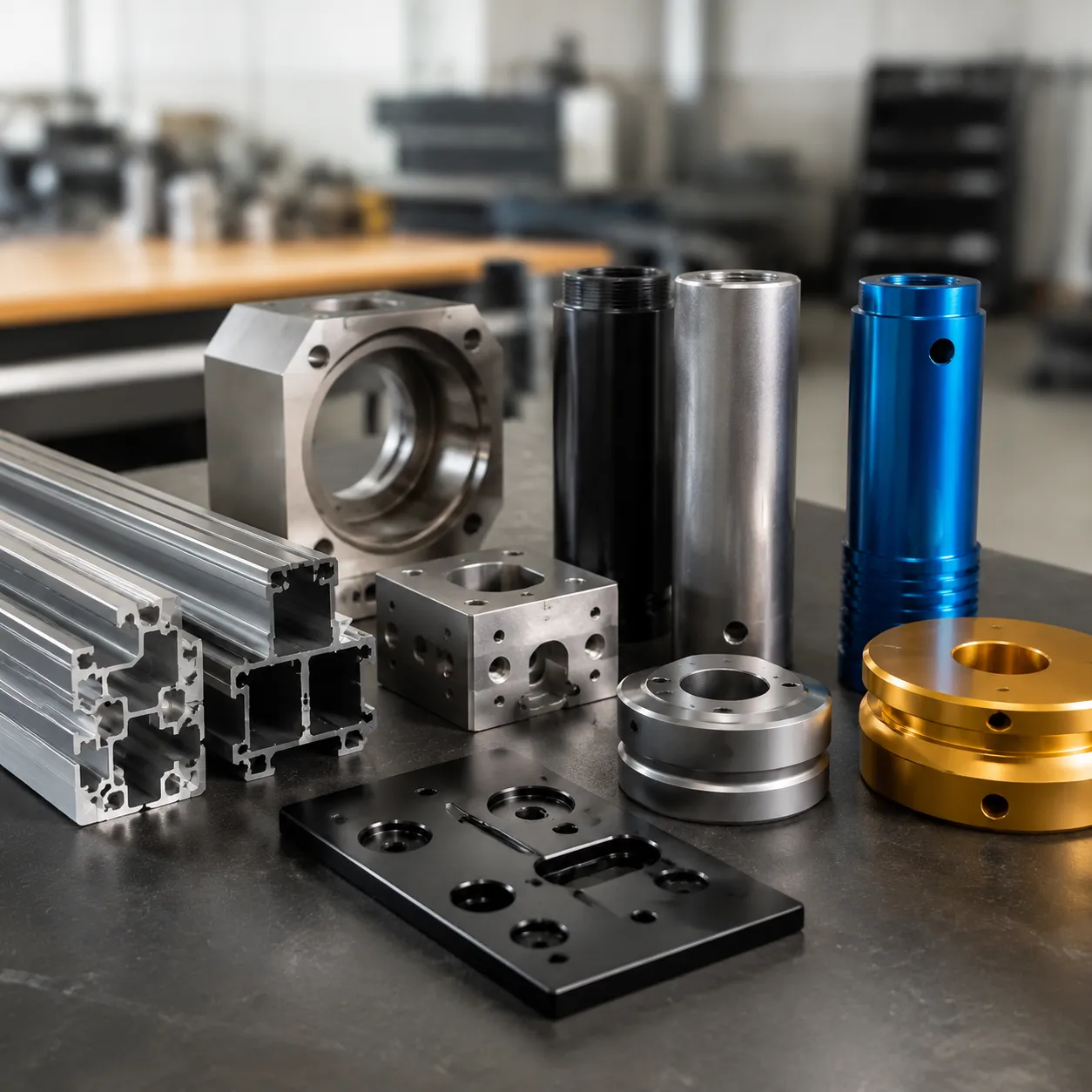
Since you cannot traditionally anodize steel the way you do aluminum, we provide high-performance steel surface treatment alternatives that deliver superior protection, durability, and aesthetics. Depending on your application, we utilize several advanced metal finishing for steel alloys to ensure your parts withstand the toughest environments.
Black Oxide Coating (Chemical Bluing)
- What it does: Converts the outer layer of the metal into a dark, matte-black protective layer.
- Best for: Precision components requiring tight tolerances.
- Key benefit: A black oxide coating for steel adds virtually zero dimensional thickness while enhancing lubricity and glare reduction.
Electropolishing & Passivation
- What it does: Uses an electrochemical process to remove surface iron and contaminants.
- Best for: Medical, marine, and food-grade components.
- Key benefit: Achieves deep electrochemical passivation stainless steel standards, leaving a smooth, ultra-clean, and highly corrosion-resistant finish.
Electroplating (Zinc, Nickel, and Chrome)
- What it does: Deposits a sacrificial or protective metal layer onto the steel part using an electrical current.
- Best for: Components facing severe friction or outdoor exposure.
- Key benefit: Our industrial steel plating solutions significantly boost wear resistance and extend part lifespan.
Industrial Powder Coating & Parkerizing (Phosphating)
- What it does: Applies a baked-on polymer barrier or a zinc/manganese phosphate conversion layer.
- Best for: Heavy machinery, automotive parts, and high-impact structural applications.
- Key benefit: Phosphating steel parts provides an excellent oil-retentive base for lubrication and rust prevention, while powder coating offers unmatched impact resistance.
We integrate these advanced finishing options directly into our manufacturing pipeline at PrecisionVast to deliver fully finished, deployment-ready components.
The PrecisionVast Advantage: From Investment Casting to Flawless Surface Finishing
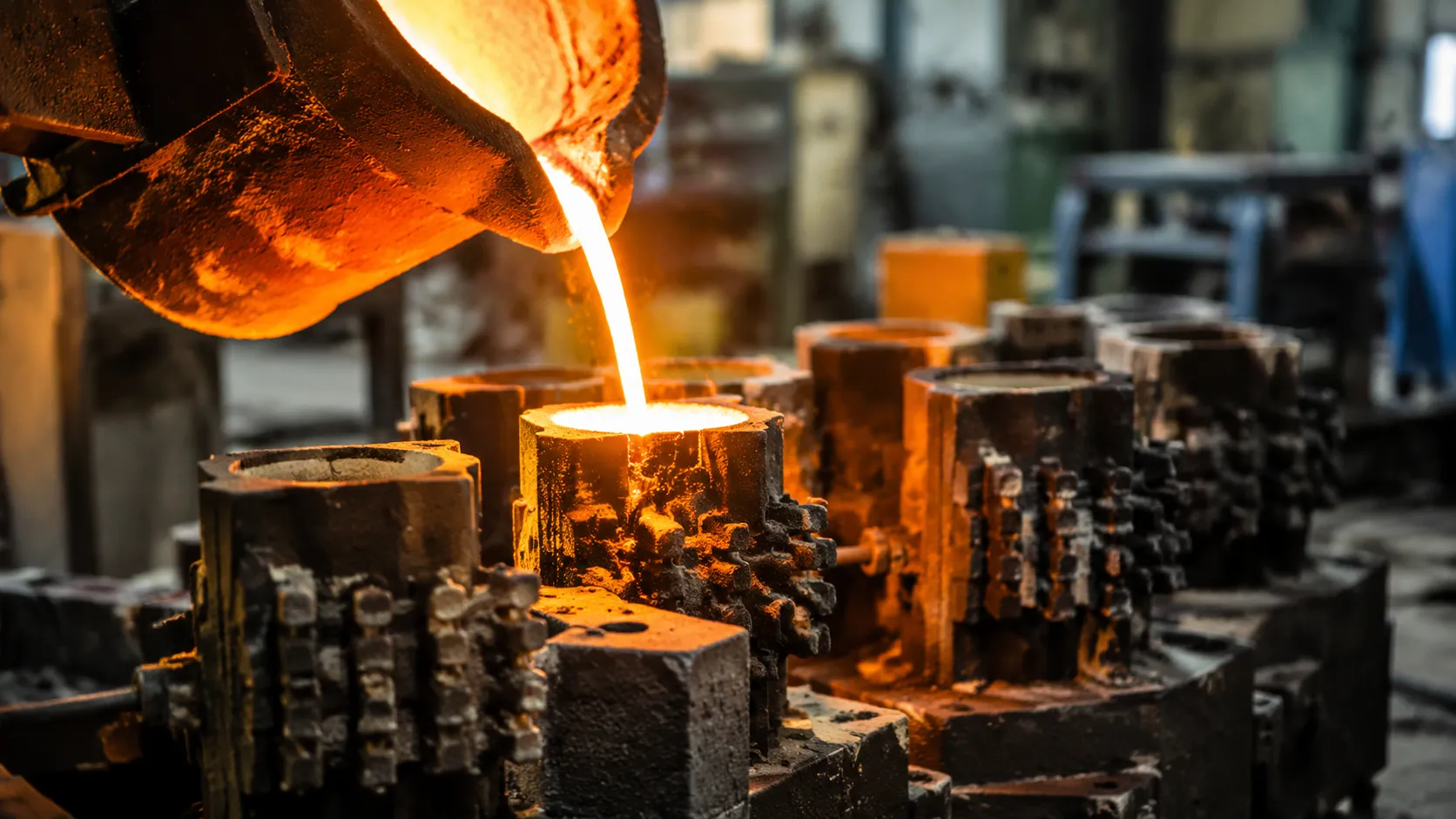
We don’t just apply surface treatments; we control the entire manufacturing lifecycle. When you need to anodize steel or apply high-performance alternatives, the foundation lies in the raw casting. At PrecisionVast, we integrate elite investment casting with advanced precision metal finishing solutions under one roof, ensuring your parts look flawless and perform under extreme stress.
Advanced CAE Simulation Pre-Casting
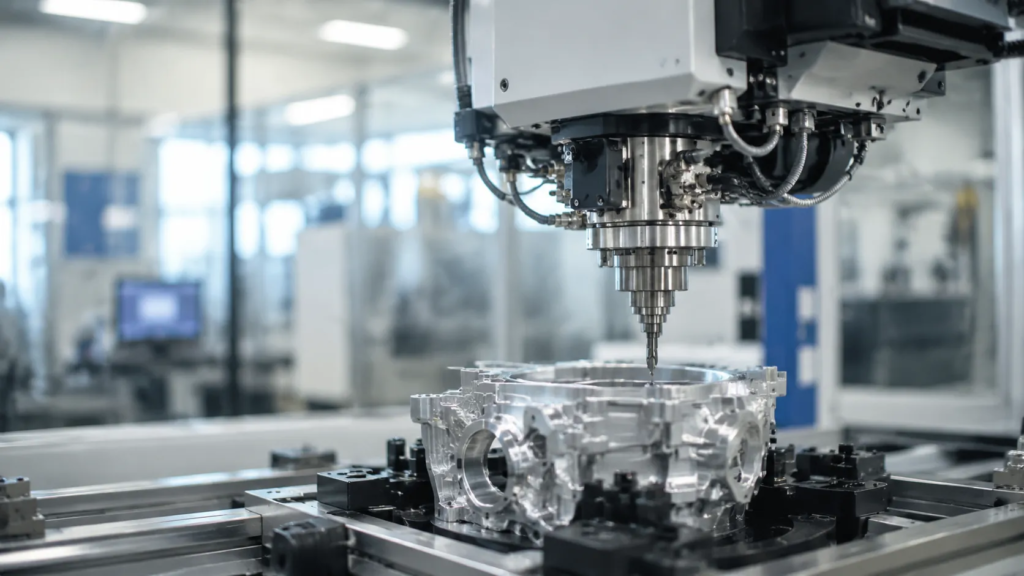
Before pouring any molten metal, we eliminate defects in the digital world. Our team uses advanced CAE simulation software to model fluid flow, solidification, and thermal stress.
- Defect Elimination: We catch porosity, shrinkage, and cold shuts before tooling begins.
- Optimized Microstructure: Proper thermal modeling ensures a uniform grain structure, which is critical for a uniform protective oxide layer on iron or steel alloys during later chemical treatments.
- Cost Efficiency: Virtual testing means faster turnaround times and zero wasted material for your production runs.
Our 14-Step Precision Pipeline
We guide your components through a strict, 14-step manufacturing and finishing sequence. This closed-loop system guarantees that every cast steel surface preparation step meets rigid aerospace and industrial standards.
| Phase | Process Step | Key Benefit for Your Components |
|---|---|---|
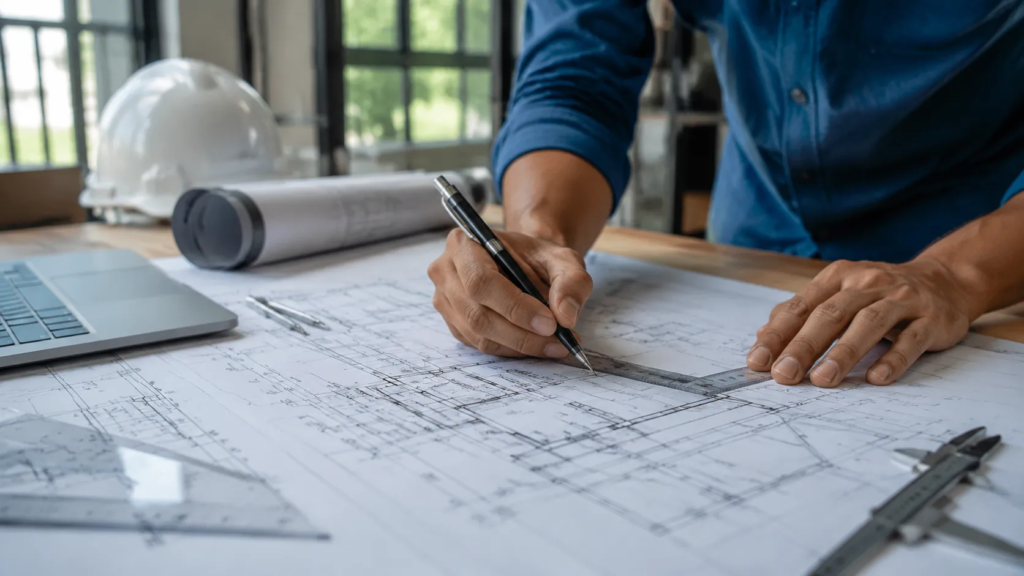
| 1. Engineering | Tooling Design & CAE Simulation | Guarantees dimensional accuracy and flawless integrity. |
| 2. Casting | Premium Investment Casting | Creates near-net-shape parts with excellent surface finishes. |
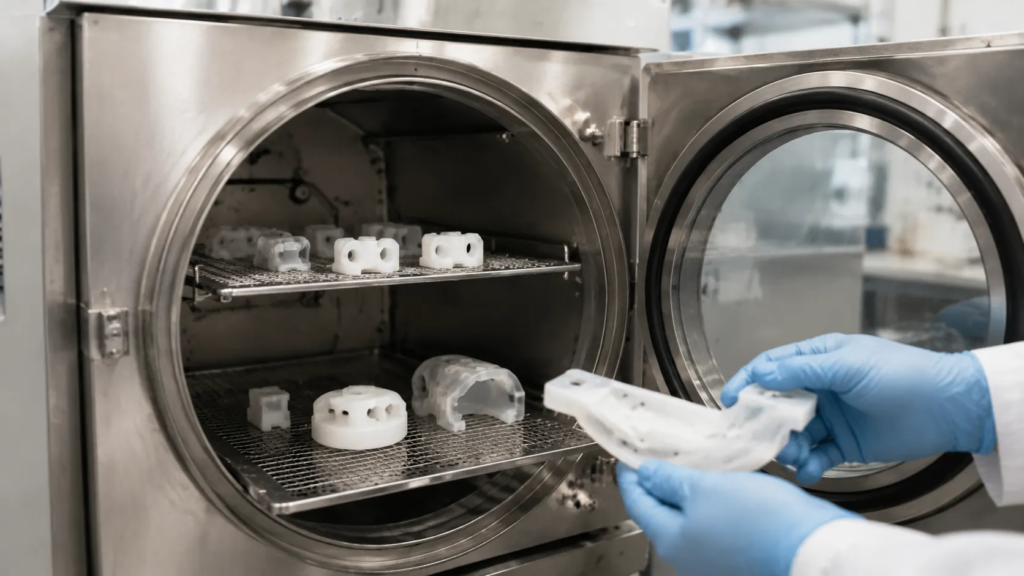
| 3. Preparation | Electrolytic cleaning and polishing | Removes scale and impurities to prepare the metal substrate. |
| 4. Finishing | Specialized Coatings & Passivation | Applies magnetite conversion coating or custom plating. |
| 5. Validation | QC & Non-Destructive Testing | Ensures total adherence to your blueprint specifications. |
By managing the process from the initial melt to the final metal finishing for steel alloys, we eliminate the risk of coating failure, hydrogen embrittlement, or dimensional drift. You get perfect parts, delivered on time, every single time.
Material Compatibility and Technical Capabilities
We engineer every steel surface treatment to meet exact industrial standards. While you cannot anodize steel the same way you anodize aluminum, we utilize advanced electrochemical and chemical conversion methods to deliver superior wear resistance and a protective oxide layer on iron alloys.
Steel Alloys Handled by PrecisionVast
Our facility processes a massive range of carbon steels, tool steels, and stainless steel variants. We tailor our metal finishing for steel alloys based on the specific chemistry of the base metal to ensure optimal coating adhesion.
| Steel Category | Common Alloys Processed | Recommended Finish |
|---|---|---|
| Stainless Steel | 304, 316, 410, 17-4 PH | Electrochemical passivation stainless steel, Electropolishing |
| Carbon Steel | 1018, 1045, A36 | Black oxide coating for steel, Phosphating steel parts |
| Alloy Steel | 4140, 4340, 8620 | Zinc plating, Industrial steel plating |
| Tool Steel | D2, O1, H13 | Chemical bluing steel, Magnetite conversion coating |
Strict Quality Control and Certification
We back our high-volume production with a rigorous, data-driven quality pipeline. Every batch undergoes strict verification to guarantee performance in harsh environments.
- Thickness Verification: Magnetic and eddy-current testing to ensure uniform anti-corrosive metal coatings.
- Corrosion Testing: Salt spray testing according to ASTM B117 standards.
- Adhesion Testing: Micro-scratch and cross-hatch testing to prevent coating peel.
- Certifications: Full compliance with ISO 9001, RoHS, and REACH standards for all steel passivation process runs.
Industrial Applications of Treated Steel Components
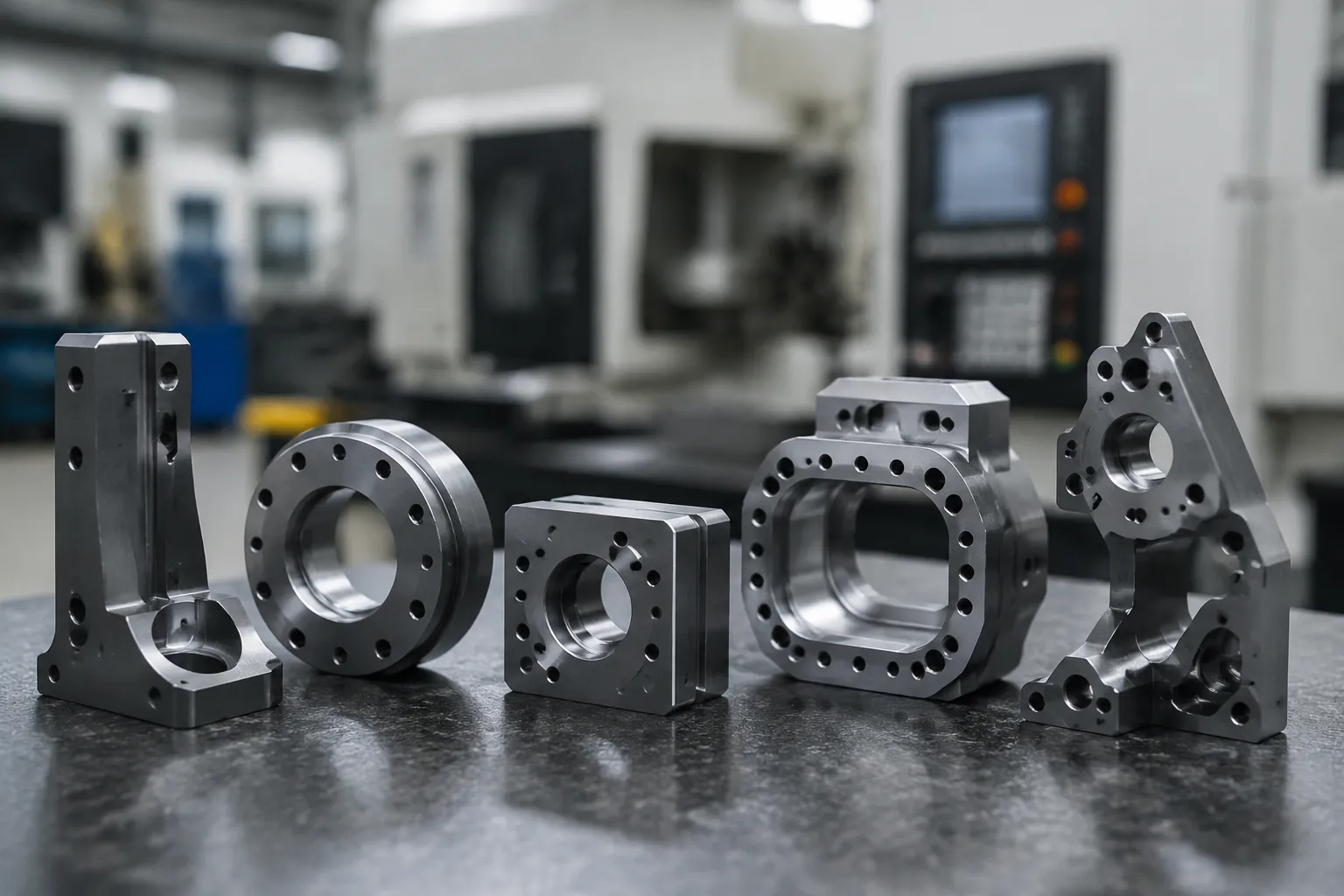
Different industries face unique wear and corrosion challenges. We don’t believe in a one-size-fits-all approach. Because you cannot anodize steel the same way you do aluminum, we match specific industrial steel surface treatment alternatives to your exact operating environment. This ensures your parts last longer and perform flawlessly under pressure.
Pump & Valve Components
Fluid handling systems handle high pressures and corrosive liquids every day. We apply specialized magnetite conversion coating and electrochemical passivation stainless steel treatments to pump impellers, valve bodies, and stems. This prevents pitting, reduces friction, and stops premature component failure.
Marine Hardware
The ocean is brutal on metal alloys. For serious saltwater protection, we utilize heavy-duty anti-corrosive metal coatings and advanced chrome plating. These finishes prevent rust and galvanic corrosion on deck hardware, fasteners, and underwater shafts, saving you massive replacement costs down the road.
Heavy Machinery & Automotive Parts
High-stress gears, brackets, and suspension components need extreme durability. Instead of trying to anodize steel, we use high-performance phosphating steel parts (Parkerizing) and black oxide coating for steel. These treatments hold onto lubricants, reduce friction, and provide a rugged layer of defense against impact and road debris.
Precision Chemical Fittings
Chemical processing leaves no room for material contamination or breakdown. We deliver high-purity precision metal finishing solutions, including deep electrolytic cleaning and polishing (electropolishing). This eliminates surface microscopic imperfections on stainless steel fittings, making them easy to clean and highly resistant to aggressive chemical reactions.
| Industry | Typical Component | Recommended Surface Treatment | Primary Benefit |
|---|---|---|---|
| Fluid Handling | Valve Stems, Impellers | Electropolishing & Passivation | Pitting resistance & smooth flow |
| Marine | Rigging, Deck Hardware | Multi-layer Plating & Passivation | Maximum saltwater rust defense |
| Automotive & Heavy Equipment | Gears, Chassis Brackets | Black Oxide & Phosphating | Oil retention & impact wear protection |
| Chemical Processing | Custom Fittings, Manifolds | High-Purity Electropolishing | Zero contamination & chemical resistance |
Frequently Asked Questions
Can you color steel the same way you color anodized aluminum?
No, you cannot. When you anodize aluminum, it creates a porous oxide layer that easily absorbs bright dyes. If you try to anodize steel using that same process, the acid bath will simply dissolve the metal instead of creating a color-absorbing layer. For steel, we use a magnetite conversion coating (black oxide) or industrial plating to achieve deep, durable colors.
Will putting steel parts into an aluminum anodizing tank damage the equipment?
Yes, it will cause severe damage. Introducing steel into an active aluminum anodizing line triggers a violent chemical reaction. The iron ironizes rapidly, contaminating the expensive chemical bath and potentially destroying both your steel parts and our specialized anodizing equipment. We always isolate our metal finishing for steel alloys to dedicated production lines.
What is the most cost-effective alternative to anodizing for carbon steel?
A black oxide coating for steel is your best low-cost choice. It delivers excellent dimensional stability and a clean, non-reflective black finish without adding thick layers to the metal. If your project demands stronger rust prevention on a budget, we recommend phosphating steel parts (Parkerizing) as a highly reliable, cost-effective alternative.
Does PrecisionVast handle both small-scale prototyping and high-volume 700-ton production runs?
| Production Phase | Capability & Support |
|---|---|
| Small-Scale Prototyping | Rapid testing, cast steel surface preparation, and initial engineering verification. |
| High-Volume Production | Full-scale manufacturing with a capacity handling up to 700-ton runs smoothly. |
We manage your entire project pipeline from the first prototype to massive industrial rollouts, ensuring consistent quality and strict certification at every single stage.
 English
  German