

Corrosion resistant materials including duplex stainless high nickel alloys titanium and Hastelloy in ASTM UNS grades plus stock shapes and CNC machining quotes.
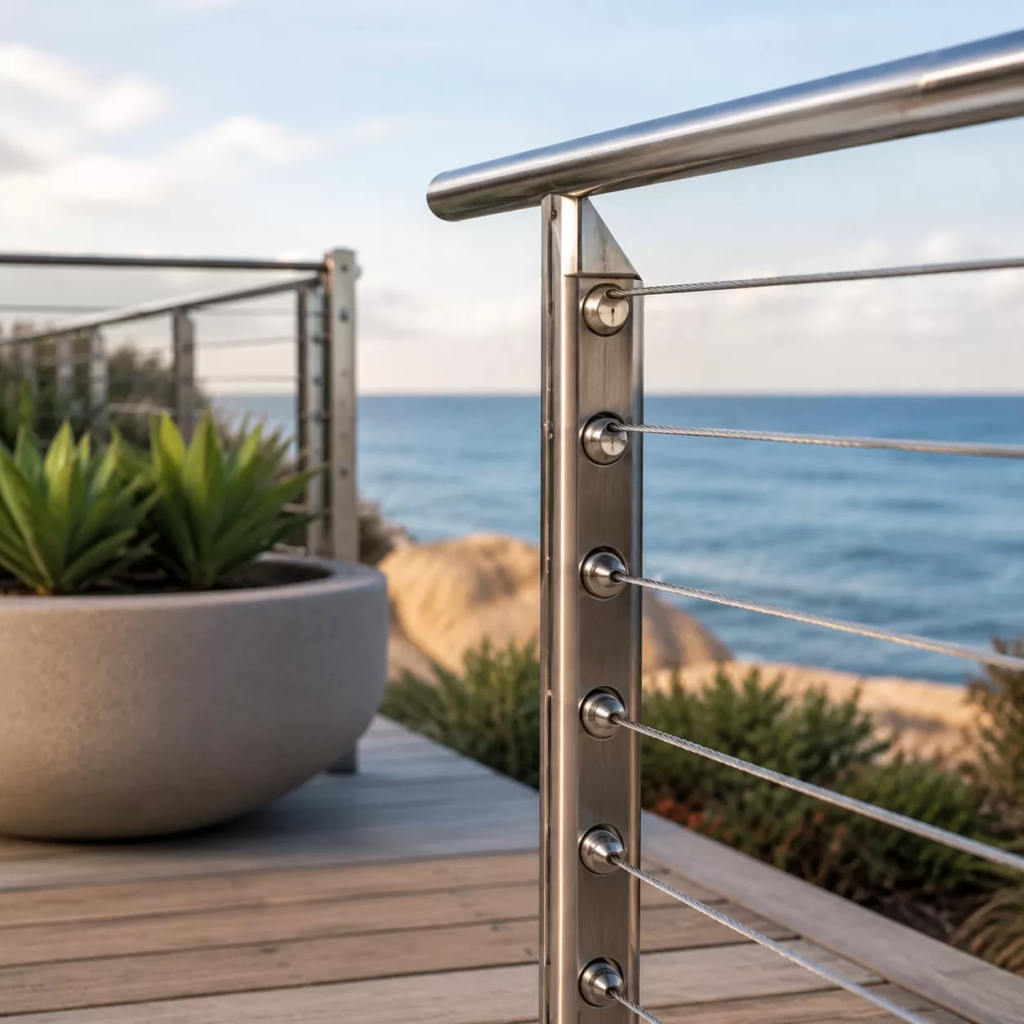
Guide to Corrosion Resistant Materials
Are you dealing with premature equipment failure, aggressive chemical attack, or soaring maintenance costs? Selecting the right metal can make or break your operation. We supply an elite inventory of corrosion resistant materials engineered to withstand the harshest industrial environments in the United States.
From extreme chemical processing to deep-sea offshore drilling, our high-performance alloys keep your operations running without interruption.
High Nickel Alloys
When standard stainless steel fails, our inventory of high nickel alloys steps in. These specialty metals offer unmatched defense against heat, pressure, and aggressive media.
- Alloy C-276 (Hastelloy): The ultimate choice for severe chemical processing. It offers outstanding resistance to pitting, crevice corrosion, and strong oxidizing agents.
- Alloy 625 (Inconel): A high-strength material that excels in high-temperature specialty metals applications, shielding your assets from oxidation and shielding against fabrications crack failures.
- Alloy 400 (Monel): Highly resistant to rapidly flowing seawater and hydrofluoric acid, making it a staple for marine grade metals and coastal engineering.
Duplex Stainless Steel
Need a balance of high strength and exceptional corrosion protection? Our duplex stainless steel options provide double the strength of conventional austenitic steels alongside superior durability.
- Duplex 2205: Offers excellent resistance to chloride-ion stress-corrosion cracking and localized pitting, making it ideal for sour gas environments.
- Super Duplex 2507: Engineered for highly corrosive environments, providing enhanced resistance to uniform and localized corrosion in marine and heavy chemical applications.
Reactive Metals Supply
For specialized processes involving highly oxidizing or reducing acids, we stock premium reactive metals that form a natural, self-healing oxide layer.
- Titanium Grade 2: Exceptionally lightweight and entirely immune to corrosion in seawater and chlorinated environments.
- Zirconium & Tantalum: The premier choices for ultra-aggressive chemical environments, offering near-total inertness to strong acids.
| Material Class | Common Grades | Key Benefit | Primary Use Case |
|---|---|---|---|
| High Nickel Alloys | Hastelloy C-276, Inconel 625, Monel 400 | Extreme chemical & heat resistance | Chemical processing equipment materials |
| Duplex Steels | Duplex 2205, Super Duplex 2507 | High yield strength + stress cracking resistance | Marine engineering & offshore piping |
| Reactive Metals | Titanium Grade 2, Zirconium, Tantalum | Total immunity to chlorides and severe acids | Desalination, aerospace, & acid pipelines |
Material Specifications & Structural Formats for Corrosion Resistant Materials
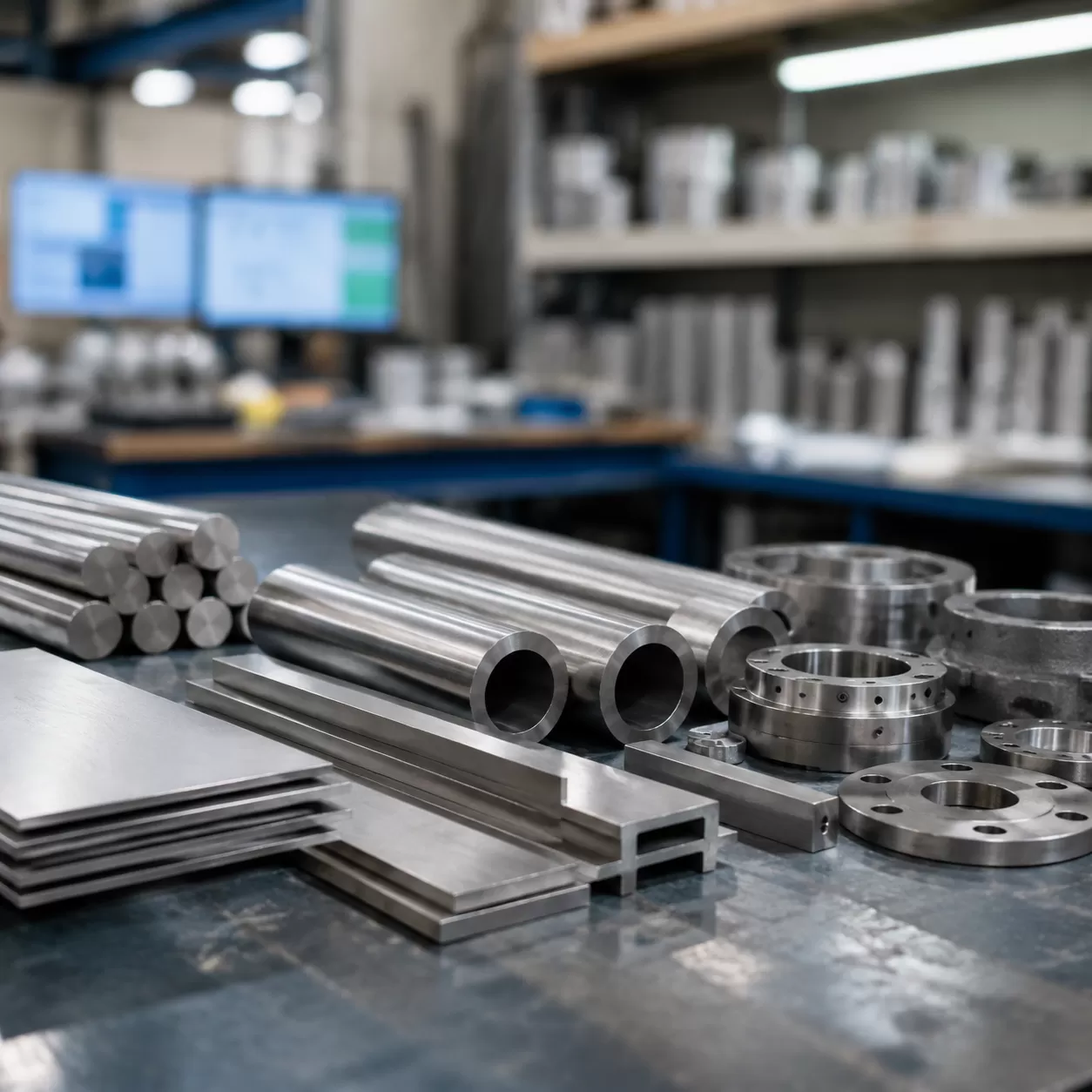
We stock and distribute high-performance corrosion resistant materials in a comprehensive range of structural profiles and mill forms. Whether your project requires industrial piping and flanges for fluid handling or heavy plates for structural fabrication, our inventory matches exact American engineering standards.
Available Stock Shapes & Profiles
- Fluid Handling & Piping Systems: Seamless and welded piping, industrial tubing, heavy-duty flanges, and high-pressure fittings (elbows, tees, reducers).
- Flat Rolled & Structural Stock: High-tolerance plates, sheets, and precision-cut strips.
- Bar Product & Machining Blanks: Centerless ground round bars, hex bars, and square stocks for custom component manufacturing.
Material Matrix & Grade Equivalents
Every shipment includes full traceability with complete UNS and ASTM alloy grades documented to ensure absolute compliance with your project specifications. For components requiring alternative casting configurations, we also bridge the gap between wrought specifications and specialized foundry production, similar to our technical approach with high-strength carbon steel precision casting.
The table below outlines our primary material matrix for quick reference:
| Alloy Grade | Common Trade Name | UNS Number | ASTM Standard | Primary Formats |
|---|---|---|---|---|
| Alloy C-276 | Hastelloy C-276 | N10276 | B574, B622 | Hastelloy tubing, fittings, pipe, & plate |
| Alloy 625 | Inconel 625 | N06625 | B444, B446 | Round bar, seamless tubing, flanges |
| Alloy 400 | Monel 400 | N04400 | B164, B165 | Marine grade piping, fittings, round bar |
| Duplex 2205 | Duplex Stainless Steel | S32205 / S31803 | A240, A790 | Plates, sheets, seamless pipe |
| Super Duplex 2507 | Super Duplex Steel | S32750 | A240, A790 | High-pressure process piping, flanges |
| Titanium Grade 2 | Commercially Pure Ti | R50400 | B348, B861 | Reactive metals supply, tubing, bar stock |
Primary Industrial Applications for Corrosion Resistant Materials
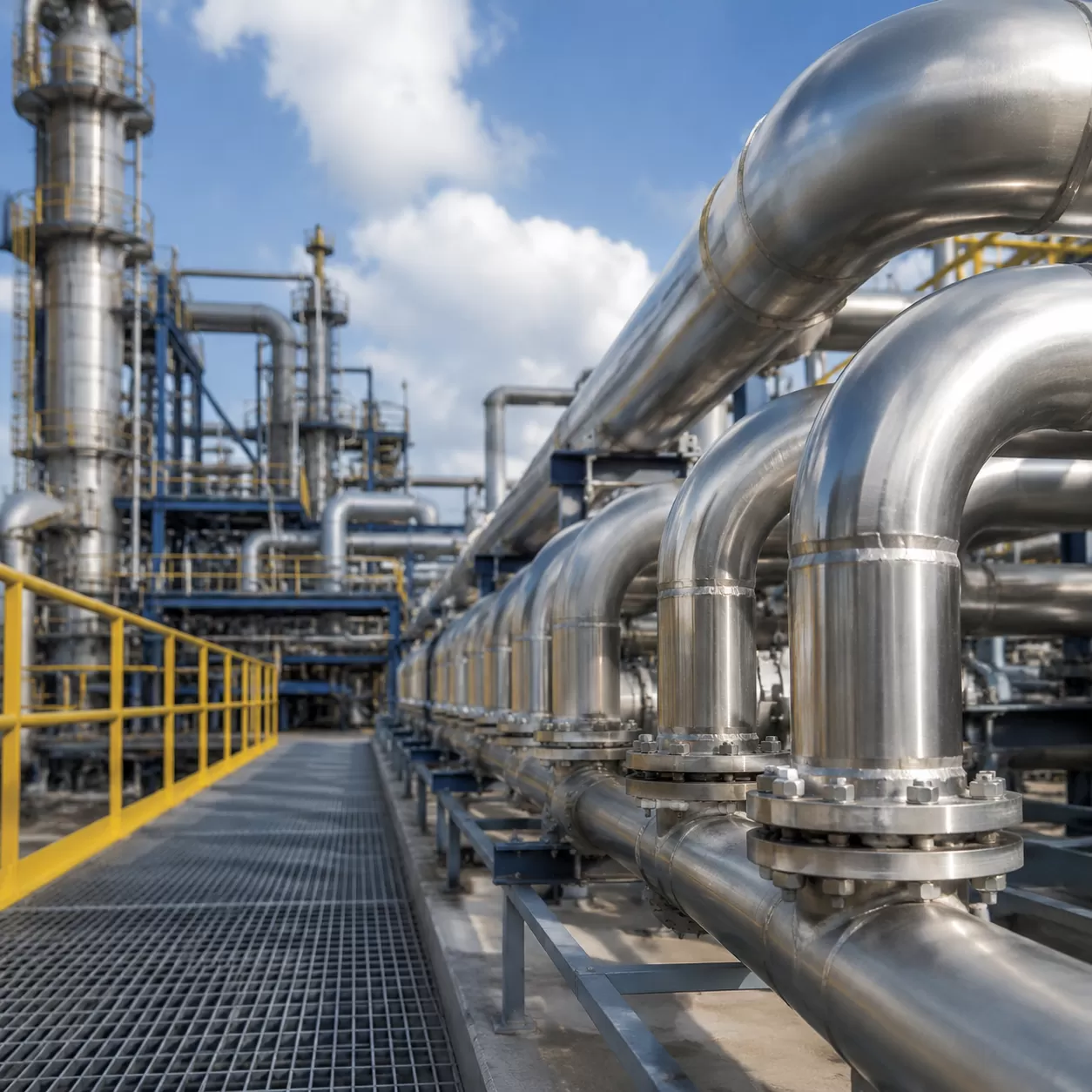
We engineer our corrosion resistant materials to withstand the absolute harshest environments across major American industries. When standard metals fail under chemical attack or high pressure, our high-performance alloys keep operations running safely and efficiently.
Chemical & Petrochemical Processing
Aggressive acids, high temperatures, and volatile compounds require heavy-duty chemical processing equipment materials. We supply high nickel alloys and specialized tubing that handle highly corrosive media without degrading, preventing hazardous leaks and costly environmental fines.
Upstream & Downstream Oil & Gas
From deep-sea drilling to downstream refining, sour crude and high-pressure environments demand maximum durability. Our inventory mitigates chloride-ion stress-corrosion cracking in high-sulfur and high-salt environments, protecting vital downhole tools and refinery infrastructure.
Marine & Offshore Engineering
Saltwater is notoriously brutal on standard infrastructure. We specialize in marine grade metals that resist severe pitting and crevice corrosion, providing long-term reliability for:
- Offshore oil platforms
- Desalination plants
- Shipbuilding components
- Underwater piping systems
Wastewater & Industrial Filtration
Municipal and industrial water treatment plants deal with a harsh mix of chemicals, bio-solids, and abrasive grit. Our industrial piping and flanges deliver the structural integrity needed for continuous flow filtration systems, significantly cutting down on maintenance lifecycles. For operations expanding or upgrading their facilities, sourcing components from reliable carbon steel precision casting manufacturers ensures that even the standard structural elements back up the performance of your specialty alloys.
Custom Processing of Corrosion Resistant Materials
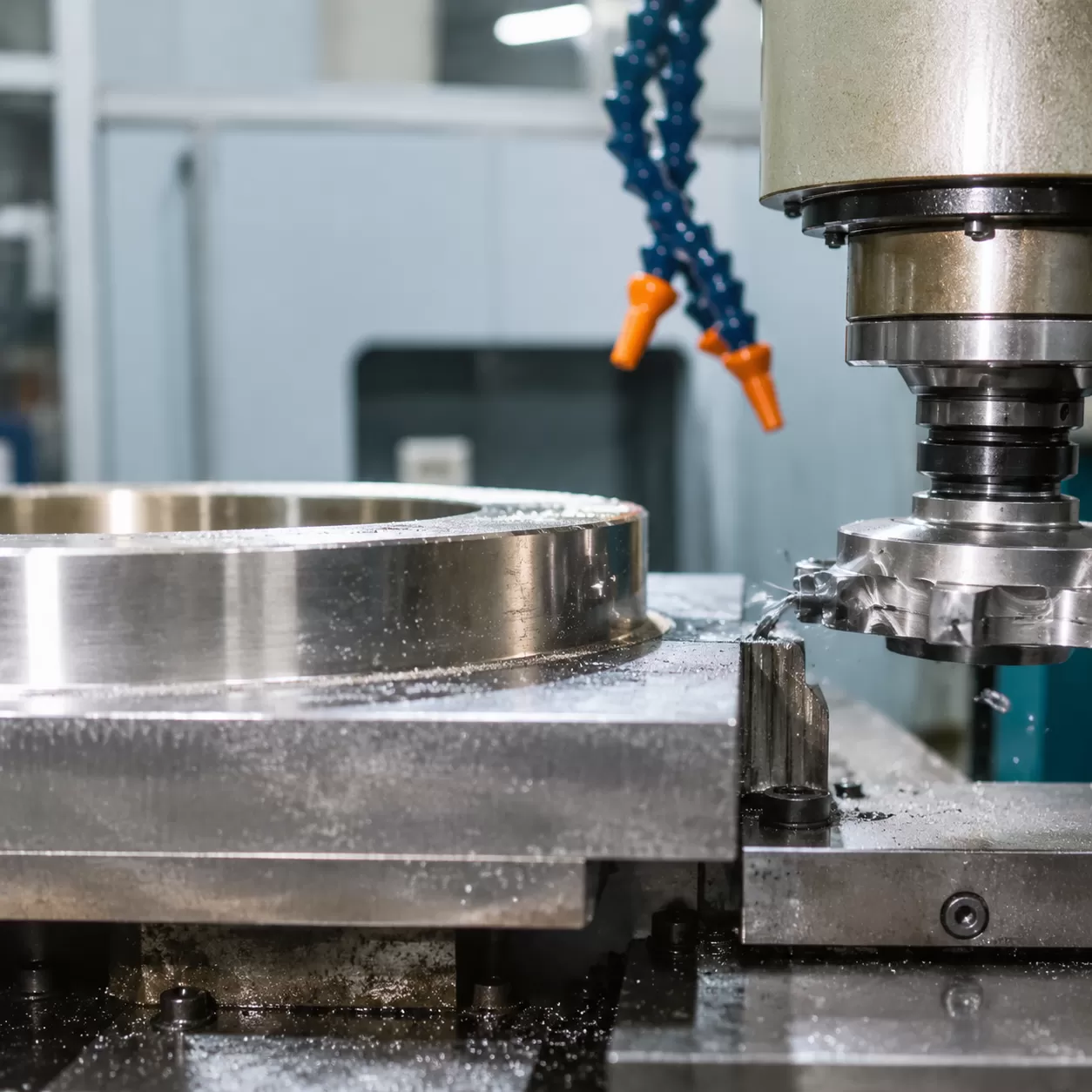
We don’t just supply raw stock; we deliver production-ready components tailored to your exact specifications. Our facility bridges the gap between raw corrosion resistant materials and finished, high-precision parts. By managing all cutting, shaping, and testing under one roof, we eliminate supply chain delays and guarantee uncompromised structural integrity.
Precision CNC Machining
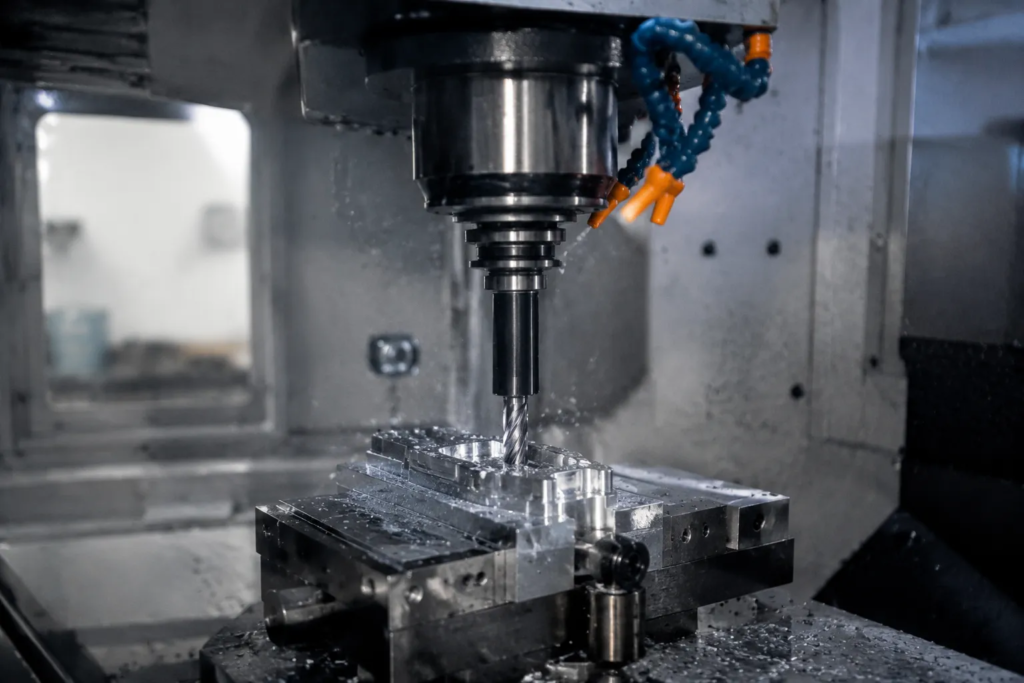
Working with high nickel alloys and duplex stainless steel requires specialized expertise. These materials work-harden quickly and demand rigid tooling setups. Our machine shop utilizes heavy-duty, multi-axis CNC equipment configured specifically to handle tough alloys like Inconel, Monel, and Hastelloy. We routinely hold tight tolerances on complex parts, turning raw forgings and bars into finished pump components, custom valves, and specialized industrial piping pieces.
High-Definition Profiling
When you need precise flat shapes or intricate blanks, our high-definition profiling services deliver clean edges with minimal waste:
- Waterjet Cutting: Ideal for heavy plates of Titanium Grade 2 and reactive metals. Because it is a cold cutting process, it eliminates the risk of a Heat Affected Zone (HAZ), preserving the mechanical properties of the metal.
- Laser Cutting: Offers rapid, highly accurate profiling for thinner gauge sheets and complex bracket designs.
- Plasma Cutting: Provides a fast, cost-effective method for sectioning thick master plates of marine grade metals prior to final machining.
Quality Assurance & Material Verification
Operating in severe environments means there is zero room for material mix-ups or hidden defects. Every batch of specialty metal undergoes strict validation before it leaves our dock:
- Positive Material Identification (PMI): We use handheld XRF analyzers to confirm the exact chemical composition of every alloy, ensuring compliance with strict UNS and ASTM alloy grades.
- Non-Destructive Testing (NDT): Ultrasonic and liquid penetrant testing are utilized to detect internal flaws, cracks, or surface imperfections in high-stress components.
- Dimensional Inspections: Full physical audits guarantee that your custom-machined parts match your blueprints perfectly.
Manufacturing Insight: For applications requiring complex geometries that cannot be efficiently carved from solid bar stock, understanding alternative forming methods is critical. You can explore how advanced thermal shaping impacts metal behavior by reading our guide on how to analyze physical properties of heat-resistant alloys.
| Processing Service | Equipment / Capability | Best Used For |
|---|---|---|
| CNC Milling & Turning | Multi-axis heavy-duty mills | Valve bodies, custom flanges, specialized fittings |
| Waterjet Cutting | Cold-process abrasive jet | Titanium Grade 2, thick nickel alloy plates (No HAZ) |
| Laser Profiling | High-power fiber laser | Precision shims, sheets, and thin-gauge components |
| PMI Testing | XRF Spectrometry | Verifying Inconel and Monel equivalents and mill chemistry |
The Cost-Benefit Architecture of Corrosion Resistant Materials
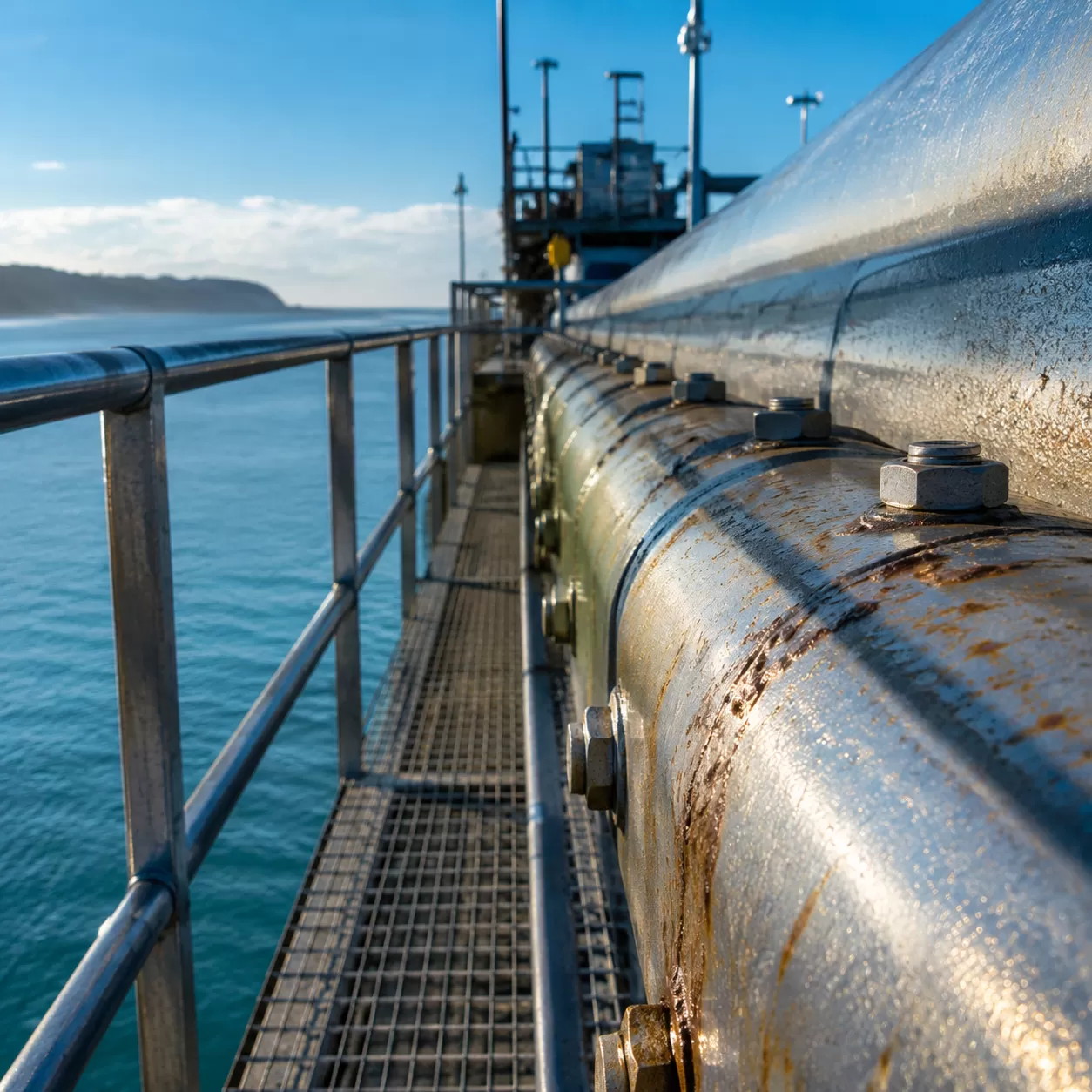
Investing in high-performance corrosion resistant materials is a strategic financial decision, not just an equipment expense. In demanding industrial environments, standard metals fail prematurely, leading to catastrophic leaks, unplanned shutdowns, and expensive emergency maintenance. Upgrading to specialized alloys fundamentally changes the financial trajectory of your operations.
Mitigating Asset Failure and Stress Cracking
Industrial infrastructure constantly battles aggressive chemical attack. Selecting the wrong material often results in sudden, catastrophic failures driven by localized corrosion mechanisms.
- Chloride-Ion Stress-Corrosion Cracking: This hidden threat causes sudden structural failure in standard stainless steels exposed to moisture and chlorides. Utilizing duplex stainless steel or high-nickel formulations completely neutralizes this risk.
- Pitting and Crevice Corrosion Resistance: Highly acidic or stagnant process fluids attack vulnerable joints and surfaces. Advanced high nickel alloys form a robust passive protective layer that stops microscopic pitting before it compromises a system.
For extreme environments where thermal stress compounds chemical attack, integrating heat resistant metals for high temperature applications ensures your components maintain structural integrity under both thermal and corrosive loads.
Total Cost of Ownership (TCO) and Lifespan Extension
Evaluating materials solely on upfront purchase price creates a false economy. True profitability relies on analyzing the Total Cost of Ownership (TCO) over the entire operational lifecycle.
| Cost Metric | Standard Carbon/Stainless Steel | Advanced Corrosion Resistant Alloys |
|---|---|---|
| Initial Material Investment | Low | Higher |
| Maintenance & Patching Frequency | High (Frequent downtime) | Near Zero |
| Equipment Replacement Cycle | Every 2–5 years | 20+ years / Lifetime service |
| Risk of Catastrophic Liability | Moderate to High | Extremely Low |
By switching to premium corrosion resistant materials, you drastically reduce maintenance overhead, eliminate lost production hours, and extend asset lifespans by decades. The upfront premium pays for itself rapidly by securing predictable, uninterrupted operational uptime.
B2B Sourcing FAQ & Engineering Support for Corrosion Resistant Materials
Navigating the complexities of industrial procurement requires clear, direct answers. Below are the critical engineering and logistics questions we routinely handle for teams sourcing corrosion resistant materials for high-stakes environments.
Selecting the Right Alloy Grade for Mixed-Acid Pipelines
Choosing the correct Corrosion Resistant Alloys (CRA) depends heavily on acid concentration, temperature, and flow velocity.
- For Hydrochloric and Sulfuric Mixtures: High-nickel alloys like Hastelloy C-276 are the industry standard due to their exceptional resistance to reducing environments.
- For Nitric Acid Infused Lines: High-chromium options or Titanium Grade 2 perform best by maintaining a protective passive oxide film.
- Risk Mitigation: Selecting the wrong grade risks catastrophic pitting and crevice corrosion resistance failure. Our engineering team assists you in mapping your exact chemical profile to the optimal UNS number to prevent premature breakdown.
Compliance and Mill Test Certifications
Every shipment of our specialty metals undergoes rigorous quality verification. We provide comprehensive documentation packages to ensure full traceability and regulatory compliance:
- Mill Test Reports (MTRs): Full chemical analysis and mechanical testing data conforming to UNS and ASTM alloy grades.
- Material Verification: Positive Material Identification (PMI) and Non-Destructive Testing (NDT) reports.
- Specialized Casting Insights: For custom components outside of standard wrought profiles, understanding specialized metallurgy is vital. You can review how we evaluate specialized casting properties on our A356 aluminum alloy properties page to see our strict approach to material integrity.
Lead Times for Custom-Machined Corrosion Resistant Flanges
We optimize our production schedules to keep your capital projects on track. Lead times vary based on material availability and machining complexity:
| Product Type | Material Standard | Typical Lead Time |
|---|---|---|
| Standard Stock Profiles | Duplex Stainless Steel / Super Duplex | 1 to 2 Weeks |
| Custom CNC Machined Flanges | High Nickel Alloys (Inconel, Monel) | 4 to 6 Weeks |
| Complex Reactive Metal Components | Titanium / Tantalum | 6 to 8 Weeks |
Our in-house custom CNC material machining and high-definition profiling allow us to cut down traditional lead times significantly while maintaining tight tolerances on all industrial piping and flanges.
 English
  German