

Cut thread taps guide types uses and materials HSS cobalt carbide for blind and through holes
What Are Cut Thread Taps?
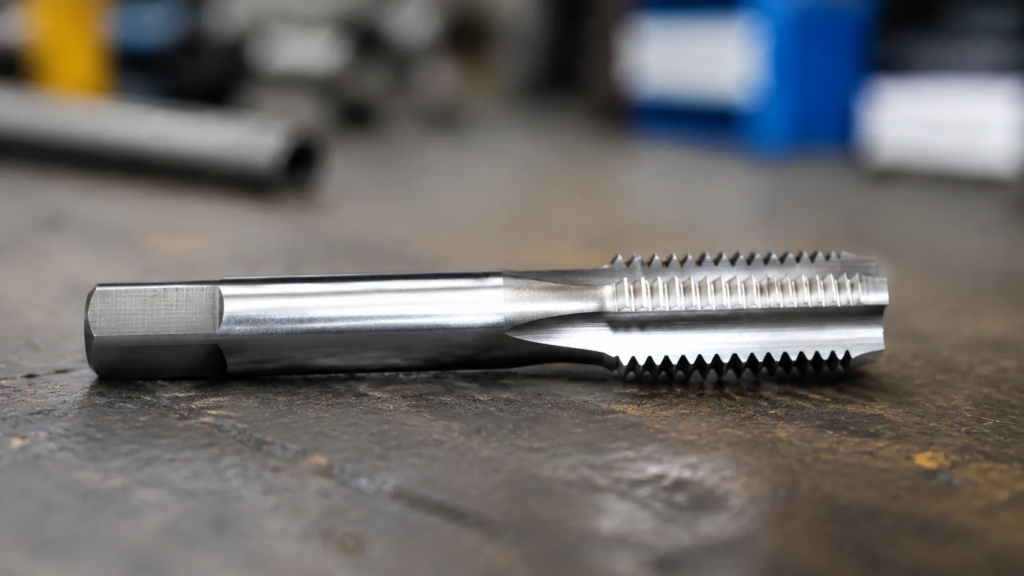
When we need to generate precise internal threads, cut thread taps are our reliable, go-to thread cutting tools. Unlike modern forming methods, traditional thread cutting physically removes material from the workpiece. As the tap rotates into a pre-drilled hole, its sharp cutting edges shear away chunks of metal, carving out clean, sharp channels to form the final thread profile.
Material Displacement vs. Roll Forming
Understanding the mechanics of your tooling changes how you manufacture. The fundamental difference lies in how we manipulate the metal:
- Cut Thread Taps: These tools actively shear the metal, producing chips that must be evacuated from the hole. This process creates precise, sharp threads without placing intense structural stress on the surrounding walls.
- Roll Form Taps: These tools do not cut. Instead, they displace and displace material, squeezing the metal into shape. While this eliminates chips, it requires significantly more machine horsepower and cannot be used on brittle materials.
Industries Relying on Standard Cut Taps
Because cut thread taps work efficiently across a massive variety of metals and plastics, they remain a staple in both manual and automated production lines. We regularly supply these tools to several high-demand domestic sectors:
- Automotive Repair and Manufacturing: For restoring damaged engine block threads or tapping custom brackets.
- Aerospace Machining: Where highly specific thread geometries are required on specialized alloy components.
- General Maintenance and MRO: Essential for quick, on-the-fly fixes using simple hand threading tools.
- Job Shops: Ideal for low-to-medium volume production runs where quick setup and versatility outweigh high-speed automation demands.
Key Types of Cut Thread Taps
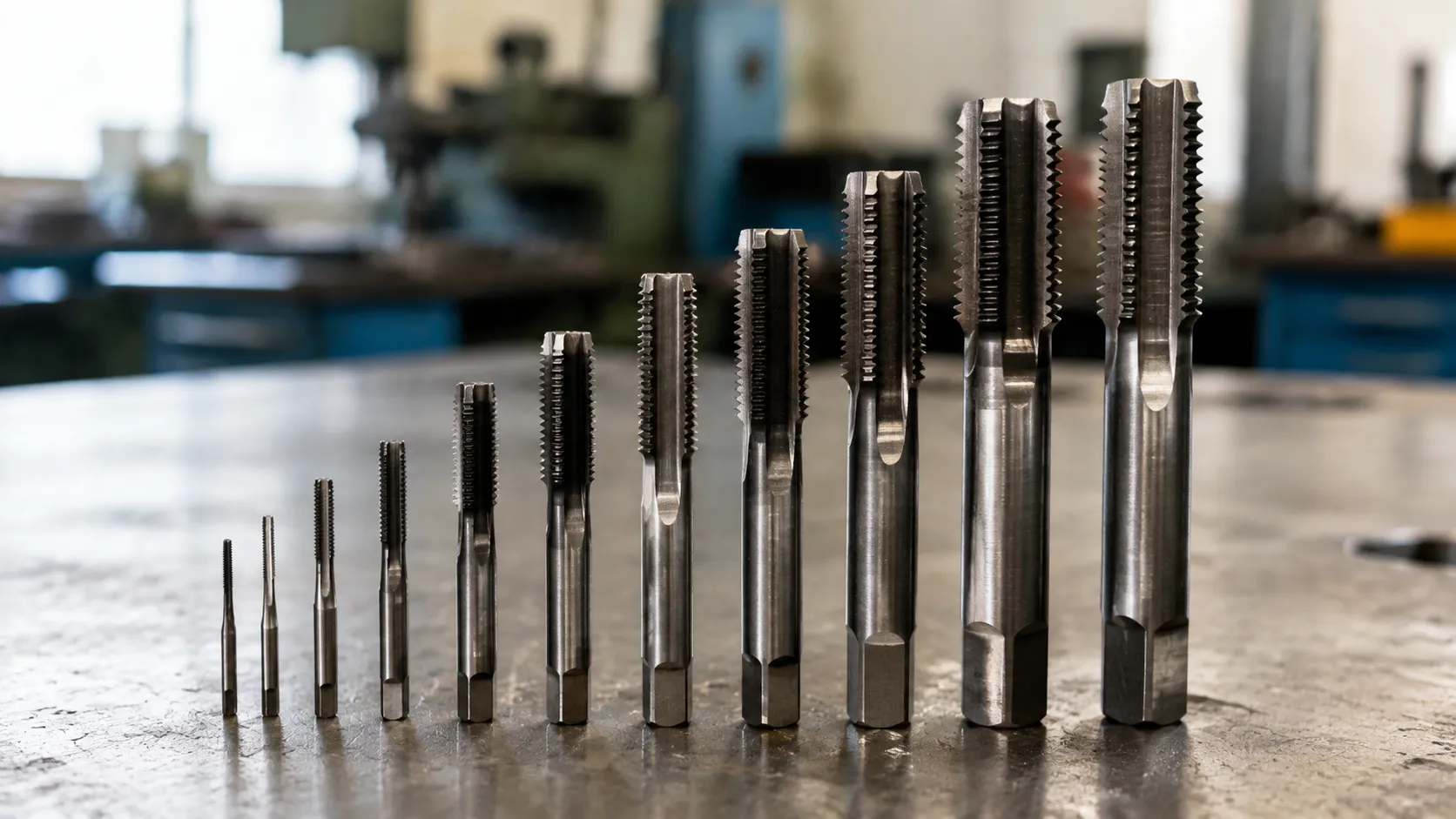
Choosing the right tool configuration is critical to preventing tool breakage and achieving clean threads. We design and supply several primary styles of cut thread taps, each engineered for specific hole types and chip removal challenges.
- Hand Taps: Ideal for manual threading operations and general maintenance. These standard hand threading tools usually come in sets (taper, plug, and bottoming) to gradually cut the thread in a controlled manner.
- Spiral Point Taps: Often called spiral point plug taps, these feature angular flutes at the cutting tip that shear chips and push them forward ahead of the tool. They are the go-to choice for high-speed machine tapping in through-holes.
- Spiral Flute Taps: Specifically engineered for blind hole tapping. The helical flutes lift chips up and completely out of the hole like a drill bit, preventing chip packing and premature tool failure.
- Pipe Taps: Designed to cut specific tapered or straight threads for NPT and BSPT applications, ensuring a tight, leak-proof seal in fluid and gas connections.
Selecting the exact geometry for your material setup ensures maximum efficiency on the shop floor. At https://www.precisionhttps://www.precisionvast.com/”>Precision Vast, we provide high-performance cutting tools engineered to maintain strict production standards and minimize downtime.
Material and Coating Options for Cut Thread Taps
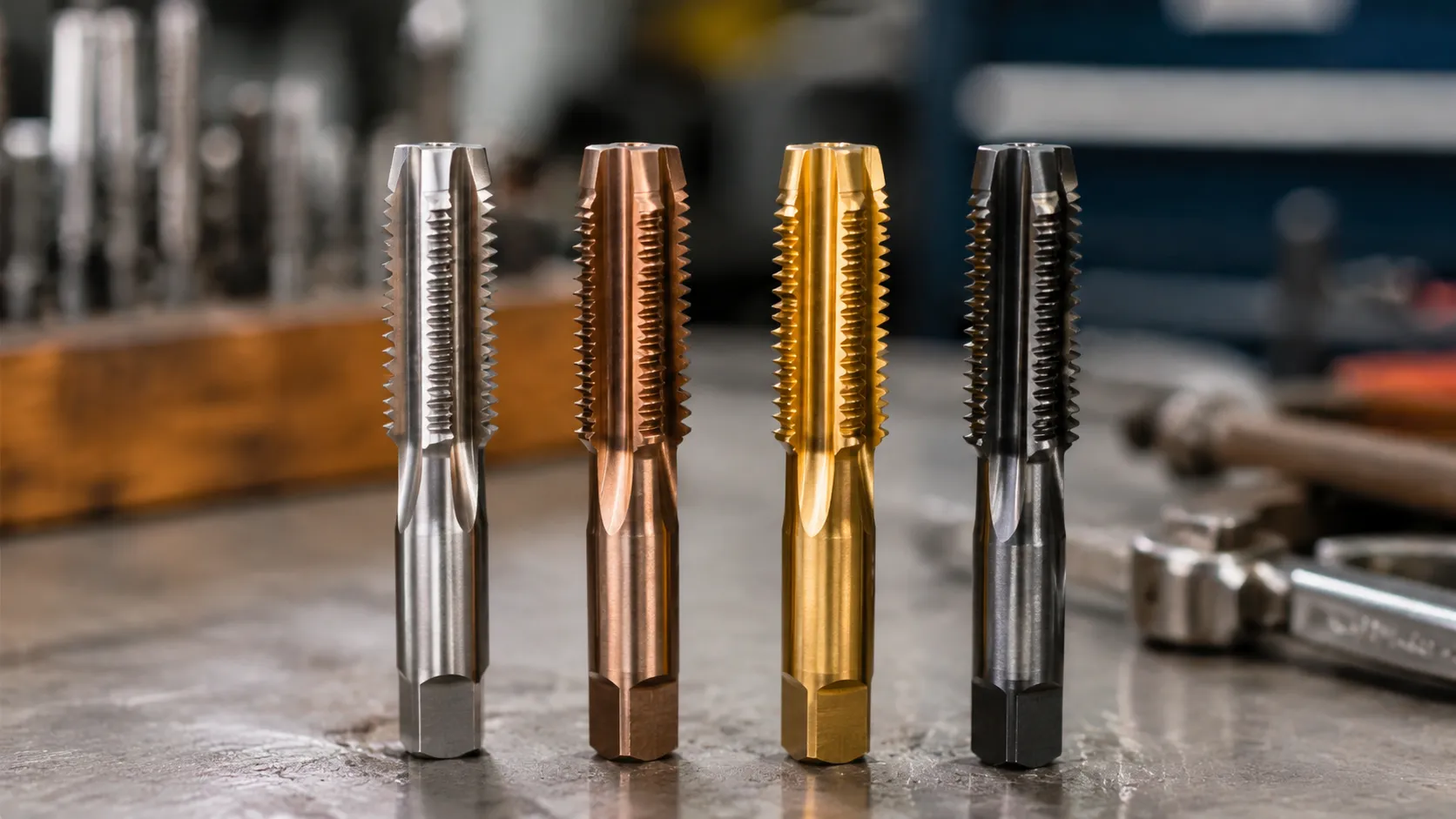
When we manufacture our cut thread taps, we select tool materials and coatings based on the exact metal you need to thread. Picking the wrong combination leads to broken tools and stripped threads.
Here is how to choose the right base material and coating for your application.
High-Speed Steel (HSS) vs Cobalt Taps
- High-Speed Steel (HSS) Taps: Our standard HSS taps are the go-to choice for general-purpose threading in everyday materials like aluminum, brass, and mild steels. They offer excellent flexibility and shock resistance at an affordable price point.
- Cobalt Taps: For harder metals and abrasive materials, we upgrade the base material to cobalt (M35 or M42). Cobalt taps for stainless steel and high-alloy steels provide the necessary heat resistance to prevent the cutting edges from dulling prematurely.
Performance Coatings for Higher Speeds
Raw tool steel is rarely enough for high-production CNC environments. We use advanced coatings to reduce friction and boost tool life.
- TiN (Titanium Nitride): A distinct gold coating that increases surface hardness and lubricity. Ideal for extending tool life in general steel tapping.
- TiAlN (Titanium Aluminum Nitride): A dark violet/charcoal coating designed for extreme heat. It excels in dry tapping or when machining hardened steels and stainless steel at high speeds.
Quick Selection Guide by Material
| Workpiece Material | Recommended Tap Material | Recommended Coating / Finish | Why It Works |
|---|---|---|---|
| Aluminum & Soft Metals | HSS | Bright (Uncoated) or TiN | Prevents chip welding and buildup on the edges |
| Carbon Steel & Alloys | HSS or Cobalt | TiN | Lowers friction and resists wear under standard loads |
| Stainless Steel & Tough Alloys | Cobalt | TiAlN or Oxide | Handles extreme heat and resists work-hardening |
How to Choose the Right Cut Thread Tap
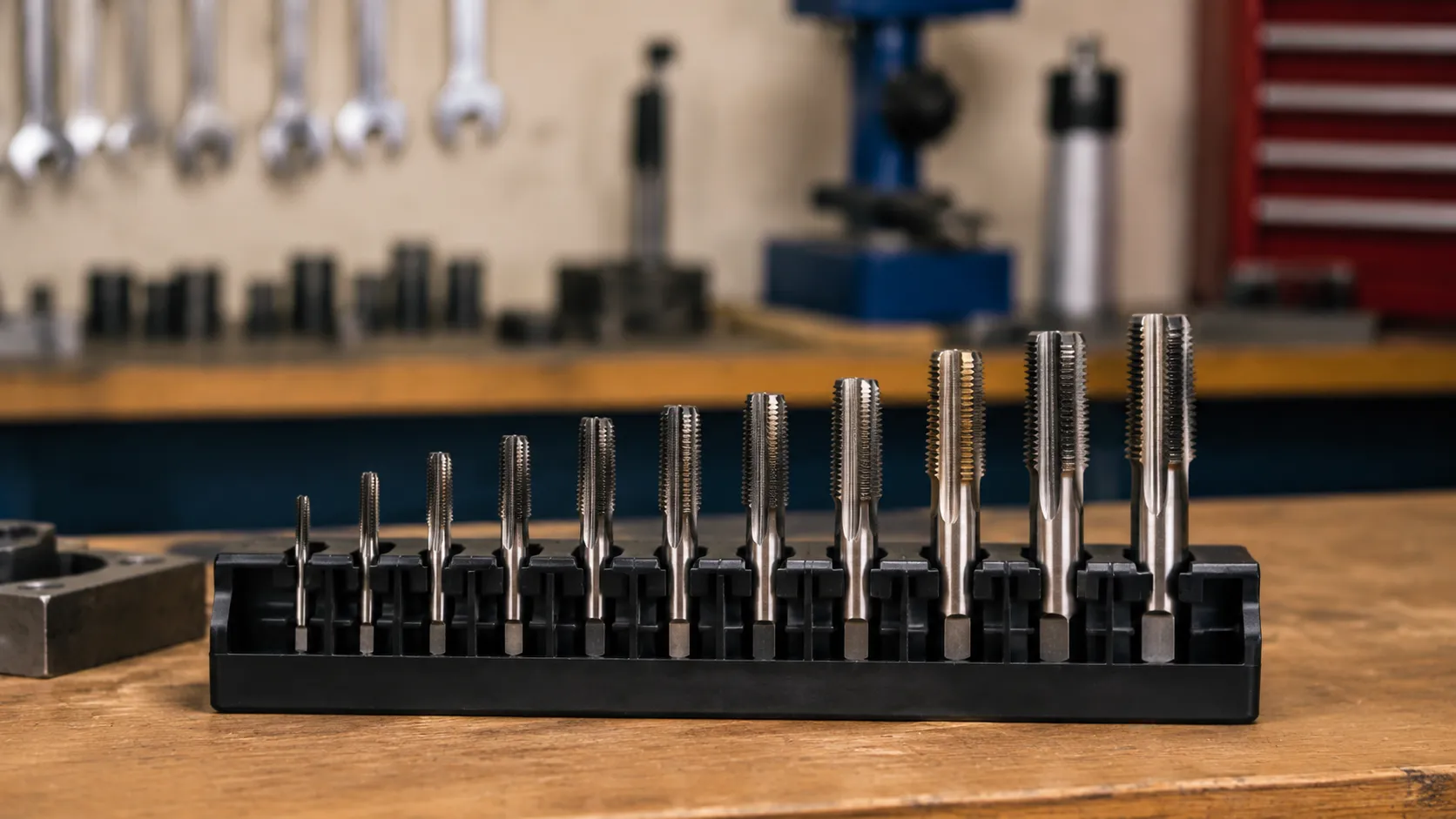
Choosing the wrong tool wastes time and ruins parts. We look at three main factors to ensure you pick the absolute best cut thread taps for your specific job.
Match Tap Geometry to Your Material
Different metals require different cutting angles. A tap designed for soft aluminum will quickly chip or bind if you try to force it into stainless steel. Soft Metals (Aluminum, Brass): Need sharp cutting edges and larger hook angles to shear the material cleanly. Hard Metals (Stainless Steel, Alloy Steel): Require robust, heavier web geometries and specific rake angles to withstand high heat and friction.
Use a Tap Drill Size Chart
You cannot guess the hole size when using thread cutting tools. If your pre-drilled hole is too small, the tap will bind and snap. If it is too large, your threads will be shallow and weak. Always cross-reference a trusted tap drill size chart to hit the standard 65% to 75% thread depth for commercial applications.
Manual vs. CNC Machining Production
Your machine setup dictates the type of machine screw taps or hand threading tools you need.
| Production Type | Best Tap Choice | Key Reason |
|---|---|---|
| Low Volume / Manual Repair | Hand Taps (Straight Flute) | Easy to align by hand; ideal for basic maintenance. |
| High Volume / CNC Production | Spiral Point or Spiral Flute Taps | Handles rapid chip evacuation automatically without stopping. |
Best Practices for Thread Cutting
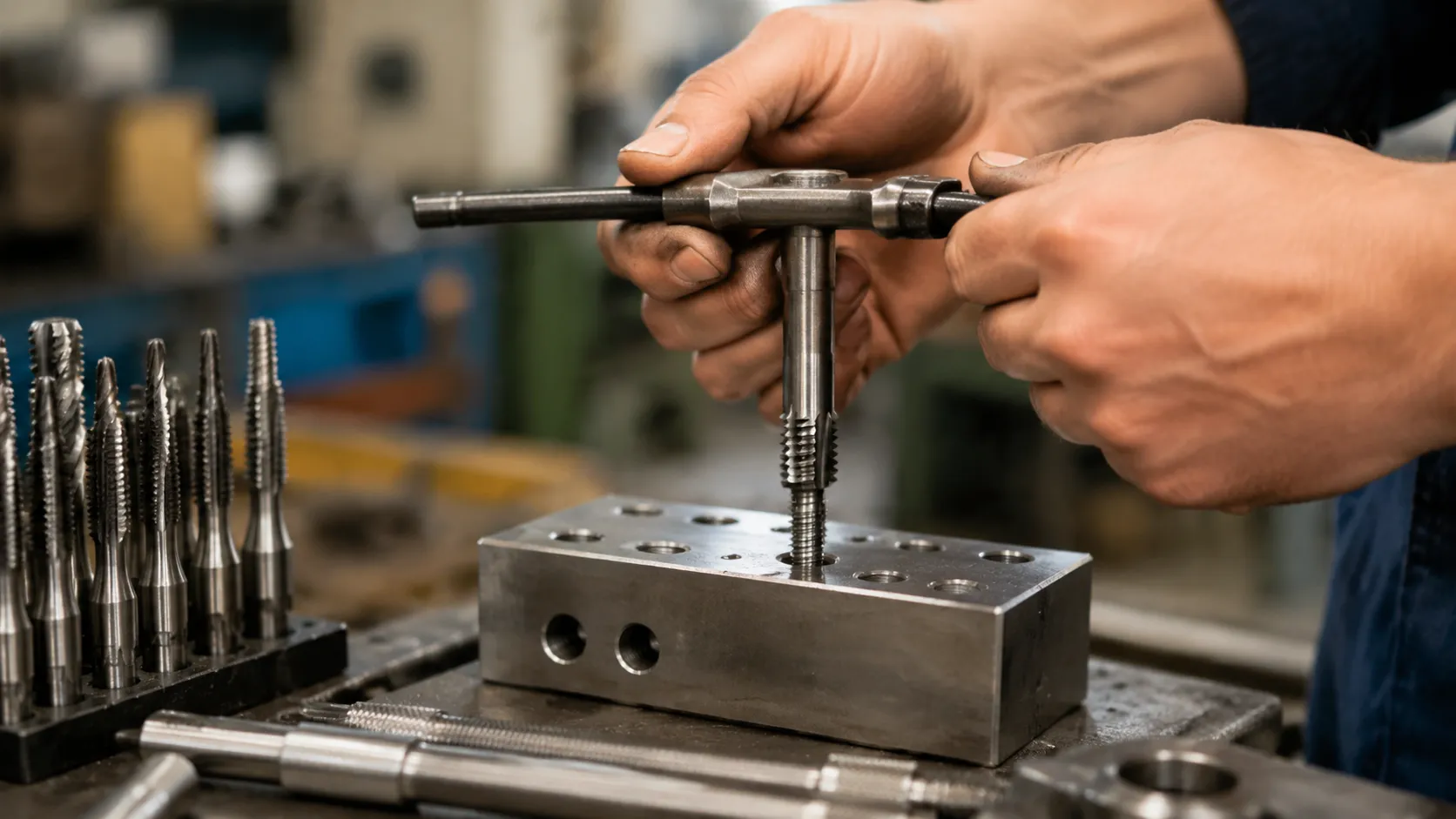
Tapping perfect threads comes down to technique and the right setup. If you want to keep your cut thread taps sharp and prevent costly tool breakage, we recommend focusing on three critical areas during your machining or hand threading operations.
Proper Lubrication and Tapping Fluid Selection
Never run a tap dry. The right cutting fluid reduces friction, cools the tool, and helps evacuate chips.
- Steel and Stainless Steel: Use a heavy-duty, sulfur-based cutting oil to handle the heat.
- Aluminum: Stick to a light local lubricant like kerosene or an aluminum-specific tapping fluid to prevent the soft metal from welding to the tap teeth.
- Cast Iron: Can be tapped dry, but a light blast of air or a specialized dry lubricant keeps the dust down.
Managing Chip Buildup and Clearing Strategies
Accumulated metal chips are the number one cause of ruined threads. When using thread cutting tools manually, always use the “turn and back off” method—turn the tap forward a half-turn, then reverse it a quarter-turn to snap the chip. For production runs on a CNC, ensure your fluid pressure is high enough to flush chips out of the hole, or use specific spiral geometries to pull chips upward automatically.
Avoiding Tap Breakage and Maintaining Alignment
A broken tap can ruin an entire workpiece. We use these standard shop rules to keep our tools intact and running straight:
| Problem | Root Cause | Solution |
|---|---|---|
| Crooked Threads | Poor initial alignment | Use a tap guide or a spring-loaded center to ensure the tap stays 100% perpendicular to the workpiece. |
| Binding/Sticking | Incorrect hole size | Always verify your drill size using a standard tap drill size chart before starting. |
| Sudden Snap | Bottoming out in a blind hole | Leave extra depth at the bottom of the hole, or switch to a bottoming tap to clear the final threads safely. |
FAQs About Cut Thread Taps
What is the difference between cut thread taps and roll form taps?
Cut thread taps shear away material to produce chips and carve out the thread shape. Roll form taps do not cut; they use pressure to displace and mold the metal into threads.
| Feature | Cut Thread Taps | Roll Form Taps |
|---|---|---|
| Action | Removes material (creates chips) | Displaces material (no chips) |
| Material Best For | Cast iron, plastics, hard steels | Aluminum, brass, ductile metals |
| Hole Size | Standard drill sizes | Requires precise, larger hole sizes |
Why do my cut taps keep breaking in stainless steel?
Stainless steel work-hardens rapidly. We see standard high speed steel HSS taps bind and snap because of heat buildup and poor chip evacuation.
To fix this: Switch to cobalt taps for stainless steel to handle the high heat. Use a heavy-duty cutting fluid for tapping stainless steel. Ensure your speed is low and your alignment is perfectly straight.
Can I use a cut thread tap for blind holes?
Yes, but you must use a spiral flute tap. Traditional hand threading tools or spiral point plug taps push chips forward, which pack tightly at the bottom of a blind hole and break the tool. Spiral flute cut thread taps act like a drill bit, pulling the chips up and out of the hole.
How do I know when a cut tap is worn out and needs replacement?
Monitor your machining closely. You need to replace your thread cutting tools when you notice these warning signs:
- Torn Threads: The finished threads look rough, ragged, or out of tolerance.
- Increased Torque: The machine or hand tool requires significantly more effort to turn.
- Visual Wear: The cutting edges show chipping, rounding, or discoloration from overheating.
- Squeaking Noises: The tap high-pitches or squeaks during the cut, signaling excessive friction.




 English
  German