

Does nickel plated steel rust Learn how corrosion resistance plating thickness and surface finish affect durability and protection.
Does Nickel Plated Steel Rust? The Short Answer
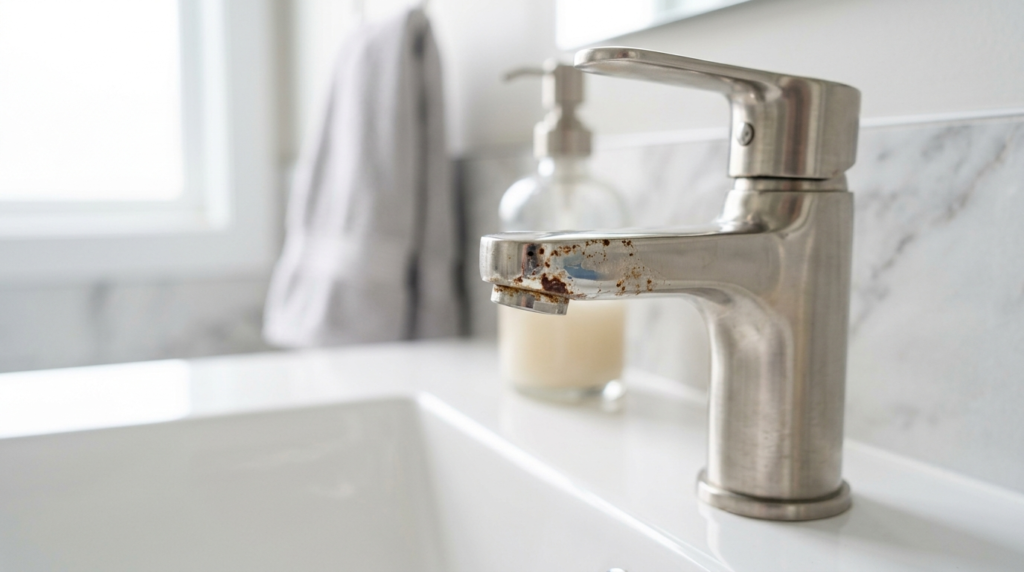
When clients ask me, “does nickel plated steel rust?” I give them a direct answer: Yes, it can rust, but typically only if the protective layer is compromised. As long as the nickel barrier remains fully intact, the steel underneath is safe from oxidation.
We utilize nickel plated steel because it delivers an exceptional balance of performance and cost. It essentially merges two distinct advantages into one highly functional material:
- The Strength of Steel: The carbon steel substrate provides the heavy-duty structural integrity, load-bearing capacity, and raw durability required for demanding applications.
- The Protection of Nickel: The outer layer acts as a protective metallic coating, sealing off the vulnerable iron core from moisture, oxygen, and corrosive elements.
The absolute key to its longevity is plating integrity. The surface finishing must be flawless. Nickel itself is highly resistant to corrosion, but it acts strictly as a barrier. If that barrier fails, the protection fails.
Here is why maintaining that pristine outer layer is critical:
- Microscopic Pores: Low-quality plating can leave microscopic holes, allowing moisture to seep through to the steel.
- Mechanical Damage: Deep scratches, dents, or heavy wear that penetrate the nickel will immediately expose the steel core.
- Base Metal Oxidation: Once moisture reaches the exposed steel, rust forms rapidly and can spread underneath the remaining nickel layer, causing the plating to flake and fail completely.
The Science of Protection: How Nickel Prevents Rust
To truly understand the conditions under which does nickel plated steel rust, I always look at the underlying science of the coating. The nickel layer functions primarily through the barrier effect. It acts as a strict physical shield that blocks moisture and oxygen from ever reaching the vulnerable carbon steel substrate. Without this protective metallic coating, exposure to the elements immediately triggers base metal oxidation.
Electrolytic vs. Electroless Nickel Plating
The method used for surface finishing heavily dictates the final corrosion resistance. In my manufacturing experience, the choice between electrolytic and electroless processes makes a massive difference in coverage quality.
- Electrolytic Plating: Uses an electrical current to deposit nickel. It works well but can leave thinner spots on complex geometries, creating potential corrosion gaps.
- Electroless Nickel Coating: Relies on an autocatalytic chemical reaction. It deposits a perfectly uniform layer across the entire part, regardless of shape.
Here is a quick breakdown of how the two compare:
| Plating Method | Coverage Uniformity | Rust Prevention Capability | Ideal Application |
|---|---|---|---|
| Electrolytic | Variable on complex shapes | Moderate | Decorative finishes, simple parts |
| Electroless | Highly uniform | Excellent | Precision parts, harsh environments |
The Role of Plating Thickness
When it comes to durability, plating thickness (microns) is the ultimate deciding factor. A thicker nickel layer provides a deeper, more robust barrier against the environment. If the plating is too thin, microscopic pores remain open, allowing moisture to bypass the nickel and attack the steel underneath.
For standard indoor environments, a few microns might suffice. However, for industrial applications facing high humidity or chemical exposure, specifying a thicker micron count is non-negotiable for long-term survival. In cases where achieving the necessary plating thickness is too costly or impractical for the environment, I often suggest exploring stainless steel investment casting as an alternative, since the solid alloy provides inherent rust resistance without relying on a surface coating.
Factors That Lead to Corrosion in Nickel Plated Steel
In our manufacturing experience, even with a solid protective metallic coating, customers frequently ask: does nickel plated steel rust under the wrong conditions? The reality is that it absolutely can. When the outer barrier is compromised, base metal oxidation is inevitable. Here are the primary culprits that cause this breakdown.
- Surface Scratches and Mechanical Damage: Nickel is tough, but it is not invincible. Deep scratches or heavy impacts can pierce the plating and expose the anodic carbon steel substrate underneath. Once moisture hits that raw steel core, rust spreads rapidly.
- Porosity in the Plating Layer: Not all plating jobs are flawless. Sometimes, electroplated steel develops microscopic holes during the finishing process. This porosity allows water and oxygen to bypass the nickel entirely, leading directly to pitting corrosion beneath the surface.
- Harsh Environments: Extreme conditions destroy protective layers. Coastal salt air, high humidity, and acidic industrial chemicals will eventually break down the finish. If a component cannot hold up during a standard salt spray test (ASTM B117), it will fail quickly in these aggressive real-world environments.
- Galvanic Corrosion: Mixing metals can be a costly mistake. When nickel touches dissimilar metals in a damp setting, it triggers an electrochemical reaction that eats away at the rust prevention layer. If your application requires mixing metals in wet environments, you may need to upgrade to inherently corrosion-resistant materials like titanium-aluminum alloys to bypass galvanic risks altogether.
Nickel Plated Steel vs. Stainless Steel
When deciding between materials for a project, the ultimate question often comes down to: does nickel plated steel rust faster than stainless steel? The short answer is yes, but the choice isn’t always that simple. We constantly weigh the pros and cons of a protective metallic coating against solid alloys to find the perfect fit for specific applications.
Cost-Benefit Analysis
Applying a nickel layer over a carbon steel substrate is highly cost-effective. You get the raw mechanical strength of steel combined with a solid rust prevention layer at a much lower price point than solid stainless. However, for extreme environments where deep scratches are inevitable, investing in solid alloys or exploring heat-resistant metals is the smarter long-term play to prevent total part failure.
Corrosion Resistance Comparison
When put through a standard salt spray test (ASTM B117), high-grade stainless steel generally outperforms nickel-plated steel. Stainless steel relies on a self-healing chromium oxide layer that runs through the entire material. With plated steel, the protection is strictly on the surface. Once that plating is scratched or breached, base metal oxidation begins immediately at the site of the damage.
Aesthetics and Conductivity
Nickel offers a warm, slightly yellowish decorative nickel finish that many manufacturers prefer over the cold, bluish-gray tone of stainless steel. More importantly, nickel-plated steel offers vastly superior electrical conductivity. This makes it the undisputed go-to choice for battery connector material, grounding points, and sensitive electronic components where stainless steel would simply cause too much resistance.
Quick Comparison
| Feature | Nickel Plated Steel | Stainless Steel |
|---|---|---|
| Initial Cost | Low | High |
| Corrosion Resistance | Good (Surface level only) | Excellent (Self-healing) |
| Electrical Conductivity | High | Low |
| Visual Finish | Warm, bright silver | Cool, duller silver |
| Durability against scratches | Low (Exposes bare steel) | High (Solid material) |
Choosing between the two comes down to balancing your budget, conductivity requirements, and the specific environmental risks your hardware will face in the field.
How to Extend the Life of Your Nickel Plated Components
To ensure your components remain rust-free, maintaining the integrity of the nickel layer is non-negotiable. While the plating provides a robust barrier, it is not invincible. We recommend a proactive approach to prevent base metal oxidation and keep the surface pristine.
Proper Cleaning and Maintenance
Never use abrasive pads or harsh chemicals like bleach or ammonia. These substances can micro-scratch the surface, creating microscopic pathways for moisture to reach the steel core. A soft microfiber cloth and pH-neutral soap are usually sufficient to maintain a decorative nickel finish.
Environmental Controls and Storage
Humidity is the primary catalyst for corrosion. If you are storing parts, especially those produced through a step-by-step metal sand casting process before they are plated, ensure the environment is climate-controlled. Using desiccant packs in storage containers can significantly delay the onset of pitting.
Post-Treatment Options
For parts exposed to tougher conditions, applying a high-quality wax or a specialized clear sealant adds an extra hydrophobic layer. This is a common practice for carbon steel investment casting components that require both high structural strength and enhanced surface protection against the elements.
| Maintenance Aspect | Best Practice | What to Avoid |
|---|---|---|
| Cleaning | Mild soap, soft microfiber cloth | Steel wool, bleach, ammonia |
| Storage | Low humidity, climate control | Damp environments, outdoor exposure |
| Protection | Wax or clear polymer sealants | Scratches, abrasive contact |
| Inspection | Regular checks for surface chips | Ignoring minor scratches |
By following these steps, you can significantly increase the durability of the protective metallic coating and ensure that your investment in nickel-plated hardware pays off over the long term. Proper care is the most effective way to answer “does nickel plated steel rust” with a definitive “not on my watch.”
Industry Applications: Where Reliability Matters
When clients ask us, “does nickel plated steel rust in real-world conditions?”, we always point to its track record in heavy-duty applications. We see this material used across a wide range of US industries where metal durability is non-negotiable. The goal is always the same: leverage that protective metallic coating to keep critical components functioning without breaking the budget.
Here is a breakdown of where this material truly shines:
- Electronics and Battery Terminals: In the tech and EV sectors, you need parts that conduct electricity efficiently while resisting base metal oxidation. Nickel plated steel is the go-to battery connector material because it perfectly balances high conductivity with reliable corrosion resistance, ensuring devices stay powered up safely.
- Automotive Trim: Car manufacturers rely on a decorative nickel finish for both interior and exterior functional parts. It provides a sleek, high-end look while acting as a physical shield against the elements. Just like we see when evaluating the strength of carbon steel castings in truck parts, automotive applications demand materials that can handle daily wear and tear without degrading.
- Industrial Fasteners: Bolts, nuts, and screws made from electroplated steel hold together everything from heavy machinery to commercial building frameworks. These fasteners face harsh climates, high humidity, and extreme temperature swings. The nickel plating provides the necessary surface finishing to prevent pitting corrosion and keep structures secure over the long haul.
FAQs About Nickel Plated Steel and Rust
How long does nickel plating last before rusting?
The lifespan heavily depends on the environment and the plating thickness (microns). In a dry, climate-controlled indoor setting, a high-quality protective metallic coating can last for decades without degrading. However, if the parts are used outdoors or exposed to high humidity, base metal oxidation can begin within a few years, especially if the plating is thin.
Can you fix rusted nickel plated steel?
Once the carbon steel substrate starts rusting, there is no quick permanent fix. Light surface rust can occasionally be polished off with fine steel wool and oil, but this means the rust prevention layer is already compromised. For a true repair, the piece must be completely stripped, cleaned of all rust, and re-plated.
Is nickel plated steel waterproof?
It is highly water-resistant, but not completely waterproof. As long as the surface finishing is intact and free of microscopic cracks, water cannot reach the steel core. However, if water is allowed to pool on the surface for extended periods, it can eventually lead to pitting corrosion that breaks through the nickel barrier.
Does salt water affect nickel plating?
Absolutely. Saltwater is incredibly harsh on electroplated steel. While nickel offers solid corrosion resistance, prolonged exposure to salt accelerates wear and tear. This is exactly why we use the salt spray test (ASTM B117) to evaluate metal durability for marine applications. If your project requires constant saltwater exposure, exploring solid corrosion-resistant alloys through specific casting processes is often a safer bet than relying on a plated finish.
 German
  English