

mold vs cast explained with precision molds and investment castings for custom tooling finished parts and reliable manufacturing solutions.
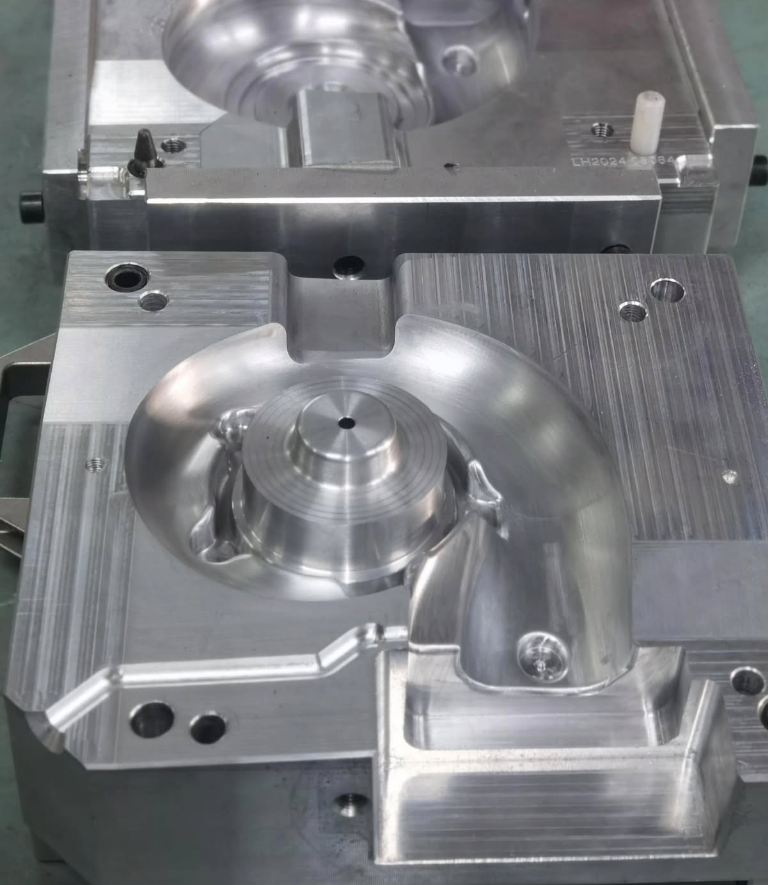
Mold vs Cast: Understanding the Core Difference
In industrial manufacturing, understanding the molding vs casting differences is fundamental to producing high-quality parts. The breakdown is straightforward: the mold is the master tool, and the cast is the finished product. At precisionvast, we engineer both to exact specifications to ensure your production run is flawless.
What is a Mold?
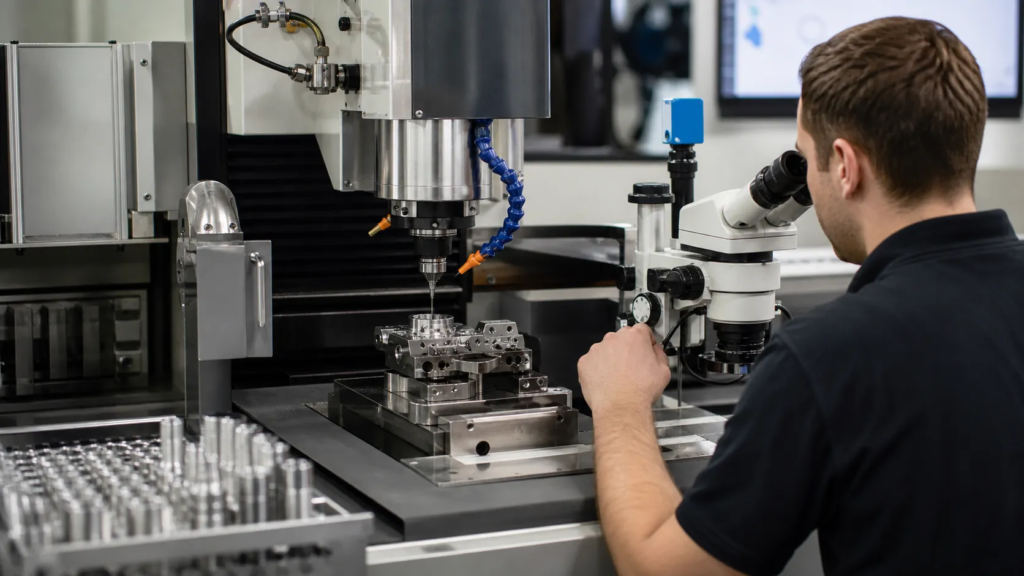
A mold is the precision tooling used to shape liquid or pliable raw material. It serves as the definitive tooling matrix and cavity. At precisionvast, our custom metal tooling design and engineering capabilities ensure every mold is built for exact replication. We design molds to withstand rigorous production cycles while holding incredibly tight dimensional tolerances.
What is a Cast?
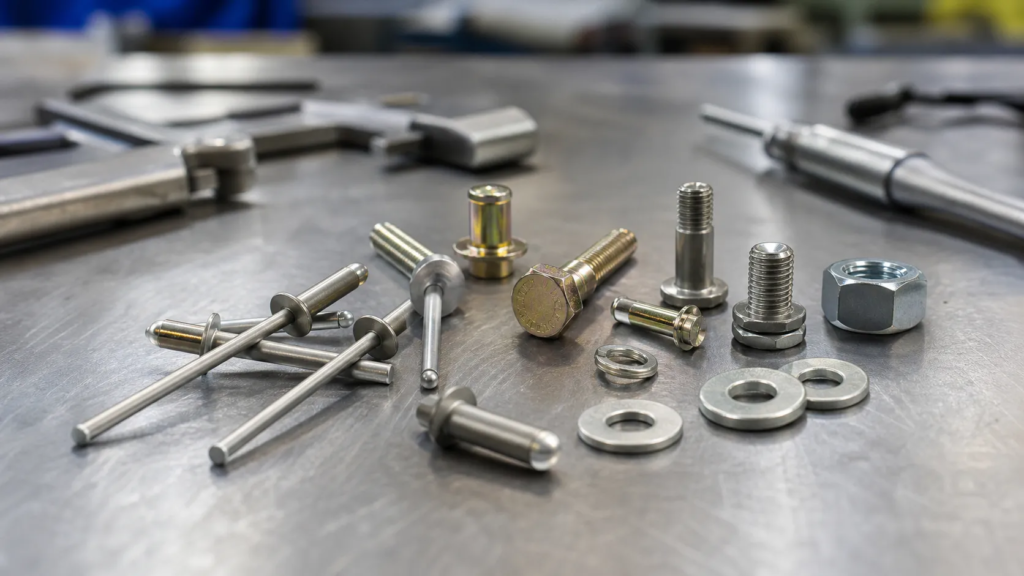
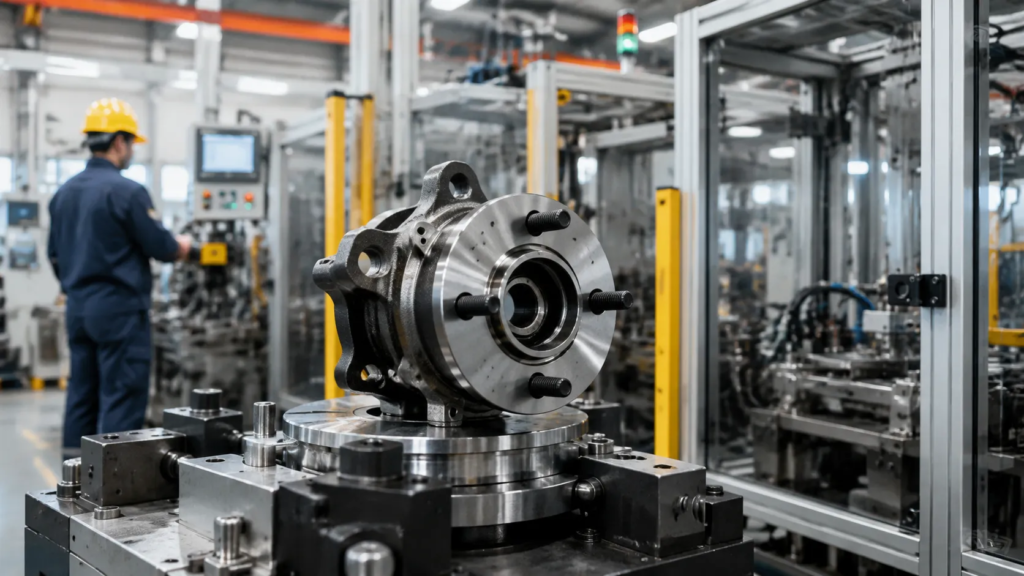
A cast is the final manufactured part, created by pouring molten material into the mold. Through our precision investment casting process, we produce high-tolerance cast components that meet stringent industry standards. Our output focuses on near-net-shape manufacturing, delivering parts that require minimal to zero secondary machining.
The Synergy: Tooling to Final Part
A superior mold directly dictates the quality, finish, and dimensional accuracy of the final cast. The relationship between custom mold fabrication and the resulting metal cast parts is absolute.
| Manufacturing Element | Mold Capability (The Tool) | Cast Result (The Final Part) |
|---|---|---|
| Dimensional Accuracy | CNC machined tooling matrix | High-tolerance, near-net-shape part |
| Surface Finish | Highly polished mold cavity | Exceptional Ra surface finish |
| Consistency | Engineered draft angles | Flawless, repeatable cast components |
By controlling the entire process from custom mold maker designs to foundry casting services, precisionvast guarantees that the initial tooling translates directly into superior, ready-to-use industrial casting solutions.
Precision Molds: Master Tooling by precisionvast
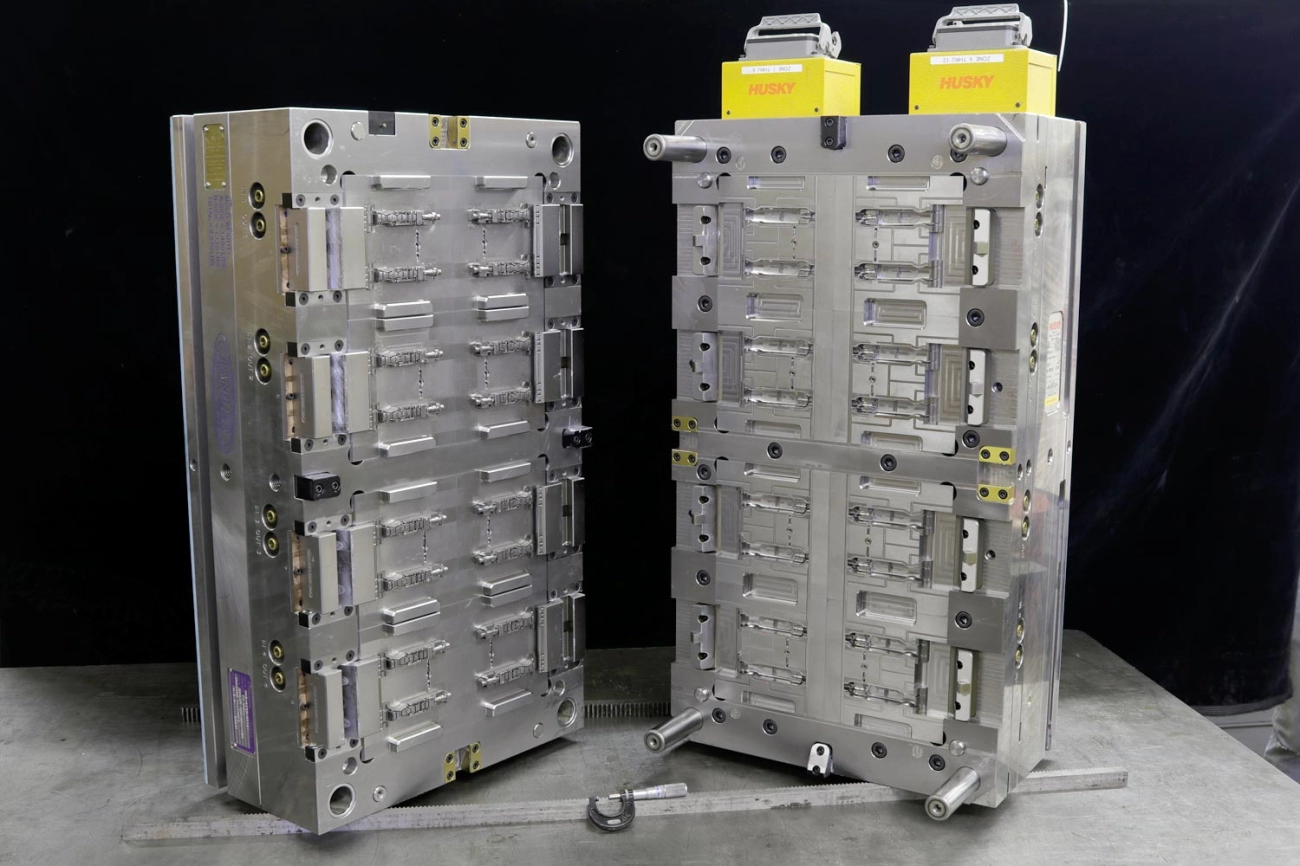
When evaluating the mold vs cast manufacturing process, the mold is the foundational matrix that dictates your final product’s success. At precisionvast, our custom mold fabrication services deliver the exact tooling cavity required for high-volume, flawless production runs.
Custom Metal Tooling Features
We build industrial casting solutions that last. Here is a quick breakdown of what our master tooling brings to your production line:
| Feature | Specification Details |
|---|---|
| Material Options | High-grade tool steel (H13, P20) and aircraft-grade aluminum. |
| CNC Precision | Machined to exact tight tolerances for near-net-shape manufacturing. |
| Expected Lifecycle | High durability rated for hundreds of thousands of shots or pours. |
| Output Quality | Eliminates the need for heavy secondary machining on cast parts. |
Built for Long-Term Partnerships
Our custom mold maker capabilities are directly tailored for US manufacturers who demand reliable, proprietary tooling. This service is ideal if you are setting up for in-house production or looking for a trusted partner to handle continuous foundry casting services.
A perfectly engineered mold ensures that your final output, whether it is standard components or specialized carbon steel casting products, hits the exact dimensional specifications every single time. We focus on giving you the durable die casting tooling you need to keep your assembly lines moving efficiently.
Precision Investment Castings: Ready-to-Use Components
When navigating the mold vs cast manufacturing cycle, the final cast component is the ultimate goal. At precisionvast, our foundry casting services focus on delivering high-tolerance parts that are ready for your assembly line right out of the gate. We utilize a highly refined lost wax casting process to deliver precision investment casting solutions tailored specifically for the rigorous demands of the US market.
Key Features of Our Cast Components
Our precision casting production is designed to eliminate extra steps, reduce waste, and protect your bottom line:
- Complex Geometries: We achieve intricate details and extremely thin walls without the need for expensive secondary machining.
- Exceptional Surface Finish: Expect superior Ra values straight from the tooling matrix and cavity, drastically reducing your polishing and finishing time.
- Material Versatility: We pour a massive variety of alloys. Whether you need standard 304/316 stainless steel, titanium, or specialized heat-resistant metals built for high-stress environments, we have you covered. We also handle high-volume aluminum casting for lightweight structural applications.
Ideal For Near-Net-Shape Manufacturing
Our industrial casting solutions are engineered for businesses that need to scale efficiently without compromising on precision.
| Client Need | The precisionvast Advantage |
|---|---|
| Ready-to-Assemble Parts | Finished metal cast parts ship directly to your facility, bypassing extra machine shops. |
| Near-Net-Shape Manufacturing | We deliver components so close to their final dimensions that raw material waste is practically zero. |
| Complex Assemblies | Easily consolidate multiple fabricated or welded pieces into single, highly durable cast components. |
The precisionvast Manufacturing Process
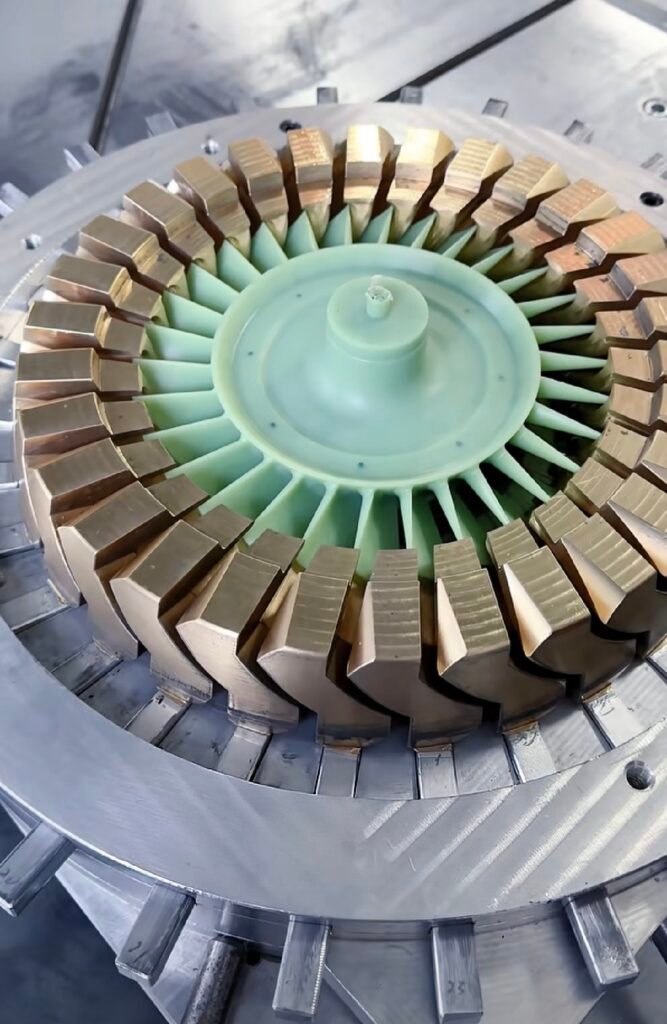
To truly grasp the mold vs cast dynamic, you need to see our precisionvast casting production in action. We rely on the proven lost wax casting process to transform raw materials into reliable, near-net-shape manufacturing solutions. Here is exactly how our foundry casting services take your project from a digital concept to a physical reality.
Step-by-Step Casting Production
- Step 1: 3D CAD & Tooling Design (The Mold)
We start by engineering custom metal tooling based on your exact specifications. Our team designs a precise tooling matrix and cavity, ensuring the permanent precision mold is built to capture every required dimension and detail. - Step 2: Wax Pattern Creation
Using the completed mold fabrication, we inject specialized industrial wax to create a perfect, scaled replica of your final part. This wax pattern serves as the fundamental blueprint for our investmentcasting operations. - Step 3: Shell Building (The Ceramic Mold)
We repeatedly dip the wax pattern into a liquid ceramic slurry and coat it with fine sand to build a hardened outer shell. Once the wax is melted and drained away, this ceramic shell becomes a temporary, heat-resistant mold. - Step 4: Pouring the Metal (The Casting)
This is the core phase of producing metal cast parts. We pour molten metal directly into the pre-heated ceramic shell. As the liquid metal cools and solidifies inside the cavity, it forms durable cast components ideal for rigorous applications like high-stress machinery parts. - Step 5: Finishing & Quality Control
We break away the ceramic shell to expose the raw casting. Our team then cleans, gates, and refines the product. Whether we are grinding to hit strict dimensional tolerances or applying a specialized brush finish for stainless steel castings, every single component undergoes rigorous inspection before it ever leaves our facility.
Technical Specifications & Material Capabilities
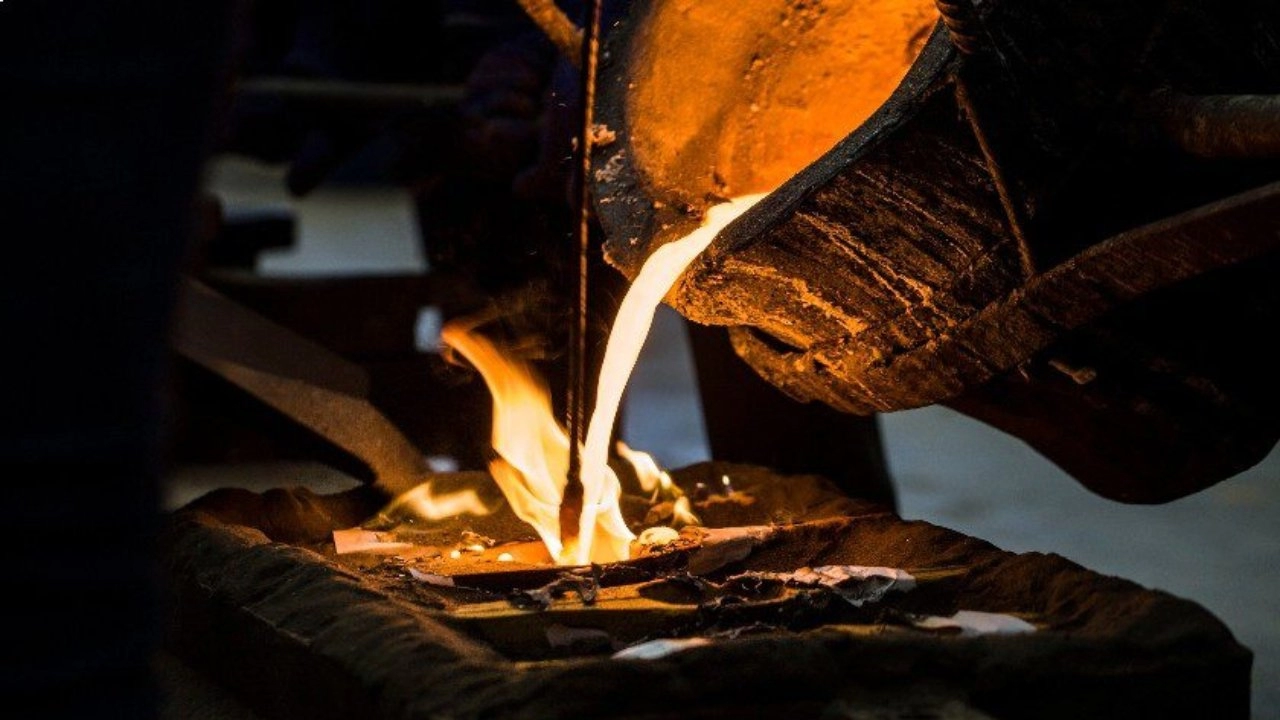
To truly understand the mold vs cast dynamic, you have to look at what goes into making them. At precisionvast, our industrial casting solutions rely on top-tier metals for both the tooling matrix and cavity and the final cast components. Here is exactly what we use to deliver reliable near-net-shape manufacturing results.
Mold Fabrication Materials
As an experienced custom mold maker, we select our tooling materials based on your expected production volume and durability needs. A durable precision mold is the foundation of a great cast.
| Tooling Material | Best For | Key Characteristics |
|---|---|---|
| H13 Tool Steel | High-volume die casting tooling | Excellent heat resistance, massive shot lifespan |
| P20 Steel | Standard custom metal tooling | High toughness, holds tight dimensions well |
| Aluminum 7075 | Prototyping and short production runs | Fast cooling, highly cost-effective |
Precision Investment Casting Materials
The metal poured into the mold dictates the performance of your final product. We offer a vast selection of metals for our foundry casting services to match your exact structural requirements.
| Casting Material | Common Applications | Key Benefits |
|---|---|---|
| 304 / 316 Stainless Steel | Medical devices, marine parts | Superior corrosion resistance, high strength |
| Carbon Steel | Heavy industrial cast components | High durability, exceptional wear resistance |
| Specialized Alloys | Aerospace and energy sectors | Ideal for extreme heat and high stress |
If your project involves extreme thermal environments, knowing exactly what materials are used in high-temperature casting ensures your metal cast parts will perform flawlessly. We also utilize specialized casting heat treatment processes to further enhance the mechanical properties of these advanced alloys.
Dimensional Tolerances
Precision is non-negotiable in our shop. Our precisionvast casting production strictly adheres to global ISO standards. Whether we are executing the lost wax casting process or standard investmentcasting, we maintain tight tolerances so your parts fit perfectly right off the line.
- Linear Tolerances: ISO 8062 standards (Grade CT4 to CT6).
- Surface Finish: Exceptional Ra 1.6 to 3.2 μm, significantly reducing the need for secondary machining.
- Angular Tolerances: ±0.5 degrees for complex geometries and intricate features.
Industries Relying on Our Mold vs Cast Solutions
Understanding the exact requirements of a mold vs cast project is essential when producing high-stakes parts. At precisionvast, we leverage precision investment casting and advanced mold fabrication to deliver reliable metal cast parts across the most demanding sectors in the United States. Here is a look at the key industries we support:
- Aerospace & Defense: We manufacture high-strength, lightweight cast components that meet strict flight and military standards. Utilizing the die casting aluminum process allows us to create complex, weight-saving structural parts without sacrificing rugged durability.
- Medical Devices: The medical field requires absolute perfection. We work with biocompatible materials and maintain stringent mold tolerances to ensure our custom metal tooling yields flawless, sanitary instruments and implants.
- Automotive: Modern vehicles rely on complex engine blocks and intricate structural supports. Our foundry casting services deliver near-net-shape manufacturing for high-volume automotive runs, ensuring exact dimensional accuracy from the first shot to the final assembly.
- Energy & Oil: Harsh drilling and refining environments demand extreme corrosion resistance. We supply heavy-duty industrial casting solutions built to last. Whether you need specialized pump housings or are looking for a reliable OEM carbon steel casting parts supplier, we engineer components capable of handling the most punishing oil and gas applications.
Why Partner with precisionvast for Tooling and Casting?
When navigating the complexities of the mold vs cast manufacturing process, working with a single, reliable partner makes all the difference. At precisionvast, we bridge the gap between custom mold fabrication and the delivery of ready-to-use cast components.
Industrial Casting Solutions Under One Roof
- End-to-End Manufacturing: We handle the entire lifecycle. From the initial 3D design and custom metal tooling to high-volume foundry casting services and final inspection, we streamline your supply chain by keeping everything in-house.
- Uncompromising Quality Assurance: We back our precision investment casting with strict ISO certifications. Our rigorous material testing protocols feature advanced CMM inspections and NDT (Non-Destructive Testing) to guarantee every single part meets your exact specifications.
- Maximum Cost Efficiency: Smart engineering saves you money. Our optimized tooling matrix and cavity designs drastically reduce material waste during the pouring phase, keeping your precisionvast casting production lean, affordable, and highly profitable.
Frequently Asked Questions (FAQ)
Do I need to pay for the mold if I only want cast parts?
Yes. The mold is the essential custom tooling required to shape your specific part. Even if your ultimate goal is strictly to receive the final cast components, engineering that initial tooling matrix and cavity is a mandatory first step in precision investment casting.
Who owns the mold after the casting run is complete?
You do. Once you pay for the custom mold fabrication, the tooling belongs entirely to you. We securely store and maintain your molds at our facility for your future runs, guaranteeing consistent, high-quality precisionvast casting production whenever you need a restock.
What is the difference between investment casting and die casting?
The main molding vs casting differences between these two methods come down to the process mechanics and tooling lifecycle.
- The lost wax casting process (investment casting) uses expendable wax patterns and ceramic molds, making it perfect for complex, near-net-shape manufacturing of high-temp metals.
- Die casting tooling involves injecting molten metal into reusable steel molds under high pressure, which is generally better for high-volume runs of lower-melting-point alloys.
If you are exploring material durability for your next project, understanding how precision casting improves the quality of carbon steel parts can help you make the right choice.
How long does it take to produce a mold vs. producing a cast?
Manufacturing the custom metal tooling (the mold) typically takes 2 to 4 weeks, depending on the complexity of your design. Once the mold is finalized and approved, producing the actual metal cast parts is a much faster operation. Our standard foundry casting services can pour and finish your cast components in just a few days to a couple of weeks per production batch.

 German
  English