

Precision equipment for industrial repair custom manufacturing and reliable performance that reduces downtime
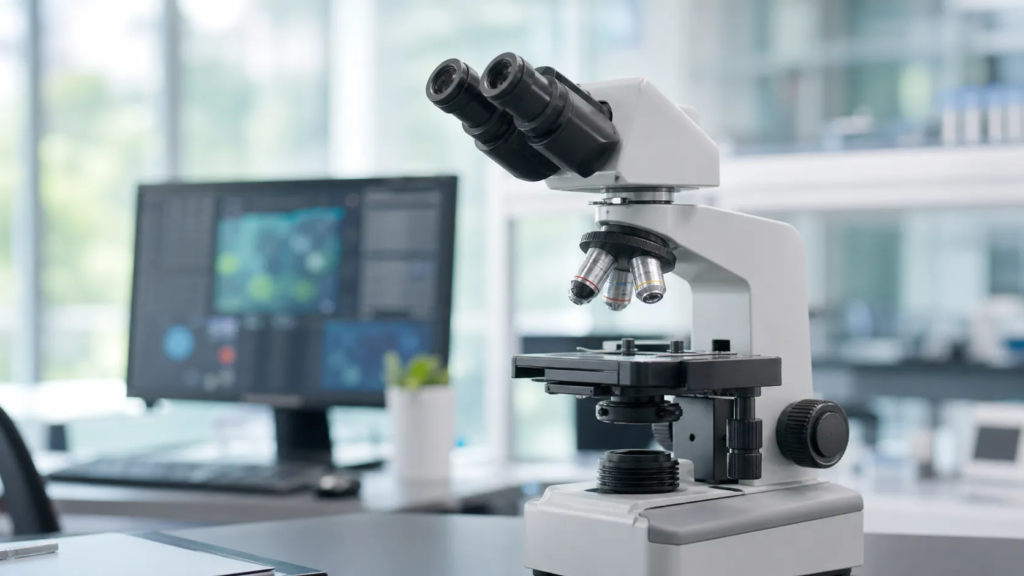
What is Precision Equipment?
When we talk about precision equipment, we are referring to highly specialized machinery, instruments, and high-precision tools designed to perform tasks or take measurements with a near-zero margin of error. Unlike standard industrial machinery, these systems rely on advanced core mechanics—such as closed-loop feedback systems, sub-micron physical layout tolerances, and ultra-sensitive digital encoders—to ensure identical, repeatable results under rigorous conditions. We design these tools to eliminate variables that human hands or standard hardware simply cannot control.
Key Industries Relying on High-Precision Tools
In our work across various advanced sectors, we see firsthand that precision manufacturing isn’t just an advantage—it is a baseline requirement. Several major US industries depend entirely on these systems to maintain safety, regulatory compliance, and product integrity:
- Aerospace & Defense: Creating turbine blades and structural components that must withstand extreme stress without a single micrometer of deviation.
- Semiconductor Manufacturing: Fabricating microchips where circuit pathways are measured on a nanometer scale.
- Medical & Pharmaceuticals: Producing surgical instruments, implants, and diagnostic systems where a microscopic flaw can impact patient outcomes.
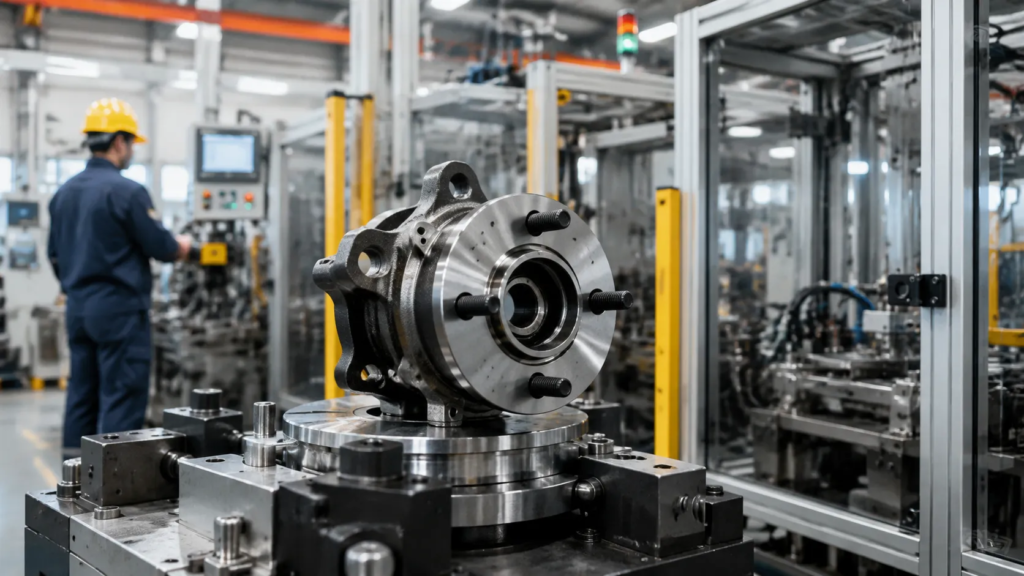
- Automotive Engineering: Developing electric vehicle powertrains and autonomous sensor arrays that require perfect geometric alignment.
Why Precision Matters Over Standard Equipment
Choosing standard machinery over dedicated industrial measurement systems and high-precision tools is a risk that modern operations cannot afford. The differences come down to long-term reliability, waste reduction, and extreme tolerance management.
| Feature / Benefit | Standard Equipment | Precision Equipment |
|---|---|---|
| Tolerance Limits | Measured in tenths of an inch or millimeters | Measured in microns or nanometers |
| Material Waste | Higher due to human error and tool deflection | Minimal; optimized by automated feedback loops |
| Long-Term Stability | Prone to drift; requires frequent structural adjustments | Built with low-expansion materials to resist environmental changes |
| Operational Lifespan | Faster degradation under tight repetitive cycles | Engineered for continuous, ultra-consistent duty cycles |
By investing in true precision equipment, we eliminate the guesswork that leads to scrapped batches, field failures, and costly downtime. It bridges the gap between a design that works on paper and a product that performs flawlessly in the real world.
Main Types of Precision Equipment
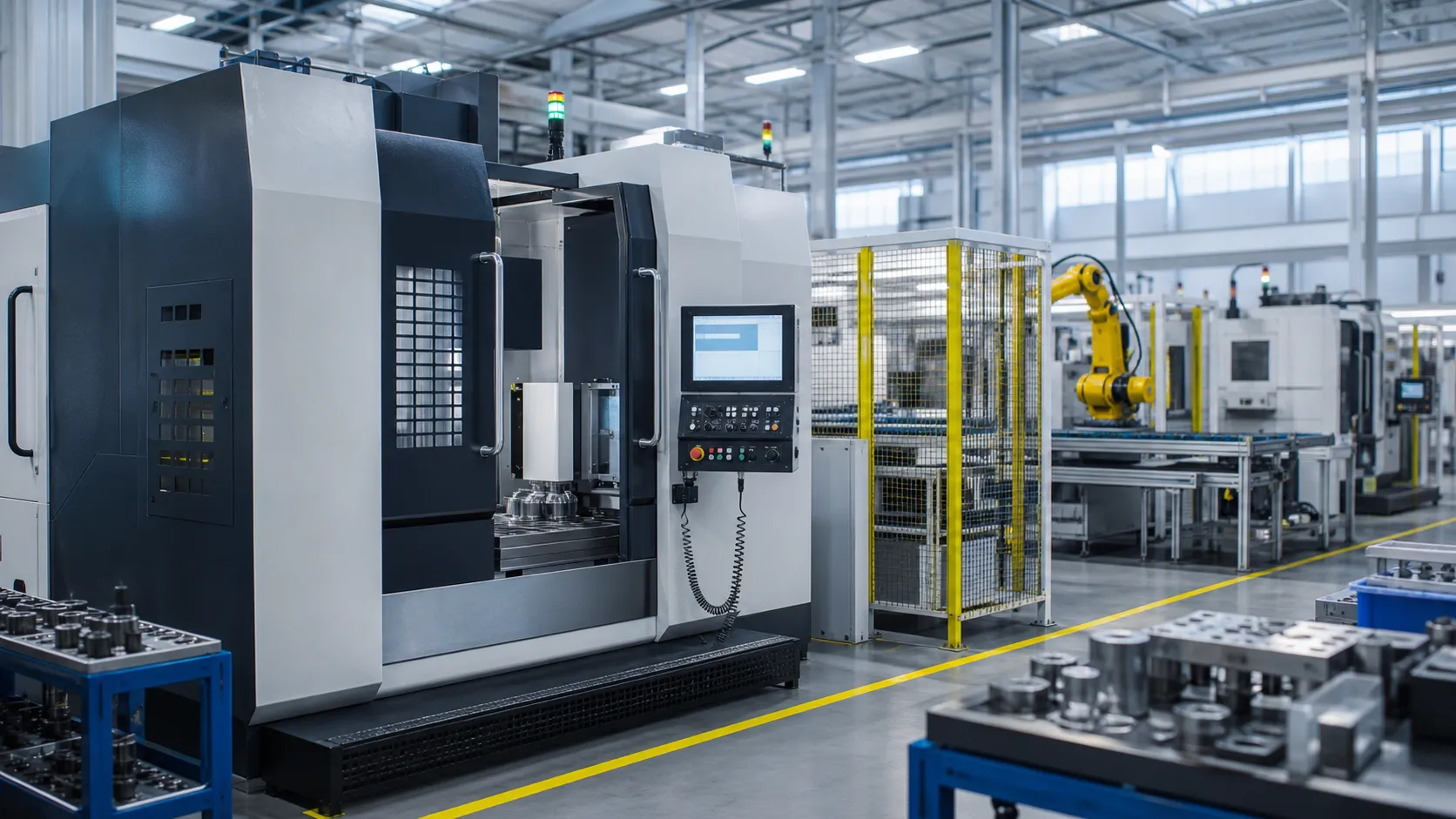
When we build or source high-precision tools for our operations, we categorize them based on their specific roles in automated manufacturing, inspection, and development. Here is a breakdown of the core precision equipment we rely on daily.
CNC Machinery and Automated Manufacturing
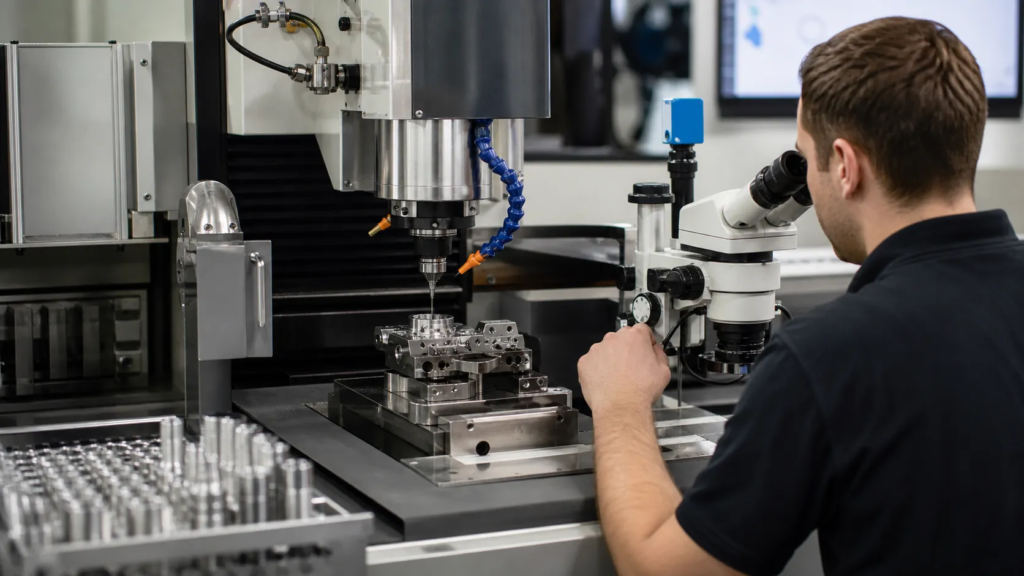
Advanced CNC machining tolerance levels require equipment that can cut, mill, and shape materials down to microscopic variances. We utilize automated machining centers that repeat complex geometries consistently without drifting.
Optical and Laser Measurement Systems
For quality control, standard physical gauges aren’t enough. We use industrial measurement systems like optical inspection equipment and laser scanners to map surfaces and verify dimensions instantly. These metrology instruments catch microscopic flaws before products leave the floor.
Laboratory and Medical Diagnostic Devices
In medical and lab settings, precision equipment translates directly to safety and accuracy. This includes automated chemistry analyzers, high-resolution microscopes, and fluid handling systems that require exact, repeatable dosing.
Semiconductor Fabrication Tools
The most extreme tolerances exist in microelectronics. Lithography and etching systems must place features accurately at the nanometer scale. For specialized setups, integrating custom components from trusted suppliers like PrecisionVast ensures these delicate fabrication lines maintain stable throughput without calibration failures.
Selecting Quality Precision Equipment
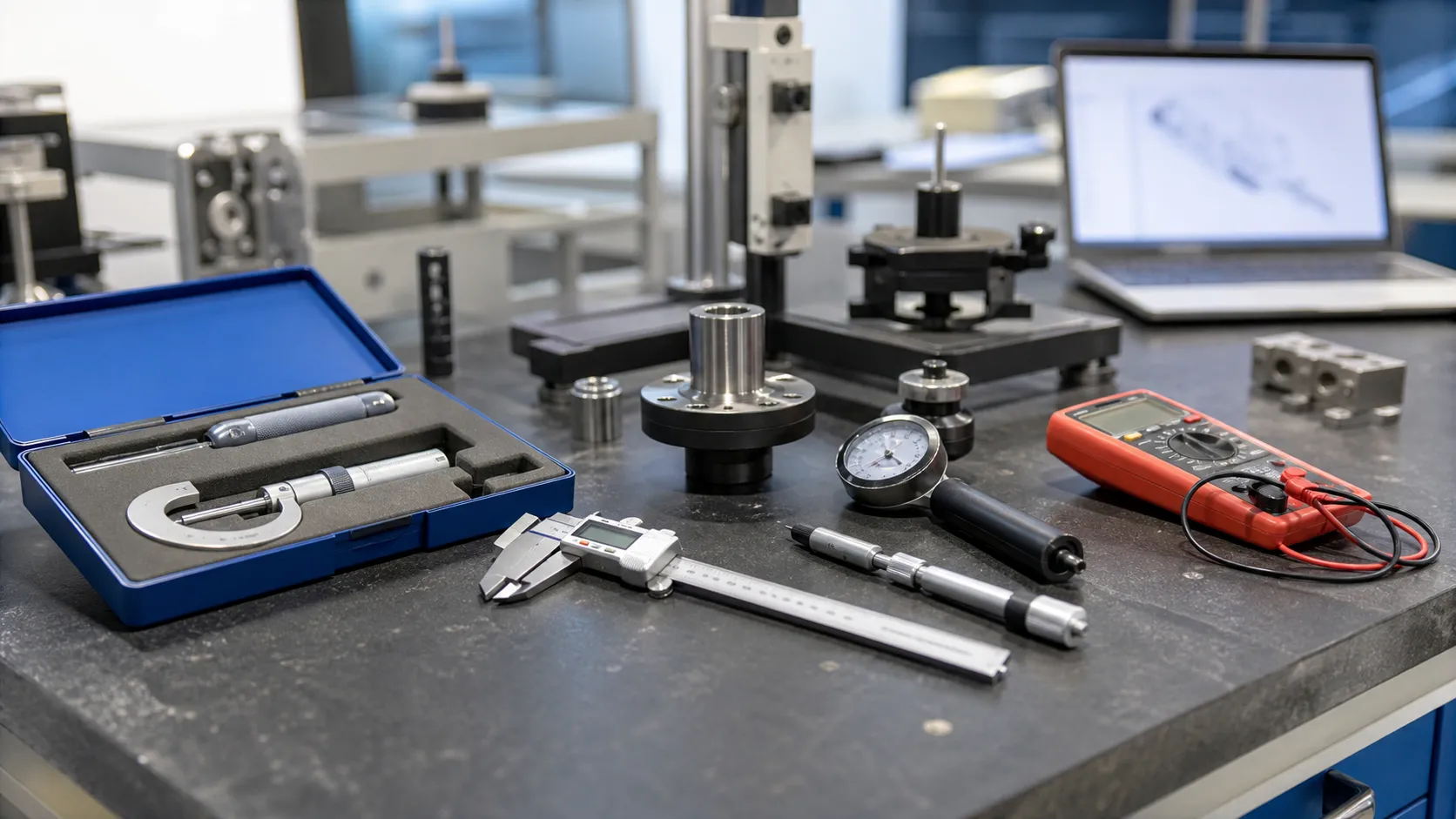
When I evaluate precision equipment for my operations, I prioritize specs that directly impact output quality. You need tools that aren’t just accurate today, but remain reliable under heavy, long-term use.
Essential Buying Checklist
- Accuracy and Tolerance: Always define the required CNC machining tolerance for your specific projects. Don’t pay for “over-spec” machines if your output doesn’t require sub-micron precision.
- Calibration Stability: Look for hardware designed to resist drift. High-end metrology instruments should maintain their settings even during extended shifts.
- Build Quality: Material choice matters. Sturdy, vibration-dampened frames are non-negotiable for maintaining consistency.
- Software Integration: Modern calibration software should be intuitive. If your team can’t easily integrate the device with your existing workflow, the tech becomes a bottleneck rather than an asset.
Comparison of Key Features
| Feature | What to Look For | Why It Matters |
|---|---|---|
| Accuracy | Tight, verified tolerances | Minimizes scrap and rework |
| Stability | Low thermal expansion materials | Consistent results over long runs |
| Durability | Industrial-grade components | Long machine lifespan |
| Software | Open API or user-friendly interface | Streamlines data collection |
Focusing on these core pillars ensures that your investment in high-precision tools translates into real-world efficiency rather than expensive desk weight. Always prioritize long-term support and ease of calibration over the lowest initial price tag.
Common Challenges and Solutions with Precision Equipment
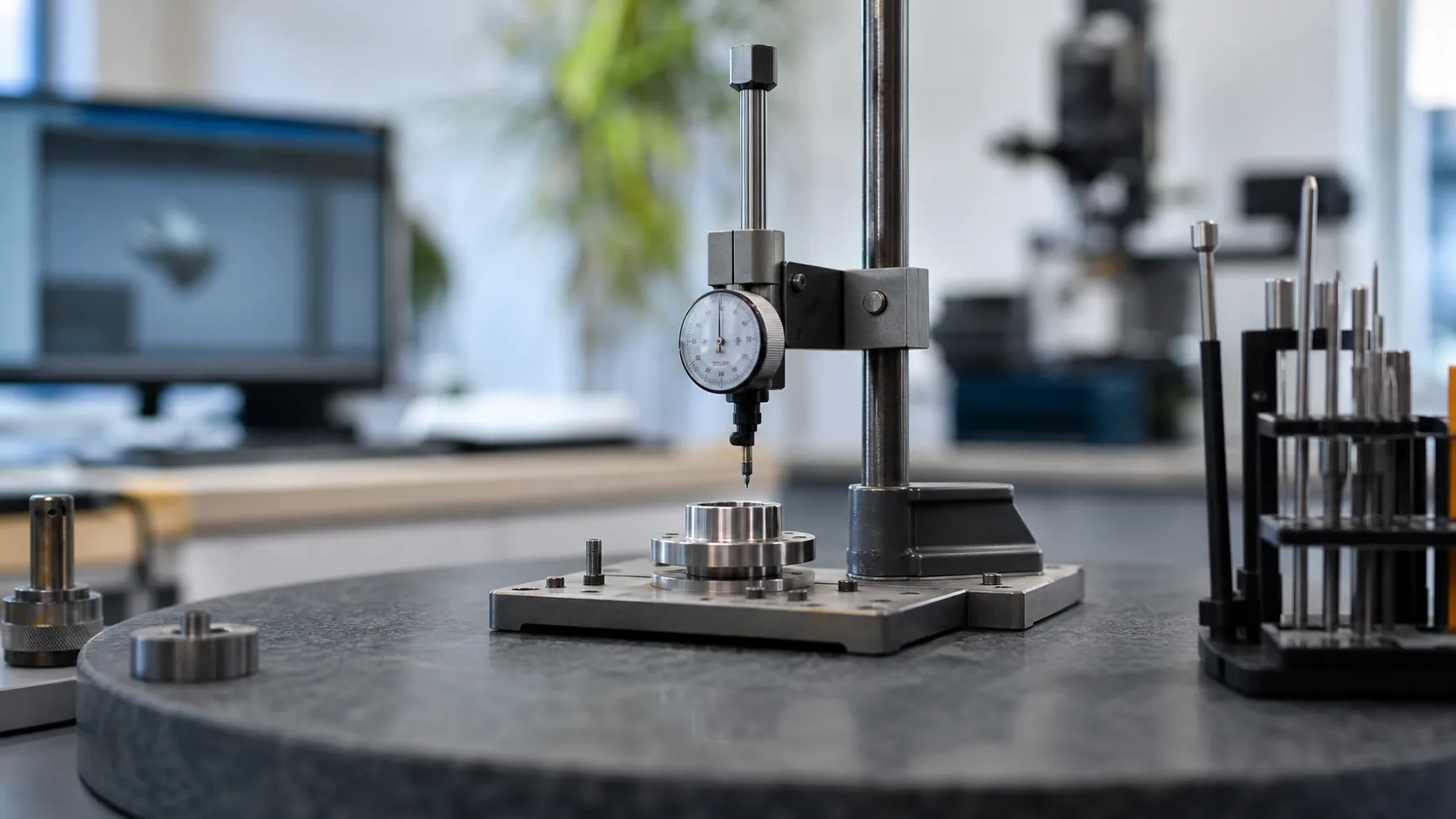
Keeping precision equipment running at peak performance means fighting constant environmental factors. In high-stakes precision manufacturing, even tiny disruptions can throw off your CNC machining tolerance or ruin a batch of parts. We focus on controlling the workspace to keep your industrial measurement systems completely accurate.
Preventing Thermal Expansion Errors
Temperature changes cause materials to expand or contract, which destroys tight tolerances. To stop thermal drift, we use two main strategies: Climate Control: Maintain a strict, climate-controlled facility with temperature fluctuations held within ± 1 °C (± 2 °F). Material Choice: We build our high-end metrology instruments using Invar or specialized ceramics that resist expanding when temperatures shift.
Dealing with Vibration and Environmental Noise
Floor vibrations from nearby traffic, forklifts, or heavy machinery will distort measurements on optical inspection equipment. We isolate our tools using a layered defense system:
| Source of Noise | Impact on Equipment | Solution |
|---|---|---|
| Floor Vibrations | Blurs optical views, shifts physical calibration | Active air isolation tables or heavy concrete foundation pads |
| Acoustic Noise | Vibrates delicate internal sensors | Sound-dampening enclosures and acoustic panels |
| Electrical Interference | Creates data spikes and tracking errors | Dedicated grounding lines and shielded data cables |
Routine Maintenance and Calibration Schedules
You cannot just set up high-precision tools and forget them. Regular wear changes how a machine responds over time.
We protect our investments by using automated calibration software that tracks tool usage and schedules tune-ups before errors happen. For standard production environments, we recommend a complete recalibration every six months, while critical diagnostic or cleanroom tools get checked monthly to guarantee continuous accuracy.
FAQs About Precision Equipment
What is the difference between accuracy and precision?
People often mix these two up, but they mean very different things in high-precision tools and precision manufacturing.
- Accuracy is how close a measurement is to the true, target value.
- Precision is how consistently you can repeat that exact same measurement, even if it is off-target.
| Scenario | Accuracy | Precision | Result |
|---|---|---|---|
| Ideal Setup | High | High | Hits the exact target consistently. |
| Calibration Issue | Low | High | Misses the target but hits the same wrong spot every time. |
| Unstable Machinery | High | Low | Scattered results that average out near the target. |
How often should precision machinery be calibrated?
There is no one-size-fits-all schedule, but we generally recommend calibrating your industrial measurement systems and metrology instruments every 6 to 12 months. However, you need to adjust this frequency based on a few critical factors:
- Production volume: Heavy, 24/7 usage requires more frequent check-ups.
- Environmental changes: Severe temperature swings or constant shop-floor vibrations degrade CNC machining tolerance quickly.
- Regulatory standards: Medical, aerospace, and semiconductor fabrication tools often require strict, scheduled calibration software logging to maintain compliance.
Why is precision equipment so expensive?
When you invest in precision equipment, you are not just buying hardware; you are buying guaranteed certainty and specialized engineering. The high cost comes down to three main factors:
- Ultra-tight tolerances: Engineering components that align perfectly down to the micron requires specialized, slow, and expensive manufacturing processes.
- Premium materials: We use specialized alloys, carbon fiber, and optical inspection equipment glass that resist thermal expansion and wear over time.
- R&D and software integration: Developing the calibration software and advanced sensors that keep these machines stable takes massive upfront investment and rigorous testing.
 German
  English