

Discover what cast iron is and why precisionvast cookware offers superior heat retention durability and natural nonstick performance.
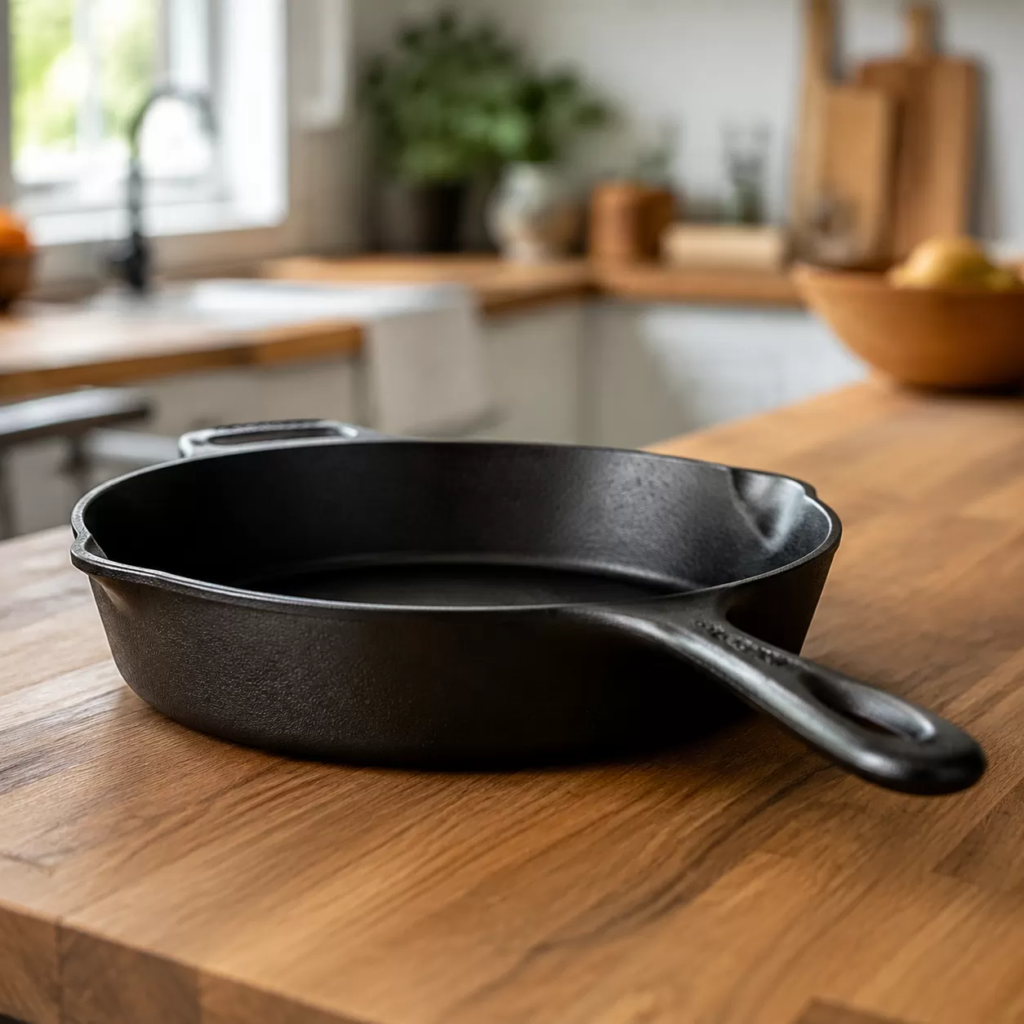
Cast Iron: What Is It?
When you ask yourself about cast iron, what is the secret behind its legendary status in the kitchen? The answer lies in the perfect marriage of raw science and deliberate engineering. At precisionvast, we don’t just melt metal; we craft an indestructible culinary foundation.
Material Composition
The true strength of our heavy-duty iron cookware comes down to a precise molecular blueprint. Unlike flimsy stamped aluminum or standard steel, our proprietary iron-carbon alloy contains greater than 2% carbon. This exact ratio is critical. It creates a dense, tight molecular matrix that gives each piece its characteristic heft, immense structural integrity, and a natural resistance to warping under extreme conditions.
The Molten Casting Process
Every single piece of precisionvast cookware begins its life in a fiery crucible. We utilize a premium molten iron casting method, heating our alloy to temperatures exceeding 2200°F (1200°C) before pouring it into custom sand molds.
- Zero Weak Points: Liquid metal flows flawlessly to eliminate internal air pockets.
- Single-Piece Integrity: The entire body and handle are cast as one solid unit.
- Flawless Finish: This intense heat ensures maximum structural density and lifetime durability.
Thermal Mass Dynamics
The physical weight of our traditional black iron pan isn’t just for show—it is a functional energy reservoir. This is the science of high thermal mass. When a heavy skillet retains heat, it creates an unbreakable thermal barrier.
- No Temperature Drops: Dropping a cold, thick-cut steak onto the surface won’t chill the pan.
- Consistent Searing: Continuous, intense heat transfer locks in juices instantly.
- Energy Efficiency: Once hot, it requires minimal stovetop energy to maintain peak cooking temperatures.
Premium Features & Product Engineering
When we engineered our cast iron lineup, we focused on fixing the everyday hassles home cooks face. We took the traditional weight of heavy-duty iron cookware and paired it with smart design choices that make a massive difference on the stovetop.
Advanced Surface Options
We offer two distinct finishes to match your specific cooking style:
- The Classic Raw Line: This pre-seasoned cast iron skillet option comes ready out of the box. We baked on multiple layers of 100% organic flaxseed oil at high heat, building a natural, non-stick seasoned skillet surface without any synthetic chemicals.
- The Signature Enameled Line: Features a double-baked vitreous porcelain enamel coating. This smooth finish completely resists acidic corrosion, meaning you can simmer tomato sauces and wine reductions for hours without stripping your pan’s finish. It brings a new level of durability, similar to how innovations in properties of high-temperature alloys have changed modern industrial standards.
Ergonomic Design Elements
Great cookware shouldn’t feel clumsy. We optimized the balance and handling of every piece we make.
| Feature | Engineering Benefit |
|---|---|
| Extended Stick Handles | Precision-balanced length that disperses heat away from the hand grip, keeping it cooler for longer. |
| Dual-Sided Pour Spouts | Integrated spouts designed for clean, dripless pouring of fats, gravies, and sauce reductions. |
| Ergonomic Helper Handles | Reinforced structural helper handle pan additions to ensure safe, stable, double-handed lifting from stovetop to oven. |
Performance Benefits of Cast Iron: What is the Cooking Advantage?
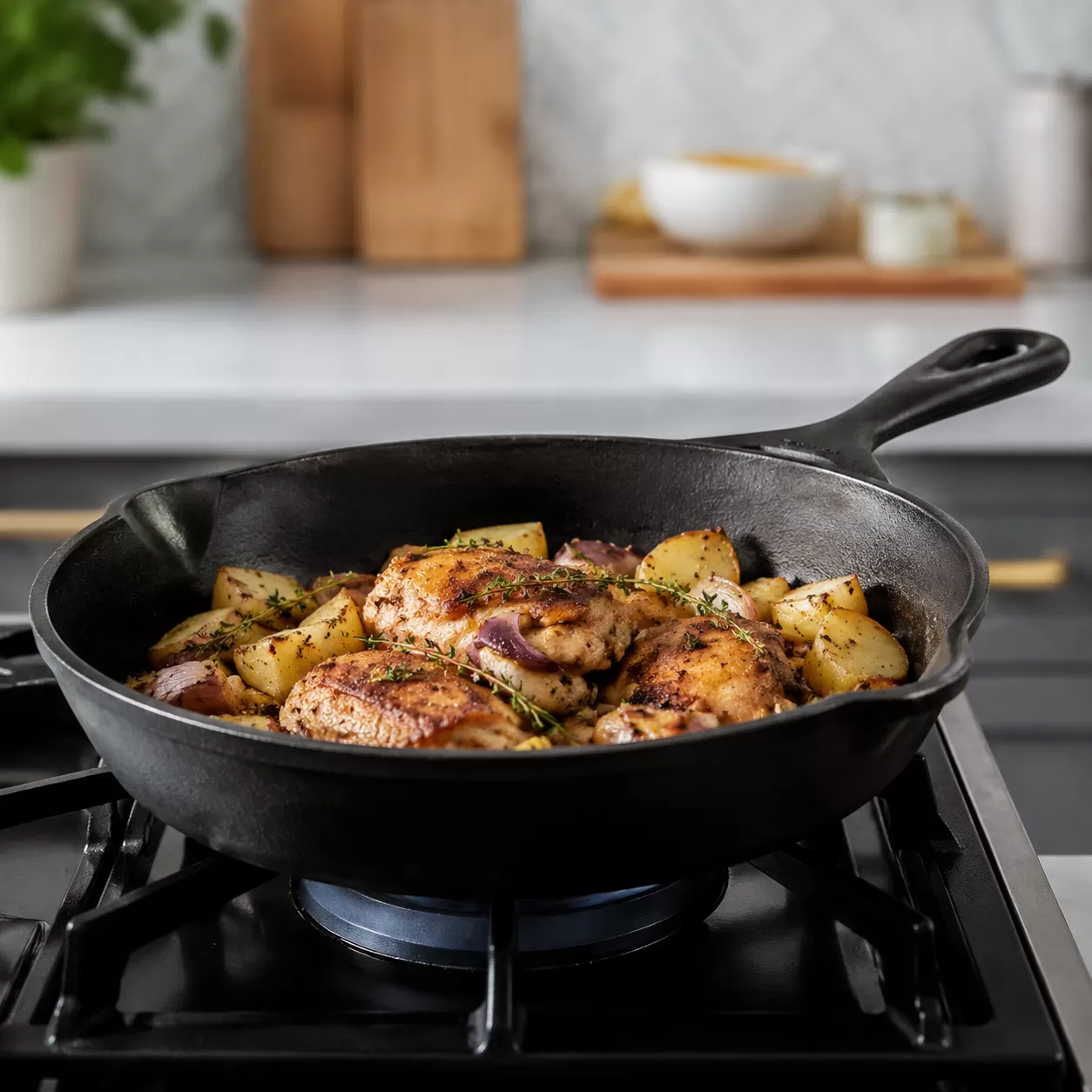
When you cook with a heavy-duty iron cookware piece, you change how heat behaves in your kitchen. We design our cast iron pans to solve the most frustrating issues of thin, cheap cookware—like uneven scorching and warped bottoms. By mastering the physics of high thermal mass, our pans provide unmatched stability on the flame.
Say Goodbye to Kitchen Hot Spots
Standard pans develop localized hot spots right above the burner. Our premium cast iron distributes heat evenly across the entire cooking radius. Once the pan is hot, it stays uniformly hot. This prevents localized scorching, so your food cooks at the exact same rate whether it is sitting in the center or right against the edge.
Understanding how metals manage extreme thermal energy is essential for top-tier kitchen performance. If you want a deeper look into material resilience under heat, explore how high-temperature alloy casting sets the standard for structural integrity.
Flawless Stovetop-to-Oven Fluidity
Our cast iron is built for seamless kitchen transitions. You can start with a high-heat searing skillet session on the cooktop to lock in juices, and then move the pan directly into a 500°F+ oven for a slow braise or bake.
| Cooking Method | Application | Benefit of Our Cast Iron |
|---|---|---|
| Stovetop Searing | Steaks, pork chops, burgers | Forms a deep, restaurant-quality crust instantly. |
| Oven Baking | Cornbread, Dutch babies, cobblers | Provides a perfectly even, golden-brown perimeter. |
| Slow Braising | Pot roasts, stews, short ribs | Retains steady low-and-slow heat for hours. |
Enhanced Flavor Architecture
The micro-textured surface of a non-stick seasoned skillet does something synthetic pans cannot: it builds flavor over time. Every time you cook, the surface locks in microscopic layers of fats and oils. This gradually creates a seasoned patina. As this natural layer matures, it protects the metal and actively imparts deep, complex caramelized notes into your proteins and baked goods.
Cast Iron vs. Alternative Materials: Why It Wins
When choosing the right cookware, you are investing in the long-term performance of your kitchen. Comparing a heavy-duty iron cookware piece to modern alternatives reveals why cast iron remains the ultimate choice for serious cooks.
Cast Iron vs. Synthetic Non-Stick
Synthetic non-stick pans rely on fragile, short-lived PTFE/PFOA chemical coatings. These surfaces scratch easily, degrade under high heat, and generally need to be replaced every 2 to 3 years.
Our non-stick seasoned skillet replaces those toxic, temporary coatings with an indestructible, self-healing natural surface. Instead of wearing out, a traditional black iron pan actually improves with age, building a deeper seasoning layer that can last for centuries.
Cast Iron vs. Stainless Steel
Stainless steel is often praised for its ability to change temperature quickly, but it struggles with heat drops when cold food hits the surface.
Choosing cast iron means prioritizing supreme heat retention and natural food release over rapid temperature shifts. A high thermal mass fry pan holds onto heat like nothing else, making it the superior high-heat searing skillet for perfect crusts on steaks and proteins. To better understand how different metals handle these thermal demands, you can explore our guide on how to explain heat resistance properties of alloys.
| Feature | Cast Iron | Synthetic Non-Stick | Stainless Steel |
|---|---|---|---|
| Lifespan | Centuries (Heirloom Quality) | 2–3 Years | Decades |
| Heat Retention | Maximum (Excellent Energy Reservoir) | Low | Medium |
| Chemical-Free | Yes (100% Natural) | No (Contains PTFE/PFOA) | Yes |
| Surface Coating | Self-Healing Natural Patina | Fragile Synthetic Layer | None (Prone to Sticking) |
Cleaning and Maintenance: Keeping Your Cast Iron What Is Inherently Indestructible
Caring for heavy-duty iron cookware isn’t difficult, but it does require a specific routine to preserve its natural seasoning. Unlike disposable pans, a premium non-stick seasoned skillet actually improves with age if you treat it right.
To keep your cookware in peak performance for generations, follow our simple daily cleaning protocol:
- The Hot Water Rinse: Wash your pan immediately after use while it is still warm. Use hot water and a non-abrasive nylon brush or a stainless steel chainmail scrubber to remove food residue.
- Skip the Soap and Dishwasher: Avoid harsh detergents and never put your pan in the dishwasher. The intense moisture and chemicals will strip away the hard-earned seasoning and expose the raw iron cooking pot underneath.
- The Moisture Eradication Step: This is the most critical phase. Bone-dry your pan immediately with a lint-free towel. For absolute protection against rust, place the skillet on the stovetop over low heat for 2 to 3 minutes to evaporate any remaining microscopic moisture.
The Re-Seasoning and Polymerization Process
When you look closely at cast iron, what is actually happening on the surface during cooking is a chemical process called polymerization. Over time, fat bakes into the iron pores to form a protective barrier. If your traditional black iron pan ever loses its sheen or looks dull, you can easily restore its factory finish at home.
[Clean Skillet] ➔ [Apply Thin Oil Layer] ➔ [Bake Upside Down at 450°F] ➔ [Cool Completely]
- Prep the Surface: Thoroughly clean the skillet and heat it slightly to open up the pores of the metal.
- Apply Unsaturated Fat: Rub a very thin layer of high-smoke-point oil—like grapeseed oil or organic flaxseed oil—over the entire surface, including the exterior and the ergonomic helper handle pan extensions. Buff it out with a clean paper towel until it no longer looks greasy.
- The Oven Bake: Place the pan upside down in an oven preheated to 450°F ($232^circtext{C}$). Put a sheet of aluminum foil on the bottom rack to catch any potential drips. Bake for one hour.
- Cooling Phase: Turn off the oven and let the cookware cool completely inside. The intense heat cross-links the oil molecules, transforming the liquid fat into a rock-hard, slick coating that defines high-quality stovetop-to-oven cookware. Repeat this process two or three times for a deep, dark, heirloom-quality finish.
Technical Specifications & Dimension Guides: Finding Your Perfect Cast Iron Fit
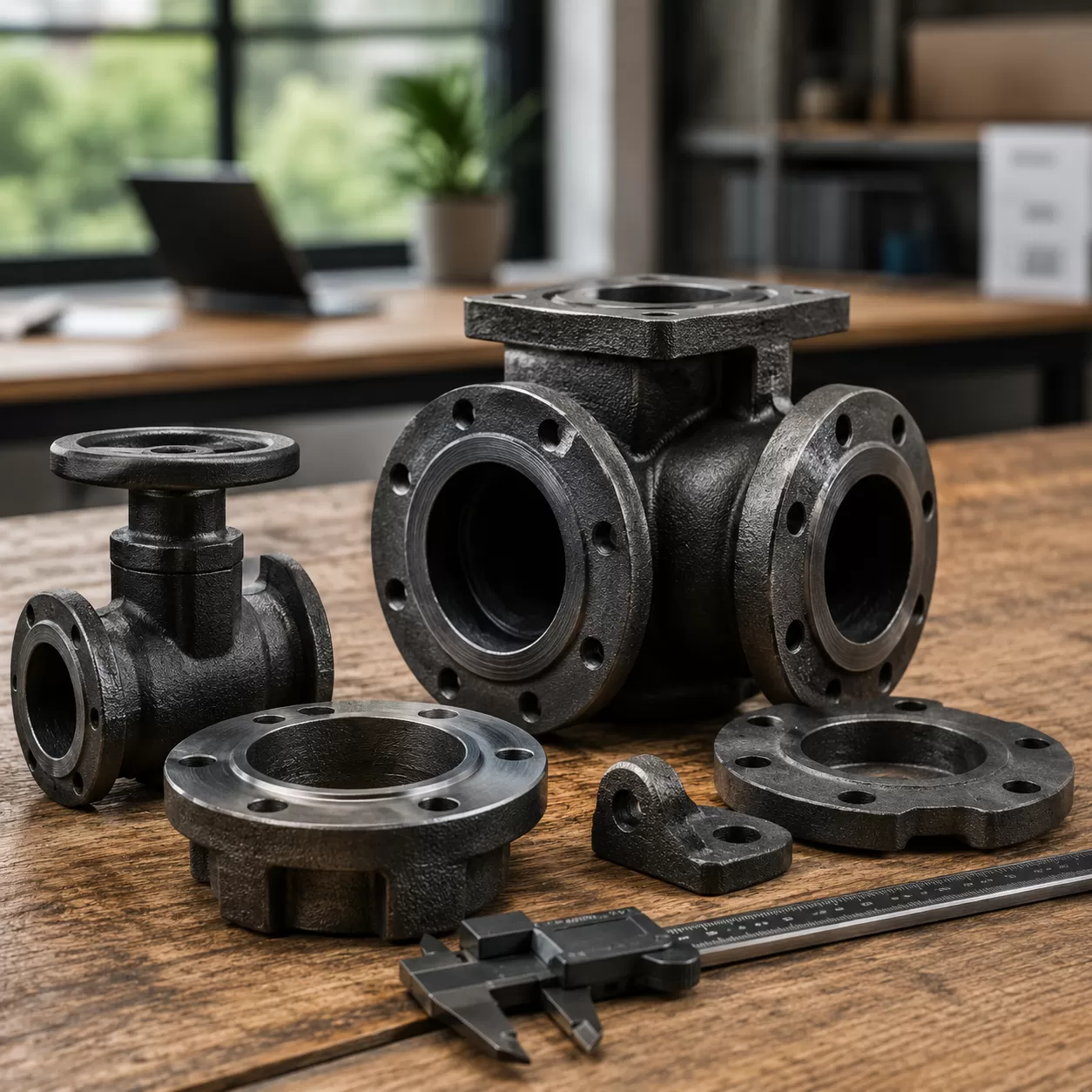
We engineer our heavy-duty iron cookware to meet the rigorous demands of your kitchen. Whether you are baking a skillet cookie in a compact pan or searing multiple steaks for a family dinner, choosing the right size is essential for peak culinary performance.
Below is the official product matrix for our premium molten iron casting line, detailing the exact sizing, weights, and thermal capacities for each model.
Product Dimension and Weight Matrix
| Diameter | Wall Depth | Total Weight | Maximum Certified Temperature | Best Used For |
|---|---|---|---|---|
| 8-Inch | 1.85 Inches | 4.2 lbs | 550°F (287°C) | Single-serve eggs, frittatas, and side dishes |
| 10.25-Inch | 2.00 Inches | 5.8 lbs | 550°F (287°C) | Everyday searing, baking cornbread, and shallow frying |
| 12-Inch | 2.25 Inches | 7.5 lbs | 550°F (287°C) | High-heat searing skillets for large proteins and family meals |
Key Engineering Standards
- Induction-Compatible Iron Pan Base: Every piece features a completely flat, precision-machined bottom to ensure full contact and maximum efficiency on glass top induction stoves, traditional gas, and electric ranges.
- Thick-Wall Construction: Optimized wall depth and floor thickness maximize the high thermal mass fry pan properties, preventing warping under extreme thermal changes.
- Universal Rigidity: Certified safe for open campfires, outdoor grills, and conventional or convection residential ovens up to 550°F.
Frequently Asked Questions About Cast Iron Cookware
Is precisionvast cast iron safe for glass top induction stoves?
Yes, precisionvast cast iron works beautifully on glass top induction stoves. Because cast iron is inherently ferrous (magnetic), it interacts perfectly with induction coils for rapid, efficient heating. To protect your smooth glass cooktop, always lift the pan to move it rather than sliding it across the surface, which can cause scratches. Our flat-bottom engineering ensures full contact with the burner zone for stable, wobble-free cooking.
What should I do if my raw iron skillet begins to develop surface rust?
Don’t panic—surface rust is completely normal if the pan was left wet, and it is not permanent. To fix it, scrub the rusted spots away using a non-abrasive pad or chainmail scrubber with a little warm water. Once the raw iron is clean, dry it immediately on a warm stovetop burner. Apply a very thin layer of high-smoke-point oil (like flaxseed or grapeseed oil) and bake the pan upside down in your oven at 450°F for an hour to restore its protective, non-stick seasoned skillet coating.
Can I cook highly acidic vinegar or tomato-based sauces in my raw pan?
For short cooking tasks, like deglazing a pan with a splash of wine or simmering a quick tomato reduction, a well-seasoned traditional black iron pan will handle it just fine. However, we recommend avoiding long, multi-hour simmers of highly acidic ingredients in raw iron. The acid can break down the natural non-stick patina and leach a metallic taste into your food. For slow-simmered marinara or vinegar-heavy braises, our Signature Enameled Line is the perfect tool for the job.
 German
  English