

Does brass rust Learn brass corrosion resistance tarnish patina and why precisionvast brass parts offer durable rust free performance.
Does Brass Rust?
The short answer is no, brass does not rust. Rust is a term specifically reserved for the oxidation of iron and its alloys, such as steel. Because brass is a non-ferrous copper-zinc alloy, it contains no iron, making it chemically impossible for it to develop rust.
Rust vs. Tarnish: Understanding the Difference
While brass is rust-proof, it is not immune to the environment. It is important to distinguish between the destructive nature of rust and the natural oxidation of brass.
- Rust (Iron Oxide): This is a destructive process that eats away at iron-based metals. It creates a flaky, reddish-brown crust that eventually leads to structural failure.
- Tarnish and Corrosion: When brass is exposed to oxygen and moisture, it develops a surface layer known as tarnish. Unlike rust, this oxidation is often superficial. Over time, it may turn into a blue-green patina (verdigris), which actually acts as a protective barrier for the metal underneath.
Why We Use Brass for Longevity
At Precisionvast, we select brass for our components specifically because of this corrosion resistance. Whether it is for high-pressure fittings or custom hardware, our brass products offer a level of durability that iron-based metals simply cannot match.
Key Benefits of Brass Durability:
- Non-Ferrous Properties: Zero iron content means no structural decay from rust.
- Self-Protecting: The oxidation layer prevents deep-seated corrosion.
- Long Lifecycle: Ideal for applications where parts must remain functional for decades without seizing up.
By choosing our precision-machined brass components, you are opting for a premium material engineered to withstand moisture and air without the risk of “rusting out.”
Understanding Brass Oxidation: Tarnish, Patina, and Verdigris
While the answer to “does brass rust” is a firm no, the metal is not immune to environmental changes. When we expose brass to oxygen and moisture, it undergoes a chemical reaction called oxidation. Unlike the flaky, destructive rust found on iron, brass oxidation typically forms a tight, protective layer on the surface.
The Formation of Patina and Verdigris
The most common sign of aging in brass is tarnish, which starts as a slight darkening or dulling of the polished surface. If left exposed to the elements, particularly in humid or coastal areas, it develops a patina. This blue-green coating, often referred to as verdigris, is actually a natural defense mechanism. It seals the metal and prevents deeper corrosion, which is why antique brass hardware can last for centuries.
The Risk of Dezincification
In specific harsh environments, such as those with high chlorine levels or acidic water, brass can face a more serious issue known as dezincification. This process occurs when the zinc is leached out of the alloy, leaving behind a porous, weakened copper structure. To prevent this, we carefully select specific alloy grades and apply specialized coatings to ensure long-term performance. Just as strengthening industries through advanced metallurgical techniques is vital for high-performance parts, choosing the right brass composition is essential for durability.
Key Oxidation Characteristics:
- Surface Tarnish: A thin, brownish layer that is easily polished away.
- Protective Patina: A stable, green film that stops further metal loss.
- Environmental Resistance: Naturally superior to steel in high-moisture settings.
- Structural Integrity: High-quality brass remains strong even after surface oxidation occurs.
Precisionvast Brass Products: Engineered for Longevity
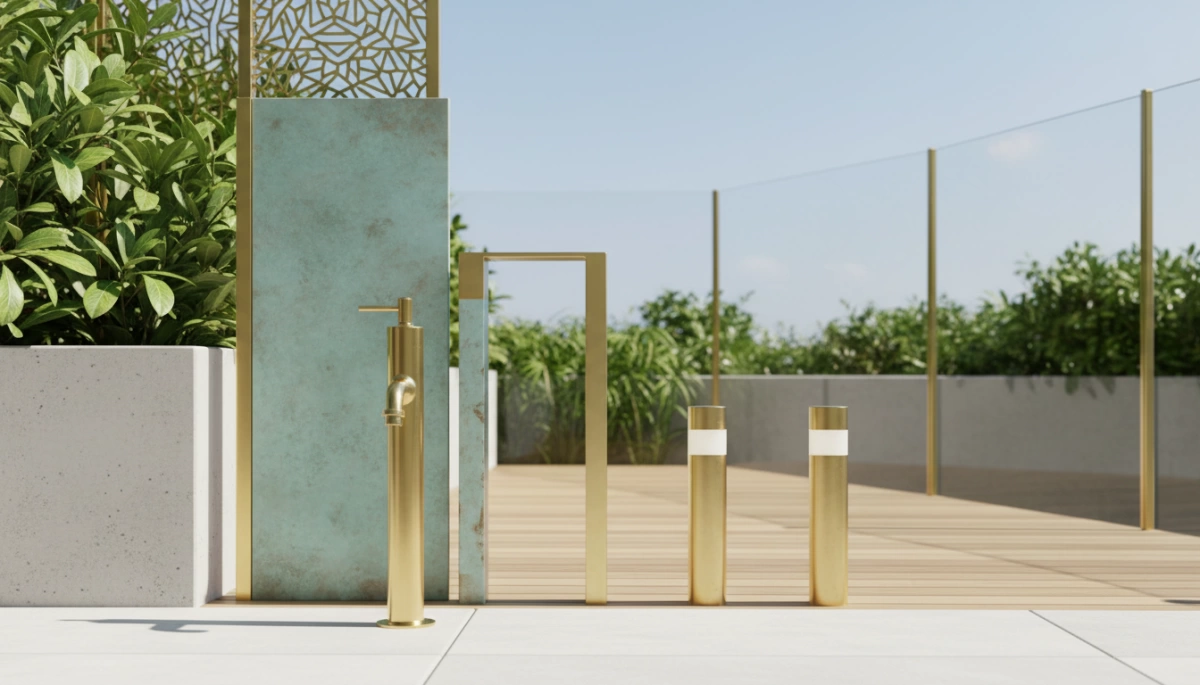
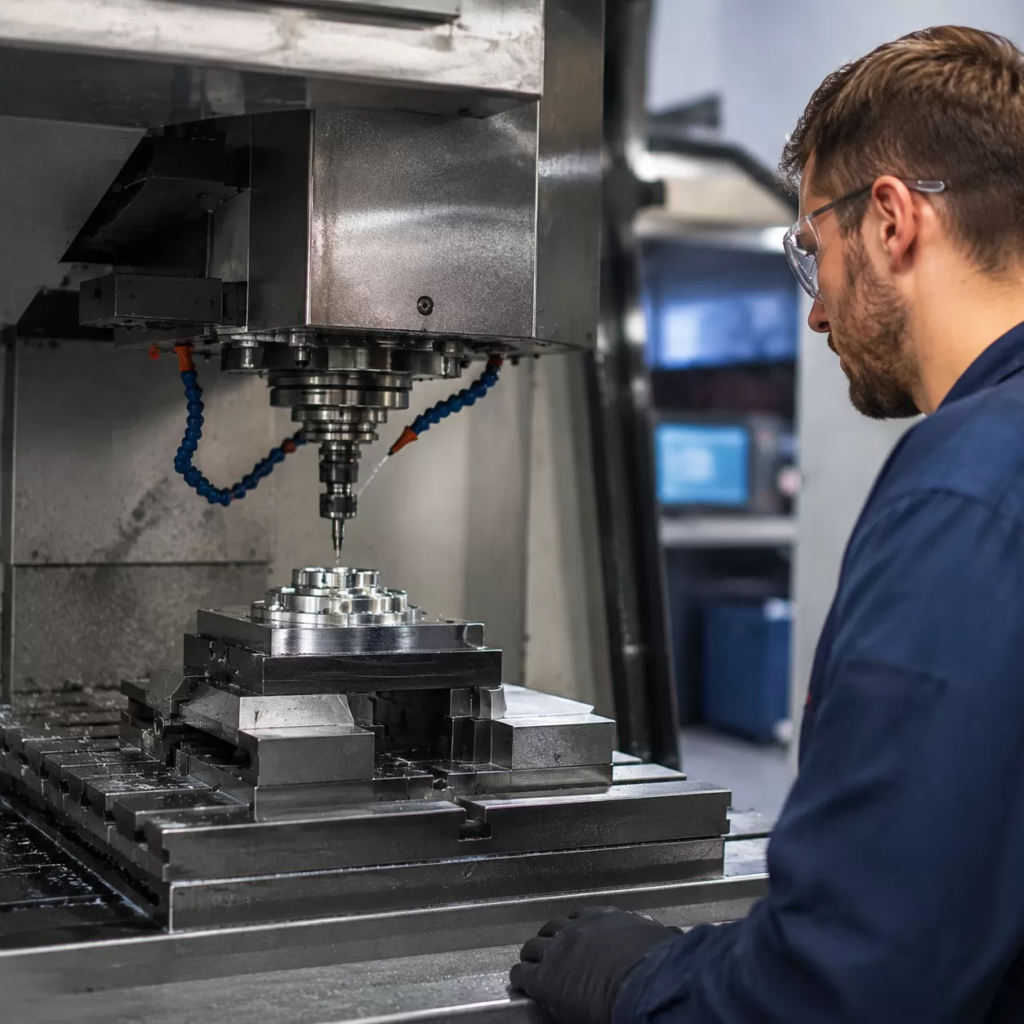
At Precisionvast, we produce high-performance brass components designed to thrive where other metals fail. Our product range covers everything from heavy-duty industrial fittings to intricate custom hardware. By utilizing advanced CNC machining processes, we ensure that every part we ship meets the exact specifications required for long-term durability and resistance to environmental wear.
We carefully select material grades to match the specific demands of your application:
- C36000 Free-Machining Brass: This is our go-to for high-precision parts. It offers excellent strength and natural atmospheric corrosion resistance, making it perfect for indoor and light outdoor use.
- Naval Brass (C46400): For projects facing harsh conditions, we use Naval Brass. It is specifically alloyed with tin to inhibit corrosion in saltwater and high-moisture environments.
Our engineering focus is on preventing the structural issues that plague lower-quality alloys. While people often ask “does brass rust,” the real concern in industrial settings is dezincification. We mitigate this risk by using premium, lab-tested materials that maintain their integrity in humid, coastal, or chemically active environments. When you choose Precisionvast, you are investing in brass components engineered to stay functional and reliable for decades.
Key Factors That Affect Brass Durability
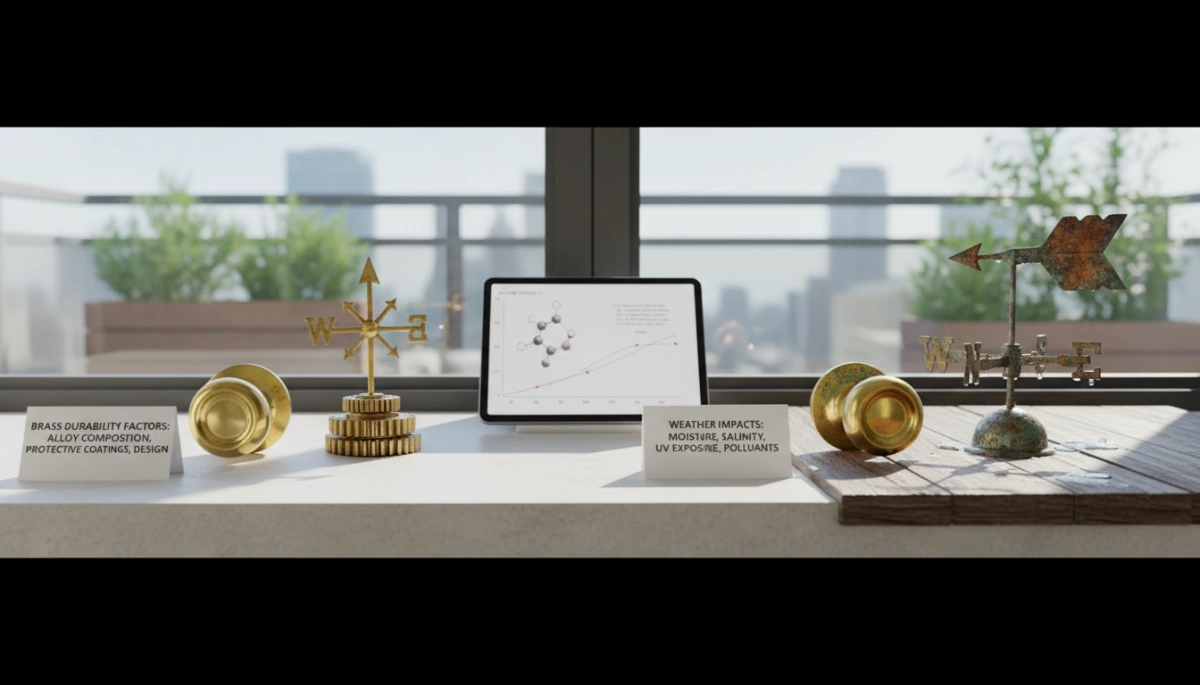
When customers ask us, “does brass rust,” the answer is always no. However, that does not mean brass is completely immune to its environment. While it will never flake away like iron, several specific factors dictate how your brass components will age, tarnish, or maintain their structural integrity over time.
Indoor vs. Outdoor Environments
Where you install your components changes everything about how the metal behaves.
- Indoor Use: In climate-controlled homes or commercial facilities, brass hardware durability is exceptionally high. Without exposure to extreme humidity or weather elements, indoor brass stays polished and bright for years with minimal upkeep.
- Outdoor Use: Rain, fluctuating humidity, and temperature swings speed up the oxidation process. Outdoor brass fittings will naturally react with the elements to develop a protective, weathered patina.
Water Exposure: Freshwater vs. Saltwater
Moisture is the primary driver of the tarnishing process.
- Freshwater: Standard brass handles regular tap water and rain very well. This natural resistance is exactly why brass remains a staple in American plumbing and fluid management systems.
- Saltwater: Coastal environments and marine applications are a different story. Salt spray aggressively accelerates corrosion. For these demanding areas, we strictly utilize marine grade brass, which is specifically alloyed to resist the harsh, corrosive nature of seawater.
Chemical Exposure
Brass reacts heavily to certain chemicals, which can compromise both its surface finish and internal strength.
- Household Cleaners: Routine exposure to ammonia-based cleaners is highly damaging. Ammonia strips away protective layers and causes rapid, uneven tarnishing.
- Industrial Chemicals: In heavy-duty manufacturing or processing applications, exposure to strong acids, alkalis, or industrial solvents can lead to rapid degradation. If your project involves highly corrosive chemical environments, you may need to look beyond brass and explore our stainless steel investment casting options for maximum chemical resistance.
Understanding these environmental triggers is crucial for component longevity. For deeper technical breakdowns on material selection and environmental wear, you can explore our manufacturing blog to ensure you are choosing the exact right alloy for your application.
Brass vs. Other Metals: Choosing the Right Material
When deciding on materials for your next project, understanding how brass compares to other common metals is essential for long-term performance. While many people ask does brass rust, the reality is that brass offers a unique balance of machinability and environmental resistance that other metals struggle to match.
Brass vs. Stainless Steel
Stainless steel is a powerhouse for corrosion resistance, but it comes with a higher price tag and is significantly harder to machine. Brass is often the preferred choice for intricate components because it is easier on tools and provides excellent thermal and electrical conductivity. In many non-industrial settings, brass provides more than enough protection against the elements at a better value.
Brass vs. Copper
Since brass is an alloy of copper and zinc, it shares many of copper’s best traits. However, brass is much stronger and more durable. While copper is prone to rapid oxidation and is relatively soft, the addition of zinc makes brass a better fit for structural hardware and fittings that need to withstand mechanical stress. If your application requires more than just conductivity, advanced high-temperature alloys and specialized brass compositions often outperform pure copper.
Brass vs. Iron and Steel
The biggest advantage of brass over iron or carbon steel is its chemical composition. Because brass contains no iron, it is a rust-proof metal component.
- Iron/Steel: Subject to oxidation that creates iron oxide (rust), which eats away at the metal until it fails.
- Brass: Develops a protective surface film that prevents deep structural damage.
For any application exposed to moisture, brass is the superior alternative to steel. It ensures that your parts remain functional and aesthetically pleasing without the risk of “red rust” seizing up your assemblies. Whether you are looking for durability or ease of manufacturing, our brass components provide a reliable, long-lasting solution.
How to Protect and Maintain Your Brass Components
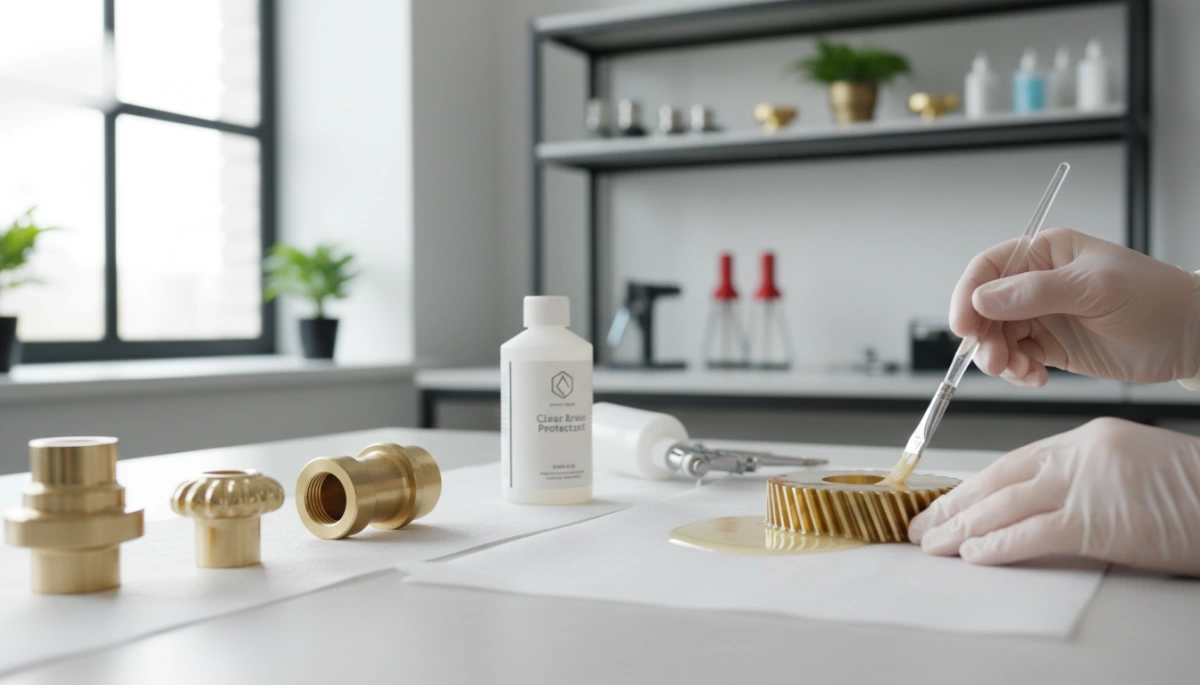
Even though the answer to “does brass rust” is a solid no, this metal still requires proper care to keep it looking its best. Whether you want a mirror-like shine or a rustic, weathered look, maintaining your brass hardware comes down to a few simple strategies.
Clear-Coating and Lacquering
If you want to lock in that bright, factory-fresh shine, applying a clear coat for brass is the best approach.
- Seal out oxygen: A high-quality lacquer or polyurethane spray creates a reliable barrier between the metal and the air.
- Long-lasting shine: This is the ultimate method for tarnished brass prevention, especially for indoor fixtures, door handles, and decorative hardware.
Routine Cleaning for a Polished Finish
For unlacquered brass that you want to keep bright, regular maintenance is key.
- Mild soap and water: Use warm water and a gentle dish soap to remove surface dirt and finger oils. Always dry the metal completely with a soft microfiber cloth.
- Brass polish: Apply a commercial brass cleaner periodically to buff out early signs of oxidation and restore the metal’s natural luster. Avoid highly abrasive scrubbers like steel wool, which will scratch the surface.
Embracing the Natural Aging Process
Sometimes, doing nothing is the best choice. Many of our clients actually prefer the look of natural brass patina development.
- Aesthetic appeal: Leaving the metal untreated allows it to react with the environment, gradually shifting from bright gold to a rich, earthy brown or a vibrant blue-green verdigris.
- Built-in protection: This natural patina actually forms a protective shield over the underlying metal. It is highly sought after for outdoor architectural features and marine environments where raw durability matters just as much as character.
Frequently Asked Questions (FAQs) About Brass
Does solid brass turn green?
Yes. When exposed to moisture and air, solid brass naturally develops a blue-green layer known as a patina or verdigris. This is a normal result of copper-zinc alloy oxidation. Unlike destructive rust, this green layer actually acts as a protective shield for the metal underneath.
Can brass survive outside in the rain?
Absolutely. When planning outdoor projects, the most common question we hear is does brass rust in the rain? The answer is no. Because it contains no iron, rain will not cause it to rust or degrade. Outdoor brass fittings will tarnish and develop a natural patina over time, but their structural integrity remains rock solid.
Is brass waterproof?
Brass is highly water-resistant. It does not absorb water and will not break down or weaken when submerged. This exceptional resistance to water damage is exactly why marine grade brass is the standard for boat hardware, plumbing fixtures, and high-moisture industrial applications.
How long do Precisionvast brass fittings last?
Our Precisionvast brass parts are engineered to last for decades. In many cases, they will outlast the machinery or structures they are installed in. While our engineering team often tackles complex material demands—such as navigating the key challenges in the properties of high-temperature alloys—we apply that same rigorous quality control to our brass hardware. Whether used indoors or out, our precision brass machining ensures you get rust-proof metal components built for maximum longevity.

 English
  German