

Learn face milling machine basics, process steps, tooling choices and parameters to optimize flat surface CNC machining
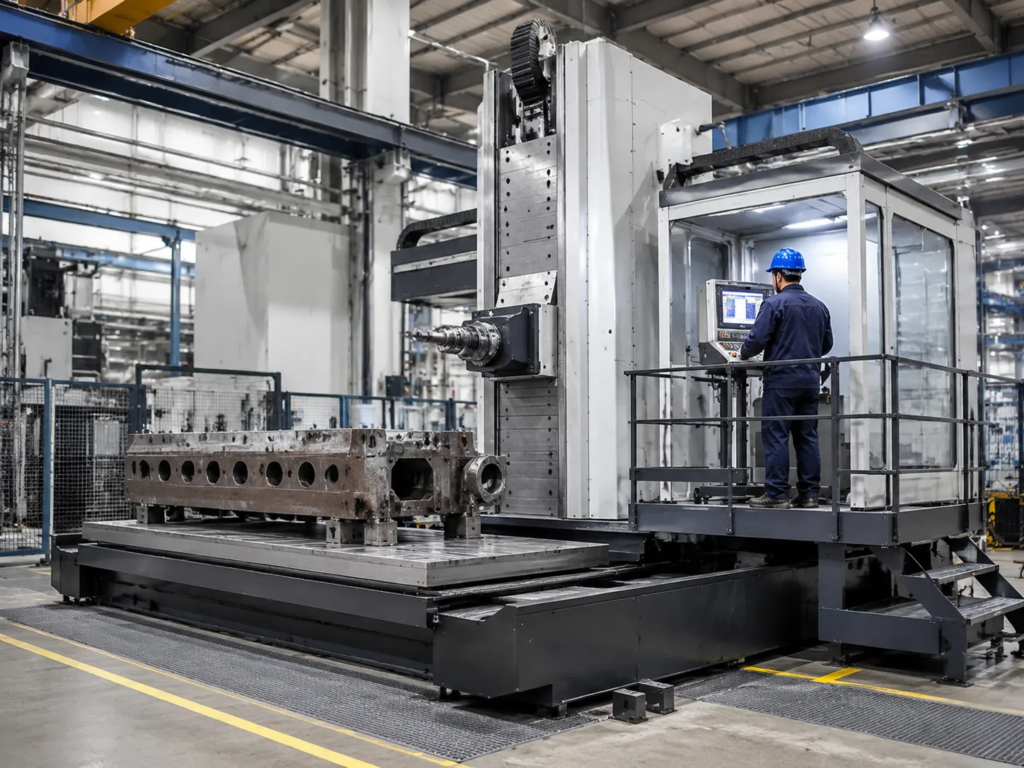
Our Facing Milling Machine Capabilities & Technical Specifications
When you need perfectly flat surfaces and tight tolerances, part deflection and tool chatter are your biggest enemies. We eliminate these issues by pairing heavy-duty, high-rigidity CNC machining centers with advanced cutting strategies.
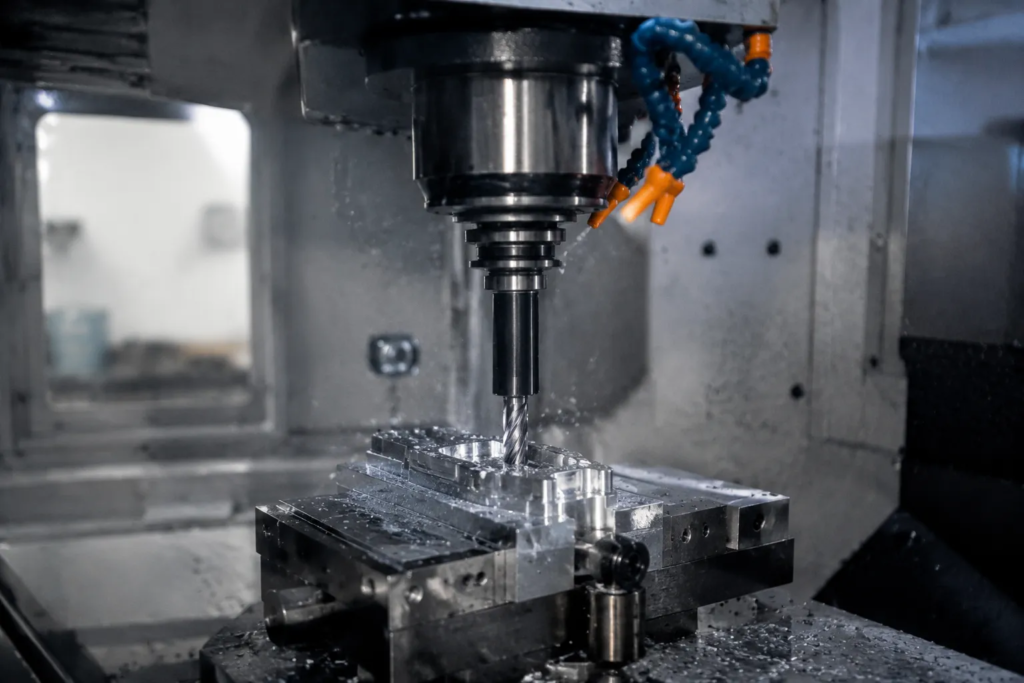
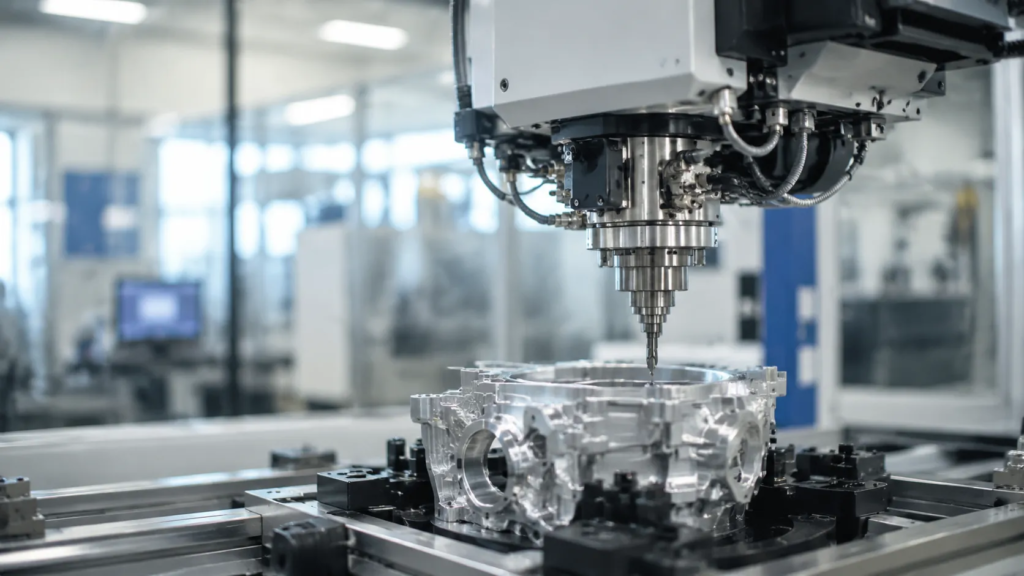
Our facility utilizes both high-rigidity vertical machining center (VMC) setups and horizontal CNC systems. These setups are specifically optimized for a high-efficiency facing milling machine workflow, allowing us to jump from aggressive, high-feed roughing to mirror-finish micro-milling without breaking a sweat.
Technical Specifications & Machine Capacity
We configure our machine envelopes and spindle capabilities to handle everything from heavy structural plates to intricate, thin-walled cast components.
| Machine Parameter | Capability Range | Production Benefit |
|---|---|---|
| Max Travel Dimensions | Up to 60″ x 30″ x 28″ (X/Y/Z) | Accommodates large-scale plates and complex castings |
| Table Load Capacity | Up to 3,500 lbs | Handles heavy-duty duplex milling without sagging |
| Spindle Speed Range | 50 to 12,000 RPM | Optimized torque for tough alloys; high SFM for aluminum |
| Target Surface Finish | Down to 16 Ra micro-inches | Eliminates secondary grinding operations |
Advanced Tooling & Surface Control
Achieving a flawless datum plane requires more than just raw horse power. We utilize specialized tooling geometry to control cutting forces and deliver exceptional surface flatness:
- Indexable Face Mill Cutters: Multi-insert shell mill cutters distribute the cutting load evenly, maximizing material removal rates (MRR) while preventing heat buildup.
- 45° Lead-Angle Cutters: These tools direct cutting forces both axially and radially. This balance reduces vibrations and protects thin-walled workpieces from distortion.
- Specialized Wiper Inserts: By embedding premium carbide insert milling technology with dedicated wiper geometries, we achieve ultra-low surface roughness (Ra) with zero overlap lines.
Supported Materials & Metallurgical Expertise
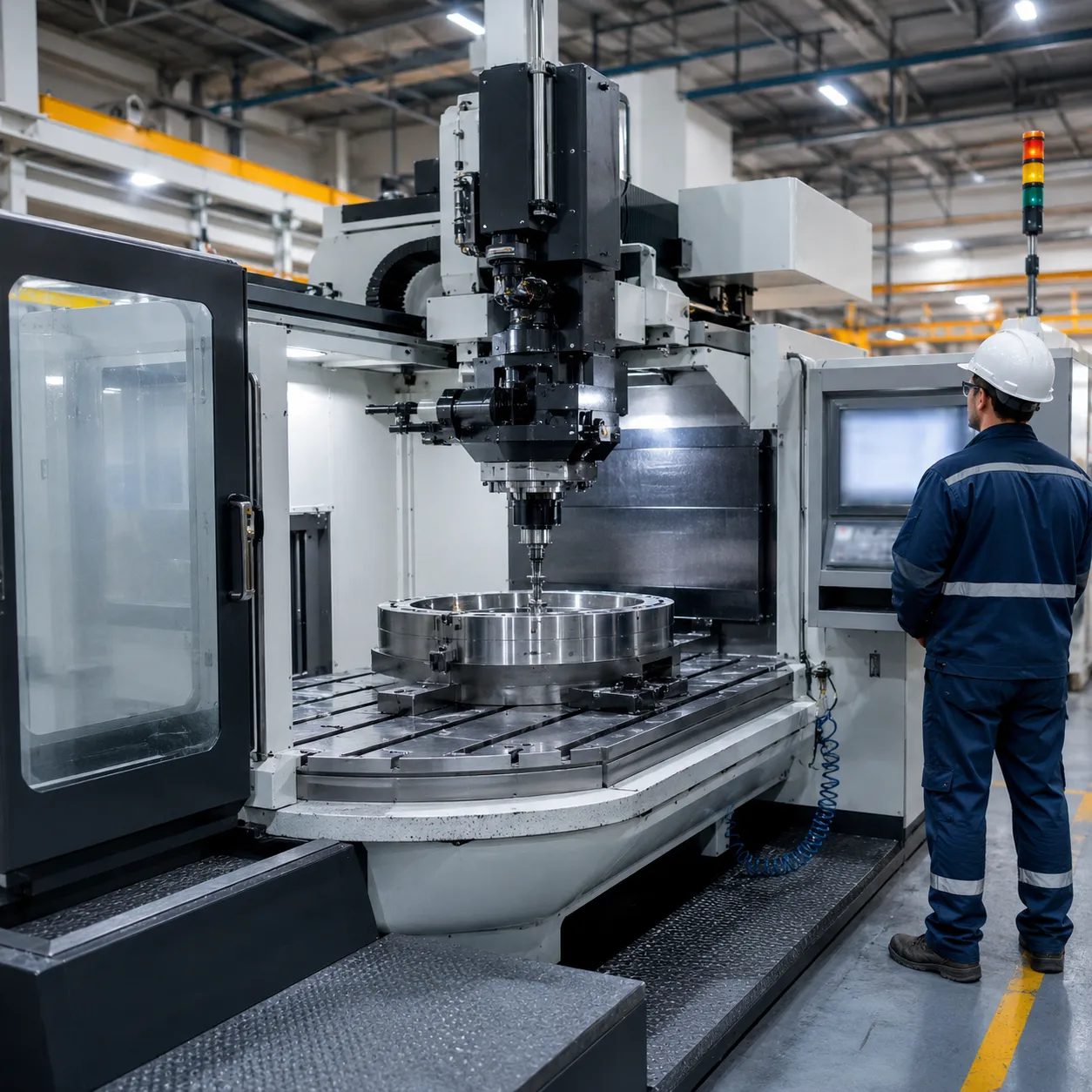
At https://www.precisionvast.com, our heavy-duty facing milling machine setups are engineered to cut through a diverse range of metals with extreme accuracy. Different alloys demand unique approaches, and we adapt our speed, feed rates, and tooling configurations to match the exact metallurgy of your project.
Materials We Process Daily
- Stainless Steel & Duplex Steel: These tough alloys work-harden quickly if left under rubbing friction. We combat this by utilizing highly rigid setups and optimized feed rates to shear through the material cleanly before hardening can occur.
- Titanium Alloys & Superalloys: Known for generating extreme heat at the cutting edge, we manage these demanding metals using precise thermal control strategies during heavy-duty facing cuts to protect part integrity and maintain tight dimensional tolerances.
- Aluminum Alloys: When handling components for automotive and aerospace profiles, our equipment runs at maximum spindle speeds to achieve high-efficiency material removal rates (MRR) while delivering a flawless, burr-free surface finish.
- Carbon & Alloy Steels: For rugged structural components that require long-term durability, we utilize specialized carbide insert milling strategies to handle scale and tough outer layers without compromising the underlying flat plane accuracy.
The precisionvast Advantage: Why Choose Our Face Milling Services?
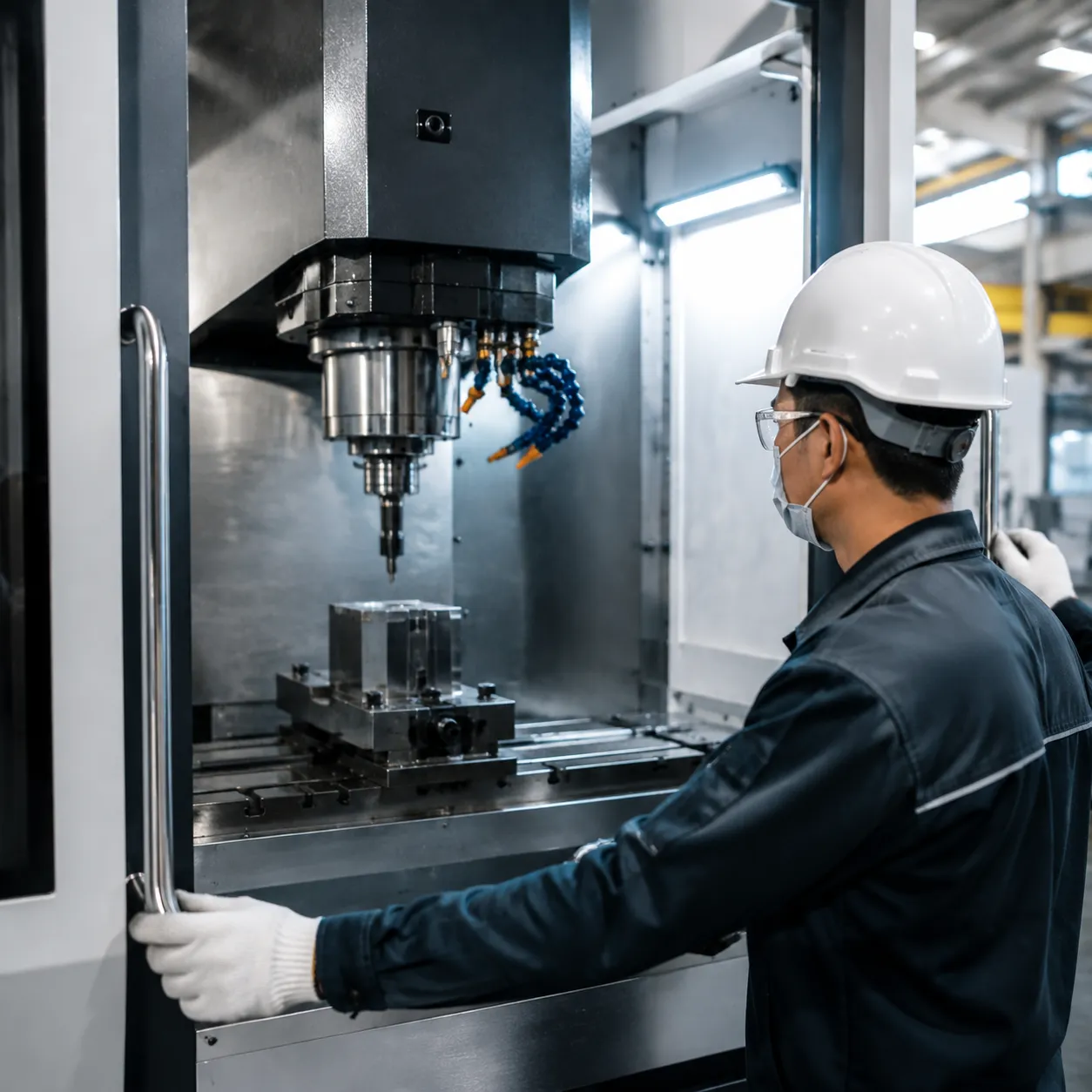
We cut out the middlemen and the headaches. At precisionvast, we combine our advanced facing milling machine setups with engineering expertise to deliver flawless, flat surfaces every single time. Here is why US manufacturers trust us with their critical machining projects.
In-House Casting-to-Machining Integration
We eliminate logistical lag by performing precision face milling directly on our in-house investment castings. By keeping everything under one roof, we fast-track your production timeline and maintain a single standard of accountability. You get finished components faster without the back-and-forth freight costs.
Defect Prevention via CAE Simulation
We do not guess; we simulate. Before our CNC face milling services even touch your metal, we use Computer-Aided Engineering (CAE) to analyze structural clamping and cutting forces.
- Zero Tool Chatter: We lock down the perfect speeds and feeds digitally.
- No Workpiece Distortion: We prevent thin-walled parts from warping under pressure.
- Optimized Tool Paths: We program ideal entry methods to maximize carbide insert milling efficiency.
Rigorous Quality Control
Every part coming off our surface milling machine undergoes strict validation to guarantee it meets your exact datum plane requirements.
| Inspection Type | Equipment Used | What We Verify |
|---|---|---|
| Dimensional Accuracy | Coordinate Measuring Machines (CMM) | Tight thickness tolerances and perfect flatness. |
| Surface Finish | Surface Profilometers | Exact surface roughness Ra mechanical processing limits. |
| Structural Integrity | Non-Destructive Testing (X-ray, Magnetic Particle) | Sub-surface defect prevention before and after machining. |
Common Industrial Applications for Our Facing Milling Machine
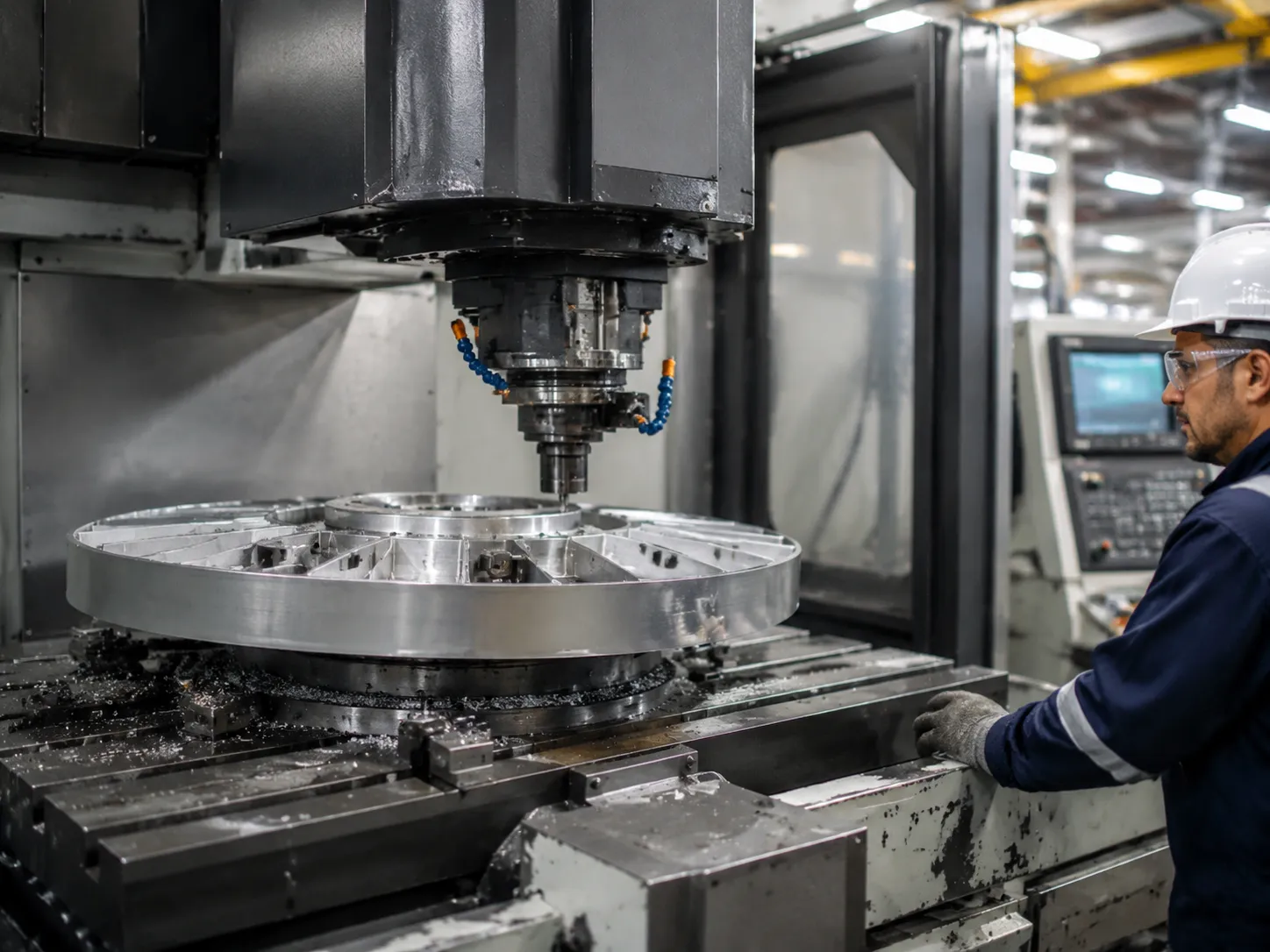
We deliver precision flat surfacing across multiple high-stakes industries. When component failure is not an option, our advanced facing milling machine setups ensure every part meets strict geometric tolerances and datum plane requirements.
Pump & Valve Fittings
- The Challenge: High-pressure fluid systems demand zero-leak joints.
- Our Solution: We machine perfectly flat sealing flanges that eliminate micro-gaps, ensuring a flawless metal-to-metal or gasket seal.
Aerospace & Automotive Components
- The Challenge: Lightweight structural plates require tight thickness tolerances without warping.
- Our Solution: Using optimized tool paths on our vertical machining center (VMC), we establish perfect datum planes on thin-walled structural components, maintaining strict weight and dimensional standards.
Food & Medical Machinery
- The Challenge: Strict hygiene regulations require surfaces that resist bacterial buildup and tolerate harsh washdowns.
- Our Solution: Our indexable face mill configurations achieve ultra-smooth, pocket-free surface roughness (Ra) finishes that prevent contamination and streamline sanitization.
Best Practices for Our Facing Milling Machine
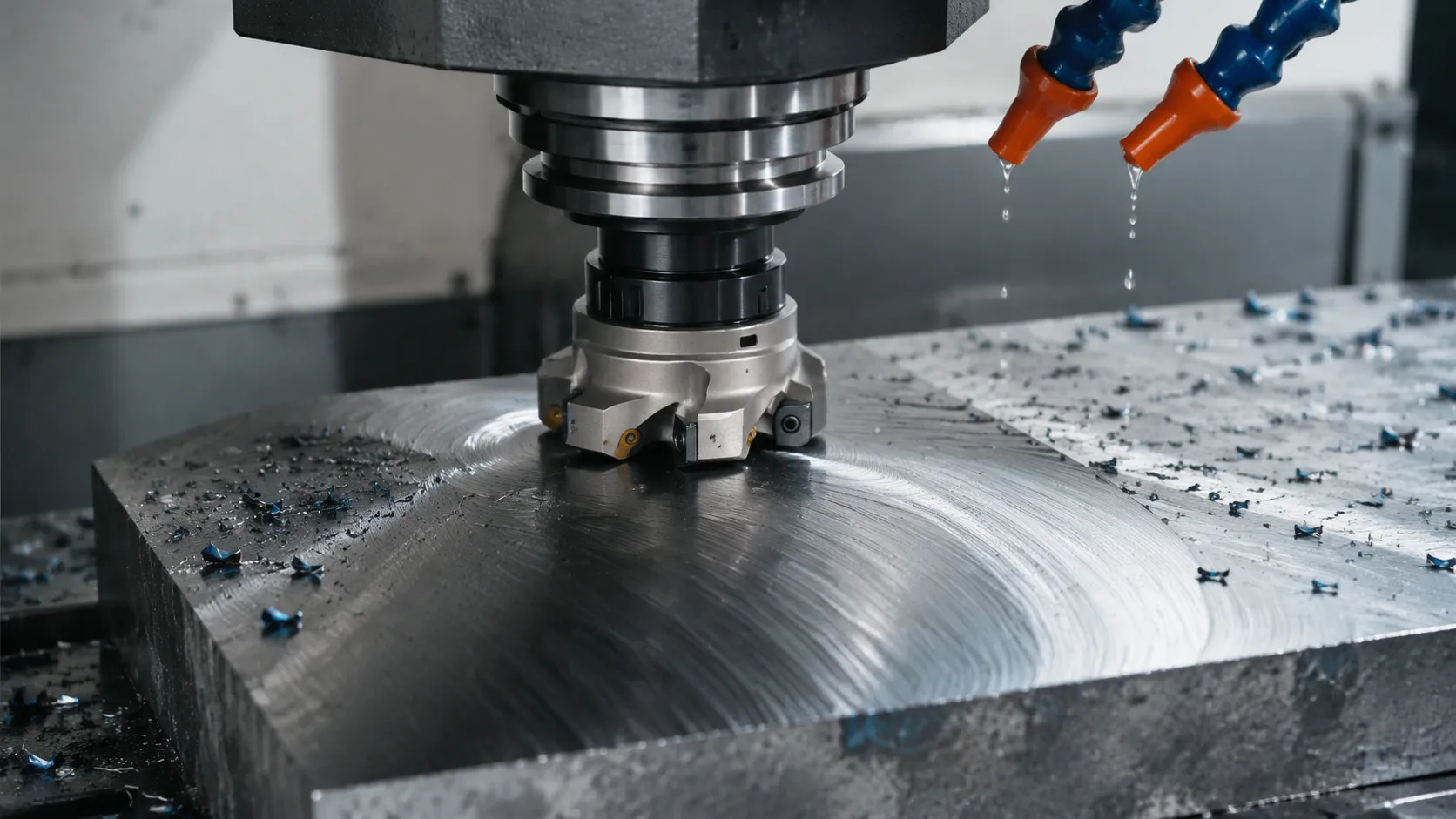
We don’t just run our equipment; we optimize every pass. Achieving a flawless datum plane machining finish requires a strict balance between heavy material removal and fine surface processing. Here is how we get it done on our floor.
Roughing vs. Finishing Strategies
We separate our face milling process into two distinct phases to maximize efficiency and part quality:
- High-Feed Roughing: We use heavy-duty duplex milling setups to hog out material quickly. Our priority here is maximizing the material removal rate (MRR) without putting undue stress on the machine spindle.
- Precision Finishing: We switch to specialized carbide insert milling cutters with wiper inserts. This step slows down the feed rate and focuses entirely on hitting your exact surface roughness Ra requirements for a mirror-like finish.
Smart Tool Paths & Entry Methods
How a tool enters the metal changes everything. Poor entry paths cause tool chatter, chipped inserts, and ruined parts.
- Roll-In Entry: Instead of crashing straight into a block of metal, our vertical machining center (VMC) program directs the indexable face mill to roll into the cut along a curved path. This graduates the cutting load and protects the tool edges.
- Climb Milling Over Conventional: We use climb milling to ensure the chip starts thick and thins out at the exit. This pulls heat away from the workpiece and prevents edge breakout on brittle alloys.
- Consistent Engagement: We choose shell mill cutters that match the ideal 70-80% width of the cut. This keeps the tool steadily engaged, preventing the tool deflection that ruins precision flat surfacing jobs.
Facing Milling Machine FAQs
What surface roughness (Ra) tolerances can precisionvast achieve?
We regularly hit surface finishes down to 16 to 32 micro-inches Ra directly on our facing milling machine setups. By pairing advanced CNC face milling services with specialized carbide wiper inserts, we deliver near-mirror finishes on flat datums, often eliminating the need for secondary grinding.
Do you handle low-volume prototyping alongside your 700-ton annual capacity?
Yes, we handle both. While our facility maintains a 700-ton annual production capacity for scaled casting and machining operations, we fully support low-volume prototyping and first-article runs. This helps you validate part fit and surface milling machine tolerances before launching full-scale production.
How do you ensure flat surfaces on thin-walled or easily distorted cast parts?
Deflection is a common worry with thin-walled parts, but we eliminate workpiece distortion through a strict optimization process: CAE Clamping Simulation: We analyze cutting and fixture forces on the computer before the tool ever touches the metal. Optimized Tool Paths: We use roll-in entry methods and high-feed milling techniques to minimize downward pressure. Balanced Cutting Forces: Utilizing 45° lead-angle cutters on our vertical machining center reduces structural stress on delicate parts, ensuring a flat, uniform surface every time.


 English
  German