

Industrial grade taps for cutting threads with HSS cobalt carbide options for hand and CNC use precise durable threading tools.
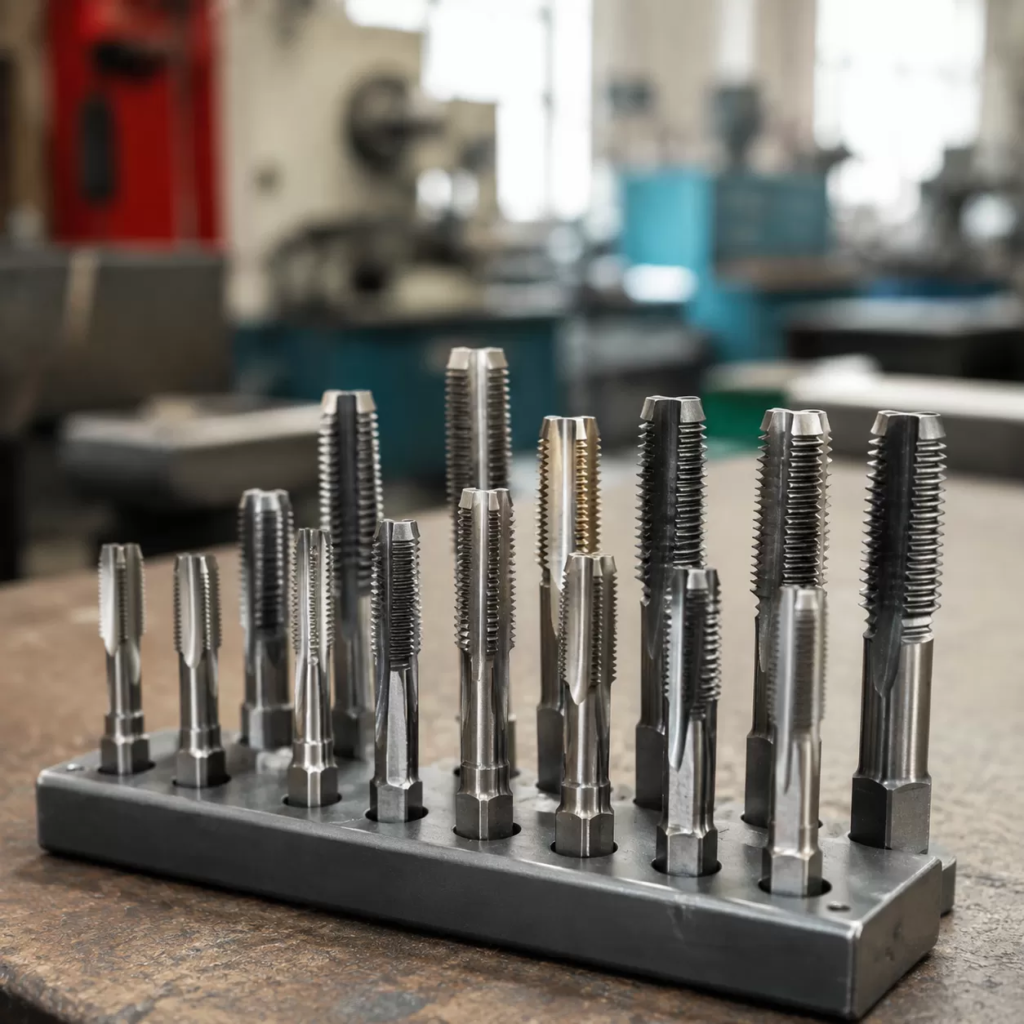
Core Engineering & Applications of Thread-Cutting Taps
When you are cutting internal threads, precision isn’t just a goal—it is a requirement. At PrecisionVast, we engineer our taps for cutting threads to handle the intense friction and torque generated during the tapping process. Understanding the mechanics of internal threading helps prevent broken tools and ruined workpieces, ensuring your shop maintains maximum uptime.
Understanding Internal Threading Mechanics
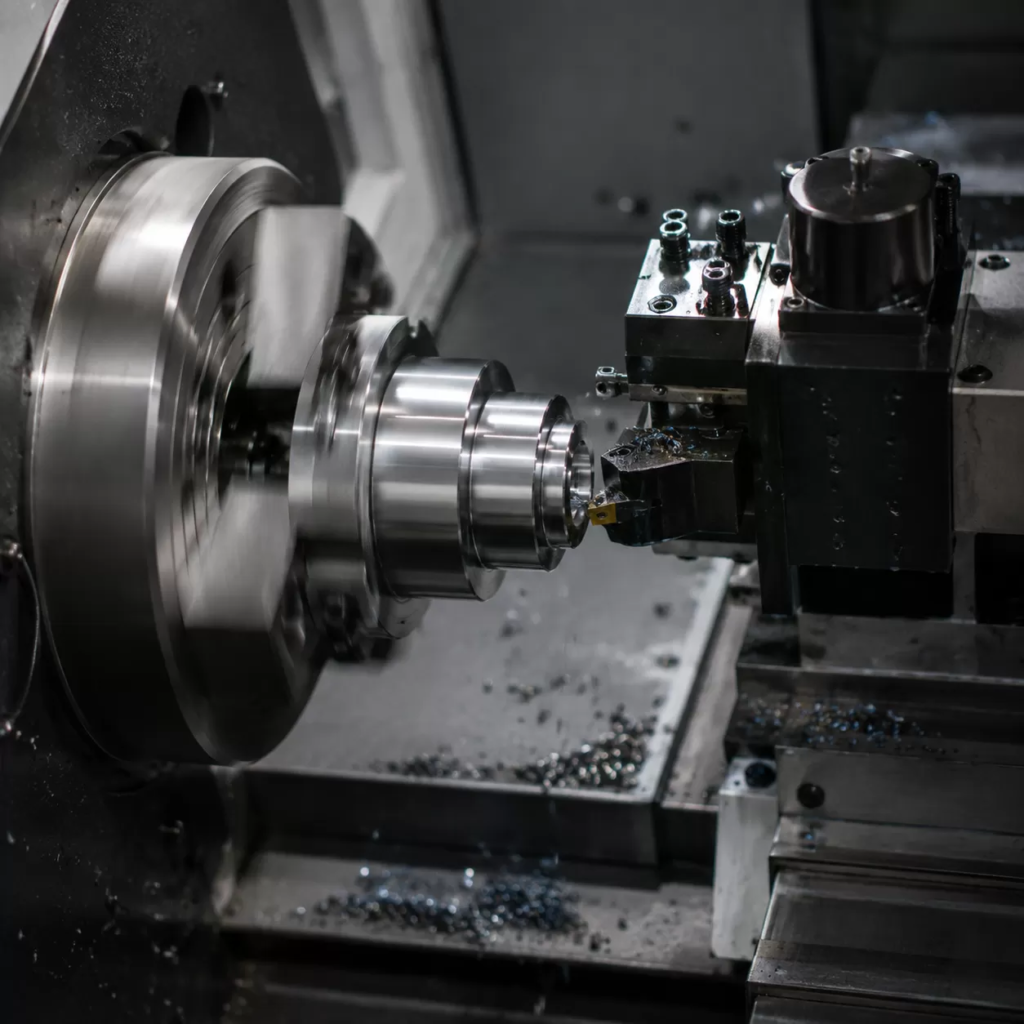
Internal threading relies on a highly specialized cutting process. As the tap rotates and feeds into a pre-drilled hole, its cutting edges shave away material to form precise internal threads.
- Chip Evacuation: The flutes of the tool must efficiently lift chips out of the hole to prevent clogging.
- Torque Distribution: Modern geometries balance the cutting load across multiple chamfer teeth to reduce stress.
- Thread Profile Accuracy: Strict manufacturing standards ensure the pitch and angle match perfect industry specifications every time.
Tool Substrates: HSS vs. Cobalt vs. Solid Carbide
Choosing the right tool material determines how fast you can run your machines and how long your tools will last. We manufacture our HSS cutting taps and high-performance lines using three primary substrates to match your exact machining needs.
| Material Substrate | Best Suited For | Key Advantages |
|---|---|---|
| High-Speed Steel (HSS) | General-purpose machining, aluminum, mild steels | Excellent toughness, highly cost-effective, resists chipping |
| Cobalt (HSSE) | Stainless steel, tough alloys, high-production runs | Exceptional heat resistance, maintains a sharp edge under load |
| Solid Carbide | Cast iron, hardened steels, non-ferrous composites | Maximum rigidity, extreme wear resistance, allows for high CNC speeds |
Premium Surface Treatments for Extended Tool Life
Uncoated tools work well for basic jobs, but high-volume production requires premium surface treatments. We apply advanced coatings to our internal thread cutting tools to reduce friction and shield the substrate from extreme heat.
- Titanium Nitride (TiN): A versatile, golden coating that increases surface hardness. Excellent for general steel tapping.
- Titanium Aluminum Nitride (TiAlN): A dark, ultra-hard coating built for extreme heat. Perfect for dry tapping or working with tough stainless steel and titanium.
- Bright Finishes (Uncoated): Polished to a mirror shine to prevent soft metals, like aluminum and brass, from welding to the cutting edges.
Selecting the Right Tap Style for Your Machining Process

Choosing the correct tool design is the first step toward achieving flawless internal threads. The choice between manually driving a tool or running it on high-speed equipment completely dictates your setup, cycle times, and scrap rates.
Hand Taps vs. Machine Taps: Choosing Your Driving Method
Manual and automated threading require entirely different tool geometries. Hand threading taps feature straight flutes and are designed for manual operation using a tap wrench. They store chips within their flutes, requiring you to reverse the rotation frequently to break the chips.
Conversely, CNC machine taps are engineered for continuous rotation under power. These high-efficiency tools manipulate chip flow dynamically—either pushing chips forward out of through-holes or pulling them up and out of blind holes—to prevent clogging and catastrophic tool failure during automated cycles.
The Three-Step Hand Tapping Sequence
For manual operations or delicate prototyping, using a standard three-piece set of straight flute taps ensures straight alignment and minimizes breakage. Each tap in the set serves a specific purpose in the cutting sequence:
- Taper Tap: Features a pronounced 7-to-10 thread chamfer. This long taper distributes the cutting load over multiple teeth, making it incredibly easy to start the thread perfectly square to the workpiece.
- Plug Tap: Features a moderate 3-to-5 thread chamfer. It serves as the transitional tool to cut deeper, more complete threads after the taper tap has aligned the path.
- Bottoming Tap: Features a minimal 1-to-2 thread chamfer. It is designed to cut full threads practically all the way to the absolute floor of a blind hole.
High-Performance Production Taps
In high-volume manufacturing environments, pausing to clear chips manually is not an option. Production environments require specialized geometries designed to handle specific hole types at high speeds:
| Tap Type | Best Used For | Chip Control Direction |
|---|---|---|
| Spiral Point Taps | Through-holes | Pushes chips ahead of the tool |
| Spiral Flute Taps | Blind holes | Pulls chips upward out of the hole |
Spiral point designs, often referred to as gun taps, feature an angular chamfer at the tip that forcefully ejects chips forward, preventing packing and binding inside the hole. When machining blind holes where chips cannot exit the bottom, spiral flute designs act like drill bits, pulling the metal swarf up and out of the hole opening to protect the newly cut threads.
To explore how advanced metallurgy improves tool longevity in automated production, check out our comprehensive guide on titanium aluminum alloy properties and applications to see how these advanced coatings handle high heat and friction.
Our Taps for Cutting Threads: Catalog & Specifications
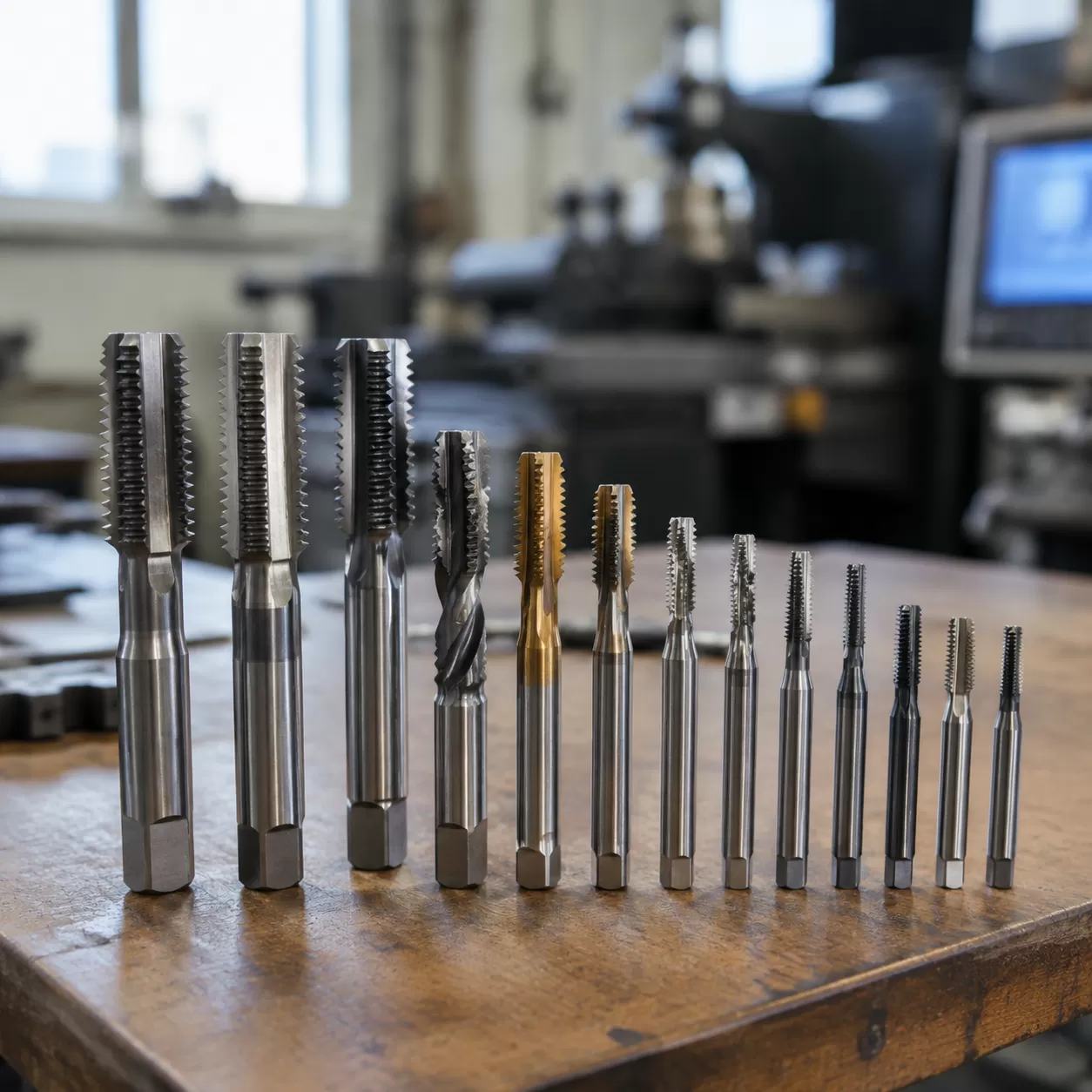
We stock a comprehensive inventory of industrial-grade taps for cutting threads engineered to meet strict ANSI and ISO standards. Whether your shop runs high-speed CNC lines or manual production stations, our catalog delivers the exact thread limits and pitch configurations required for a perfect fastener fit.
Metric and Unified National (UNC/UNF) Machine Screw Taps
Our selection covers both global and domestic thread standards to keep your production moving without delays:
- Metric Thread Taps: Complete range from micro M1.6 up to heavy-duty M24+ sizes, available in both standard coarse and fine pitches.
- UNC/UNF Machine Screw Taps: Standard American fractional and machine screw sizes engineered for precise internal threading in structural steel, electronics housings, and custom A356 aluminum alloy components.
Thread Tolerance Classifications (H1 to H4 Codes)
To ensure the exact class of fit for your fasteners, our high-performance machine screw taps are ground to precise pitch diameter limits. Choosing the correct H-limit allows you to control the tight tolerances required by US manufacturing sectors.
| Tap Size Type | Pitch / Standard | Tolerance Class (H-Code) | Typical Application |
|---|---|---|---|
| Metric Taps | M1.6 to M24+ (Coarse & Fine) | ISO 1, 2, 3 (6H Fit) | Global automotive & electronics assembly |
| UNC / UNF | #0-80 up to 1-1/2″ | H1 to H4 Limits | Aerospace, defense, & industrial machinery |
Using the right H-code ensures proper clearance for post-plate baking or tight-tolerance critical assemblies, drastically reducing thread failure and scrap rates on your shop floor.
Technical Comparison: Choosing Taps by Workpiece Material
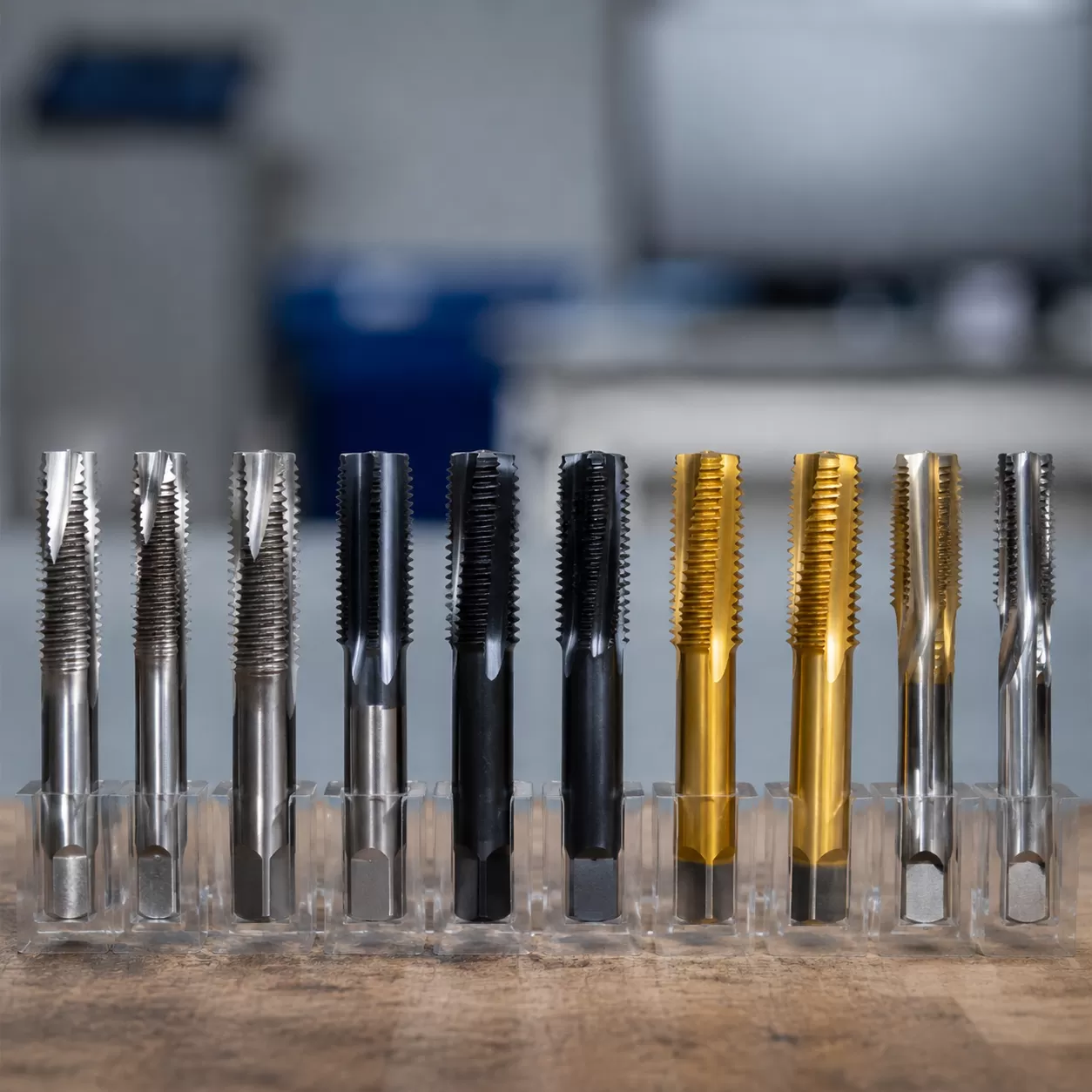
Matching your taps for cutting threads to the specific workpiece material is the difference between a clean thread and a snapped tool. Different materials produce distinct chip types and thermal demands, requiring specific tap geometries and features.
Tapping Soft Metals: Optimization for Aluminum and Brass Alloys
Soft metals like aluminum and brass are highly ductile and prone to galling or clogging the tool flutes. For these materials, we design straight flute taps or spiral flute cutting taps with polished clearances to force chips out quickly. High-speed steel (HSS) cutting taps with a bright finish work best here, preventing material buildup on the cutting edge.
Heavy-Duty Threading: Solutions for Hardened Steel, Stainless Steel, and Titanium
Harder, abrasive alloys generate extreme heat and work-harden instantly if the tool rubs instead of cuts. When tapping tough metals like stainless steel or rugged aerospace components, premium cobalt thread taps or carbide tapping tools are mandatory. These tools require aggressive rake angles and advanced coatings like TiAlN to resist thermal degradation. If you are regularly threading demanding components, understanding how high-strength materials handle stress is critical—much like evaluating nickel corrosion vs stainless steel to choose the right longevity standards for your industrial projects.
Non-Ferrous and Composites Tapping Metrics
Composites, fiberglass, and plastics are highly abrasive and can quickly wear down standard tooling diameters, leading to undersized threads. For these applications, solid carbide taps or tools with specialized surface treatments maintain a sharp edge longer and prevent fiber delamination.
Material Selection Matrix for Thread-Cutting Taps
| Workpiece Material | Recommended Tap Material | Ideal Flute Style | Recommended Surface Finish | Primary Challenge |
|---|---|---|---|---|
| Aluminum / Brass | Standard HSS | Spiral Flute / Spiral Point | Bright (Uncoated) | Chip packing & galling |
| Carbon Steel | Premium HSS / Cobalt | Straight / Spiral Point | TiN (Titanium Nitride) | Thread stripping |
| Stainless Steel | HSSE-Co (Cobalt) | Spiral Flute | TiAlN or Oxide | Work hardening & high heat |
| Titanium Alloys | Solid Carbide / Cobalt | Optimized Spiral Flute | TiAlN | Extreme abrasive wear |
| Plastics / Composites | Solid Carbide | Straight Flute | Diamond / Uncoated | Tool wear & size shrinkage |
Professional Tapping Guidelines for Zero Tool Breakage
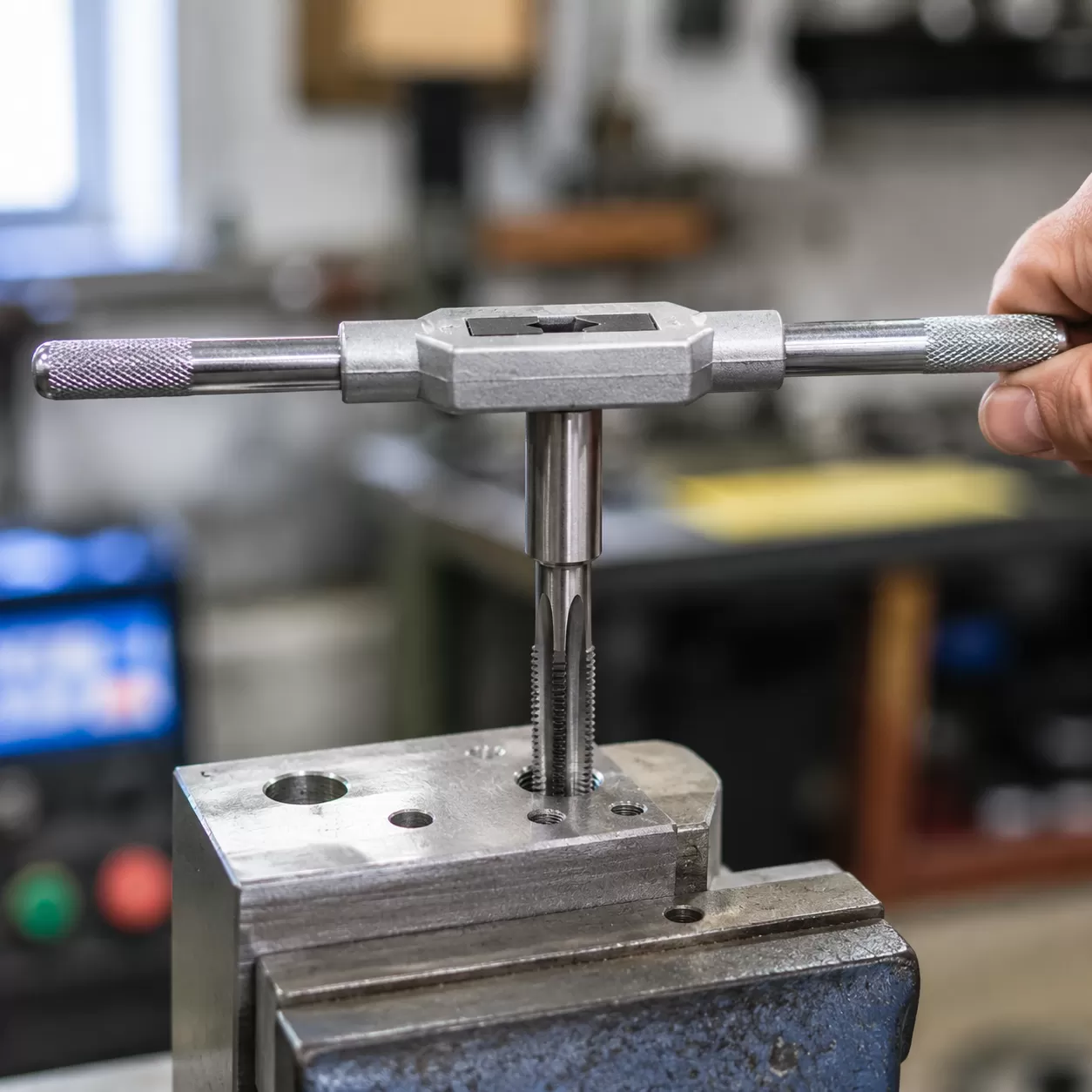
Breaking a tap is a nightmare that halts production and ruins expensive workpieces. Achieving zero tool breakage requires strict adherence to proper hole preparation, lubrication, and machine programming. By mastering these three core elements, you can maximize the life of your taps for cutting threads and ensure flawless internal threads every time.
Exact Tap Drill Bit Sizing: The Core Hole Diameter Formula
Choosing the wrong drill size is the leading cause of broken internal thread cutting tools. If the drilled hole is too small, the torque increases exponentially, snapping the tap. For standard 75% thread engagement, always use the core hole diameter formula:
$$text{Drill Size} = text{Major Diameter of Tap} – text{Pitch}$$
- Metric Example: For an M10 × 1.5 thread, use an 8.5mm drill bit ($10 – 1.5 = 8.5$).
- Unified National Example: For a 3/8″-16 UNC thread, use a 5/16″ drill bit.
- Pro Tip: For tough materials like stainless steel or titanium, consider dropping to 60% or 65% thread engagement to drastically reduce stress on your HSS cutting taps without sacrificing significant holding strength.
Lubrication Strategy: Selecting the Correct Cutting Fluids
Never run thread taps for metal dry. The intense friction generated during thread cutting requires specialized lubrication to evacuate chips and prevent galling.
| Workpiece Material | Recommended Cutting Fluid Type |
|---|---|
| Aluminum & Brass Alloys | Kerosene-based fluids, light soluble oils, or synthetic coolants |
| Carbon Steel & Cast Iron | Heavy-duty sulfurized mineral oils or emulsifiable oils |
| Stainless Steel & Titanium | High-viscosity chlorinated cutting oils or paste lubricants |
Using the right fluid protects the cutting edges of your cobalt thread taps and ensures smooth chip evacuation, which is especially critical when dealing with complex parts like an aluminum casting where material consistency can vary.
CNC Speeds and Feeds Optimization for Industrial Machine Taps
When running CNC machine taps on automated equipment, guessing your speeds and feeds will cost you money. Modern production setups require precise synchronization, preferably using rigid tapping cycles to match the spindle RPM exactly with the feed rate per revolution (which must equal the thread pitch).
- SFM (Surface Feet per Minute): Start conservative. For carbon steel, aim for 40–60 SFM; for aluminum, you can push carbide tapping tools up to 100–150 SFM.
- Peck Tapping: When tapping deep holes (more than 2.5 times the tap diameter), use a peck cycle to break and clear stringy chips.
- Spindle Clearance: Ensure your machine has enough clearance for deceleration and reversal at the bottom of the hole to avoid smashing the tap into the bottom.
Why Industrial Manufacturers Partner with PrecisionVast
We know that unexpected downtime kills profitability. That is why machine shops and industrial manufacturers across the United States trust PrecisionVast for high-performance taps for cutting threads. We deliver the consistency, exact tolerances, and fleet reliability required for heavy-duty production runs.
Strict Quality Control and ANSI/ISO Compliance
Every industrial thread tap we ship undergoes rigorous quality testing to meet strict ANSI and ISO standards. Whether you are tapping complex aerospace alloys or machining components based on steel casting basics and common applications explained in industrial manufacturing, our tools deliver repeatable accuracy.
- 100% Inspection: Every batch is verified for pitch diameter, geometry, and hardness.
- Zero-Defect Goal: Eliminates the risk of sudden tool breakage inside expensive workpieces.
- Full Traceability: Guaranteed material certification for every tool substrate.
Bulk Procurement, Custom Sizes, and Reliable Supply Chain
We keep your production lines moving with dependable supply chain logistics and tailored procurement programs designed for local manufacturing realities.
- Bulk Inventory: Immediate shipping on standard metric and unified national thread taps to minimize your lead times.
- Custom Engineering: Modification of dimensions, flute profiles, and specialized coatings tailored to your unique workpiece materials.
- On-Time Logistics: Streamlined domestic distribution to ensure your tool crib is always stocked, eliminating costly supply chain bottlenecks.

 English
  German